The Twelve Men in the Rock Hall: A Fascinating Myth of the Hochburg
The story of the ‘Twelve Men in the Rock Hall’ is one of the most mysterious and, at the same time, most fascinating legends surrounding the Hochburg near Emmendingen in Baden-Württemberg. What began as a mere folktale has, over the centuries, developed into a myth that captivates visitors and historians alike. This phenomenon combines historical facts with mystical elements and sheds a unique light on medieval life in the region. In the following, we examine the background and the details of the narrative, placing them in the context of further historical sources and scholarly findings.
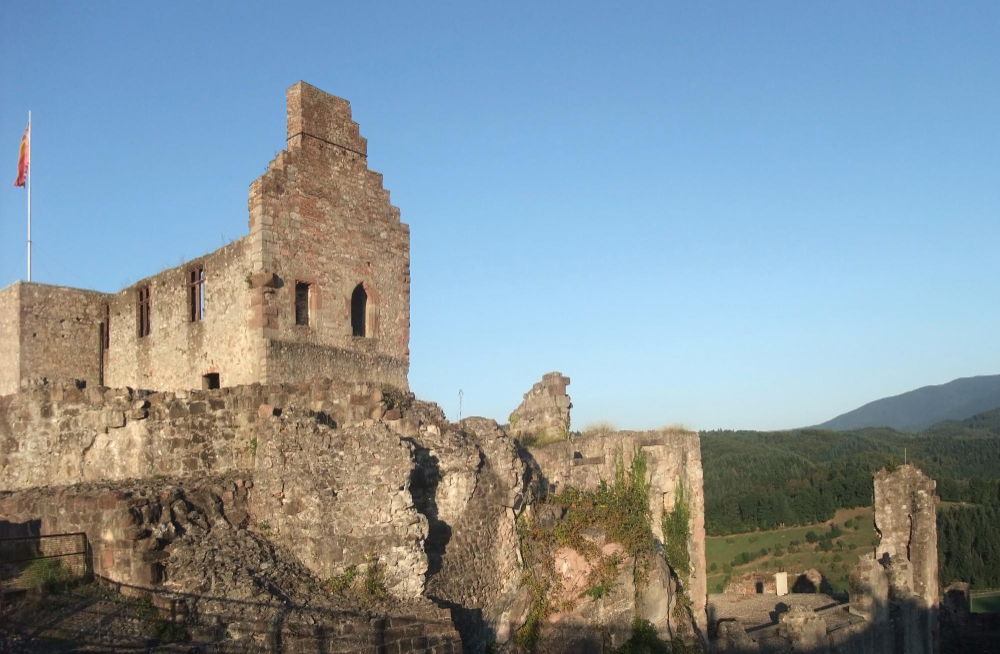
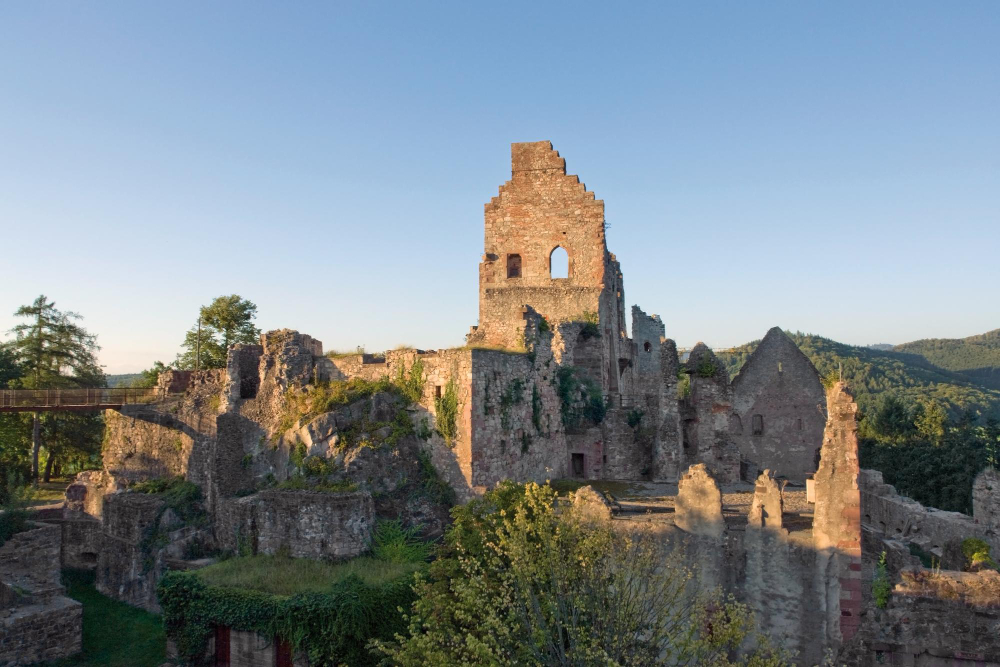
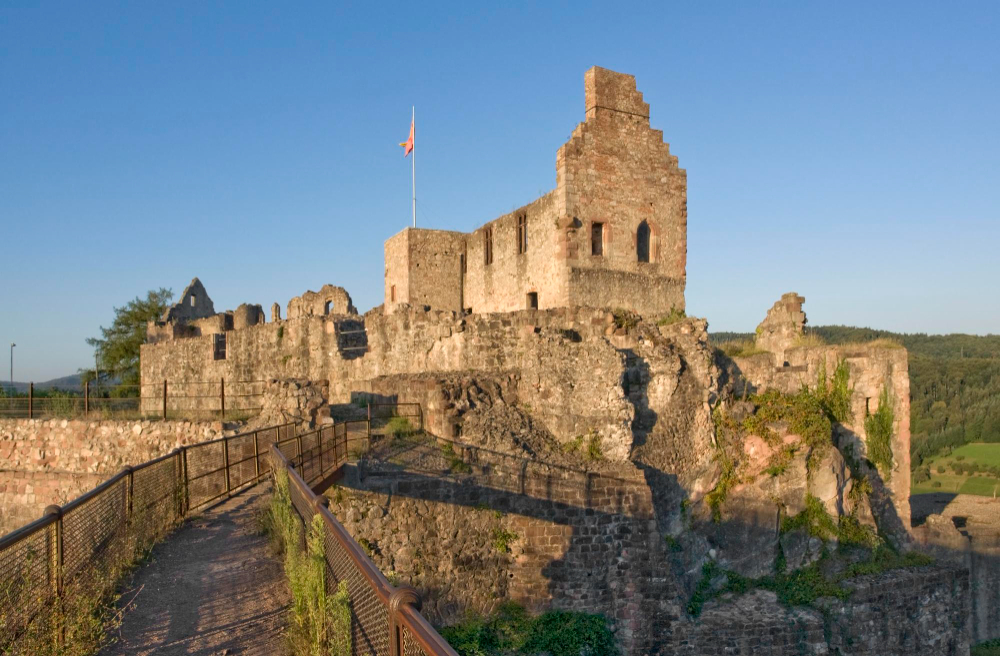
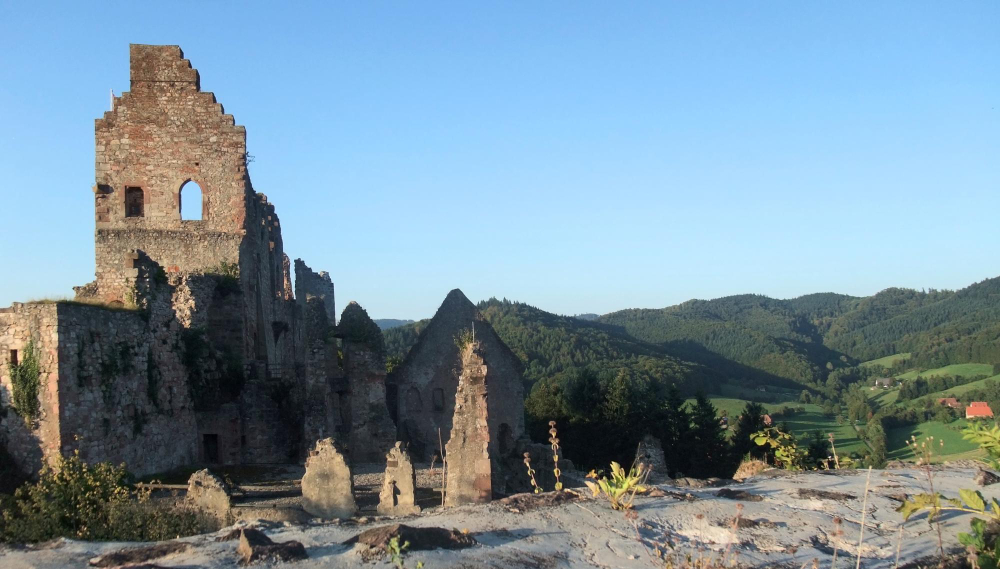
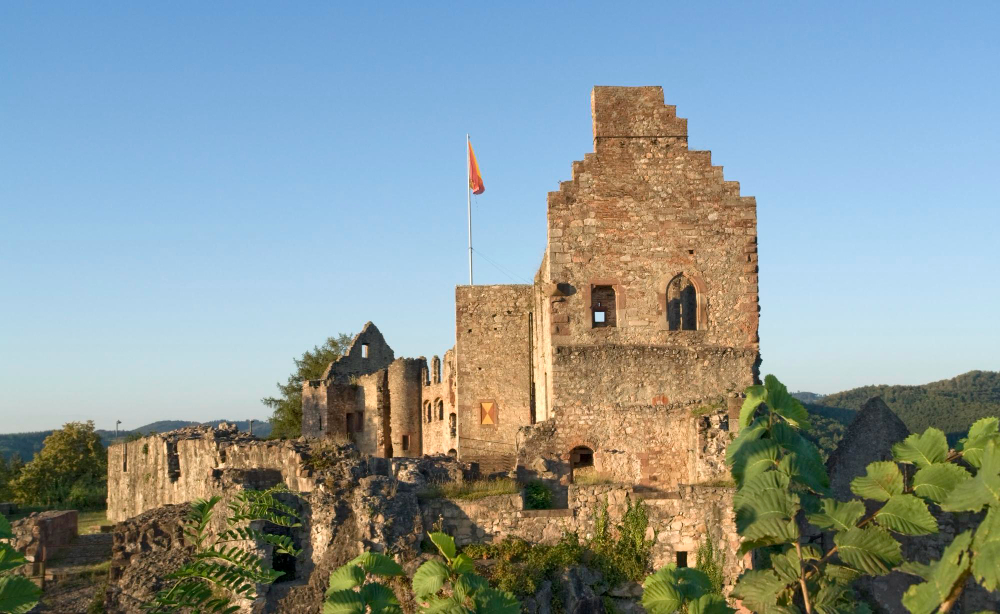
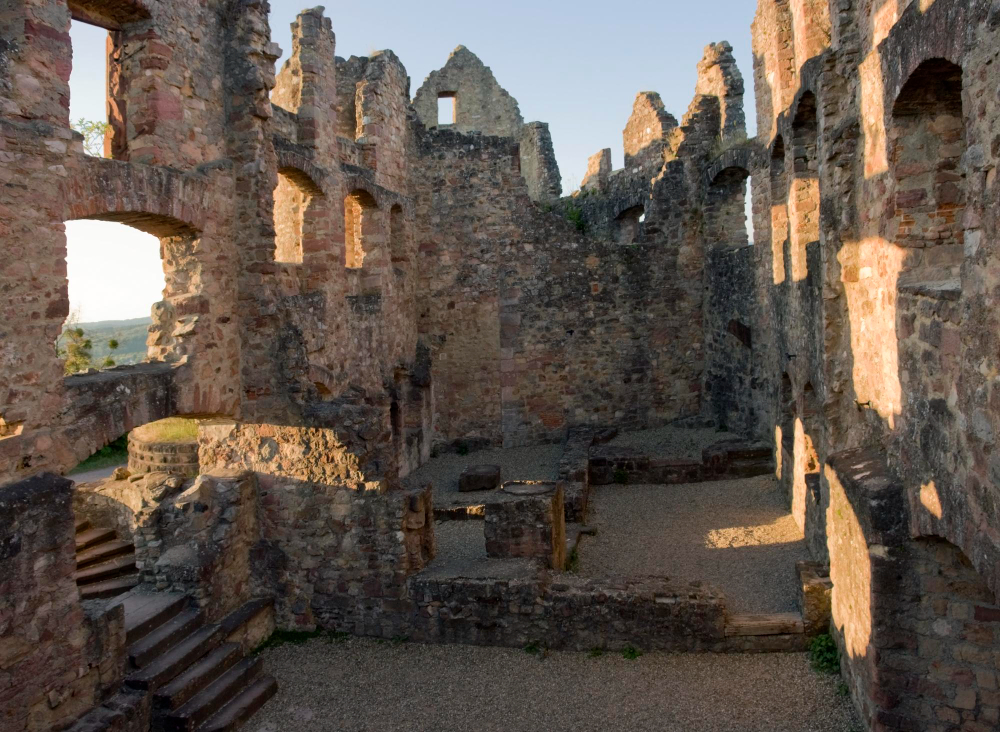
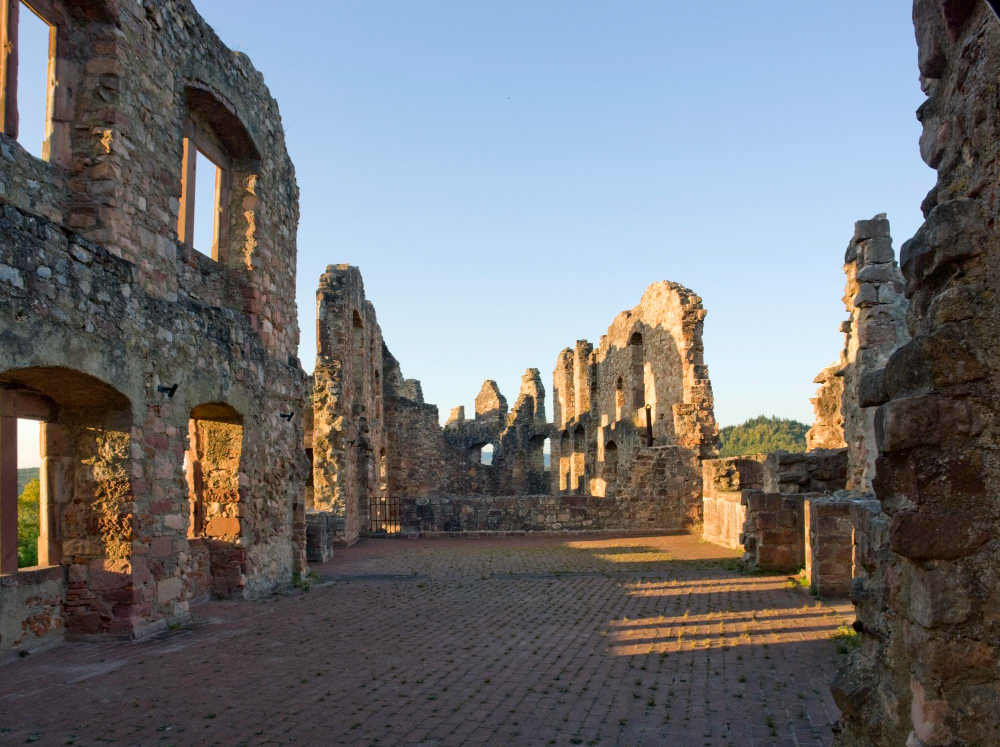
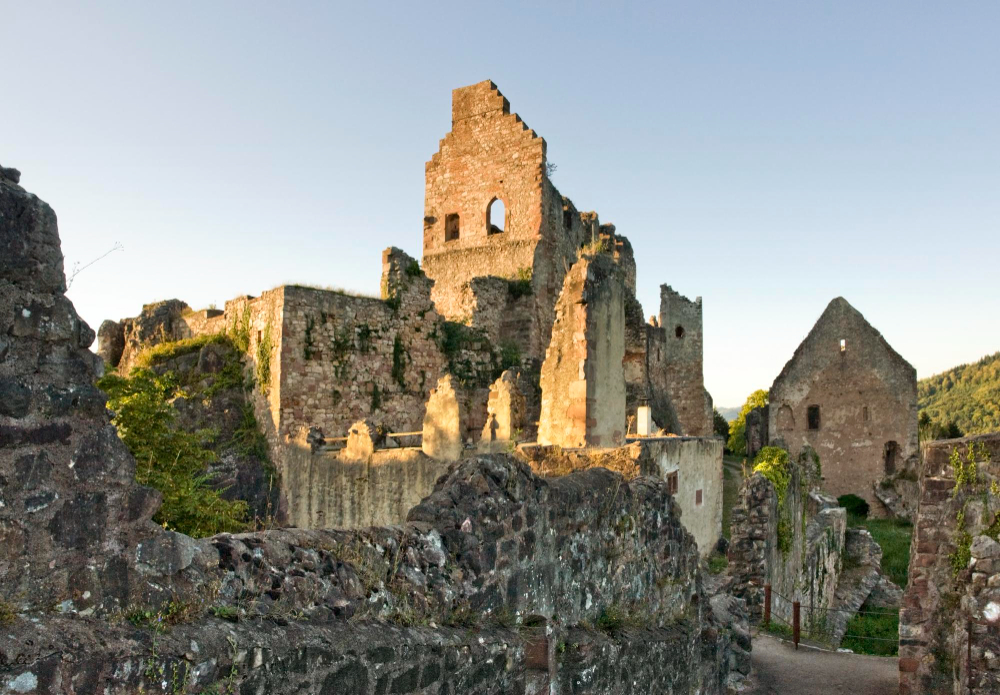
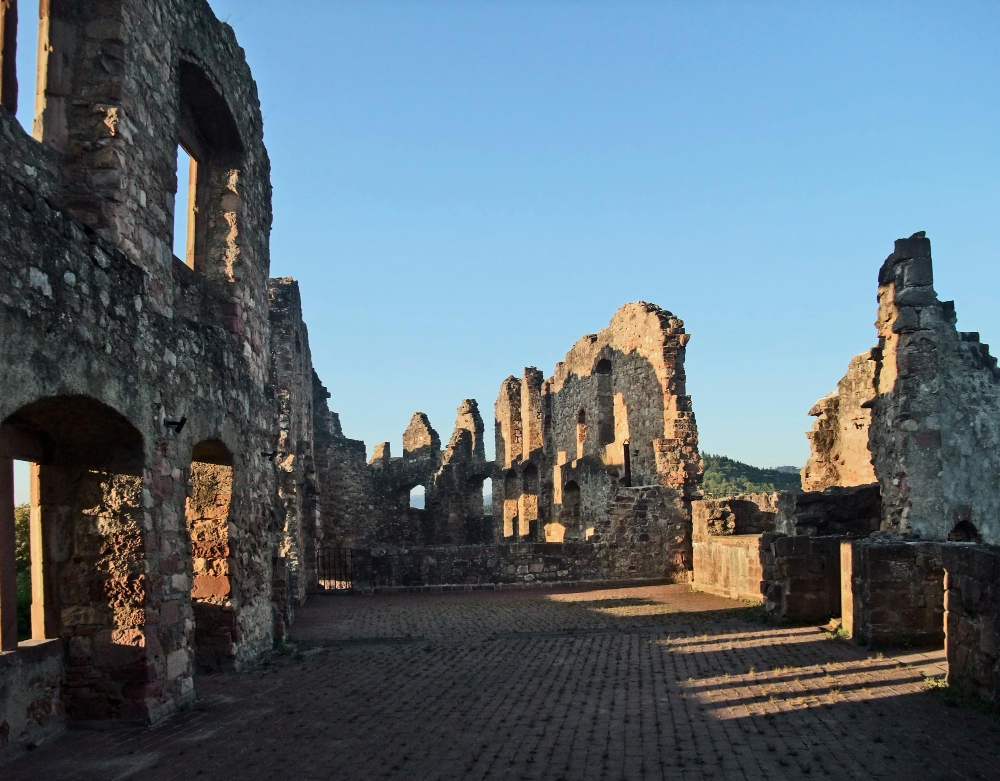
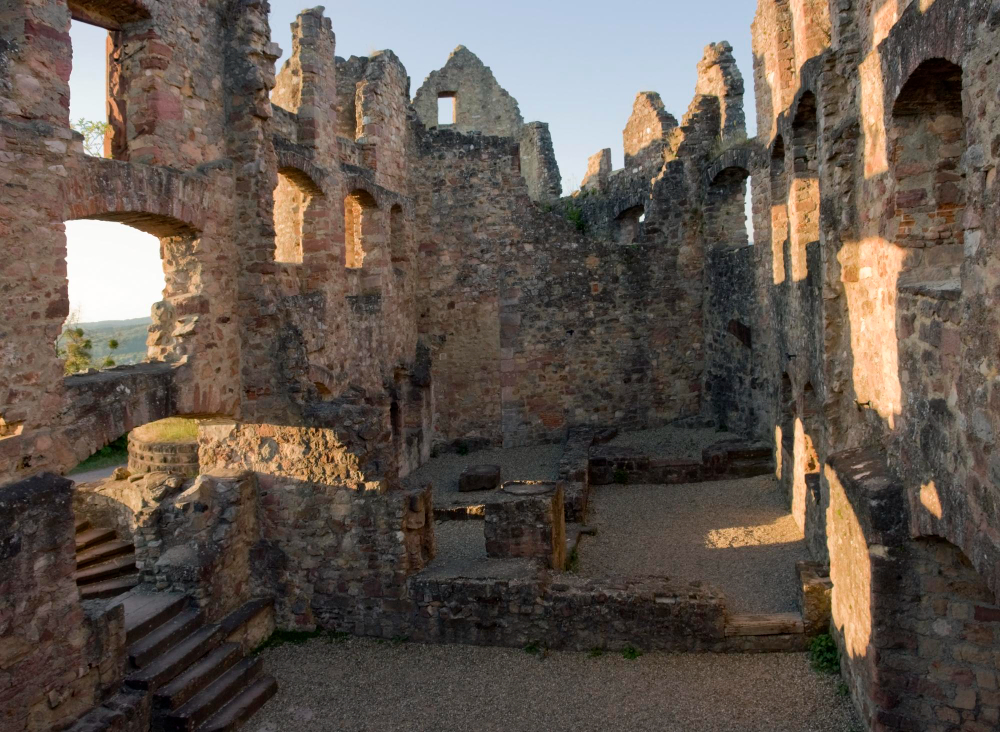
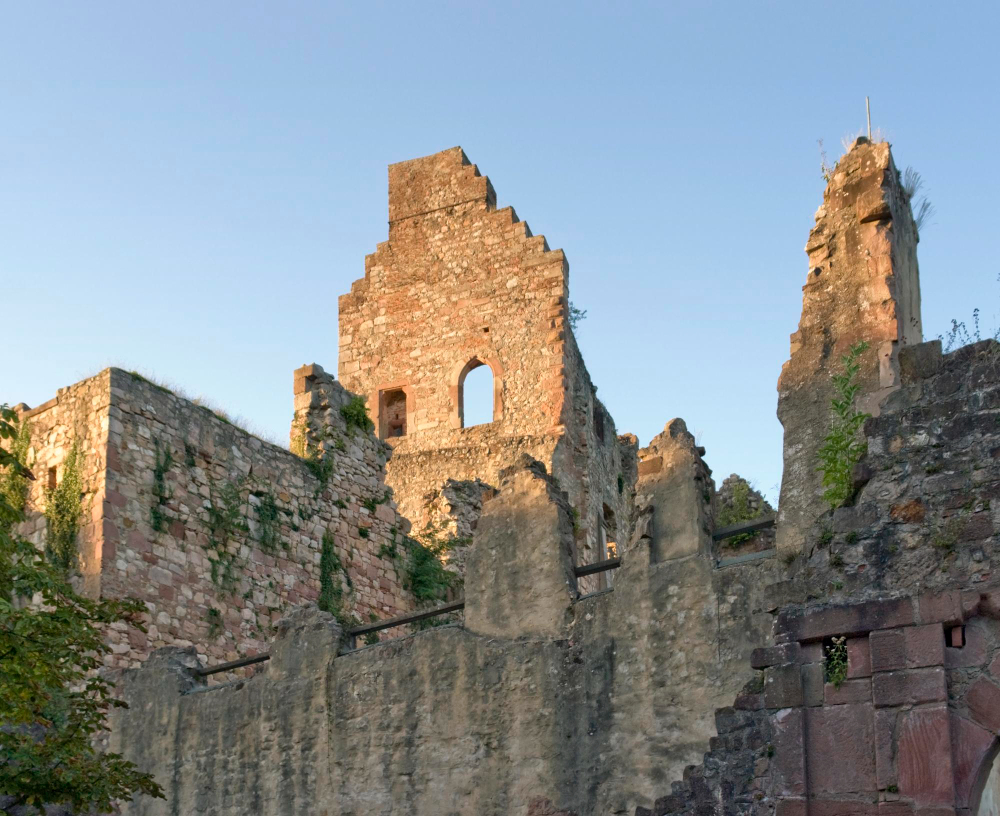
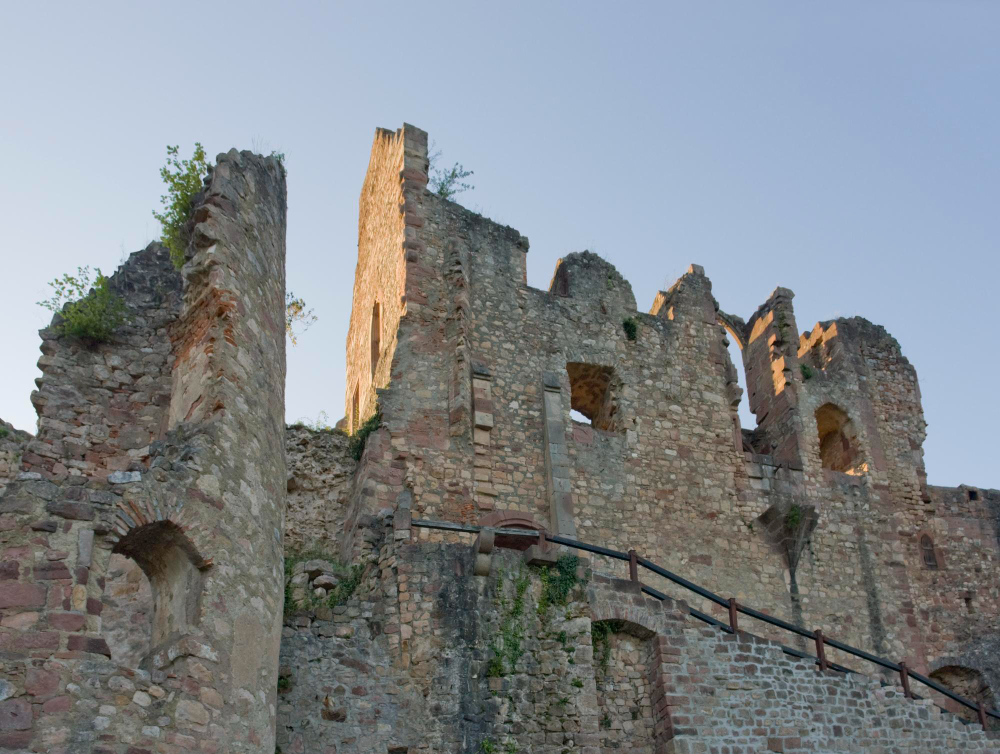
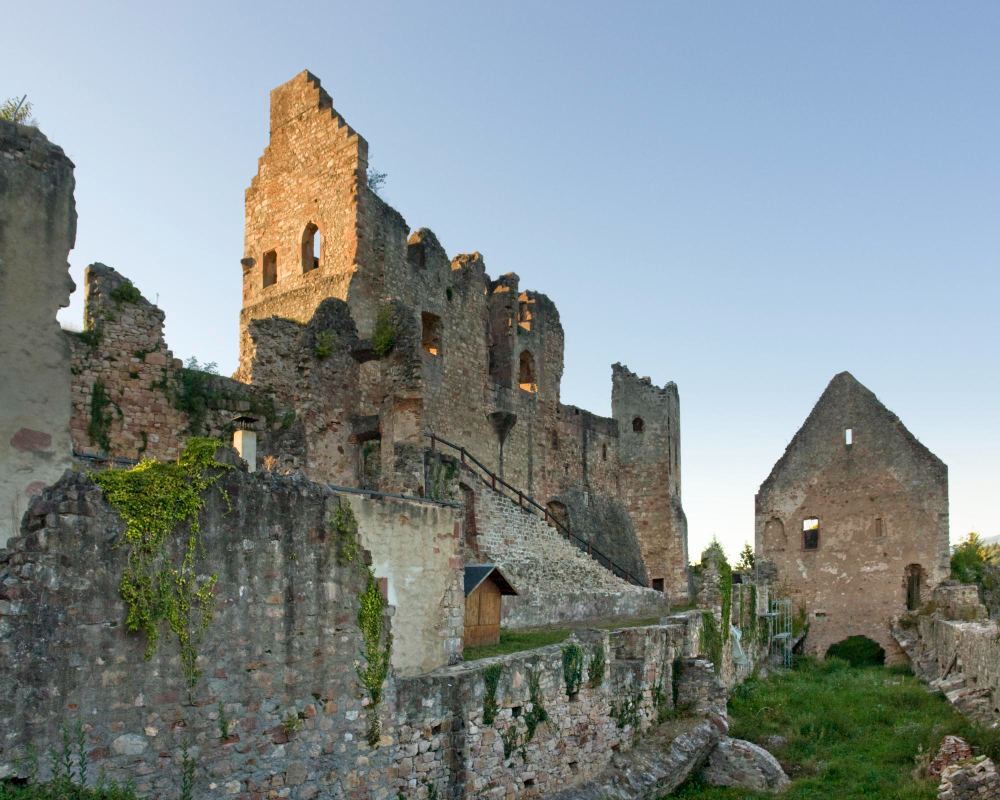
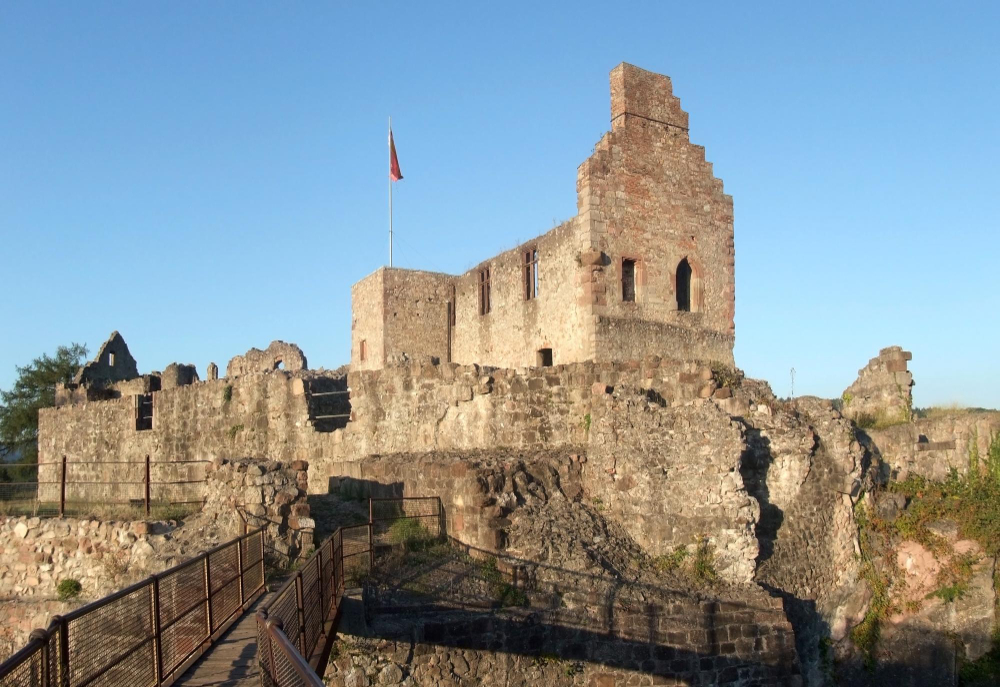
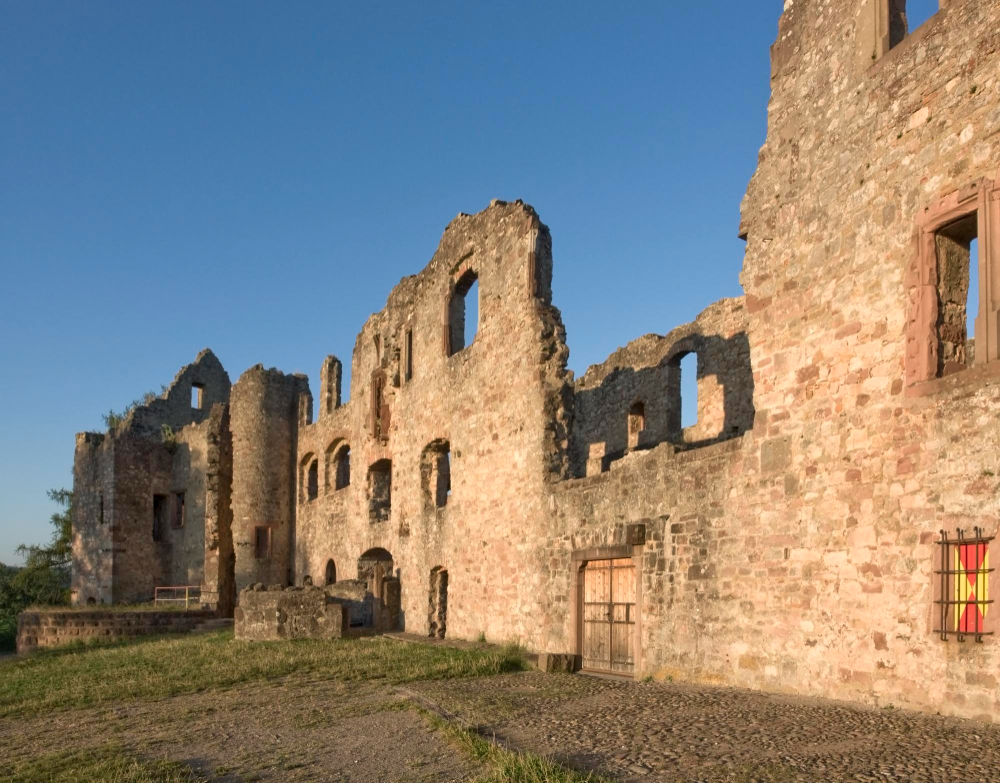
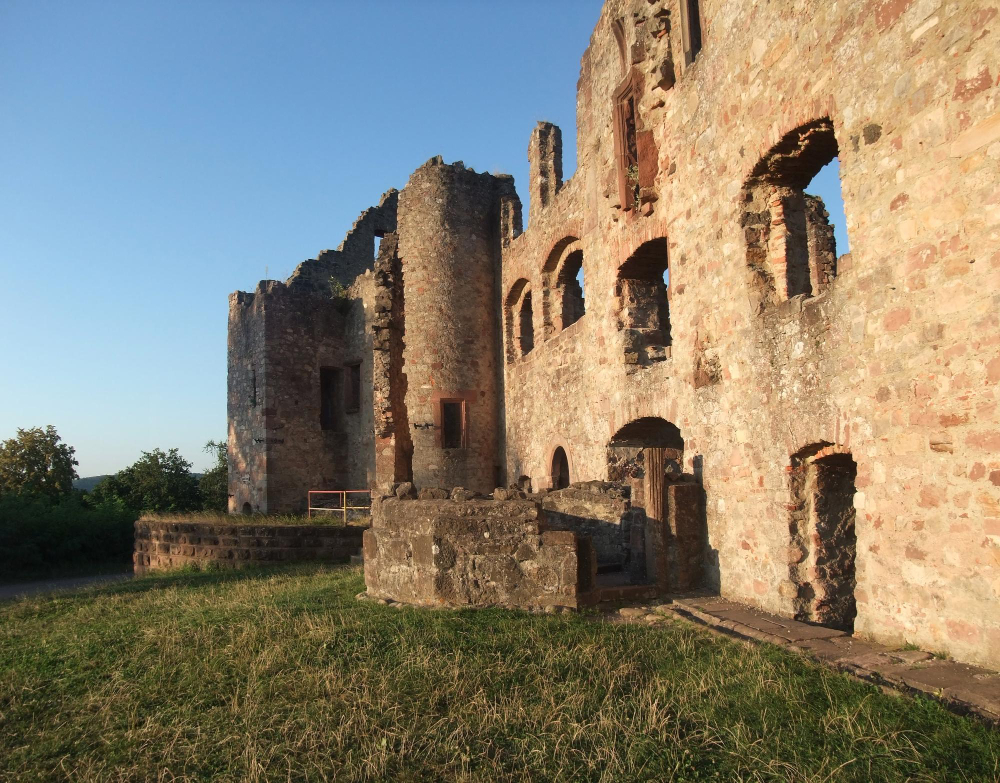
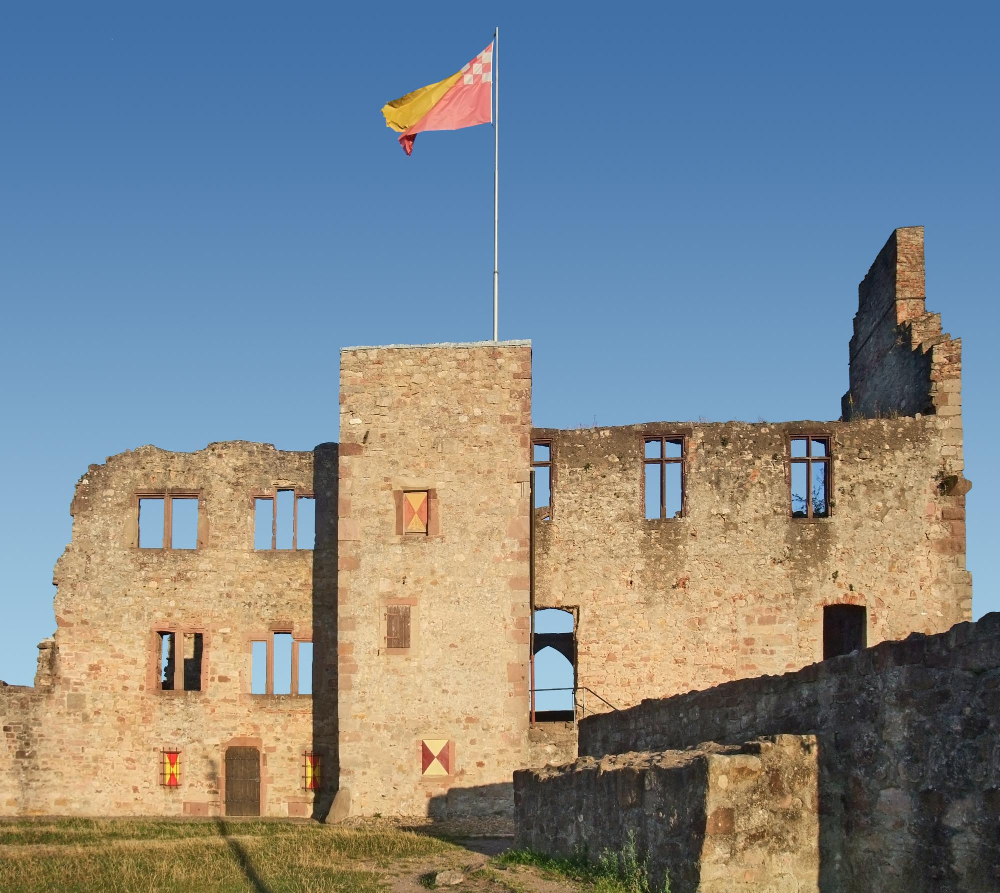
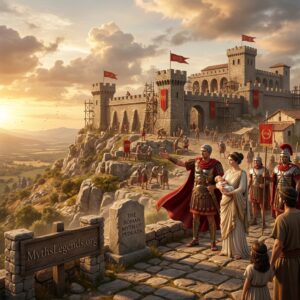
The Hochburg – A place steeped in history – The Hochburg, whose origins date back to the 11th century, is one of the largest castle ruins in southern Germany. It is perched on a rocky outcrop above the Elz Valley and was once a mighty fortress that guarded important trade and transport routes. Archaeological investigations and historical documents attest to its significance as the seat of regional rulers and a strategic stronghold in the Middle Ages. In addition to its military function, the castle also served as a centre of state. Festive banquets, negotiations and gatherings took place here. It is precisely this blend of military strength and ceremonial splendour that provides the ideal breeding ground for legends such as that of the ‘Twelve Men in the Rock Hall’.
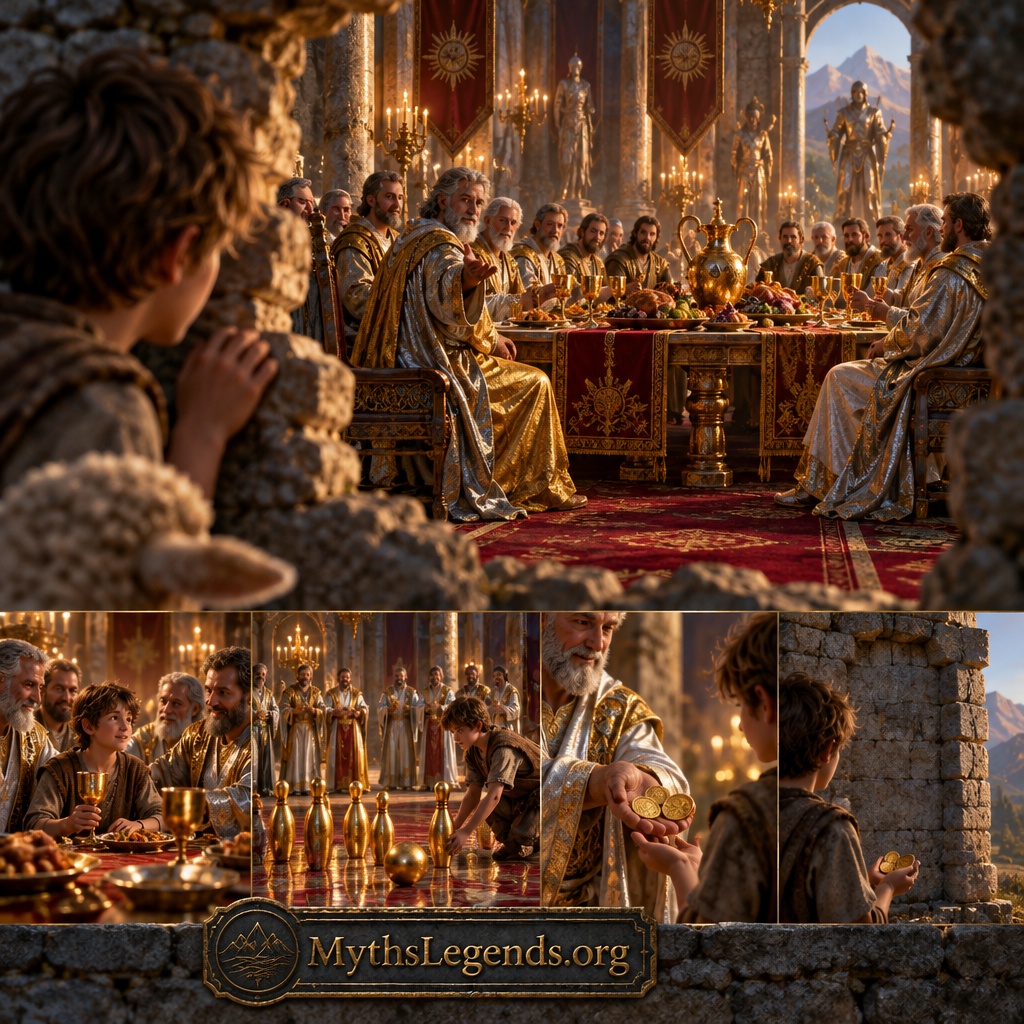
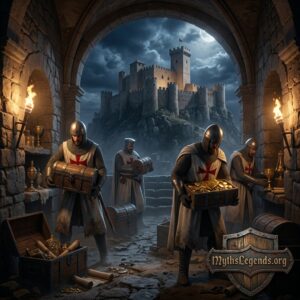
The Myth: A Shepherd Boy’s Encounter with the Twelve Men – The core of the legend tells of a simple shepherd boy who, one day, peered through a narrow gap in the castle walls and gazed into a magnificently furnished hall. This hall, later referred to by the locals as the ‘Rock Hall’, was carpeted in red – a sign of wealth and status. Twelve men sit at a long table, clad in robes of gold and silver, which lend them an almost otherworldly aura. Before them stand golden goblets, and in the centre of the table stands a magnificent jug, possibly made of gilded silver. The meal they are enjoying looks delicious and sumptuous – a world away from the boy’s modest everyday life. At first, the shepherd boy’s gaze remains hidden, but the men seem to notice his presence and silently invite him to join the feast. Without a word, he is shown to his place at the table, and he eats alongside the mysterious guests. Afterwards, the men turn their attention to a game of skittles – albeit with golden balls and skittles, which lends the game a unique and almost magical dimension. The boy helps to set up the skittles and, in thanks, receives four coins – a reward that could change his simple life. But before he can find out more, the hall and the men vanish without a trace behind the wall.
Symbolism and Interpretation of the Legend – The twelve men could symbolise a variety of things. The number twelve itself has special significance in many cultures and religions – it often stands for completeness, order and cosmic harmony. One need only think of the twelve apostles in Christianity, the twelve signs of the zodiac or the twelve months of the year. In regional folklore studies, it is thought that the ‘Twelve Men’ were once real nobles or knights whose banquet took place in a stately hall within the castle. The sumptuous robes and the skittles game may bear witness to a special occasion, such as an alliance meeting or a knightly tournament, the exact significance of which has faded into the mists of history. The game of skittles itself has a long tradition in Germany and was frequently played at social gatherings in the Middle Ages. However, the extraordinary material – gold – emphasises the status of the participants and elevates the event to a mythical level.
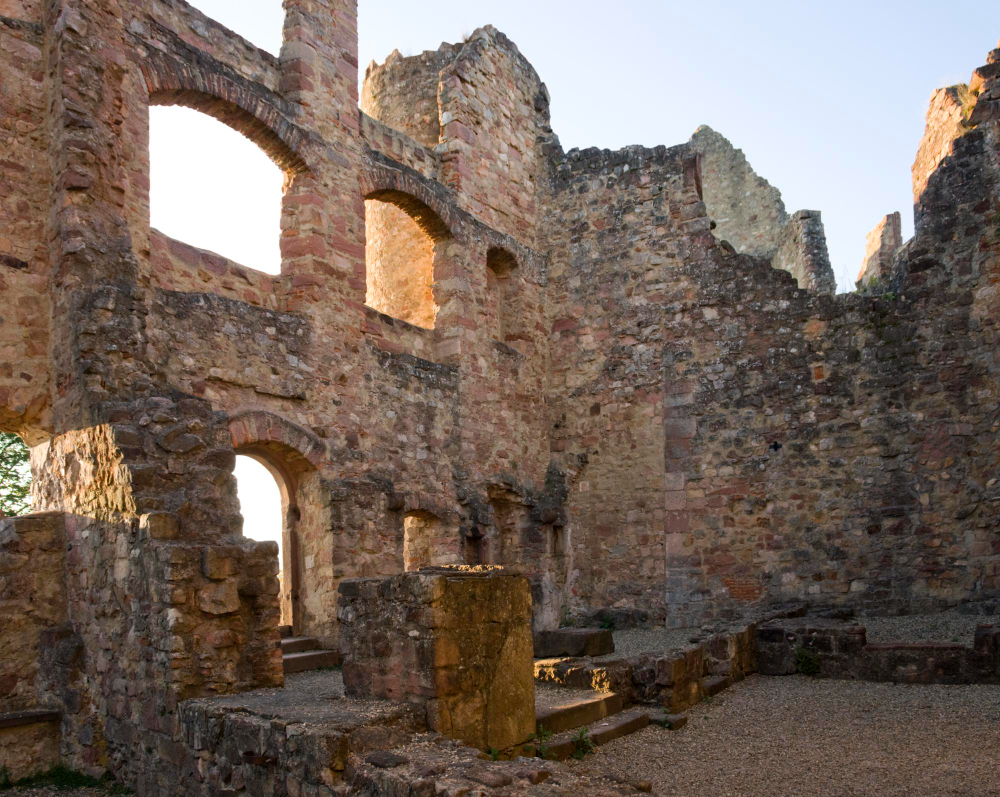
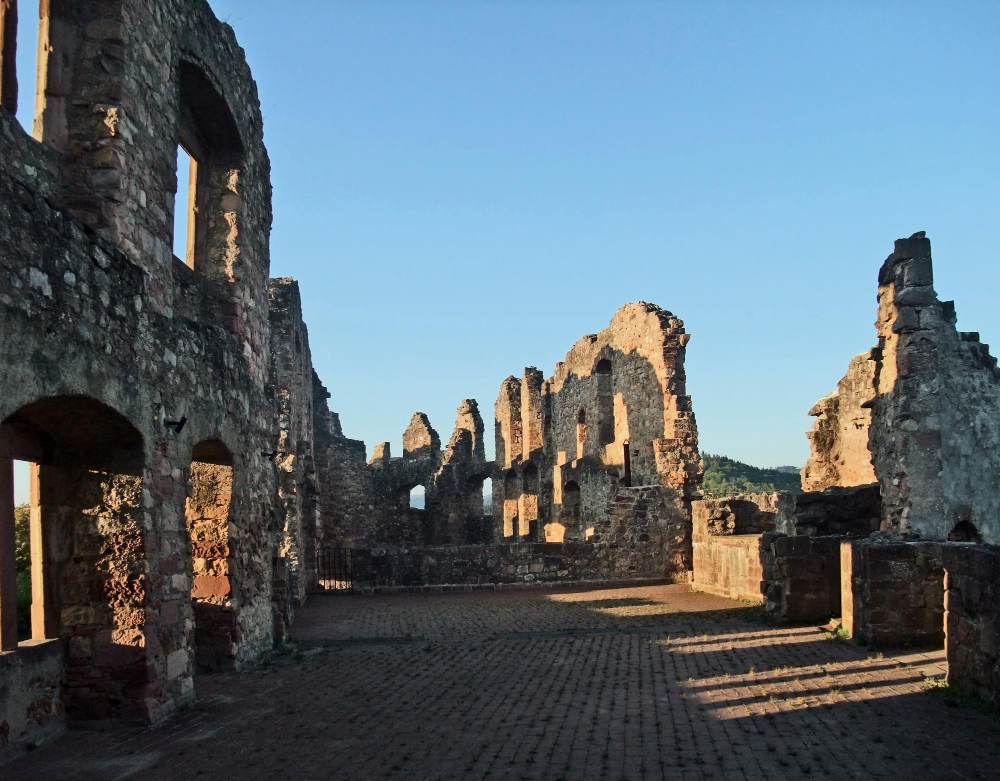
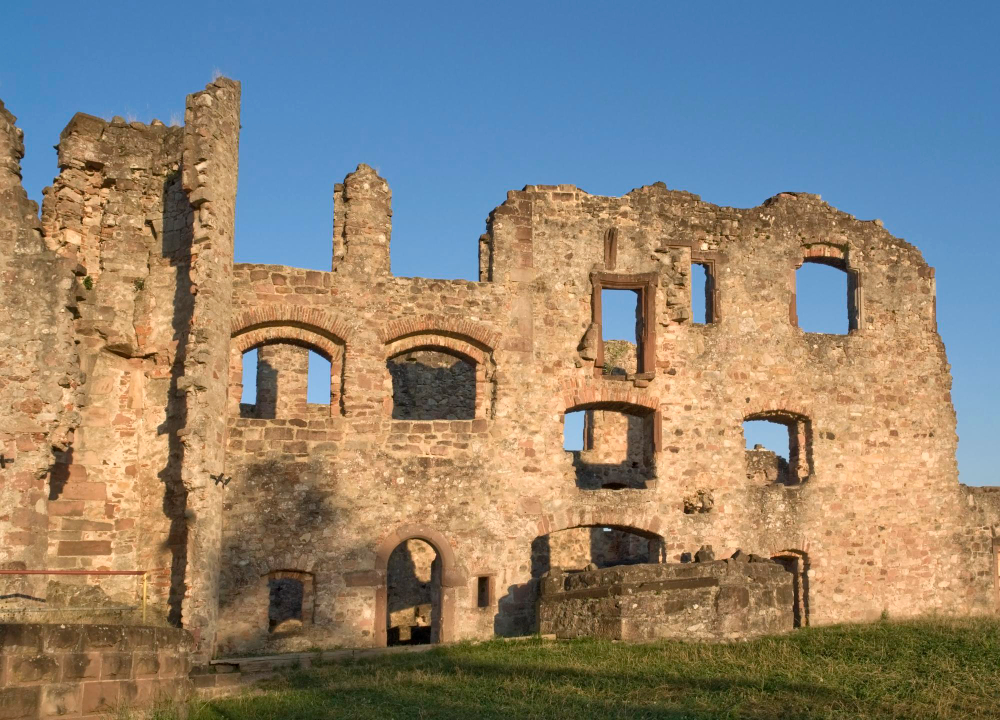
Archaeological evidence of the Rock Hall – Archaeological investigations at the Hochburg have indeed uncovered a large hall, partly hewn out of the rock, which suggests it served as a ceremonial and, presumably, social centre within the castle. The shape and furnishings of the room indicate that it was used not only for military purposes but also for celebrating festivities. Remains of valuable tableware and metal objects were also found, although no golden cups or jugs were discovered. However, the discovery of coins from that era suggests that wealth was present at the castle, and thus a scene from the legend does indeed have a historical basis.
Historical Sources and Literary Transmission – The first written mention of the myth dates from the 18th century, when local chroniclers began to record old folk tales. These texts describe the scene with the twelve men in similar detail and preserve the fairy-tale character without losing the connection to the real castle. Later, Romantic writers and local historians revisited this material and reinterpreted it in their works. Consequently, the legend can also be found in collections of old German legends as well as in tourist guides to the stronghold, which present the myth as a highlight of local identity. A comparison with other European myths reveals parallels with stories about hidden societies of knights or magical banquets that whisk those who wait or the chosen ones away to mysterious worlds. This underlines just how deeply rooted and universal the motif of the twelve noble men is in the collective memory.
Why does the story still fascinate us today? – The legend of the twelve men in the Rock Hall thrives on the combination of visible, historical reality and invisible myth. It arouses curiosity about hidden connections, invites us to dream and leaves room for interpretation. For visitors to the stronghold, this means that they are not merely entering a stone ruin, but can immerse themselves in a story that has been unfolding for centuries – somewhere between reality and fantasy. In an age when history is often presented in a sober and factual manner, such narratives offer an emotional connection to the past. They show how people even back then sought to understand and interpret their surroundings – through symbols, myths and legends that continue to fascinate us to this day.
A myth straddling history and magic – The ‘Twelve Men in the Rock Hall’ are far more than just a beautiful legend. They are a reflection of medieval culture, social structures and human longings. With its imposing backdrop, the Hochburg provides the perfect setting for this drama of splendour, community and mystery. By linking archaeological findings, historical contexts and literary tradition, a complex picture emerges that shows how history can remain alive – if one is prepared to look closely and peer behind the walls. Anyone setting out for the Hochburg today, with a little imagination and knowledge, might just be able to peer through the legendary crack in the wall – and witness the twelve men in the Rock Hall enjoying their sumptuous feast. Their magic lives on, in our memories and in our wonder at the mysteries of times gone by.




Post Comment