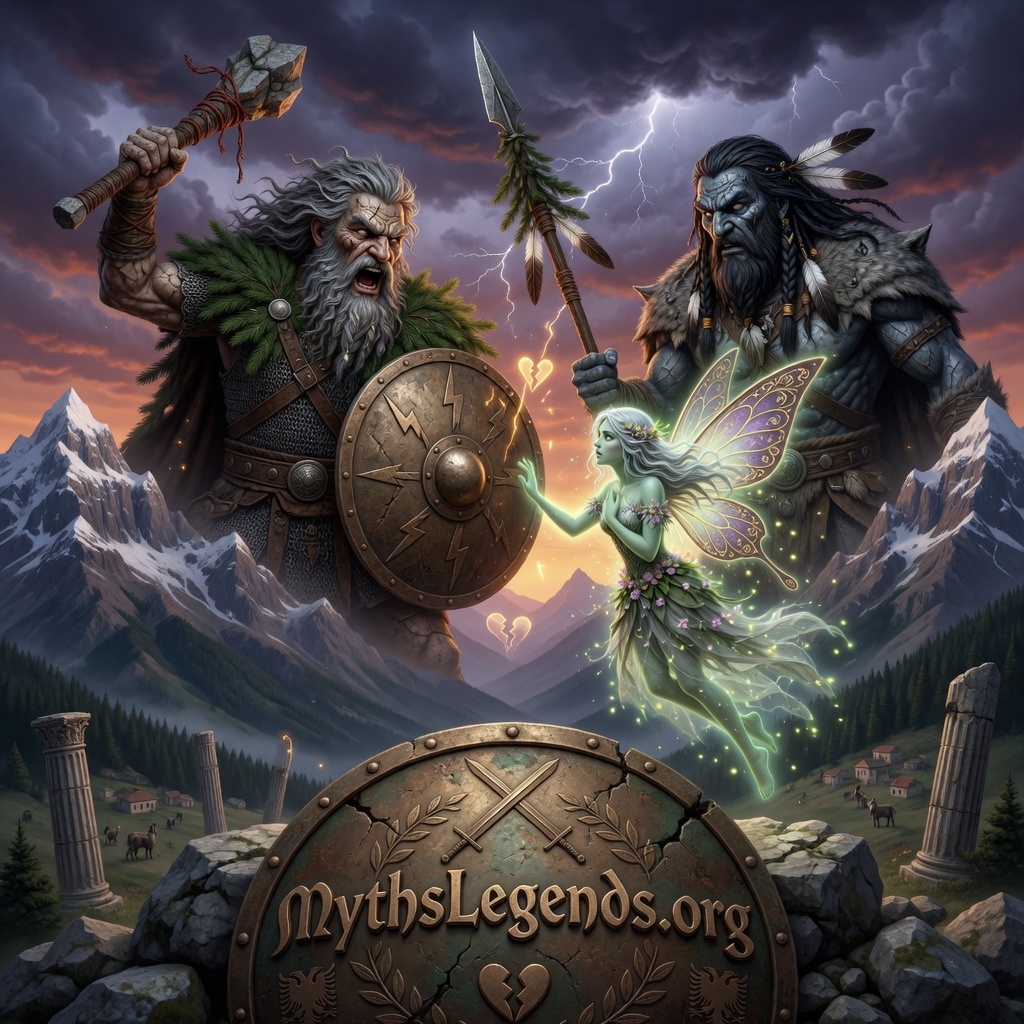
The Rival Giants of Berat: An Ancient Legend of Love, Jealousy and Petrification
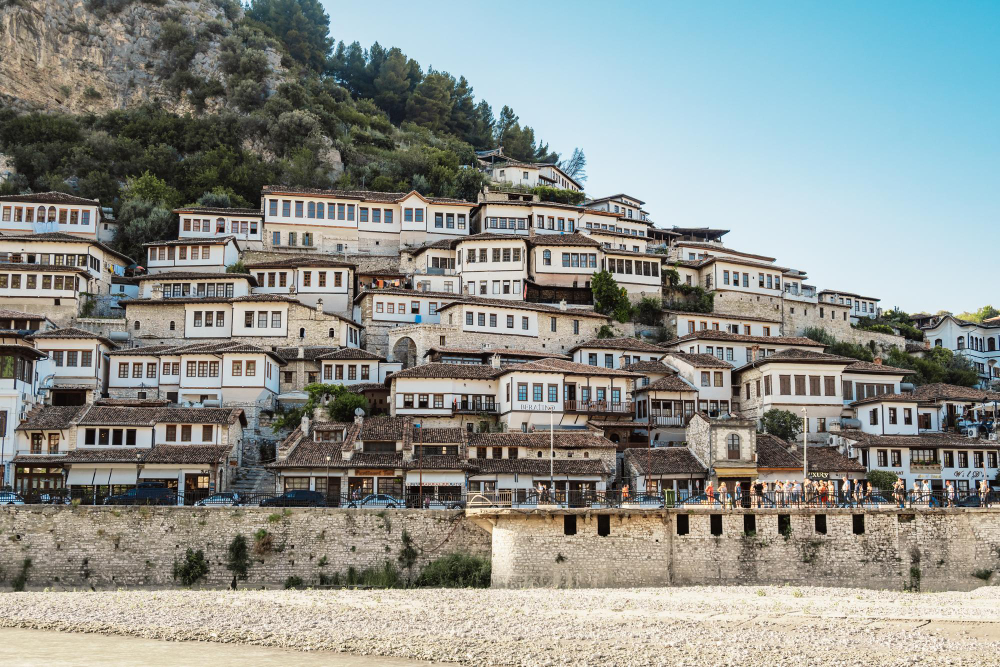
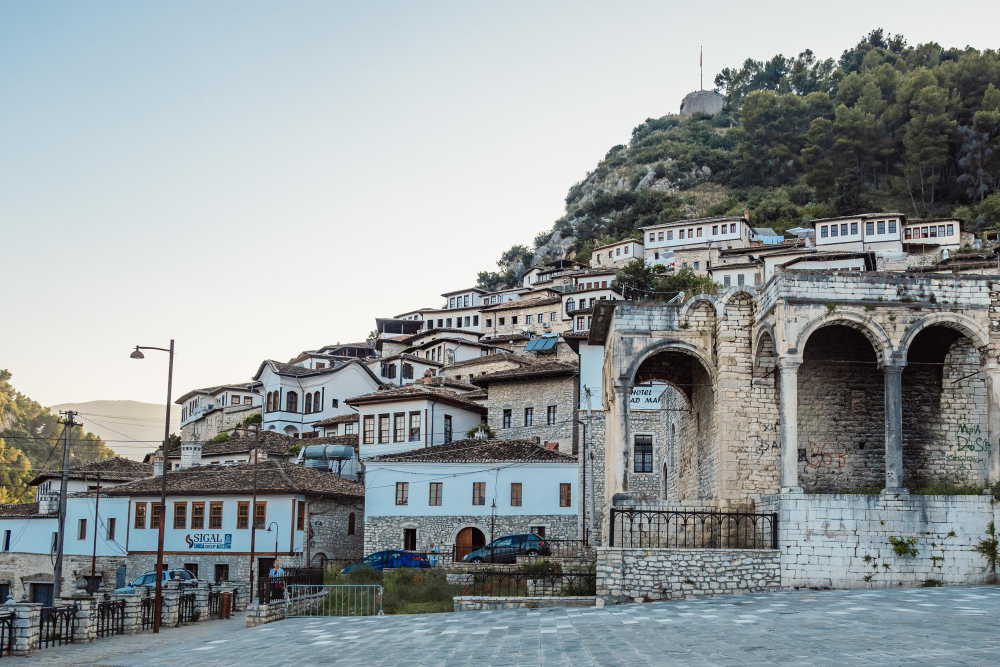
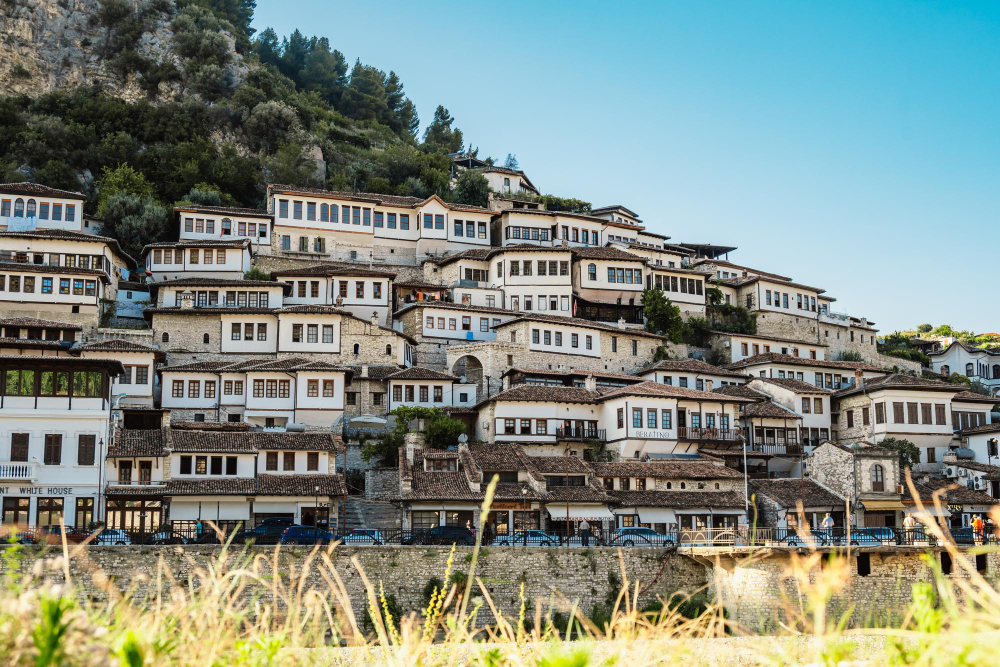
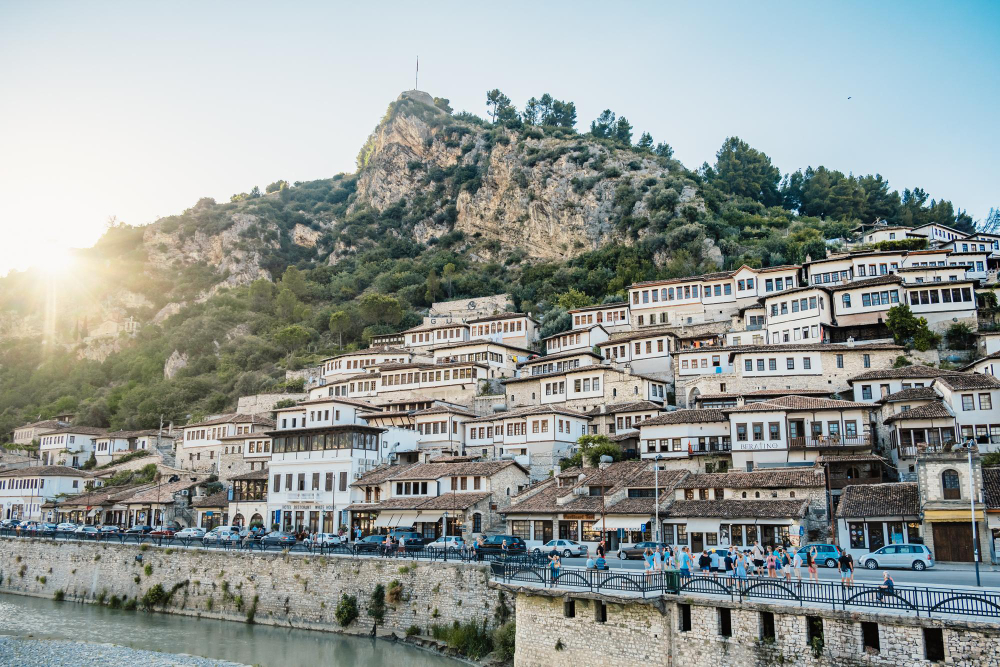
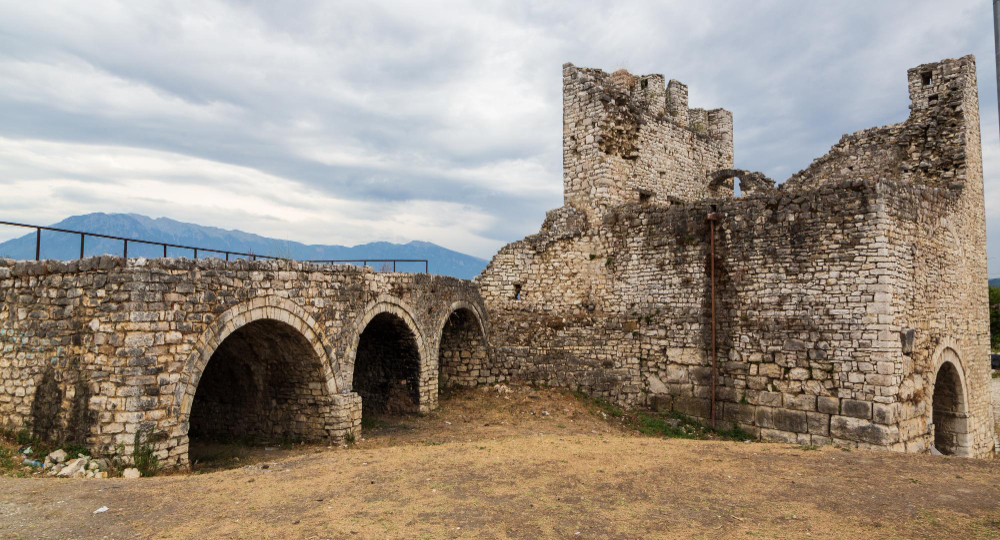
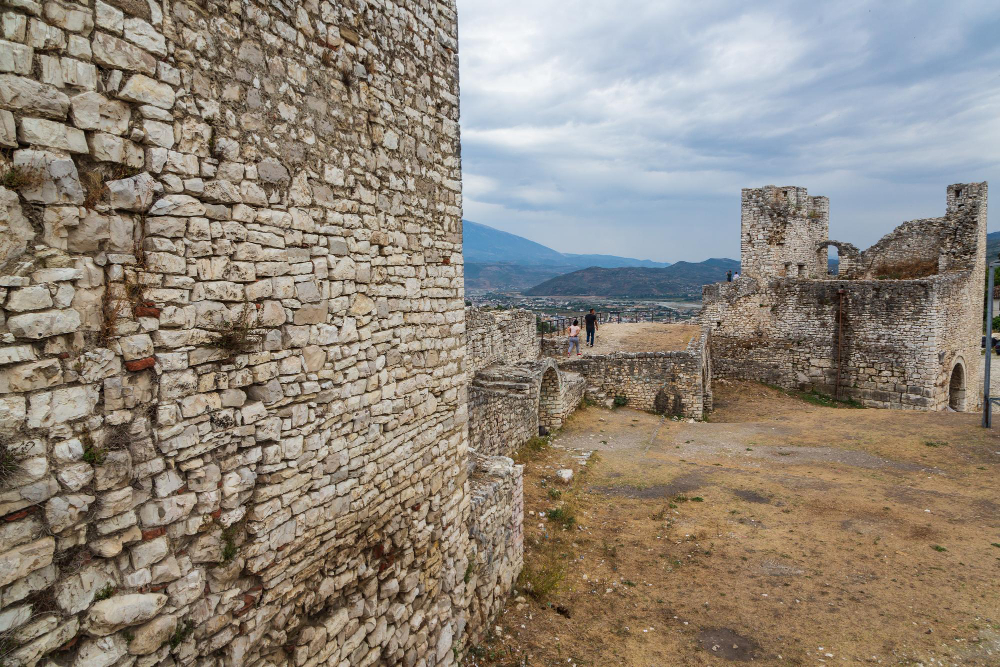
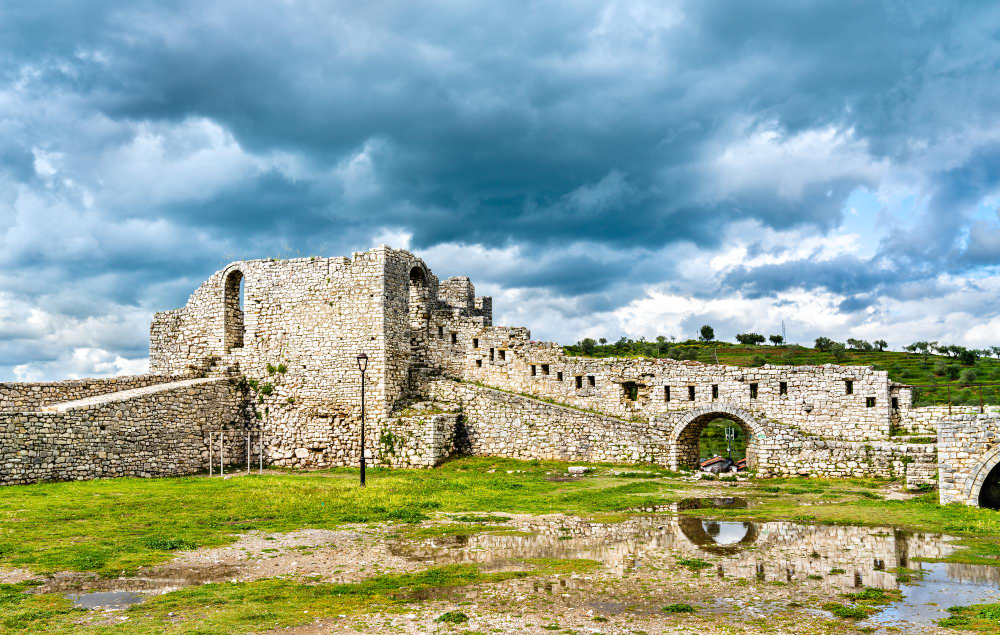
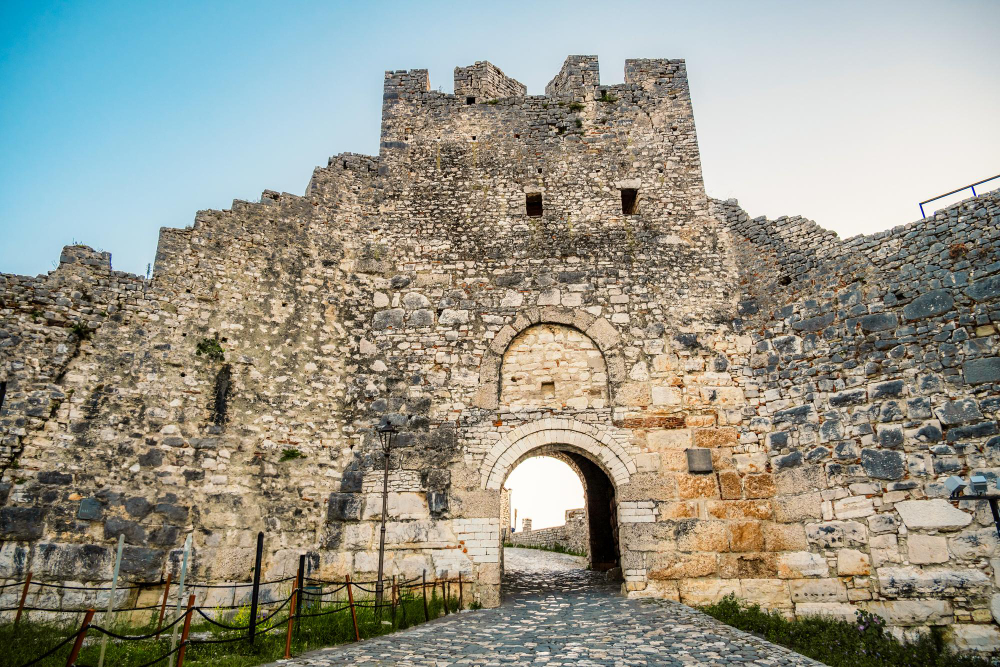
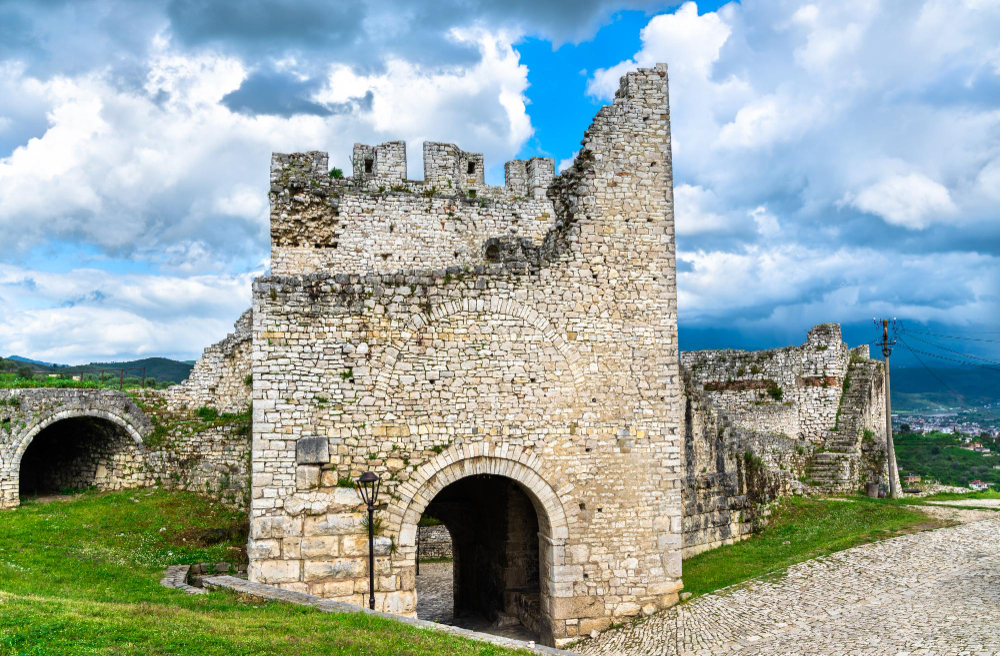
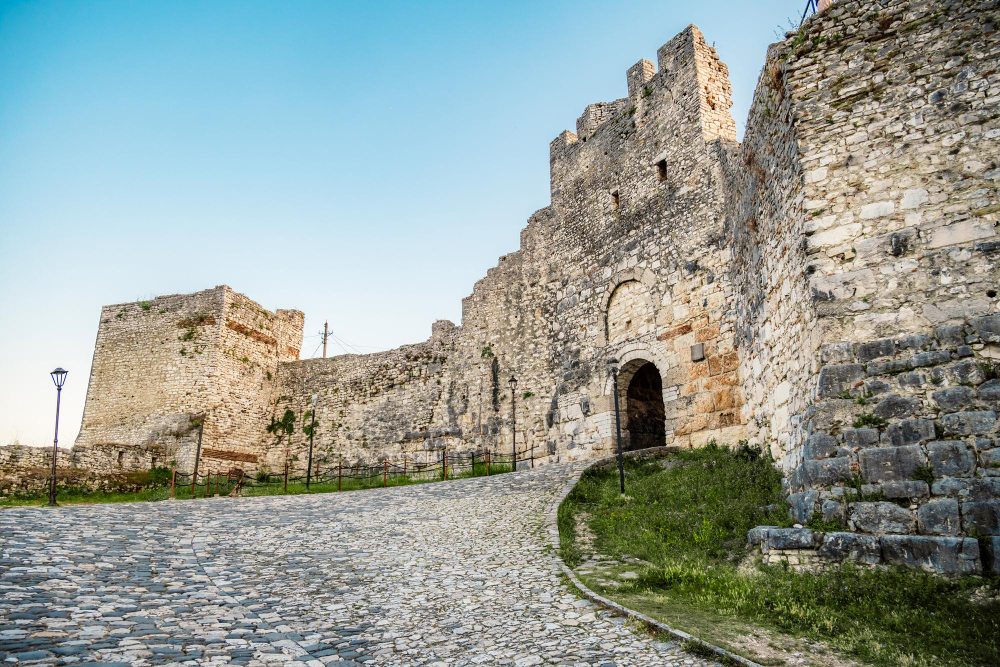
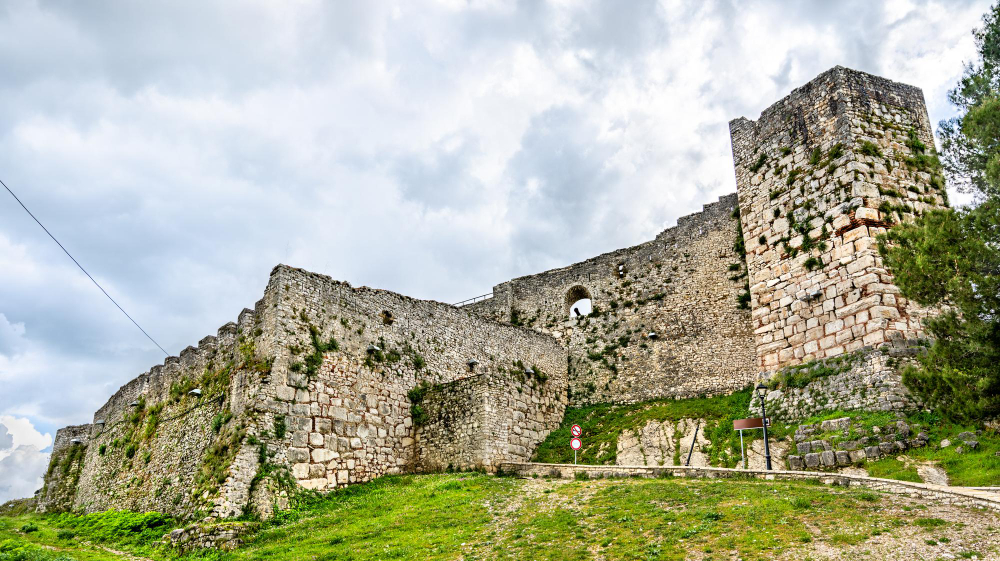
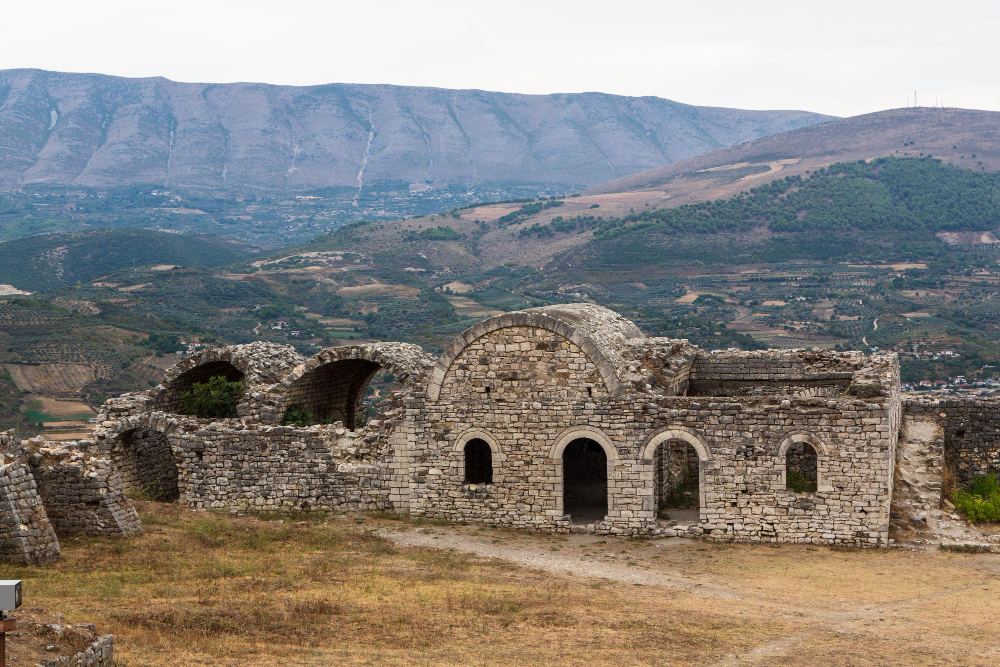
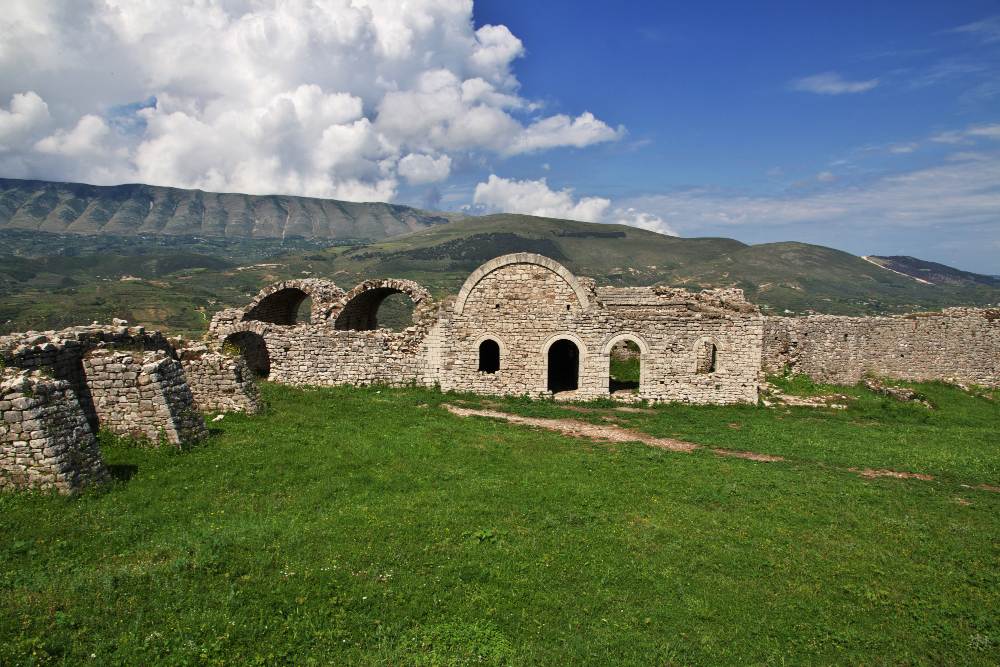
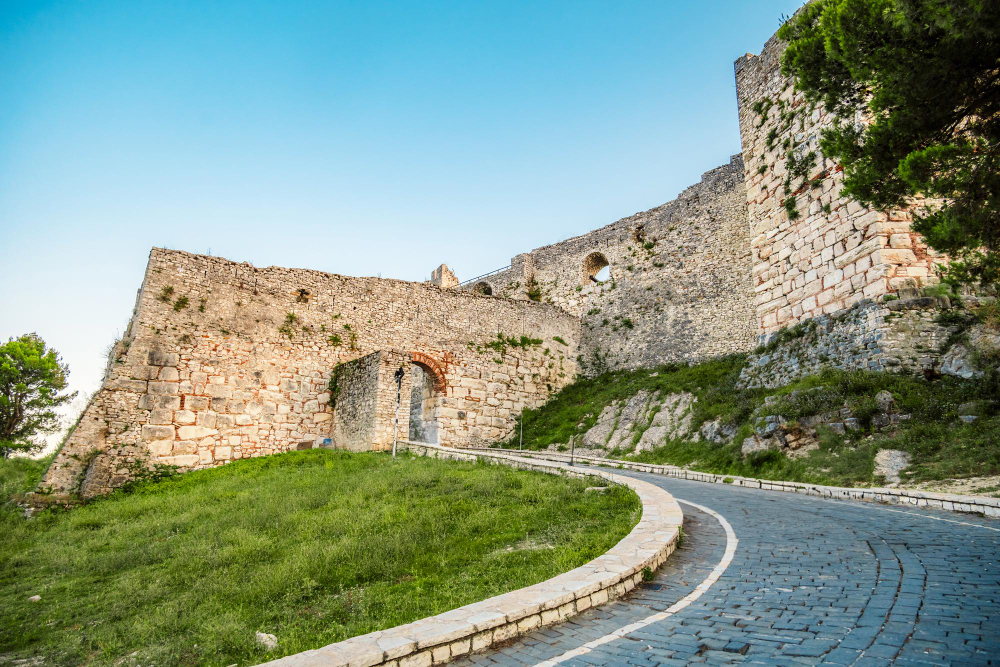
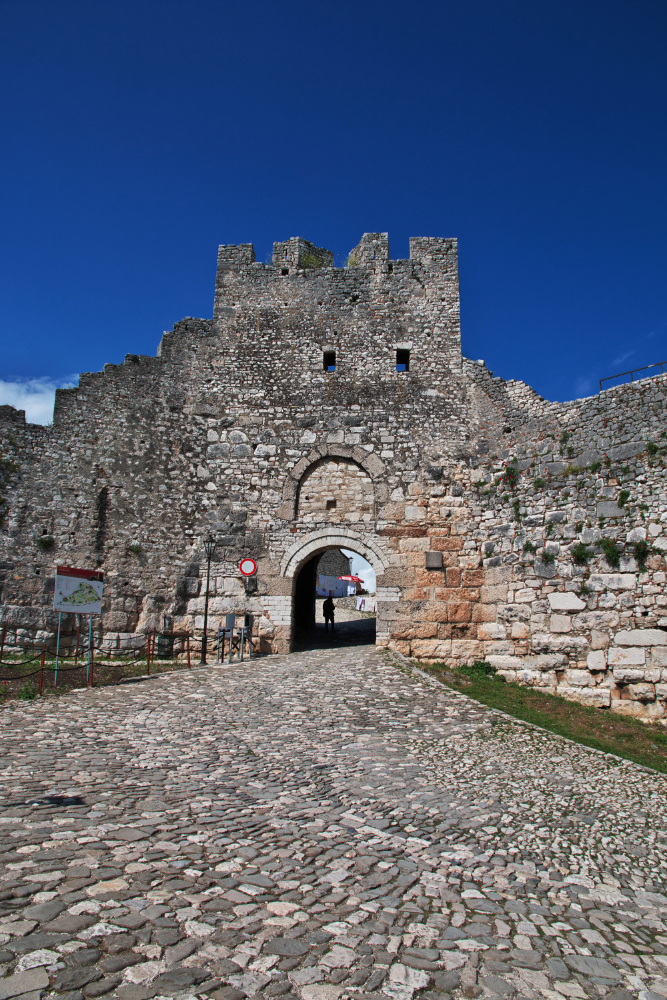
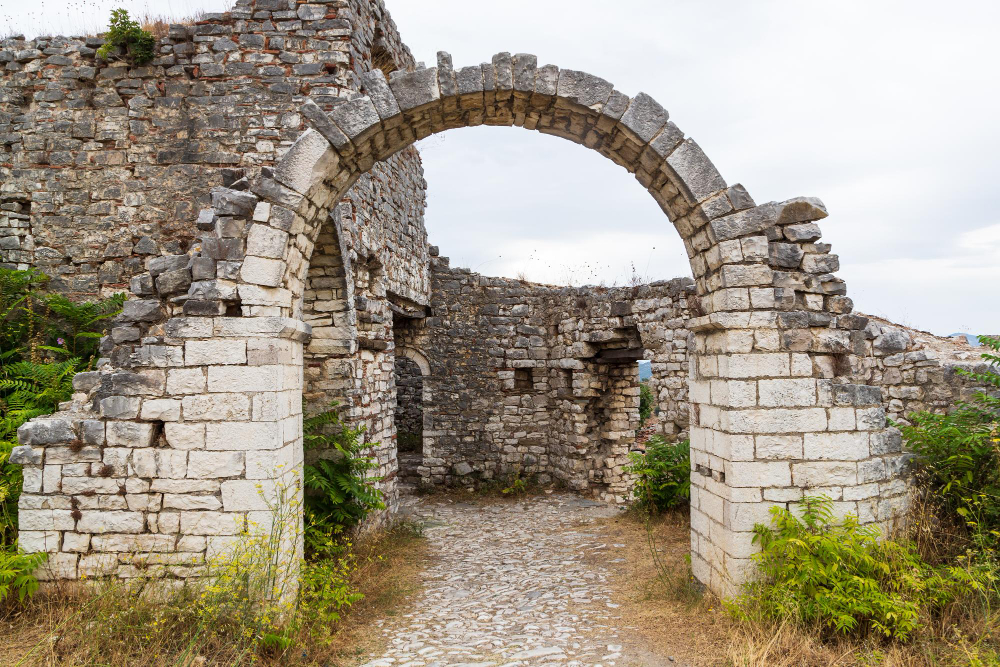
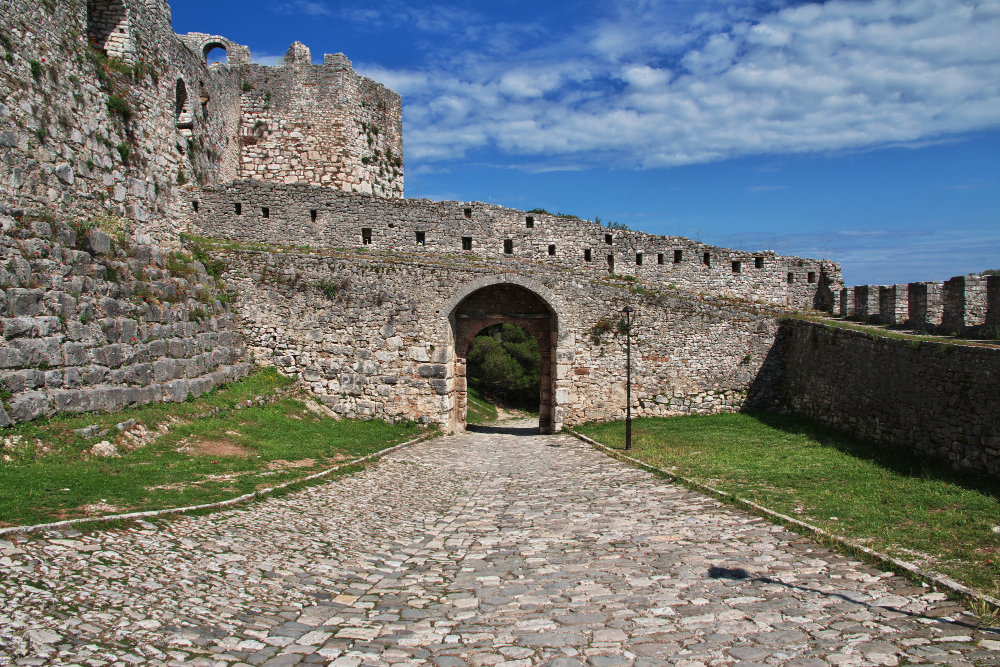
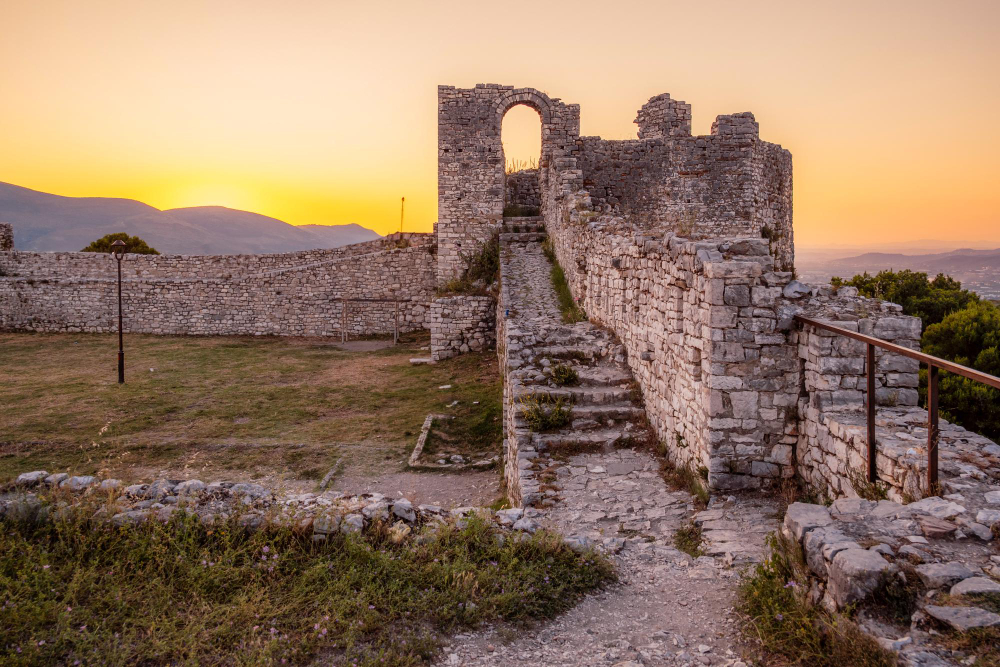
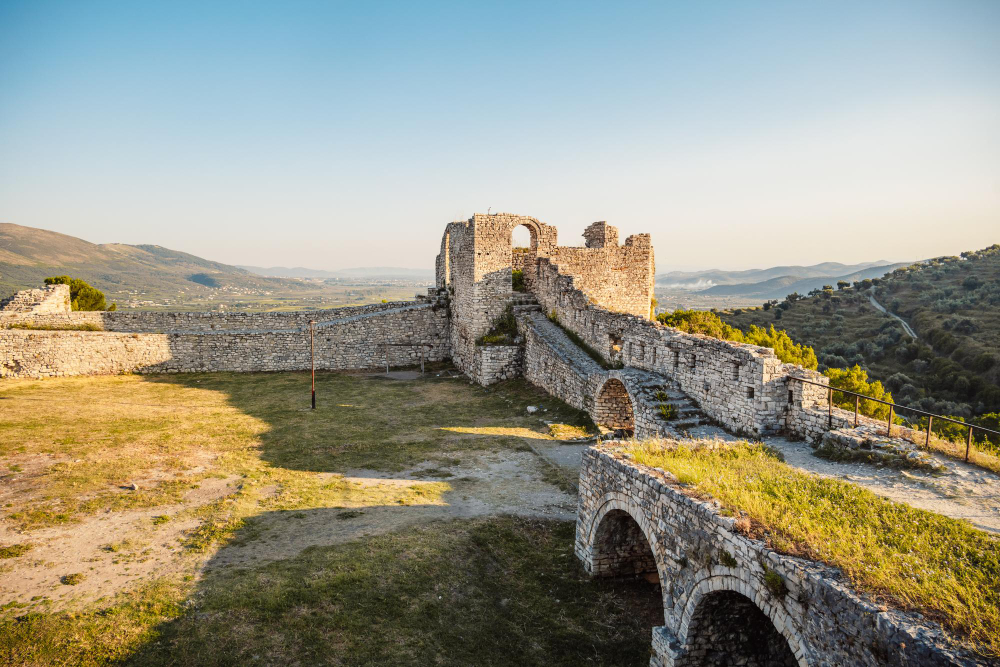
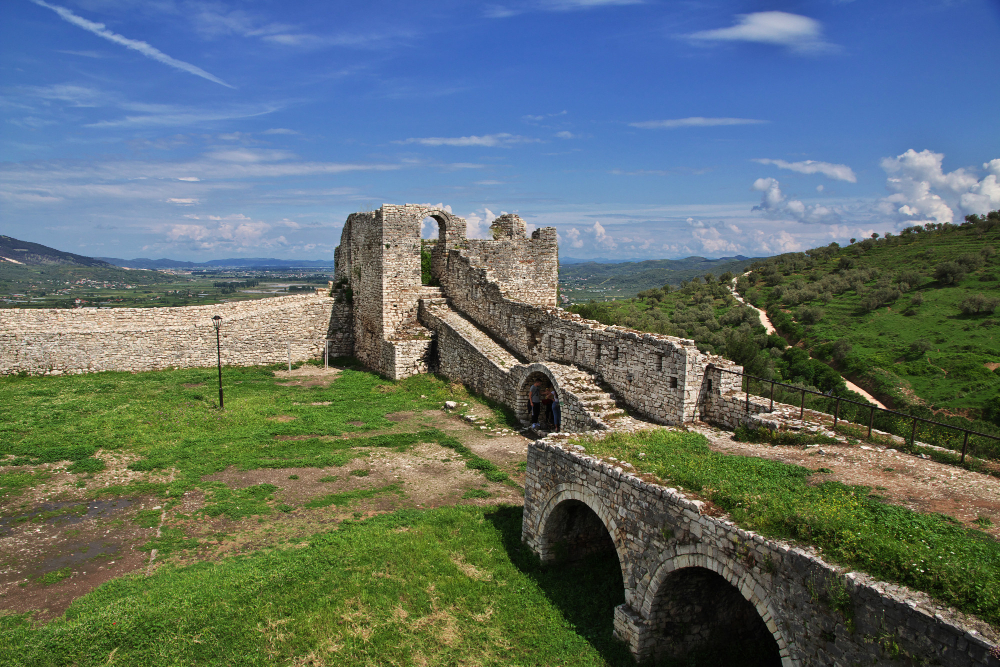
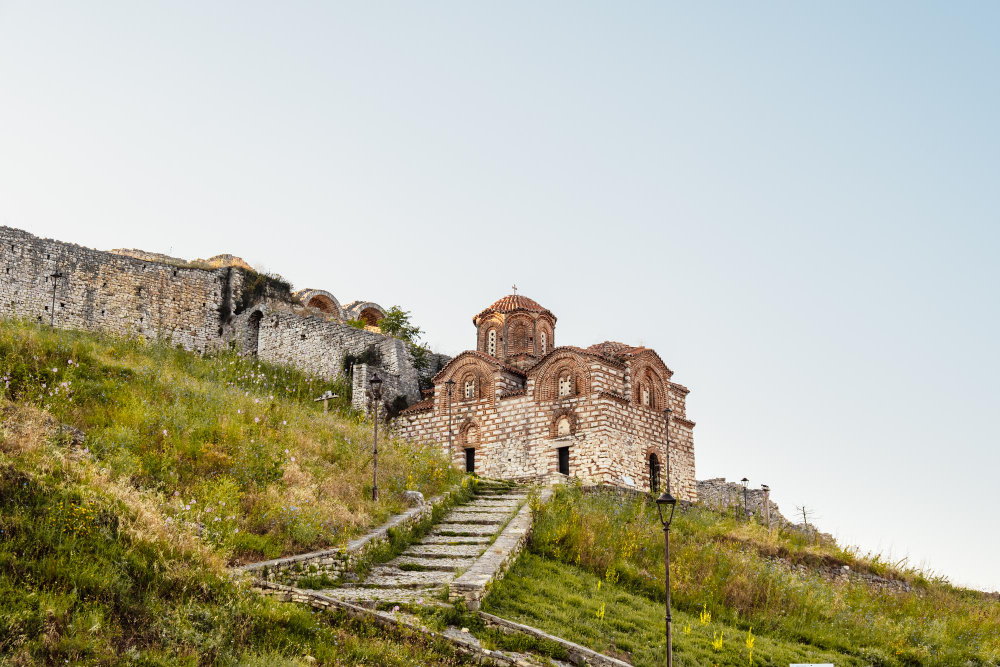
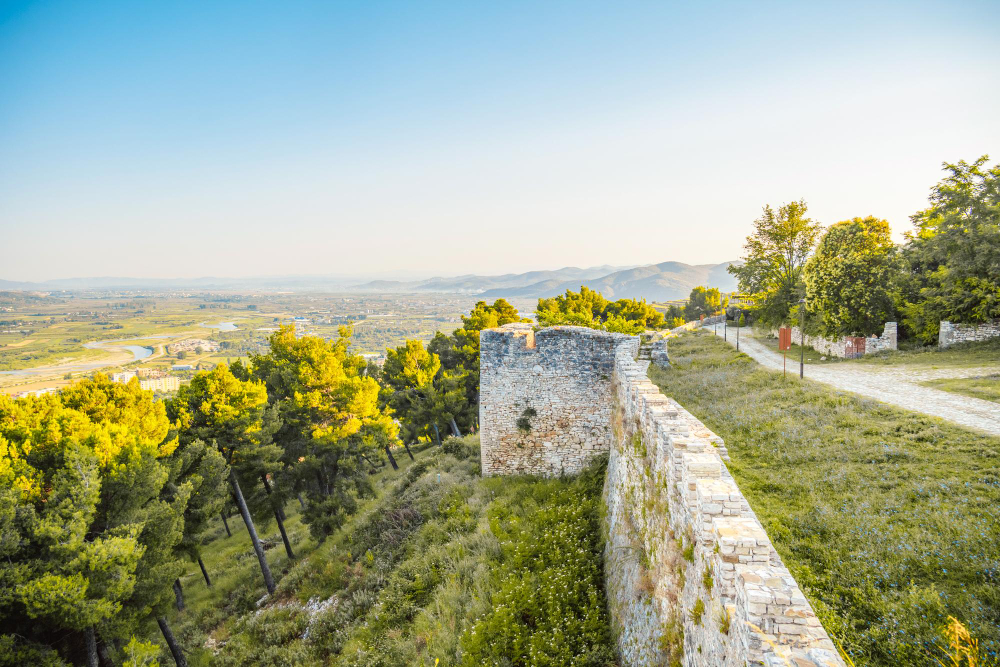
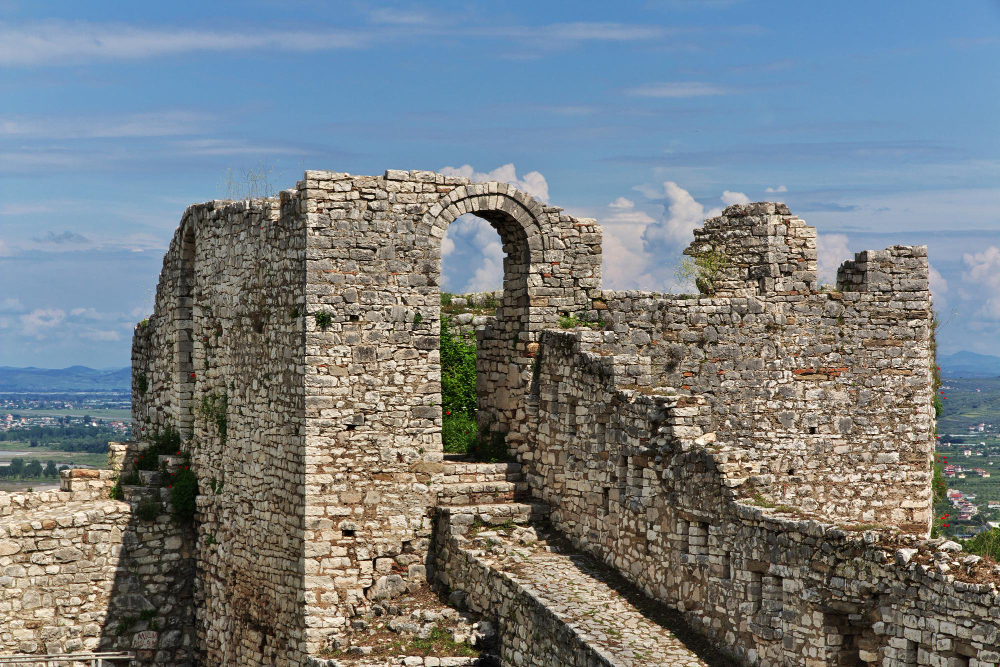
In the heart of Albania, where the rolling hills of the Osum Valley rise and the historic walls of Berat Castle (Kalaja e Beratit) dominate the landscape, the wind carries an ancient tale. This legend is not only part of mythology but is also deeply rooted in the region’s cultural identity. It tells of the brothers Tomorr and Shpirag, two mighty giants whose tragic fate shaped the mountains that bear their names today. The Fortress of Berat, a UNESCO World Heritage Site, stands majestically on a hill overlooking the River Osum. Its history dates back to antiquity and is closely interwoven with the surrounding landscape through myths and legends. One of these legends tells of love, jealousy and the inevitable conflict between two brothers, which led to their eternal petrification. This story, which shapes the geographical features of the region, is more than just a fairy tale – it is a window into the imagination and worldview of the people who have lived here for centuries.
The Brothers Tomorr and Shpirag: Two Giants in an Ancient Rivalry – The legend begins with two brothers, Tomorr and Shpirag, who are depicted as mighty giants. They were not only brothers but also inseparable companions. Together they ruled over the land, protected the people from danger and were regarded as just and noble beings. Yet even among the closest of allies, the bond of brotherhood can be severed when love comes into play. One day, a beautiful fairy appeared in their realm. The sight of her was so breathtaking that the two brothers were instantly enchanted by her. Her grace, her smile and her mysterious aura made the hearts of both giants beat faster. But what began as harmless courtship soon developed into a bitter rivalry between the brothers. Both felt a deep, passionate love for the fairy and wanted to win her heart. The fairy herself remained aloof. She did not dare to choose one of the brothers, for fear of hurting the other. Her hesitation, however, only fuelled the envy and jealousy of the two even more. Eventually, the harmony between the brothers broke down completely, and the once-united giants became bitter enemies.
The Battle: Colossal Forces Clash – Driven by their jealousy, Tomorr and Shpirag began a relentless battle. It was a duel that shook heaven and earth. Tomorr, the elder and stronger of the two, attacked with a giant sword. With every swing of his mighty weapon, he split the ground, leaving deep gullies and ravines that still scar the surface of his mountain to this day. Shpirag, on the other hand – the younger and somewhat more impulsive brother – relied on brute force. He hurled huge boulders at his brother, leaving craters and fissures in the ground all around them. The earth trembled beneath their footsteps, and the battle raged for days on end. The people in the surrounding area desperately sought refuge, for the fury of the two giants seemed to know no end. Yet the longer the battle lasted, the clearer it became that neither side would yield. Their powers were so evenly matched that neither brother could defeat the other. Nature itself seemed to suffer under the weight of their feud. Forests were destroyed, rivers changed their course, and the landscape, once lush and green, was transformed into a barren, rugged wasteland.
The divine judgement: the petrification of the brothers – As the battle reached its climax, the situation was being watched by the gods, who viewed the mortals’ actions with suspicion. The supreme god – in some versions of the myth, Zeus; in others, the Albanian sky god Perëndi – resolved to put an end to the brothers’ destructive actions. For their blind jealousy and the resulting conflict threatened not only the region but also the balance of nature. With a single, mighty bolt of lightning, the god separated the two brothers. The force of the divine intervention caused them to freeze on the spot. Tomorr and Shpirag, once living and powerful beings, were turned to stone and remained forever as mountains in the landscape. The elder brother, Tomorr, who fought with his sword, was marked by the distinctive fissures and furrows that still characterise the surface of Mount Tomorr today. The younger brother, Shpirag, who hurled stones, was marked by numerous craters and depressions that can be seen on closer inspection.
The landscape as a reflection of the legend – Even today, visitors can trace the brothers’ dramatic story through the region’s geographical features. Mount Tomorr rises imposingly into the sky and is often regarded as a sacred site. Many pilgrims climb it during the annual Bektashi festival, which takes place in summer. Here, religion and mythology merge, and people pray for protection and blessings amidst this legendary landscape. Mount Shpirag, on the other hand, whose appearance is less majestic than that of Tomorr but all the more rugged for it, bears the scars of its mythical battle. It is less well known than its older brother, yet its presence in the landscape is just as impressive. Together, the two mountains stand as silent witnesses to a story that has moved people for generations.
The significance of the legend for the region – The story of Tomorr and Shpirag is not merely an entertaining legend, but a central part of the cultural identity of the Berat region. It not only explains the geographical features of the area, but also offers valuable insights into human frailties. Love, jealousy, pride – all these universal emotions and character traits find their place in this tale, making it timeless and relevant. Furthermore, the legend has a profound influence on local culture and a sense of community. It is passed down from generation to generation, mostly in the form of stories told around the campfire, or as inspiration for songs, poems and traditional dances. Tourists, too, are drawn to this fascinating legend, which promises a unique travel experience.
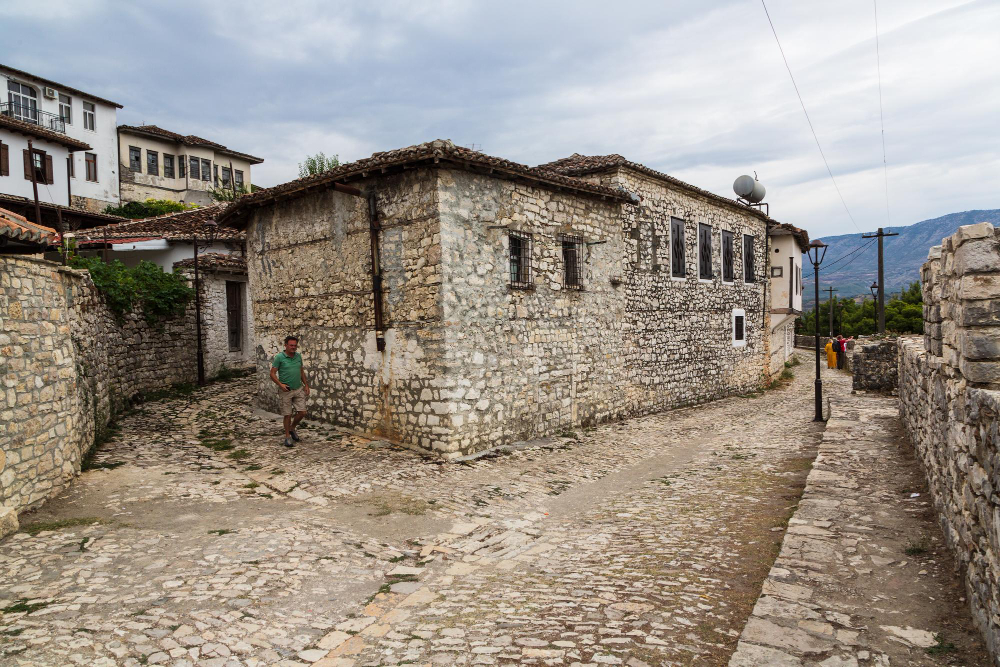
A myth that stands the test of time – The legend of Tomorr and Shpirag is far more than just a story of two brothers entangled in love and jealousy. It symbolises the wild beauty of the Albanian landscape and the deeply rooted stories that shape it. It connects people to their homeland, their past and the forces of nature that surround them. For anyone visiting Berat, it is almost impossible to resist the magic of this legend. Whether you’re gazing at the imposing mountains or strolling through the narrow streets of the old town – the story of the rival giants echoes everywhere. And whilst the brothers Tomorr and Shpirag are frozen in stone for ever, their story lives on in people’s hearts, reminding us that even the strongest bonds can be put to the test by love and pride.

Post Comment