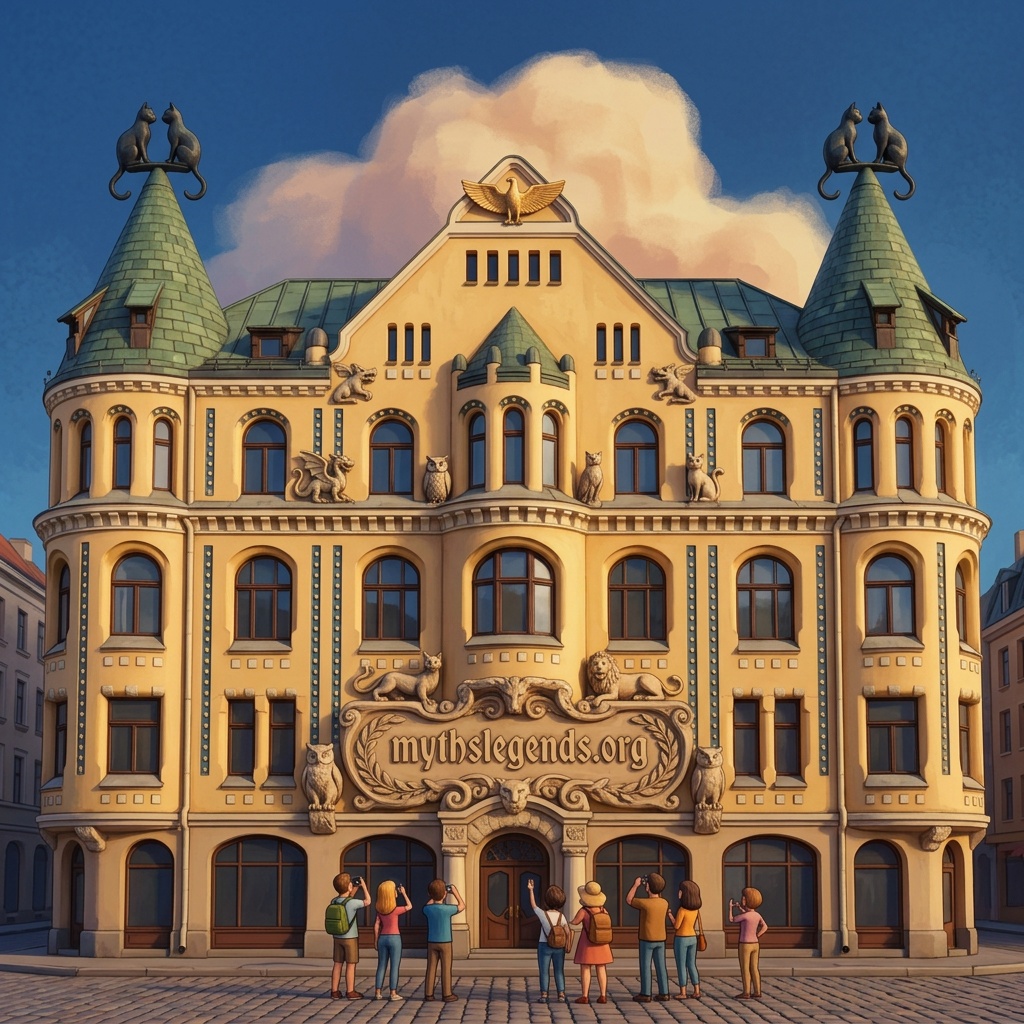
The Mysterious Cats of Riga: A Legend of Protest and Reconciliation
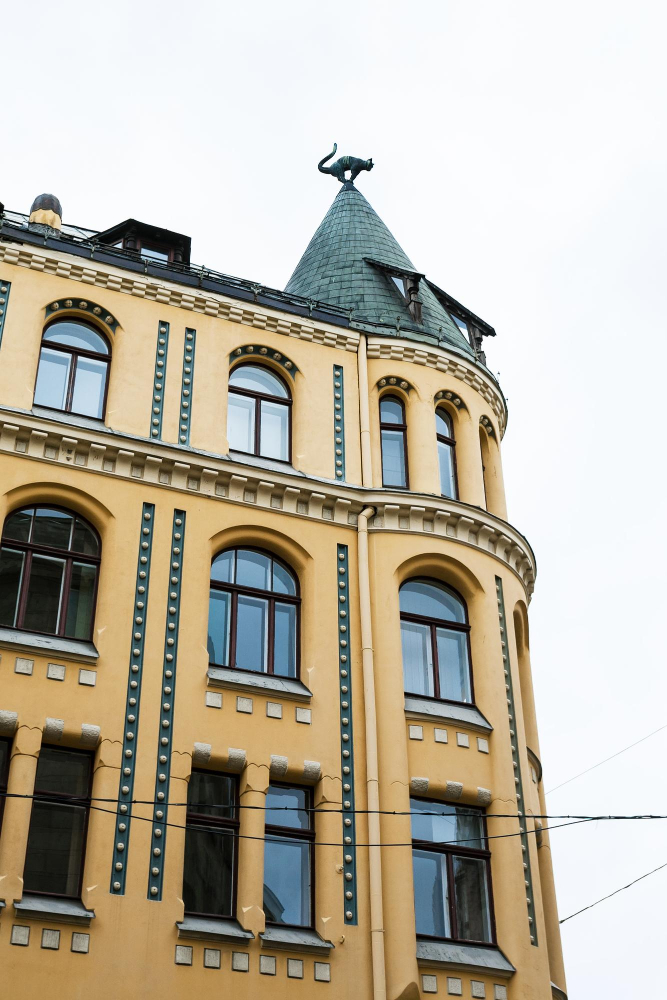
Riga, the capital of Latvia, is known not only for its picturesque Old Town and impressive architecture, but also for the fascinating stories hidden behind its historic buildings. One of the city’s most famous legends revolves around the so-called “Cat House” (Kaķu nams)—a building at 10 Meistaru iela that has been attracting the attention of tourists and locals alike for decades with its striking roof and the black cats perched atop it. But what makes this building so special? The answer lies in an exciting story of pride, protest, and an unusual form of reconciliation.
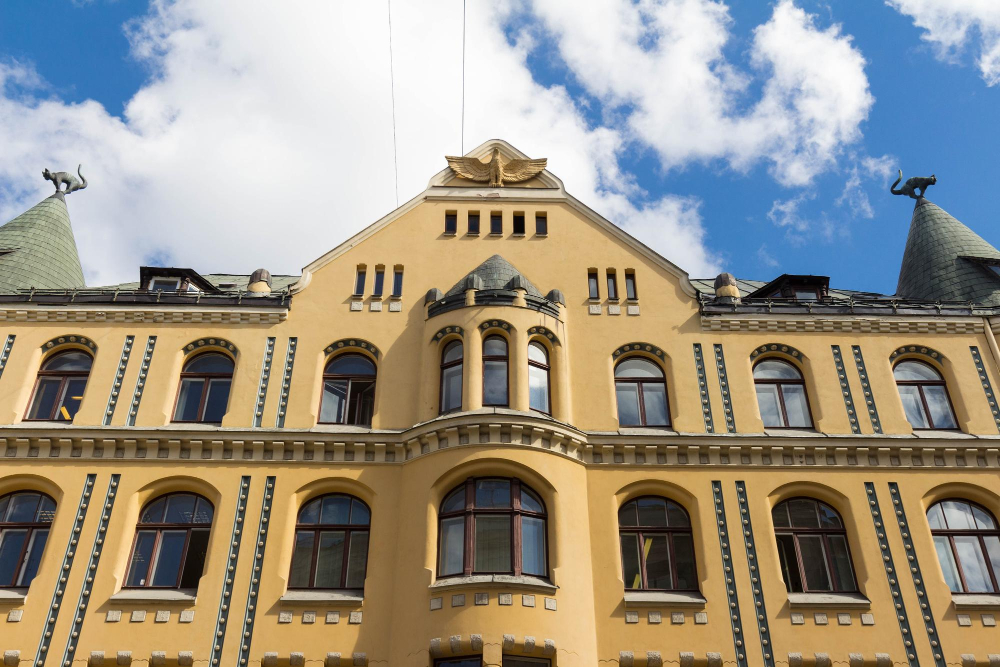
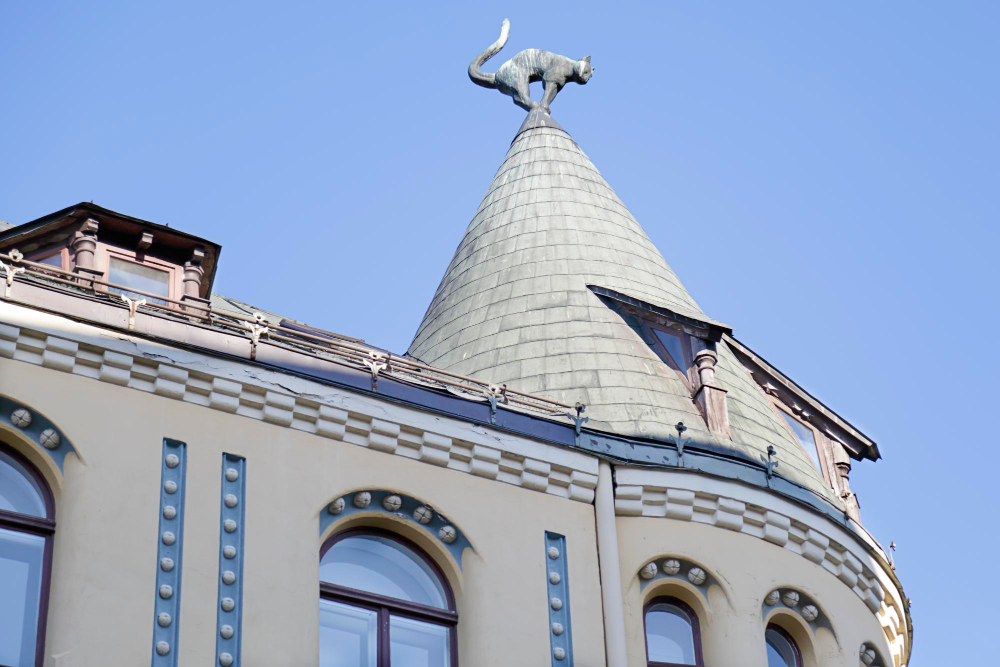
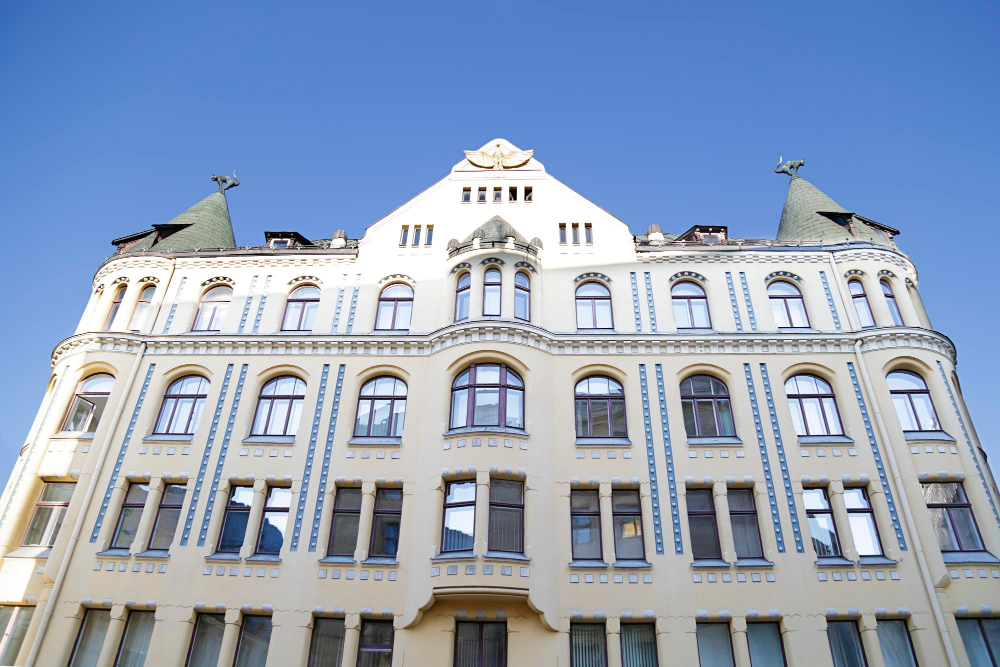
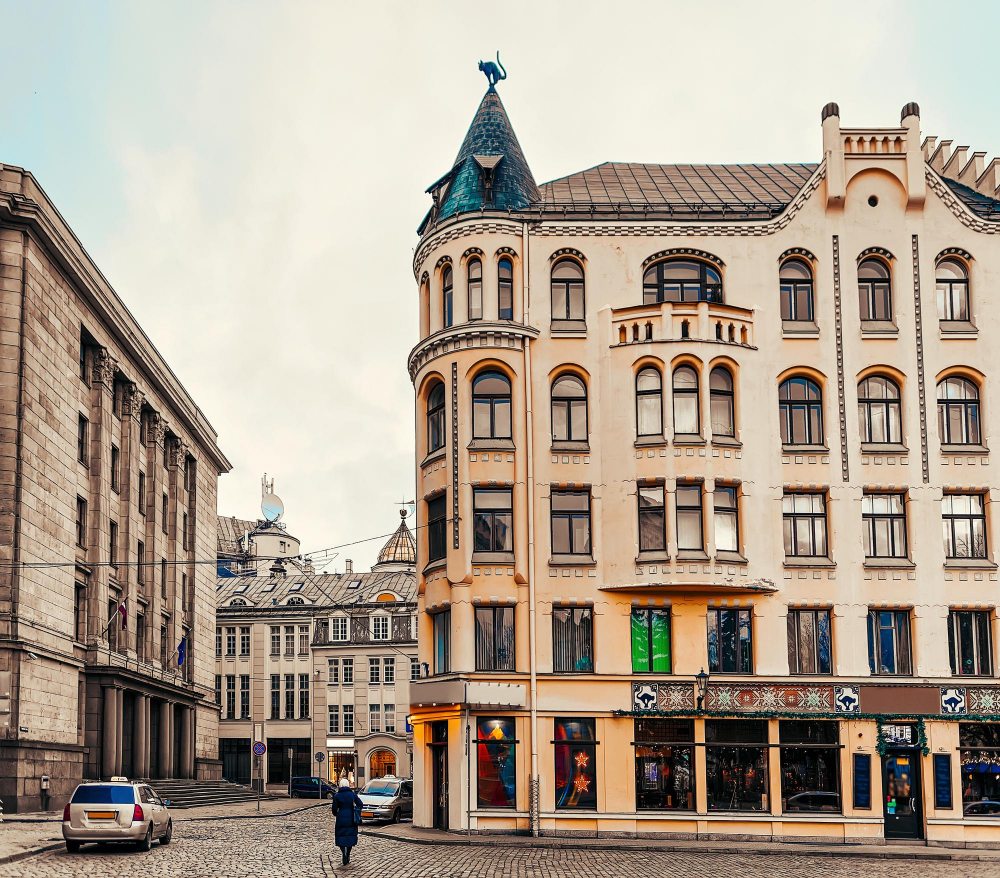
The Origins of the Cat House – The Cat House was built in 1909 according to plans by architect Friedrich Scheffel and is a fascinating example of a blend of medieval architecture and Art Nouveau elements. The square building, which blends perfectly into Riga’s historic Old Town, appears unremarkable at first glance. Only when visitors look up at the roof are they surprised: there sit two copper cat sculptures with arched backs and raised tails, towering almost provocatively into the air. The cats are not merely decorative details—they tell a story closely intertwined with the history of Riga and the relationships between citizens and institutions. For the sculptures are said to be a symbol of protest, immortalized in imperishable metal. And it is precisely this symbolic meaning that makes the Cat House one of the most photographed buildings in the Old Town.
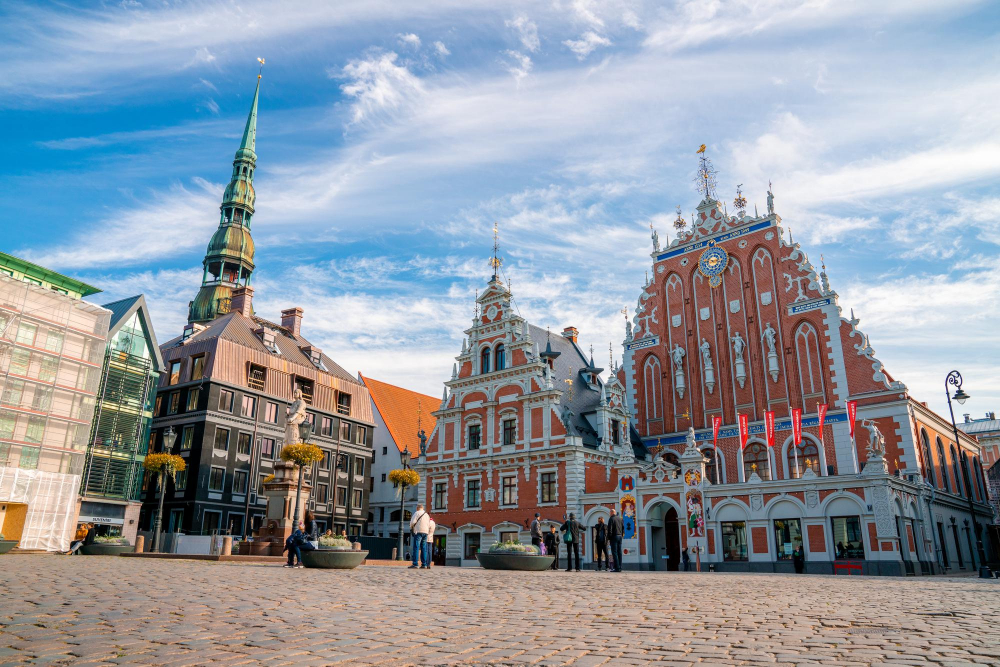
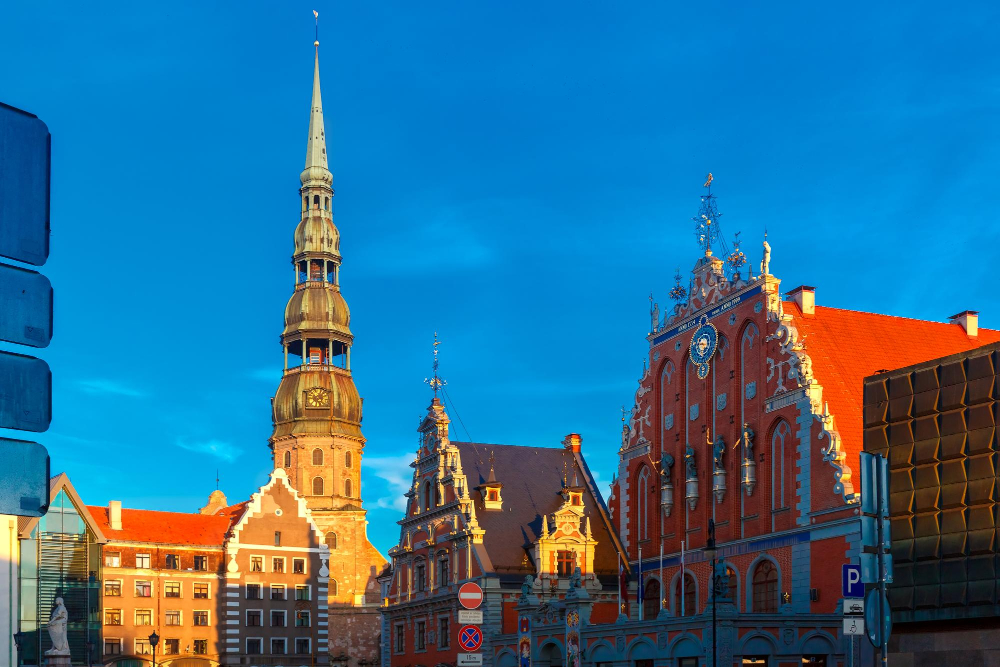
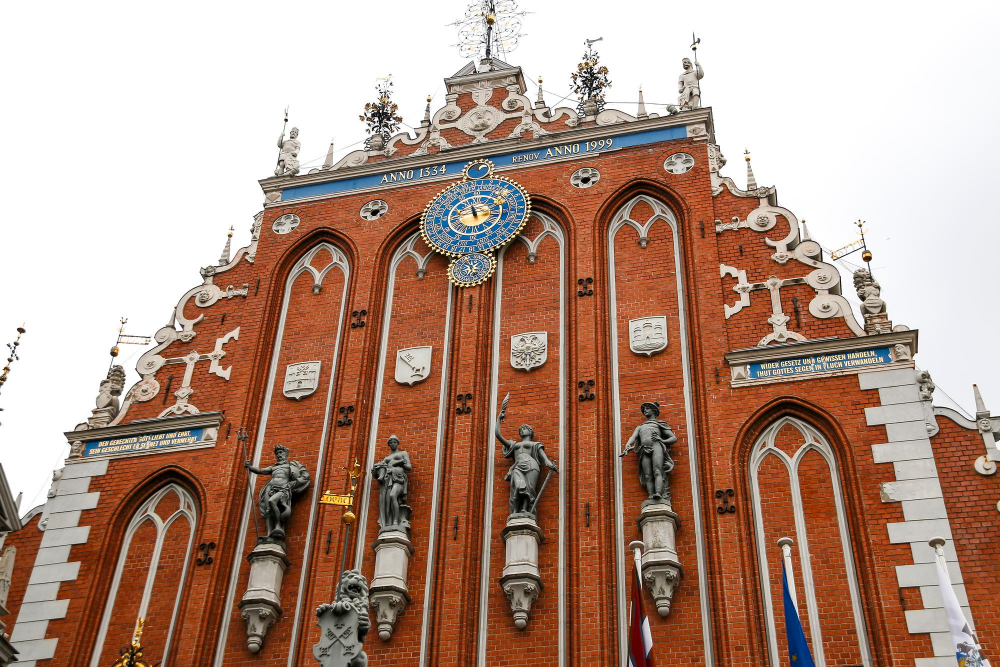
The Merchant’s Grudge – According to legend, the owner of the house was a wealthy merchant, although his name is not explicitly mentioned in the accounts. This man was a successful businessman who, however, one day came into conflict with the Great Guild—a powerful association of merchants and traders in Riga. Despite his wealth and social standing, he was denied membership in the guild. The reason for this remains unclear to this day, but much suggests that political and social tensions were the cause. Outraged by this insult, the merchant decided to express his protest in the most creative and provocative way possible. He had the two cat sculptures installed on the towers of his building—with their tails demonstratively raised toward the Great Guild across the street. This symbolic gesture was intended to remind the guild members of his defiance and show them that, despite the rejection, he could still assert his influence and power.
A Second Version of the Legend – Interestingly, there is a second version of the legend that is less well-known but seems quite plausible. According to this version, the merchant’s anger was directed not at the Great Guild, but at the Riga City Council. There is said to have been a dispute, the details of which also remain unclear. To express his frustration, the merchant had the cats placed so that their tails pointed toward the former town hall, which was located in the same direction as the Great Guild. However, this building was lost in a fire during World War II and was not rebuilt until many years later. Although this version is less well-known, it underscores the symbolic significance of the cats as a sign of resistance against powerful institutions. Both versions of the legend, however, clearly show that the history of the Cat House is closely linked to social and political conflicts within the city.
The Turning Point: Reconciliation Through Compromise – As with many stories of protest and rebellion, the legend of the Cat House does not end in lasting animosity. After years of feud and public debate, an agreement is said to have finally been reached. The Merchants’ Guild or the City Council is said to have pressed for the orientation of the cat sculptures to be changed in order to defuse the obvious provocation. Thus, the cats were turned so that they now face directly toward the center of the Cat House, and their tails no longer point toward the Great Guild or City Hall. This gesture symbolized the resolution of tensions and the restoration of peaceful coexistence. The exact sequence of events remains unclear, as does the question of why the merchant ultimately relented and had the cat sculptures turned around. Nevertheless, this change has not diminished the cats’ significance—on the contrary, they remain a pop-cultural symbol of the history of self-assured citizens and their creative forms of protest.
A Landmark of Worldwide Fame – Today, the Cat House is one of the most popular photo spots in Riga and a staple of many city tours. The imposing figures on the roof seem almost alive, as if they were watching the passersby below with their cool gaze. Particularly fascinating is the fact that these sculptures not only delight architecture enthusiasts but also attract people interested in a city’s stories and myths. For with their symbolic meaning, the cats of Riga embody a piece of the Latvian capital’s soul—rebellious, creative, and proud.
Symbolism of the Animals: Why Cats? – It is interesting that the merchant chose cats specifically as an expression of his protest. In many cultures, cats are seen as symbols of independence, pride, and assertiveness—qualities that also perfectly match the demeanor of the wealthy merchant. Furthermore, cats are often viewed as mystical beings capable of gathering and expressing both positive and negative energies. The raised tails and arched backs give the figures an additional combative stance that reflects their client’s displeasure.
A Legend That Lives On – The Cat House is far more than an architectural masterpiece—it is a monument to the creativity and fighting spirit of Riga’s residents. The legend of the copper cats shows how people can subtly resist injustice and stand up for their convictions. To this day, this story attracts visitors from all over the world who want to experience the magic of the building and the fascinating symbolism of the cats up close. Your next trip to Riga should definitely include a visit to the Cat House. This unique combination of architecture, myth, and history makes the building an unforgettable experience—and reminds us just how powerful small gestures of protest can be.



Post Comment