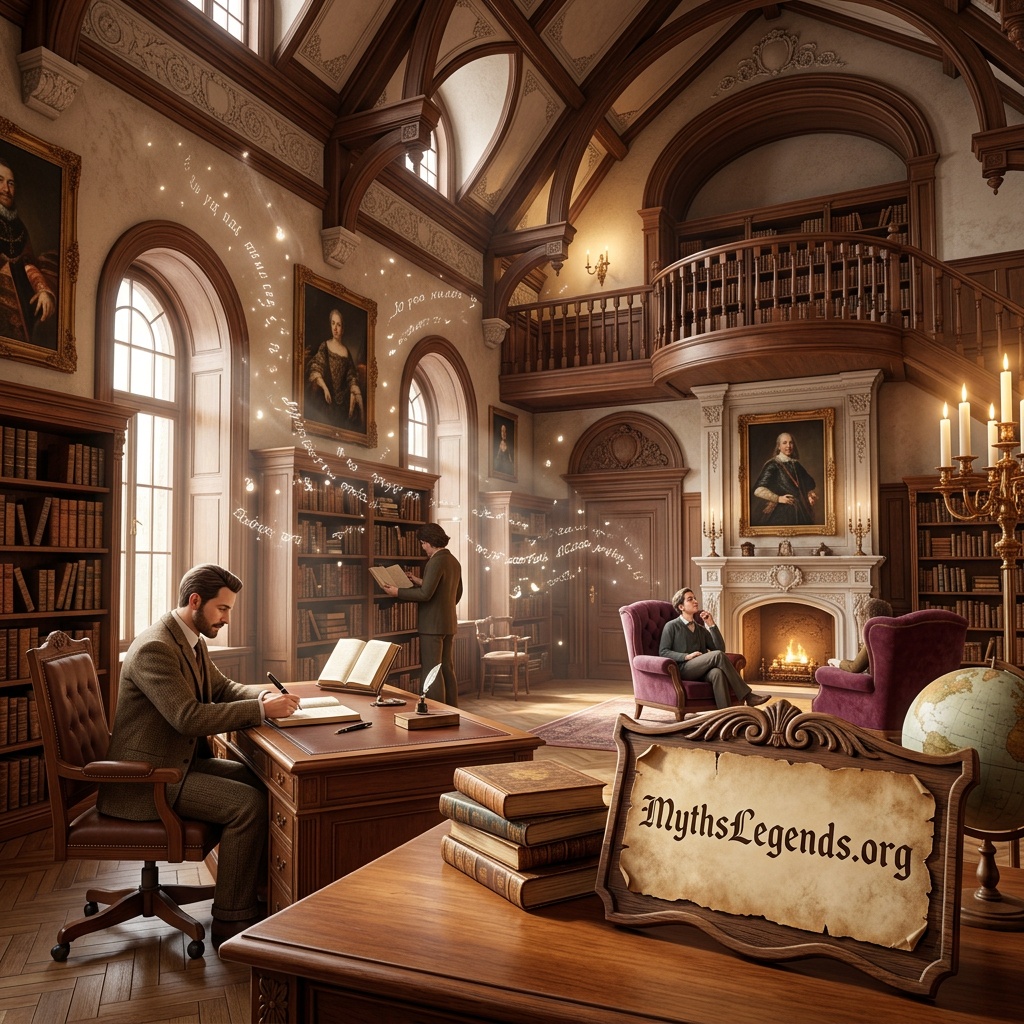
Budmerický Kaštieľ: Where the ‘Spirit of Literature’ Hovers Through the Rooms
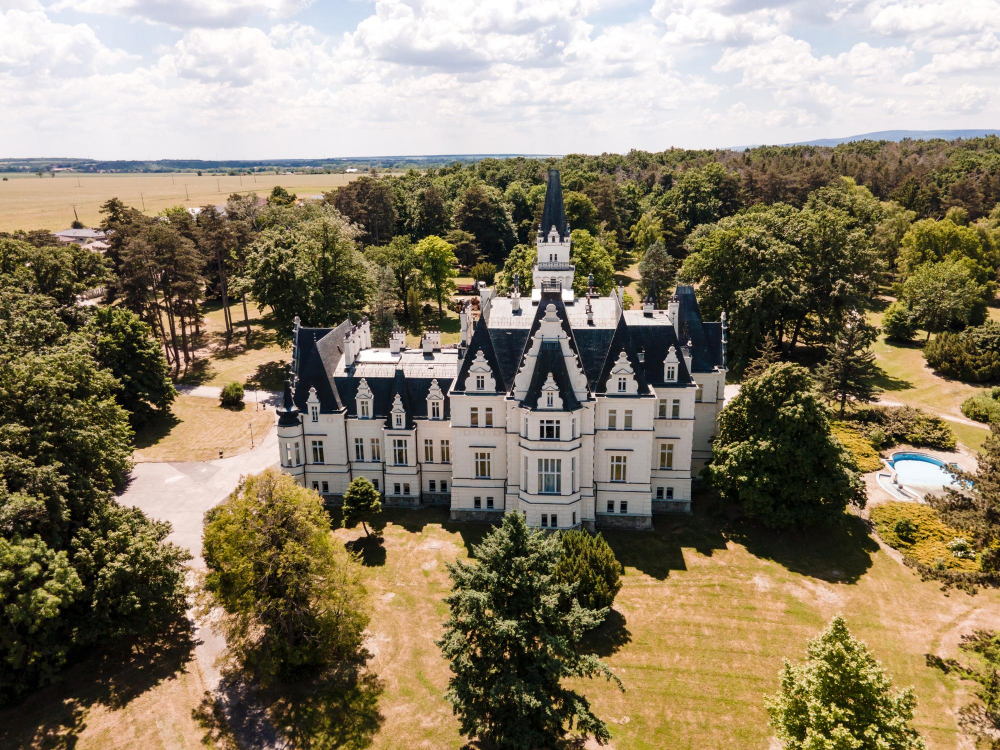
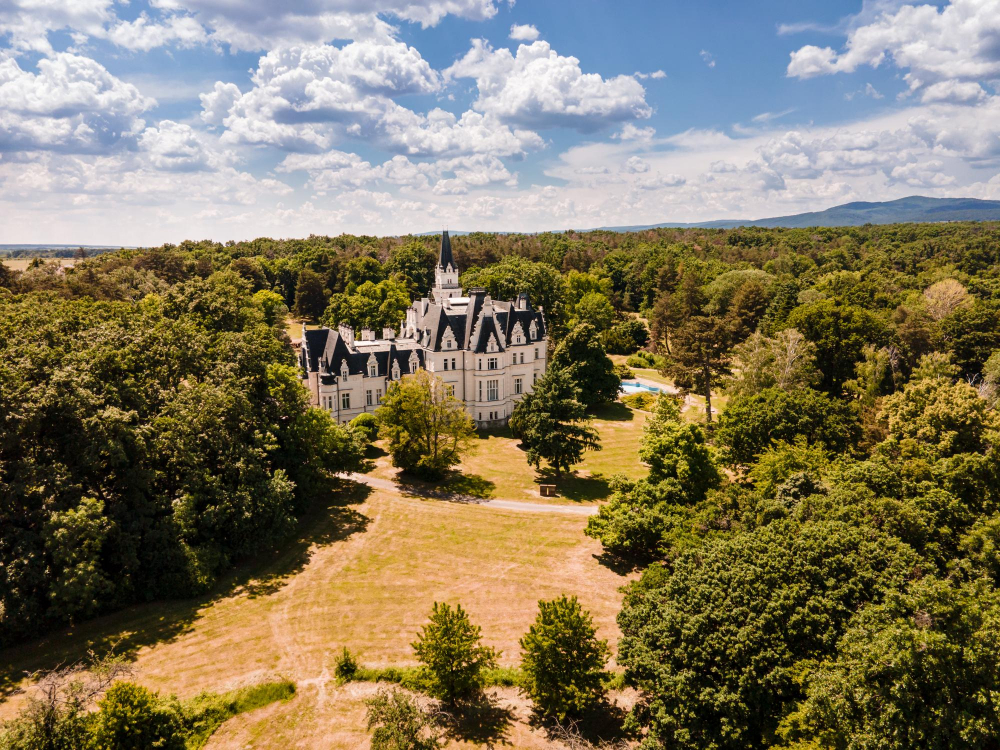
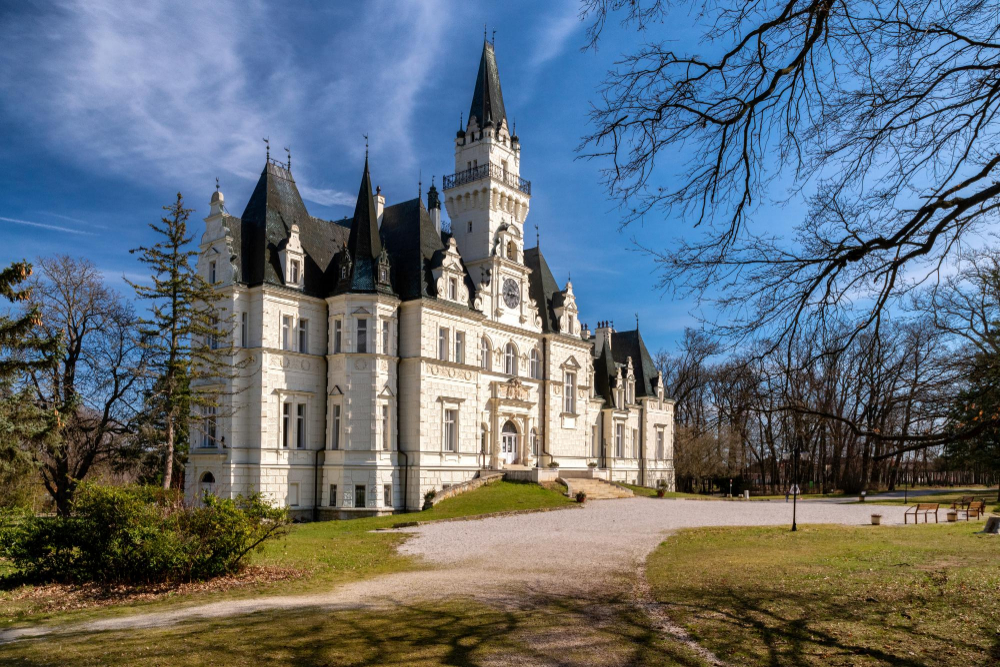
Set amidst the picturesque landscape of Budmerice stands the impressive Budmerický Kaštieľ, a building whose history is reflected not only in its architectural beauty but which also embodies a profound cultural and literary significance. After the Second World War, this castle-like building became a unique source of inspiration for Slovak writers, who lived here for decades as part of artist-in-residence programmes. Often described romantically by journalists, the ‘spirit of literature’ – or the spirit of great poets and thinkers – still seems to float through the historic halls, accompanied by legends and memories.
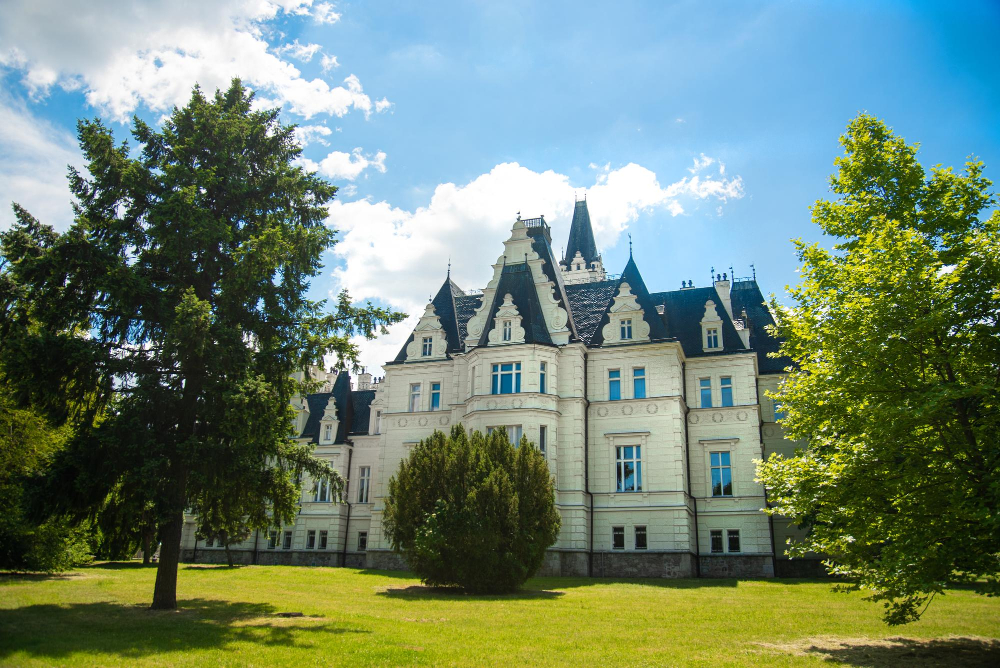
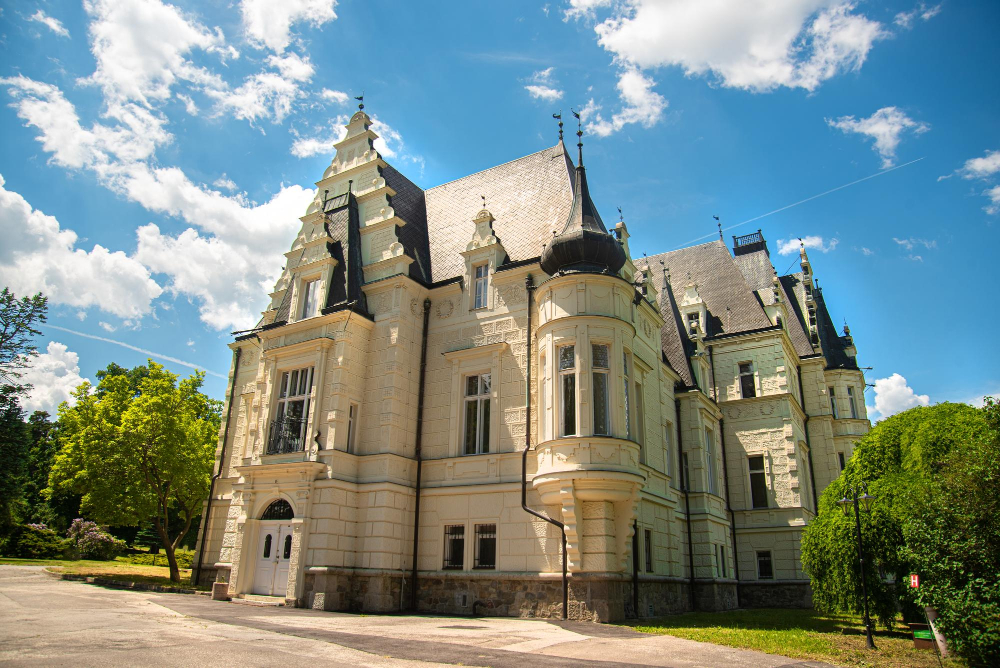
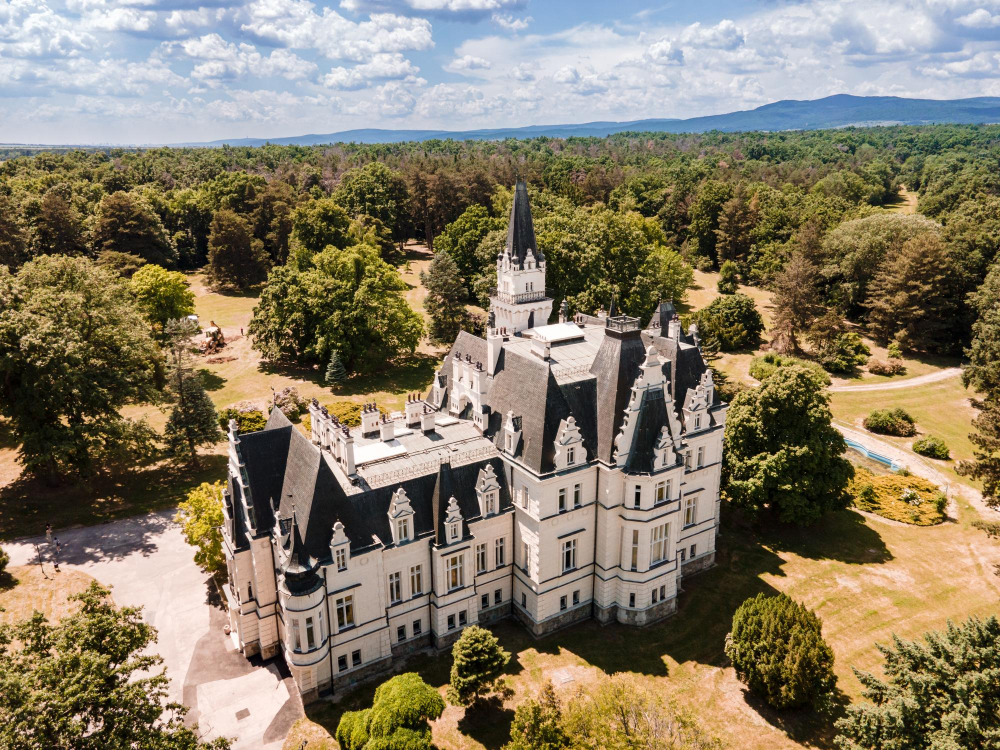
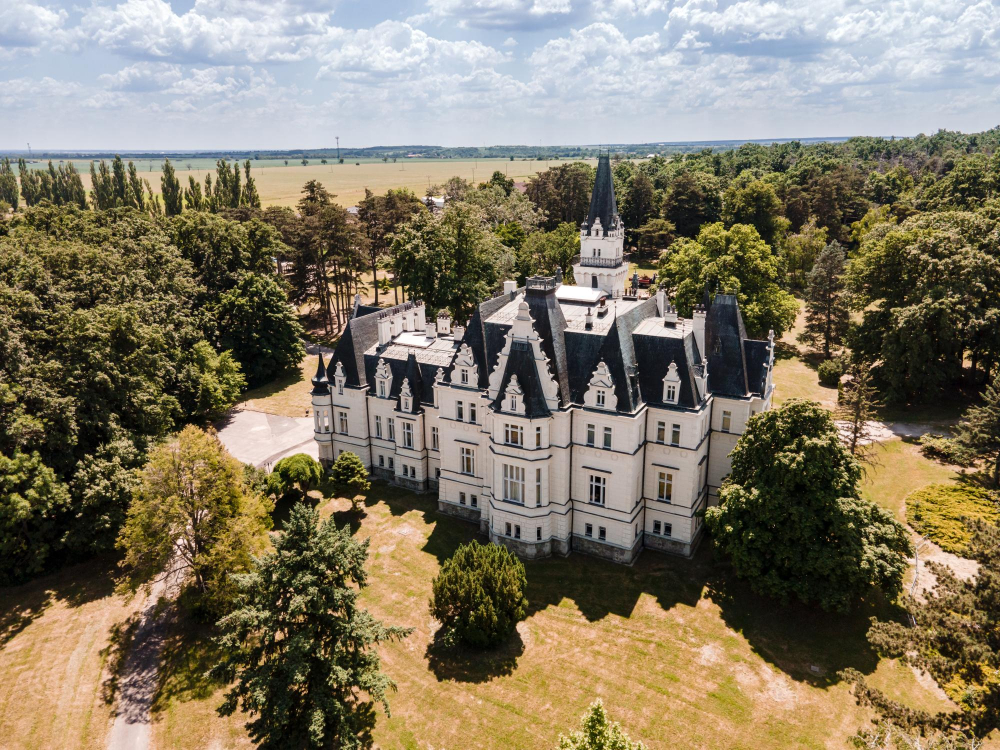
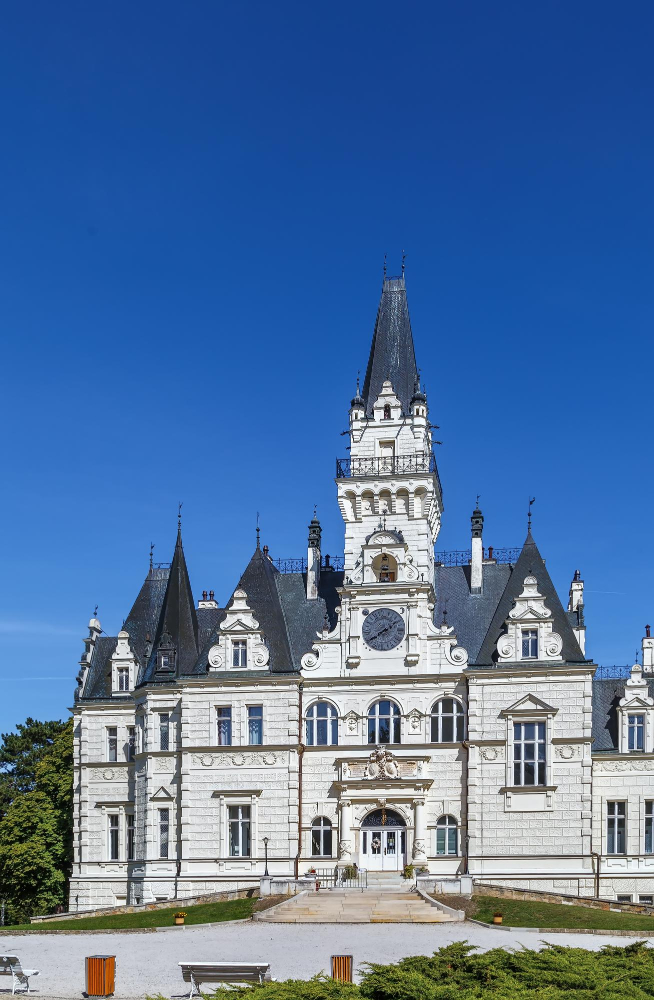
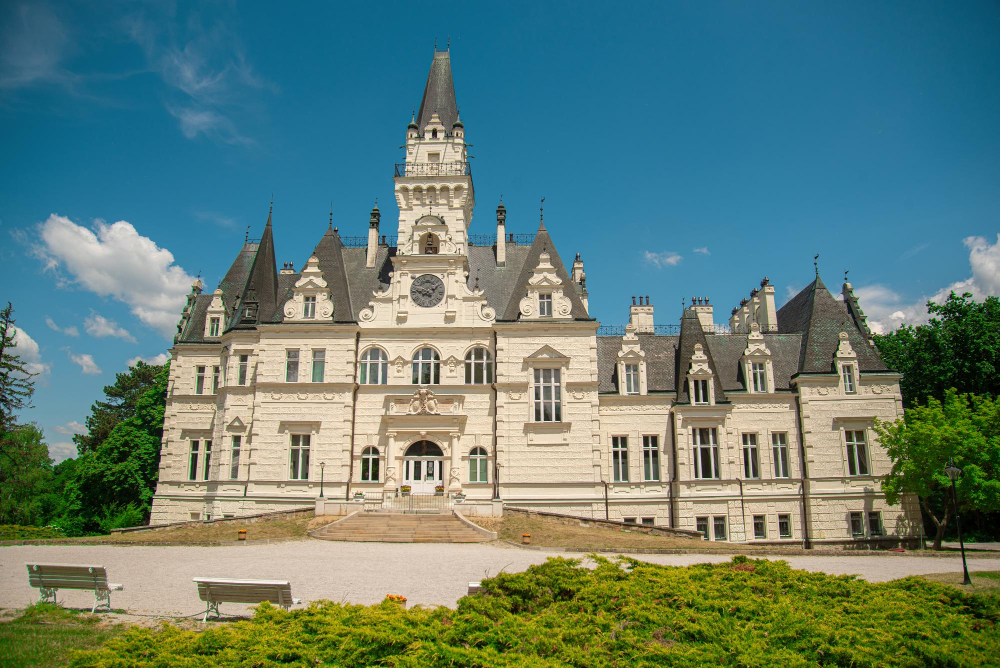
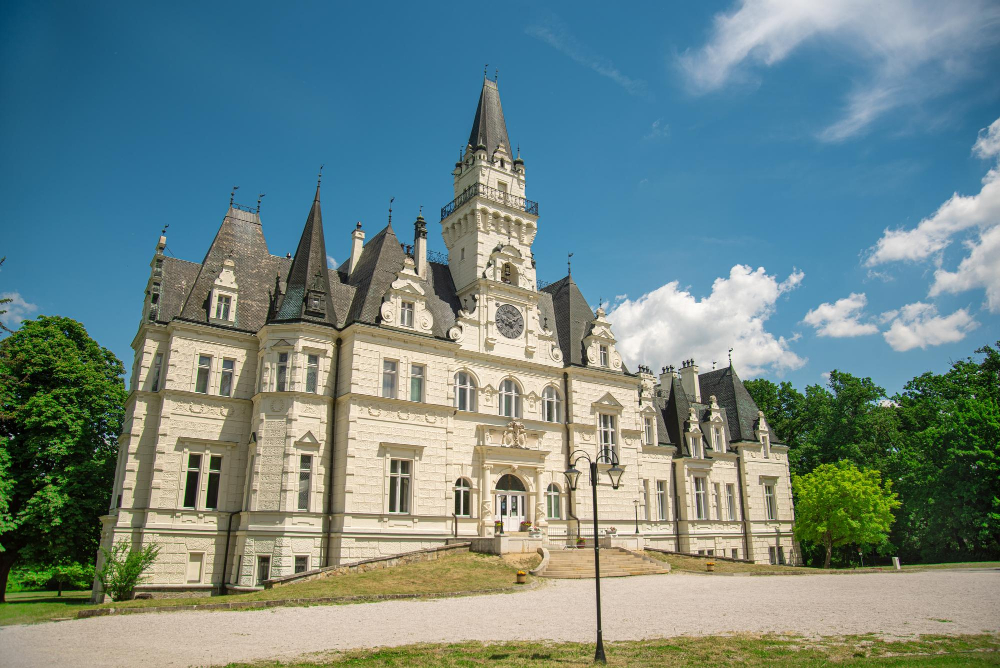
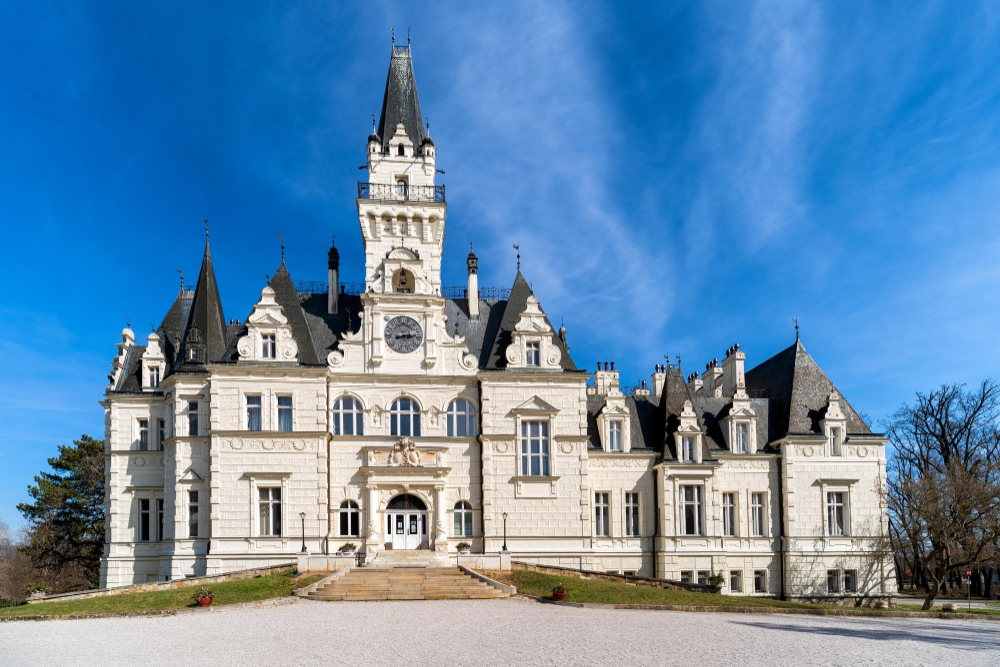
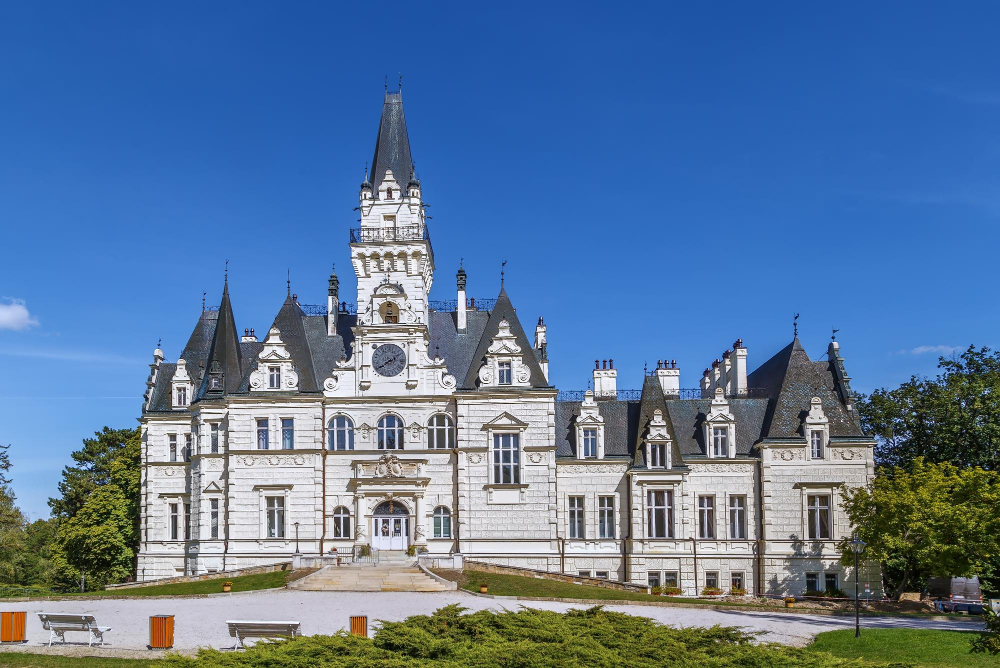
A cultural heritage site with literary magic – Budmerice Castle was built in 1889 and captivates with its architecture, which is a blend of Neo-Renaissance and Neo-Gothic styles. Yet it is above all its later cultural role that lends this place a special significance. After the Second World War, when the communist government took over the estate, a new era began for the castle. It became the Dom slovenských spisovateľov – the House of Slovak Writers. This decision was no coincidence, as the castle’s secluded location and the tranquillity of the surroundings offered ideal conditions for writers seeking inspiration and concentration. From poems and novels to essays, works were created here that have shaped Slovak literature. Generations of authors – from well-known names to young talents – came here to devote themselves to creative writing and put their thoughts into words.
The ‘Spirit of Literature’: A symbol of the literary community – The idea that the ‘Spirit of Literature’ wafts through the castle is more than just a metaphor. Many of the writers who worked here later spoke of the special atmosphere they felt in Budmerice. It was not only the peaceful surroundings or the inspiring natural setting that stimulated their creativity, but also the feeling of being part of a community united by a common goal – the promotion of the Slovak language and literature. The castle’s interiors also contributed to this special atmosphere. The high ceilings, the ornate furniture and the historical paintings seemed to tell stories that entered into a silent dialogue with the writers’ words. Some even believed that the inspiration of earlier poets and thinkers who had once stayed here was passed on to new generations.
A place of encounter and artistic exchange – However, Budmerický Kaštieľ was not merely a retreat for solitary writers, but also a meeting place for creative exchange. Events, readings and discussions took place, during which ideas and thoughts were exchanged. These gatherings served as an important platform for the development of Slovak literature and helped to foster new trends and perspectives. International guests also found their way to Budmerice. For some foreign writers, the castle became a place where they could gain a better understanding of Slovak culture and language whilst deepening their personal connections to the Slovak literary scene. Here, tradition and innovation came together, as both established authors and young writers worked side by side.
Challenges and Change – With the end of the communist regime in Slovakia in 1989, the role of the castle also began to change. The ‘Dom slovenských spisovateľov’ was closed, and the castle’s symbolic significance as a place of literary creativity slowly faded. Although the building itself was preserved, it struggled to maintain its former cultural significance in a changing society. Despite these challenges, Budmerice remained alive in the hearts of many Slovak writers and literature lovers. In recent years, the castle has attracted increasing attention, not only as an architectural gem but also as a historical witness to an important era in Slovak literary history. Initiatives to revive the castle as a cultural centre have been launched, and it is to be hoped that the ‘spirit of literature’ will continue to waft through these rooms.
A Journey into the Past – It is worth taking a look back and naming the writers who made Budmerický Kaštieľ their creative home. Authors such as Milan Rúfus, Ladislav Novomeský and Ján Smrek were among those who worked here and had a significant influence on Slovak literature. Their works bear witness to the power of words that emerged in the peaceful surroundings of the castle. Yet the literary significance of this place goes beyond individual achievements. Budmerice symbolises unity and collaboration within the Slovak literary scene. It demonstrates how art and culture have the power to bring people together regardless of political or social circumstances and to create shared values.
The Future of the Castle – The future of Budmerický Kaštieľ is closely linked to the question of how Slovak society wishes to deal with its cultural heritage. At a time when modern technologies and global influences are taking up more and more space, the castle could once again become a place where creative minds find inspiration, drawing on the deep roots of Slovak culture. Several cultural initiatives have already sought to bring the castle back into the spotlight of public interest. Art workshops, literary festivals or educational programmes could be a way of re-establishing the connection to Slovakia’s literary tradition.
Budmerický Kaštieľ is more than an architectural monument – it is a place that has shaped Slovak literary history and continues to serve as a symbol of the power of creativity and community. The ‘spirit of literature’ that is said to linger in its halls serves as a reminder of how important places of inspiration and exchange are for artists. It would be valuable for Slovak society to preserve this ‘spirit’ and carry it into the modern age. For the stories and words that originated in Budmerice have not only shaped the past, but could also inspire future generations. The castle may be a silent witness to past literary masterpieces, yet its significance for culture and the nation remains alive.


Post Comment