
The Legend of Milada, the Cruel Castle Maiden: A Dark Legacy at Dívčí kámen
On the edge of the majestic Bohemian Highlands, high above the Lovětín Gorge, rises a rugged rock known as Dívčí kámen – the ‘Maiden’s Rock’. This place is famous not only for its breathtaking views, but above all for a deeply rooted legend that has captured the imagination of locals and visitors alike for centuries: the legend of Milada, the cruel castle maiden.
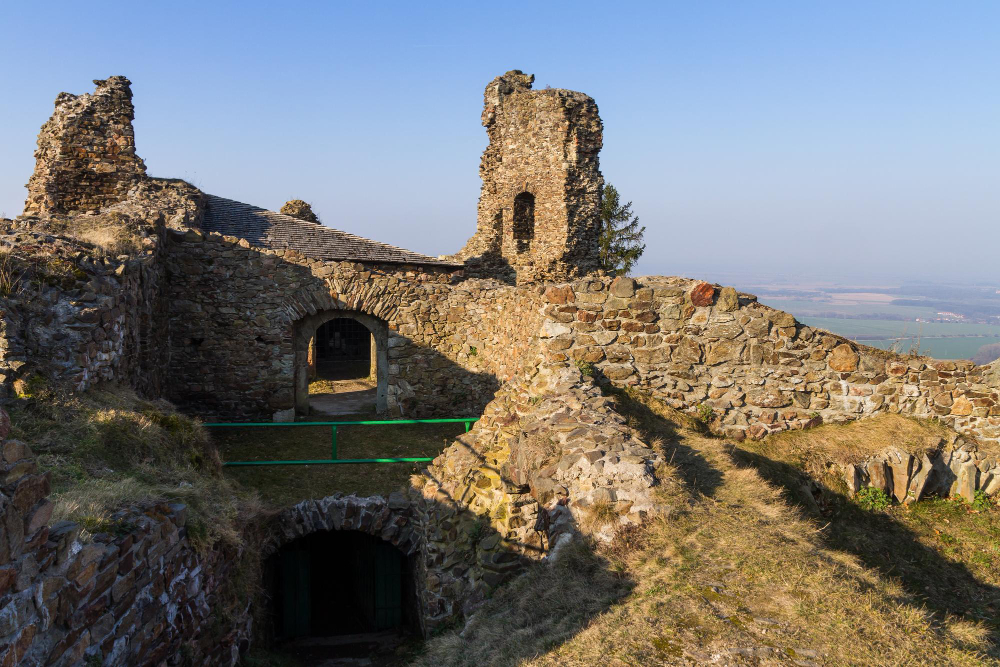
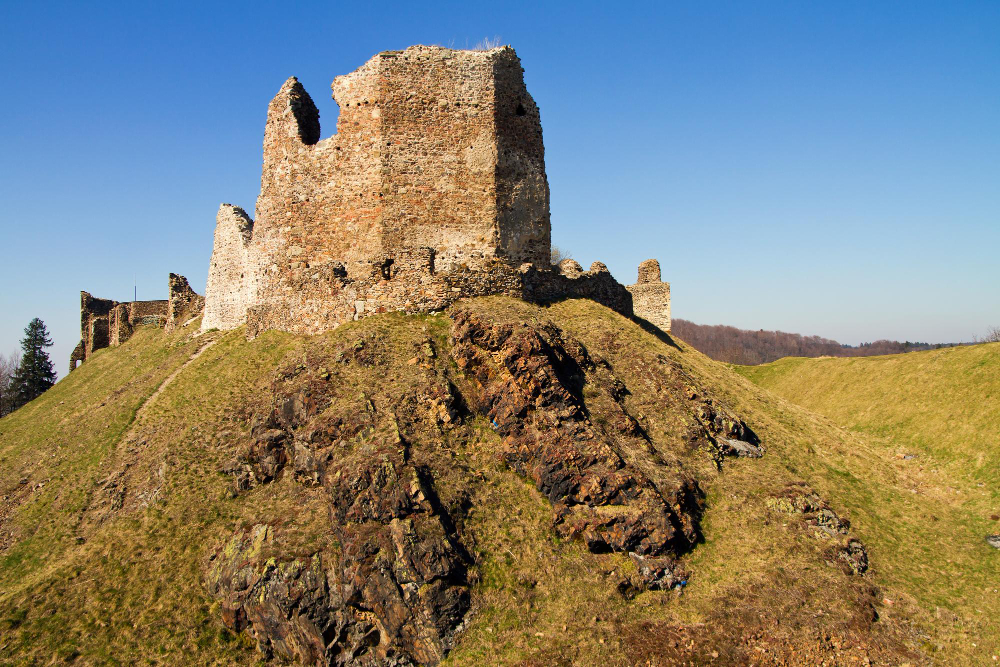
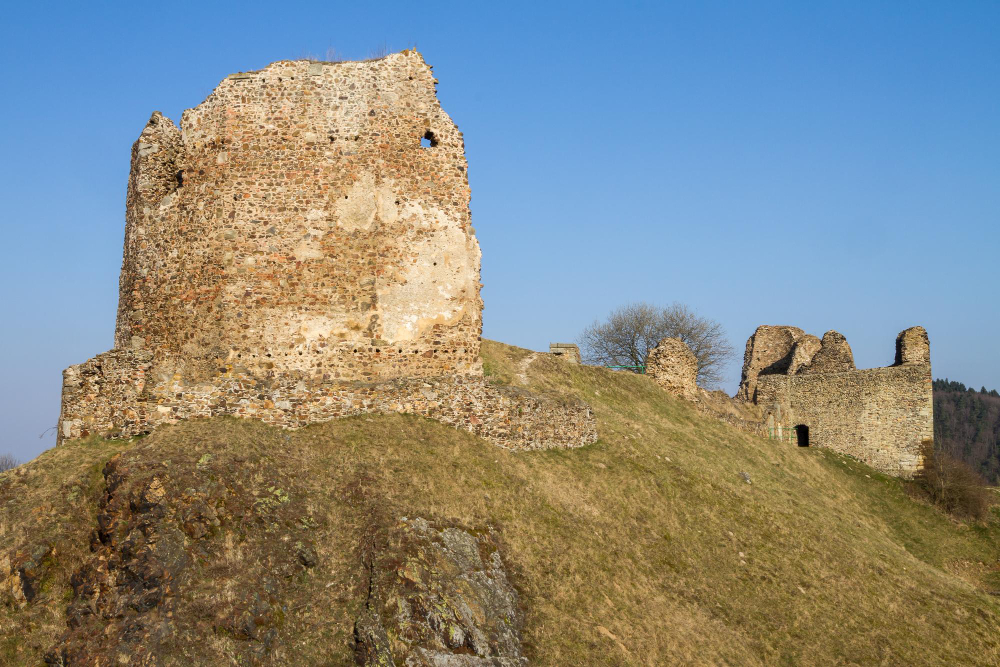
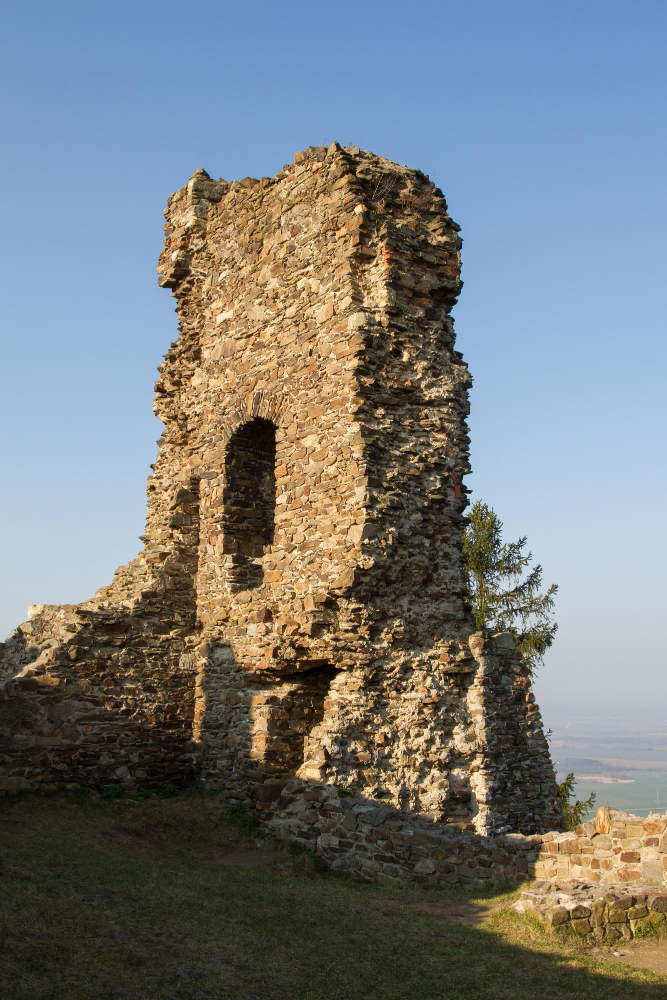
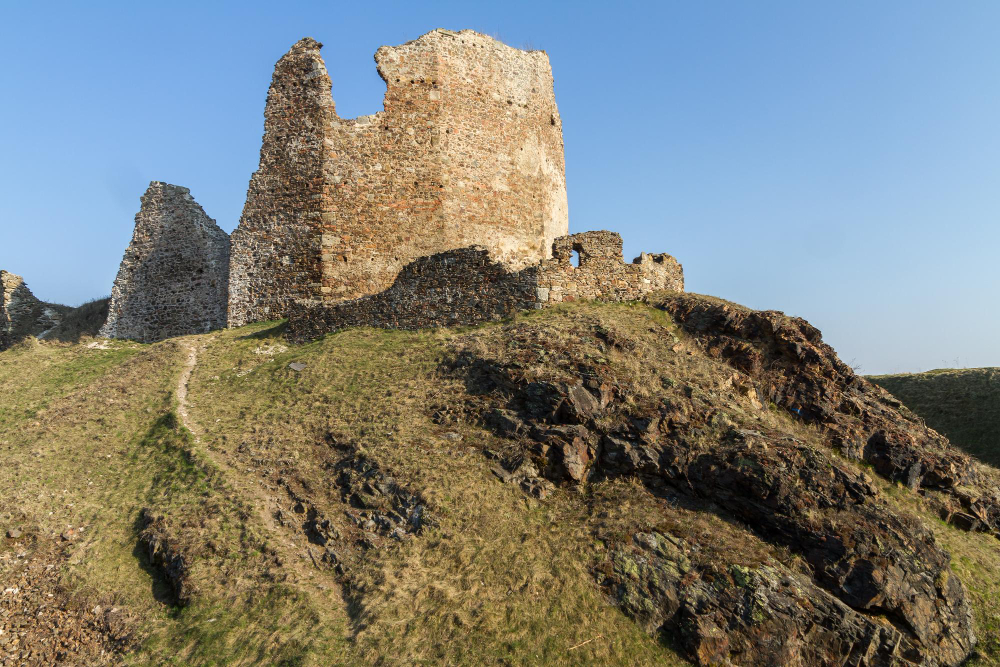
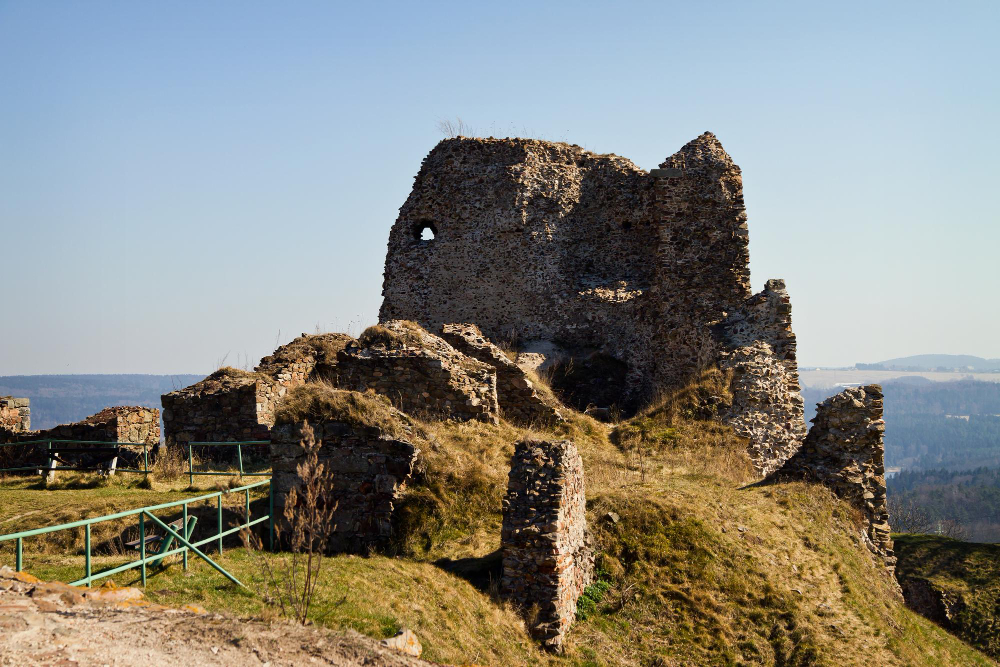
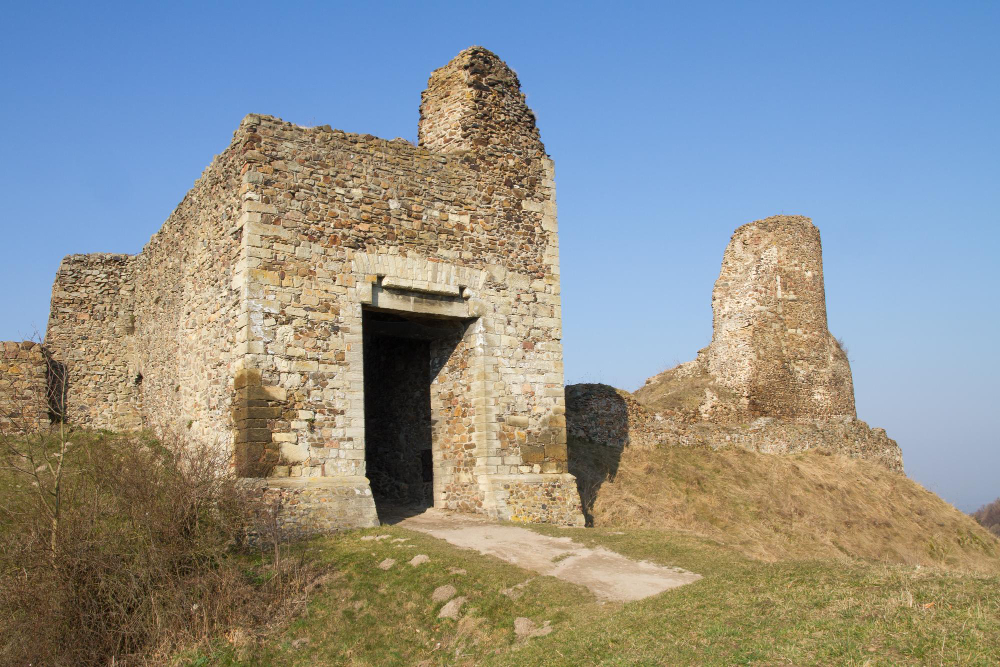
Historical Background and Setting of the Legend – Dívčí kámen rises steeply from the valley, guarding the remains of former castles and ancient noble families. The best known of these is Lichtenburg Castle, which is mentioned in medieval documents and whose owners were regarded as wealthy and powerful. The region was characterised by rugged nature and dramatic landscapes – the perfect conditions for myths and legends in which the forces of nature and human passions merge. The rock, with its almost vertical precipice, became a symbol of trial and doom. The surrounding villages bear witness, through folk tales and oral traditions, to how closely history and myth are intertwined.
The Tragic Origin – The Fate of the Lord of Lichtenburg – The roots of the legend lie in the misfortune of a wealthy lord of the castle who, on a stormy night, fell from the cliff of Dívčí kámen with his faithful horse. The causes of his death were never definitively established – some accounts speak of blind trust in his horse, others of a treacherous accident or even a curse that weighed upon the family. His daughter Milada, a young woman of great beauty and a proud spirit, lost all hope as a result of this tragedy. Eighteenth-century sources, recorded in regional chronicles, describe her as a figure overwhelmed by grief, which led her to develop a deep bitterness. She lost control of her emotions, resulting in a dark transformation of her character.
Milada’s Cruel Challenge – The Notorious Trial – After her father’s death, so the story goes, Milada transformed into an ice-cold guardian of Dívčí kámen. Knights from near and far who wished to ask for her hand in marriage had to face a merciless trial. They had to ride up the treacherously slippery and jagged rocky outcrop on horseback, clad in full armour, and spin round on the spot three times. The trial was considered impossible – the rock was notorious for its slippery surface, which punished any mistake with a fatal fall. Countless suitors lost their lives whilst attempting to master the challenge. This cruel condition was Milada’s way of responding brutally to unwanted advances, whilst at the same time expressing her grief and her hatred for the place that had become her father’s grave.
The Clever Knight’s Stratagem – A Glimmer of Hope in the Darkness – As in many legends, however, there was a way out here too – one that defied the limits of what was possible. The story tells of a knight who was not deterred by the deadly trial. This hero distinguished himself through his intelligence and resourcefulness: he had his horse’s hooves studded with diamonds, whose rough surface gave the animal a firm foothold on the mirror-smooth stone floor. With this ruse, he managed to pass the gruelling trial and elicit a smile from Milada for the very first time. Yet the joy was to be short-lived. Instead of accepting Milada’s outstretched hand, the knight showed unexpected harshness. He declared that he had not come out of love, but to take revenge for the loss of his fallen comrades. In some versions of the legend, he shot an arrow at her; in others, he simply rode away without a word. This twist reveals the tragedy of the story: no victory over the trial could break the curse of the past – Milada’s heart remained shrouded in coldness, and her torment was only prolonged as a result.
The Sad Ending and the Enduring Haunting – Broken by rejection and remorse, Milada did not dare to embark on a new path. The legend tells that she threw herself into the abyss where so many other horns of fate had already been shattered. Yet it was only with her death that the true horror began. To this day, her spirit is said to haunt Dívčí kámen as the ‘White Lady’. For generations, residents of the surrounding villages have reported sightings of a weeping figure in a white dress, wandering across the rock and singing her lamentations and sorrows to the wind. According to legend, two distinctive indentations in the rock mark the hoofprints of the victorious knight’s diamond-studded horseshoes – a silent witness to the dramatic events that are said to have taken place here.
Mythological and cultural significance – Milada’s story is more than just a regional legend; it reflects archetypal motifs found in many cultures: the terrible ordeal inflicted by a challenger, the themes of revenge and betrayed trust, and the apparition of the ‘White Lady’, a spectral figure widespread in Central European folklore. The figure of Milada combines elements of tragedy and warning. She symbolises both the destructive power of unresolved grief and the attempt to gain power over the inevitable – a struggle that ultimately ends in despair. Furthermore, the legend links real-life landscape features with supernatural explanations, a common practice in European folklore designed to make nature’s often merciless and dangerous nature more comprehensible.
A legend that continues to fascinate to this day – The legend of Milada, the cruel castle maiden, is a fascinating example of how history, nature and myth are inextricably interwoven in a region. It tells of love, loss, revenge and tragedy – and of the inevitability of fate, which presents even the bravest knights with seemingly insurmountable challenges. Anyone who hikes to Dívčí kámen today can sometimes sense the dense atmosphere of times gone by and almost hear the ghostly clatter of horses’ hooves on smooth stone. And perhaps, just perhaps, one might encounter the white figure of Milada, serving out her eternal penance by weeping over the abyss. And so the legend lives on, not merely as a story, but as both a warning and an inspiration – deeply rooted in the wild beauty of Bohemia and in the hearts of the people who tell it.








Post Comment