The Broken Heart and the Counterfeit Ducats: The Legend of the Sale of Zborov Castle
High above the village of Zborov in what is now eastern Slovakia lie the ruins of a castle whose history is marked by power struggles, noble families, wars and dramatic legends. Zborov Castle – “Hrad Zborov” in Slovak, also known as Makovica – was a strategically important stronghold in the Šariš region for centuries. Particularly striking is a tale centred on its alleged sale in the 16th century: a nobleman is said to have sold his beloved castle only on a condition that seemed deliberately impossible to fulfil. The buyer nevertheless fulfilled it – and, according to tradition, the former owner died of a broken heart shortly afterwards. The story links two prominent figures from the region’s aristocratic history: Gašpar II Serédy and Žigmund Rákóczi. It remains part of the local castle lore to this day. However, it is not always possible to draw a clear distinction between historically verified facts and later embellishments. This is precisely why it is worth taking a closer look: at the verifiable history of the castle, at the families involved, and at the question of why the tale of the ducats remains so compelling to this day.
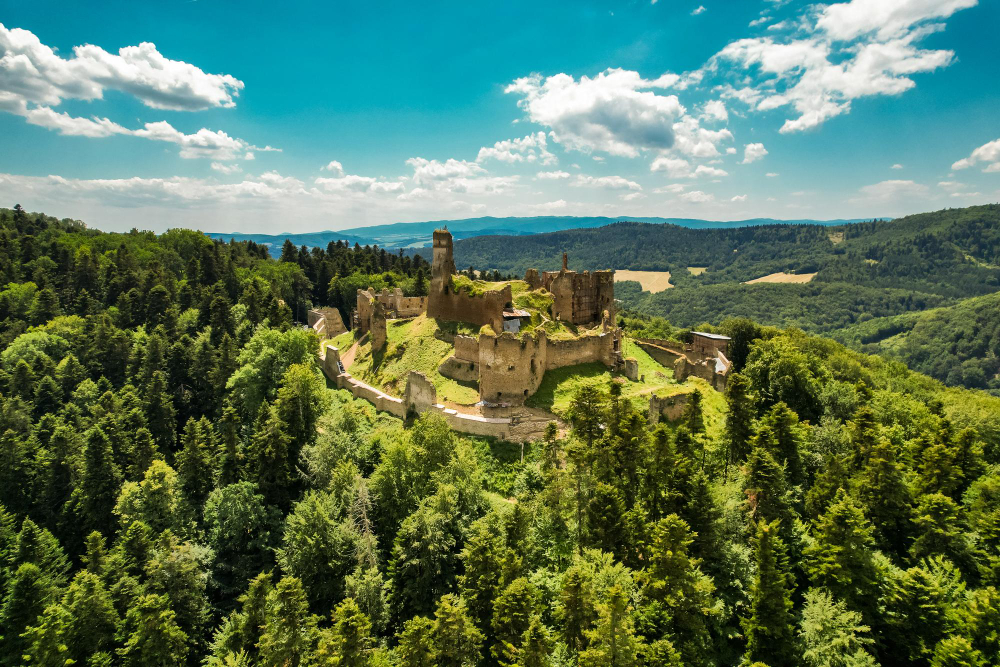
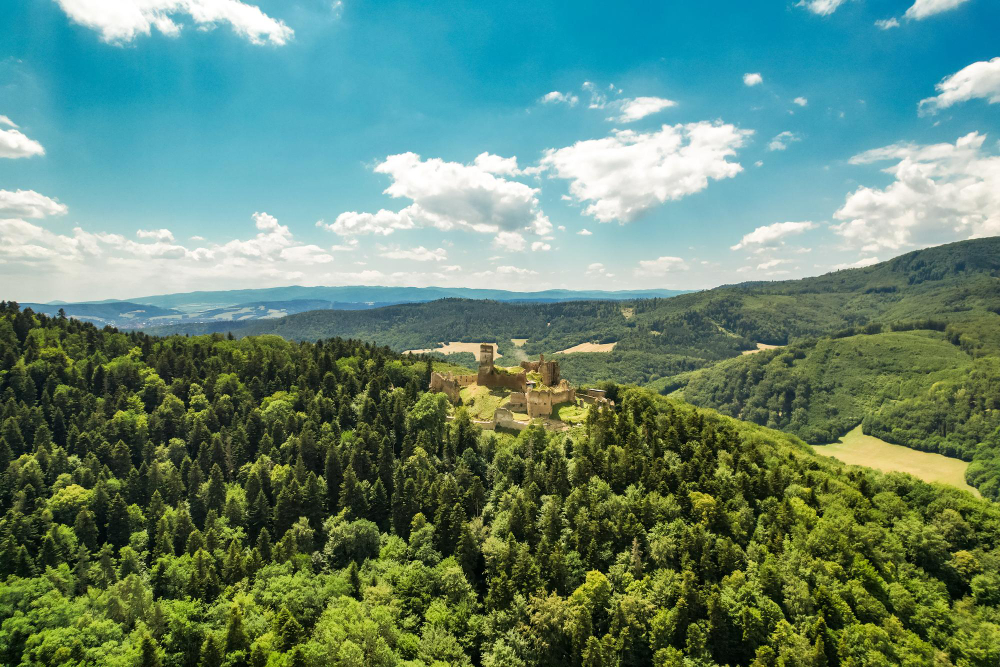
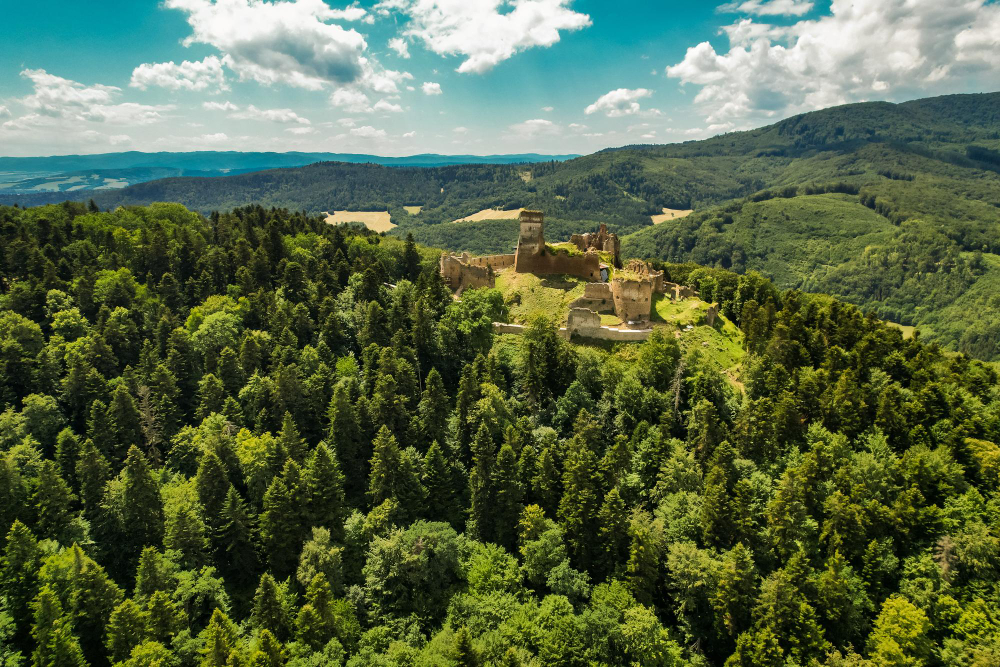
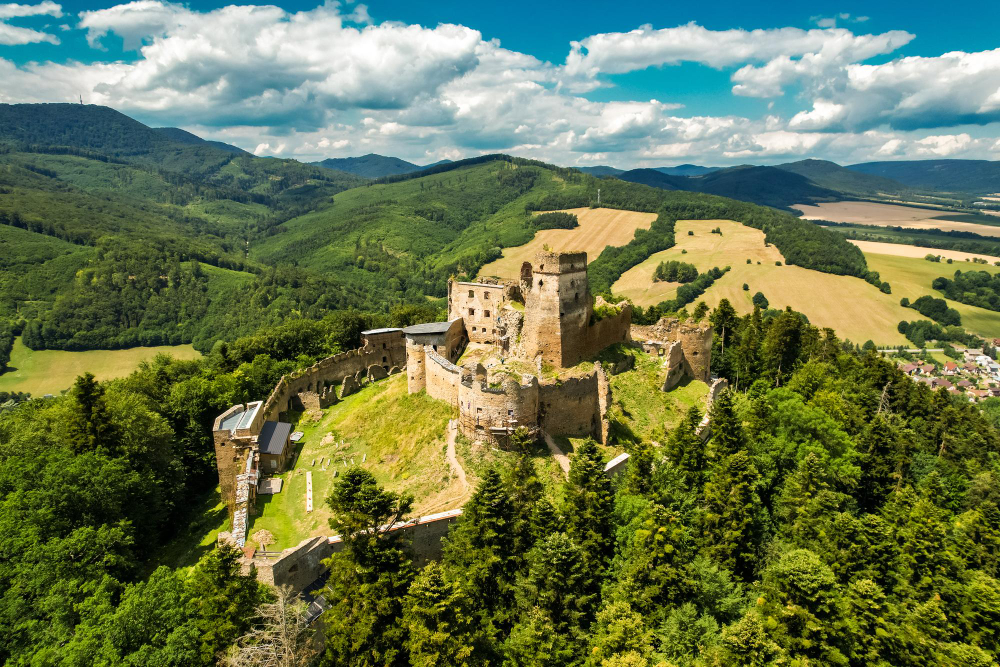
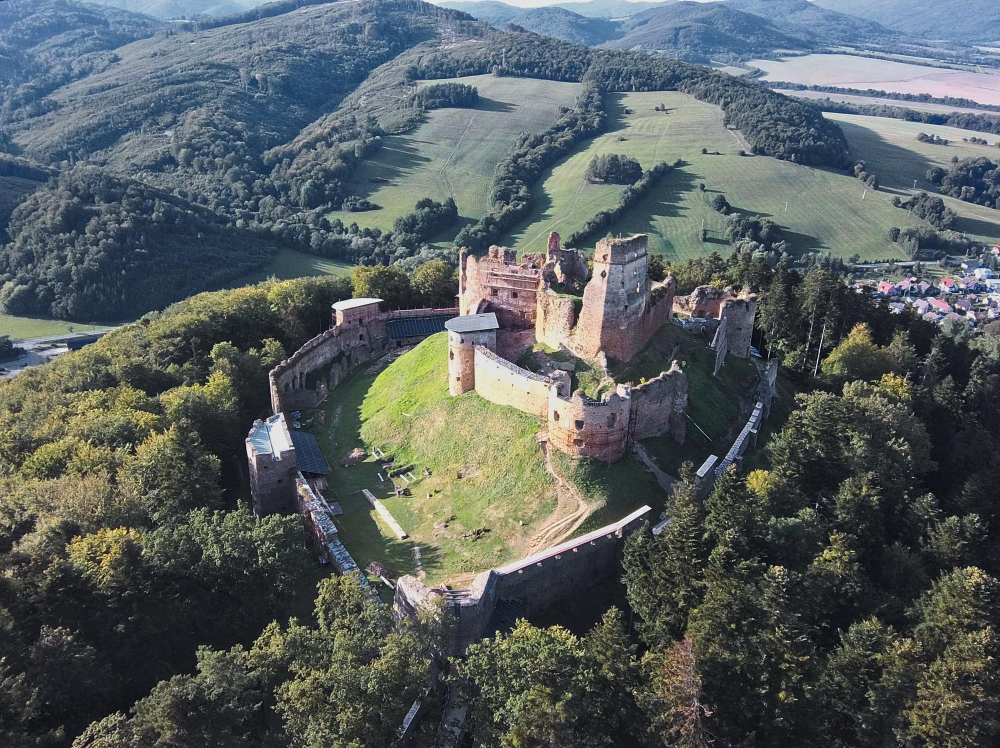
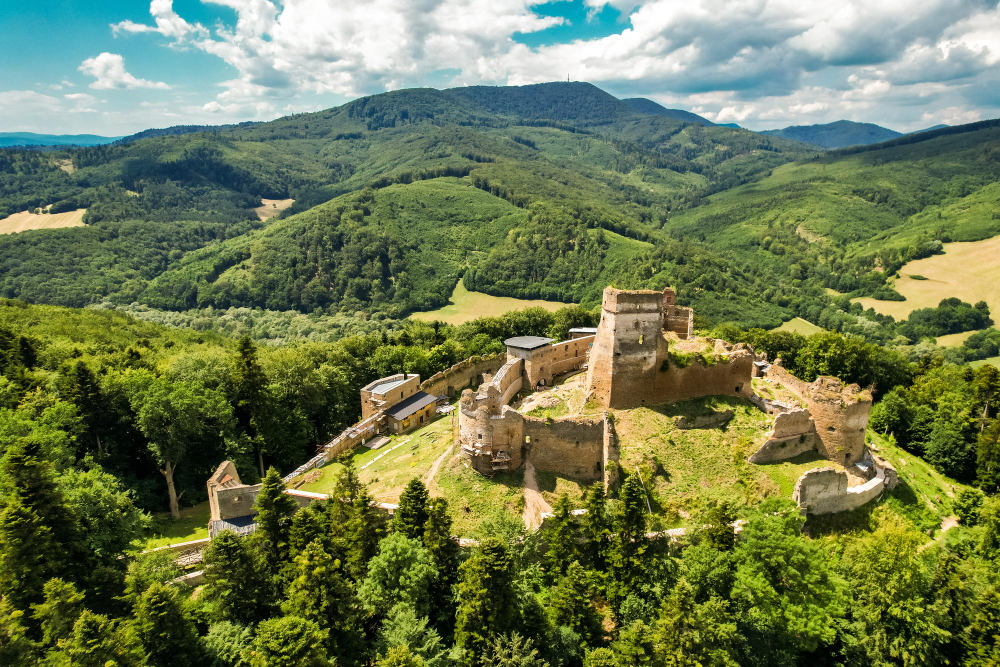
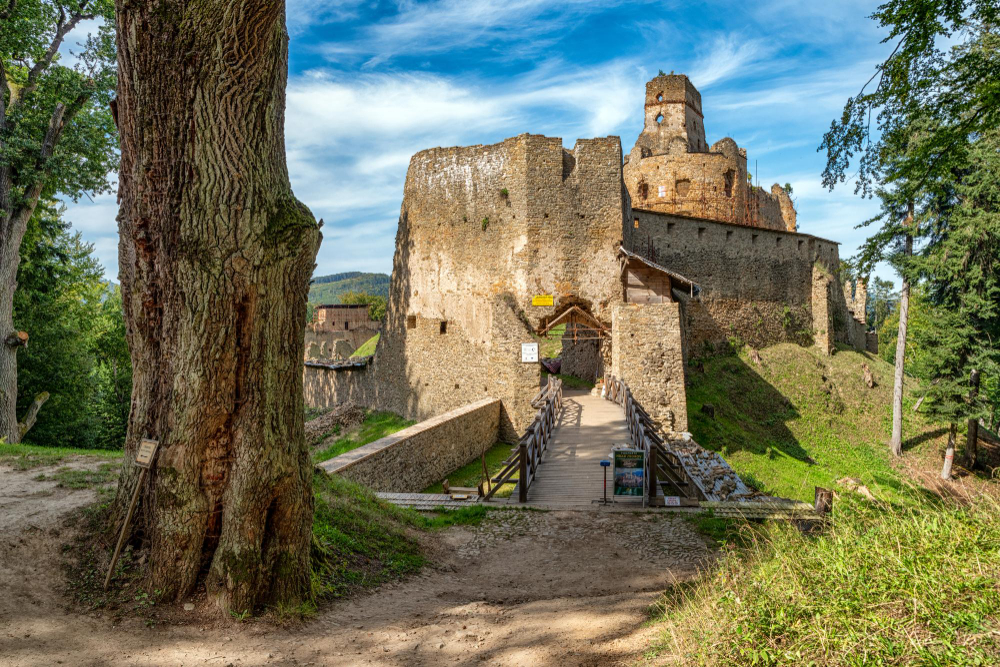
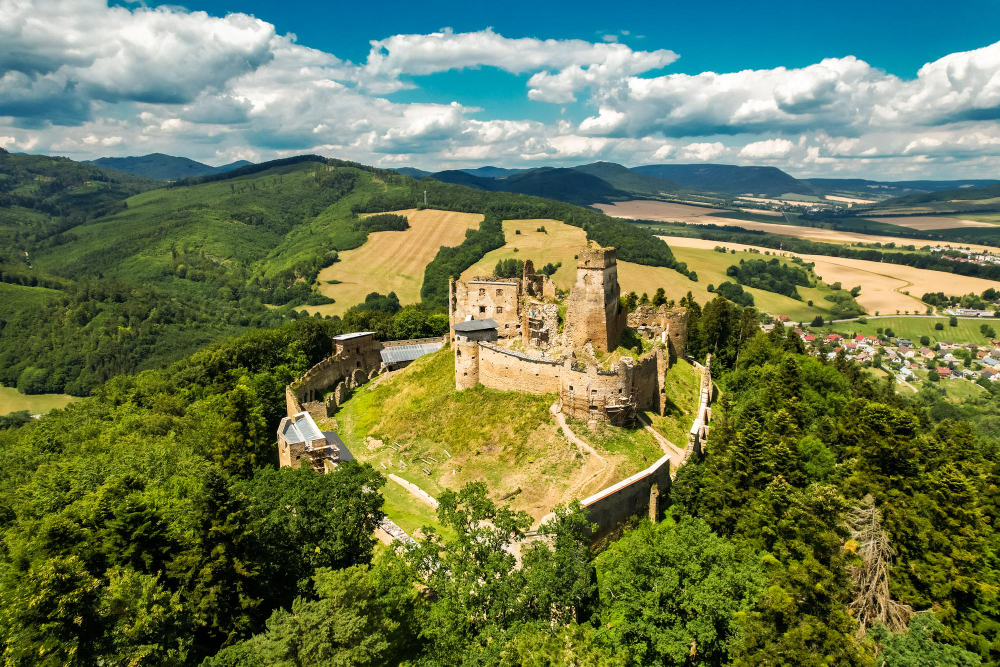
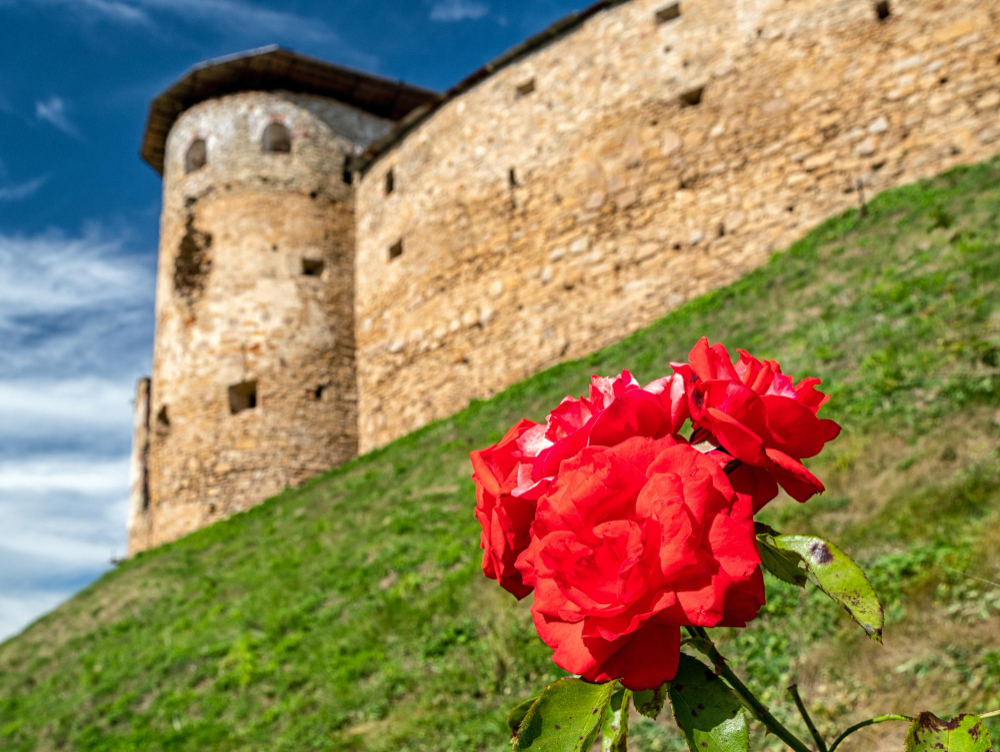
A castle overlooking the valley – Zborov Castle was probably built in the 13th century. Its location was deliberately chosen: situated on a wooded ridge, it offered a sweeping view of the surrounding countryside and controlled important transport routes in the north-eastern part of what was then the Kingdom of Hungary. This area is now part of Slovakia, but at that time lay within the political and economic sphere of the Hungarian Crown. Like many castles in the region, Zborov was not merely a military stronghold. It was also an administrative centre, a seat of power and a symbol of noble authority. From here, estates, villages and taxes were administered. Whoever owned the castle thus possessed not merely stone walls, towers and courtyards, but also significant territorial holdings. Over the centuries, the complex changed hands several times. Among the families associated with it were the Kakas of Kaza, the Serédys and, later, the Rákóczis. The castle was extended, remodelled and adapted to the military requirements of the time. Its history, however, was by no means straightforward: conflicts within the nobility, clashes with rebels and the ravages of war all left their mark.
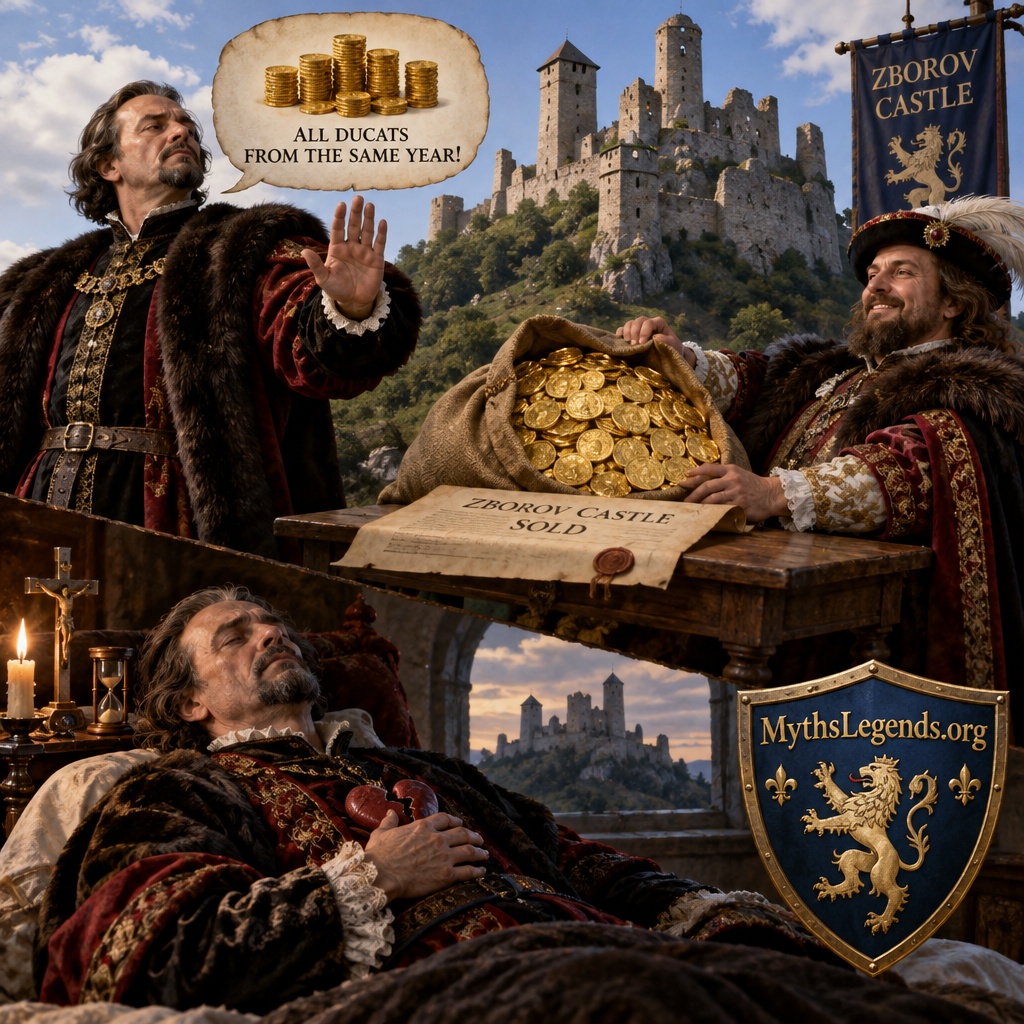
Gašpar II Serédy and the supposedly impossible demand – At the heart of the popular narrative stands Gašpar II Serédy, known in Hungarian as Gáspár Serédy. He is said to have been particularly fond of Zborov Castle and to have been unwilling to sell it of his own accord. When Žigmund Rákóczi – known in Hungarian as Zsigmond Rákóczi – sought to acquire the estate, Serédy is said to have resorted to an unusual tactic. Instead of simply refusing the purchase, he is said to have quoted a price intended to deter the prospective buyer: an extraordinarily large sum, payable entirely in ducats. On top of this came a further condition: all the gold coins were to be from the same year of minting, the current one. For a 16th-century buyer, this was an enormous challenge. Ducats were high-quality gold coins that enjoyed great trust in European trade. Procuring them in large numbers was a labourious task; the requirement for coins from the same year made the matter even more complicated. This, it seems, was precisely Serédy’s calculation. According to tradition, he reckoned that no one could possibly amass such a quantity of freshly minted ducats. Yet Žigmund Rákóczi took him by surprise. He is said to have presented a huge bag or sack containing exactly the coins demanded. Serédy, who had formulated the conditions himself, could therefore no longer resort to any excuse. He was forced to cede Zborov Castle. The story ends tragically: the former owner is said not to have been able to come to terms with the loss and to have died of grief shortly afterwards. The image of a nobleman who would rather cling to a seemingly impossible financial demand than openly part with his property still possesses great narrative power to this day. It transforms a change of ownership into a personal catastrophe.
The historical core: a change of ownership in the 16th century – The fact that Zborov Castle came into the possession of the Rákóczi family in the 16th century is part of the castle’s recorded history. The Rákóczis later became one of the most prominent Protestant magnate families in the Kingdom of Hungary. Their power base lay primarily in north-eastern Hungary and what is now eastern Slovakia. Zborov, too, was among the estates that strengthened their regional influence. Žigmund Rákóczi was a historical figure. He lived from 1544 to 1608 and held high political and military offices. In 1607, he was even elected Prince of Transylvania, although his reign was short-lived. His career shows that he was by no means a random buyer, but rather one of the influential figures of his time. The Serédy family also belonged to the Hungarian nobility. However, publicly available overviews do not always provide detailed information on individual transfers of ownership and their exact terms. The specific demand for ducats and the death from a broken heart therefore belong primarily to the realm of a locally transmitted legend. It may serve to dramatise a real transaction, but should not automatically be treated as a fully documented sequence of events. This does not mean that the tradition is without value. Historical legends often preserve memories of conflicts, loss of property and social tensions. They frequently reveal less about the accounting details of a contract than about the emotional significance of an event for the people who later recounted it.
Why ducats, of all things? – The choice of ducats in this story is no mere coincidence. For centuries, the ducat was one of Europe’s most important gold coins. Its name dates back to Venetian coinage of the Middle Ages, but over time the ducat came to be minted in numerous territories – including the Kingdom of Hungary. Hungarian gold ducats enjoyed an excellent reputation. The country possessed significant gold deposits, particularly in the mining regions of what is now central Hungary and central Slovakia. Hungarian gold coins had played an important role in international trade since the Middle Ages. For large fortunes, land purchases or political payments, gold was a symbol of stability and prestige. A demand for ducats from the same year therefore had a dual effect. It signified not only wealth, but also access to trade networks, mints and influential financial connections. Anyone who could procure a large quantity of gold coins from the same year within a short space of time demonstrated exceptional economic and political capabilities. In the legend, Rákóczi’s success thus becomes proof of his superiority. Serédy sought to protect his castle by imposing an absurd condition; his opponent turned precisely this condition into the instrument of his victory. Whether the coins were in fact ‘counterfeit’, as the dramatic title suggests, remains an open question. Tradition speaks more of a demand that was surprisingly met than of proven coin fraud. The ‘fraud’, if one is to use the term at all, lies rather in the narrative irony: Serédy’s seemingly secure subterfuge turned against him.
The Rákóczis and the Expansion of the Castle – Under the Rákóczis, Zborov continued to grow in importance. The family had the castle extended and modernised in the early modern period. Such measures were urgently needed, as military technology was changing. With the increasing importance of firearms and artillery, medieval walls alone were no longer sufficient. Fortifications had to be reinforced, access points secured and defensive structures adapted. The Rákóczi family shaped the history of the north-eastern Carpathian region over several generations. The most famous member was later to be Franz II Rákóczi, who led a major uprising against the Habsburgs in the early 18th century. Even though he lived long after the era of the ducat legend, his name illustrates the political influence the family had come to wield. For Zborov Castle, ownership by the Rákóczis marked a period in which it was not merely a local seat of the nobility, but part of a larger power structure. Its walls thus stood in the shadow of the great conflicts between the Habsburgs, the Hungarian nobility, the Transylvanian princes and the Ottoman Empire.
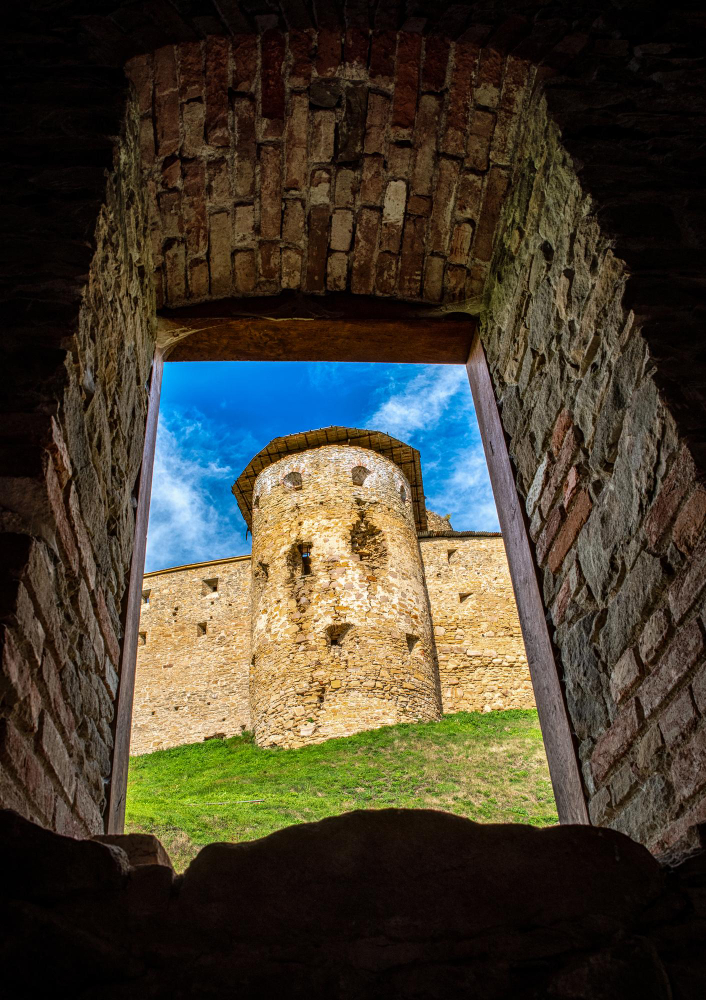
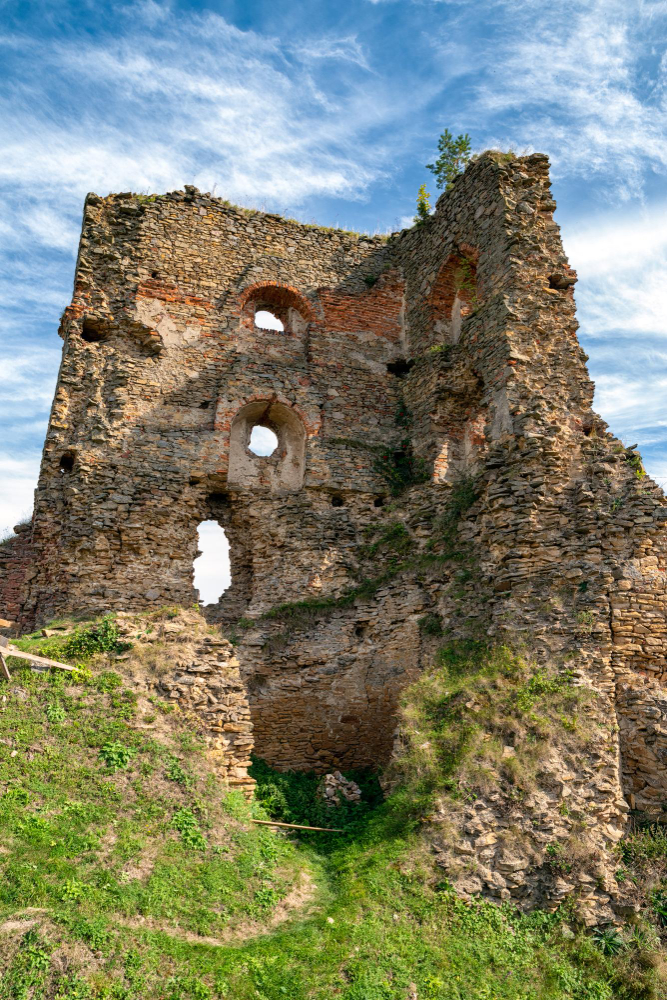
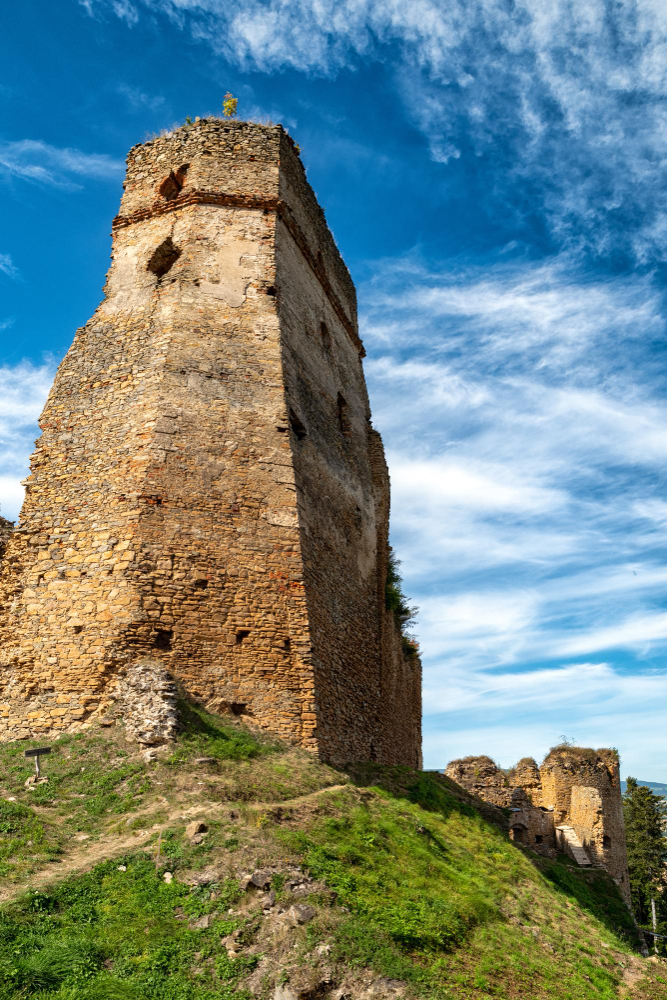
Destruction, Decay and Remembrance – The castle did not emerge unscathed from the centuries that followed. In the 17th century, it was damaged during armed conflicts. The early 18th century marked a decisive turning point: following the failure of the Rákóczi uprising against the Habsburgs, the complex was ultimately destroyed – or so severely damaged – that it was never fully rebuilt. Since then, Zborov has been in ruins. Today, the remains of the walls, towers and living quarters serve as a reminder of the complex’s former grandeur. At the same time, the castle lives on through stories – and none is more compelling than that of the desperate owner, the wealthy buyer and the ducats of a single year. The legend is therefore more than just an anecdote about money. It deals with ownership and identity, with political power and personal attachment. In this tale, Serédy embodies the man who believes he can prevent a loss by means of a cleverly worded condition. Rákóczi represents the rise of a family whose wealth and influence removed even seemingly insurmountable obstacles. Whether Gašpar II Serédy actually died of a broken heart cannot be proven beyond doubt on the basis of publicly available sources. One thing is certain, however: the transfer of the castle to the Rákóczis forms part of Zborov’s history. The story of the ducats transforms this straightforward change of ownership into a drama that has endured for centuries – because it touches upon a timeless truth: some places are worth far more to their owners than any sum of gold, however great.

Post Comment