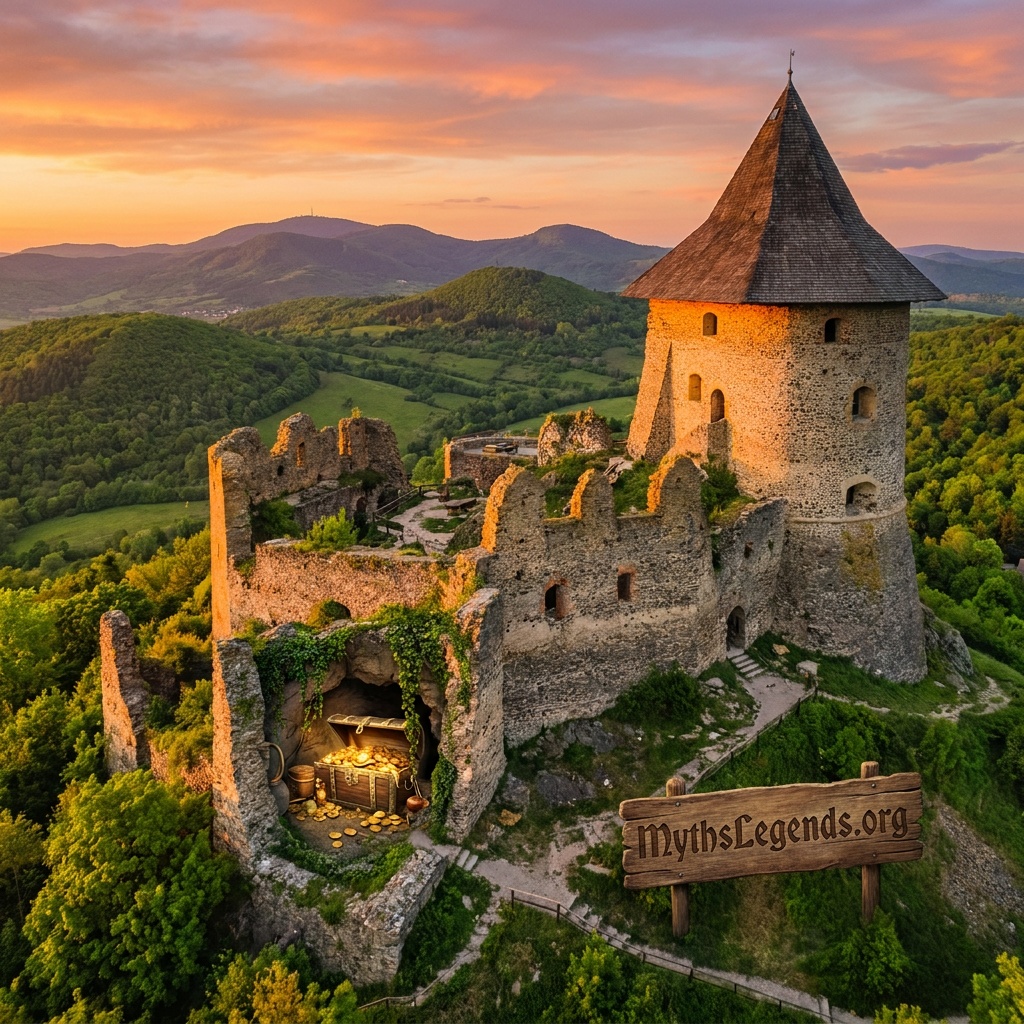
The Hidden Secrets of Šomoška: A Castle, a Myth and the Search for Treasure
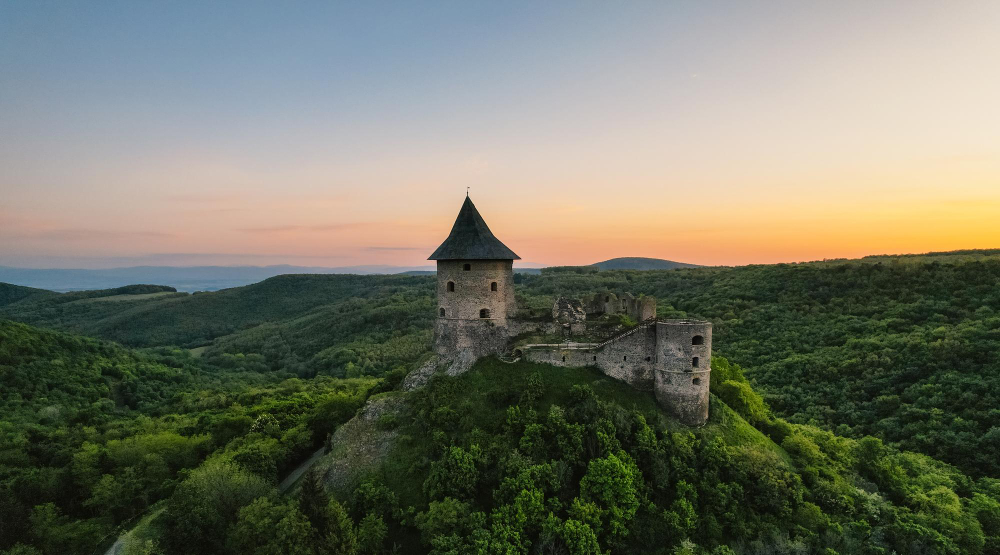
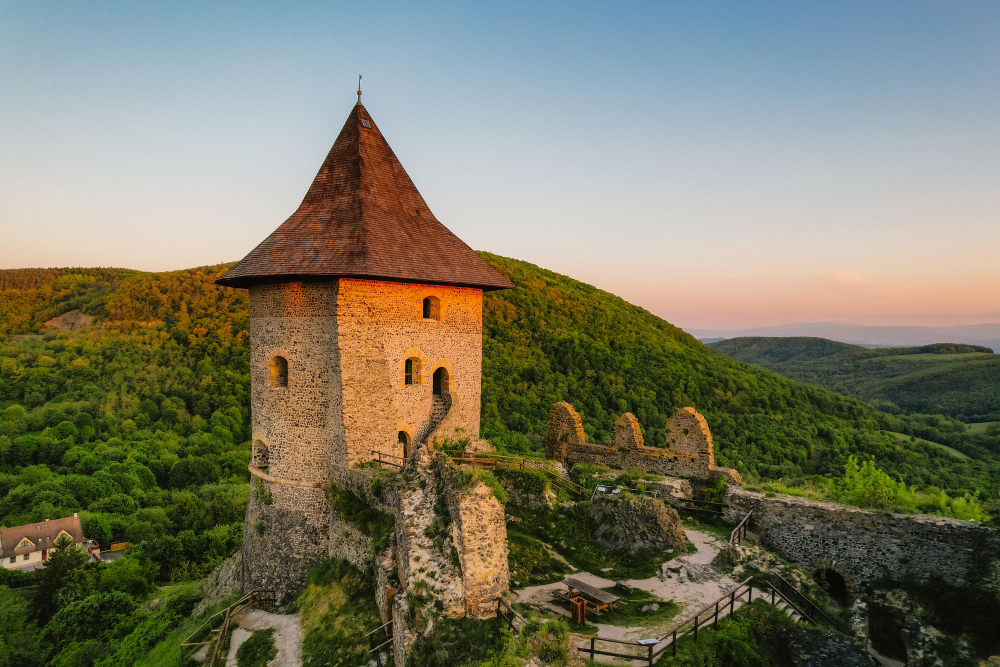
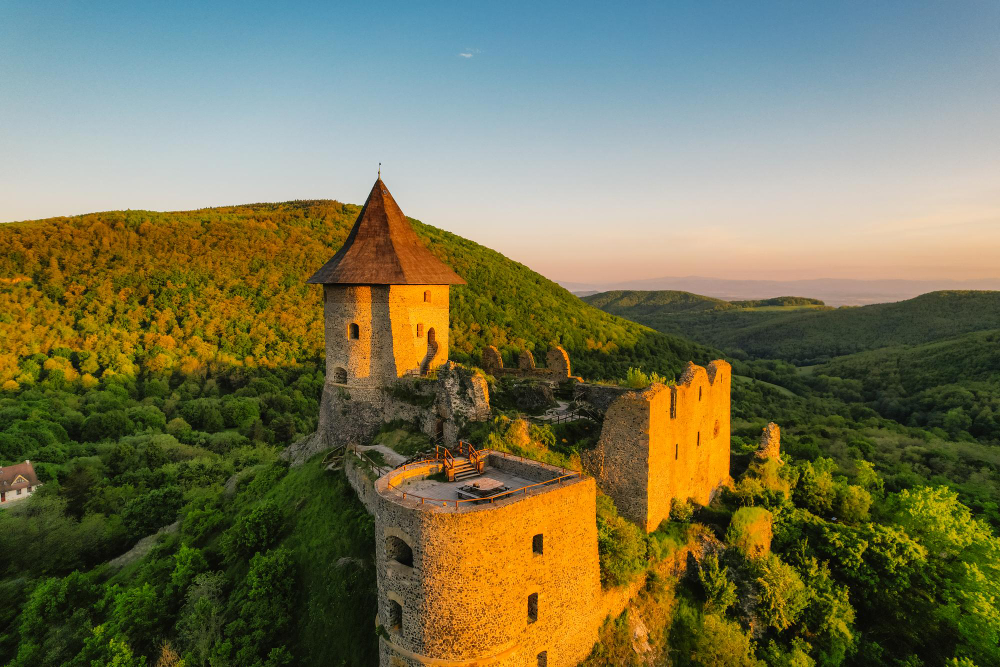
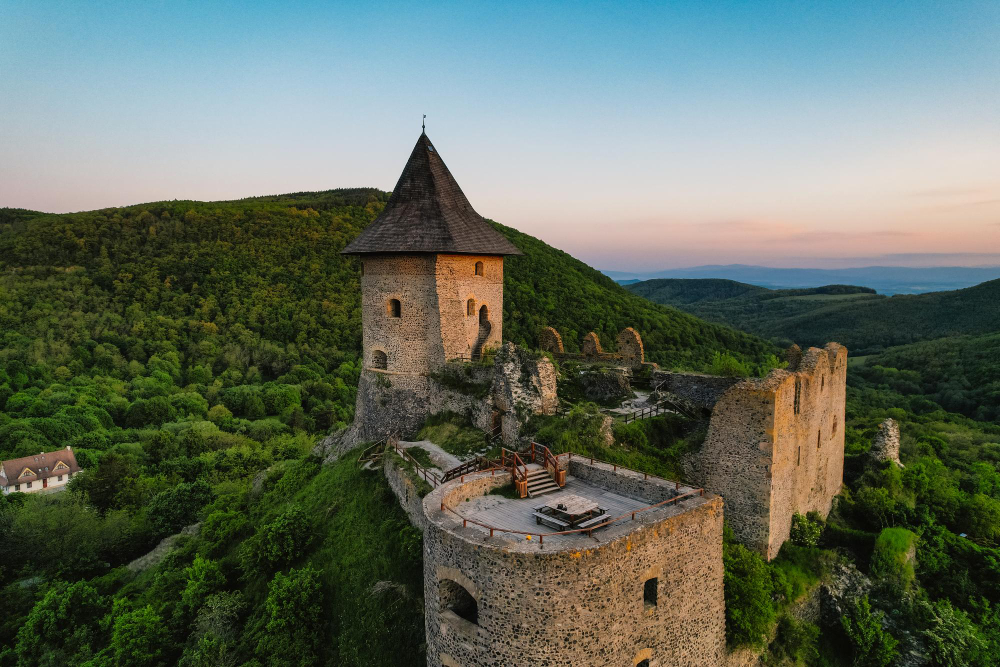
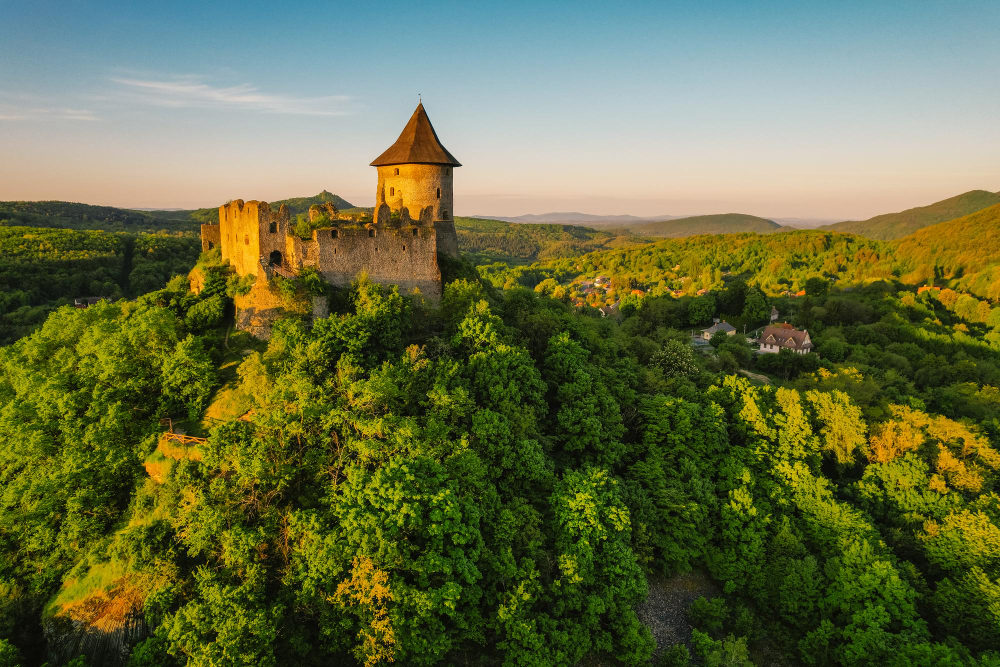
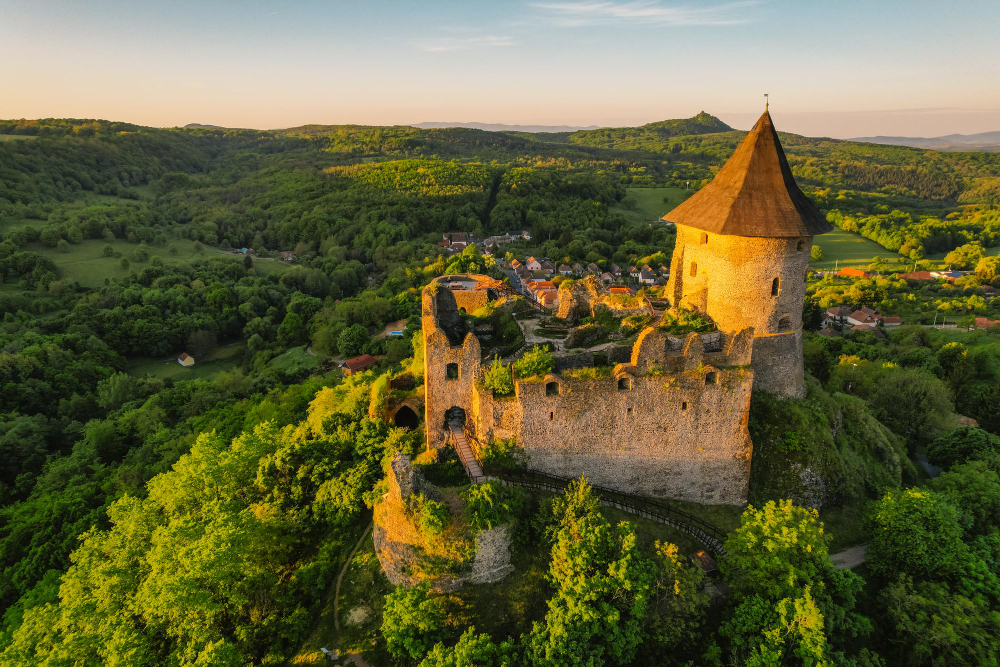
In the southern heart of Slovakia, nestled in the picturesque countryside near the Hungarian border, stands the majestic Šomoška Castle. Its structure, built of black basalt stone and unique in its character, attracts numerous visitors year after year. Yet beyond historical facts and breathtaking views, this fortress harbours a myth that captures the imagination of history enthusiasts and treasure hunters alike. Šomoška is not merely a historical site, but the setting for legends and tales that speak of the mystery of a hidden Turkish treasure.
The emergence of a mysterious atmosphere – Šomoška Castle looks back on a long and eventful history. Its origins date back to the 13th century, when it was originally built to protect the region and as a strategic defensive structure. Over the centuries, the castle has been the scene of numerous conflicts, invasions and changes of power. It played a particularly significant role during the Turkish Wars in the 16th century, as it was occupied by Ottoman troops at that time. Yet it is not so much its military past that makes Šomoška so fascinating – rather, it is the stories and legends that surround this place. One of these tales claims that, as the Turks retreated from the region, they left a valuable treasure within the castle walls. Gold, precious stones and other valuables, hidden from the eyes of their enemies, are said to lie somewhere on the grounds to this day, waiting to be discovered.
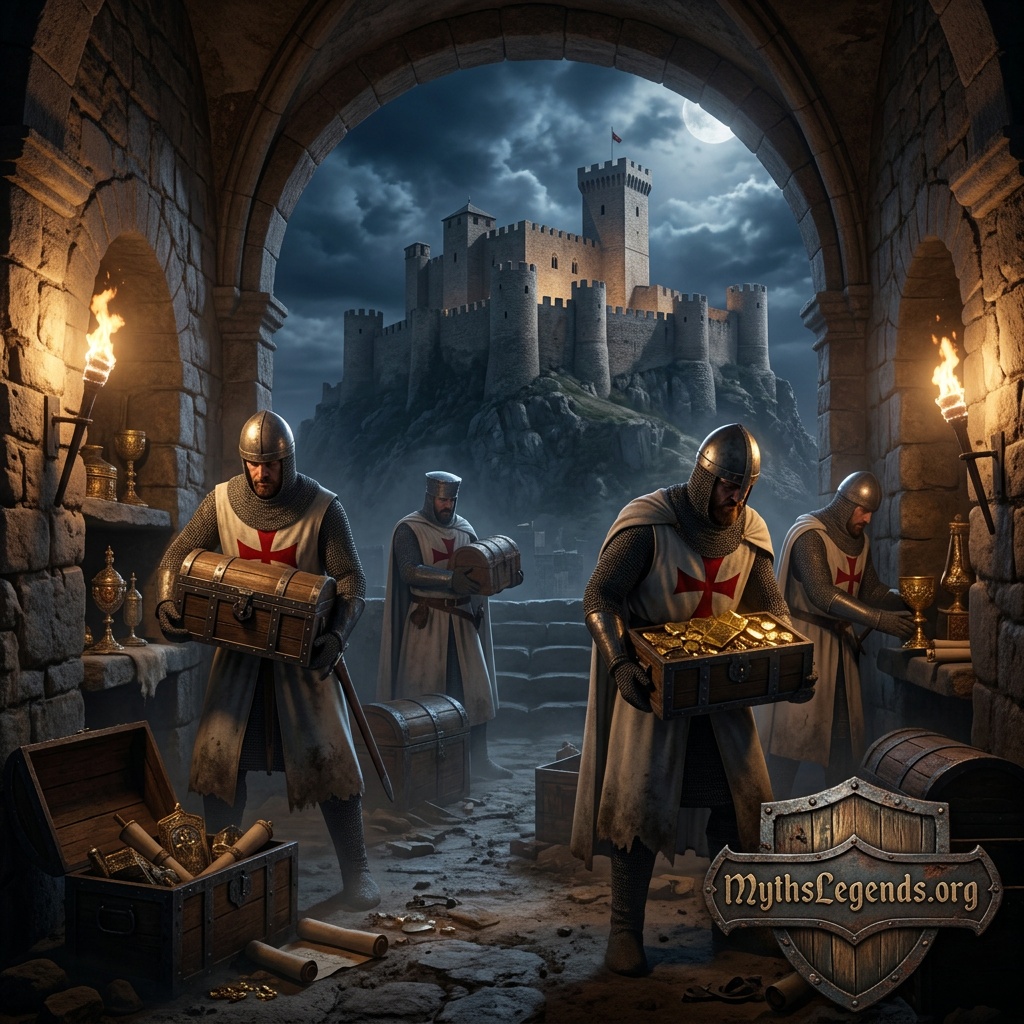
The Myth of the Turkish Treasure – The legend of the Turkish treasure is one of the best-known stories surrounding Šomoška. It is said that during their rule over the area, the Ottomans amassed immense wealth – whether through plunder or tribute payments. However, as the situation became increasingly untenable and the Ottoman garrison was forced to abandon the castle, the leaders of the time allegedly decided to hide their treasure in a safe place. This was to prevent the valuable goods from falling into the hands of their enemies. Since then, countless stories have circulated about this mysterious find. Yet to this day, every treasure hunt has proved fruitless, leaving the existence of the treasure shrouded in mystery. Some claim that the Turks hid the treasure so skilfully that it remains out of reach even for the most experienced treasure hunters. Others, however, suspect that it is merely a myth – a fabricated story that lends the castle an additional aura of mystery.
Treasure Hunt: Between Hope and Disappointment – Despite the lack of concrete evidence, the legend of the treasure continues to draw numerous adventurers and treasure hunters to the region to this day. Equipped with metal detectors, maps and patience, they comb the area around the castle, always in the hope of finding a clue to the hidden treasures. Yet to this day, every attempt has been in vain, and the fundamental question remains: does the treasure really exist? Historians and archaeologists have repeatedly questioned the likelihood of such a treasure. After all, to this day there are no concrete clues or archaeological finds that could confirm the existence of a Turkish treasure. Yet it is precisely this uncertainty that seems to keep the legend alive and attract ever more seekers.
A castle full of stories and secrets – Apart from the treasure legend, Šomoška has many more stories to tell. Particularly striking is the castle’s unique architecture, which stands out distinctly due to the use of basalt stones. Right next to the castle is the famous ‘Basalt Waterfall’ – a geological formation that ranks among Slovakia’s most impressive natural wonders. The basalt stones are also linked to a legend. It is said that their extraordinary shape is due to a spell that was once cast over the region. The waterfall is said to have been created by magical powers to emphasise the castle’s beauty and draw attention to its uniqueness. As with many historical sites, the line between history and myth is blurred in Šomoška. It is precisely this blend of facts and legends that makes the castle a fascinating place, significant not only for historians but also for romantics and dreamers.
Why secrets captivate – The appeal of places like Šomoška lies not only in their historical and architectural significance, but also in the secrets they harbour. People have always been drawn to mysteries and unresolved questions – be it the dream of lost treasures or the notion of bygone eras reflected in the walls and ruins. In this context, Šomoška becomes more than just a tourist destination. It becomes a symbol of the human quest for knowledge, adventure and imagination. The search for the Turkish treasure, whether successful or not, is ultimately merely an expression of that longing curiosity that drives us.
A Place of Inspiration – Although the treasure remains undiscovered to this day, the castle nevertheless serves a purpose that goes far beyond its material value. It inspires. It fires the imagination, prompts reflection and encourages us to engage with the history and cultural roots of the region. For many visitors, Šomoška is therefore far more than just a historical site – it is a symbol of bygone eras, a window into history and a place where dream and reality merge.
Šomoška – A Living Legend – Šomoška Castle is far more than a collection of ruins from days gone by. It is a place that comes to life through its legends and secrets, sparking our imagination. Whether one believes the stories about the Turkish treasure or views them with scepticism is up to each individual. What is certain, however, is that these tales have made the castle a very special place that reveals ever-new facets even on repeated visits. Perhaps the treasure will remain hidden for all eternity, perhaps it will be found one day after all – whatever the case, Šomoška will always remain a place full of stories, inviting people to experience a little adventure. For anyone curious enough to explore the past and discover the boundaries between myth and reality, Šomoška is the perfect place to be enchanted by the magic of history.



Post Comment