The Glorious Hanseatic League: Rise, Wealth and Decline of a Medieval Trading Power
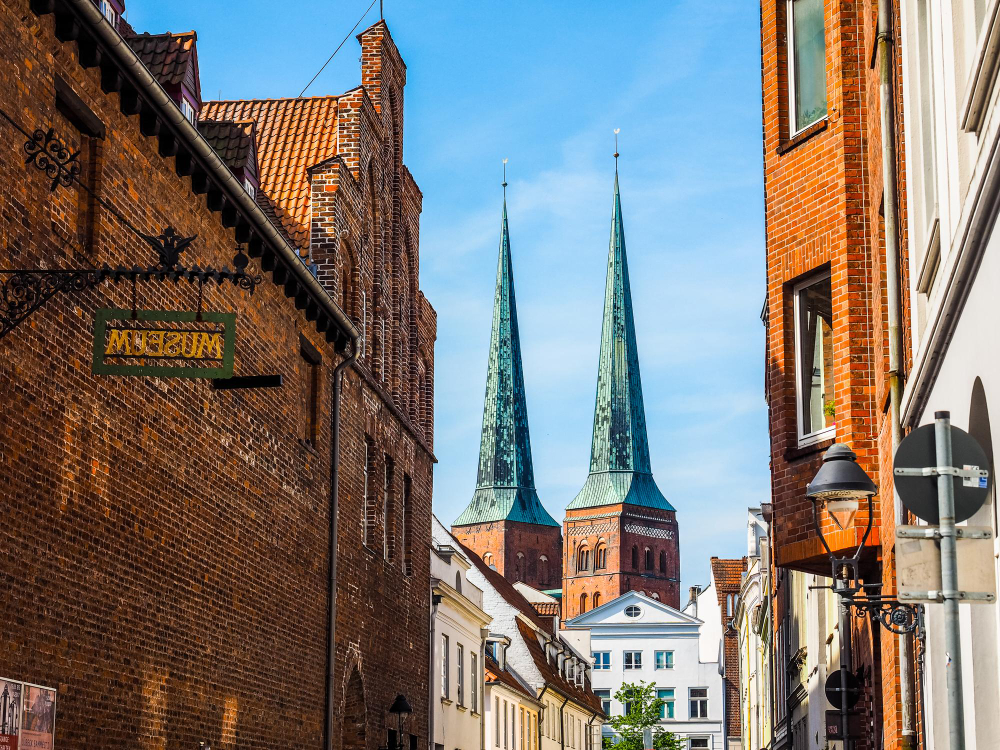
Hardly any other term from the Middle Ages arouses as much fascination as the Hanseatic League. This legendary confederation of cities, which once dominated trade throughout the North Sea and Baltic Sea regions, stands as a symbol of economic success and cultural exchange. Yet behind the myth lie not only periods of prosperity and tales of wealth, but also challenges, rivalries and, ultimately, decline. At the European Hanseatic Museum in Lübeck, this history comes to life, and visitors are literally immersed in the Hanse’s golden age.
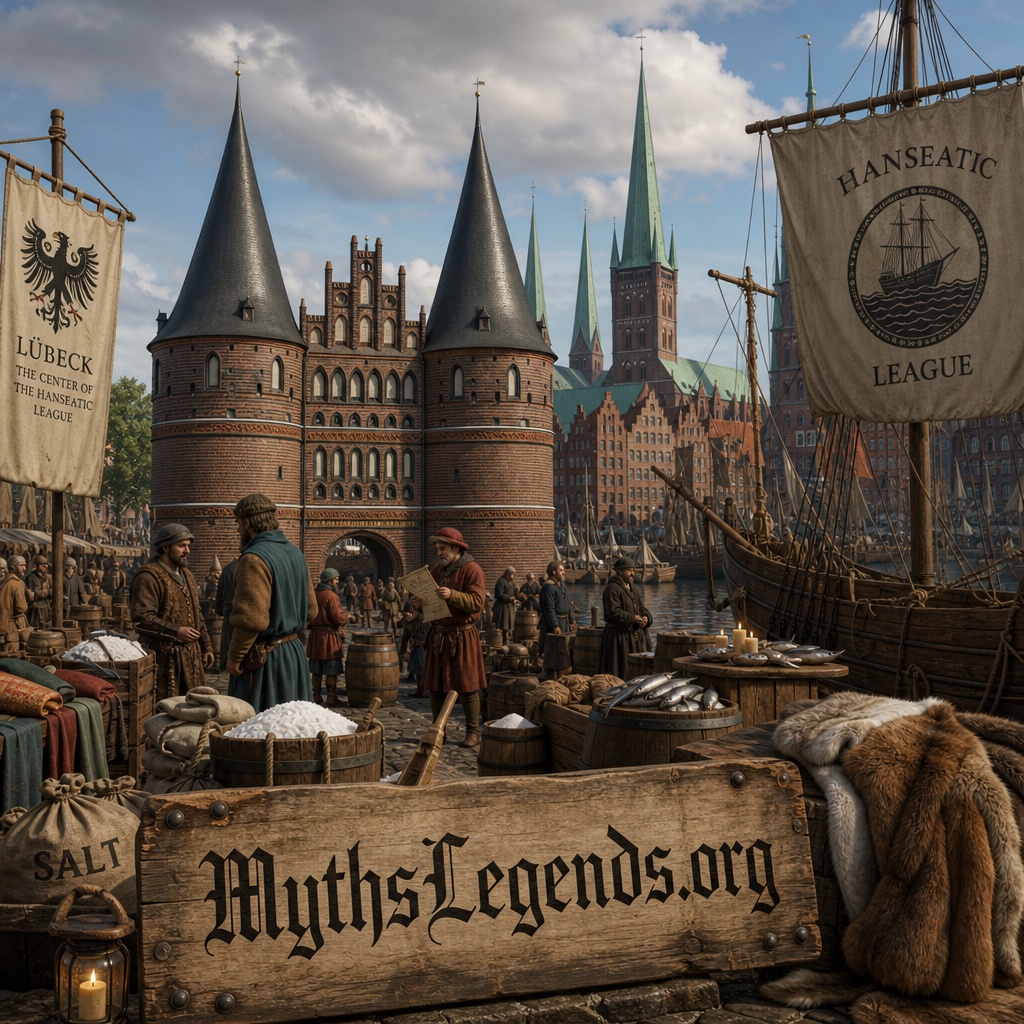
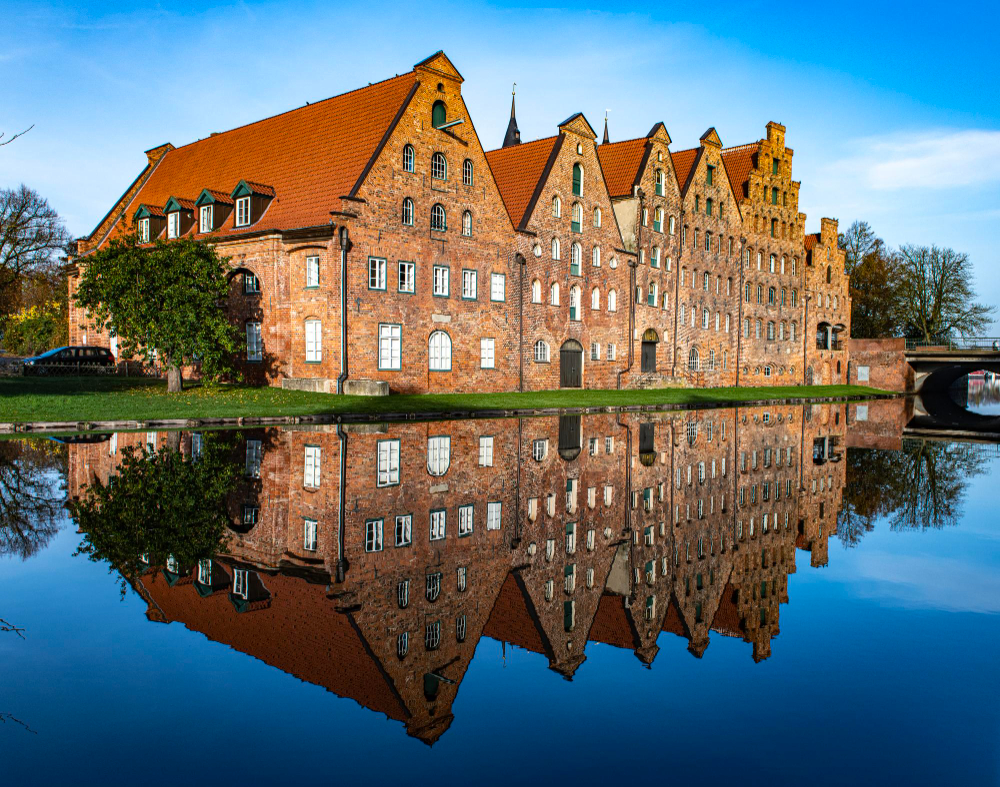
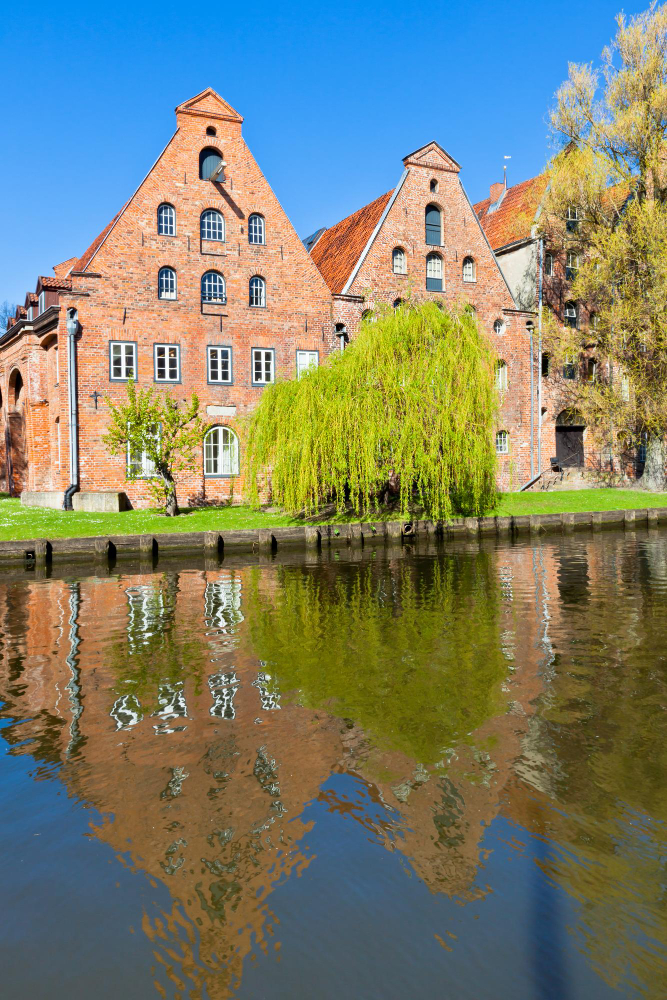
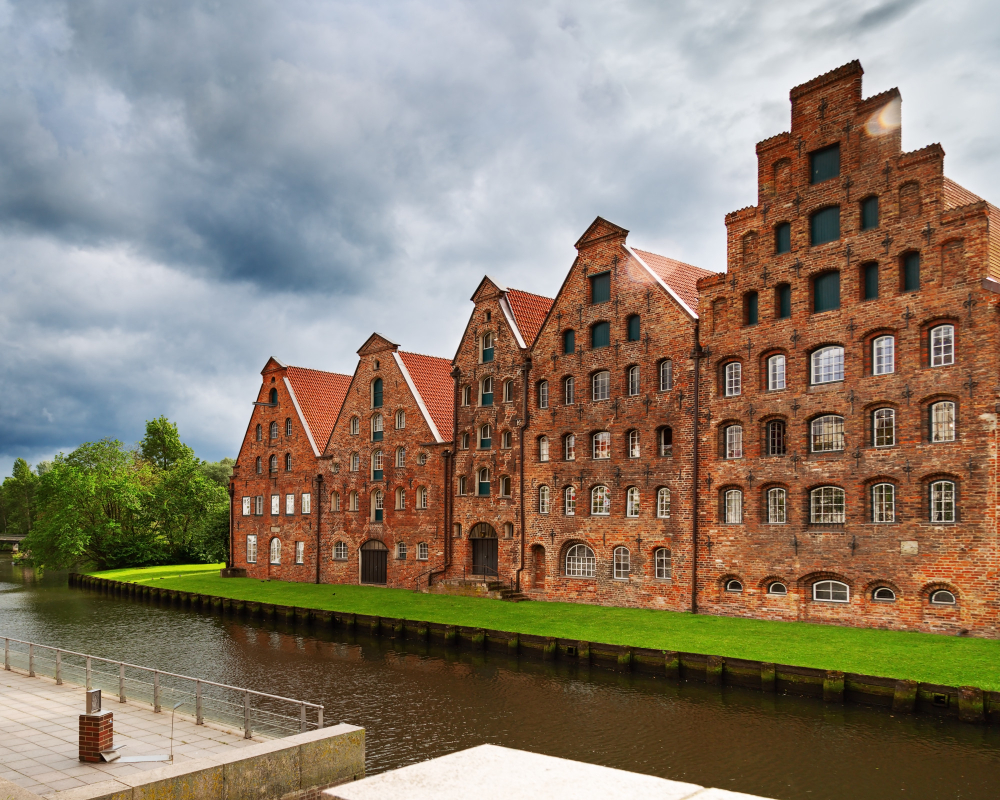
Origins and Rise – An Alliance Born of Necessity – The Hanseatic League emerged in the 12th century out of the need to provide protection for merchants travelling along dangerous trade routes. At that time, journeys between the major trading centres were plagued by pirate raids, unsafe roads and political instability. To meet these challenges, merchants initially banded together in loosely organised guilds, which later evolved into a powerful confederation of cities. Although there was never an official founding date, Lübeck – which is still regarded today as the ‘centre of the Hanse’ – played a key role. Thanks to its strategic location between the North Sea and the Baltic Sea, the city became a hub of trade and rapidly developed into the economic heart of the alliance. The regions around the North Sea and the Baltic Sea were already economically well-developed in the early Middle Ages, but the Hanseatic League played a decisive role in driving this development forward. Trade in salt, which was regarded as the ‘white gold’ of its time, played a particularly important role in this. Salt – which came from Lüneburg, amongst other places – was traded via Lübeck as far as Scandinavia and Russia. Other important commodities included furs, grain, herring, wax, cloth and, later, spices from more distant lands.
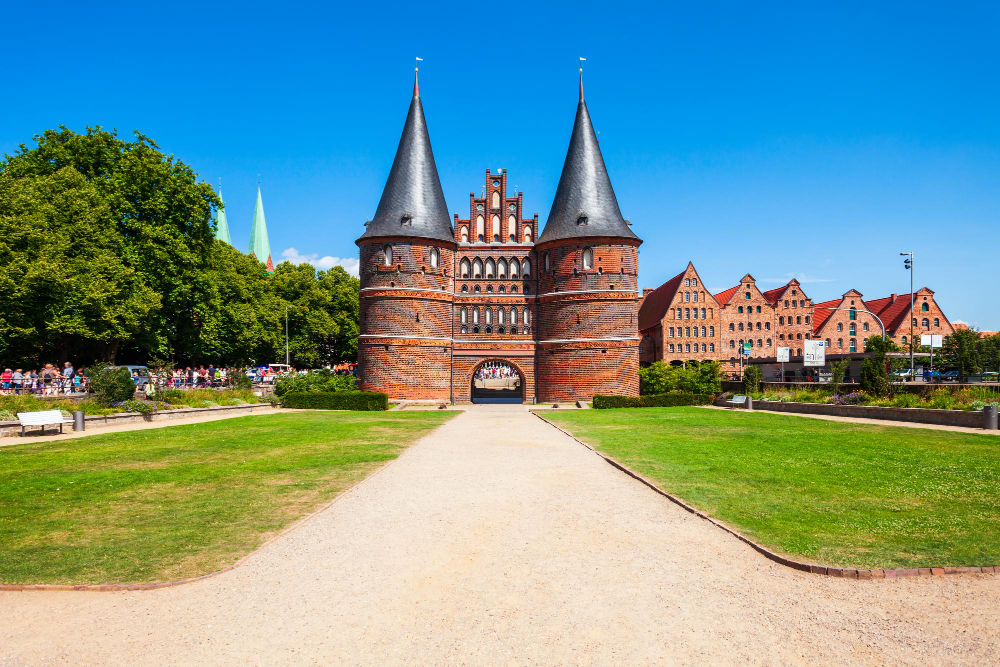
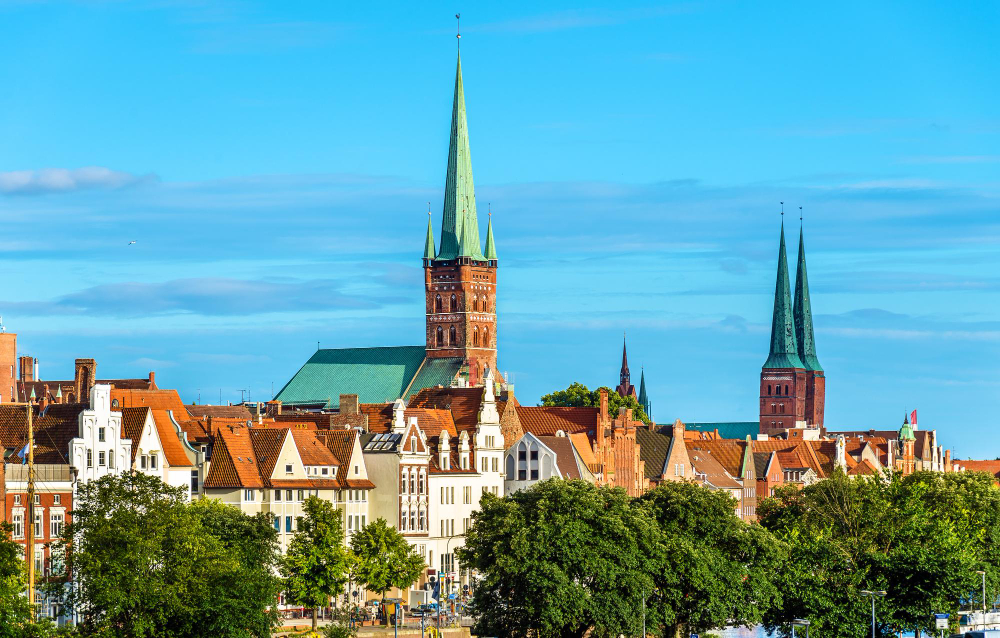
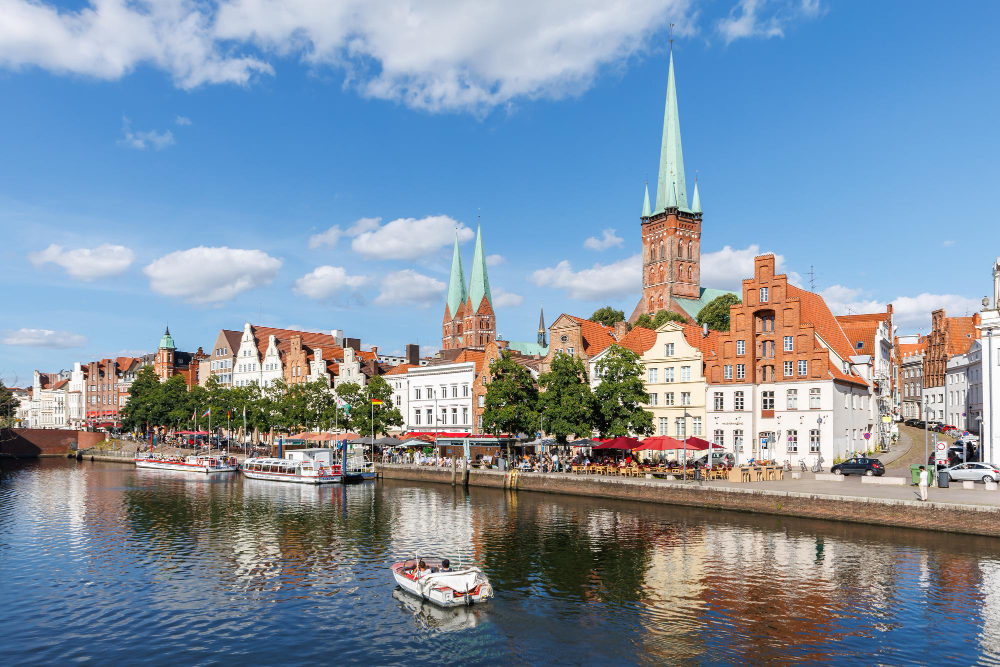
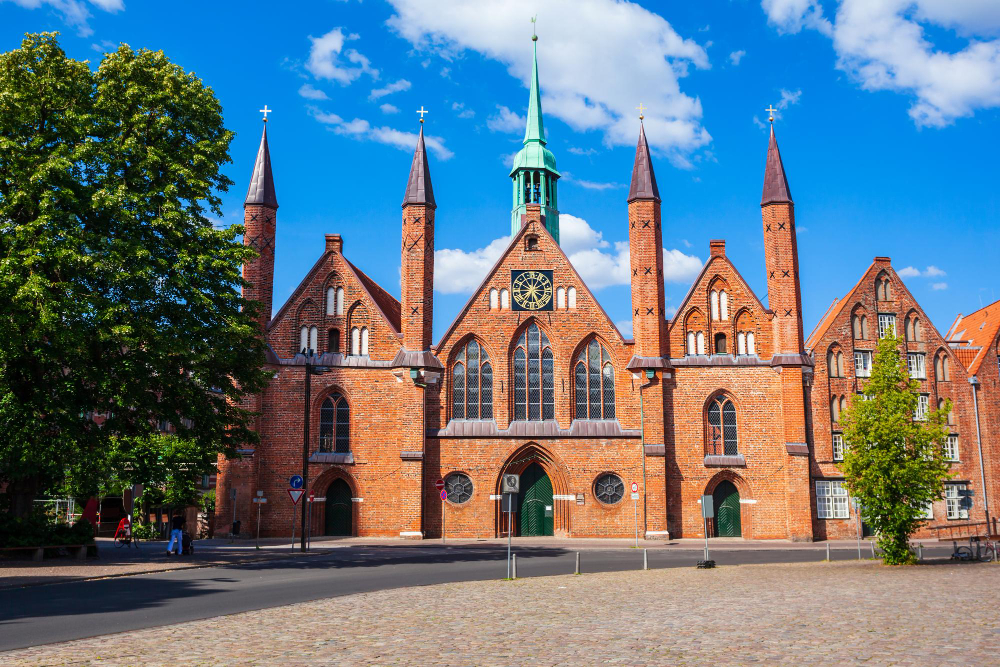
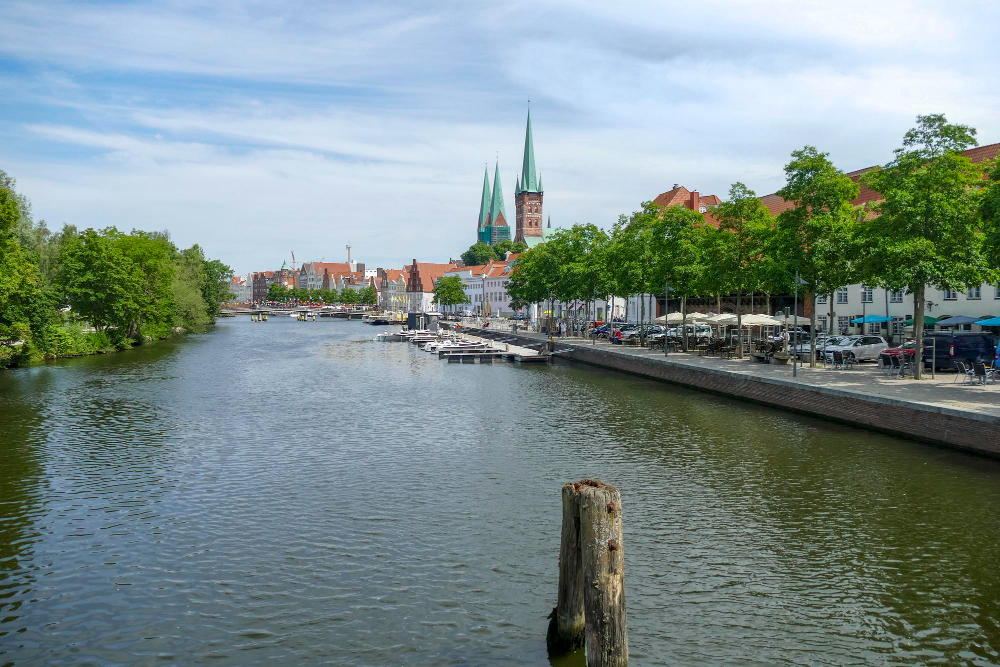
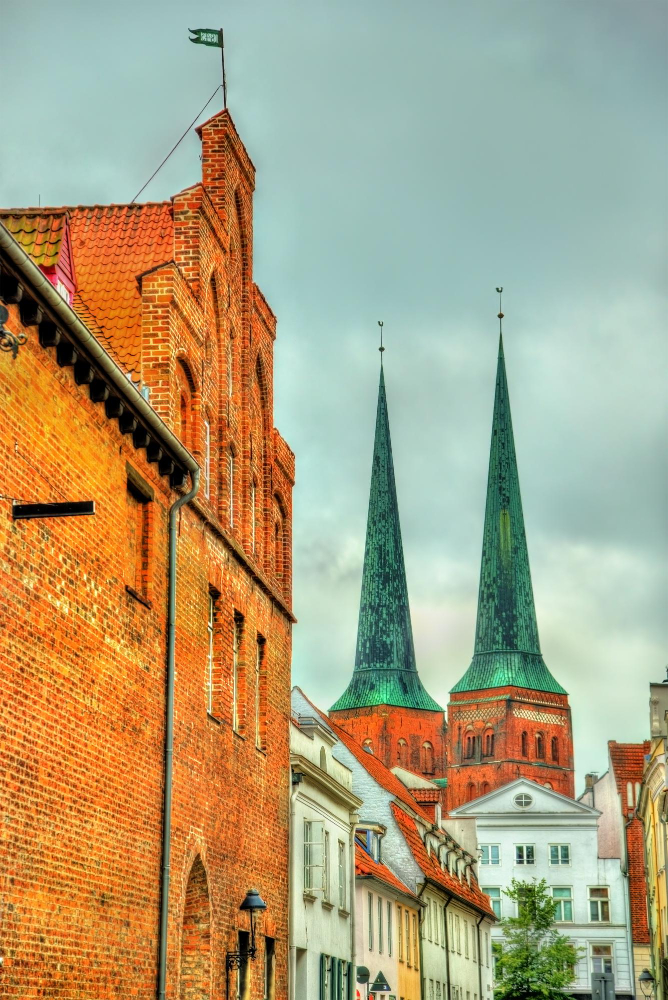
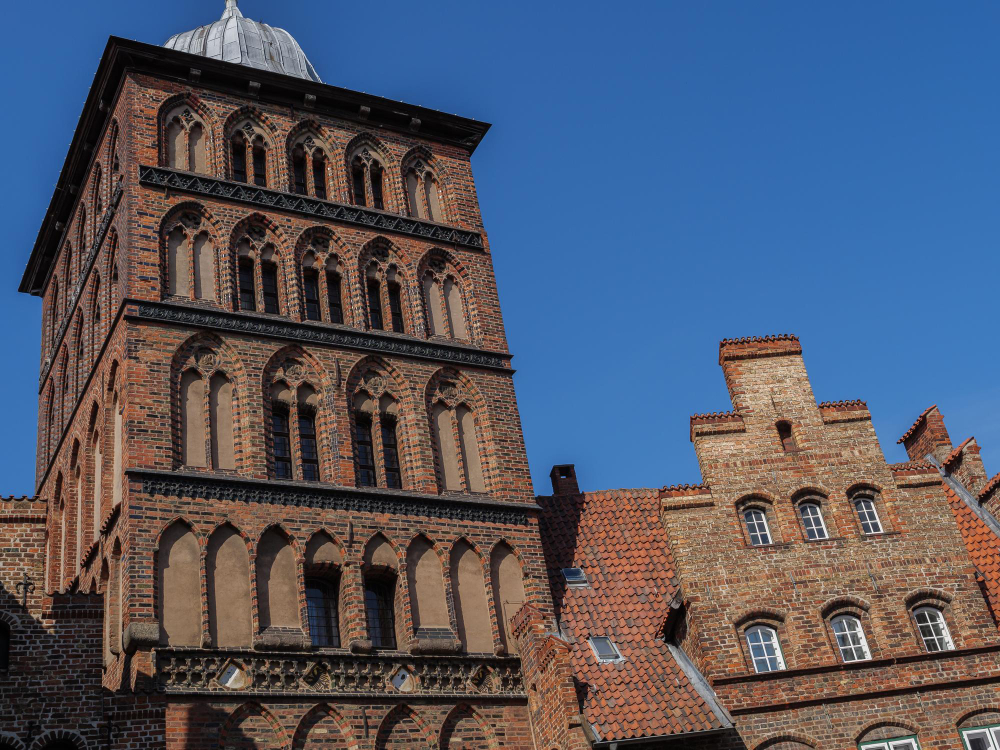
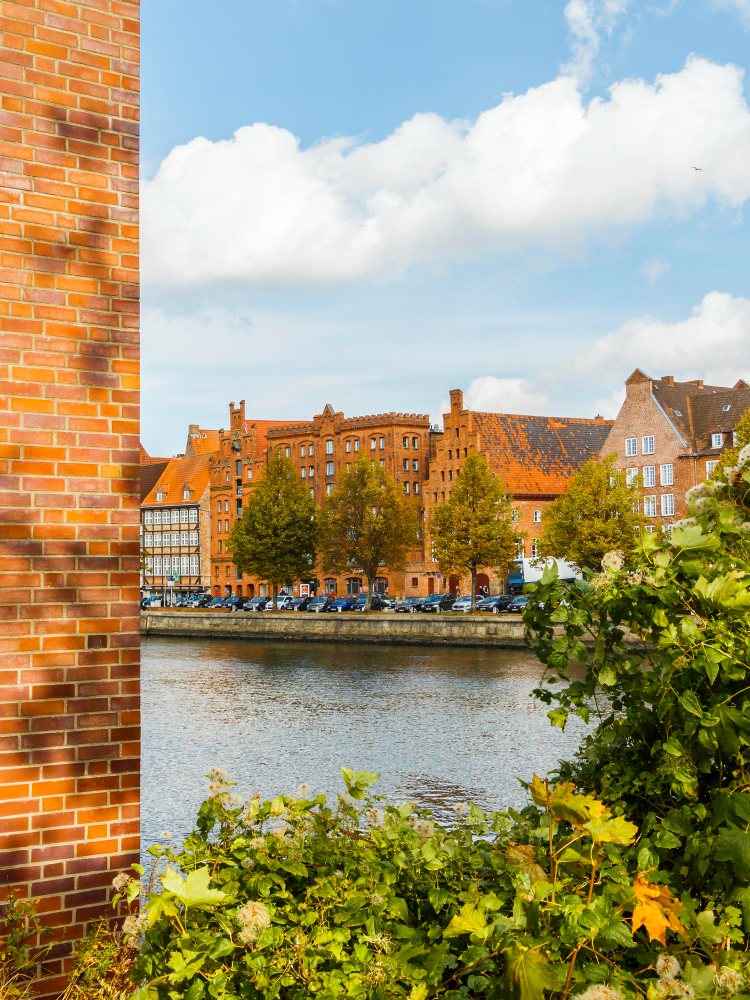
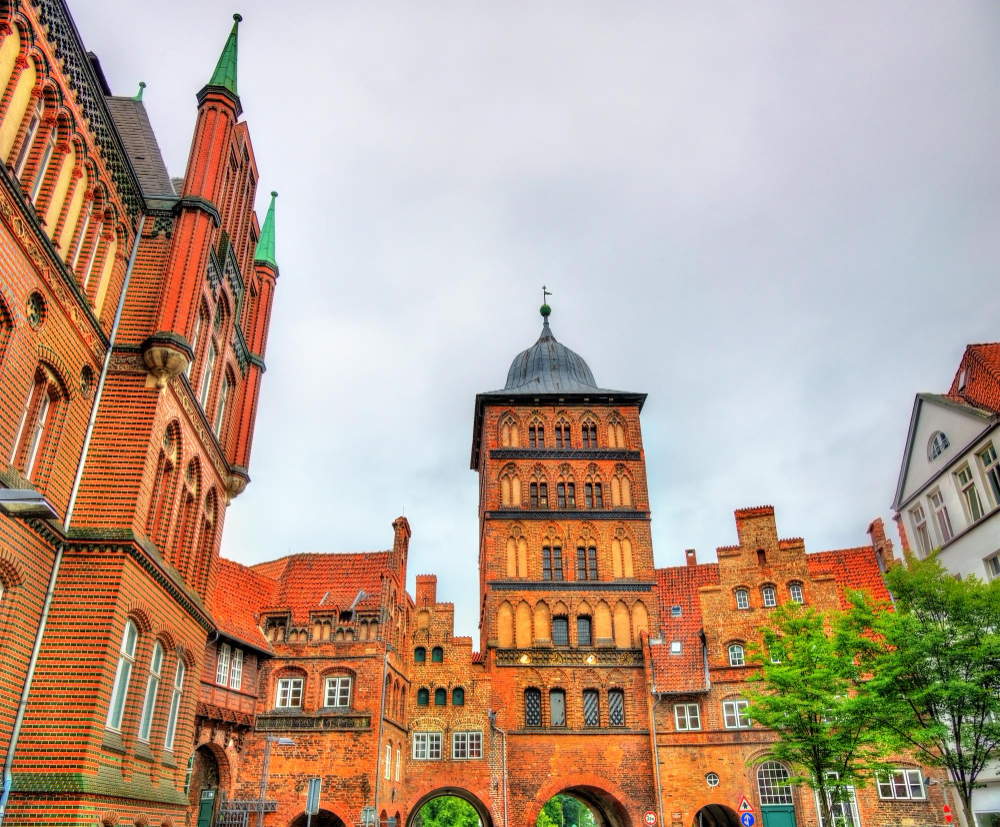
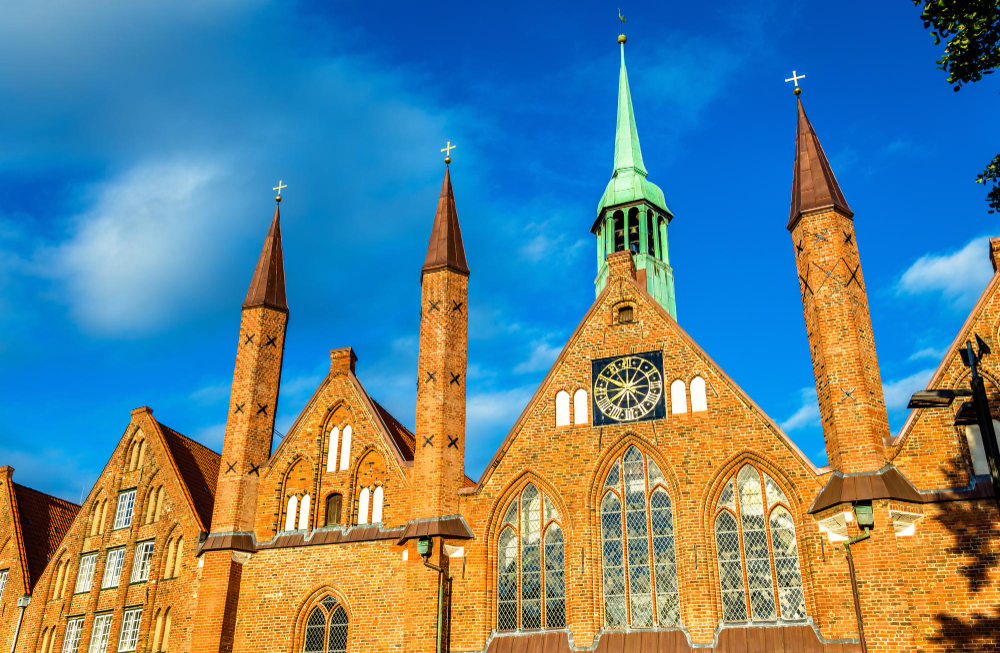
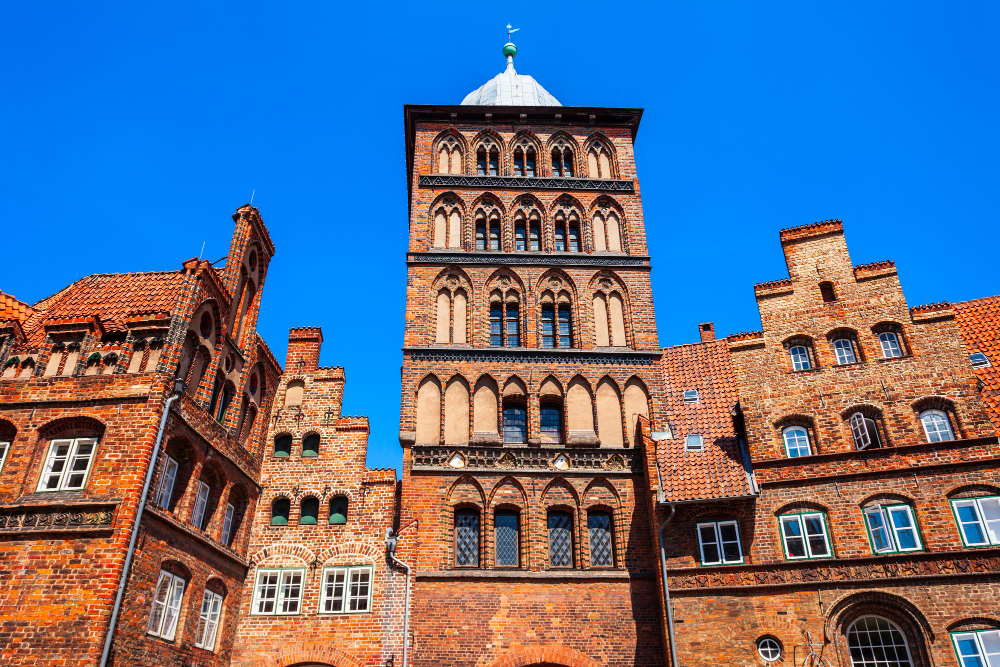
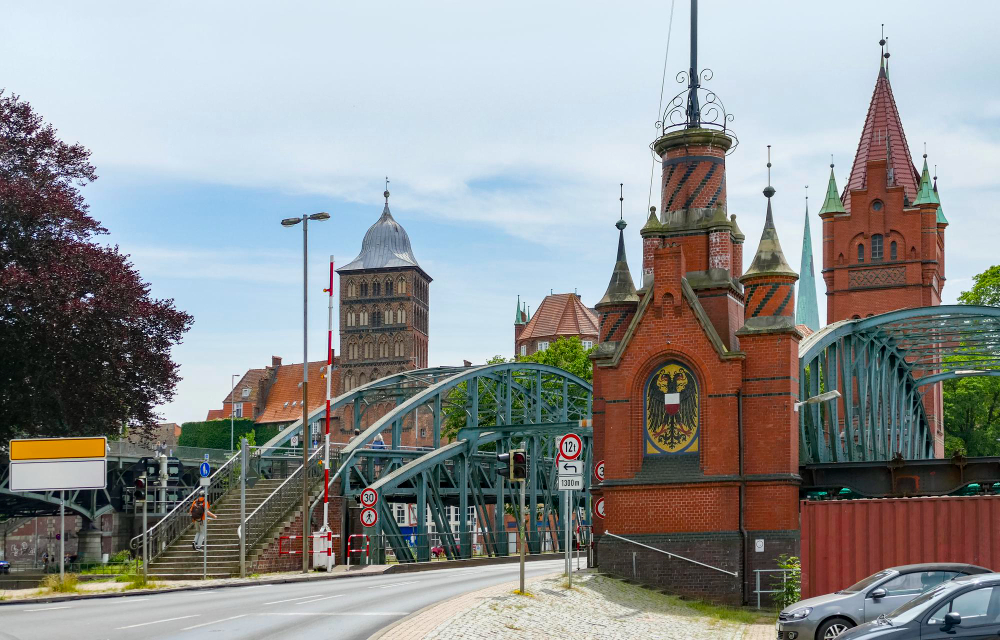
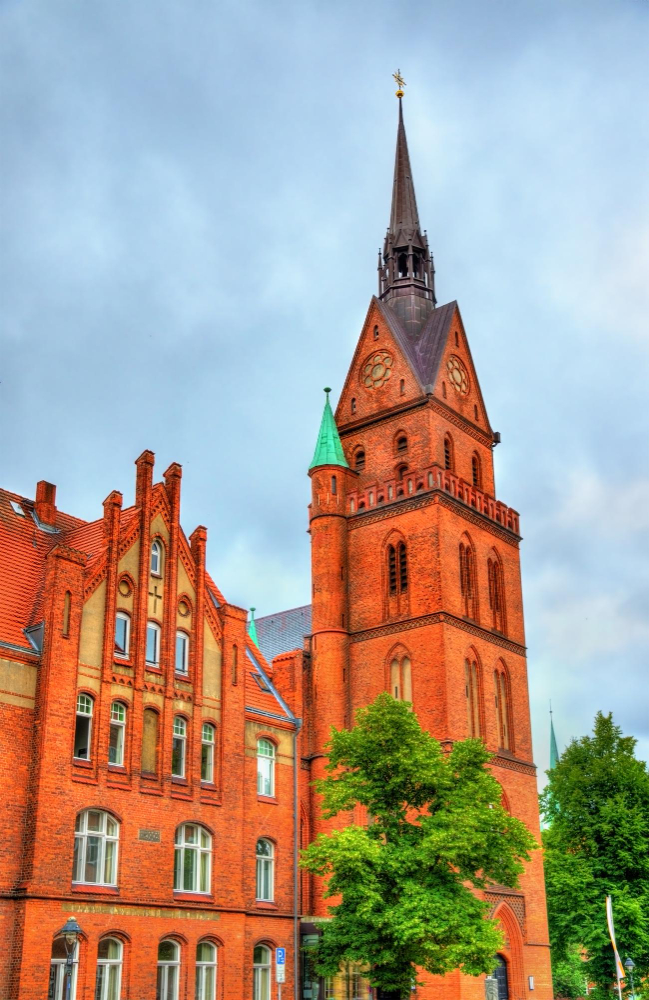
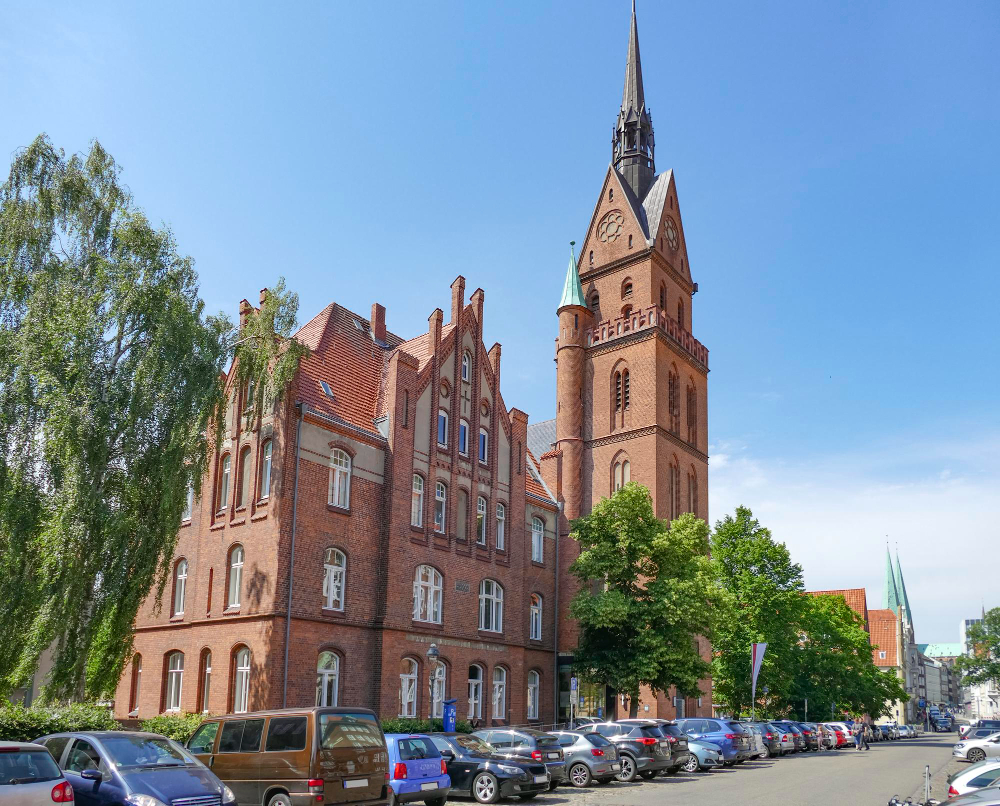
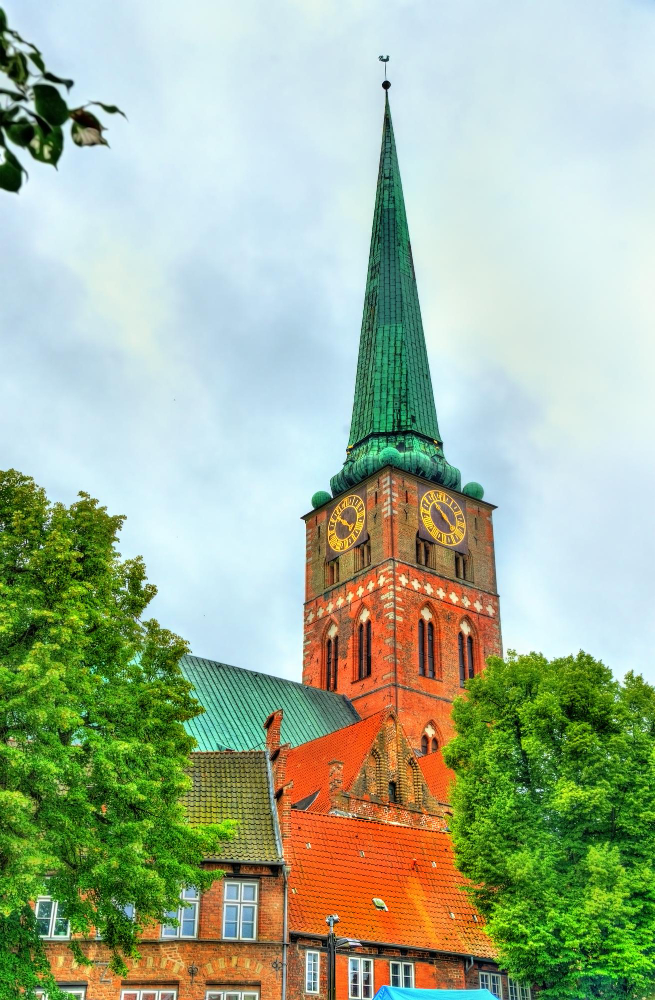
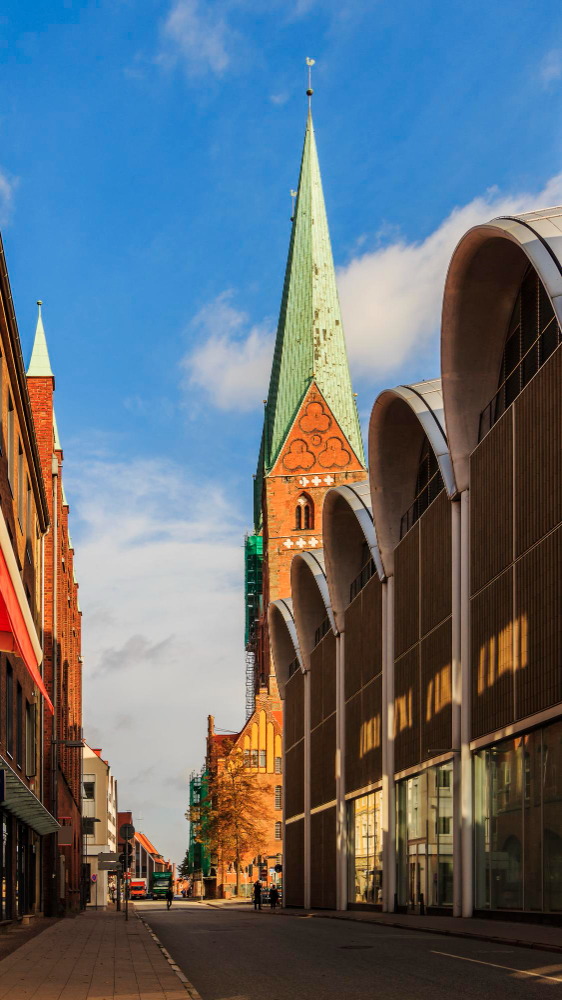
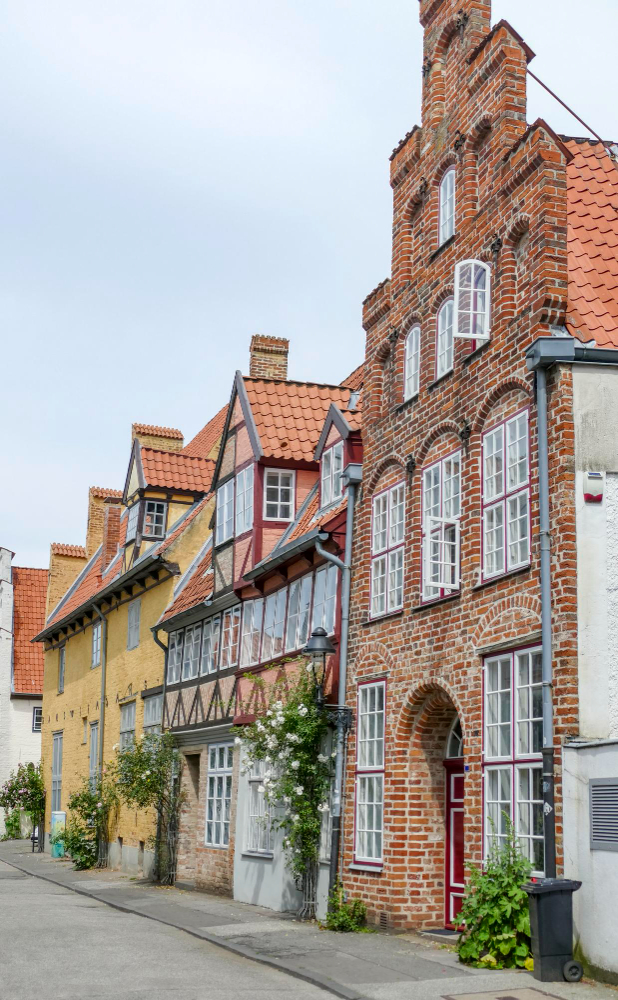
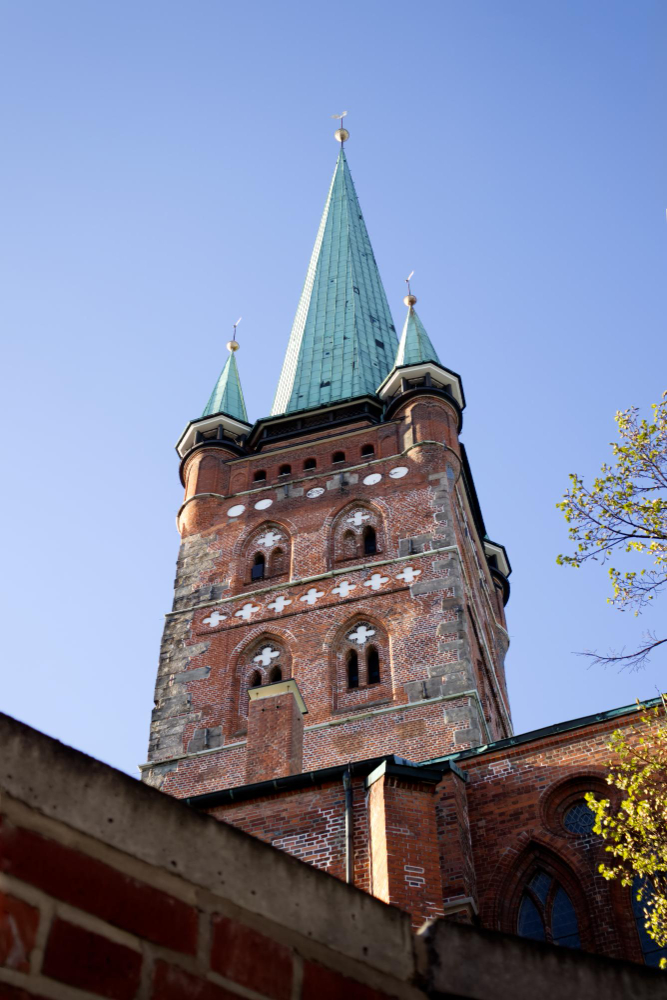
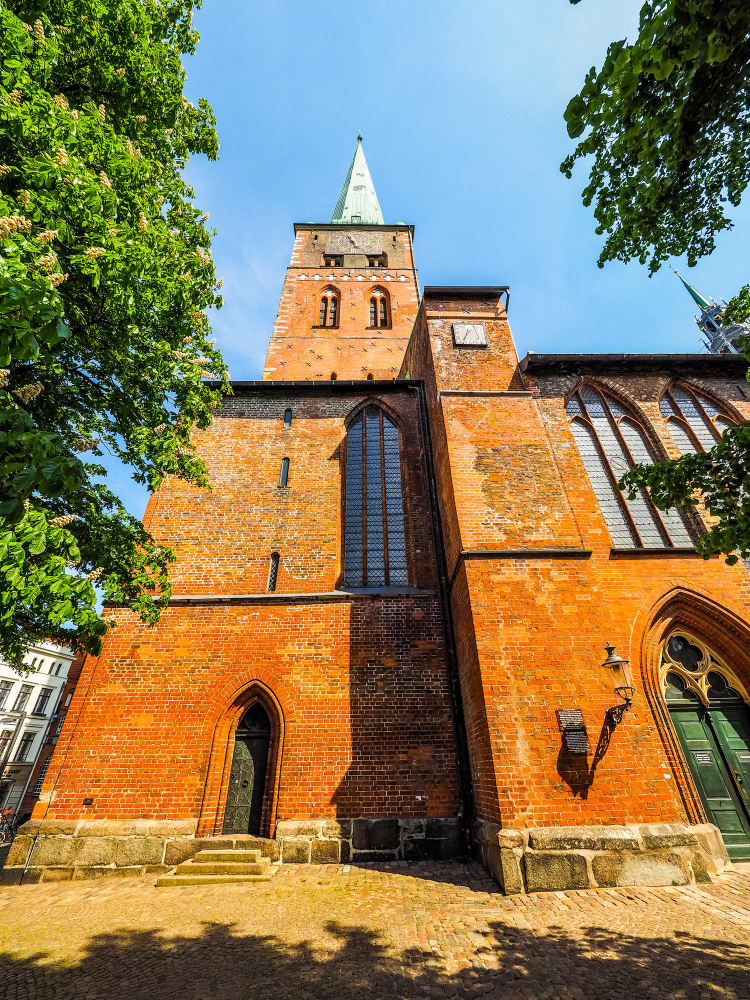
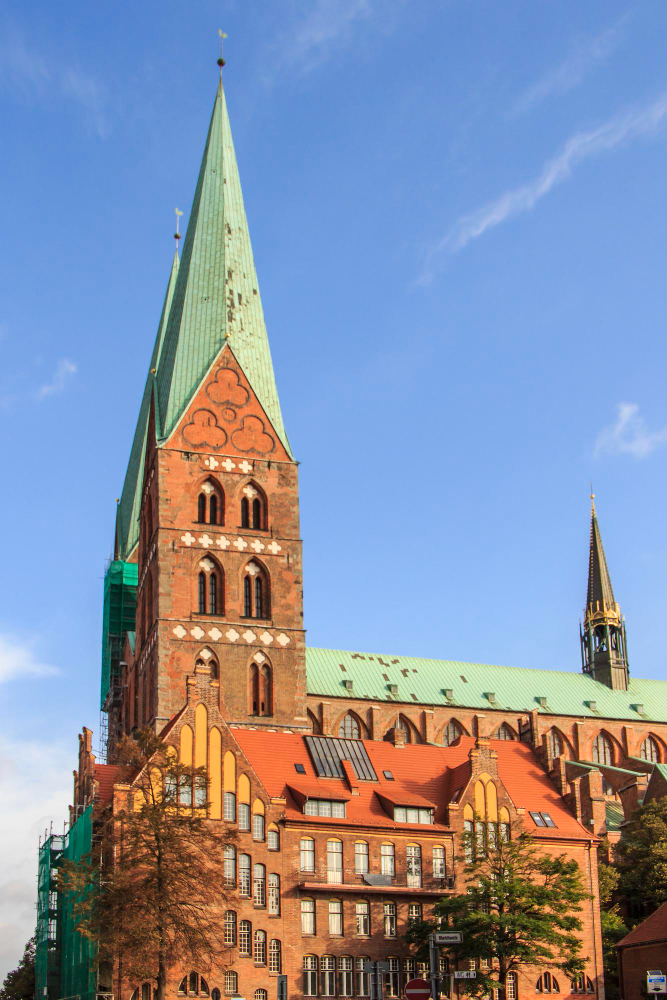
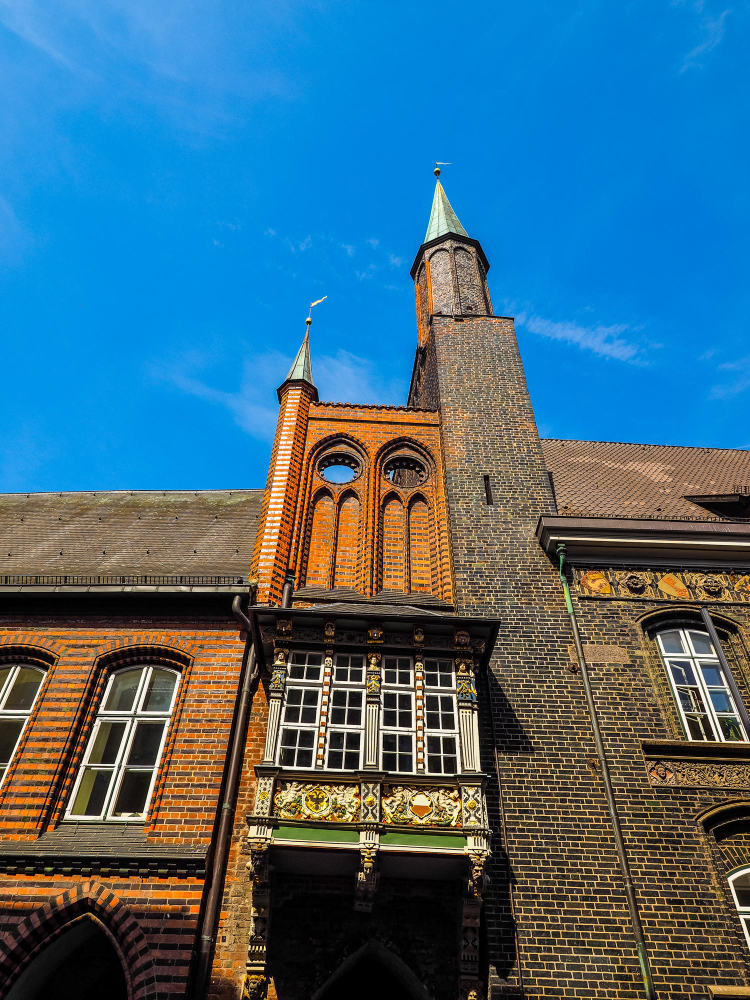
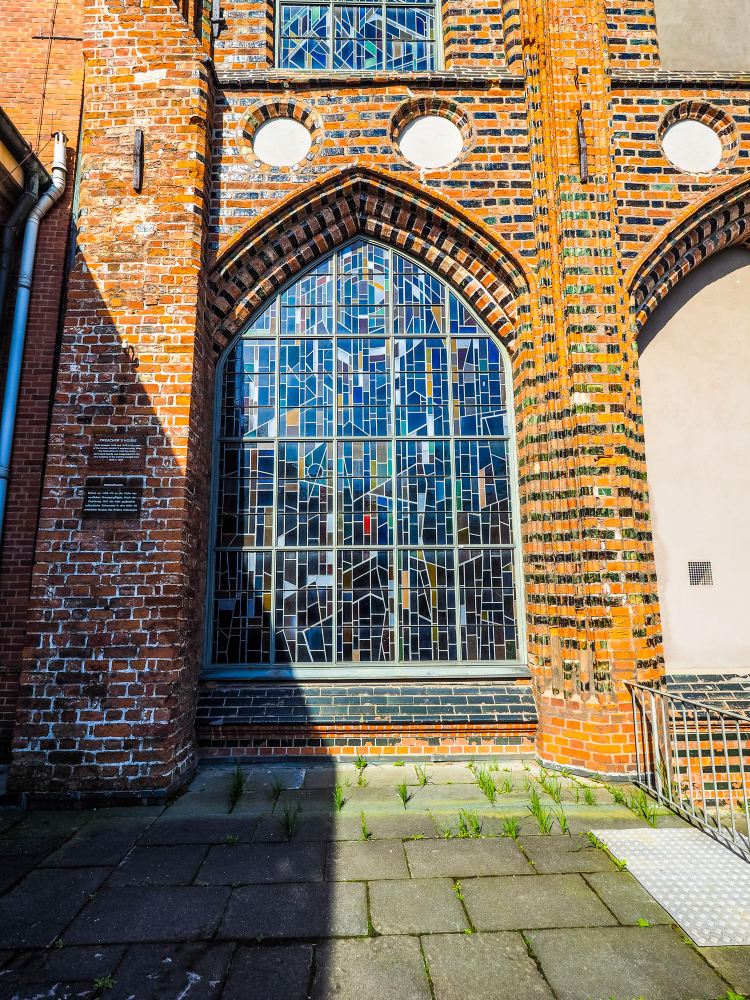
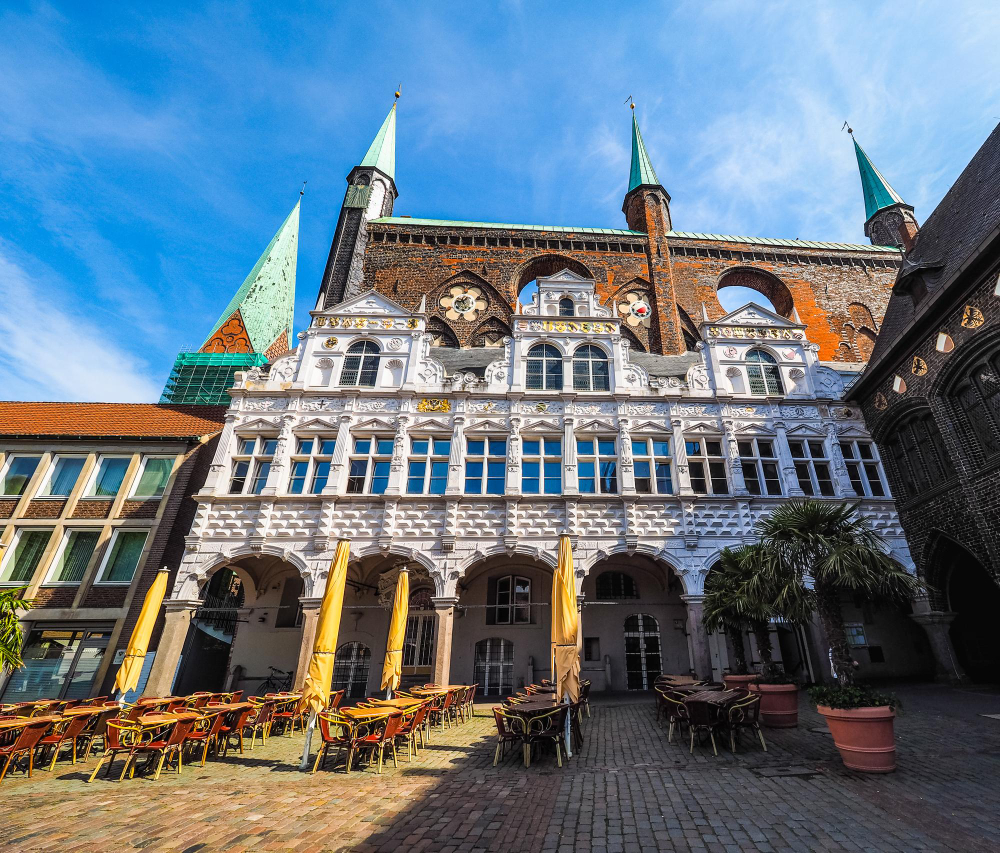
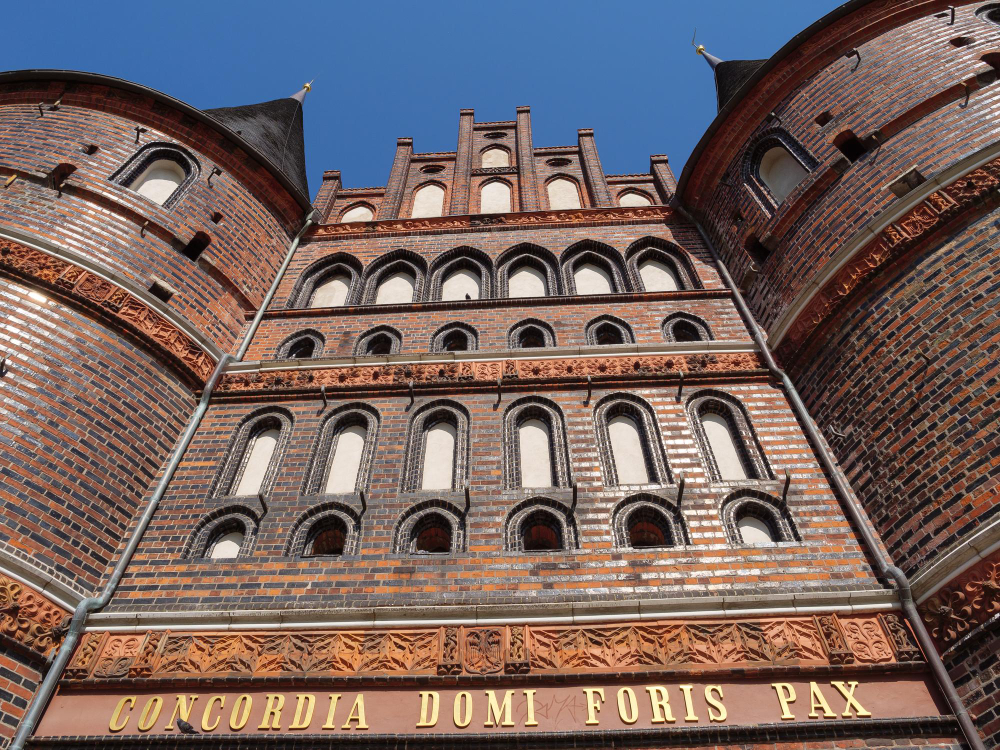
The Structure of the Hanseatic League – Cooperation without Monarchs – A fascinating aspect of the Hanseatic League was its organisation. Unlike many medieval power structures, it was not based on royal authority or territorial control, but on an alliance of cities. It was a cooperative network of free merchants and cities, whose strength lay in its unity. Decisions were taken at joint assemblies, such as the famous Hanseatic Day. There, representatives of the member cities gathered to discuss trade routes, political relations and security issues. Democracy-like structures, based more on consensus than on command, made the Hanseatic League a remarkably modern model of cooperation. Whilst cities such as Lübeck, Hamburg, Gdańsk and Riga were regarded as the alliance’s key players, at the height of its power the Hanseatic League comprised more than 200 cities. Each of them benefited from collective protection, favourable trade agreements and the network’s vast reach. Yet the Hanseatic League was more than just an economic alliance – it was also a vehicle for culture. Knowledge, as well as art and architecture, spread along the trade routes. As a result, imposing religious buildings in the Brick Gothic style were erected in many Hanseatic cities, which still bear witness today to the former splendour of that era.
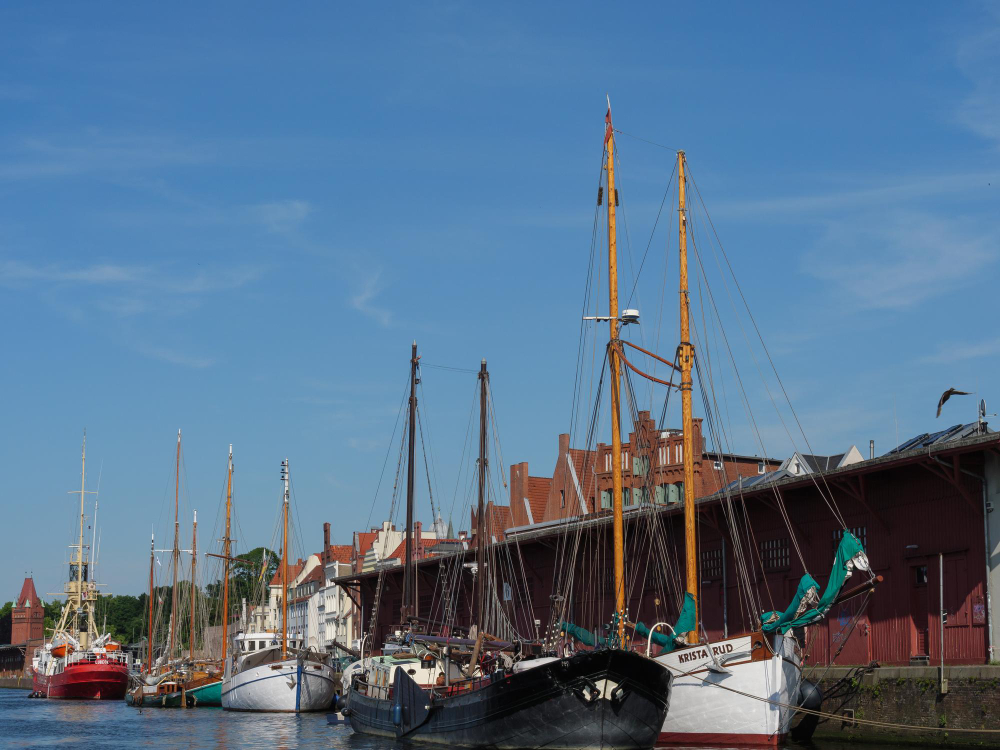
The secret of its success – monopolies and efficient trade routes – A decisive factor in the Hanseatic League’s success was its pursuit of monopolies. Although this may be viewed critically by today’s standards, in the Middle Ages it was an indispensable strategy for gaining the upper hand against the competition. The Hanseatic League controlled key trade routes and protected its members by pooling its resources. Securing maritime transport routes was particularly important in this context. For example, the Hanseatic League protected its ships from pirate attacks by deploying armed escort fleets. By establishing trading posts – commercial outposts in strategically important cities such as Bruges, Novgorod, Bergen and London – the Hanseatic League further expanded its influence. These trading posts were not only centres of commerce but also cultural hubs. They provided a space for exchange, negotiations and the forging of diplomatic relations. In particular, the trading post at the Stalhof settlement in London played a central role in maintaining relations with England. The introduction of standardised measures and coins within the alliance also simplified trade considerably. This gave the Hanseatic League an advantage over other trading organisations and helped to maximise the efficiency and prosperity of its members.
The downside of success – internal tensions and external enemies – Despite its impressive success, the Hanseatic League was not spared from conflict. On the one hand, social and economic changes in the late Middle Ages led to tensions within the alliance. Larger cities such as Lübeck and Hamburg often dominated decision-making processes, which caused growing discontent amongst smaller member cities. On the other hand, the Hanseatic League also faced growing external threats: emerging territorial states under powerful kings – such as Denmark, Sweden and Poland-Lithuania – developed their own trade strategies and began to deliberately curb the Hanseatic League’s influence. Another problem was competition from other trading powers such as the Netherlands and England, whose fleets were more modern and better organised. Furthermore, markets expanded as a result of new discoveries overseas, prompting many merchants to shift their focus from the Hanseatic League’s established trade routes to transatlantic trade. The discovery of America in 1492 was thus not only the beginning of a new era, but also a severe blow to the Hanseatic League.
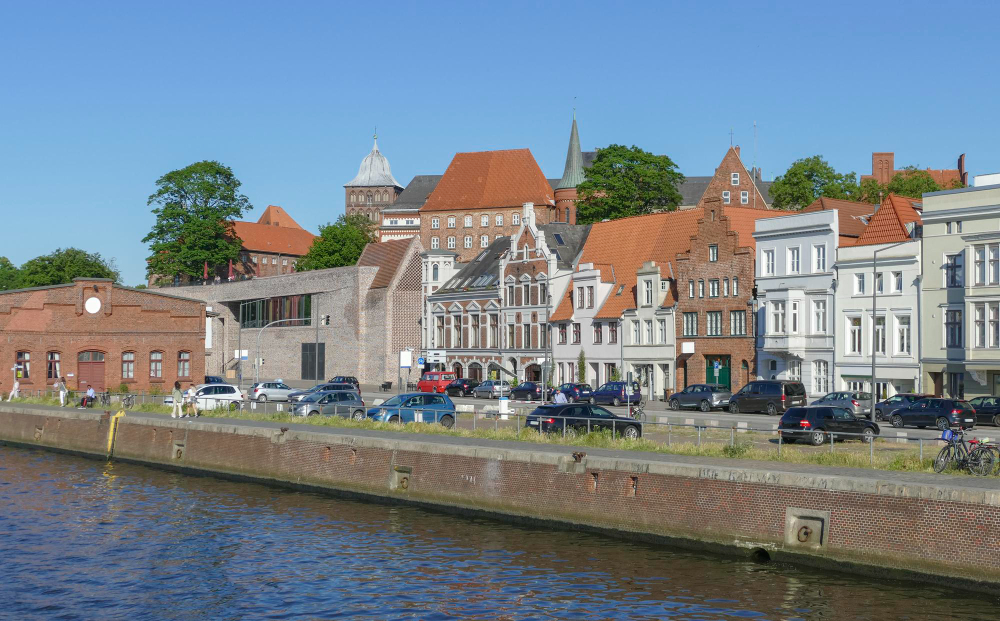
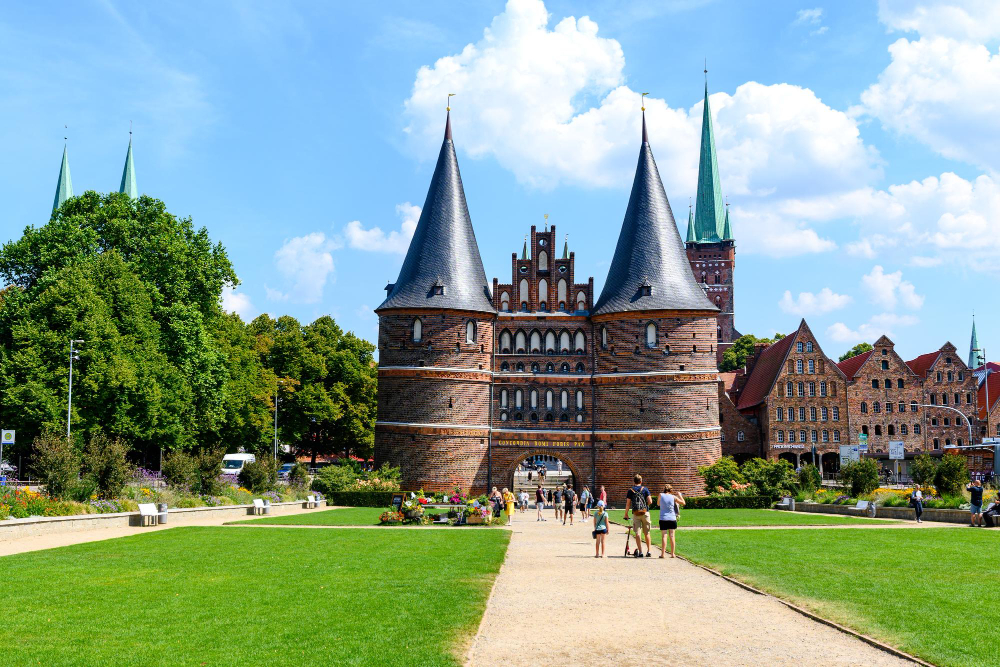
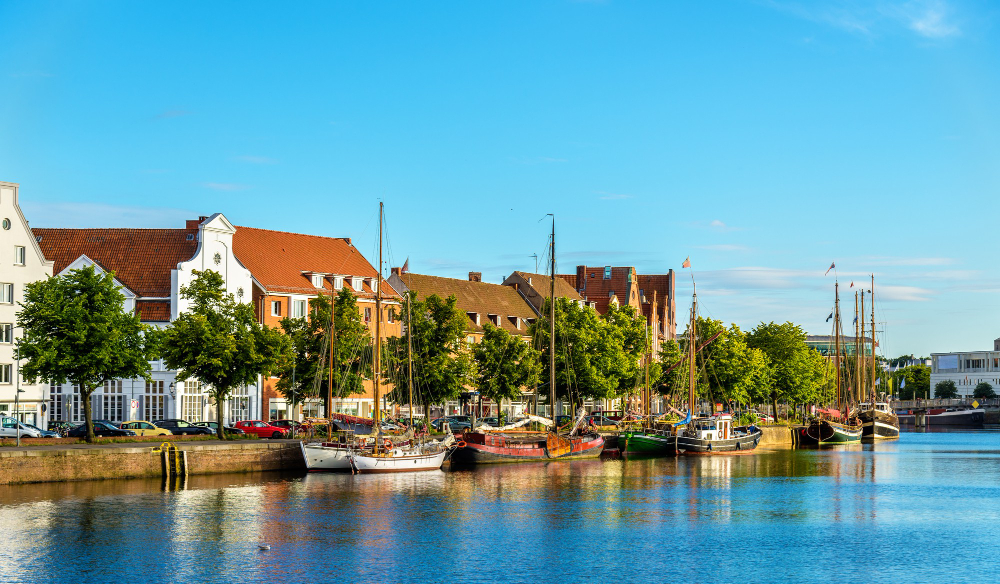
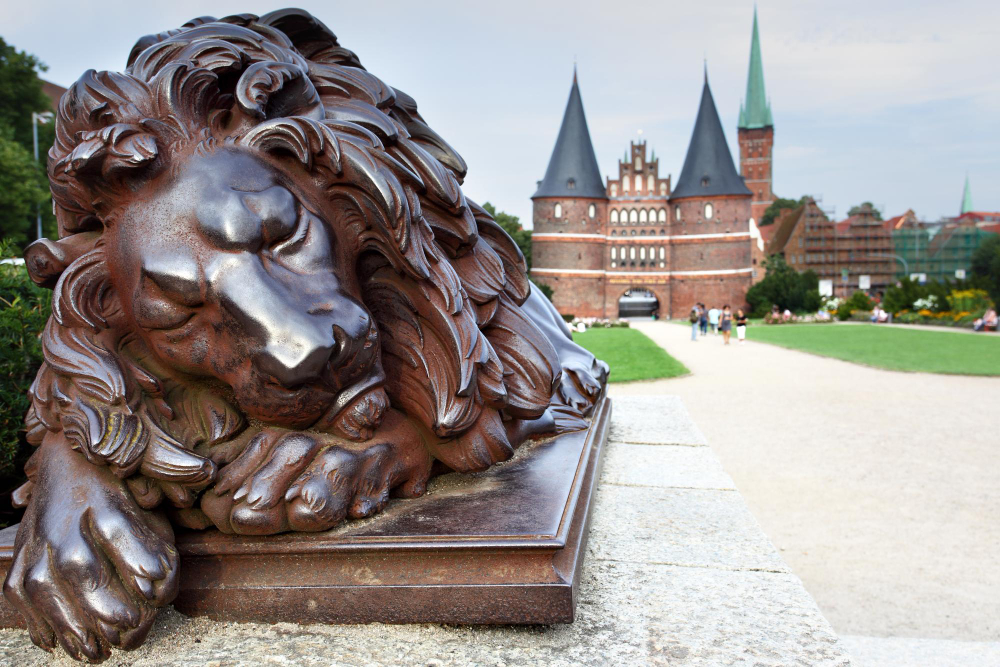
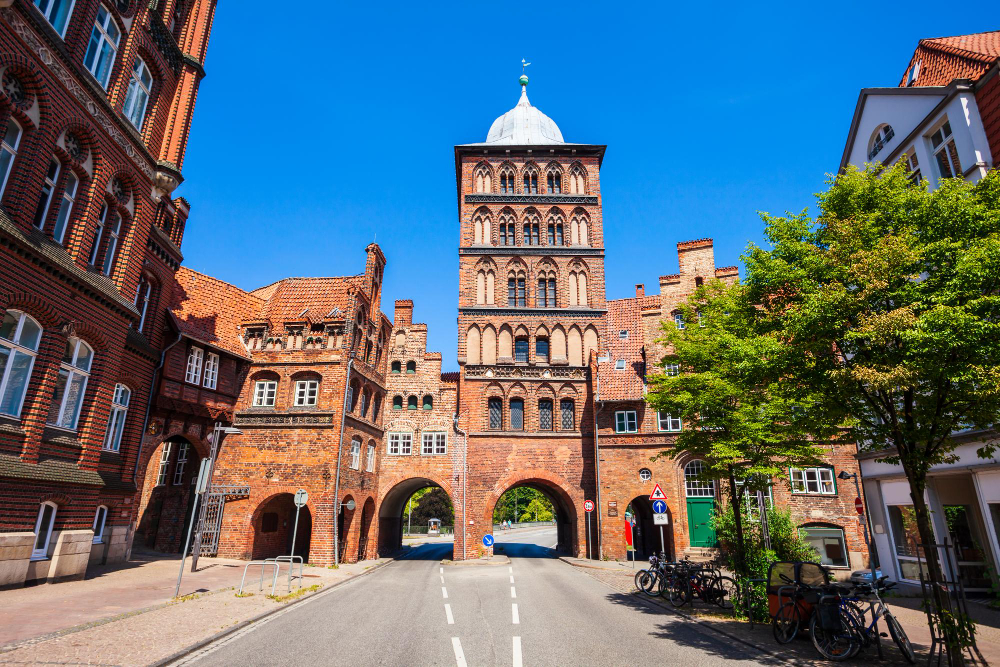
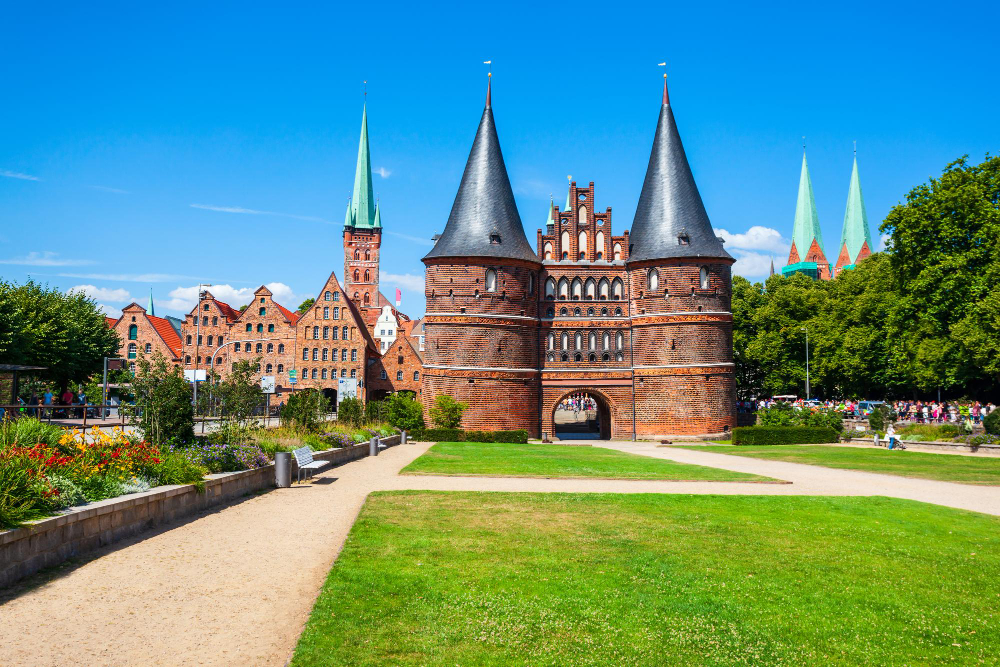
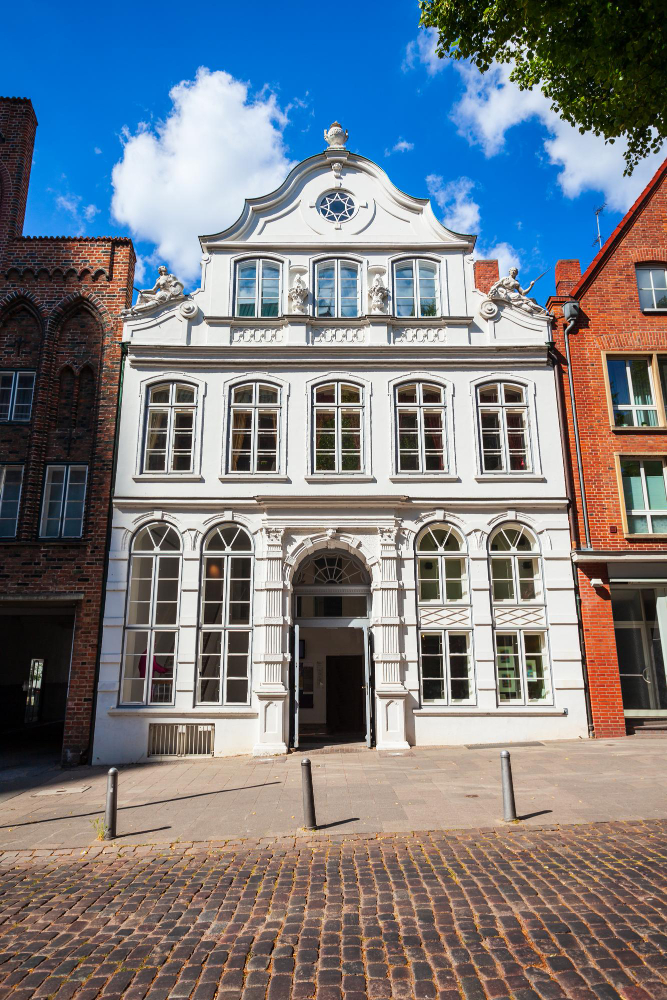
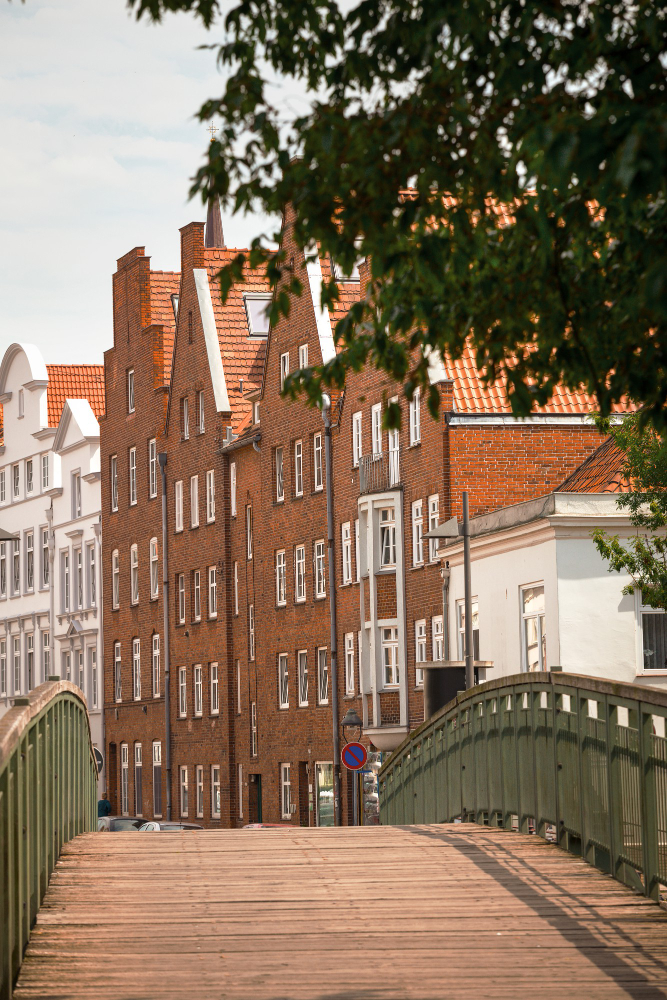
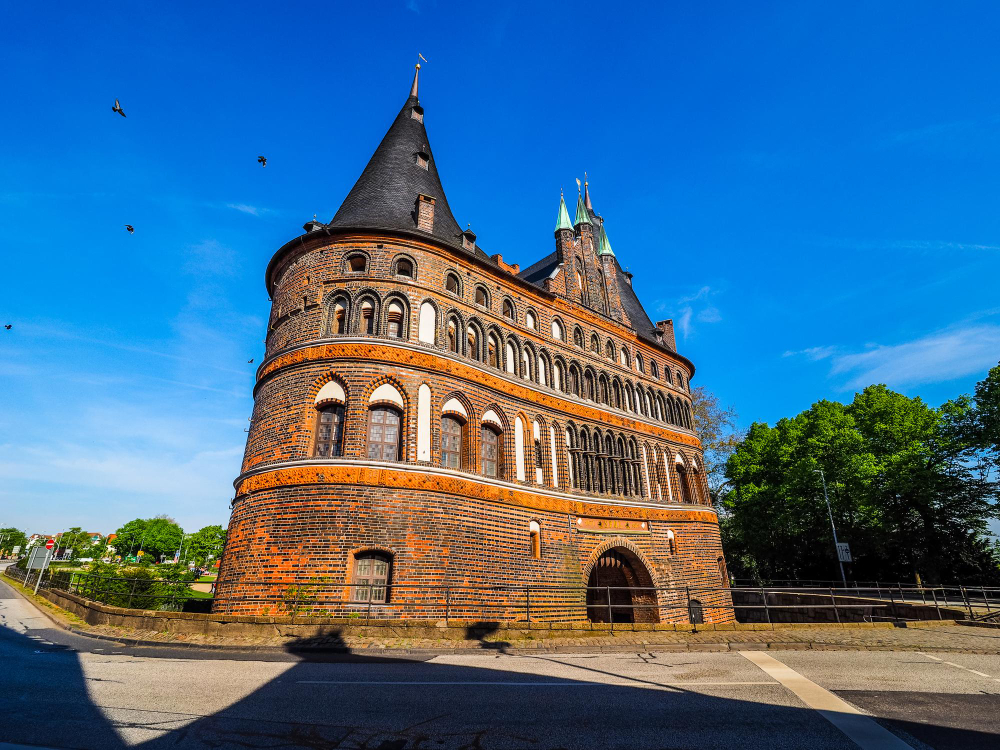
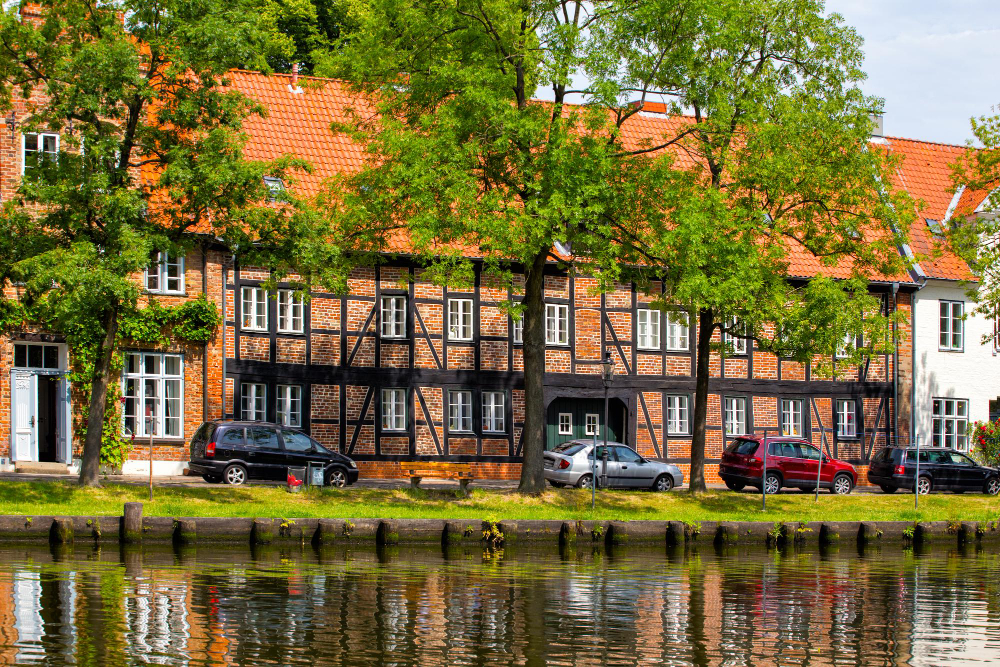
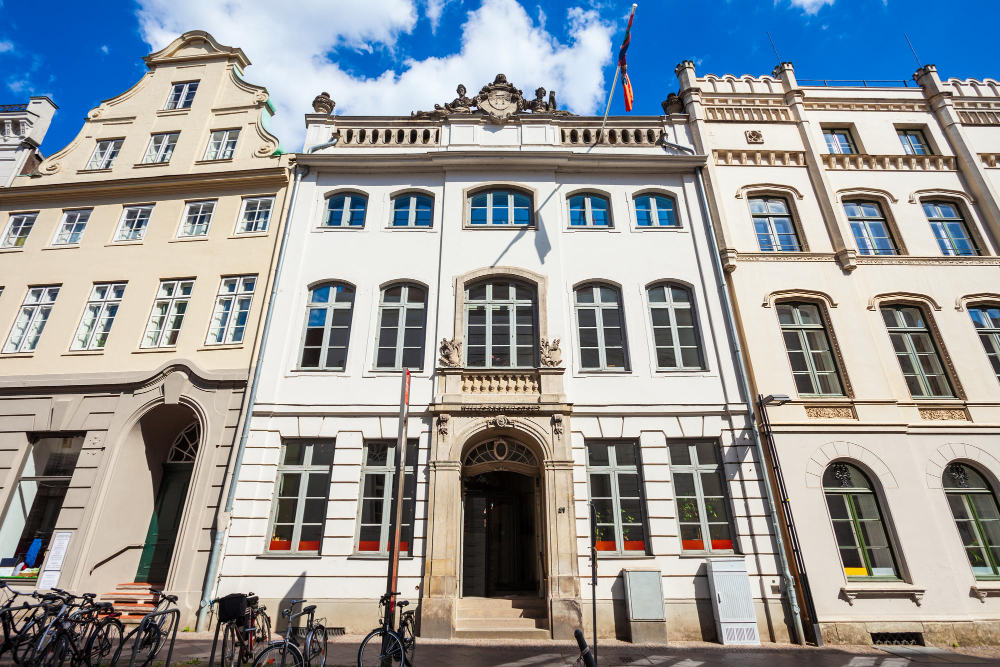
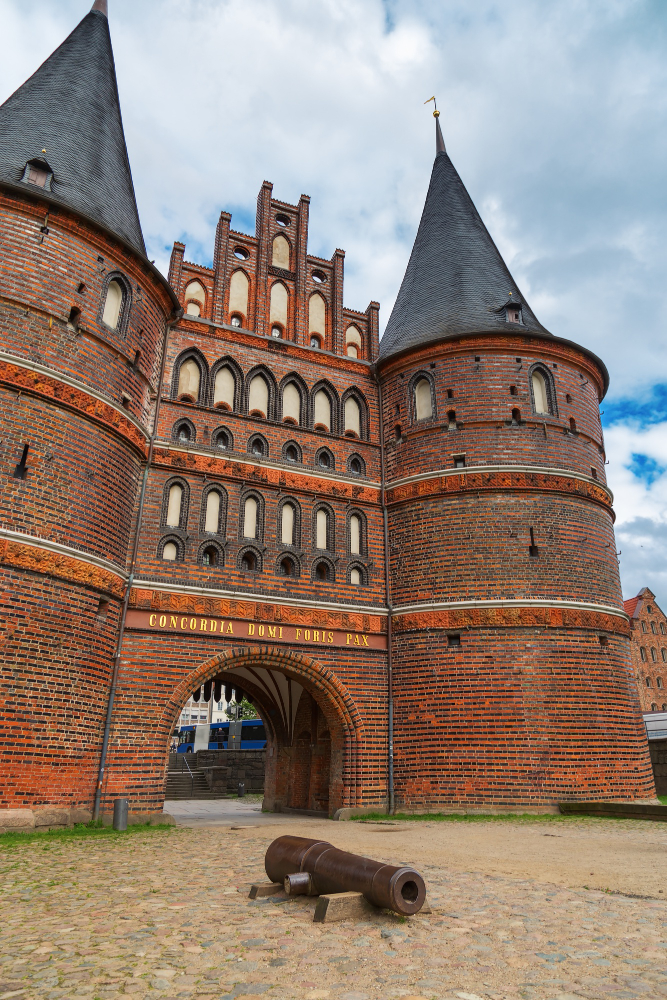
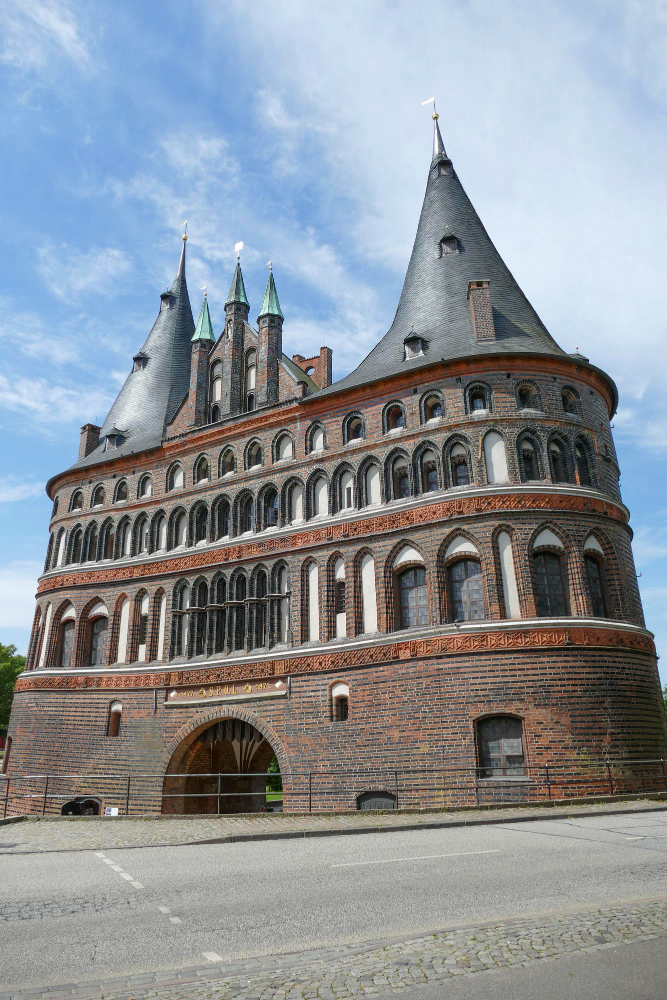
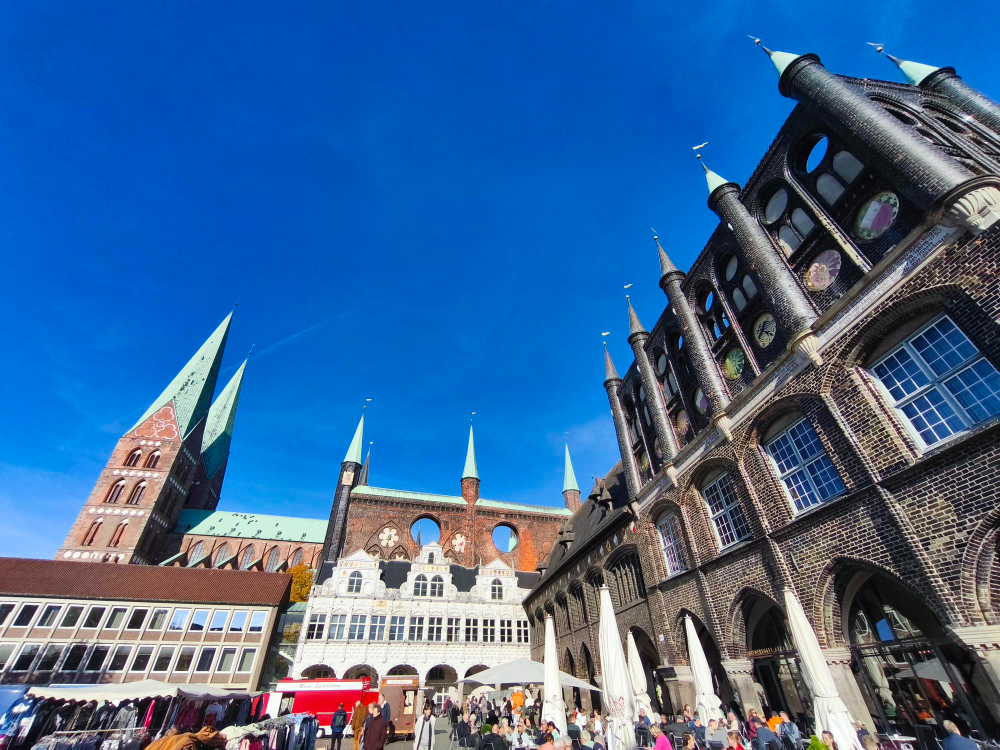
The Decline – An End, but Not Forgotten – After the Hanseatic League had gradually lost its dominant position during the 15th and 16th centuries, its final decline could no longer be halted. Many Hanseatic cities withdrew from the alliance to stand on their own two feet, and the last formal assemblies had scarcely any practical significance. Yet although the Hanseatic League was officially dissolved as an organisation in 1669, its legacy lives on to this day. Historic Hanseatic cities such as Lübeck, Wismar, Rostock and Stralsund, with their architectural splendour, serve as a reminder of the time when they were centres of trade and culture. Lübeck, in particular, proudly bears the title ‘Queen of the Hanse’ and is not only a UNESCO World Heritage Site but also a centre for historical research into the Hanseatic League. The European Hanseatic Museum in Lübeck offers visitors the opportunity to delve deep into this fascinating era. Through interactive exhibitions, impressive exhibits and audiovisual media, the history of the Hanse is brought to life. In this way, the legacy of this unique trading power is not only preserved but also made tangible for future generations.
The Legacy of the Hanse – The idea of cooperation and peaceful exchange across national borders is more relevant today than ever. The tradition of the Hanseatic League is carried on by the modern network of the ‘New Hanse’, which was founded in 1980 and comprises almost 200 cities from 16 countries. The aim of this alliance is to promote cultural and economic exchange and to preserve the shared Hanseatic heritage. The Hanseatic League was more than just an economic alliance – it was a symbol of innovation, cultural exchange and collective action. Its legacy serves as a reminder that the strength of a community often lies in its diversity. Despite its decline, the Hanseatic League remains a shining chapter in European history, the splendour of which can still be felt today.





Post Comment