The Dark Legacy of the ‘Black Knight’: A Myth Straddling Heroism and Horror
The world of legends is rich in stories that have inspired both admiration and horror over the centuries. One such story is that of Ferenc Nádasdy, a Hungarian nobleman, valiant warrior and husband of the infamous Countess Elisabeth Báthory. Whilst the Countess is notorious for her cruel deeds and is regarded as one of history’s darkest figures, numerous eerie tales also surround her husband. Ferenc Nádasdy, known as the ‘Black Knight’, is not only a symbol of military valour but also the source of a myth that continues to captivate people to this day.
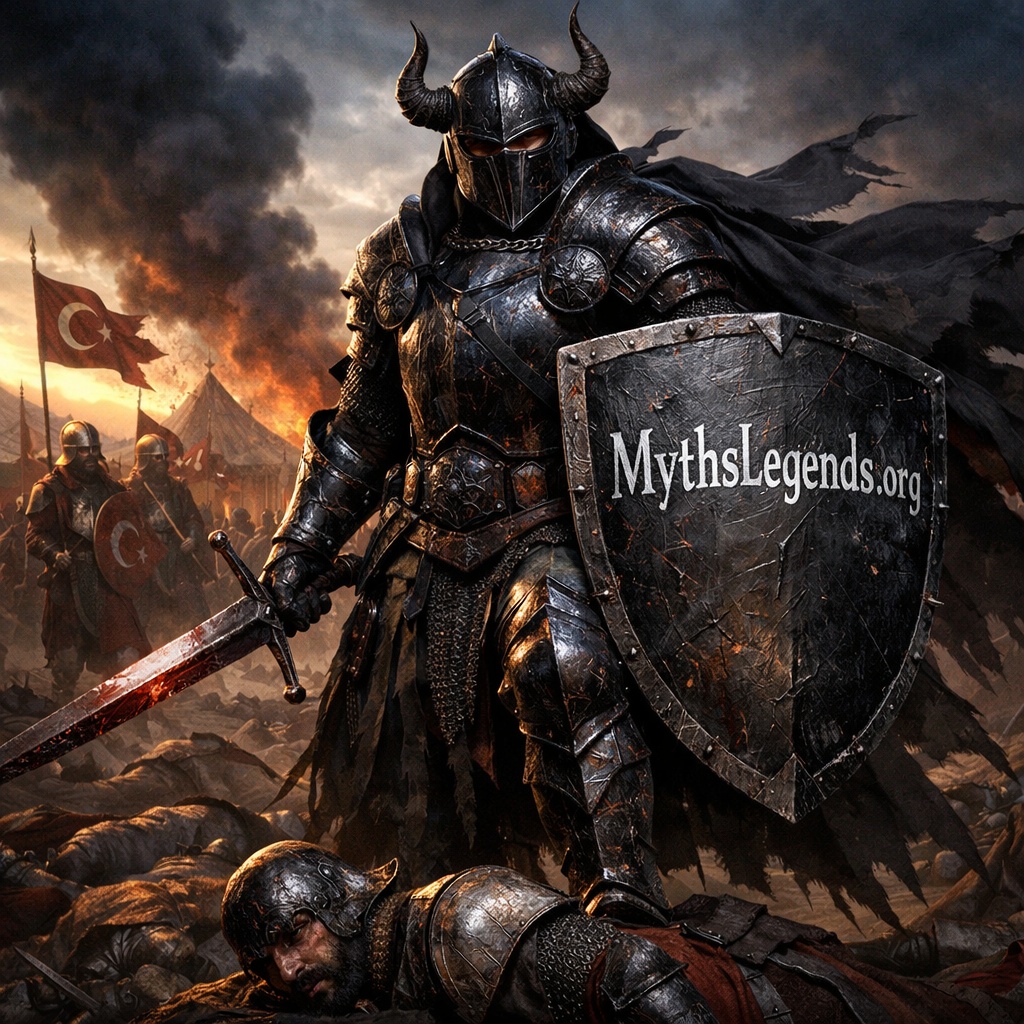
A terrifying apparition – Even during his lifetime, Ferenc Nádasdy was both revered and feared by his contemporaries. His nickname, the ‘Black Knight’, stems from his dark, intimidating armour, which gave him the appearance of an invincible warrior on the battlefield. Yet it was not merely his appearance that made him a legend. His reputation as a relentless and strategically brilliant warrior extended far beyond the borders of his homeland, Hungary. For the Ottomans, against whom he fought in countless battles, Nádasdy was a nightmare. His troops were renowned for their brutal efficiency and merciless tactics. It is said that the ‘Black Knight’ knew no mercy – whoever was his enemy in battle remained so until the bitter end. This merciless attitude and his military prowess meant that Nádasdy was perceived in the Ottoman world as an almost supernatural threat.
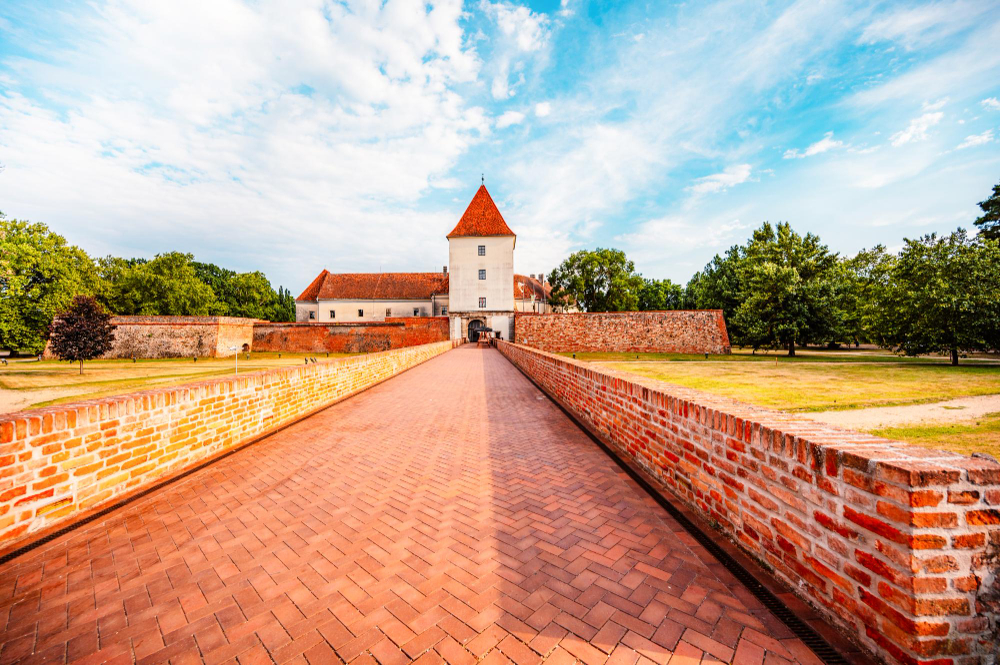
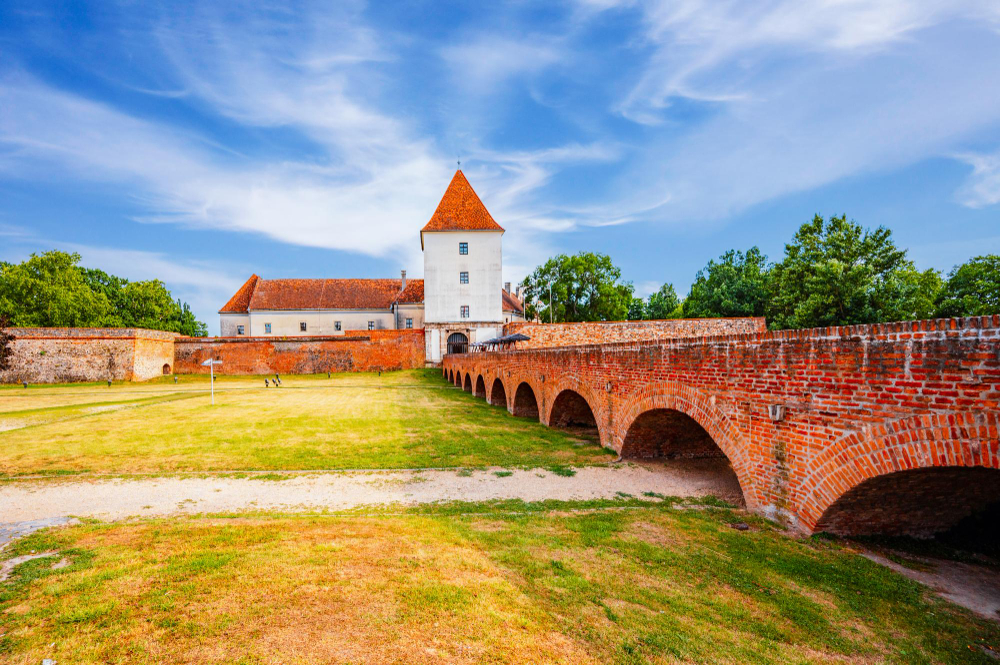
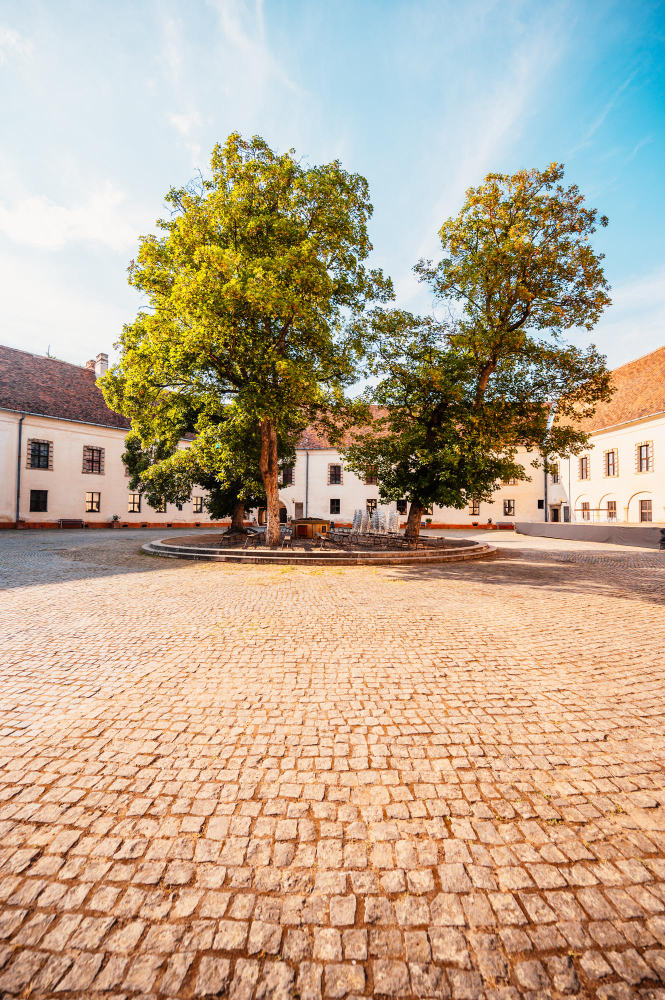
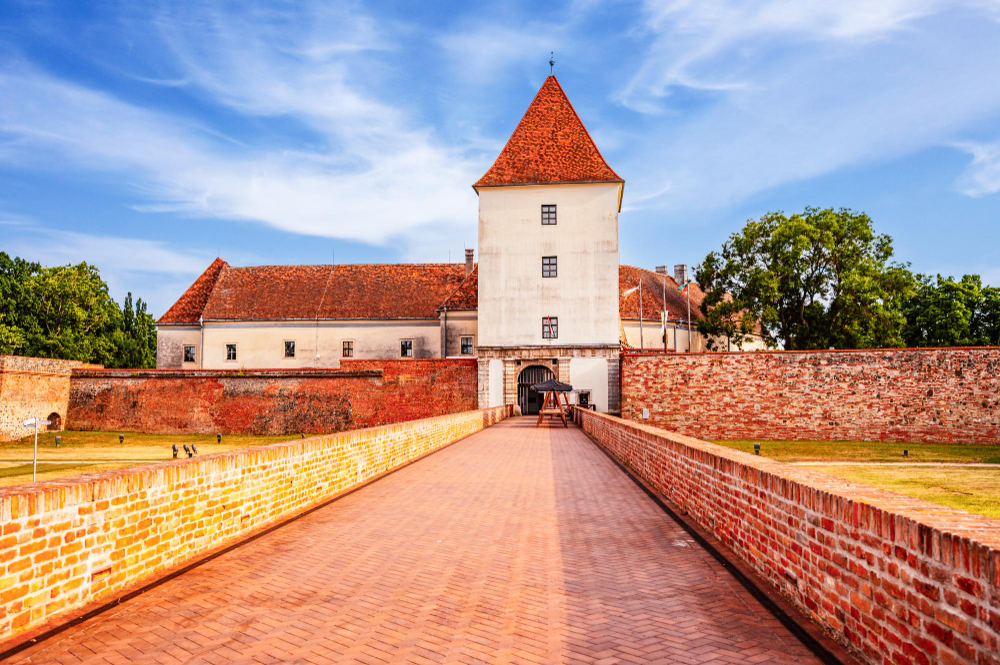
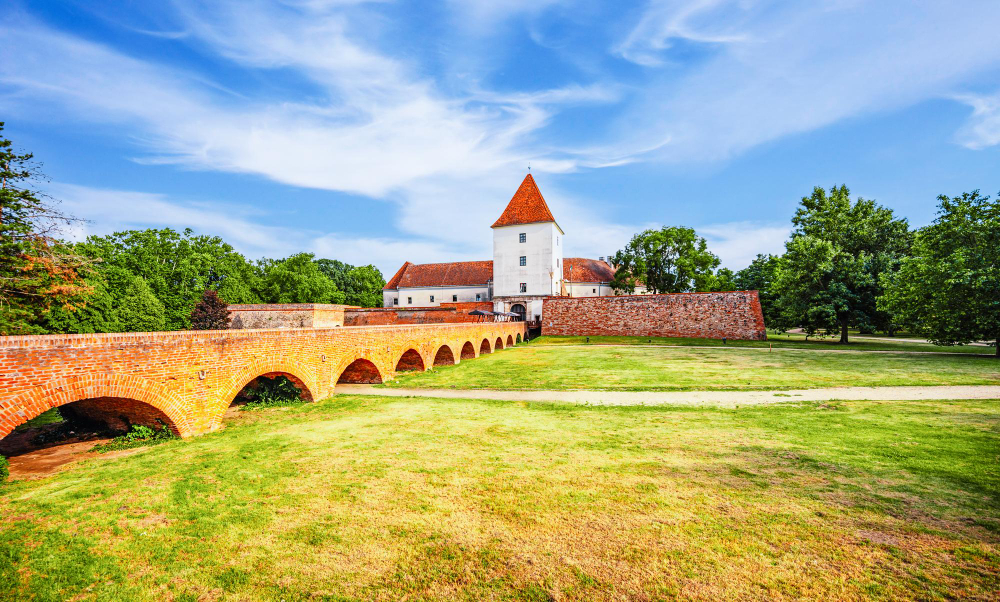
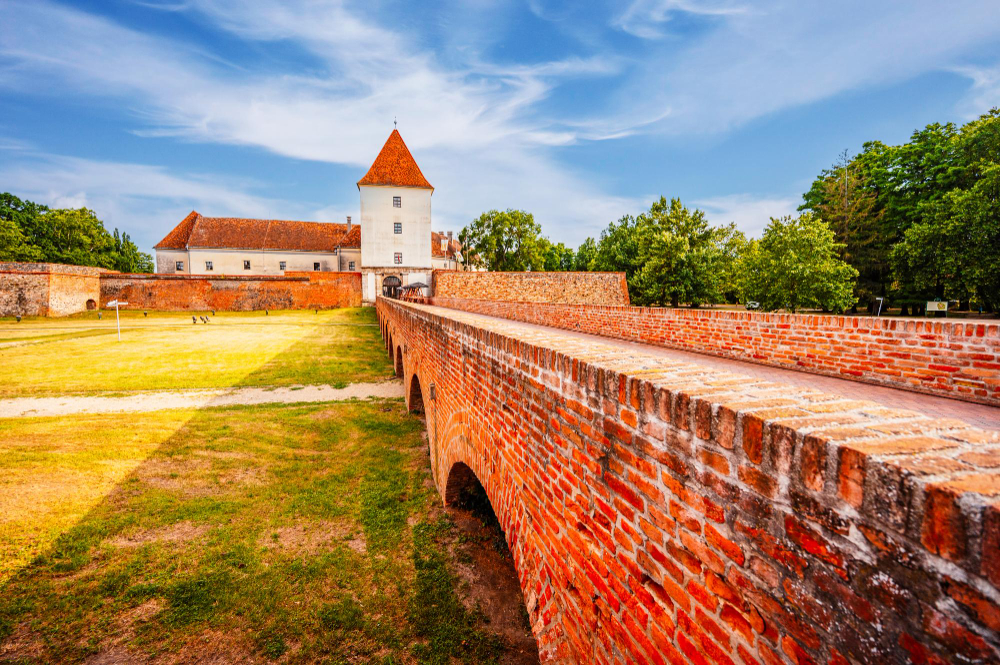
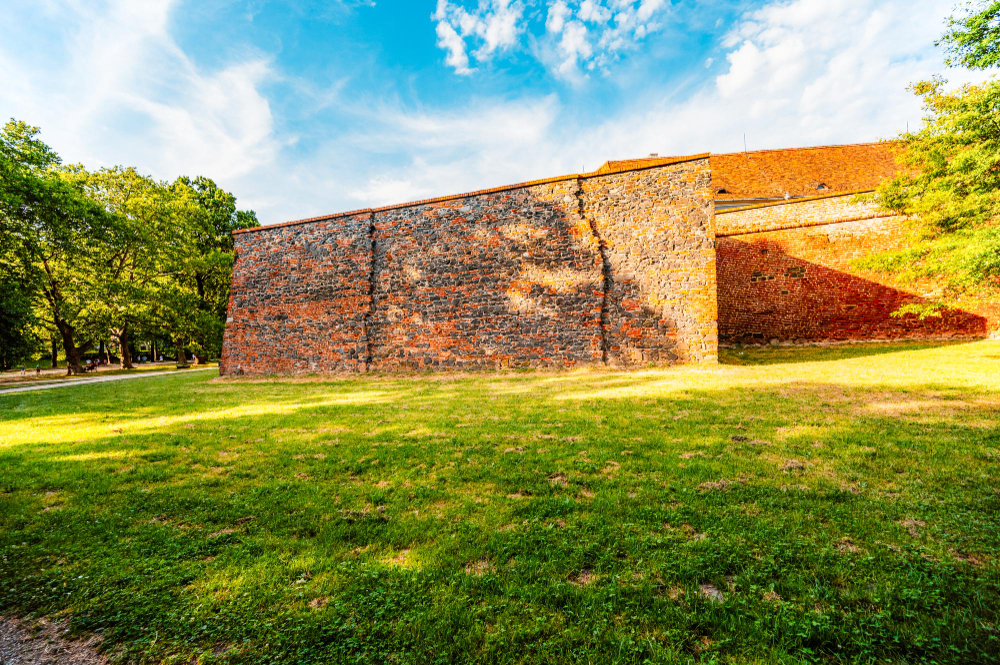
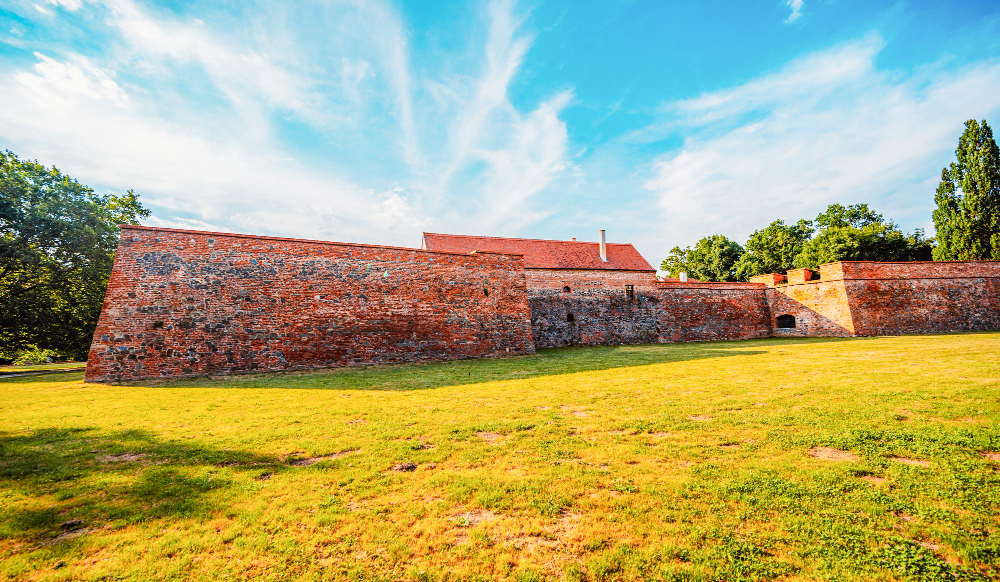
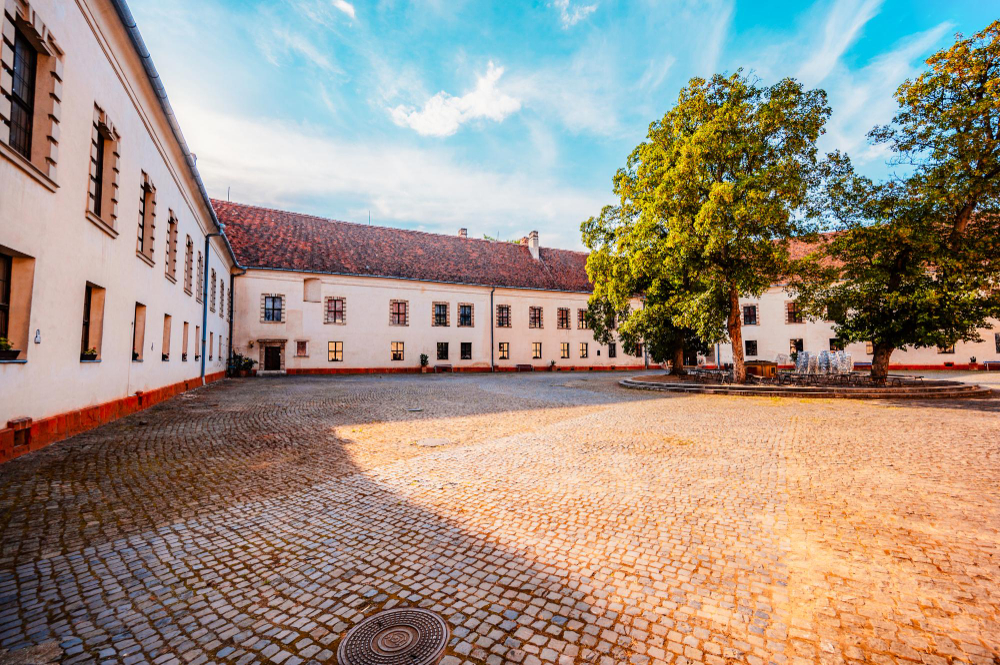
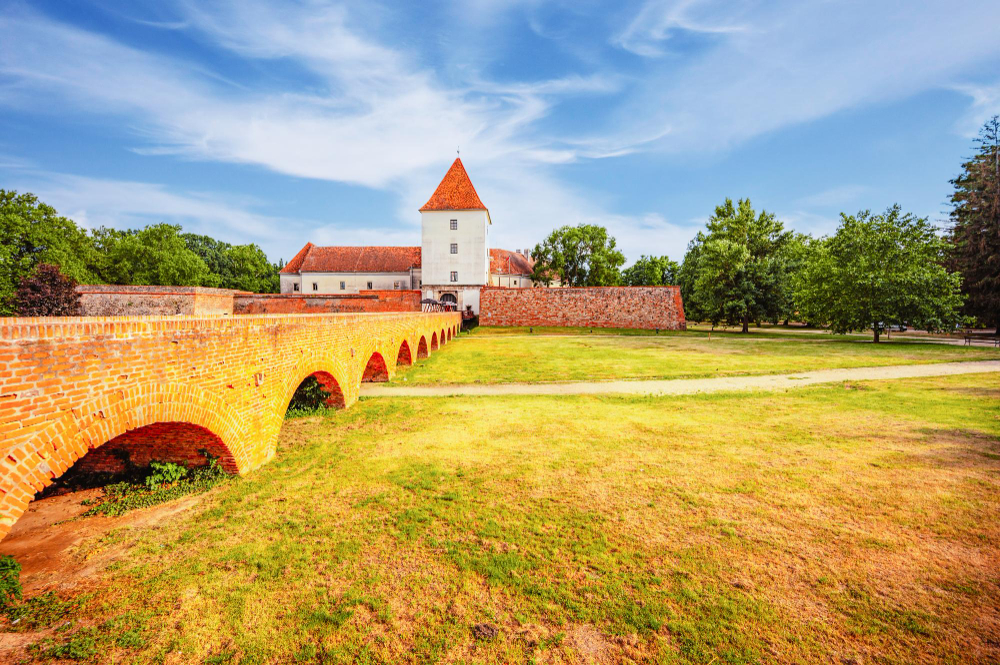
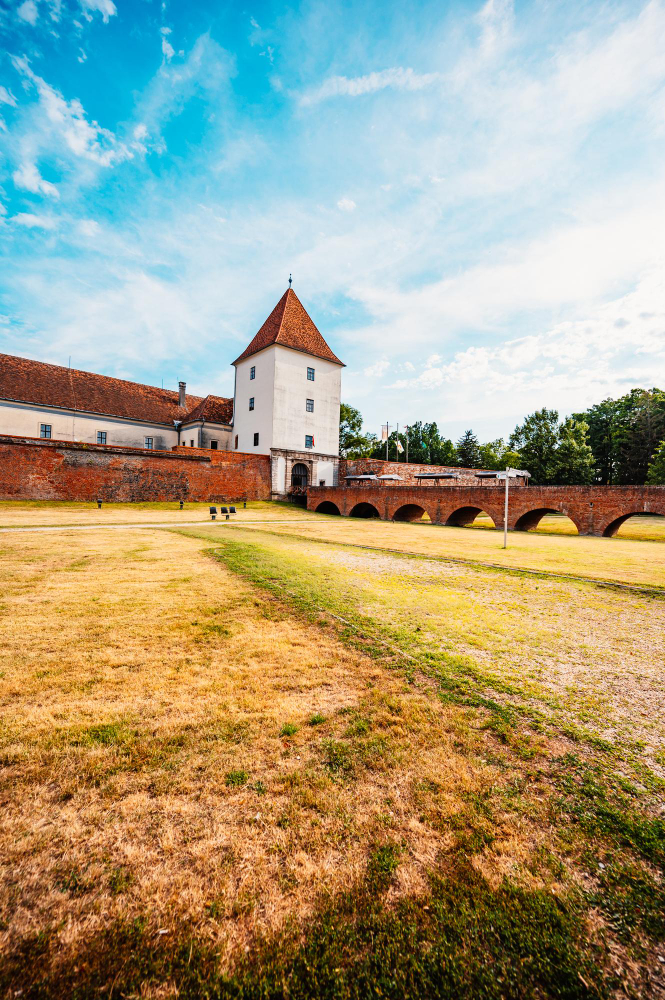
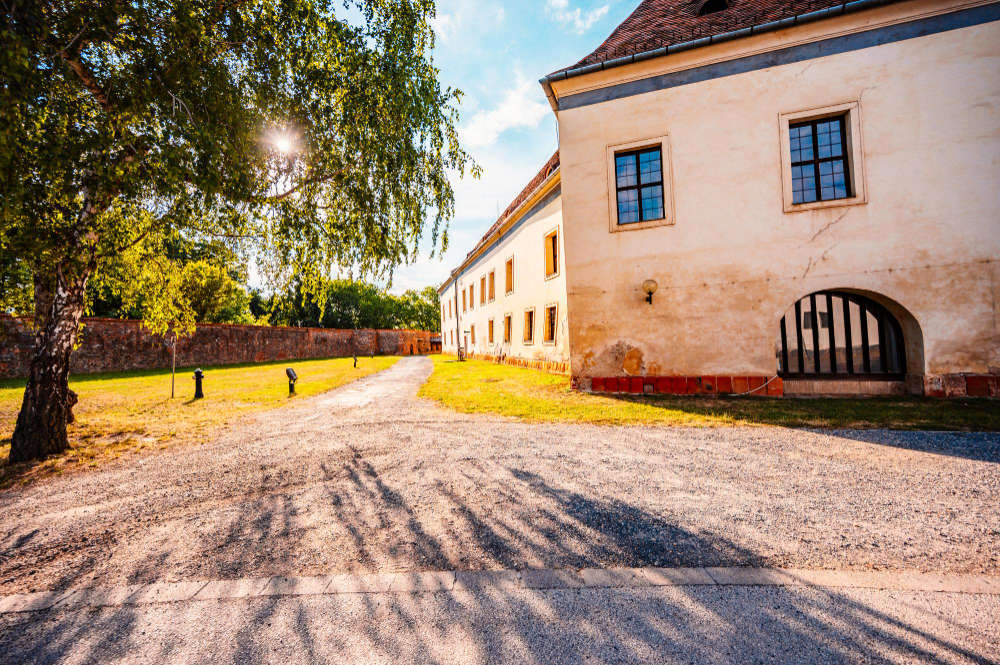
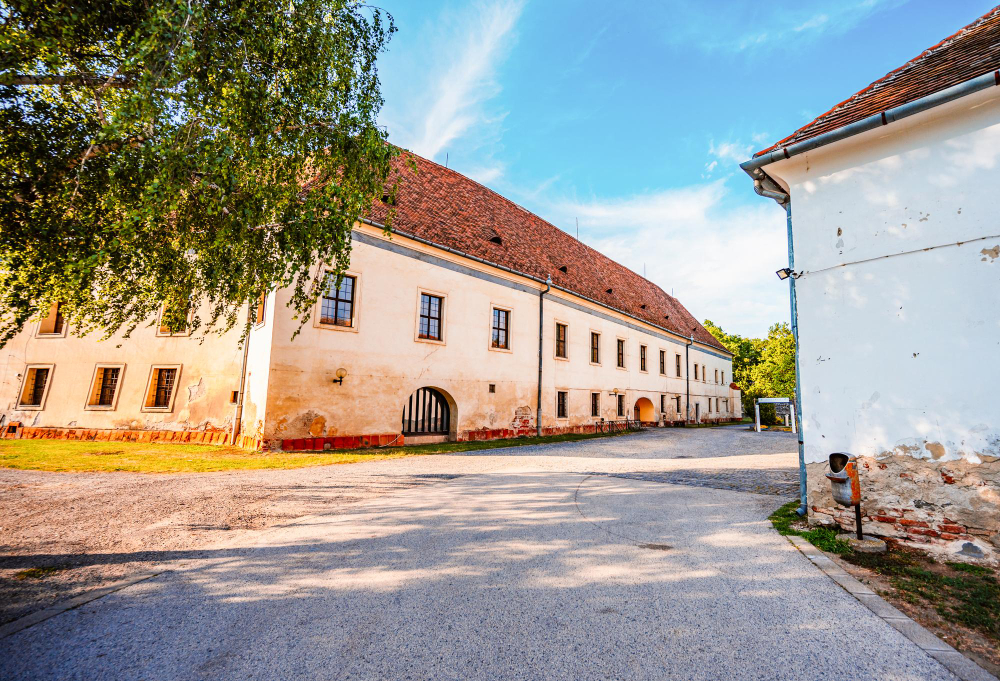
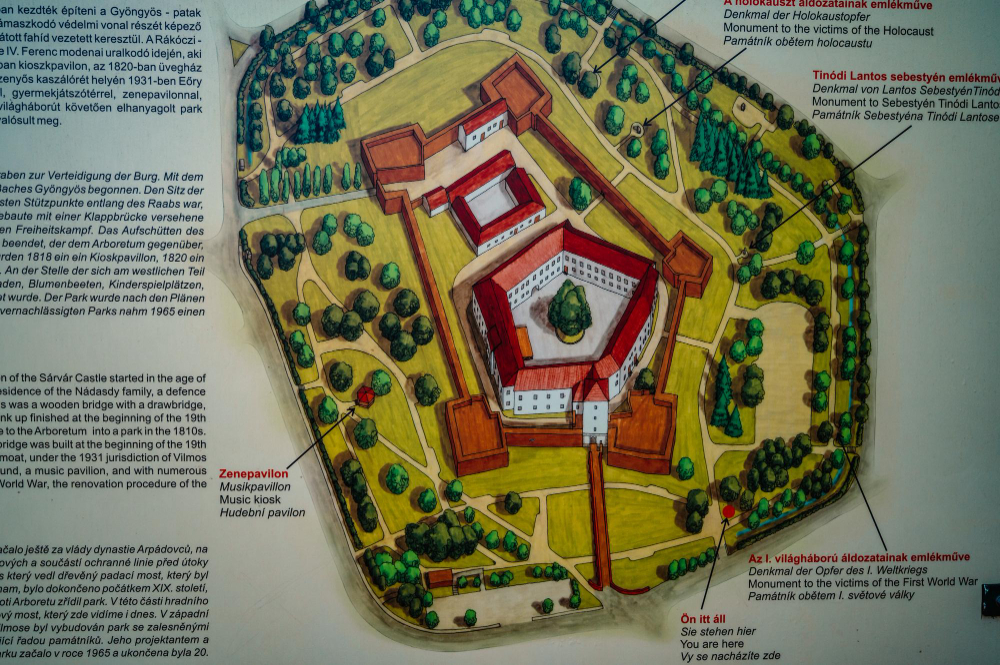
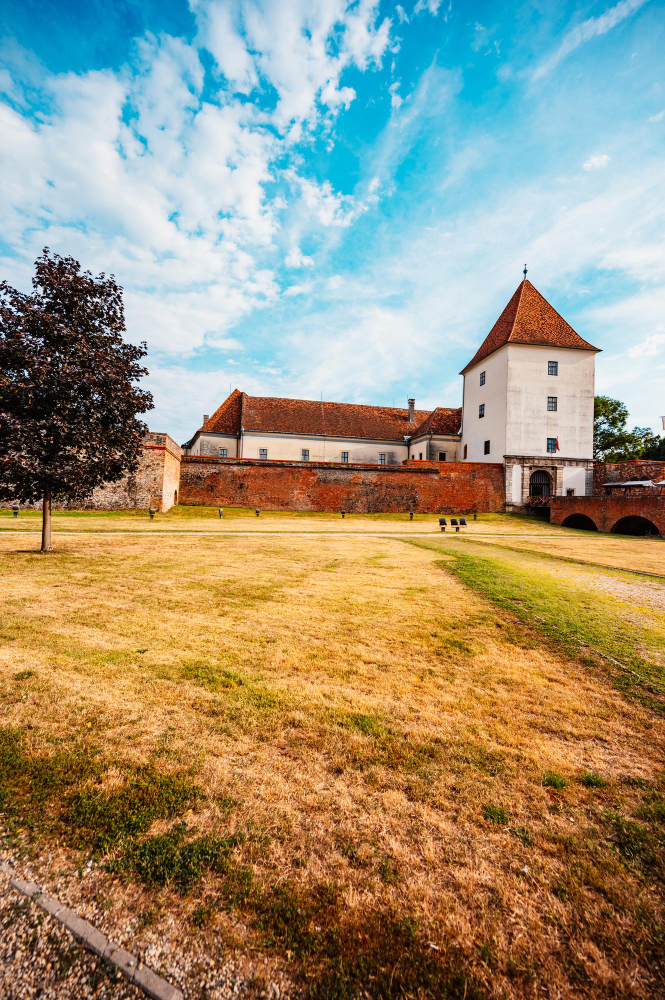
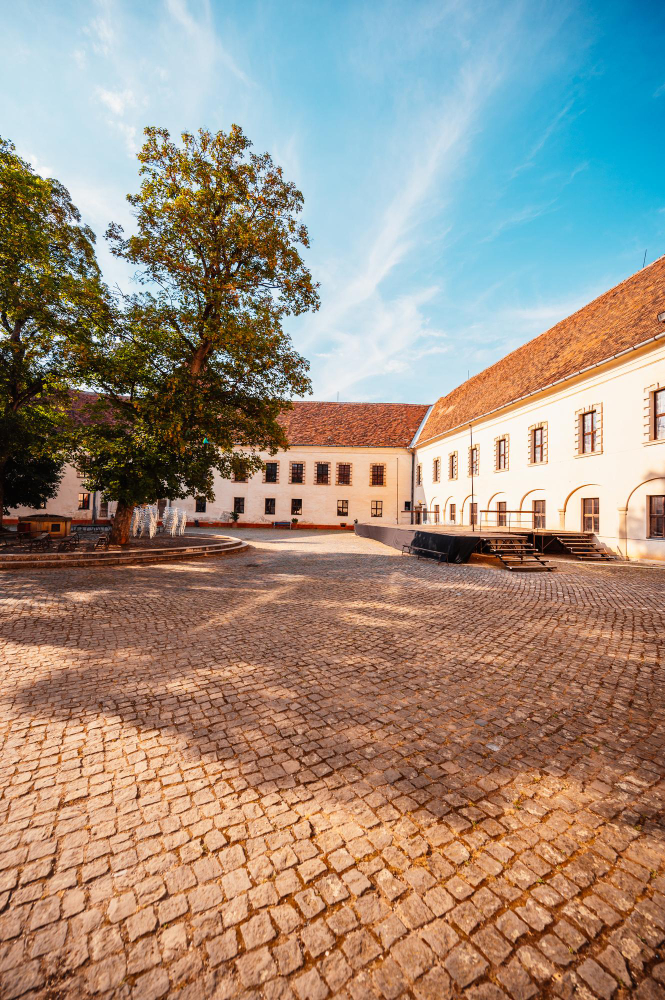
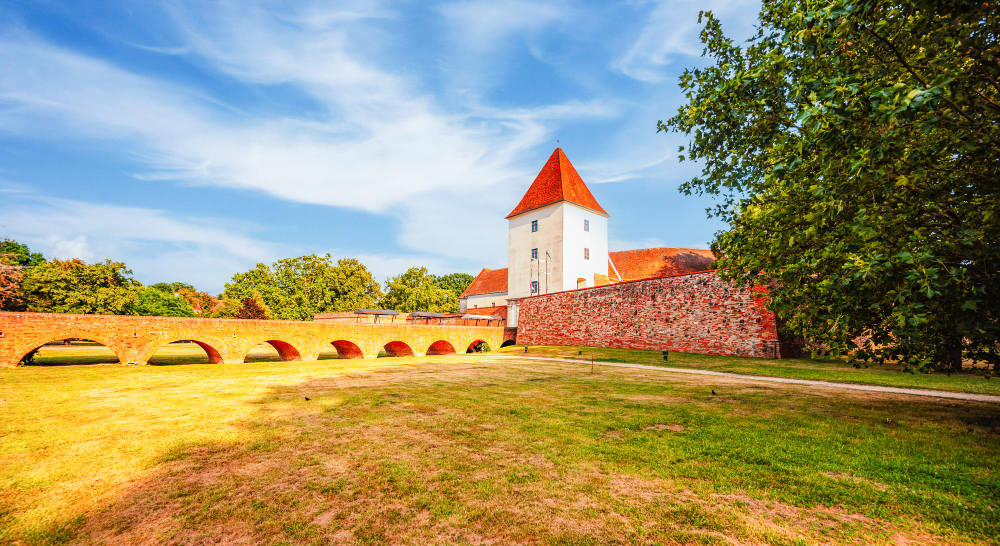
A legacy in colour and blood – After his death, memories of his deeds remained alive – not only in the tales of his countrymen, but also in art. In the banquet hall of his castle, known as Sárvár Castle, impressive depictions of his glorious victories can still be found today. The paintings by the Viennese artist Hans Rudolf Müller, dating from 1653, document the military successes of the ‘Black Knight’ in astonishing detail. They show him at the head of his army, wielding his sword and employing his tactics against the Ottoman forces, always with an expression of determination and severity. Yet these paintings are not merely a testament to heroism. They have an eerie effect on some visitors to the castle. According to legend, the knight’s ghost still watches over his legacy, and some guests feel a sense of unease when viewing the paintings. In the eyes of many, the sombre aura of these images suggests that Nádasdy was not merely a historical figure, but that he is surrounded by a supernatural aura that transcends the boundaries of reality.
The Shadow of a Dark Marriage – The story of Countess Elisabeth Báthory, which is closely intertwined with his own life story, adds another layer of horror to the myth surrounding the ‘Black Knight’. Although he himself is not held responsible for his wife’s horrific crimes, there is speculation that her sadistic tendencies did not leave him unscathed. After all, the two shared not only a marital bed but also similar character traits – cruelty, an obsession with power and a certain coldness towards their fellow human beings. Some legends even claim that Nádasdy assisted his wife in her cruel rituals by procuring victims for her, or at the very least by tolerating her dark machinations. Historically speaking, there is no concrete evidence to support these claims, yet the mere suggestion that the ‘Black Knight’ might have been part of these dark abysses only serves to heighten his eerie aura even further.
The myth lives on – Like any significant historical figure whose life and deeds have both light and dark sides, Ferenc Nádasdy has, over time, become a myth. His name is associated as much with heroic resistance as with eerie mysteries. Many of the stories surrounding him cannot be substantiated by facts, but spring from people’s imaginations and fears. One particularly eerie legend tells of a room in the castle that is said to have once been his private study. It is said that strange noises can be heard there at night – the clang of metal, the rustling of an invisible wind and the whisper of an unknown voice. Some even claim that the ghost of the ‘Black Knight’ appears there in full armour, standing silent guard. These stories have made Sárvár Castle a magnet for ghost hunters and lovers of the paranormal.
The dark fascination – What makes a figure like Ferenc Nádasdy so fascinating? Is it the blend of historical glory and mystical terror? Or is it the fact that his life is inextricably linked to one of history’s darkest figures, Elisabeth Báthory? The answer probably lies somewhere in between. The ‘Black Knight’ symbolises the duality of human nature: courage and cruelty, power and downfall, light and darkness. His legacy is as much a window into the past as it is a mirror reflecting the deep abysses hidden within every human being. The story of Ferenc Nádasdy teaches us that heroism often goes hand in hand with fear and terror, and that the line between legend and truth is sometimes so fine that it is barely discernible.
The ‘Black Knight’ is more than just a historical figure. He is a legend passed down from generation to generation, a reminder of a time when courage and brutality were inextricably linked. The stories about him – whether as a brave warrior or a ghostly apparition – are an example of how myth and reality can merge to create a figure who remains timeless. Even today, centuries after his death, Ferenc Nádasdy remains an enigma. Whether he is regarded as a hero or as part of a dark chapter in history depends on one’s perspective. What is certain, however, is that the ‘Black Knight’ will continue to capture people’s imagination – as an imposing figure who is both admired and feared in equal measure. His legacy lives on, not only in the paintings at Sárvár Castle, but also in the stories and legends that have made him a symbol of the dark side of fame.





Post Comment