The Fire Devil and the Lightning Strike: How a Natural Disaster Turned Hohenurach Castle from an Impregnable Stronghold into a Ruin
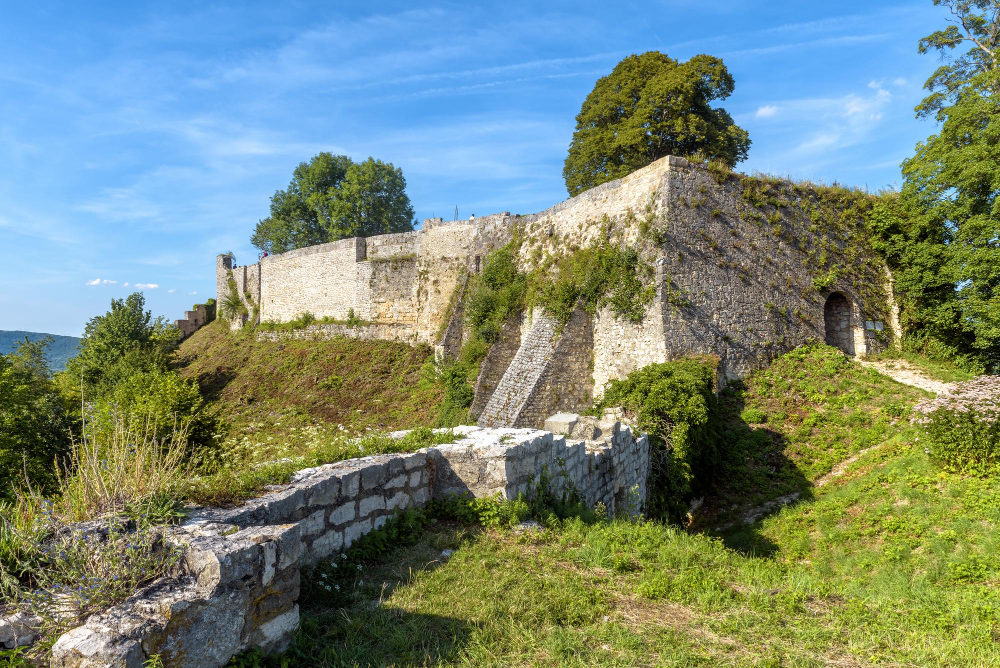
Hohenurach Castle, perched majestically on a steep cliff above the town of Bad Urach, is regarded as an impressive testament to medieval military architecture. Its history tells of countless sieges and military conflicts – yet no one emerged victorious. The fortress was never taken by force. Instead, a single, dramatic event in 1694 brought an end to its significance as a military fortress. Today, a legend surrounds this event, telling of an ‘arsonist’ and a fateful lightning strike that reduced the proud castle to rubble and ashes.
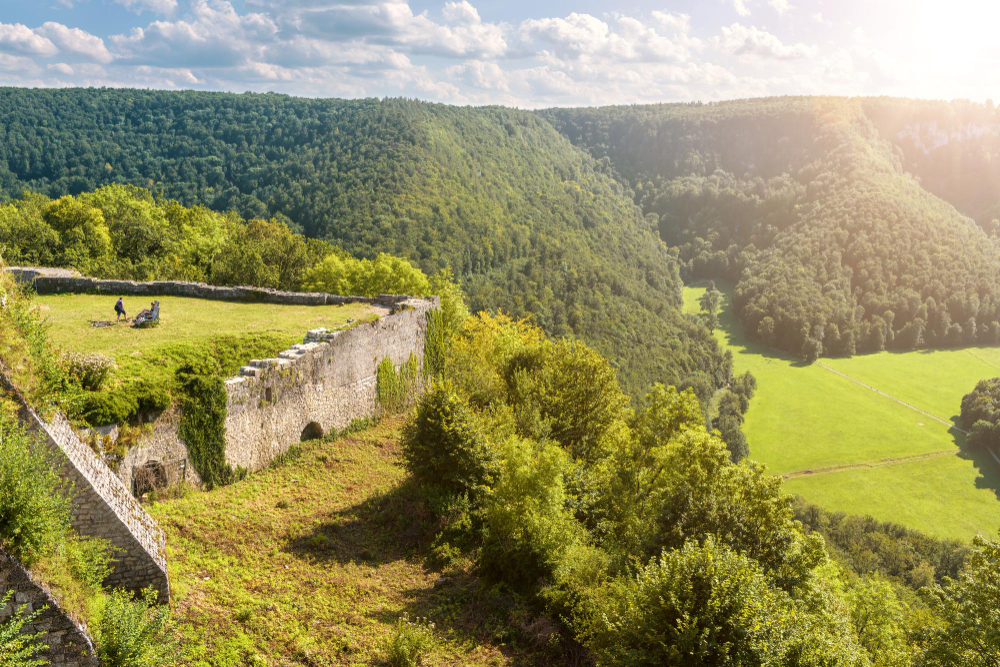
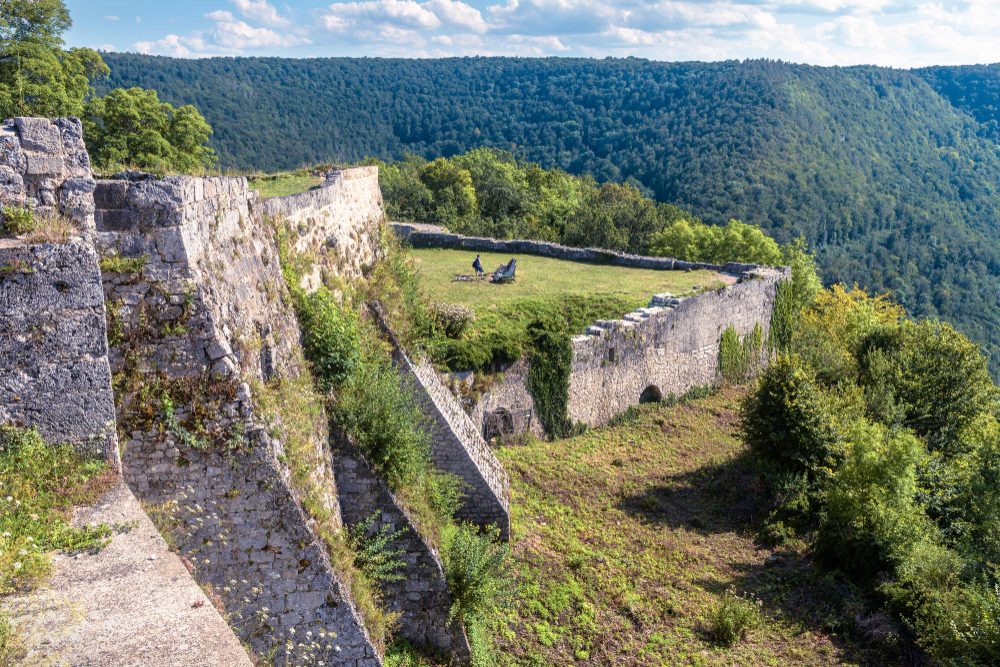
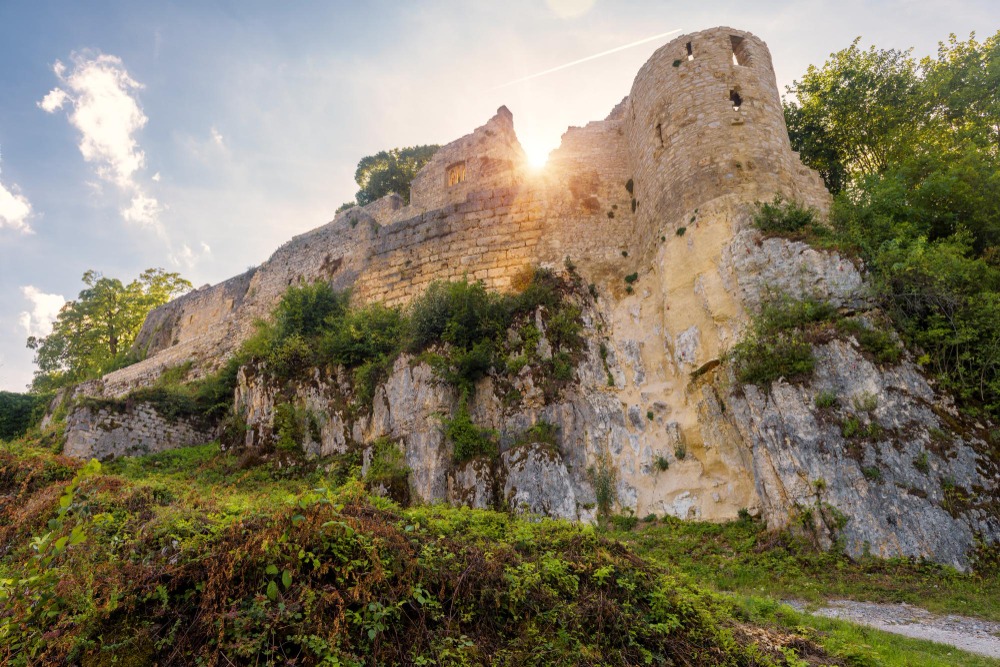
The impregnable fortress – a brief history of Hohenurach Castle – First mentioned in the 11th century, Hohenurach Castle was expanded over the centuries into a strategically important stronghold in the Duchy of Württemberg. Its location on a volcanic tuff rock made it virtually impregnable. Thanks to its massive walls, sophisticated defences and its position high above the Urach Valley, it was regarded as a safe refuge for dukes and nobles. Over time, the castle changed hands several times, serving as a residence, an administrative centre and, later, as a state prison. Despite numerous political crises and military conflicts, the castle remained militarily unconquered – until the late 17th century.
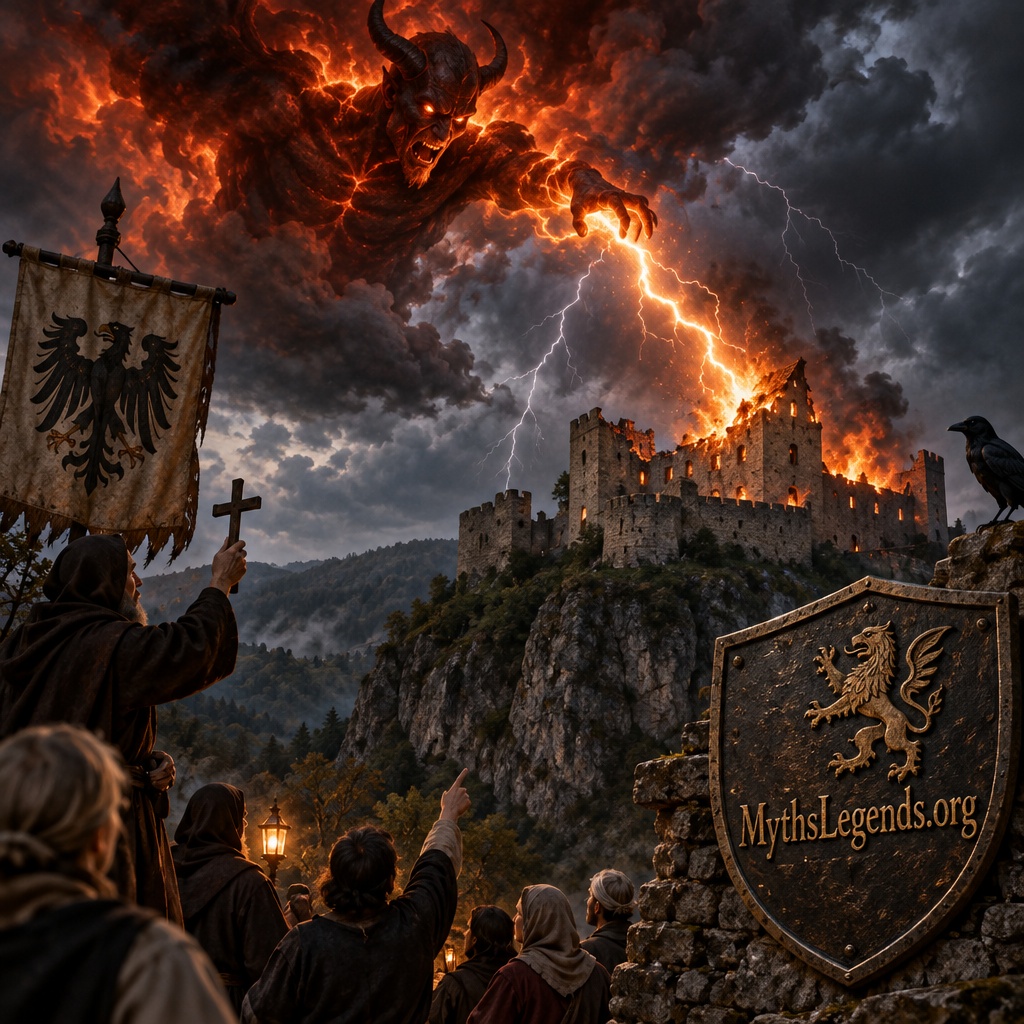
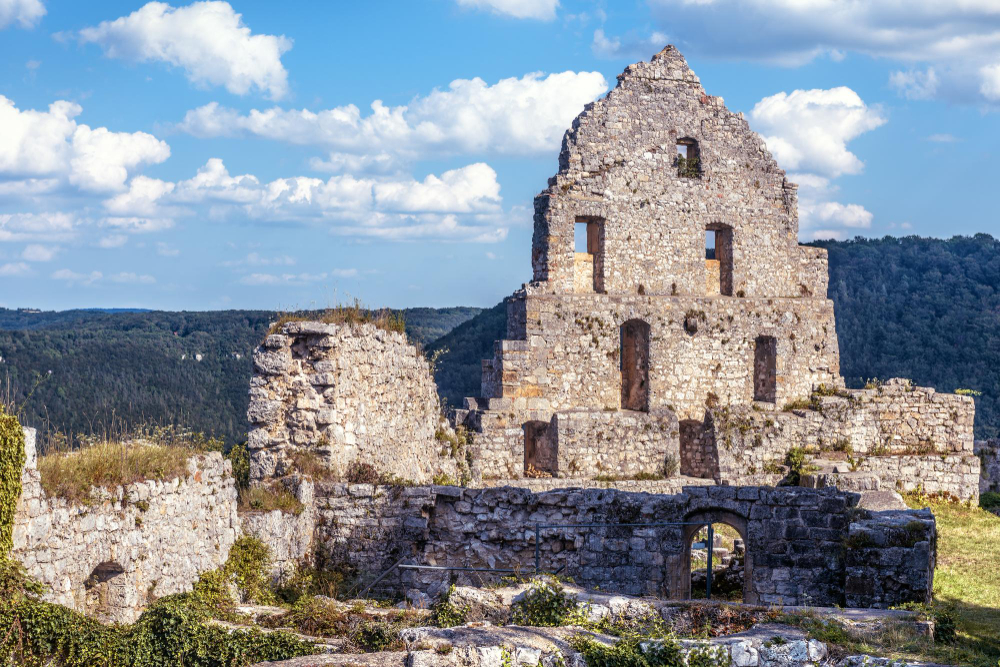
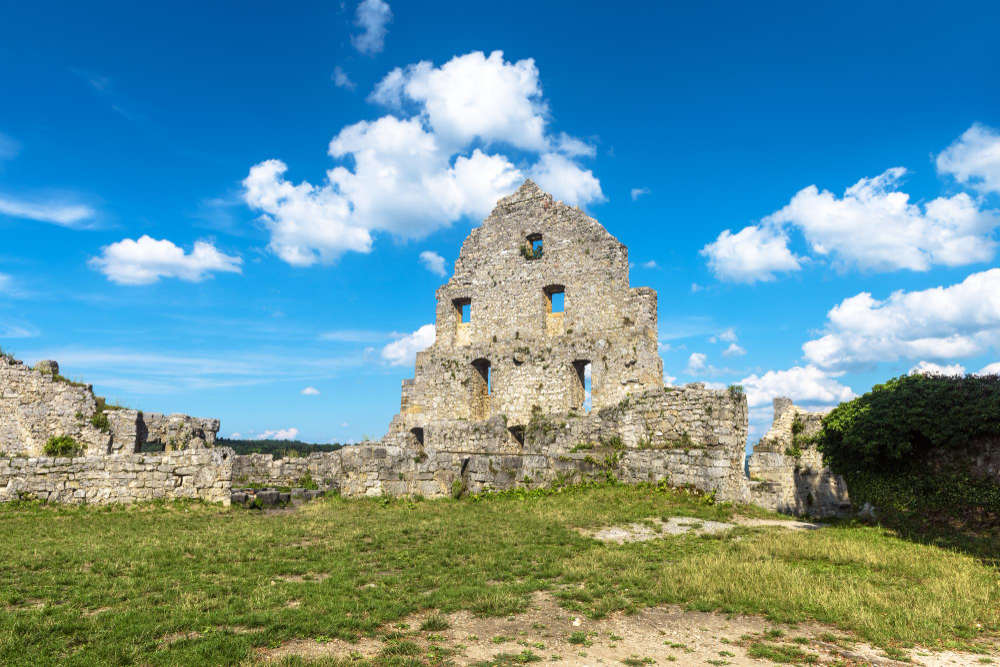
The fateful year of 1694: Lightning strikes – On 2 August 1694, a massive bolt of lightning struck the powder tower of Hohenurach Castle. This tower housed the fortress’s most important munitions store. The explosion that followed destroyed a large part of the castle complex. Eyewitnesses reported such a powerful shockwave and a blazing inferno that sections of the walls collapsed and the surrounding area was also severely damaged. Historical sources, including reports from contemporary archives and later chronicles, confirm the destruction caused by this disaster. The castle lost its military functionality as a result of the explosion, as key defensive structures were rendered unusable. Furthermore, reconstruction was extremely costly and, in view of changing military technologies and political circumstances, was no longer a priority for the ducal administration.
The Legend of the Fire Devil – Folk Beliefs between Fear and Explanation – Whilst historical works clearly attribute the cause of the devastating fire to a lightning strike, oral tradition tells a far more mystical story. In the centuries following the disaster, the narrative took hold that the lightning strike had been the work of the ‘fire devil’. In this account, lightning is personified as the wrath of God or as heavenly punishment, sent by the devil to punish the state prison, which was perceived as unjust. The prison had a poor reputation amongst the population, as political prisoners, dissidents and other ‘unrepentant’ individuals were held there. This gave rise to a symbolism in which the lightning strike was stylised as a divine intervention against injustice. The ‘fire devil’ personified the wrathful force of nature, capable of destroying human power and arbitrariness in equal measure. These folk tales are typical of an era in which natural disasters were often interpreted as religious omens. People sought explanations for unexpected suffering and frequently found them in the notion of supernatural powers that governed heaven and earth.
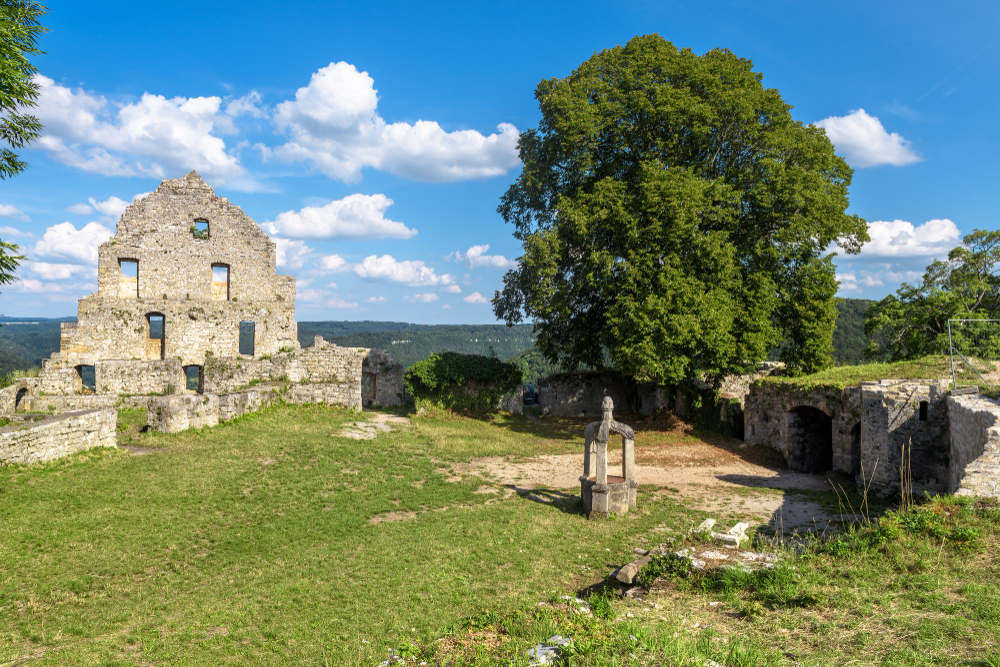
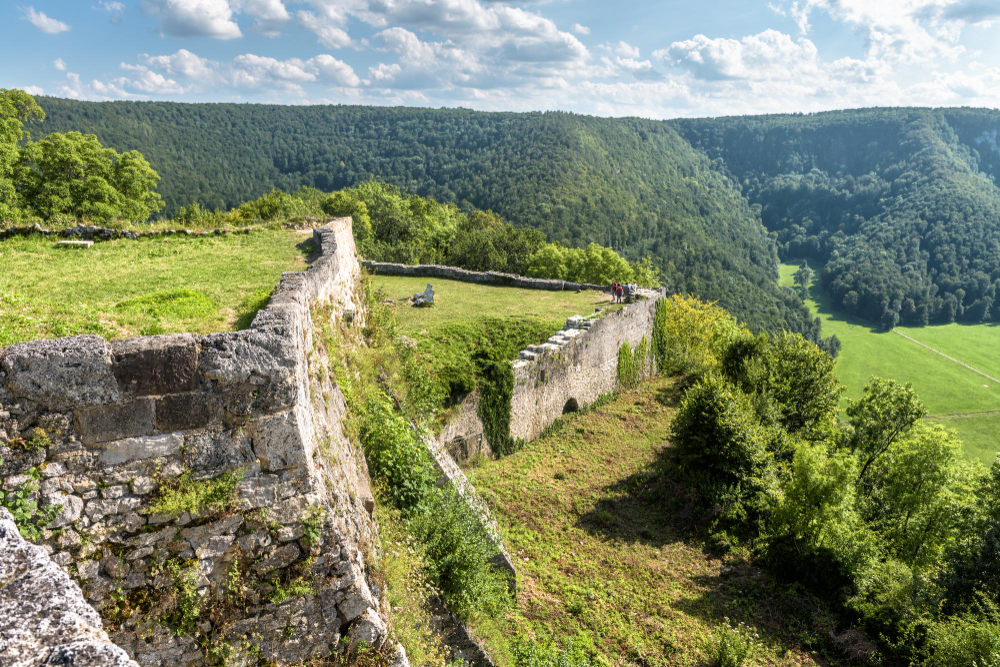
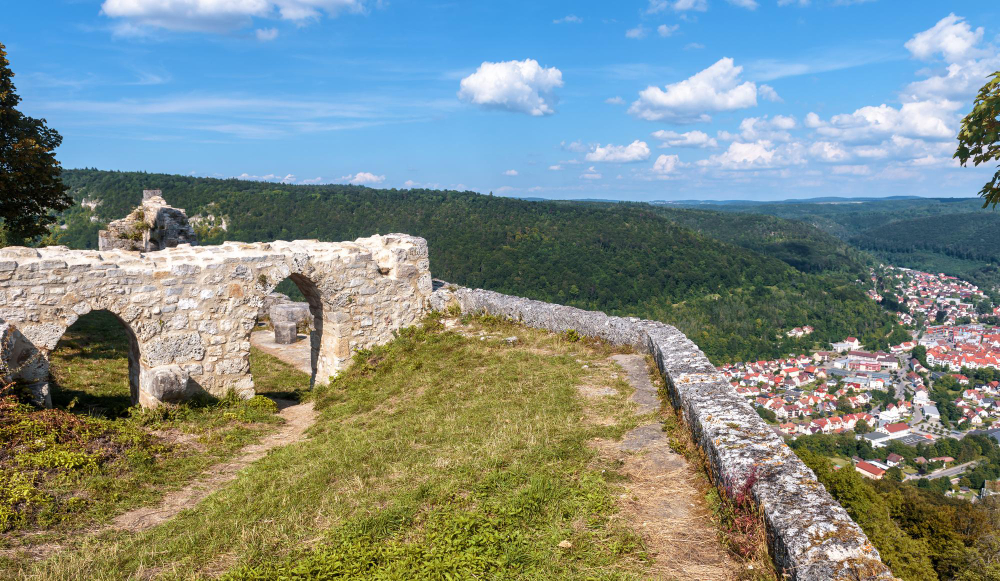
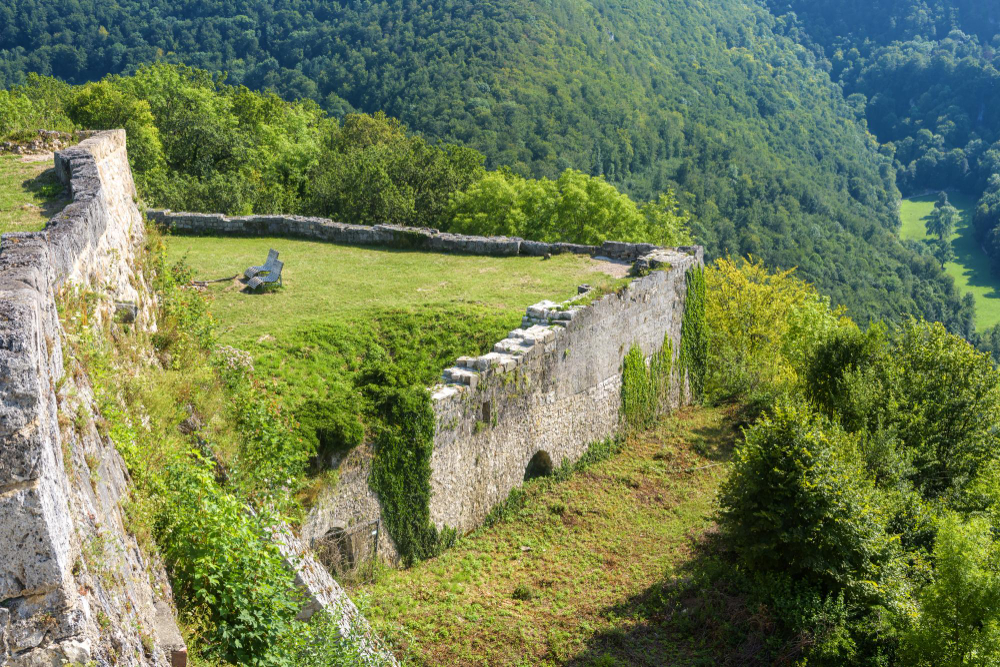
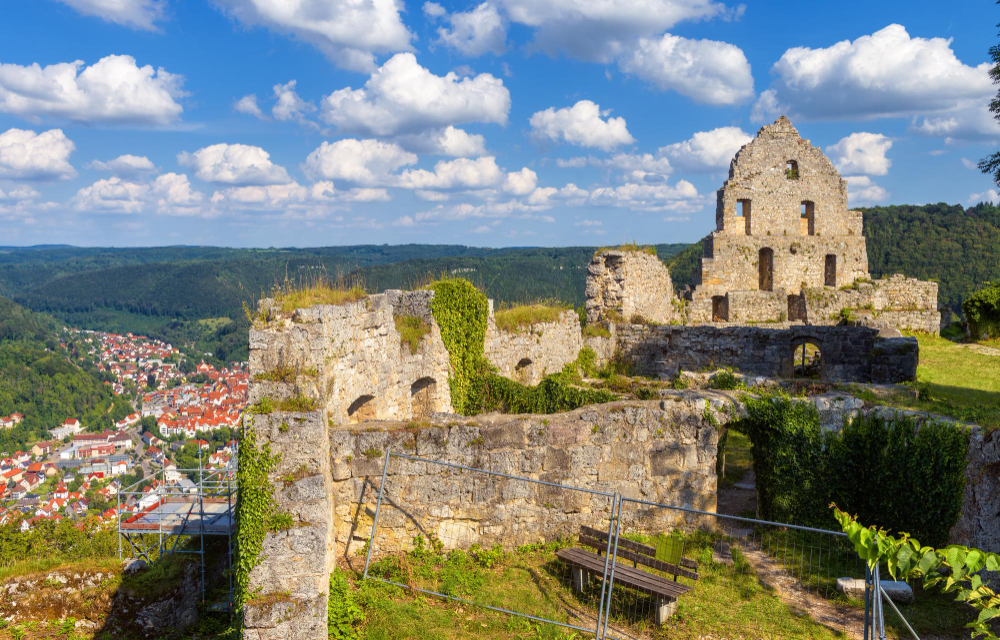
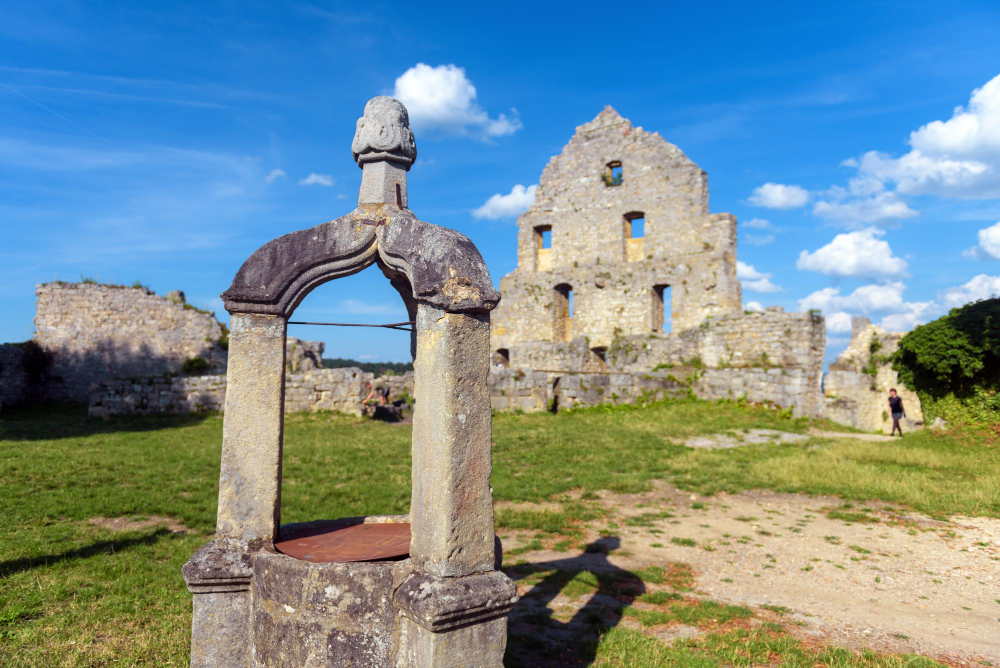
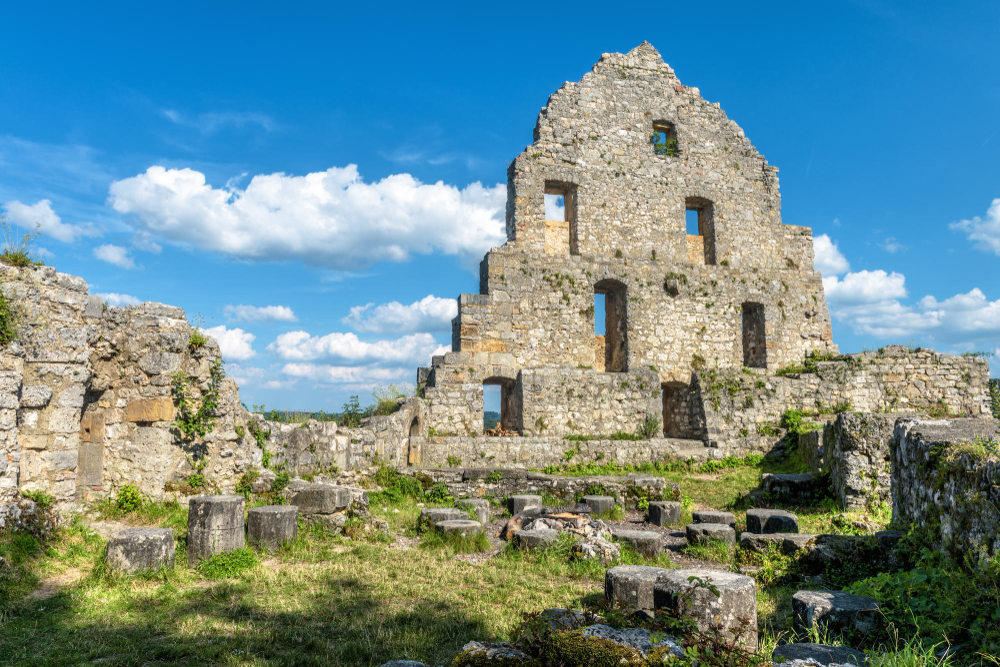
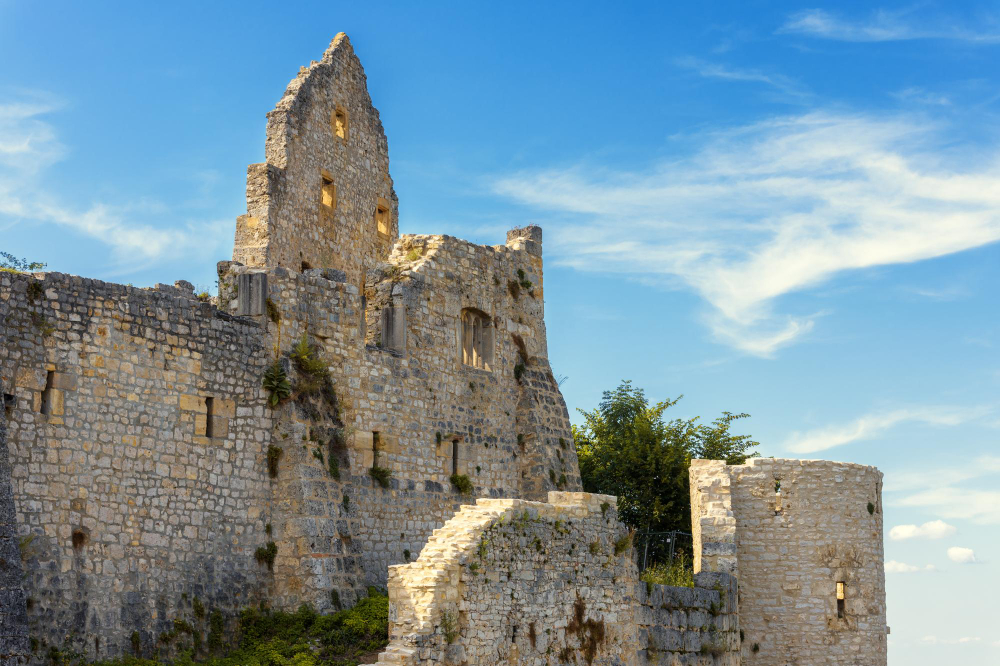
Aftermath: Decline and Use as a Quarry – The explosion and the subsequent loss of its military function marked a turning point for Hohenurach Castle. In the 18th century, a slow process of decay set in. Instead of being restored as a fortress, the ruins increasingly served as a quarry. The residents of the surrounding communities used the high-quality tuff for the construction of houses and other buildings in the region. The site fell into increasing disrepair until, at the start of the 19th century, the first efforts to preserve and secure the remains began. Today, the preserved keep, the remains of the curtain walls and other structures bear witness to its former splendour. They serve as an important part of our cultural heritage and as a popular destination for visitors wishing to experience history and legends at first hand.
Between myth and reality – Hohenurach Castle is a prime example of many medieval fortresses whose fate was sealed not by acts of war, but by a seemingly random strike of lightning. The interplay between the forces of nature and human history lends this place a special fascination. The legend of the ‘fire devil’ illustrates how people sought to make sense of past events through myths and symbols. It reflects the attempt to find meaning in tragedies and to understand them as part of a greater divine plan. Today, the castle’s ruins serve as a reminder not only of medieval defence strategies, but also of the power of nature and the significance of stories that go far beyond mere facts. They tell of the pride of an impregnable fortress, of the dramatic lightning strike – and of a fire demon that remains alive in the minds of many people to this day.








Post Comment