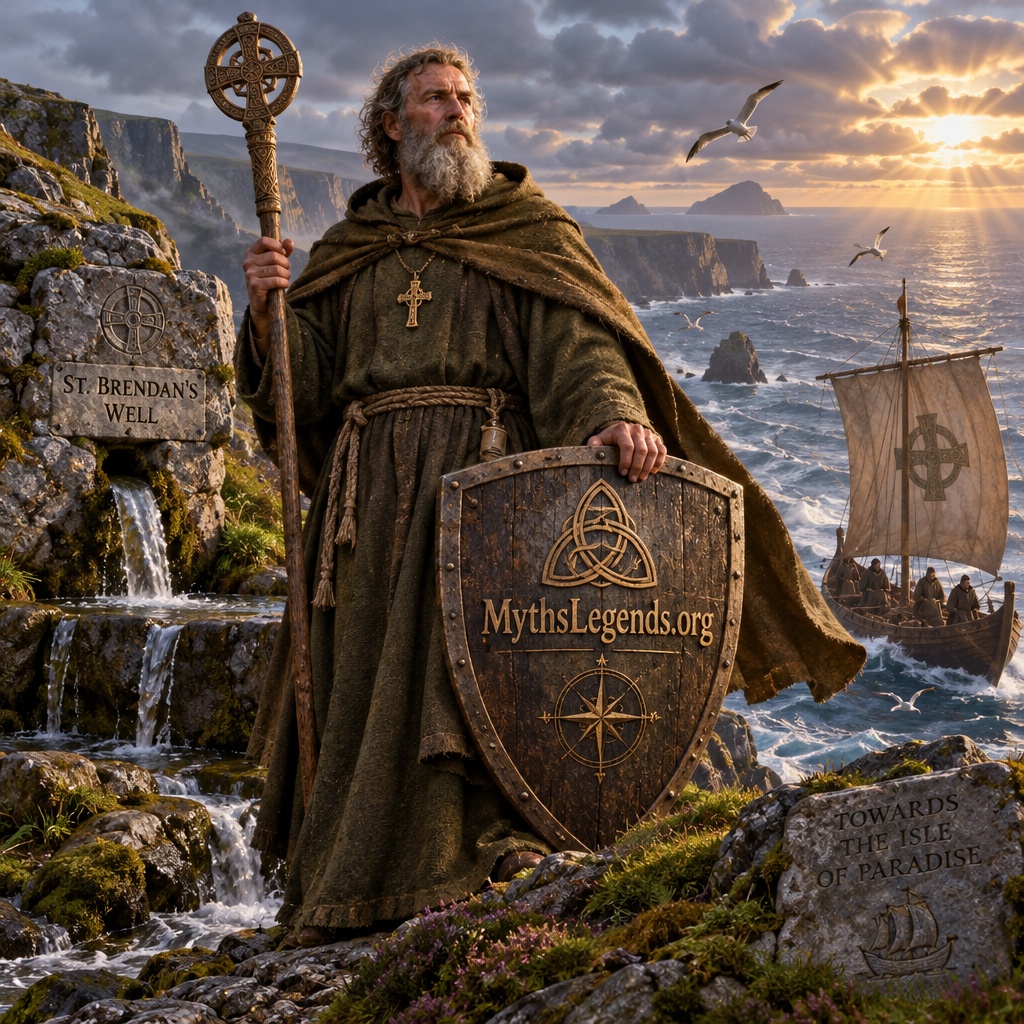
St Brendan the Navigator and the Holy Spring on Valentia Island – A treasure trove of Irish history and legend
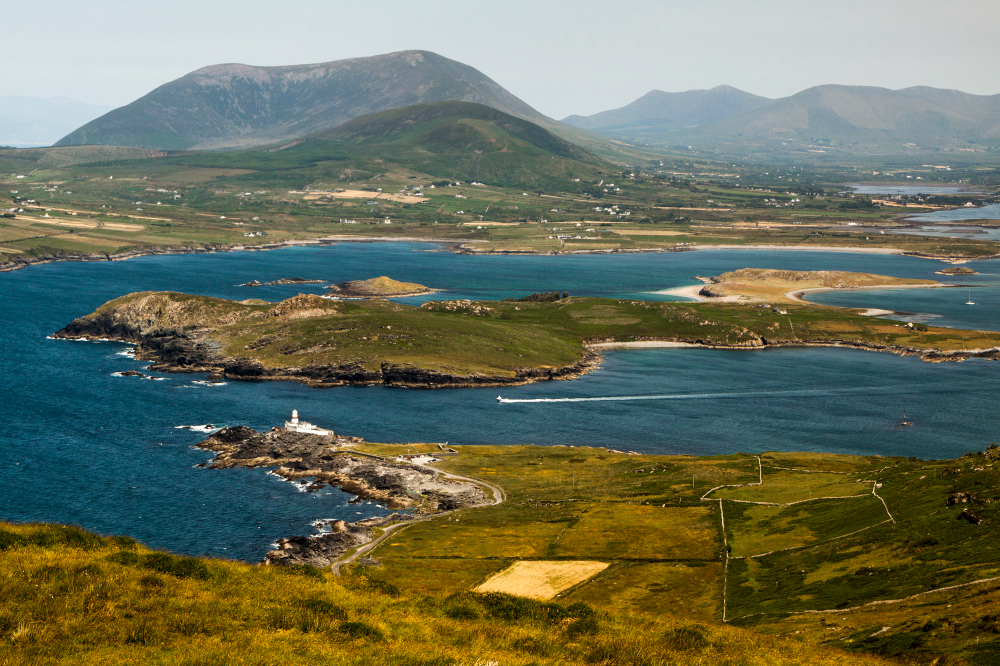
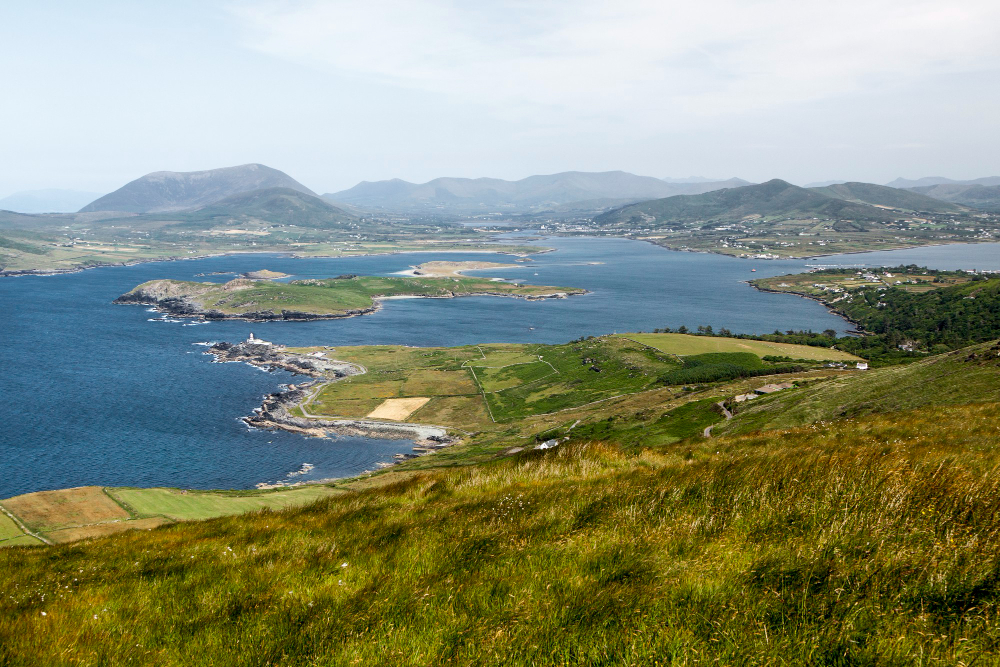
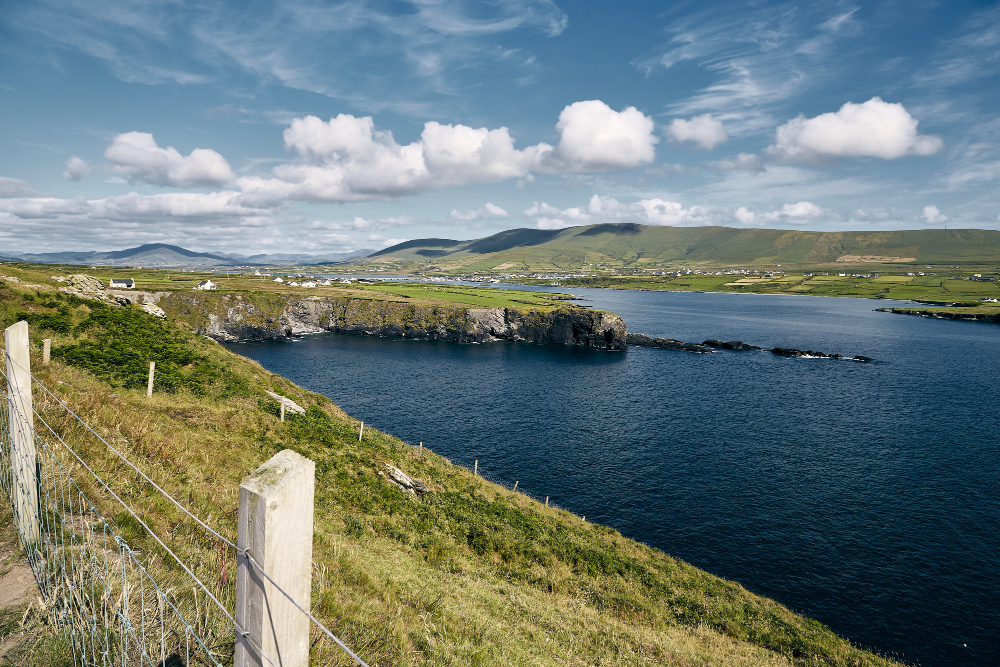
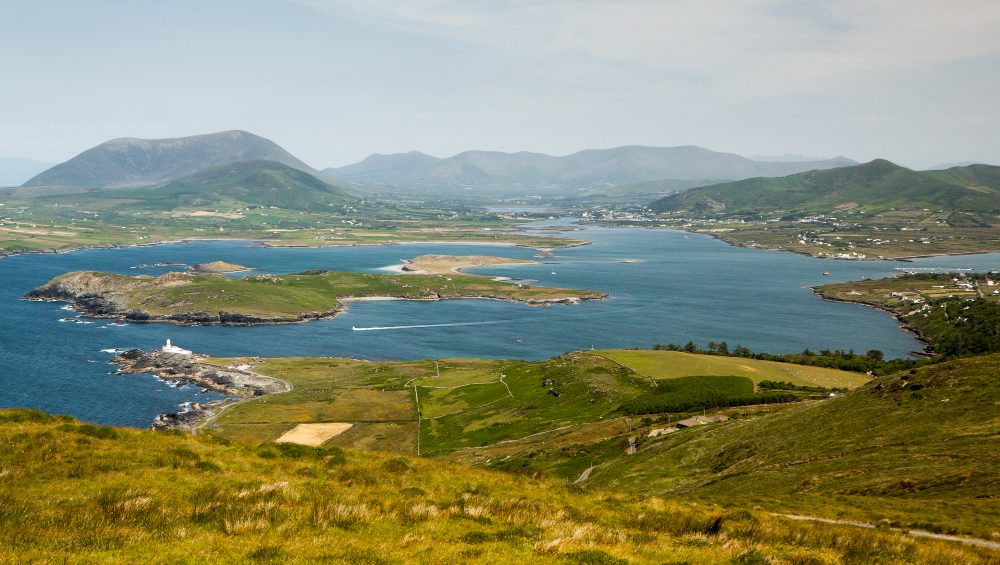
Valentia Island, one of Ireland’s largest islands, lies off the south-west coast in County Kerry and is rich in history, myths and breathtaking landscapes. Among the island’s many cultural treasures, St Brendan the Navigator (also known as Brendan the Traveller) holds a special place. Particularly well-known is St Brendan’s Well, a holy spring situated on the rugged cliffs in the north-west of the island. This spring is more than just a geographical feature – it is deeply rooted in Irish tradition and faith, and still attracts pilgrims and visitors today who are fascinated by the legend of Brendan.
Who was St Brendan the Navigator? – Brendan the Navigator, also known as Brendan of Clonfert, lived in the 6th century and is regarded as one of the most significant Irish monks and explorers. He was born around the year 484 and was a member of a noble family. After his ordination, he devoted his life to the spiritual mission and later retired as abbot to Clonfert Monastery, which he founded. However, Brendan is famous today not so much for his monastic activities as for his adventurous sea voyages, about which numerous legends and tales have been handed down. Perhaps the best-known story is that of the so-called ‘Navigatio Sancti Brendani Abbatis’ (The Voyage of Abbot Brendan). This medieval work describes an epic sea voyage in which Brendan and his companions were apparently searching for the ‘Isle of Paradise’ – a kind of heavenly land full of wonders. Historians and researchers continue to debate to this day to what extent this voyage actually took place or whether it is primarily a spiritual allegory. Some theories even suggest that Brendan or his descendants reached parts of North America before Columbus, but there is no verifiable evidence to support this.
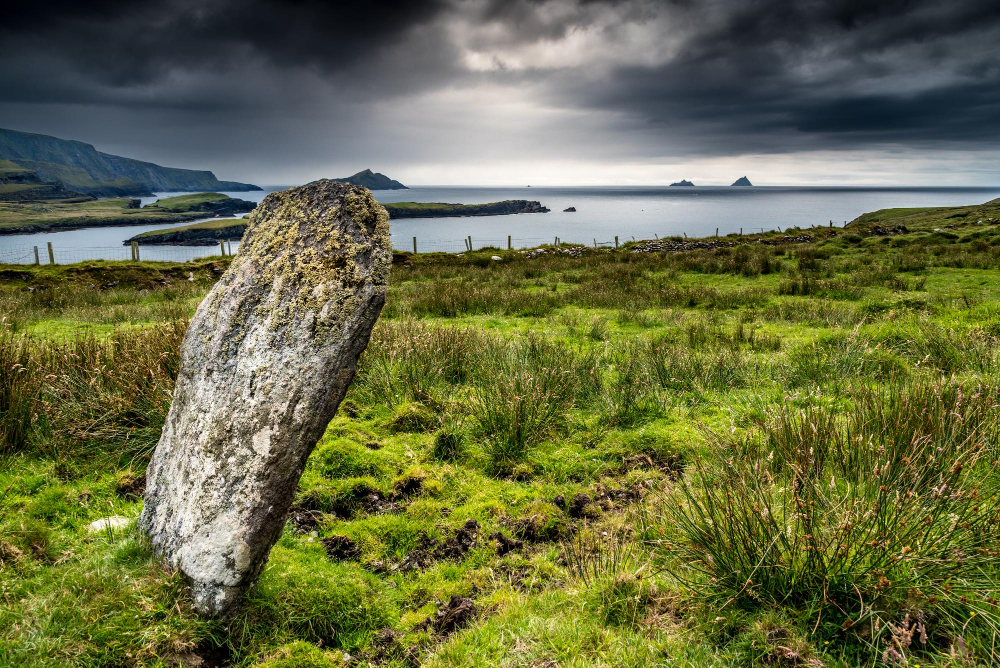
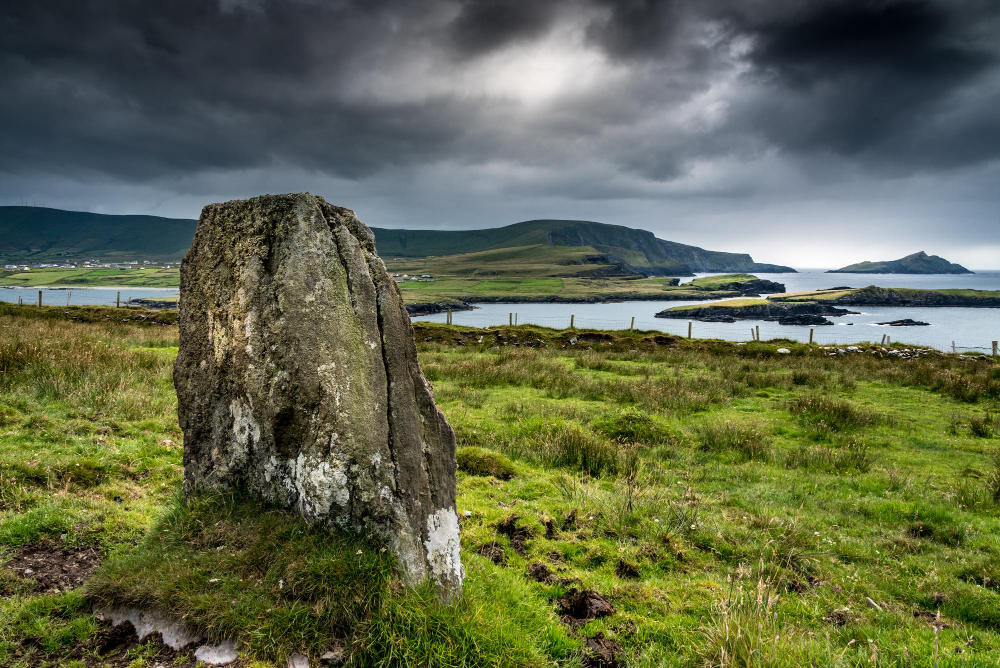
The legend surrounding St Brendan’s Well on Valentia Island – St Brendan’s Well is situated on the rugged north-western side of Valentia Island, high up on the steep cliffs. Its location immediately gives visitors the sense of a mysterious place, one that is also imbued with spiritual power. The spring itself gushes forth from a rock here and is regarded as a sacred source of water, the origins of which are linked to the legend of Brendan the Navigator. According to legend, Brendan once scaled these dangerous cliffs from the sea. Whether during one of his famous voyages or as part of another historical event, tradition has it that he found two dying pagans at the summit. Deeply moved by their plight, Brendan is said to have miraculously caused the spring to gush forth there, so that its water might be used to baptise the two men. This miracle saved them from death and granted them salvation through baptism. The story is typical of many Irish legends of saints: a miracle at a special place becomes a symbol of faith, mercy and spiritual power. The spring was not simply discovered by chance, but appears as a manifestation of divine intervention. This narrative also reflects Brendan’s missionary character; even during his lifetime, he was regarded as a mediator between Christians and pagans.
Significance and Endurance of the Faith in St Brendan’s Well – To this day, St Brendan’s Well remains a destination for pilgrims from all over Ireland and beyond. The spring is revered as a holy site where people pray for healing, blessings or spiritual guidance. Visitors often leave small offerings such as coins, strips of cloth (known as ‘clouties’) or votive gifts at the small altar erected near the spring. These rituals are an expression of a deeply rooted tradition that extends far beyond religious piety and is linked to Irish folk culture. The veneration of the spring demonstrates just how deeply the figures of early Irish Christianity and their stories are woven into everyday life. In doing so, the boundaries between Christian tradition and older Celtic beliefs often become blurred – the spring water symbolises purification, healing and life, central motifs in both systems.
Scientific and cultural background – As well as its religious significance, the spring is also of interest from a geological and archaeological perspective. Valentia Island boasts a diverse geology, featuring basalt formations and limestone cliffs that feed the spring water. Springs such as St Brendan’s Well are typical features of the cliff landscapes of western Ireland, which are characterised by past volcanic activity. Archaeologically speaking, Valentia Island is a hotspot of early human settlement – finds date back to the Stone Age. Traces of Celtic-Christian culture can be found in many places, from monastery ruins to ancient high crosses. The combination of the legend of Brendan and the physical presence of the spring makes the island a living testament to Irish history.
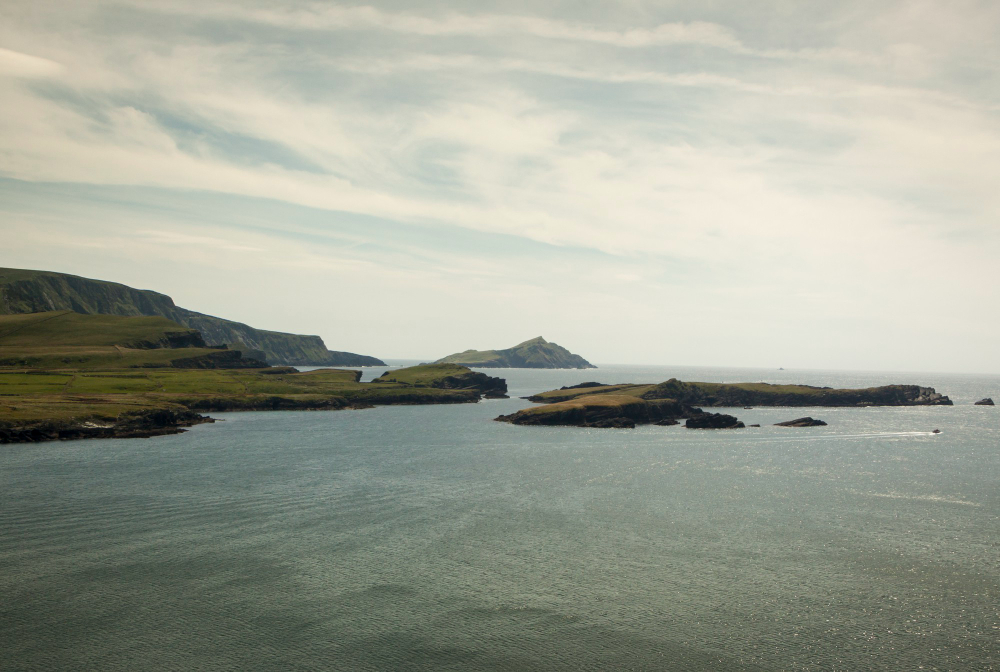
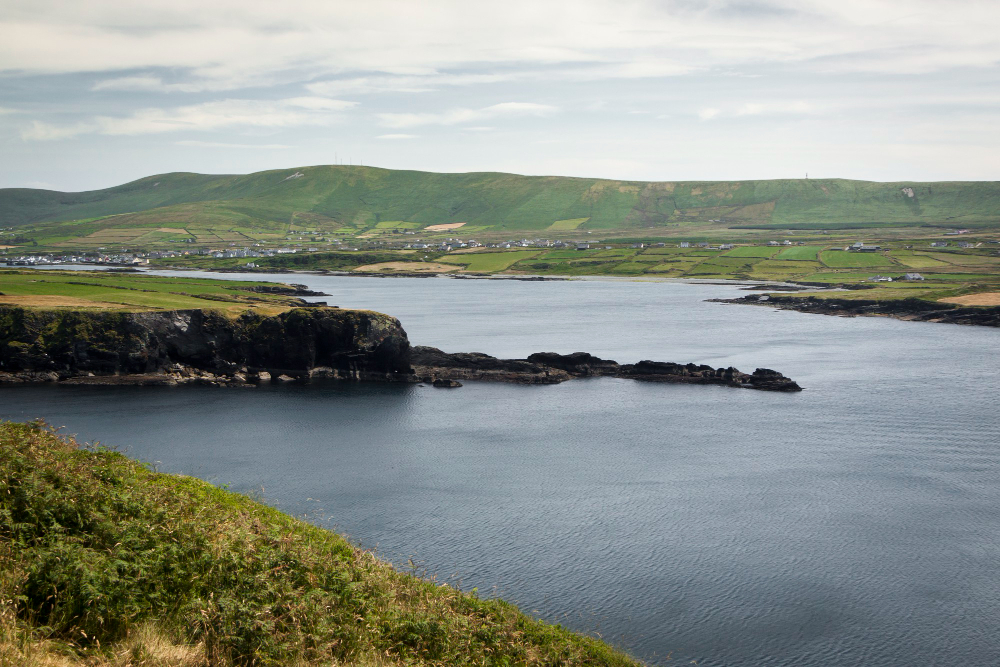
How to visit St Brendan’s Well today – Visitors to Valentia Island can reach St Brendan’s Well as part of a walk along the coast. The route takes you along uneven paths past bizarre rock formations and offers views across the Atlantic Ocean. The spring water flows constantly and the small altar is lovingly maintained. Anyone wishing to soak up the atmosphere should allow plenty of time to sit back and let the tranquillity of nature wash over them. There are other attractions nearby, such as Glanleam House & Gardens and archaeological sites. Valentia Island is known to many tourists primarily for its scenic beauty, but it is precisely the combination of nature, history and legend that makes St Brendan’s Well a particularly impressive highlight.
A place where history comes alive – St Brendan the Navigator and his holy well on Valentia Island are a fascinating example of how myth, religion and history intertwine. The well symbolises Brendan’s missionary zeal and the deep roots of his work in Ireland. At the same time, it shows how times gone by can remain tangible through real places and living traditions. Whether as a pilgrim, history enthusiast or nature lover – anyone who visits St Brendan’s Well enters a world where the spirit of early Christianity and the magic of the Irish landscape can be felt. Valentia Island thus not only offers a glimpse back into medieval legends, but also invites you to become part of this history yourself.








Post Comment