The fascinating history of the pretzel – from Urach Castle to the world
Hardly any other baked good is as quintessentially German and, at the same time, as widespread as the pretzel. Whether crispy and generously sprinkled with coarse salt or soft and melt-in-the-mouth – the pretzel is one of the most popular baked goods not only in Germany, but also internationally. Yet behind this seemingly simple lye-baked pastry lies a rich history full of legends, regional traditions and culinary sophistication. In the following, we delve deep into the origins of the pretzel, its cultural significance and explain why it has remained a symbol of indulgence and craftsmanship to this day.
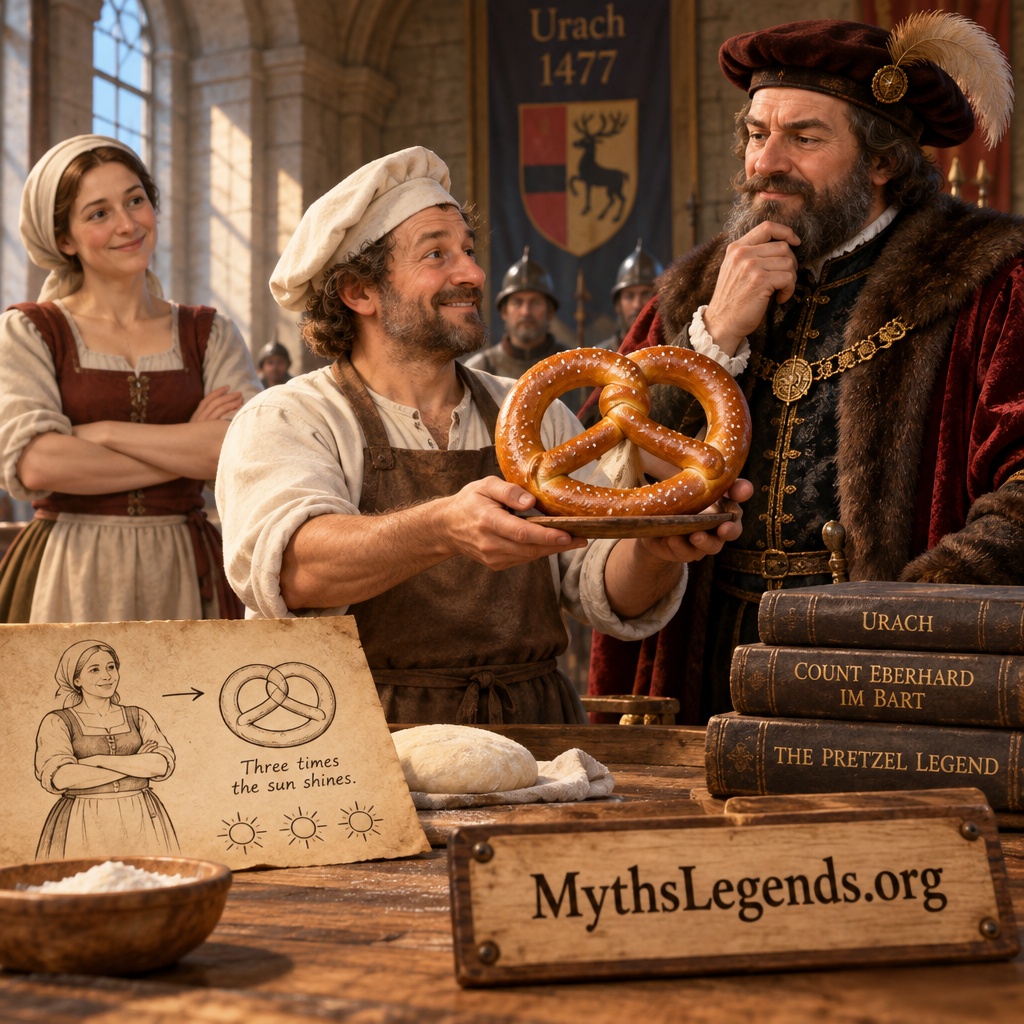
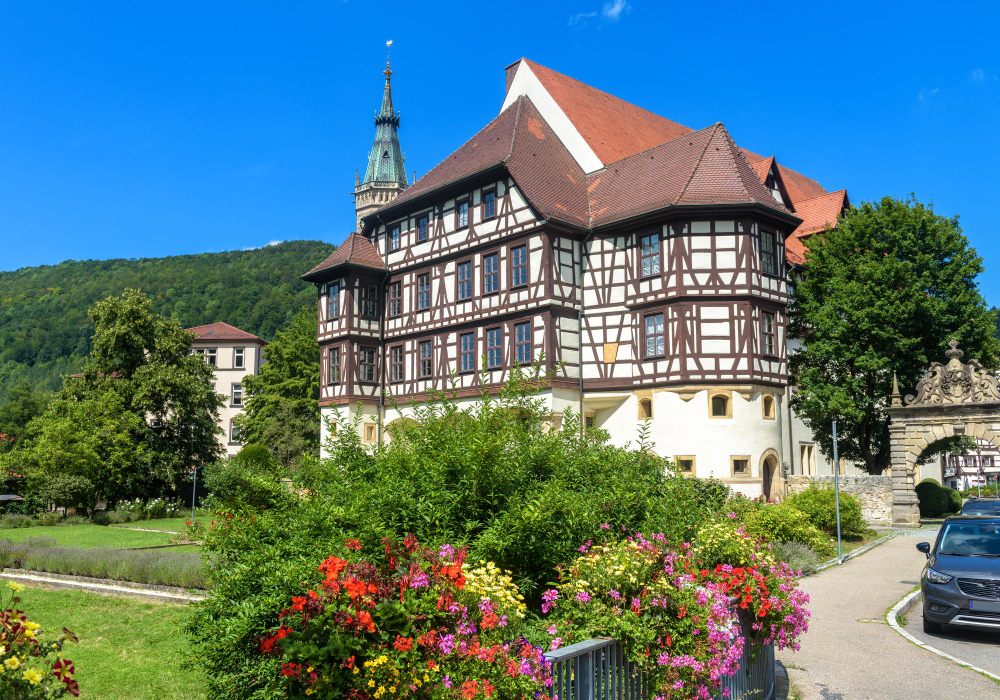
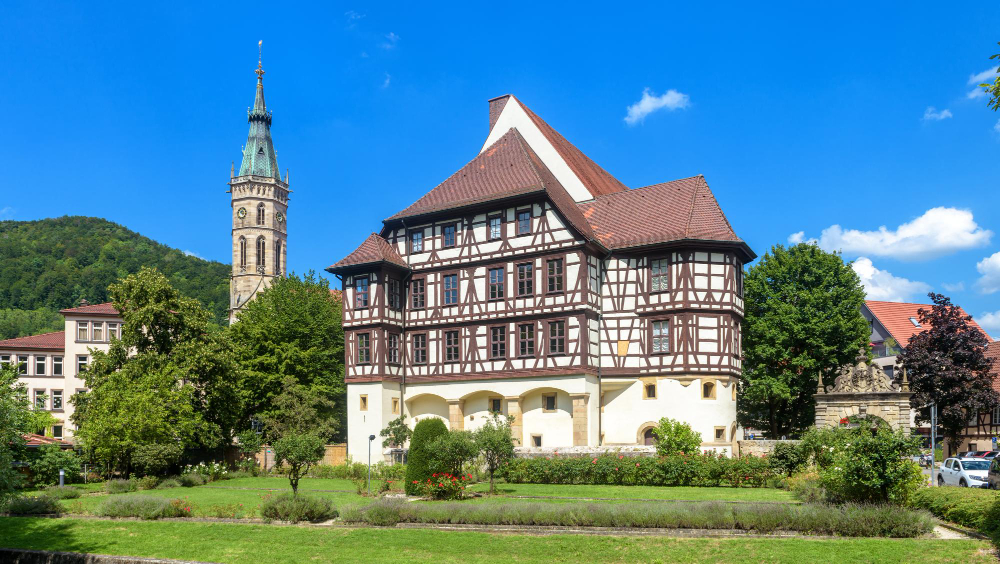
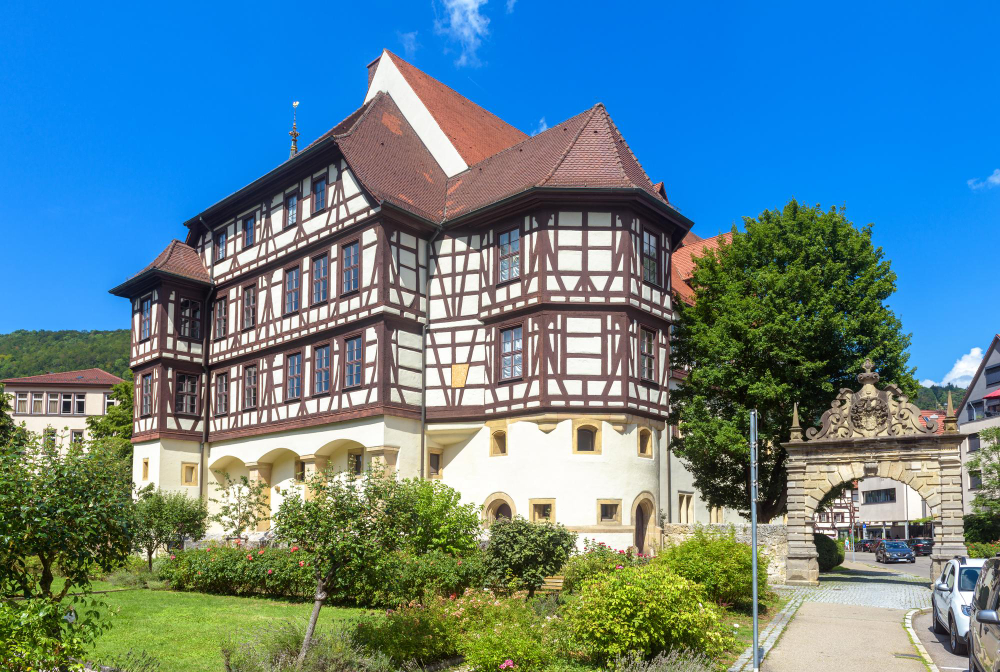
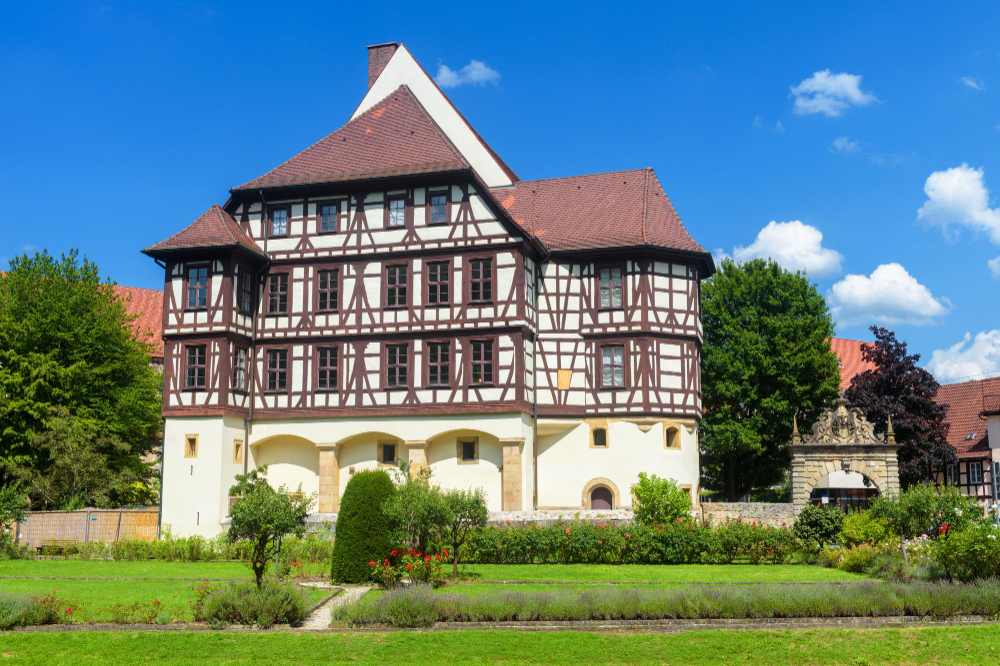
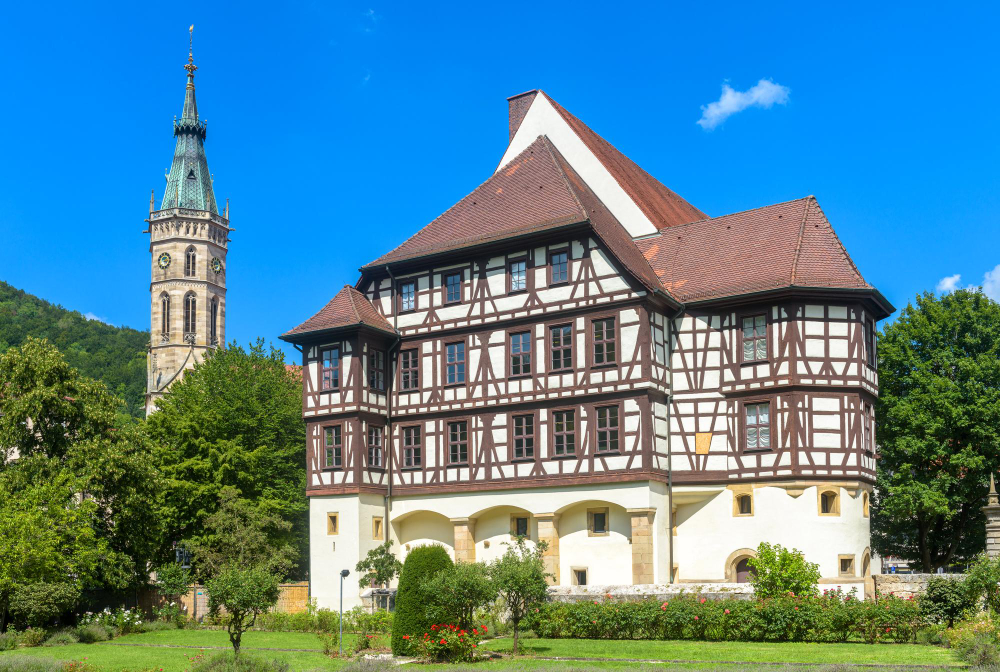
The Legend of Its Invention: Urach Palace in 1477 – Arguably the best-known legend regarding the origins of the pretzel takes us back to the year 1477 to Urach, a small town in what is now Baden-Württemberg, which was once the seat of a powerful local ruler: Count Eberhard im Bart. Here worked a court baker named Frieder, whose fate is said to be closely linked to the history of the pretzel. According to tradition, Frieder fell out of favour – possibly due to poor baking results or some other serious mistake – and was therefore sentenced to death. Yet the stern count recognised his court baker’s talent and granted him one last chance: within three days, Frieder was to create a new pastry – something ‘through which the sun shines three times’. This seemingly poetic task gave the baker one last glimmer of hope for salvation. What else does the legend say? Inspiration came from a completely unexpected moment of despair: Frieder’s wife stood before her husband with her arms crossed. Her posture impressed him so much that he imitated this shape with dough – three ends intertwining in the middle to form a loop, similar to his wife’s arm position. This is how the typical shape of the pretzel came into being. This new pastry impressed the count so much that he pardoned Frieder – the pretzel’s characteristic shape, and with it the symbol through which ‘the sun shines three times’, was born. This romantic origin story is widely told today, although the exact origin of the pretzel is probably older and more complex.
The origins of the pretzel: what do historical sources say? – Alongside the legend of Urach, historians have found evidence suggesting that the pretzel was already known in the early Middle Ages. The word ‘Brezel’ itself derives from the Latin term ‘bracellus’, meaning ‘little arms’ or ‘arm bases’ – a reference to the pastry’s characteristic shape. The earliest documented depictions of similar pastry shapes date back to the 7th century amongst monks in European monasteries. There, the pretzel was used as a religious symbol for prayer: the intertwined arms symbolise the clasped hands in the prayer position. The three holes in the pretzel are said to represent the Holy Trinity, a meaning that has accompanied the pastry throughout the centuries. In the Middle Ages, the pretzel also served as a reward for children who had displayed good table manners or performed particularly pious deeds. In some regions, schoolchildren were given a pretzel on Sundays, a custom that still characterises parts of Germany to this day.
The lye process: a culinary innovation – From a scientific perspective, the lye pretzel is not simply a piece of wheat bread, but a masterpiece of the art of baking. Its distinctive feature lies in the so-called lye process: before baking, the shaped dough pieces are briefly dipped in a sodium or potassium lye solution. This treatment triggers a chemical reaction on the surface of the dough, resulting in its characteristic dark colour and glossy appearance. The lye recipe has probably existed since the 19th century and was first systematically used by bakers in southern Germany. This alkaline treatment alters the pH value of the surface, delays the Maillard reaction (a type of browning process that occurs during baking) and ensures the pretzel’s distinctive flavour and firm, crispy crust. The use of lye in food production is now strictly regulated and carried out to the highest hygiene standards. As a result, the lye pretzel is not only a culinary delight but also a prime example of traditional craftsmanship that combines modern technology with food safety.
Regional diversity and global popularity – Although the pretzel is thought to have originated in southern Germany, similar baked goods are also found in other parts of Europe. For example, there is the ‘Bretzel’ in France, the ‘Brezn’ in Austria, and even related varieties in Scandinavia. Yet nowhere is the pretzel so deeply rooted in everyday life as in Germany. In Bavaria and Swabia in particular, the pretzel is more than just a snack – it is part of the culture and identity. There, it is often eaten with white sausages and sweet mustard, or served as an accompaniment to beer at the traditional Oktoberfest. It has also become firmly established in other regions: in Franconia, people enjoy the ‘Fränkische Brezn’ with its distinctive crispiness, whilst in the Rhineland the pretzel is often baked to be soft. Internationally, the pretzel has found a home particularly in the USA, where it has developed its own variations, such as the ‘soft pretzel’, which is especially popular in cities with a strong tradition of German immigration. Modern bakeries are now experimenting with sweet fillings, chocolate coatings and vegan doughs to further develop the traditional recipe.
The pretzel as a cultural symbol – Over the centuries, the pretzel has long since become an important symbol. It stands for home, hospitality and the German baking tradition. Its characteristic shape appears in logos, coats of arms and works of art, and features in countless idioms and proverbs. One example is the well-known saying: ‘Everything has an end, only the pretzel has two.’ This is a humorous allusion to its typical shape with two ends, whilst also drawing a parallel with the reality of human life. Furthermore, the pretzel can be found at festivals, markets and in museums, where it is celebrated as part of our cultural heritage.
More than just a pastry – The lye pretzel – from its legendary origins at Urach Castle, through the medieval monastery, to the modern bakery – is a symbol of creativity, tradition and indulgence. Behind every crispy, salty knot lies centuries of history, cultural significance and artisanal skill. Thanks to its versatility and distinctive flavour, the pretzel has gained fans worldwide without losing its regional roots. Anyone enjoying a pretzel today is holding a piece of living history in their hands that has endured for generations.










Post Comment