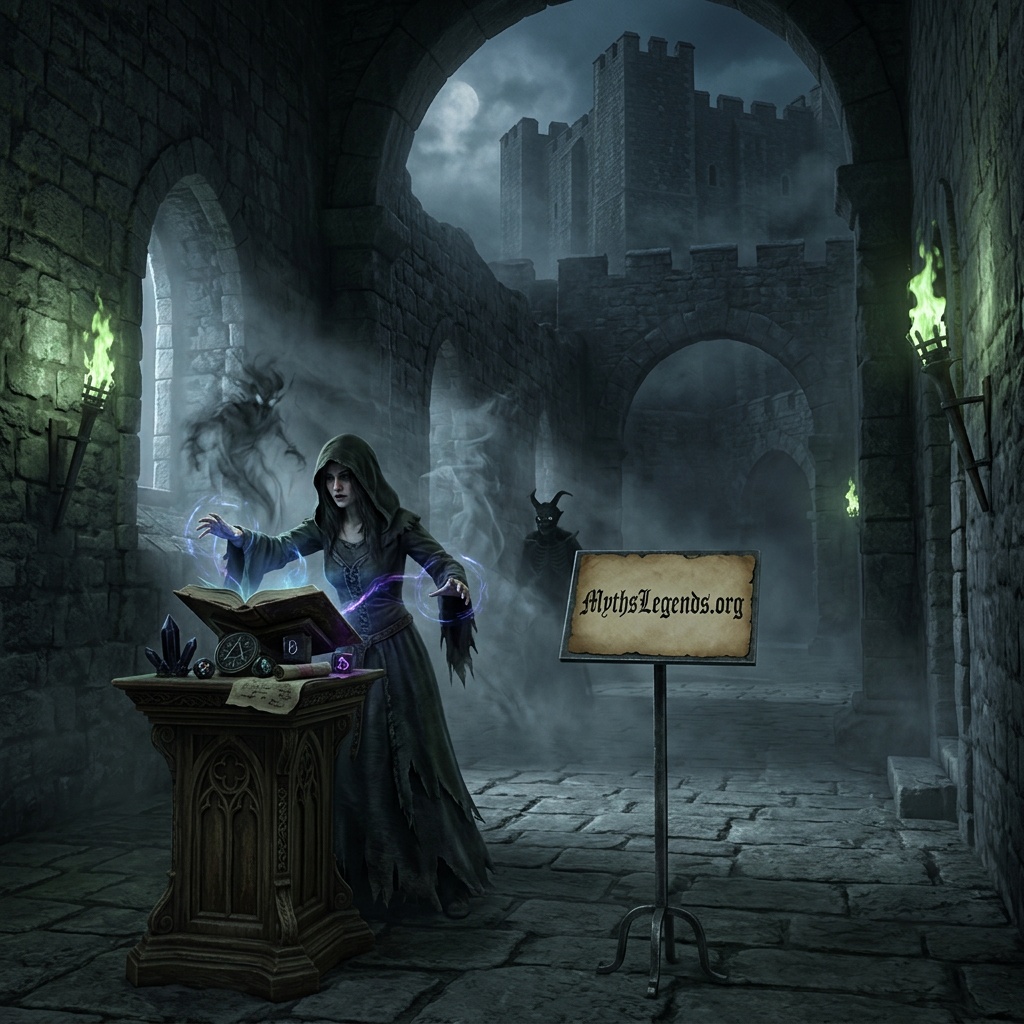
The Dark Legend of Dover Castle: Witchcraft and Betrayal in the Story of Duchess Eleanor Cobham
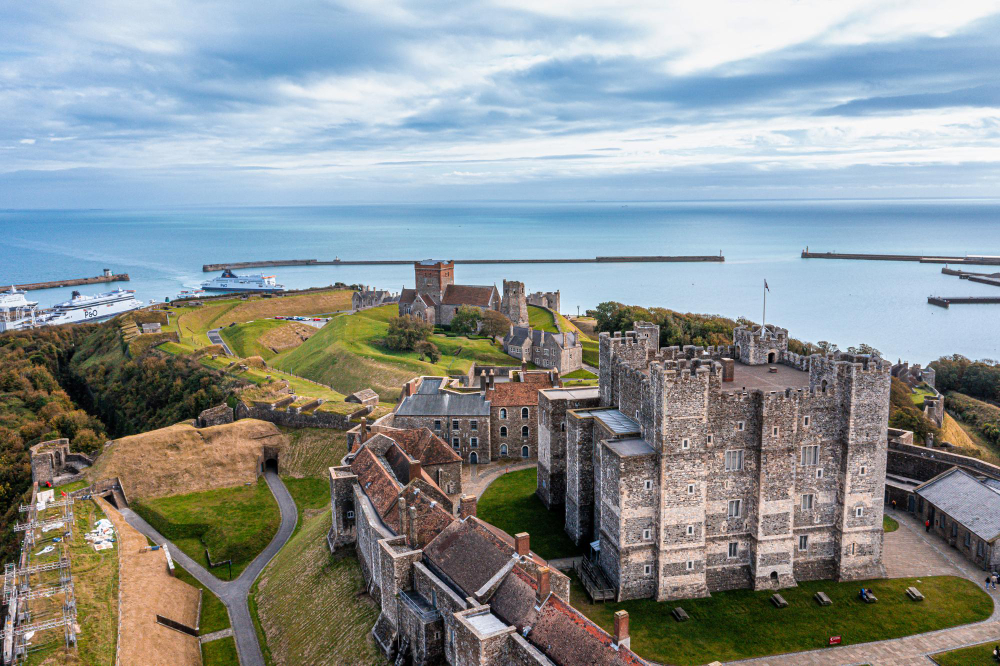
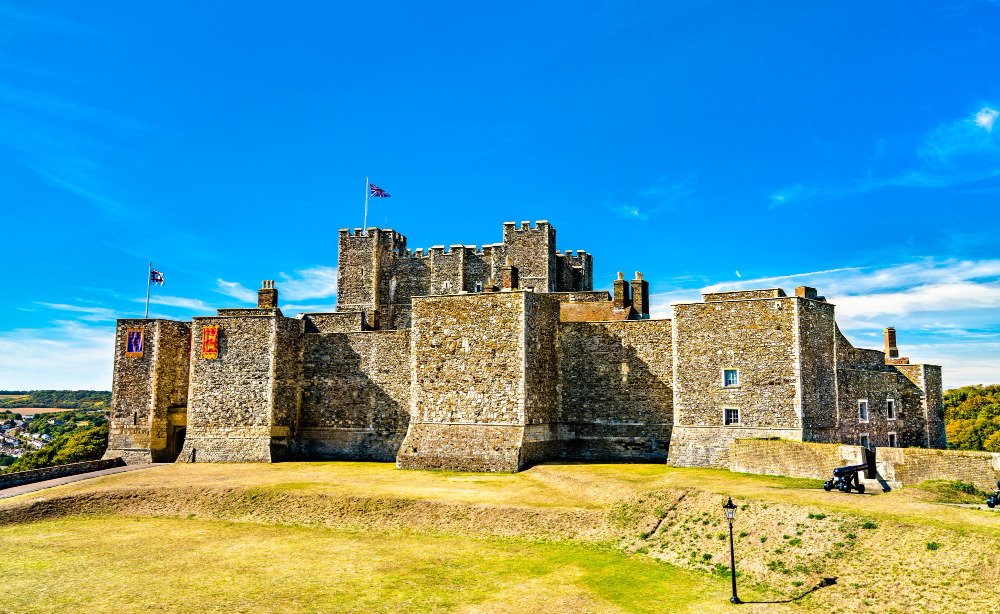
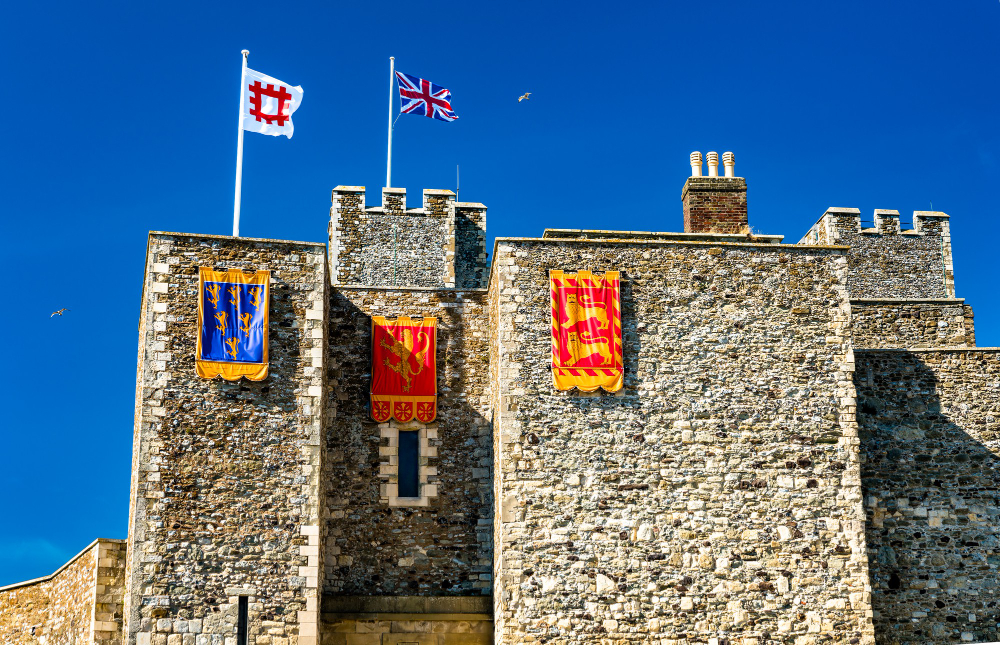
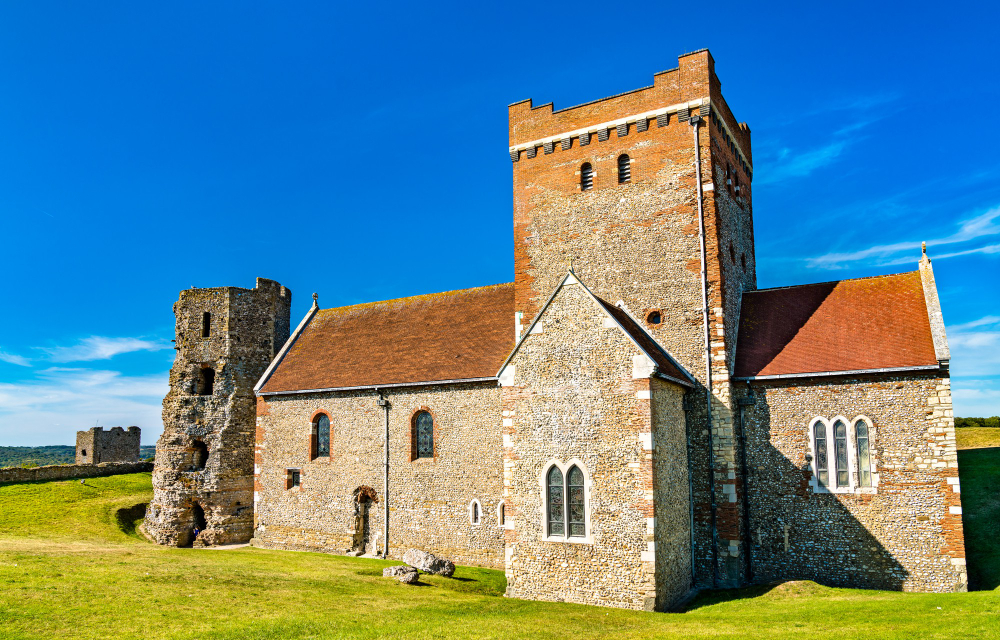
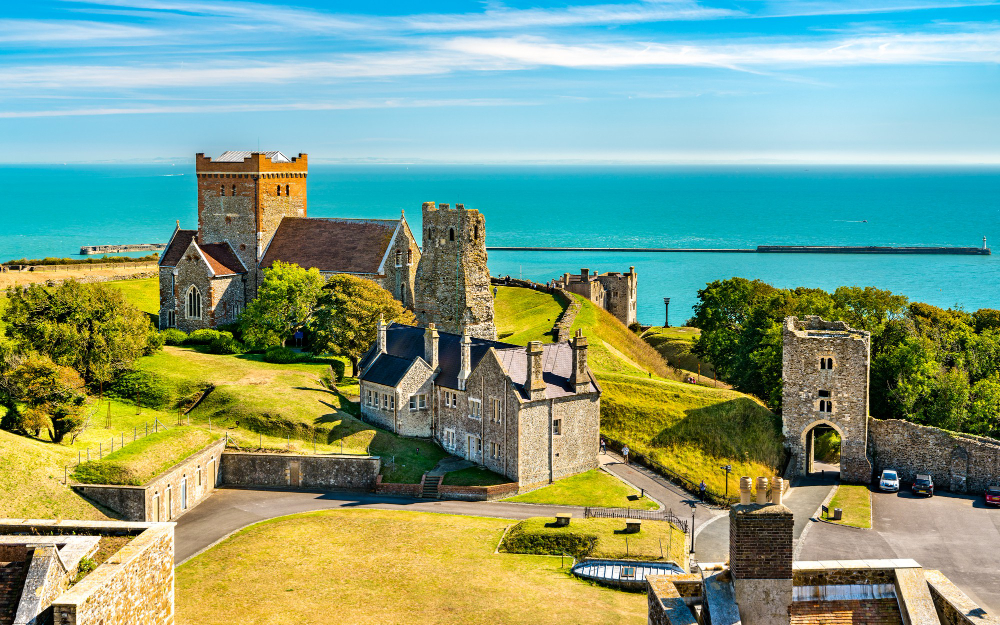
Perched high on the cliffs of Kent, Dover Castle is a place steeped in history, power, and mysticism. Over the centuries, this mighty fortress has witnessed countless stories, though not all of them are marked by glory or heroism. A particularly grim episode in the castle’s history dates back to the 15th century, when the ambitious and intelligent Eleanor Cobham, Duchess of Gloucester, was accused of witchcraft. These accusations would not only change the noblewoman’s life forever but also leave a chilling chapter in the legends surrounding Dover Castle.
The Enigmatic Figure of Eleanor Cobham – Eleanor Cobham was originally a lady-in-waiting at the court of King Henry VI, whose beauty and charm earned her respect in the highest circles of society. Her meteoric rise began when she became the mistress and later the wife of Humphrey, Duke of Gloucester—one of England’s most powerful men and brother of the late King Henry V. Their marriage symbolized both social advancement and political influence, as Humphrey was not only a member of the royal family but also Lord Protector during Henry VI’s minority. Nevertheless, Eleanor’s reputation remained perpetually shrouded in rumors and intrigue. As a strong-willed woman of keen intelligence, she was often portrayed as manipulative, while her ambitions aroused envy and suspicion among courtiers and rivals. Yet it was one accusation that would ultimately destroy her life: witchcraft.
The Fatal Accusation and the Dark Ritual – It all began in 1441, when Eleanor Cobham, along with several astrologers and so-called “sorcerers,” was suspected of plotting a conspiracy against King Henry VI. According to the charges, she had enlisted the services of the astrologer Roger Bolingbroke and other occult experts to predict and bring about Henry’s death through a magical ritual. It was alleged that she had attempted to weaken him by magical means, possibly to pave a more direct path to the crown for her husband, the Duke of Gloucester. This suspicion was enough to put the English royal family on high alert. The accusations grew more serious when it was claimed that she had actively conspired with sorcerers to draw up a detailed astrological forecast for Henry’s future—a deeply heretical act in the eyes of the contemporary church and society. The consequences were not long in coming. Eleanor was arrested and put on trial, along with her alleged co-conspirators.
The Trial and the Cruel Punishment – The show trial that followed was as public as it was scandalous. Eleanor was found guilty of high treason and witchcraft, although many historians still speculate today whether the evidence was actually sufficient or whether she fell victim to political intrigue. Her husband Humphrey, himself powerless against the power struggles at court, was unable to protect her and eventually lost his influence as well. Eleanor’s punishment was brutal and humiliating. She was forced to make several public penance processions through London, holding a burning candle in her hand and wearing a white robe that displayed her guilt. These humiliations, however, were only the beginning of her downfall. She was subsequently sentenced to life imprisonment and imprisoned in various castles, including Dover Castle.
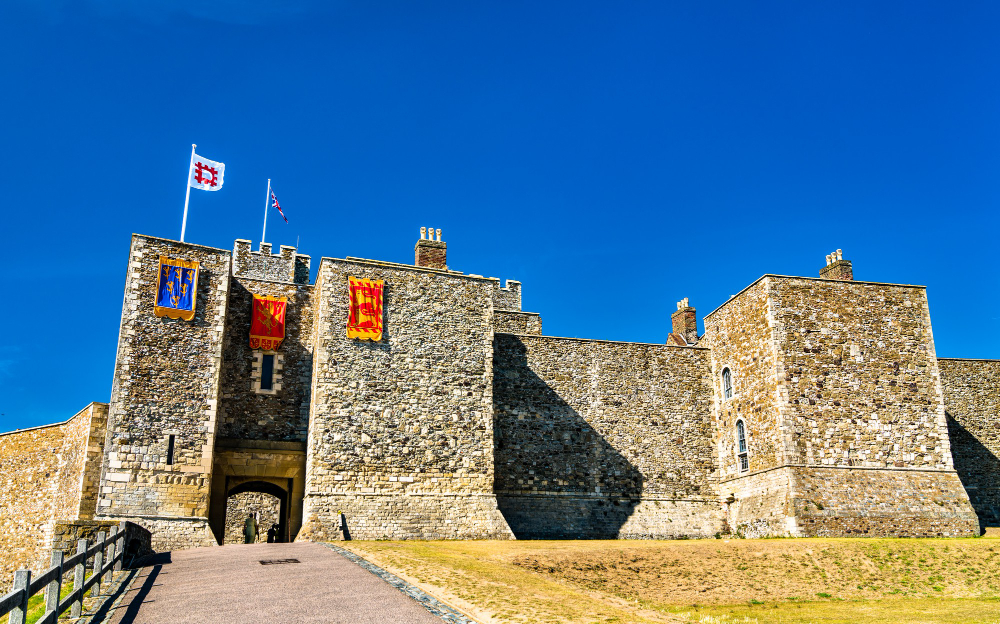
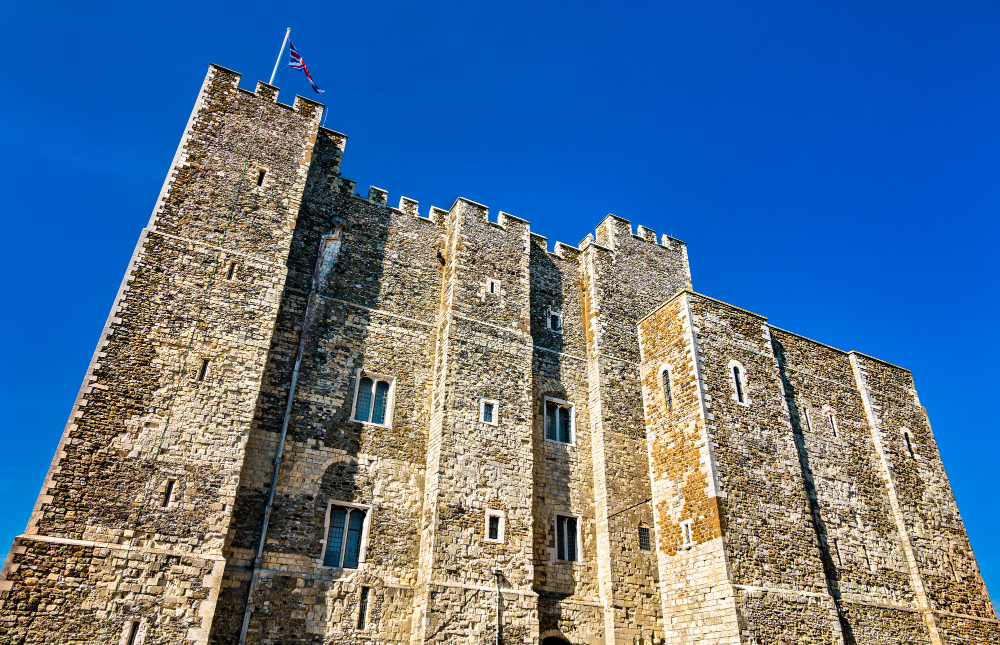
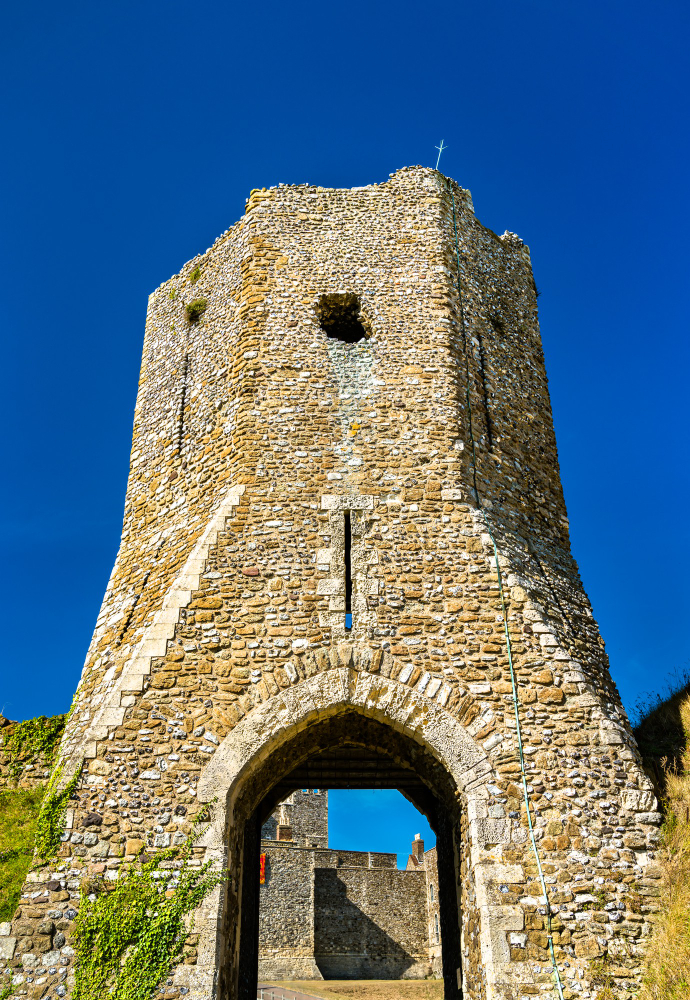
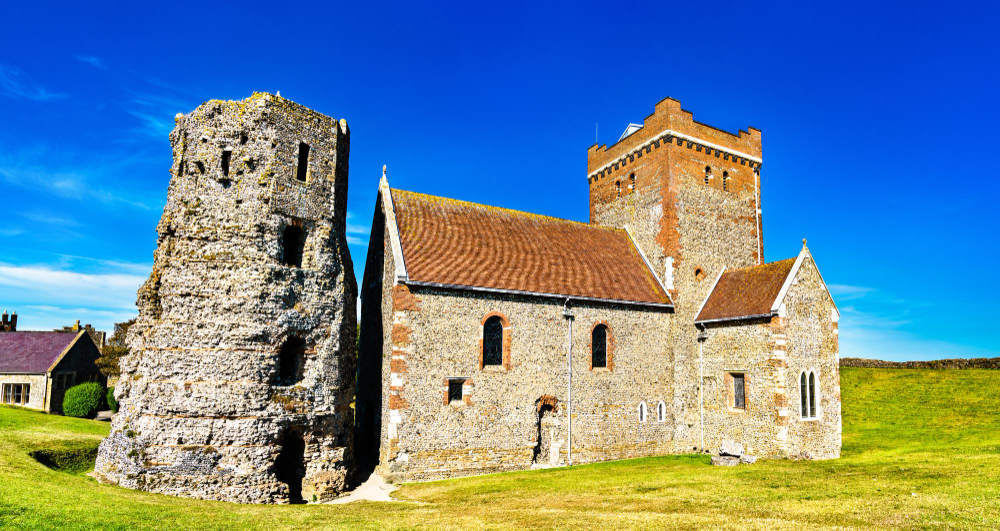
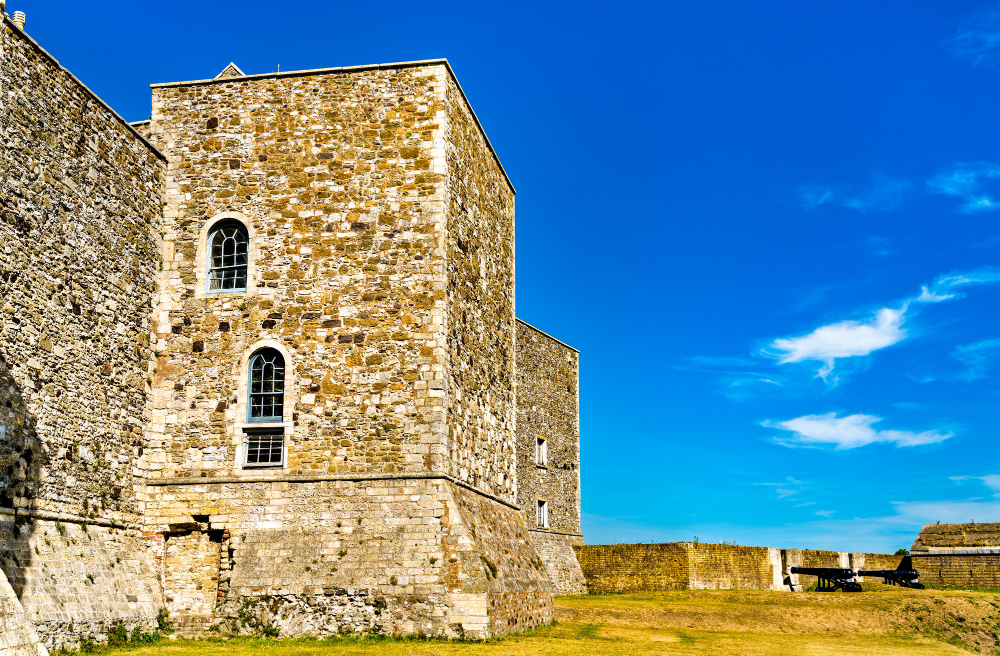
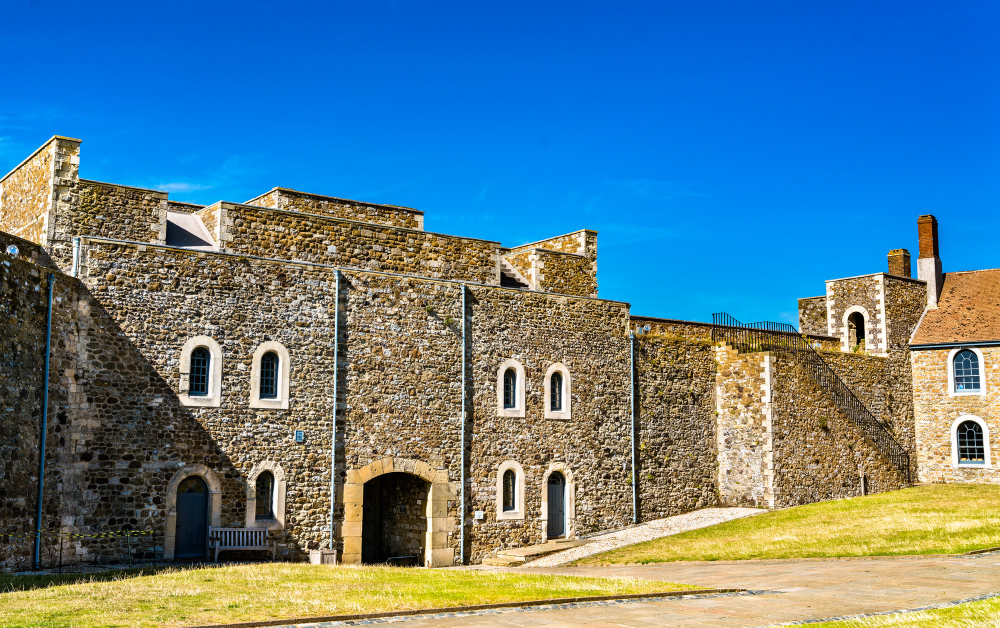
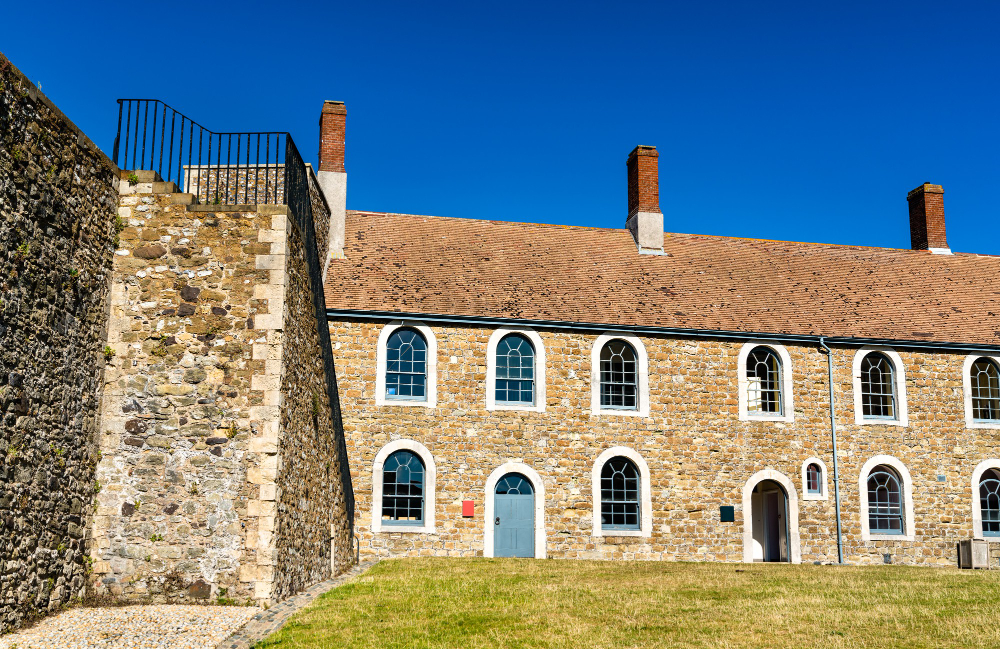
The Dark Shadows Over Dover Castle – Dover Castle, already an imposing fortress at the time, thus became the scene of a dark mystery that has lived on in local legends and folklore to this day. It is said that during her imprisonment in the castle’s dark vaults, Eleanor swore revenge—not only against her accusers, but also against the kingdom that had betrayed her. At night, her ghost is said to still wander through the castle’s stone walls, trapped between worlds, driven by anger and despair. Visitors report unusual phenomena: mournful wails, inexplicable chills, and the feeling of being watched when they enter the dungeons or the oldest parts of the fortress. The castle thus carries the eerie aura of a restless soul who never received justice.
Historical Perspective or Superstition? – The story of Eleanor Cobham clearly illustrates how widespread the fear of witchcraft and the occult was in medieval Europe. Women who stood out from the crowd through intelligence, ambition, or political influence often became targets of accusations that could prove dangerous to them. Yet in the case of Dover Castle, historical reality blends with a spine-chilling legend that captures the interest of historians and mythologists alike. Some experts believe that Eleanor’s case had less to do with actual witchcraft and was instead aimed at politically weakening her husband, the Duke of Gloucester. Humphrey was an influential figure at the time who may have posed a threat to other noble factions. Through his connection to Eleanor, he could be effectively discredited without taking direct action against him.
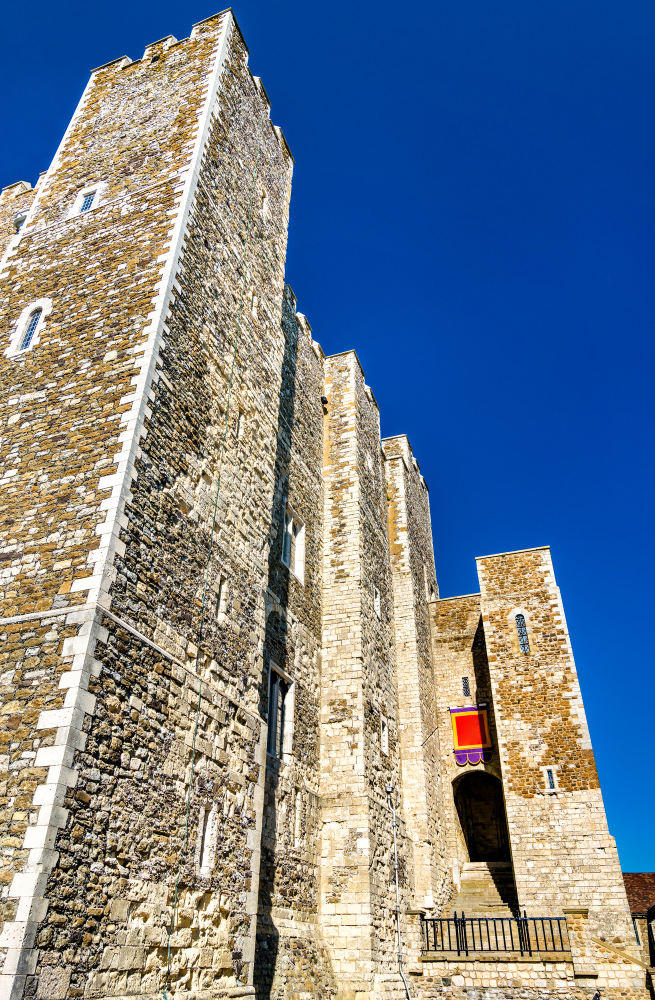
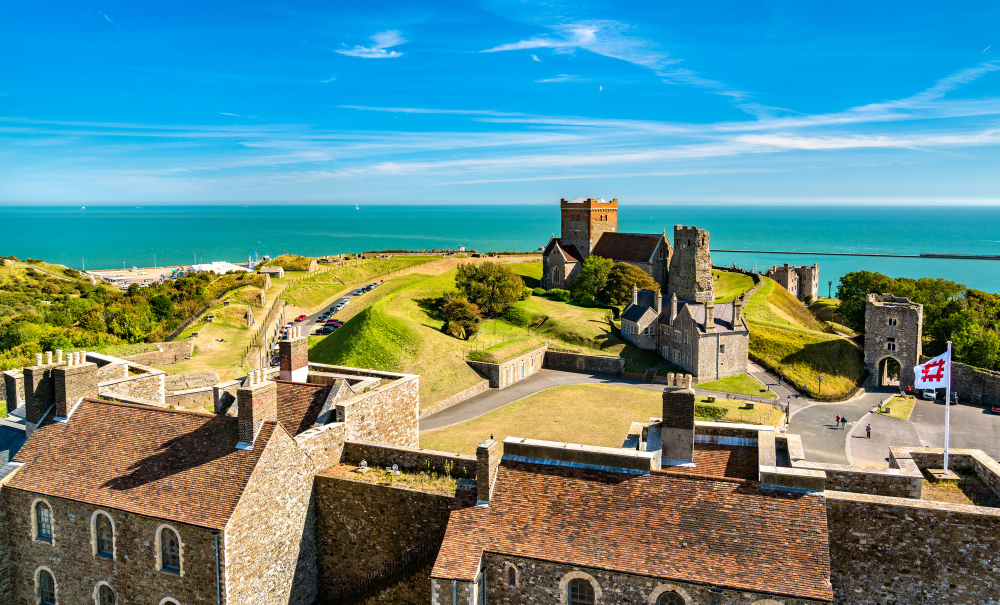
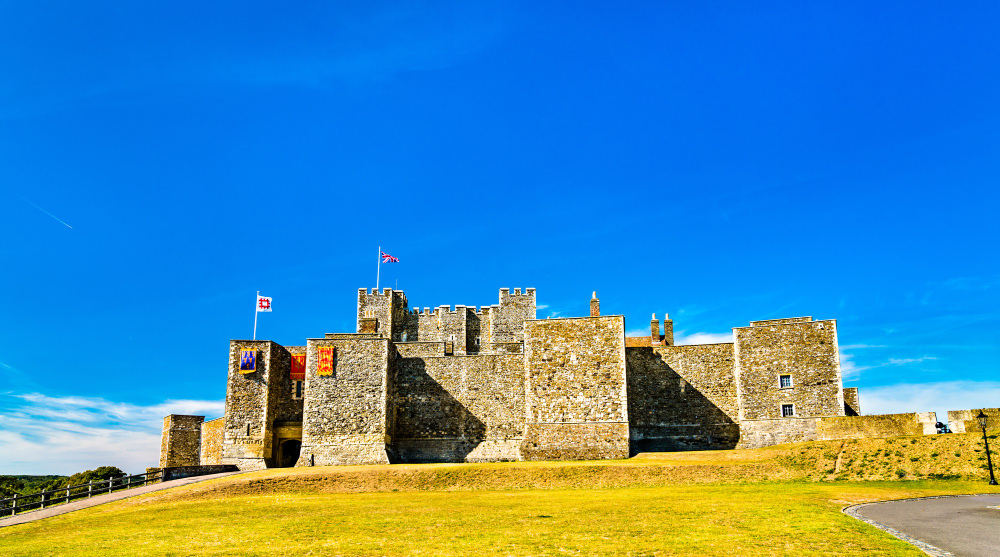
The Legend Lives On – Despite the historical debates, Eleanor’s story remains a particularly grim chapter in the chronicle of Dover Castle. For locals and visitors alike, the legend of the restless duchess is part of the mystery that surrounds the fortress. Today, Dover Castle is one of Britain’s most visited monuments, and it is not only its impressive architecture and strategic importance that draw people there, but also the eerie stories that swirl around its walls. Anyone brave enough to explore the castle’s lonely corridors on cold nights might just witness something that defies rational explanation. Is it just the cold wind whistling through the corridors? Or is it truly the ghost of Eleanor Cobham, still seeking vengeance?
The legend of Eleanor Cobham and the grim events surrounding Dover Castle shows how deeply rooted superstition and fear of the unknown are in human nature. While the witch trials of the Middle Ages were often based on mere speculation and intrigue, they nevertheless left lasting scars on the individuals involved and on history. Dover Castle, on the other hand, remains a testament to this past—a place where reality and myth merge. Whether Eleanor Cobham actually planned the sinister schemes for which she was convicted, or whether she was merely a victim of the power struggles of her time, remains uncertain. What is certain, however, is that her story continues to fascinate people and weaves a spine-chilling mystery around the ancient castle that still captures the imagination today.





Post Comment