Sagunto: A fortress that made history
The town of Sagunto, situated in the province of Valencia in eastern Spain, looks back on a proud and eventful past. The imposing Sagunto Castle in particular – also known as the Castillo de Sagunto or Castell de Sagunt – bears witness to a long history marked by both glorious victories and devastating defeats. The legend surrounding this impressive structure dates back to 218 BC, when the town became the scene of a dramatic chapter in the Second Punic War.
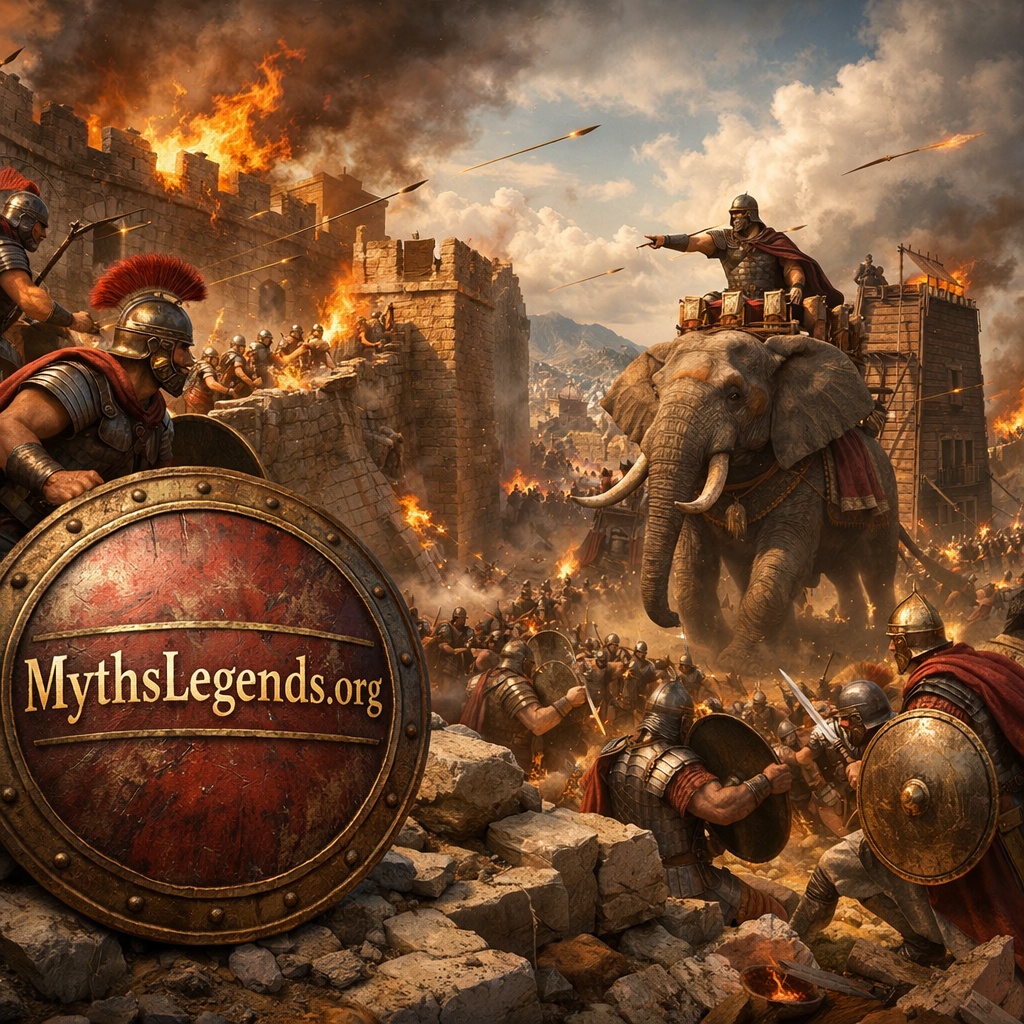
The Alliance with Rome and the Start of a Siege – Saguntum, as the town was known in ancient times, played a key role in the conflict between Rome and Carthage. At the start of the Second Punic War, the city formed an alliance with Rome, a move that would ultimately prove fateful. Hannibal, the famous Carthaginian general, regarded this agreement as a provocation. He saw Saguntum as a strategically important stronghold that had to be conquered in order to prepare for his subsequent campaign against Rome. The result was a protracted siege by Hannibal’s troops — an event recorded in the history books as one of the most dramatic of the era. The city’s inhabitants put up a valiant resistance and defended their walls with all their might, but the Carthaginians’ superiority was simply too great. Eventually, the city fell under the besiegers’ fierce attacks. This incident is often cited as one of the triggers of the Second Punic War, as Rome subsequently intervened in the conflict to secure its influence in the region.
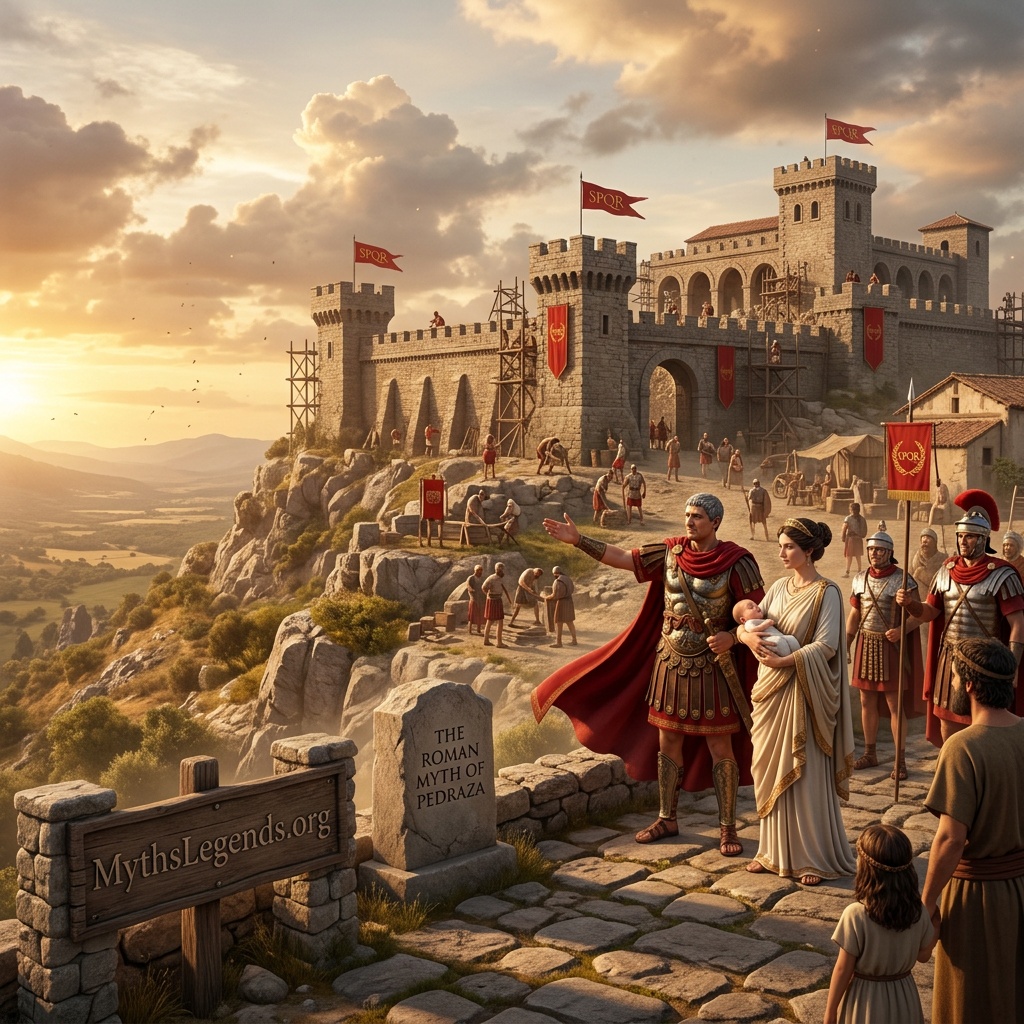
Reconstruction under Roman leadership – Following its destruction by Hannibal and his army, Saguntum initially lay in ruins, but the Romans did not abandon the city. Following the victory over Carthage and the reconquest of the region, a new era began for Saguntum. The Romans promoted its reconstruction and placed particular emphasis on developing the city into an economic and cultural centre. Saguntum soon developed into one of the most important cities of the Roman Empire in Spain. Many archaeological remains from this period still bear witness to its former importance, including magnificent structures such as the Theatre of Sagunto. Built in the first century AD, it is considered one of the best-preserved Roman theatres in Spain. The cultural heyday the city experienced under Roman rule stands in stark contrast to the horrors of the preceding siege by Hannibal.
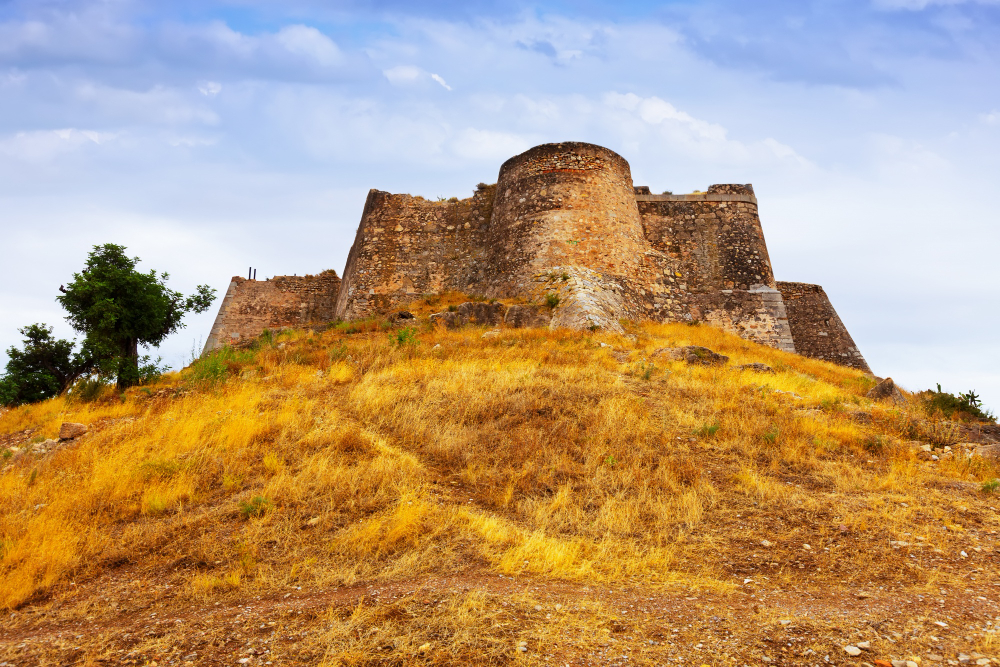
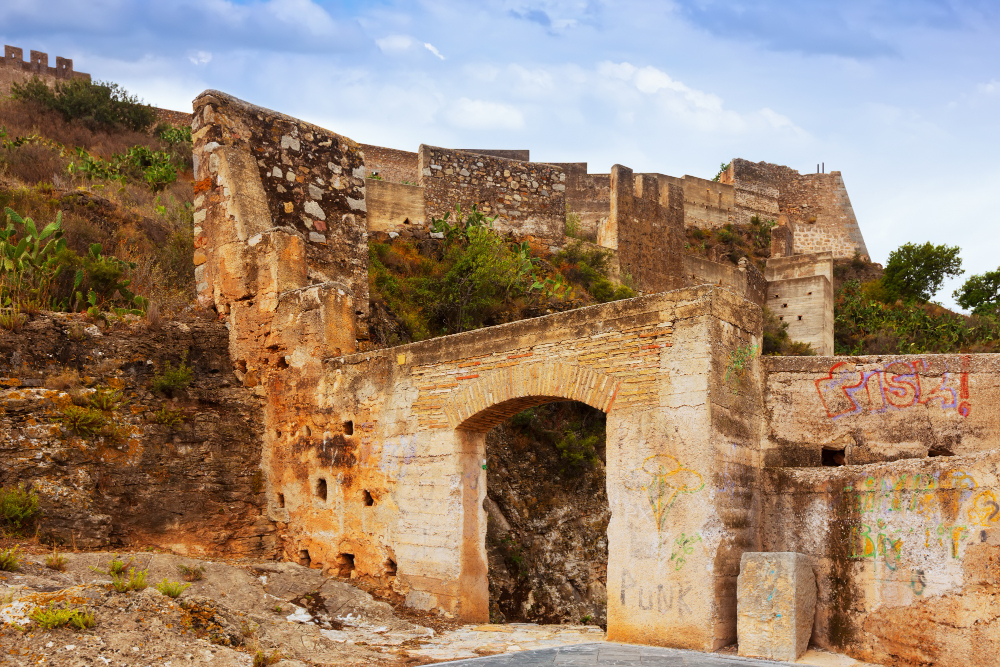
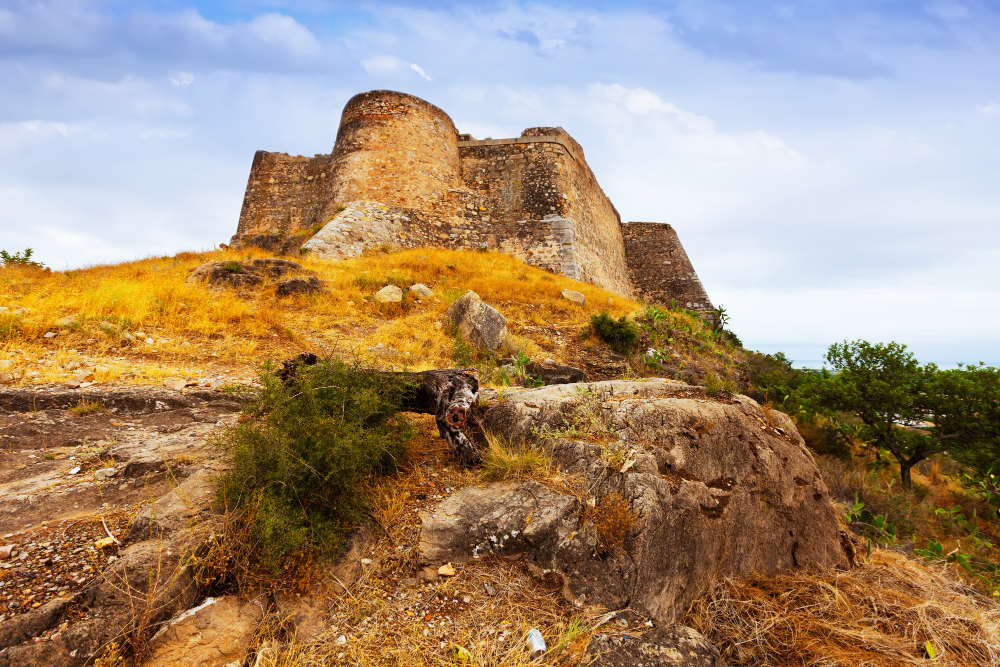
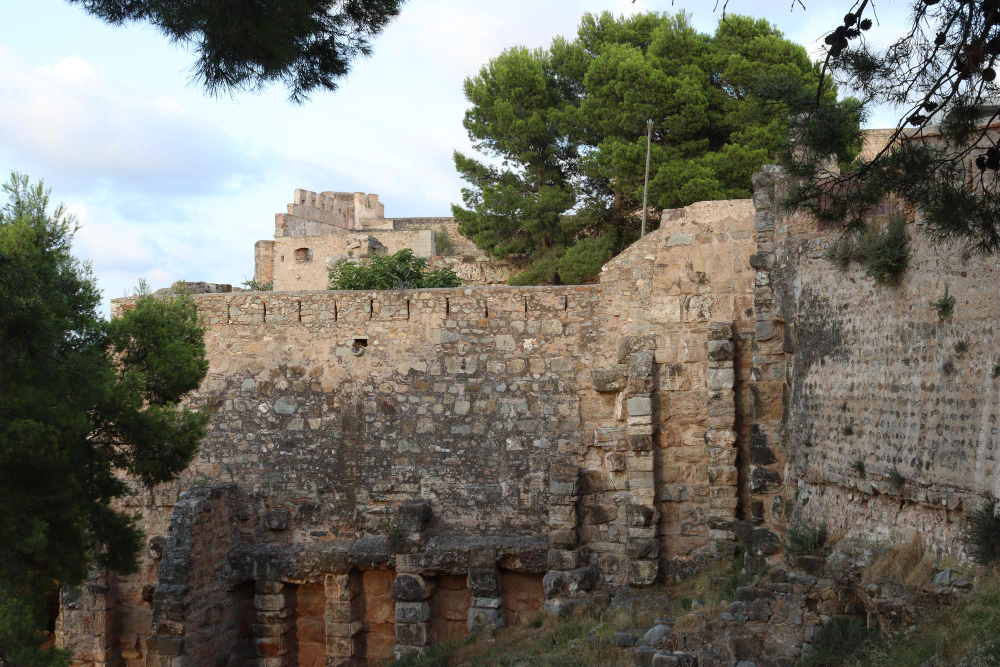
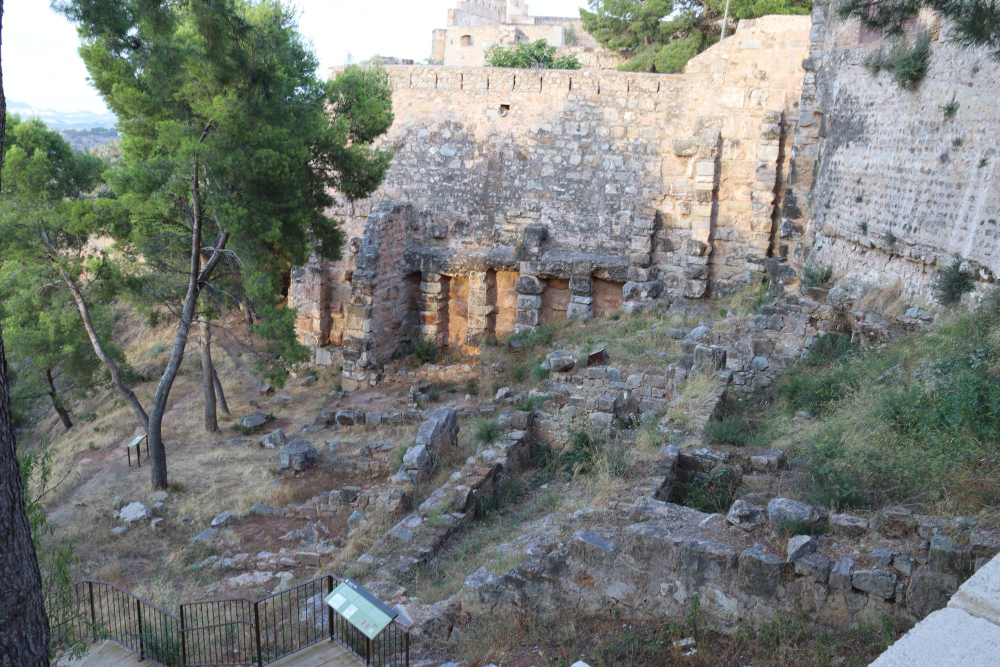
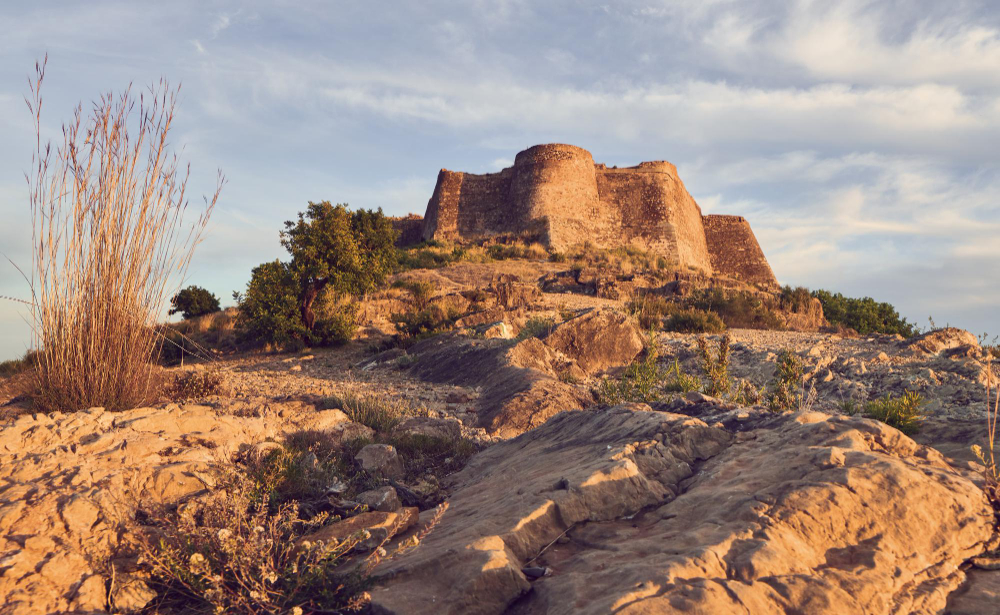
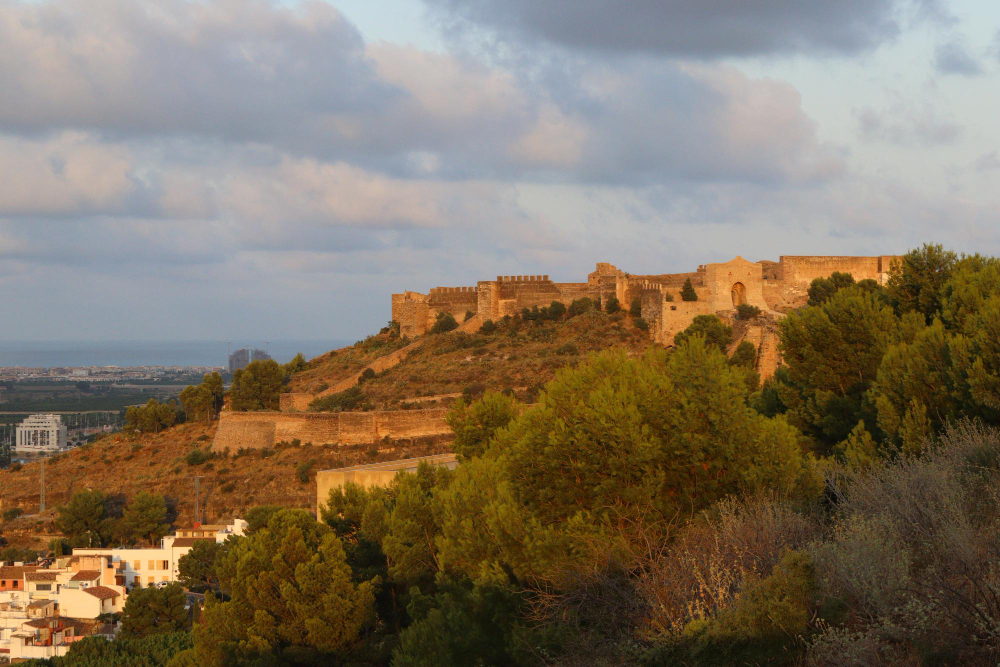
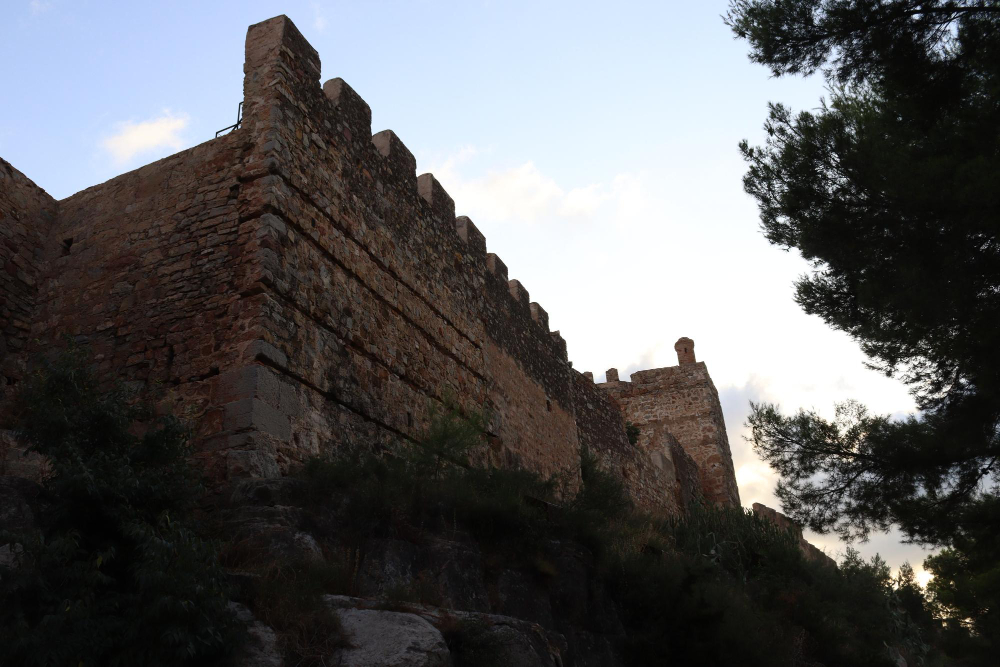
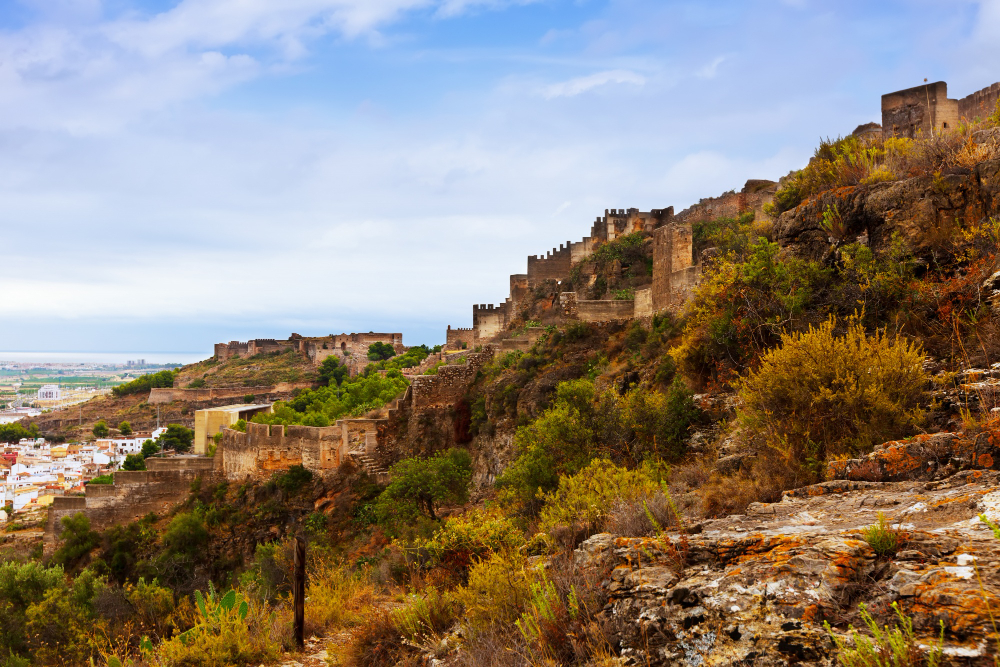
The Fortress as a Witness to History – Sagunto Castle itself has witnessed countless historical events and bears the marks of many eras. It stands enthroned on a hill above the town, offering an impressive panoramic view of the surrounding area. Its strategic location made it an important defensive stronghold for centuries, one that was repeatedly used and expanded by various cultures. Today, the fortress comprises several sections built at different times. As a result, visitors can discover Roman, medieval and Moorish elements there. During Moorish rule, which began in the early Middle Ages, many of the original Roman structures were altered and adapted to the military requirements of the new era. Particularly striking are the thick walls and towers that surround the hill. This architectural design made the fortress virtually impregnable and turned it into a symbol of resistance — a symbol that recurs throughout the town’s history.
The cultural and tourist value of Sagunto – Today, the fortress of Sagunto is not only a historical monument but also a popular destination for tourists and culture lovers. Its rich historical heritage makes it a unique place where one can immerse oneself in the past. Visitors can explore the various areas of the fortress, admiring the different architectural styles and historical layers along the way. Furthermore, the area surrounding the fortress offers views of the beauty of the Valencia region. The picturesque landscape, with its vineyards and olive groves, enhances the special atmosphere of this place and attracts numerous visitors every year. The town itself also has much to offer, with its Roman theatre, the old town and the nearby beaches. For years, the local council has been working to preserve and develop the fortress and its surroundings. Regular restoration work ensures that this cultural heritage remains accessible to future generations. Furthermore, there are a variety of events that bring the castle’s historic ambience to life, such as theatre performances in the Roman theatre or historical re-enactments.
Historical Significance and Enduring Legacy – The history of Sagunto and its fortress is far more than just a chapter in the past — it is a symbol of the resilience and cultural transformation of an entire region. By weaving together Carthaginian, Roman, Moorish and modern history, the town stands as a striking example of how history can build upon itself and continue to evolve. Every stone of the fortress tells a story; every section of the walls allows us to sense the challenges and triumphs of past generations. In particular, the events surrounding Hannibal’s siege and the subsequent Roman revival have secured the town a firm place in the history books. This dramatic episode illustrates just how closely the fates of cities and nations can be intertwined, and the role that courageous decisions can play — then as now. Today, Sagunto is a place where tradition and modernity come together in a unique way. Whilst the fortress and the old town tell stories stretching back millennia, the city’s streets and squares are filled with life and vibrancy. The people here not only preserve their cultural heritage but also create space for the future and innovation.
The Castillo de Sagunto is far more than a historic building — it is a living testament to the changing times and the ability to turn setbacks into new growth and prosperity. Whether as the scene of great battles, a hub of cultural activity or a popular tourist destination — Sagunto is and always will be a place brimming with inspiration and history. Anyone who visits this special place will quickly understand why it has been so significant over the centuries and continues to fascinate to this day. Sagunto, the city that made history, will always remain a symbol of strength, resilience and cultural diversity.







Post Comment