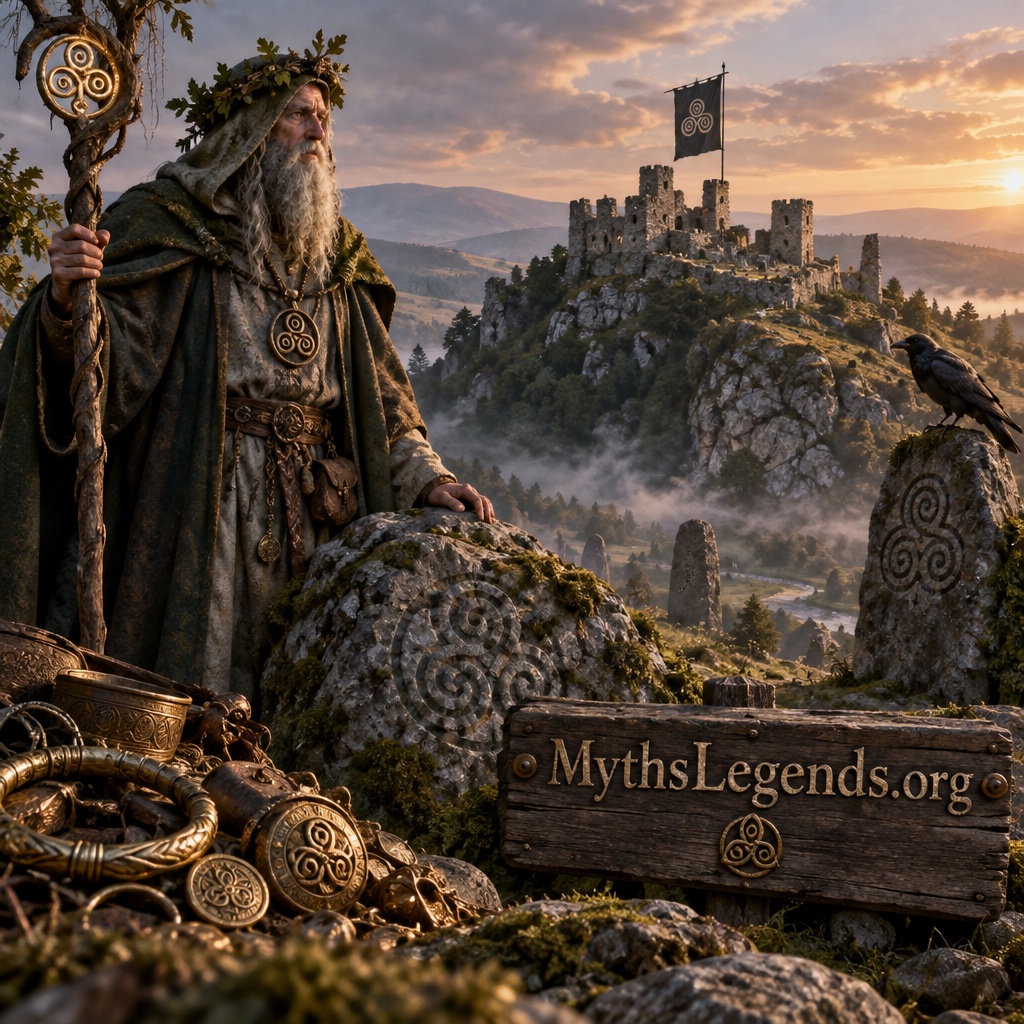
The Hidden Powers of the Druids: Magic, Wisdom and Myth in the Celtic World
Deeply rooted in the mists of European history and shrouded in a veil of myths and legends, the Druids stand as fascinating figures from a bygone era. Their wisdom, their ritual practices and their mysterious influence on Celtic society have lost none of their fascination to this day. Particularly intriguing is the connection between these magical priests and places such as Branč Castle in Slovakia, at the foot of which a Celtic fortification existed long before the medieval fortress was built. This historical tapestry of belief, power and legend paints a picture of the Druids as guardians of ancient knowledge and as mystical mediators between the visible and invisible worlds.
Who were the Druids? An overview – The Druids were a priestly caste within Celtic society who played a central role throughout much of Europe during the Iron Age and beyond. They acted as spiritual authorities, teachers, judges, healers and advisers to the chieftains. Their significance was not only religious in nature, but also political and social. Roman authors, such as Julius Caesar in his Commentaries on the Gallic War, describe the Druids as respected figures who wielded great influence over the public. However, their knowledge was passed down orally – written sources are largely absent, which makes it difficult to reconstruct their actual practices and leaves room for much speculation.
The World of the Druids: Faith, Magic and Science – At the heart of the Druidic faith lay nature, the cycles of the seasons and the spiritual life of the community. The Druids worshipped numerous deities from Celtic mythology, most of whom were associated with natural phenomena. Trees, particularly the oak, were regarded as sacred. Of particular significance was the role of the druids as intermediaries between the human world and supernatural forces. Rituals and ceremonies were often performed at sacred sites – so-called ‘Nemeta’, which frequently comprised forests, springs or distinctive rocks. The ‘magical’ aura of the druids was based not only on religion, but also on their deep understanding of nature. Historical accounts speak of their knowledge of medicinal plants and astronomy. Some researchers interpret this as early scientific insights presented in the guise of mysticism. Thus, the Druids were frequently seen as sorcerers whose abilities went far beyond the ordinary.
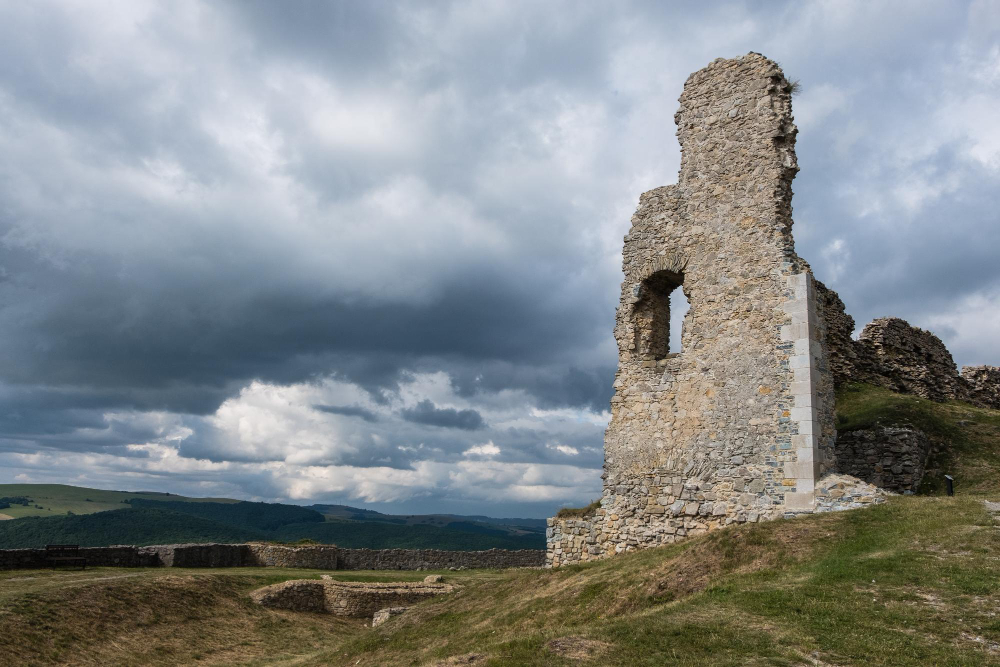
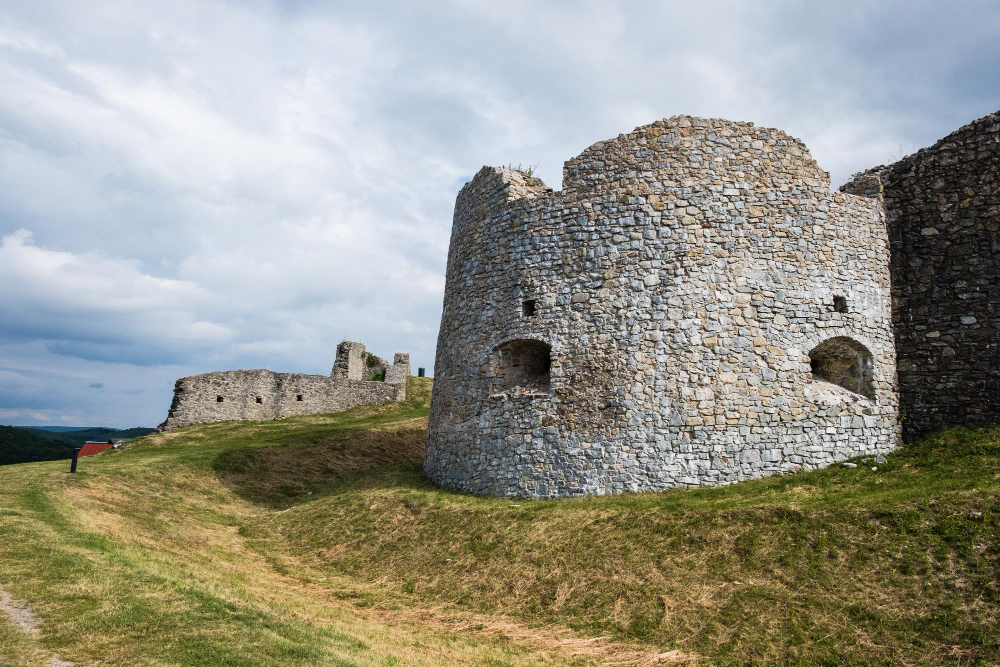
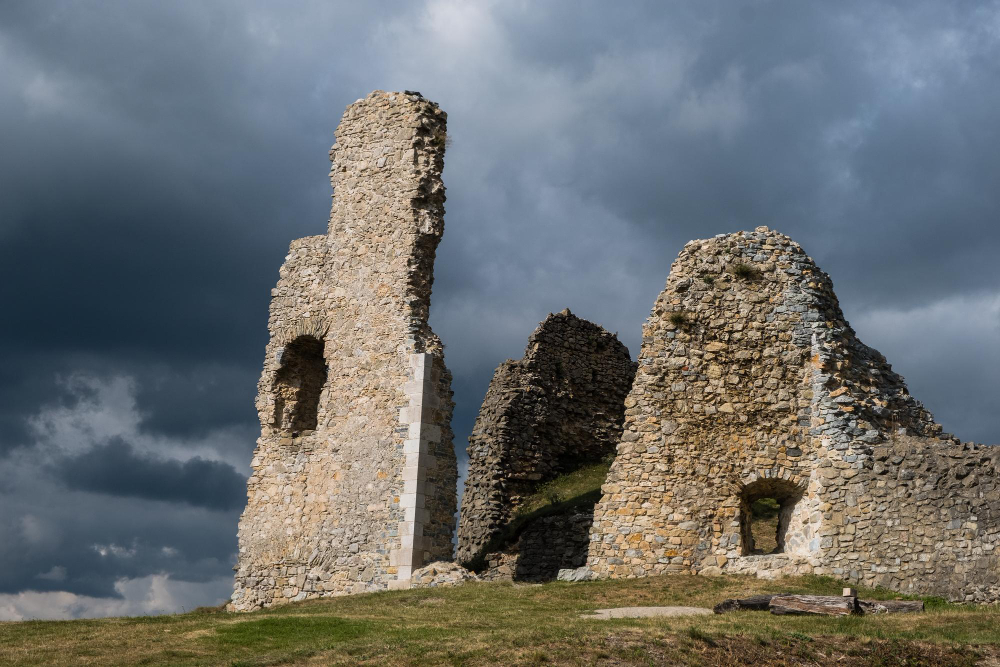
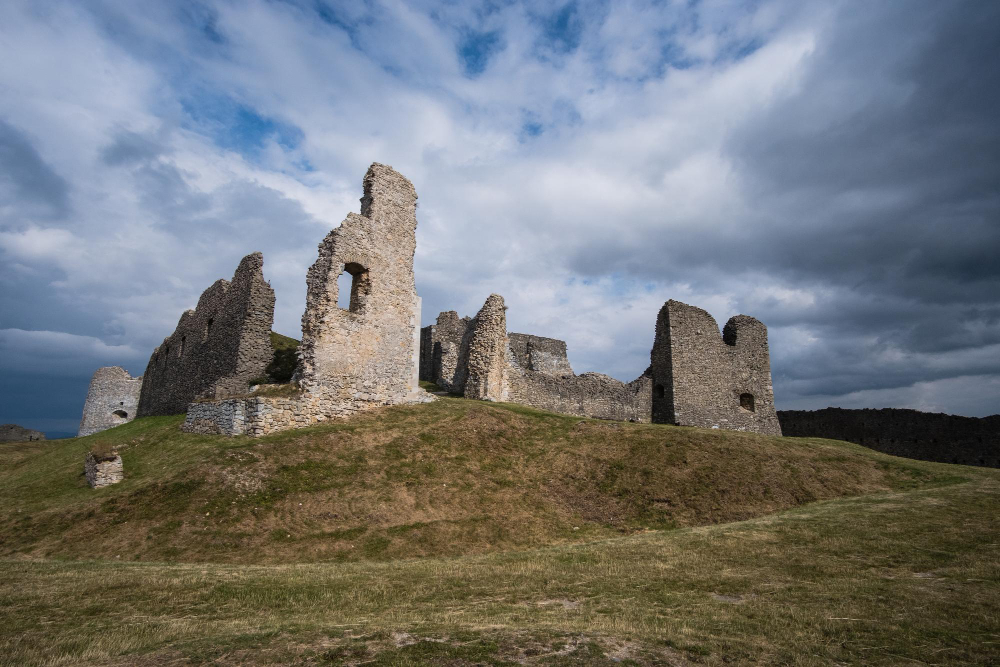
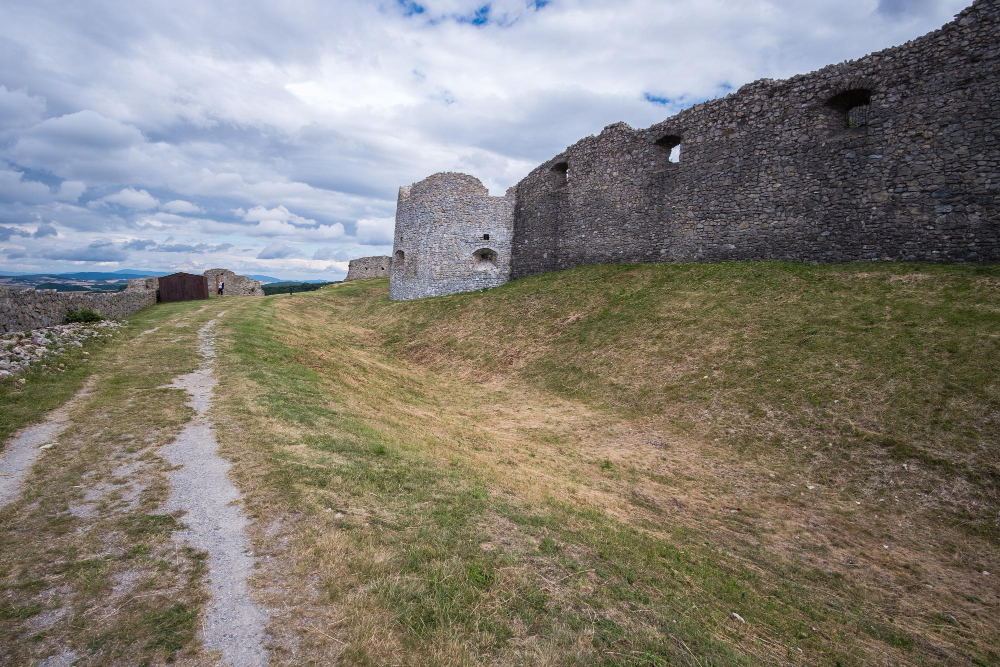
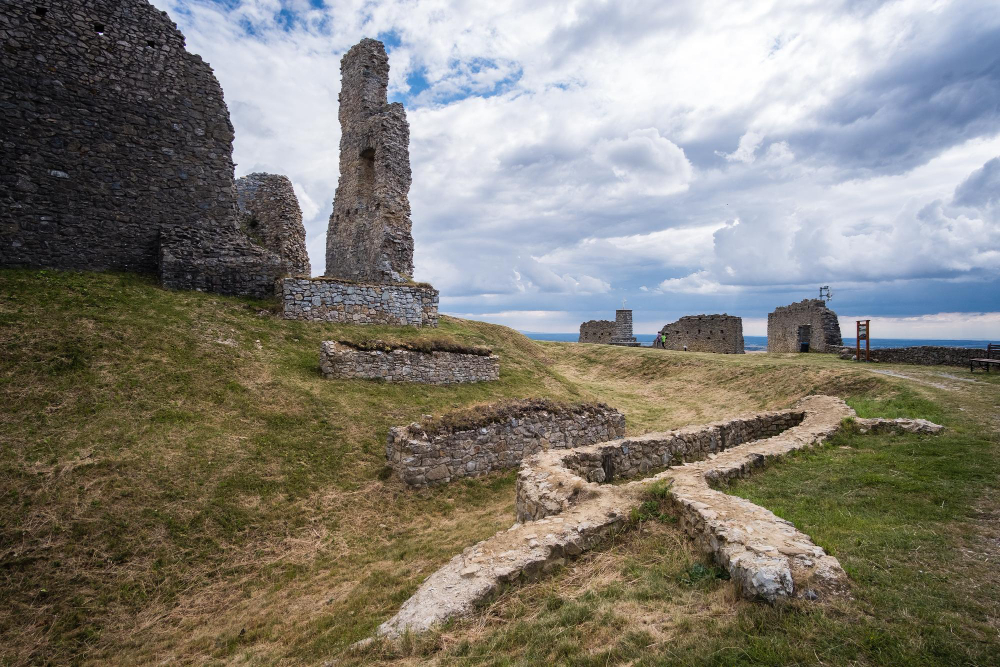
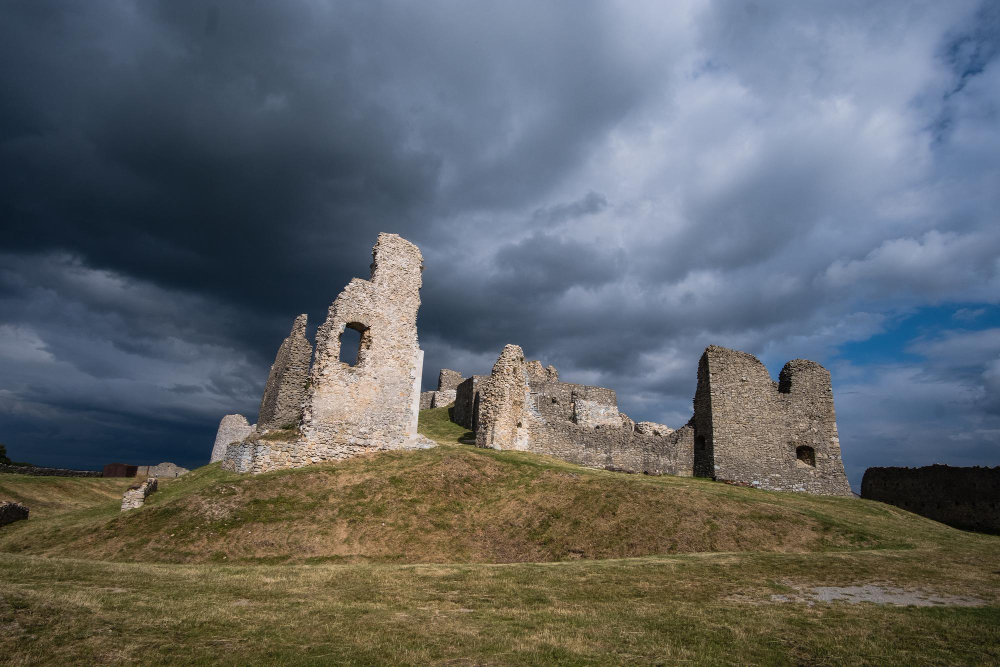
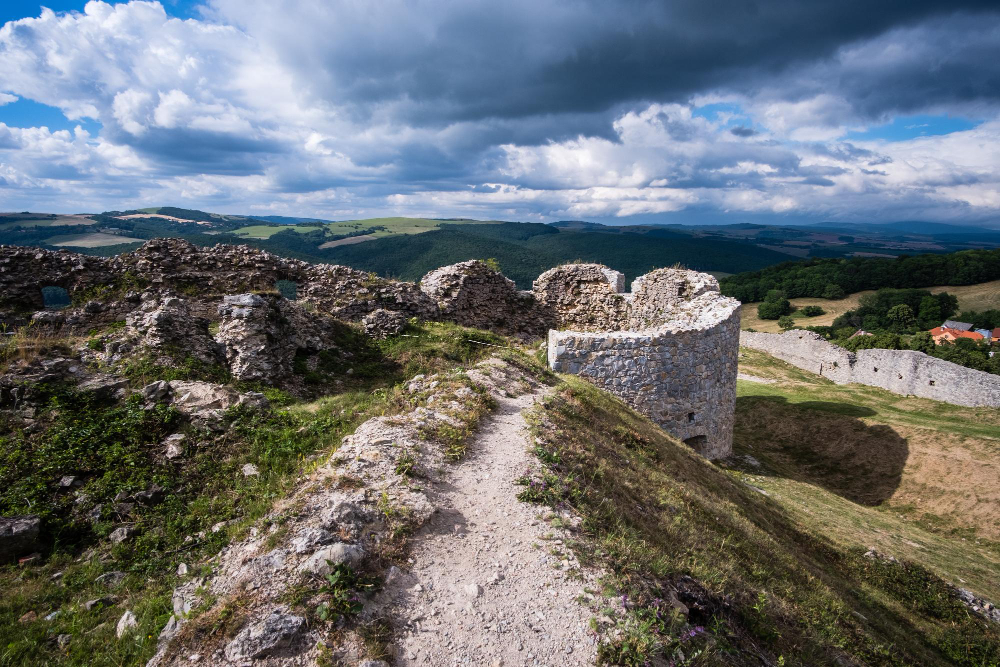
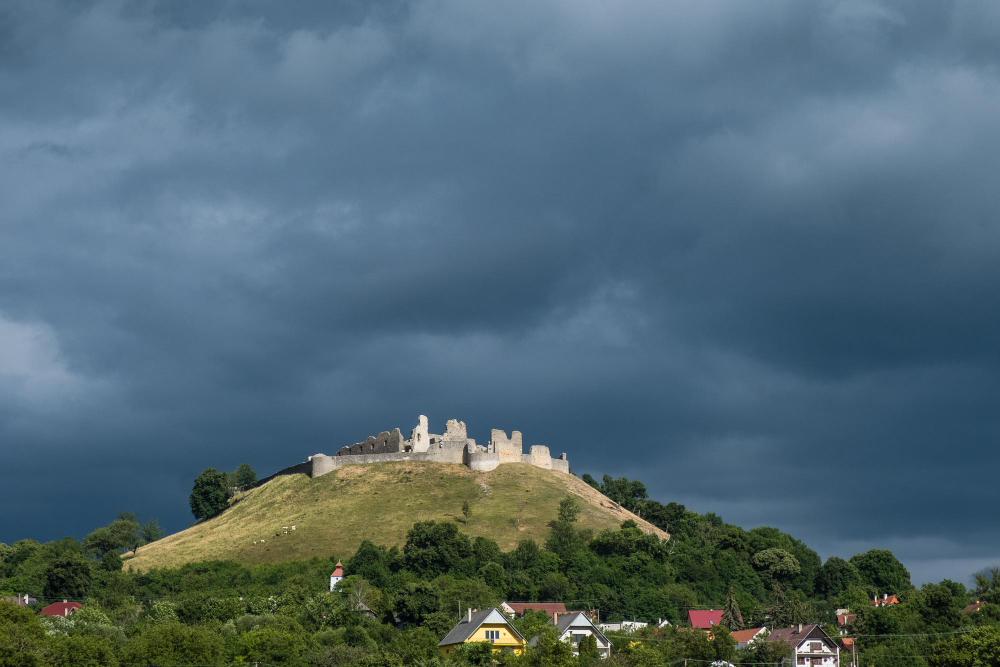
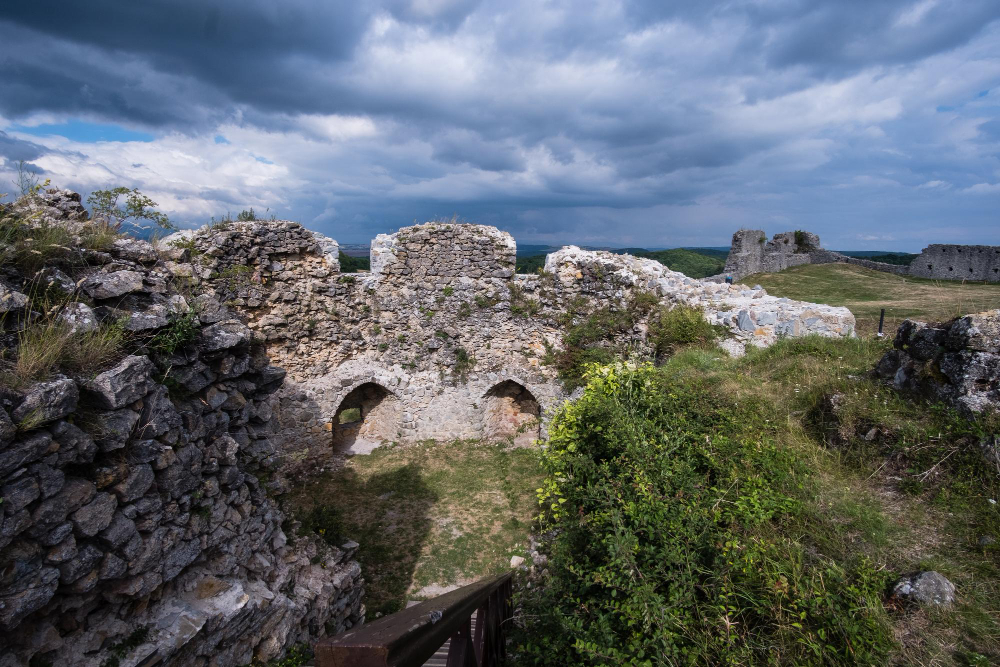
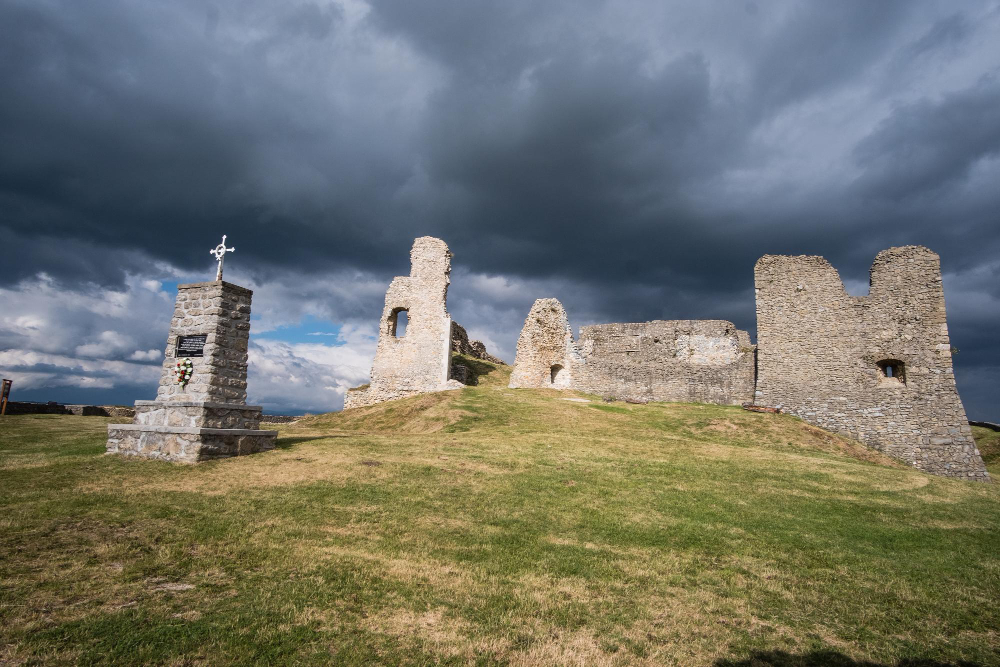
The Legends of Branč: A Druidic Stronghold in Slovakia – Nestled amongst the rolling hills of Slovakia lie the ruins of Branč Castle, a place whose origins stretch back beyond medieval history. Archaeological investigations and ancient traditions suggest that a fortified Celtic settlement existed there centuries earlier. Even more fascinating is the legend that tells of powerful druids who inhabited this hill. According to tradition, these druids lived in and around the rocks of the hill, mastered the magical arts and possessed an almost immortal lifespan. In legends, these beings are depicted as guardians of the site – their consent was considered essential for the construction of what would later become Branč Castle. This story links a bygone world of the spiritual and mystical with the region’s actual historical development. It reflects how deeply the belief in the druids and their mysterious powers remained anchored in the collective memory, even centuries later.
Sources and archaeological findings – Although there is no direct archaeological evidence to confirm that druids actually lived in Branč or practised magic, the existence of a Celtic settlement and fortifications is historically documented. The Celts spread across large parts of Central Europe from the 5th to the 1st century BC, and traces of them can also be found in present-day Slovakia. Archaeologists have discovered remains of settlements, tools and exceptionally well-preserved fortifications near Branč, which point to a strategically important function. The location of the hill, with its rocks, appears to have been perfectly suited for ritual and ceremonial purposes – this corresponds with similar Celtic places of worship in other regions of Europe. Furthermore, ancient textual sources, in particular Roman historians and Greek ethnographers such as Strabo, shed light on the role of the Druids in Celtic life. According to them, Druids often performed their rituals at striking natural sites, which lends credibility to the legend surrounding Branč.
The magical symbolism of the Druids – The Druids are often associated with specific symbols and tools. These include the wand, usually made of oak, which is regarded as a symbol of power and connection to nature. The oak tree itself was revered as the queen of trees and served as the focal point of many places of worship. The wearing of white robes is also described, symbolising purity and sanctity. Another well-known notion is that of druids as ‘soothsayers’ and ‘seers’. They are said to have communicated with the Otherworld whilst in trance-like states in order to receive messages from the gods or predictions for the future. Such abilities lend them the aura of magicians and sorcerers, as legends often emphasise.
Druids in modern perception – In the present day, the Druids hold an enormous fascination. From esoteric movements to popular culture, they resonate with people and are interpreted in various ways. Historically grounded accounts endeavour to distinguish between fact and fiction. It becomes clear that the Druids were more than just ‘magical priests’: They formed a complex interweaving of religion, jurisprudence, education and a connection to nature. Legends, such as those surrounding Branč Castle, help to keep the image of the Druids alive – they combine archaeological reality with mystical narratives and offer an insight into an age in which the boundaries between magic and everyday life were blurred.
A legacy of the ancient world – The magical Celtic druids are far more than just a relic of the past. They represent a world in which humankind was deeply connected to nature and the spiritual realm. Places such as Branč Castle show how this connection lives on in the landscape and culture. Although many aspects of their work remain shrouded in the mists of history, their story continues to fascinate people all over the world. With their wisdom, their beliefs and their legends, the Druids still invite us today to explore the mysteries of the ancient Celtic world – beyond superstition, between fact and myth, in a fascinating interplay of magical forces and human history.

Post Comment