Dunnottar Castle: The Legend of the Burning Church and a Dark Chapter in Scottish History
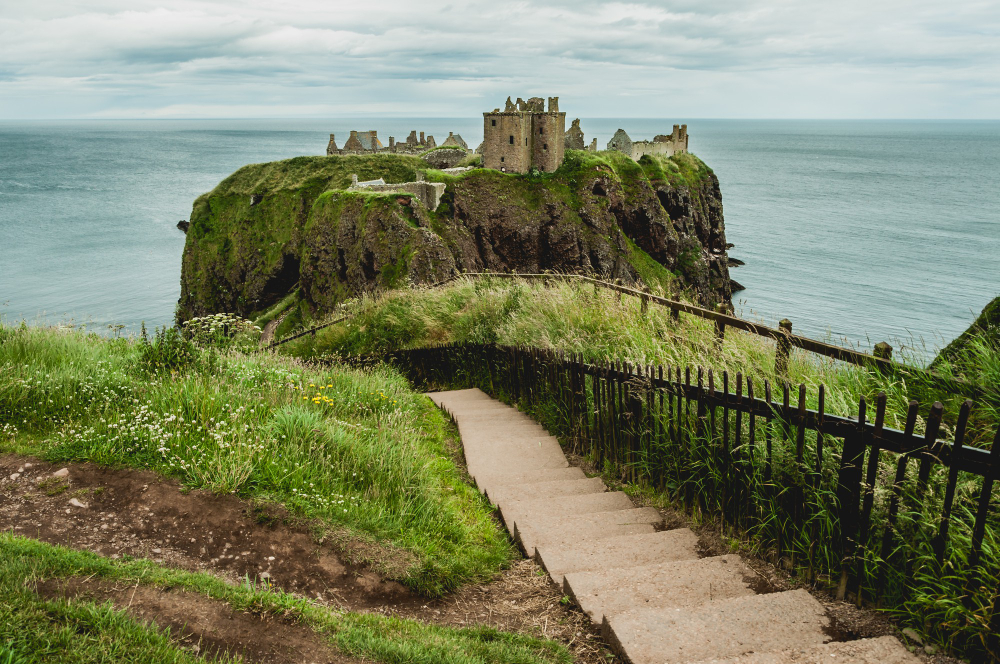
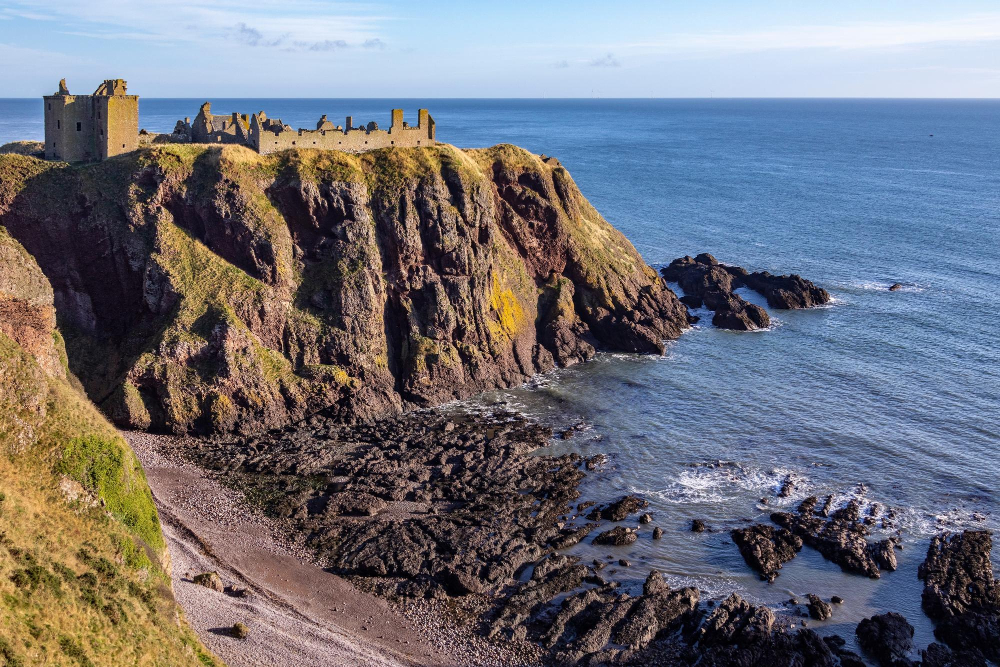
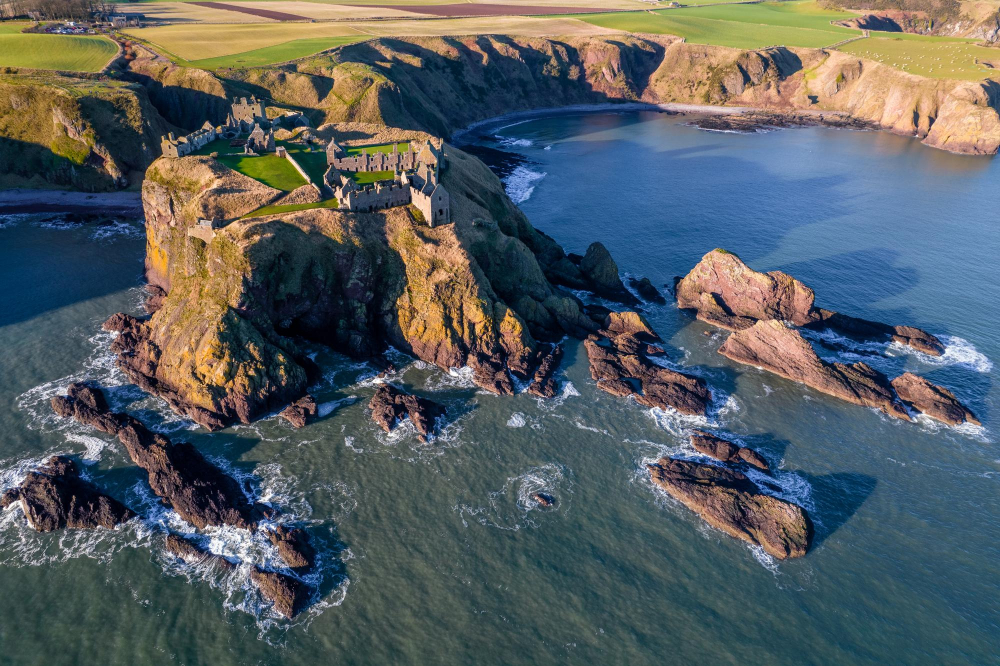
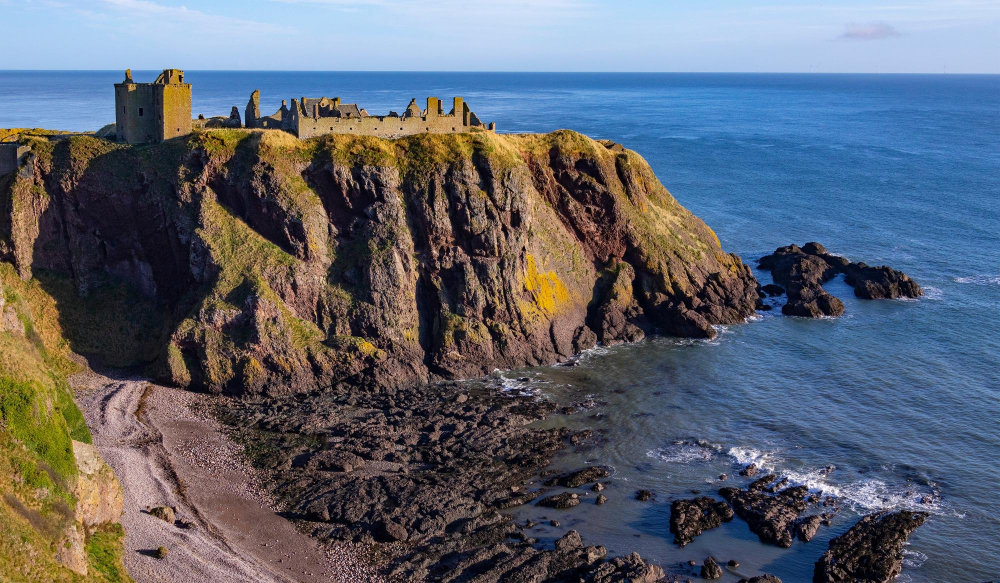
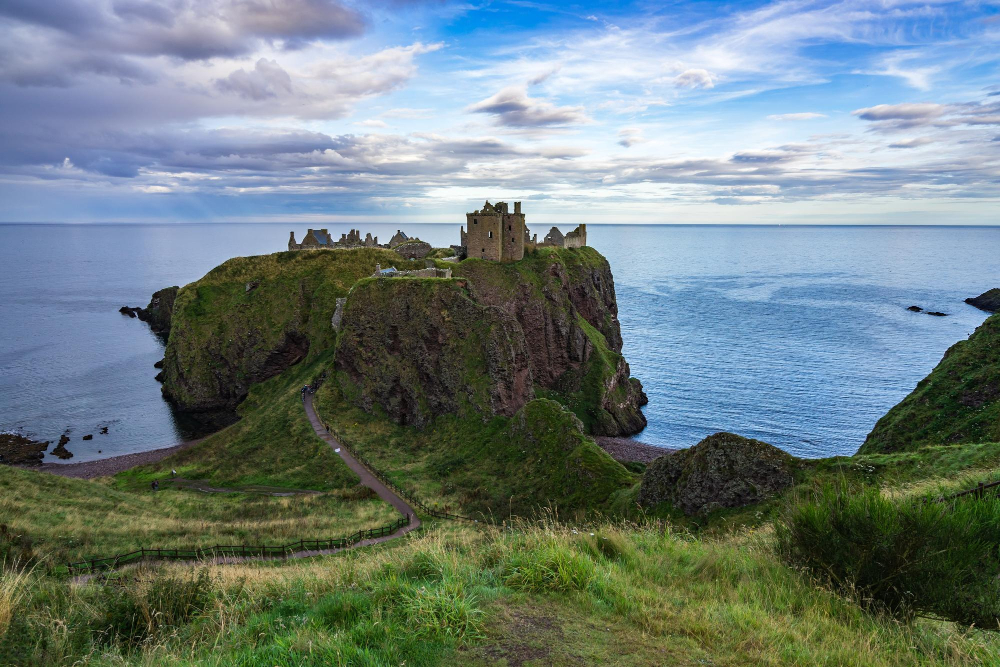
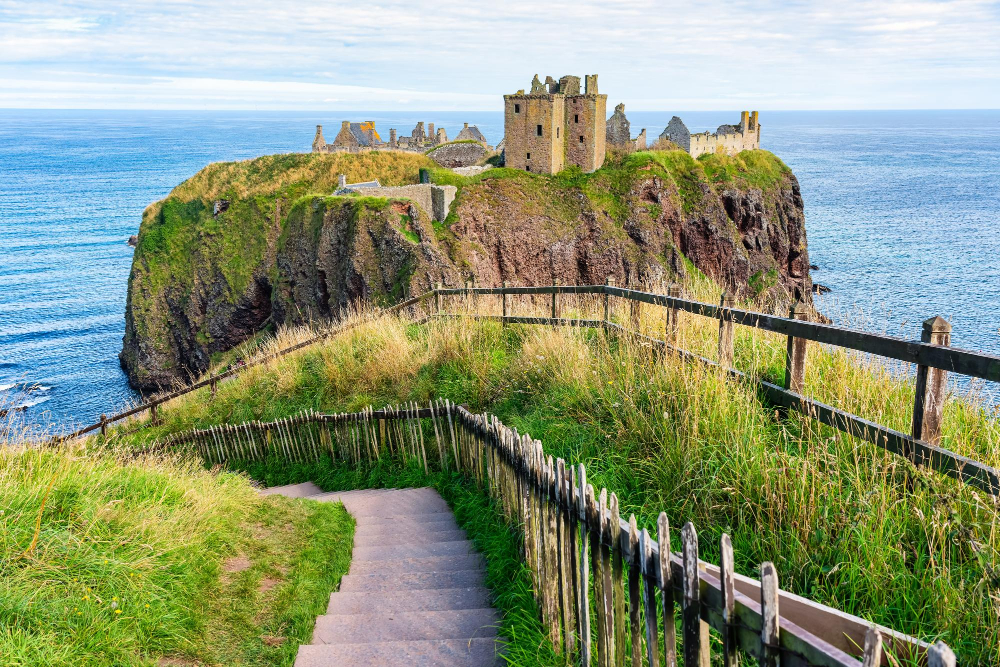
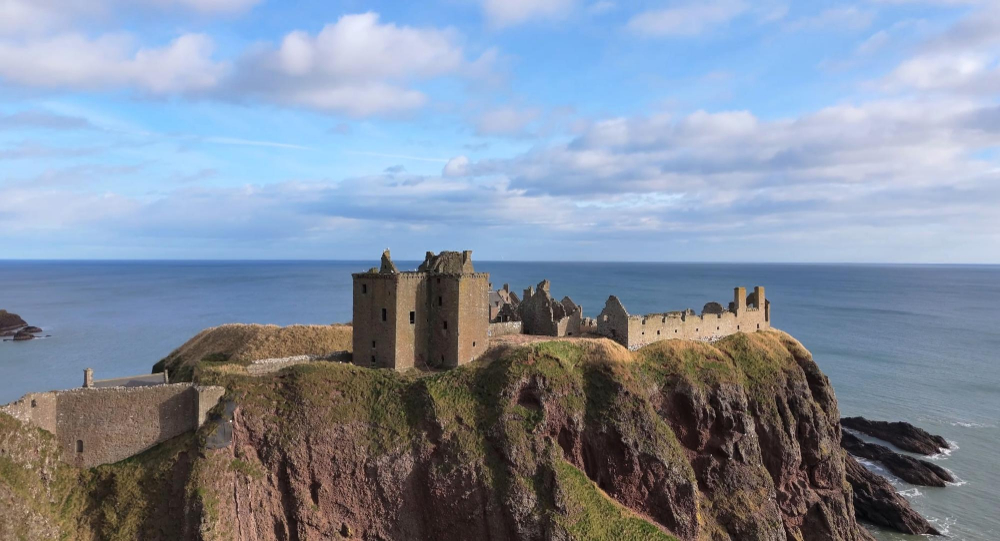
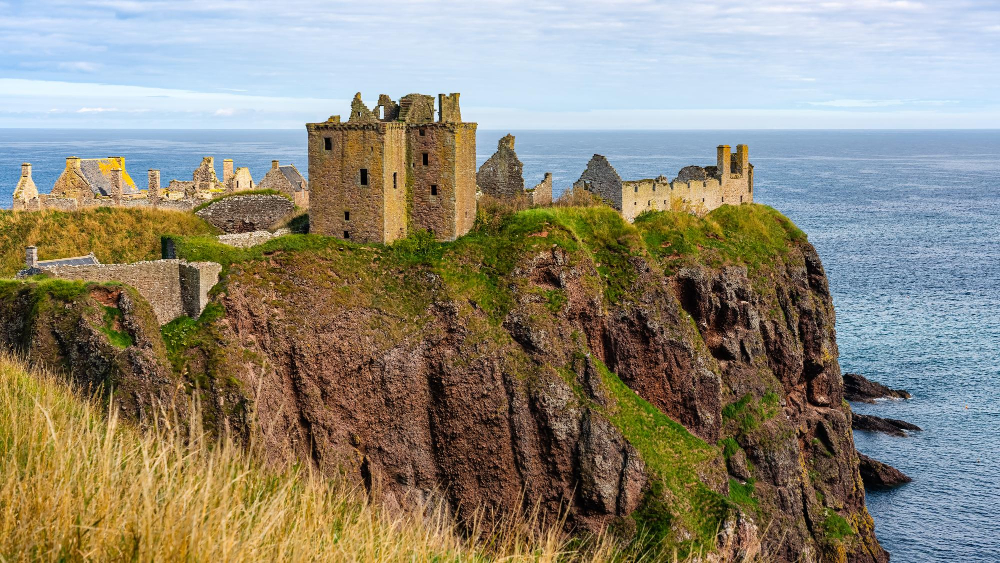
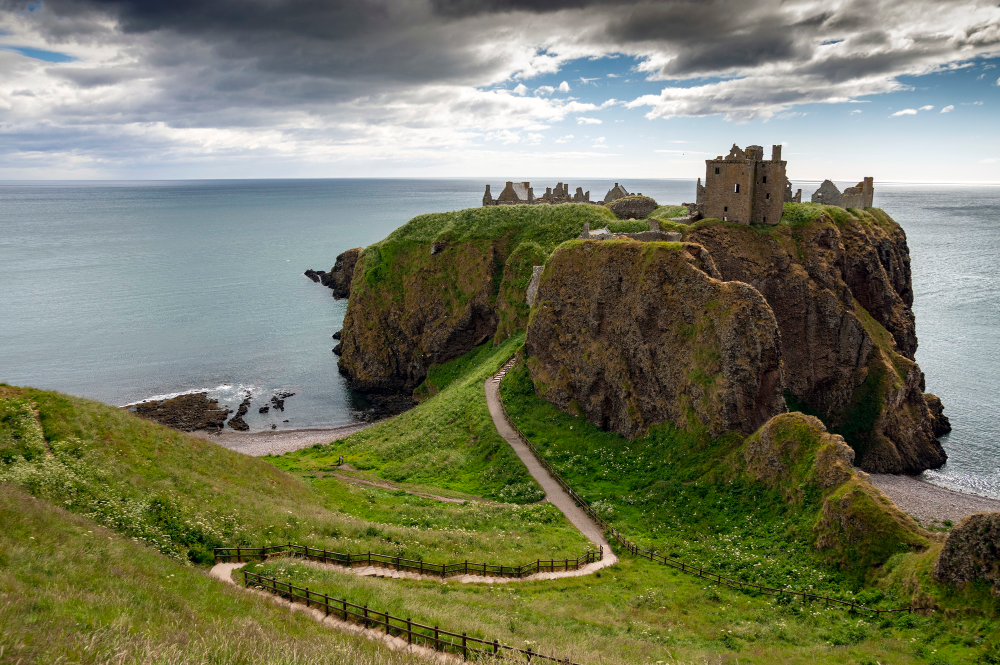
Scottish history is rich in myths, legends and, at times, harrowing events that reflect the country’s turbulent past. A particularly grim tale surrounds Dunnottar Castle, a medieval fortress in Aberdeenshire that sits majestically atop a rocky cliff overlooking the North Sea. Dunnottar is not only an architectural masterpiece but also the setting for some of the most gruesome stories in Scottish history. One of these stories – the legend of the ‘Burning Church’ – offers a glimpse into the brutality of the struggle for freedom and power in the Middle Ages.
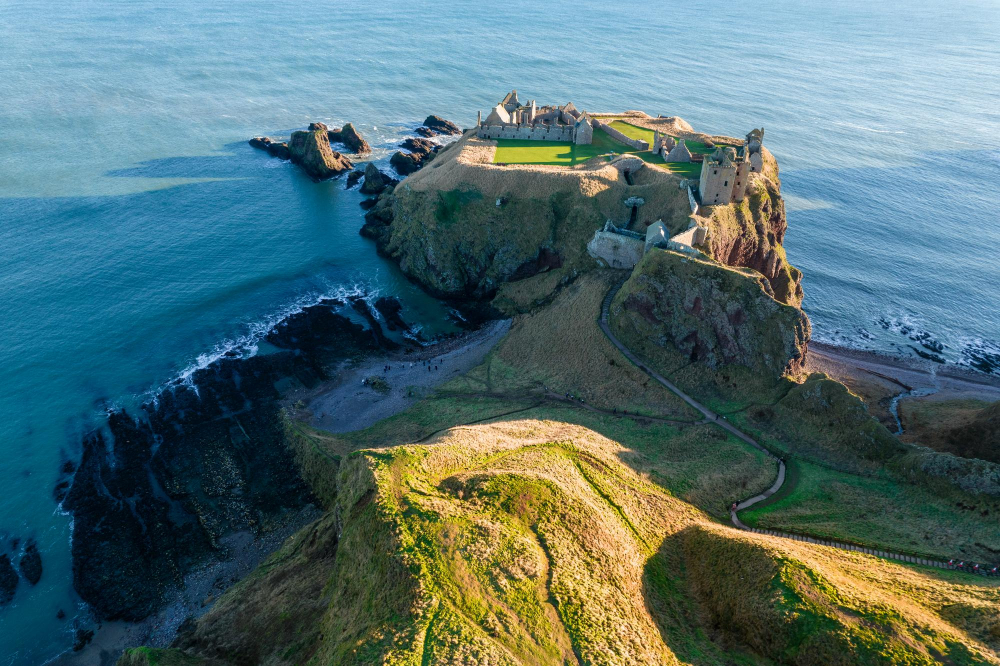
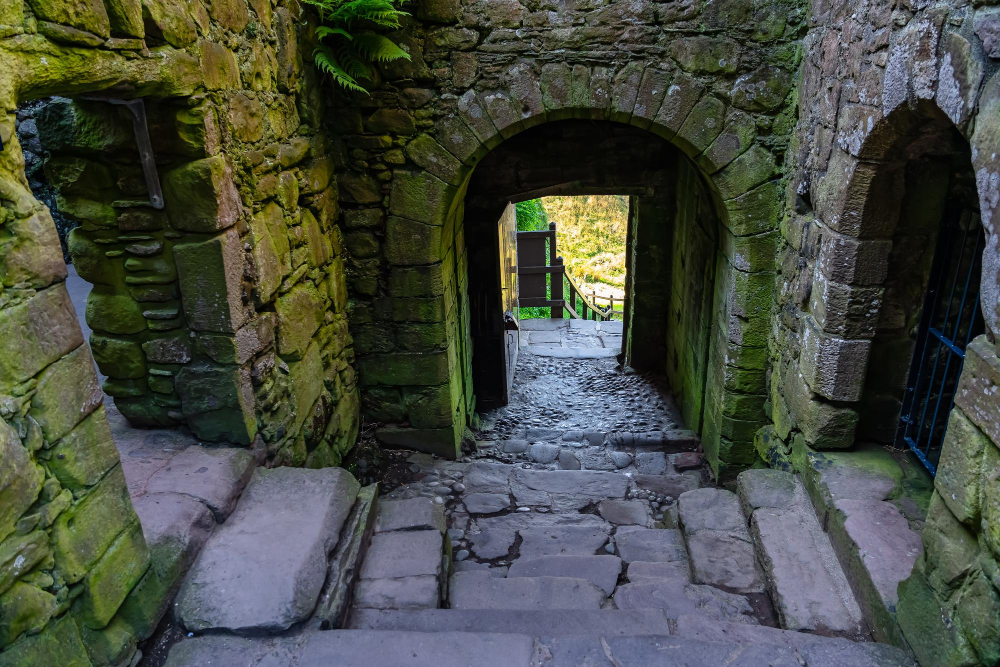
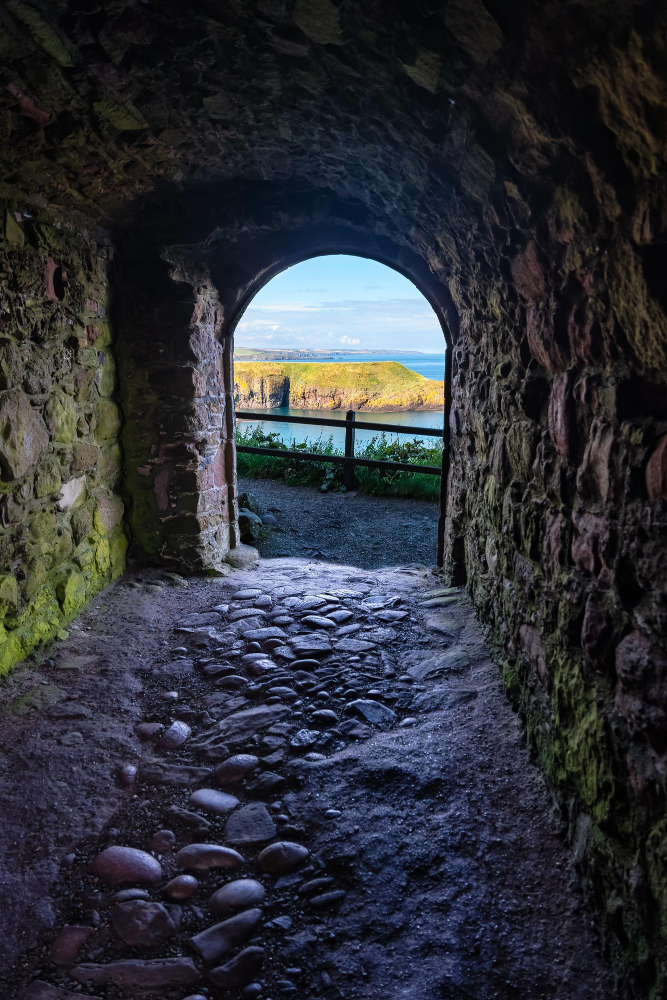
Dunnottar Castle: A fortress of strategic importance – The history of Dunnottar Castle dates back to the early Middle Ages. The fortress’s unique location made it a virtually impregnable stronghold, as it is surrounded by steep cliffs and rugged coastal terrain. Anyone wishing to attack Dunnottar had to fight their way through a narrow gate and up steep paths – an advantage the defenders often exploited. Over the centuries, Dunnottar has been the scene of numerous conflicts, including the battles between Scottish freedom fighters and the English occupiers. One of the most famous moments in this history is the recapture of the castle by the Scottish national hero William Wallace in 1297.
William Wallace and the struggle against English occupation – William Wallace, one of the most influential figures in Scottish history, is still regarded today as a symbol of resistance against English rule. As leader of the Scottish freedom movement, Wallace led numerous campaigns to regain control of the territories occupied by the English. In 1297, at the height of his campaigns, Wallace turned his attention to Dunnottar Castle, which was in English hands at the time. It is reported that the fortress was recaptured by the Scots after fierce fighting. What happened next, however, is the subject of one of the most gruesome tales in Scottish history.
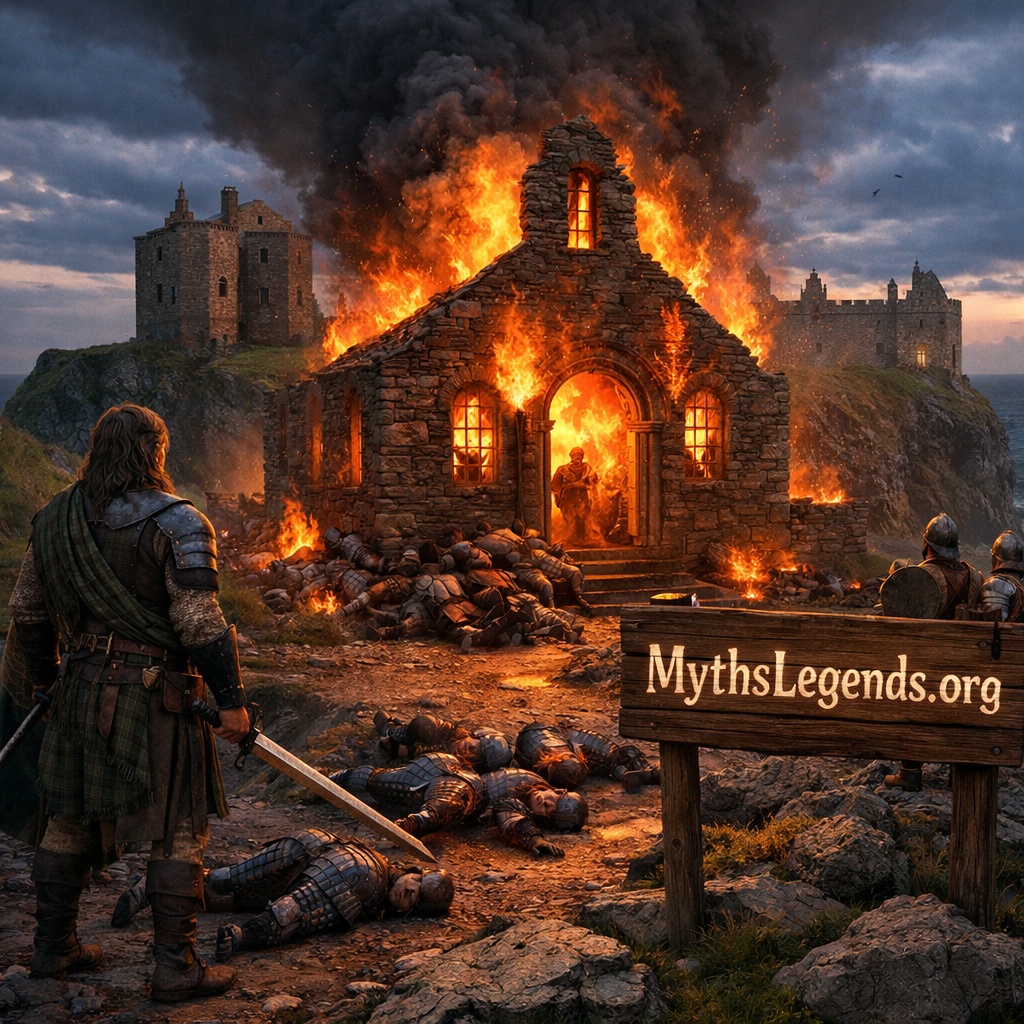
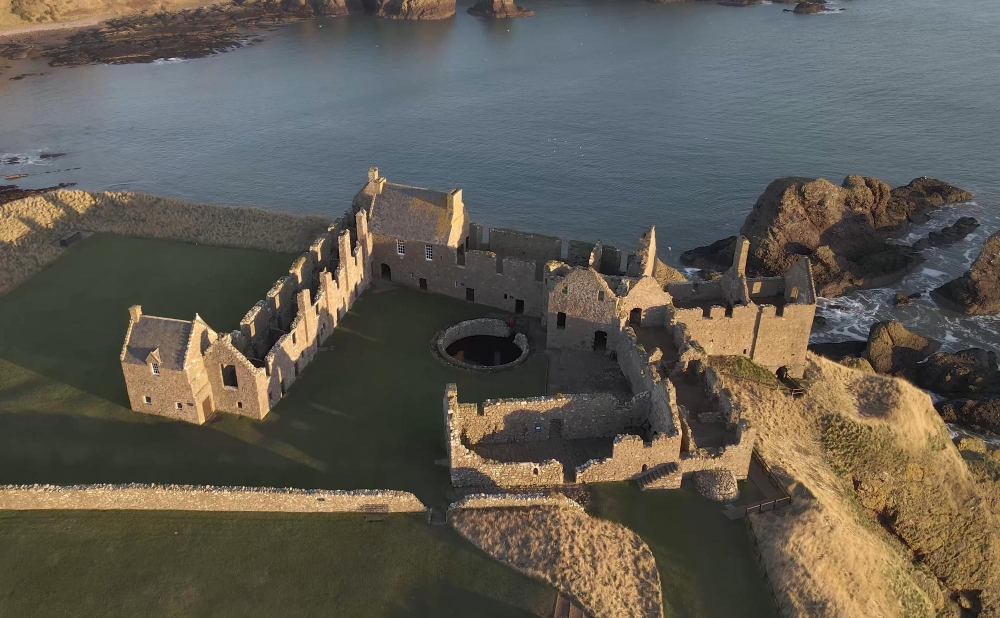
The Legend of the Burning Church – According to one account, after successfully recapturing the castle, Wallace had around 4,000 English soldiers locked inside the chapel at Dunnottar Castle. The chapel, once a sacred place, became the scene of a cruel act: Wallace is said to have set the building alight and burned the soldiers trapped inside alive. This story is often seen as a warning of the horrors of war and the brutality of the Middle Ages. Whilst some historians doubt the authenticity of this account and argue that it may be an exaggeration or propaganda, the legend of the burning church remains a firmly established narrative in the history of Dunnottar Castle. It symbolises the atrocities associated with power struggles and territorial conflicts.
Historical Doubts and Alternative Interpretations – Although the legend of the ‘Burning Church’ is widely known, there is no clear evidence that this event actually took place. Contemporary records from the late 13th century are often fragmentary, and many details of Scottish history were passed down orally through generations before being written down. Some historians suspect that the story of Wallace and the burning chapel may have been spread by his opponents to portray him as a barbaric leader. At a time when political communication was often shaped by stories and legends, such a narrative would have served to cast Wallace in a negative light and discredit his followers. Others, however, see the legend as a metaphor for the devastation and suffering that war brought upon the people. In the Middle Ages in particular, churches were often places of refuge that were frequently attacked during conflicts – a practice that undermined the symbolic significance of sacred sites.
Dunnottar Castle through the ages – Regardless of whether the story of the burning church is historically accurate, Dunnottar Castle remains a fascinating place that captivates visitors with its rich and at times harrowing past. The castle has witnessed many other significant events over the centuries. During the Scottish Wars of Independence and later during the wars between Royalists and Parliamentarians in the 17th century, the fortress once again played a key role. One of the most famous episodes in the castle’s history occurred in 1651, when Dunnottar Castle protected the Scottish Crown Jewels from Oliver Cromwell’s invasion. The Crown Jewels, which were of central importance to the Scottish monarchy, were hidden in the castle to safeguard them from the attackers. This courageous act, known as the ‘Treasure of Dunnottar’, is another chapter in the heroic history of this fortress.
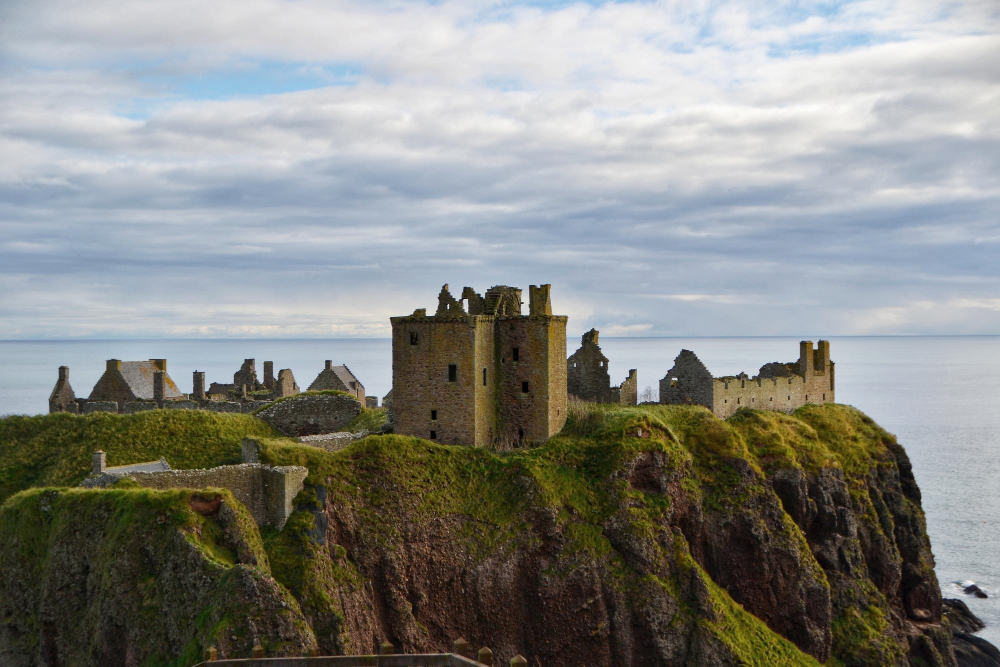
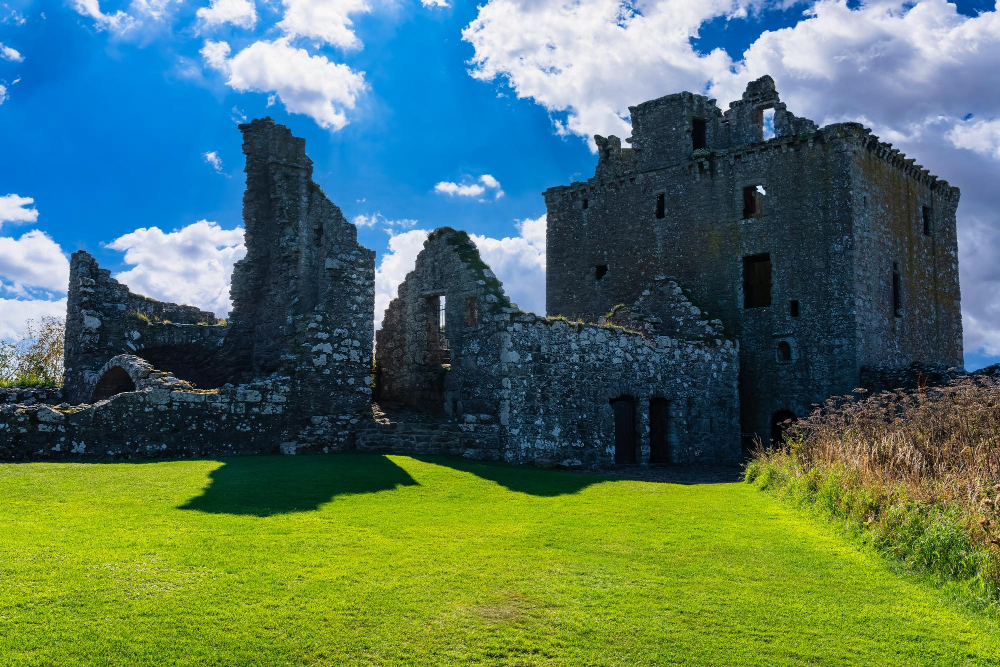
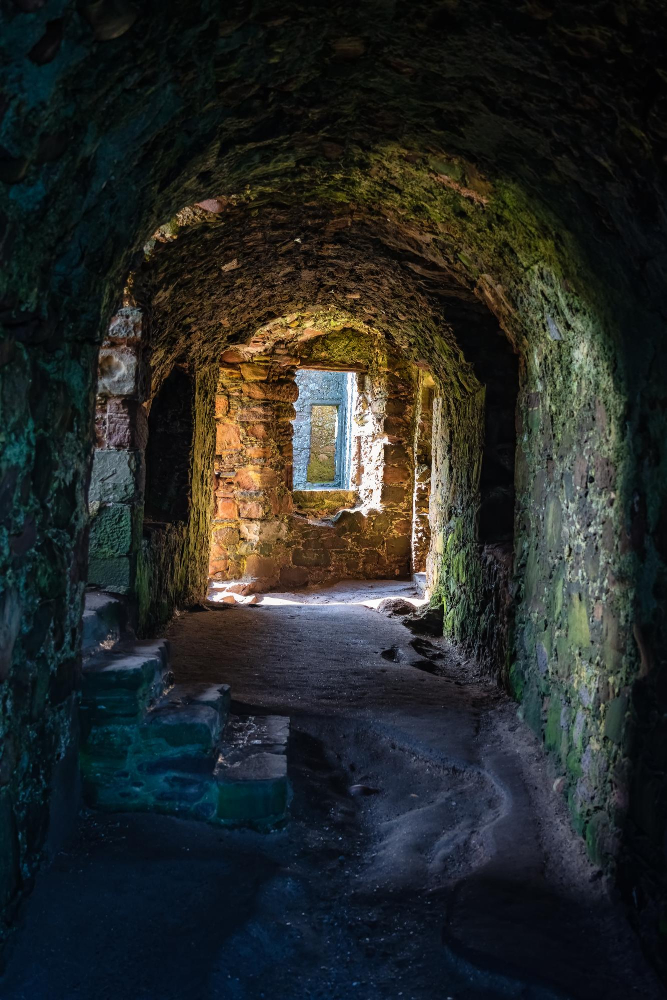
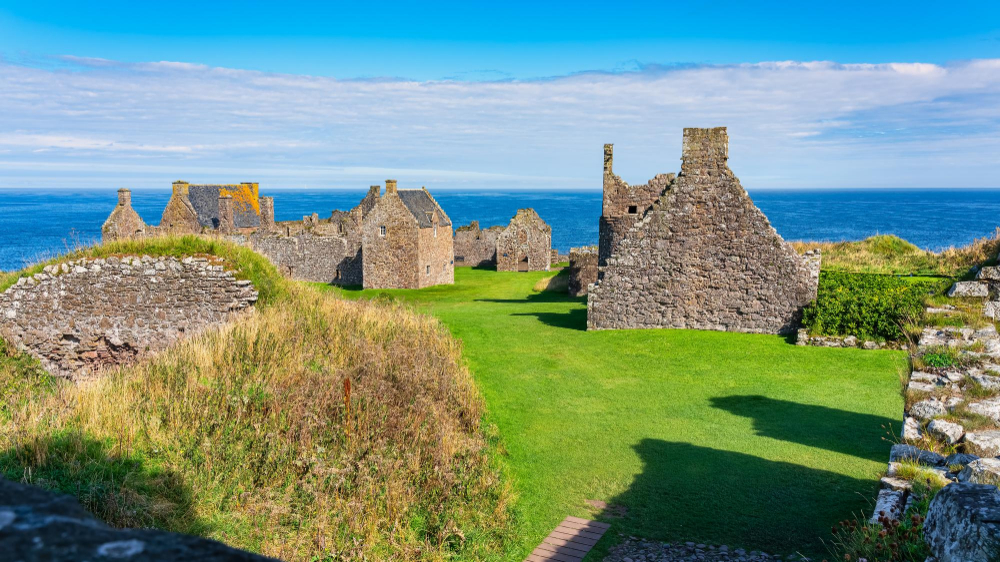
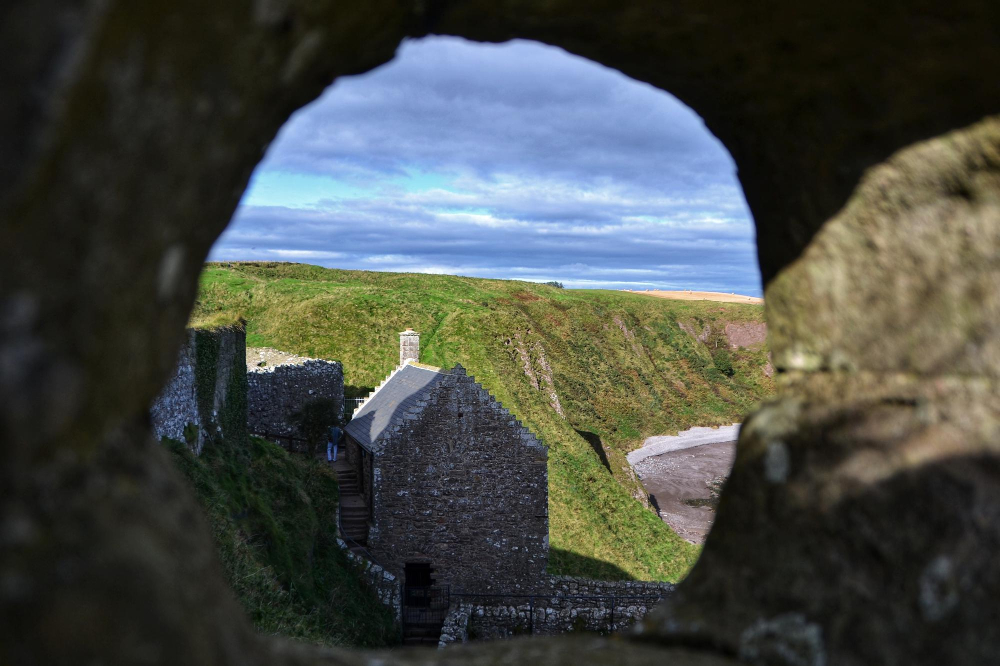
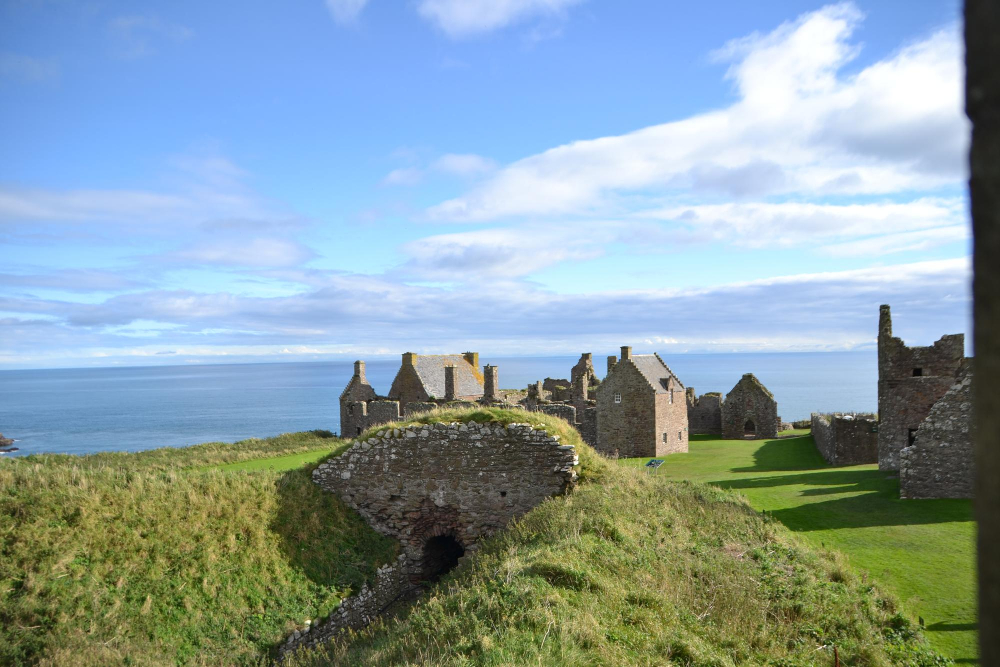
A tourist attraction with a dark charm – Today, Dunnottar Castle attracts thousands of visitors from all over the world. The castle ruins, rising dramatically above the cliffs, offer a spectacular sight and are a popular destination for photographers and history enthusiasts. The legends and stories surrounding the castle lend the place a mystical atmosphere and make it a must-see for anyone wishing to explore the darker side of Scottish history. Visitors can stroll through the ancient walls, which bear witness to past splendour, whilst enjoying the rugged beauty of the landscape. At the same time, stories such as that of the burning church bring the past to life and encourage reflection on the challenges and conflicts that people in earlier times had to overcome.
A place full of stories and secrets – Dunnottar Castle is more than just a historic ruin – it is a window into the past, revealing both the beauty and the cruelty of medieval life. The legend of the burning church may be controversial, yet it remains a symbol of the intensity of the conflicts that have shaped Scotland throughout its long history. Whether as a place of worship, a defensive structure or a symbol of freedom – Dunnottar Castle has played a central role in Scotland’s history. Its walls tell tales of courage, tragedy and the will to survive, which live on in people’s minds to this day. For anyone wishing to understand Scottish history and discover its secrets, Dunnottar Castle is a must-see – and its legends will probably never be fully unravelled.











Post Comment