A Life in the Shadow of Faith – The ‘Holy Duchess’ and the Palace of the Dukes of Bragança
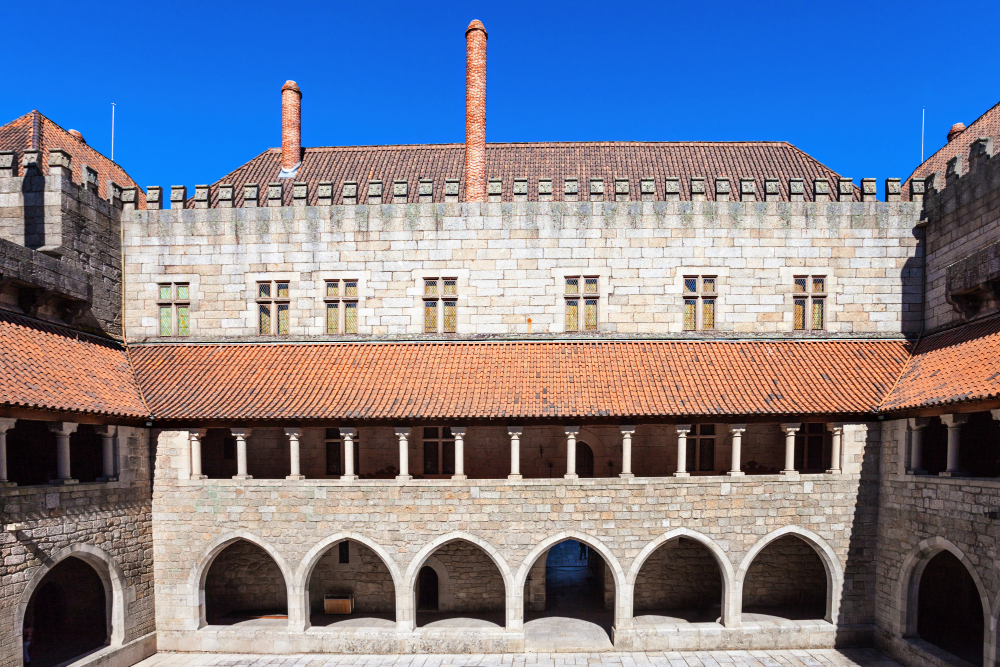
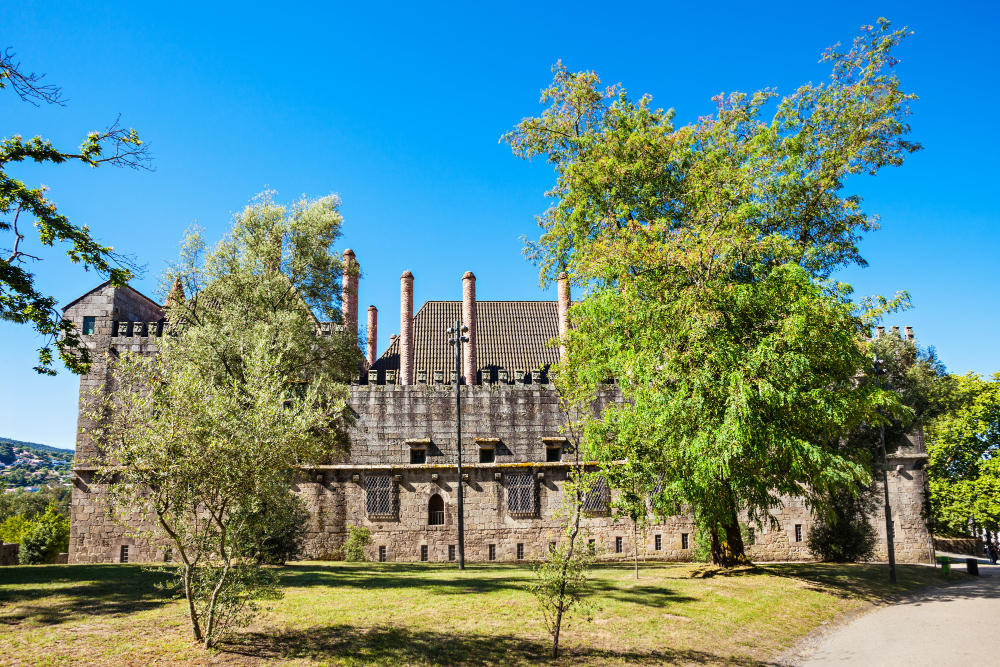
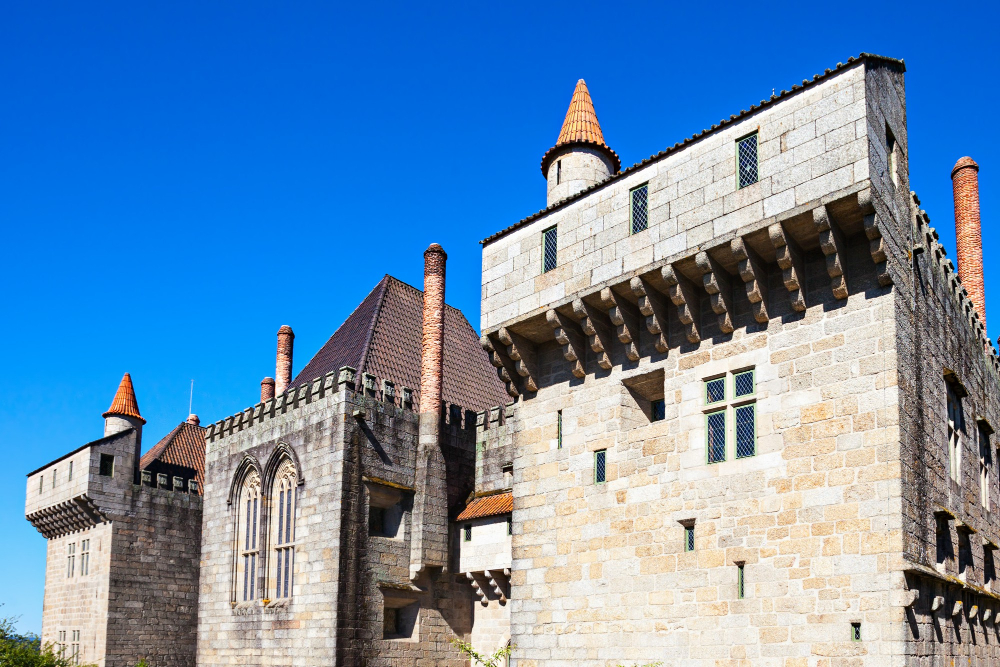
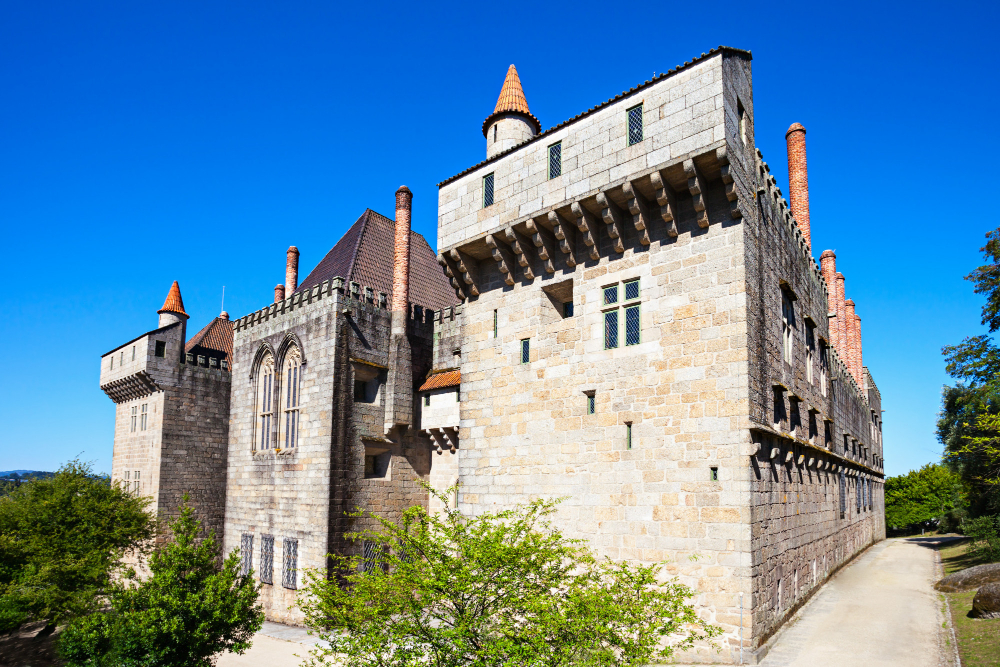
The Palácio dos Duques de Bragança, the Palace of the Dukes of Bragança, is one of Portugal’s most impressive buildings. This imposing structure is located in the city of Guimarães, often referred to as the cradle of the nation, and attracts thousands of visitors every year. Yet the stories of the people who once lived within these walls are often overlooked. One such story is that of the ‘Duquesa Santa’, the ‘Holy Duchess’ – a name that still exudes a special aura and captures the imagination.
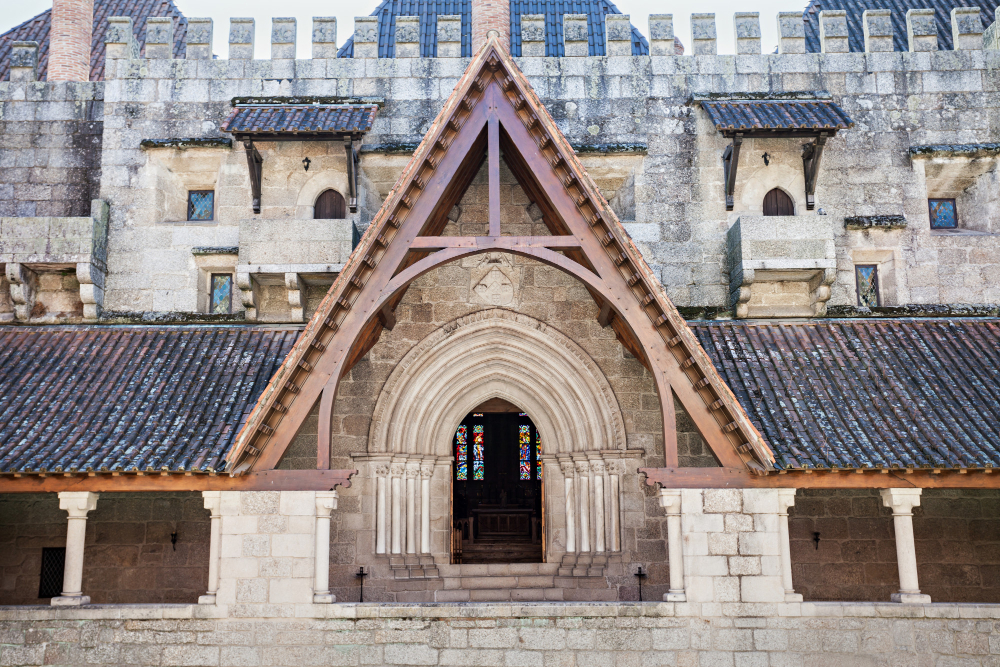
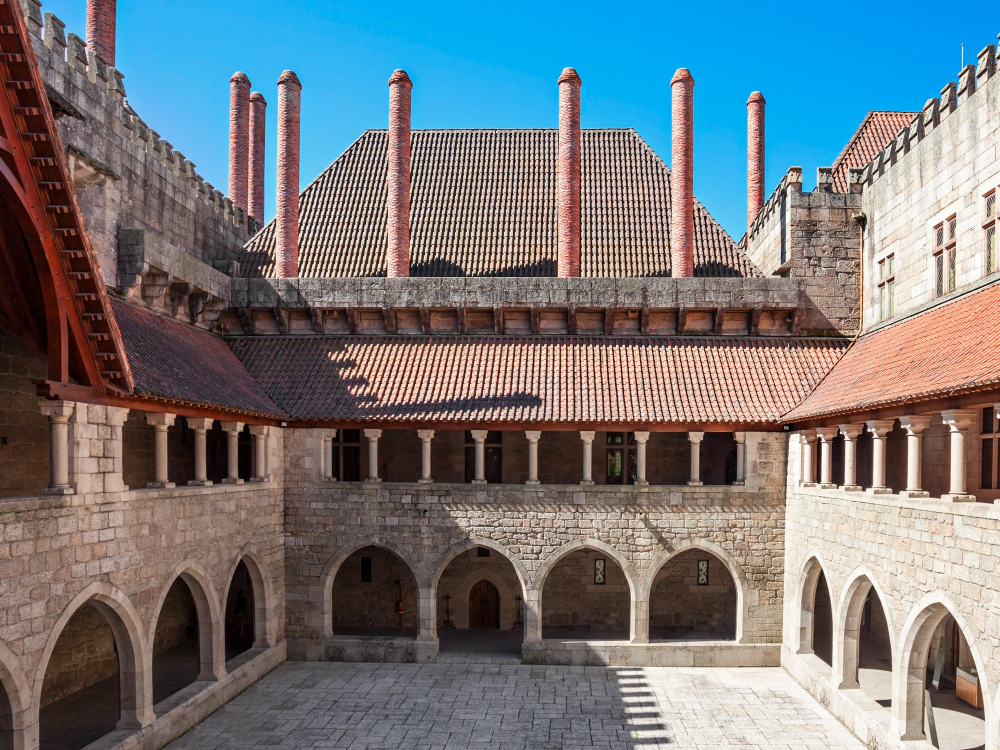
The origins of the palace and the House of Bragança – Before we turn to her unique way of life, it is worth taking a look at the origins of the palace. Built in the 15th century, the building served as a residence for Dom Afonso, the first Duke of Bragança, and his wife Dona Constança de Noronha. Dom Afonso was the son of João I, King of Portugal, and founded the House of Bragança, which played a key role in the Portuguese monarchy for centuries. The palace itself captivates with its distinctive style, characterised by both Gothic elements and influences from Burgundian architecture – a testament to the cultural diversity of that era. Yet whilst history is usually dominated by powerful men, there are women like Dona Constança who have left a deep mark through their deeds and principles. Her life in the palace was marked not only by political intrigue, but above all by an extraordinary spiritual devotion.
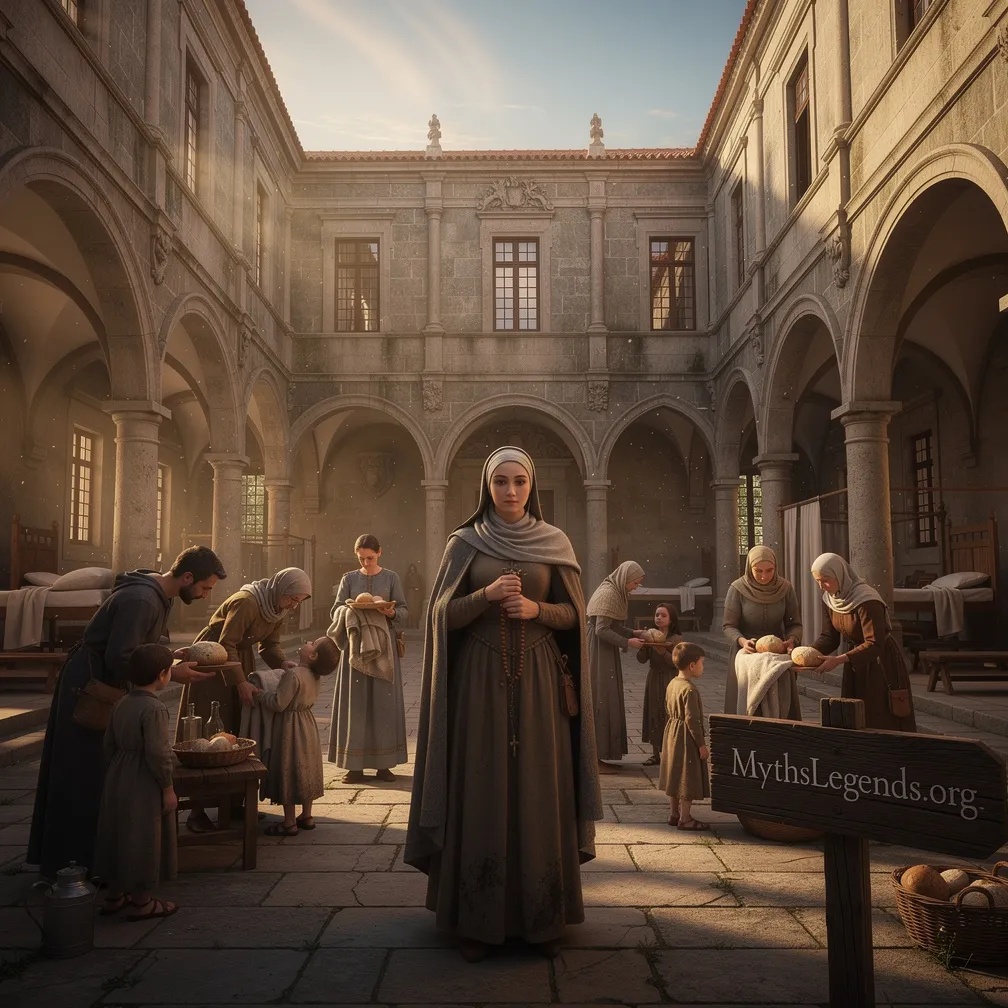
The Holy Duchess – a life of humility – Dona Constança de Noronha was far more than the wife of a duke. As the second wife of Dom Afonso, she entered a world characterised by power struggles and political ambitions. Yet her heart was not filled with worldly riches – rather, she sought a higher truth in religion. After her husband’s death, she resolved to lead a life of strict seclusion. She withdrew from social obligations and devoted herself entirely to her faith and the service of others. Her way of life was so extraordinary that she was widely admired and respected. She had parts of the magnificent palace, which had originally been built as a symbol of wealth and power, converted into a refuge for the poor and the sick. Here, the most needy members of society found shelter and care. Dona Constança lived by the principle of charity and regarded her status not as a privilege, but as an obligation to help others. Her piety was so deeply rooted that local tradition bestowed upon her the epithet ‘Holy Duchess’.
The transformation of the palace – The decision to use the palace for charitable purposes was extraordinary at the time. In Portugal and elsewhere in Europe, palaces were regarded as symbols of power and prestige. However, by transforming part of the building into a place of refuge, Dona Constança set an example of compassion and solidarity. This act was not only Christianity in action, but also a challenge to conventional notions of nobility and authority. It is interesting to note that such social reforms were often initiated by women operating outside the male-dominated power structures. Whilst men such as Dom Afonso forged political alliances and waged wars, it was often women like Dona Constança who quietly and unobtrusively changed social structures. Despite her seclusion, the Duchess exerted a great influence on the lives of many people and remains an inspiring figure to this day.
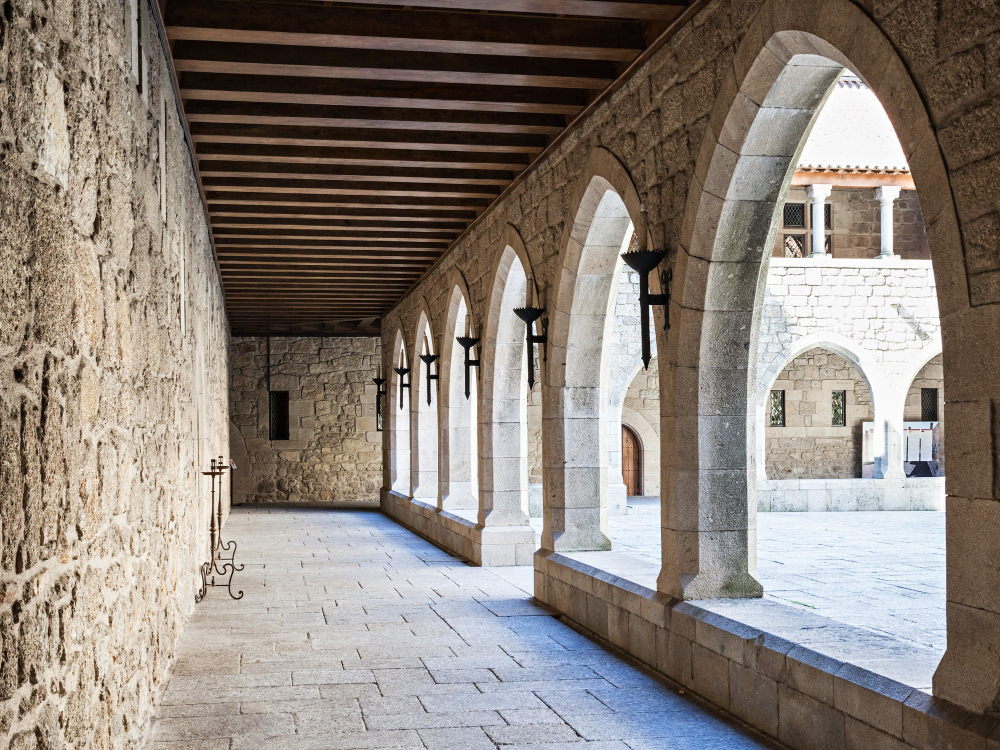
Legends and local tales – Wherever extraordinary figures appear, stories and legends arise. Dona Constança’s quiet and pious way of life was tailor-made to capture people’s imagination. To this day, numerous myths surround her life and her decisions. One of the best-known legends claims that she would walk through the palace corridors at night to secretly bring food to the poor. Other stories tell of her prayers working miracles and healing the sick. Whether these legends are true or not – they illustrate the profound influence that the ‘Holy Duchess’ had on regional culture. Her name stands not only for piety, but also for the ideal of a life dedicated to serving others. Many people see her as a role model for selfless devotion and a link between faith and practical help. She is particularly venerated in Guimarães, where the palace is located and where her story is kept alive.
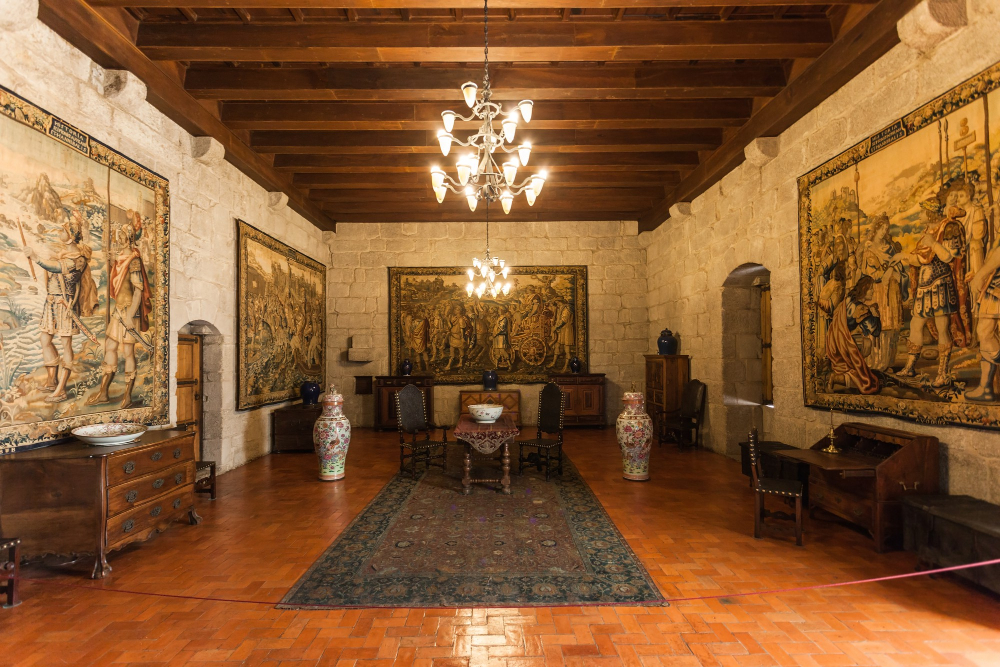
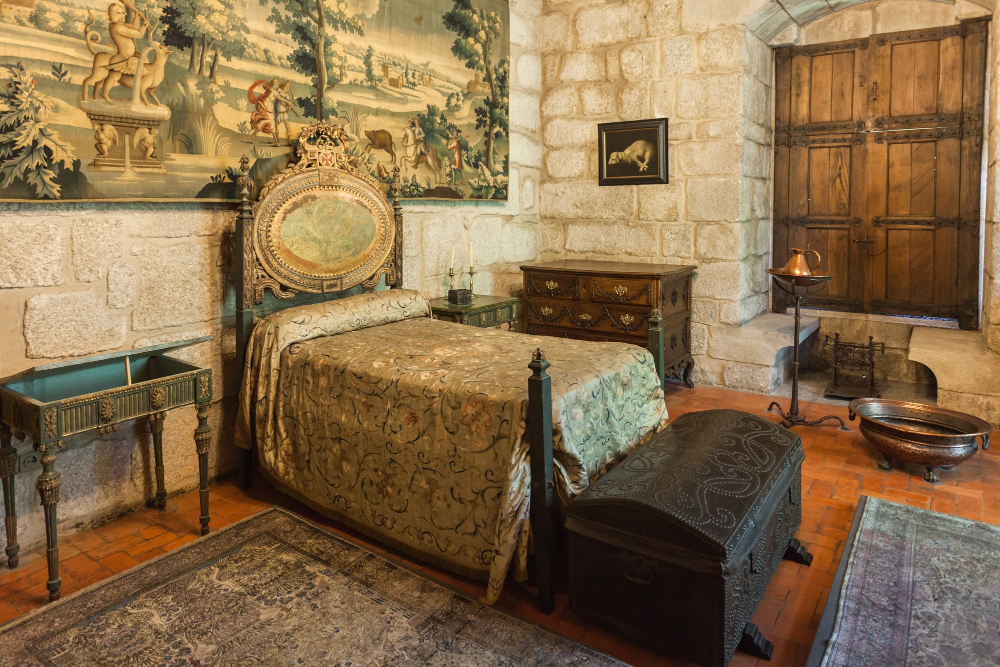
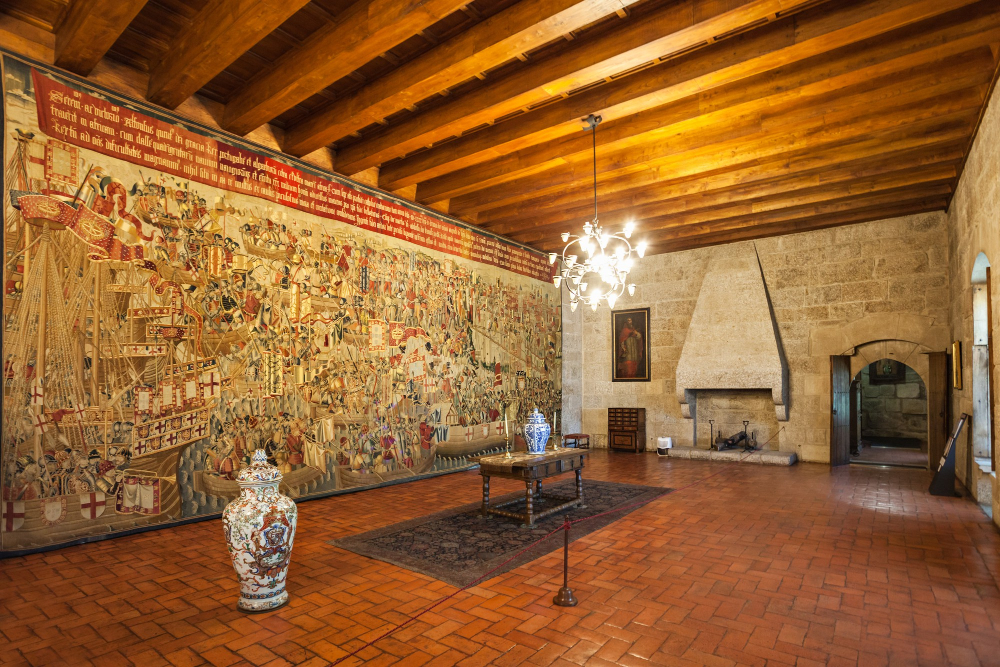
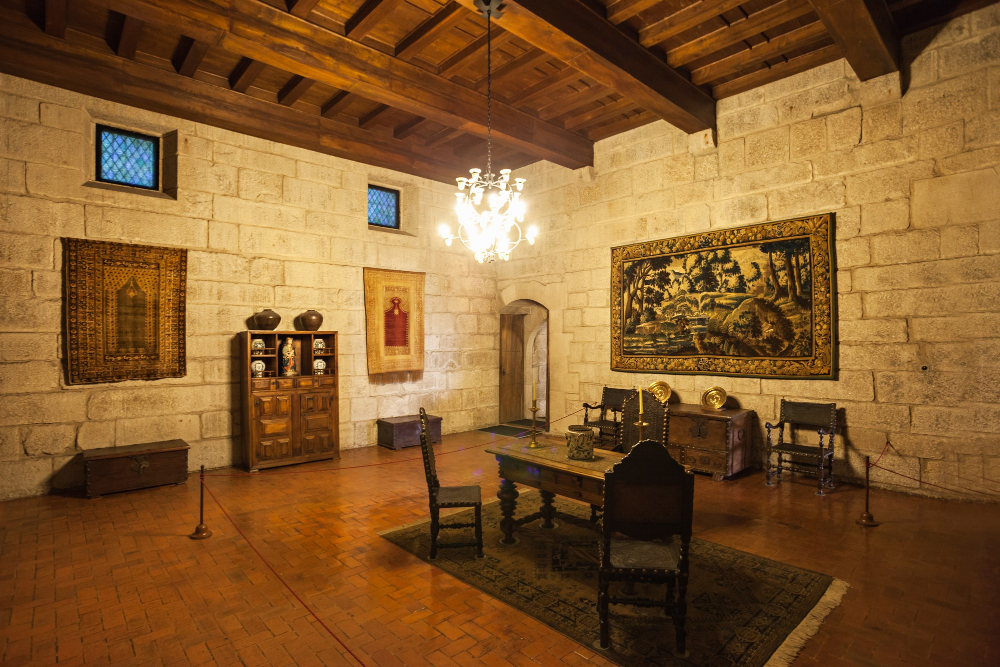
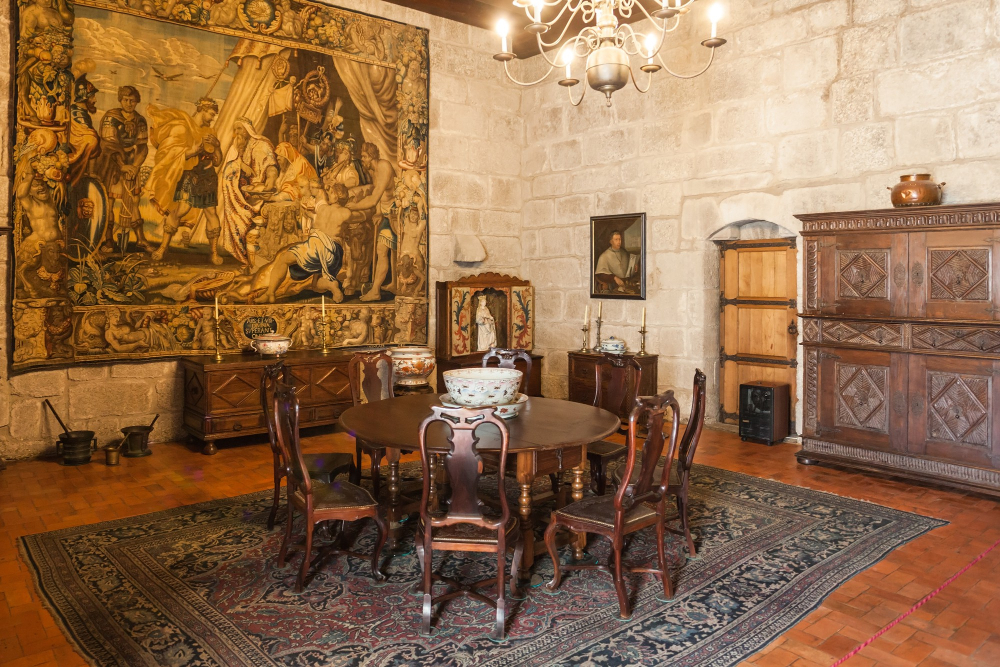
The palace today – a place steeped in history – Anyone visiting the Palácio dos Duques de Bragança today can sense the historical significance of this place. Although the palace has undergone some changes over the centuries, much of its original atmosphere has been preserved. The magnificent halls, the impressive ceiling beams and the richly decorated fireplaces give an impression of what life might have been like in the 15th century. At the same time, information boards and guided tours remind us that this building was not only a symbol of power, but also a place where humanity took centre stage – a legacy of the ‘Holy Duchess’. In addition to its architectural highlights, the palace also offers insights into the history of Portugal and the role of the House of Braganza. It houses a collection of works of art, furniture and historical artefacts that transport visitors to bygone eras. Particularly impressive is the palace chapel, which still exudes a spiritual tranquillity and serves as a reminder of Dona Constança’s deep piety.
A woman whose deeds continue to inspire to this day – The ‘Holy Duchess’ Dona Constança de Noronha is an example of how extraordinary people can exert influence even beyond political power structures. Through her warmth, her faith and her commitment to the most vulnerable, she left a legacy that can still be felt within the walls of the Palace of the Dukes of Bragança today. Her story shows that true greatness often lies hidden and is defined not by pomp and power, but by humility and humanity. Whilst the palace impresses as an architectural masterpiece, it is the story of the woman who lived there that gives it its soul. Visitors exploring the estate should remember that the most beautiful stories are often those written in the shadow of great events. The ‘Duquesa Santa’ remains a figure whose legacy endures through time and whose example reminds us that nobility entails a responsibility not only towards one’s own family, but towards society as a whole.









Post Comment