The Mysterious Healing Powers of the Middle Ages: St Andrews Castle and the Magic of Sage
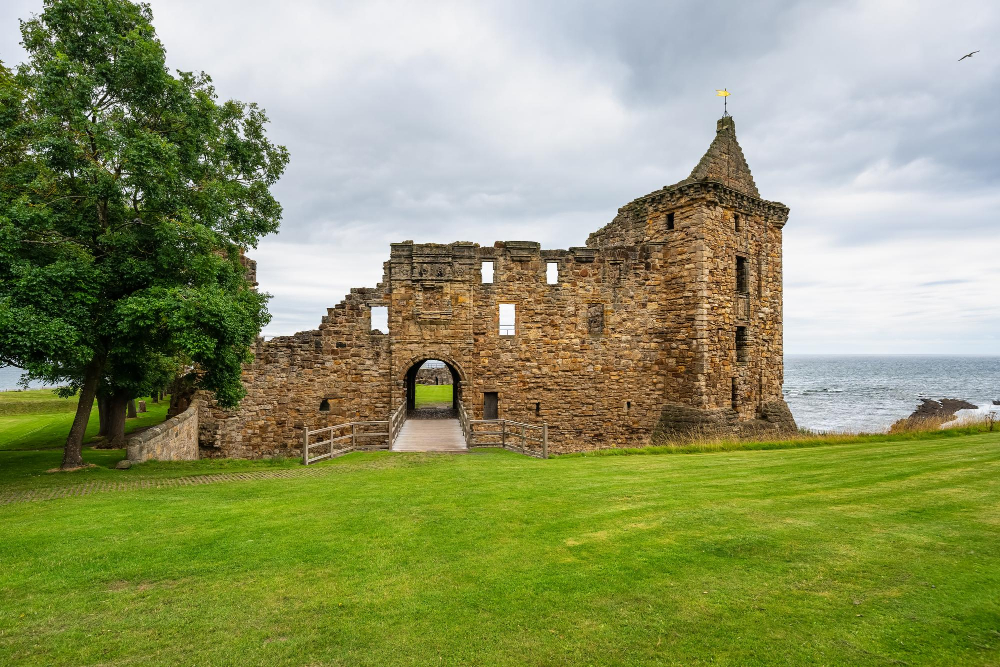
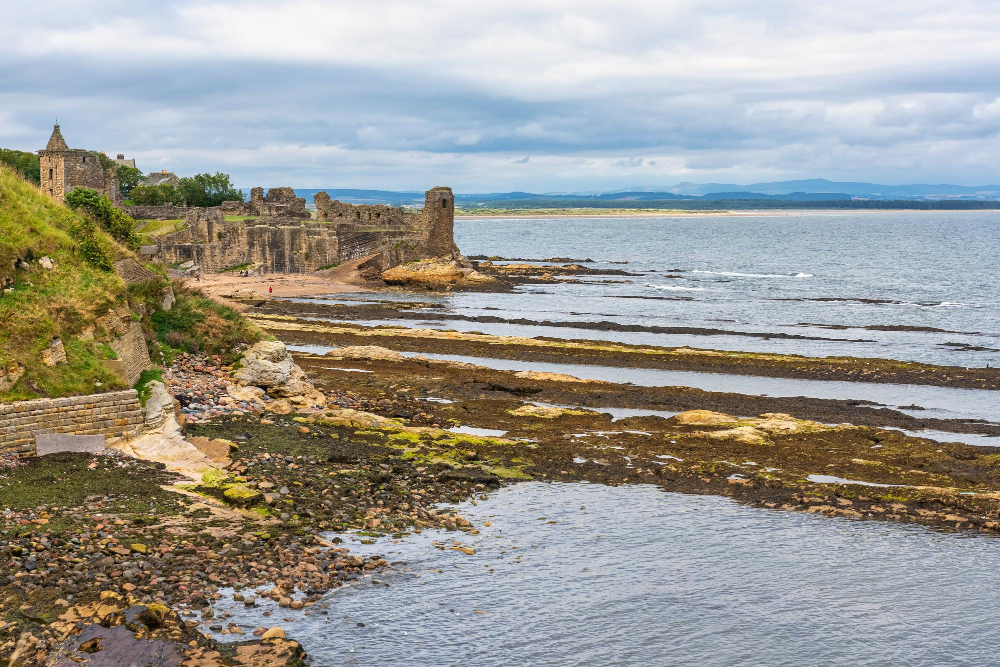
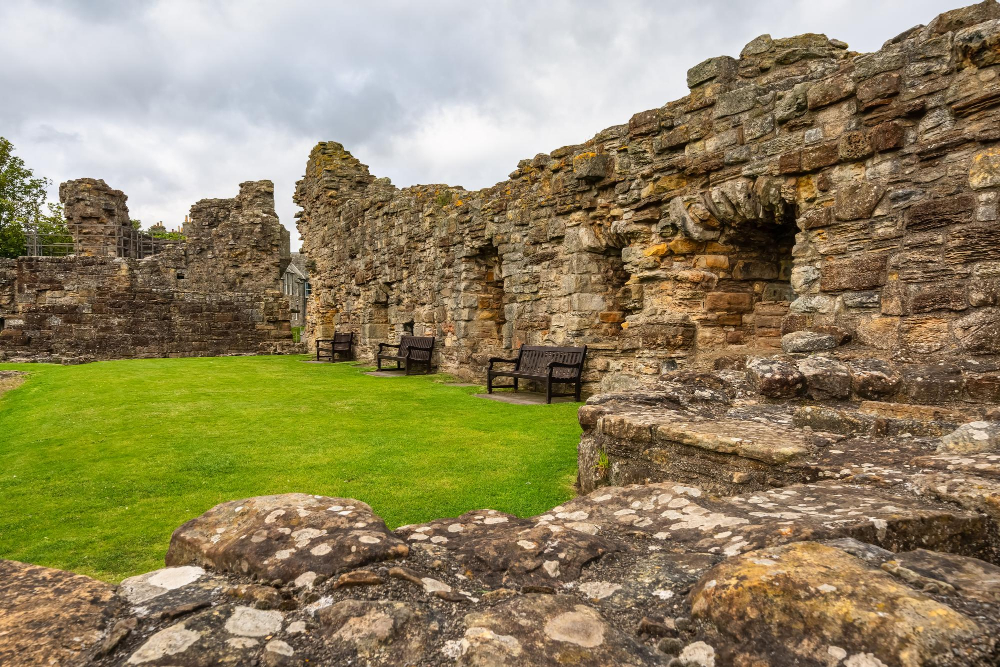
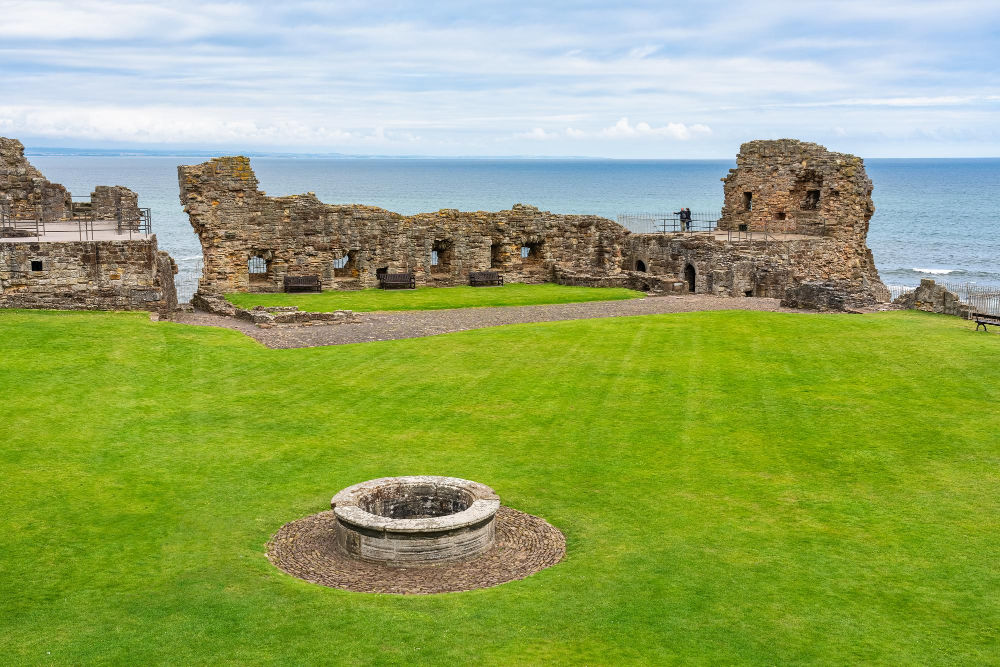
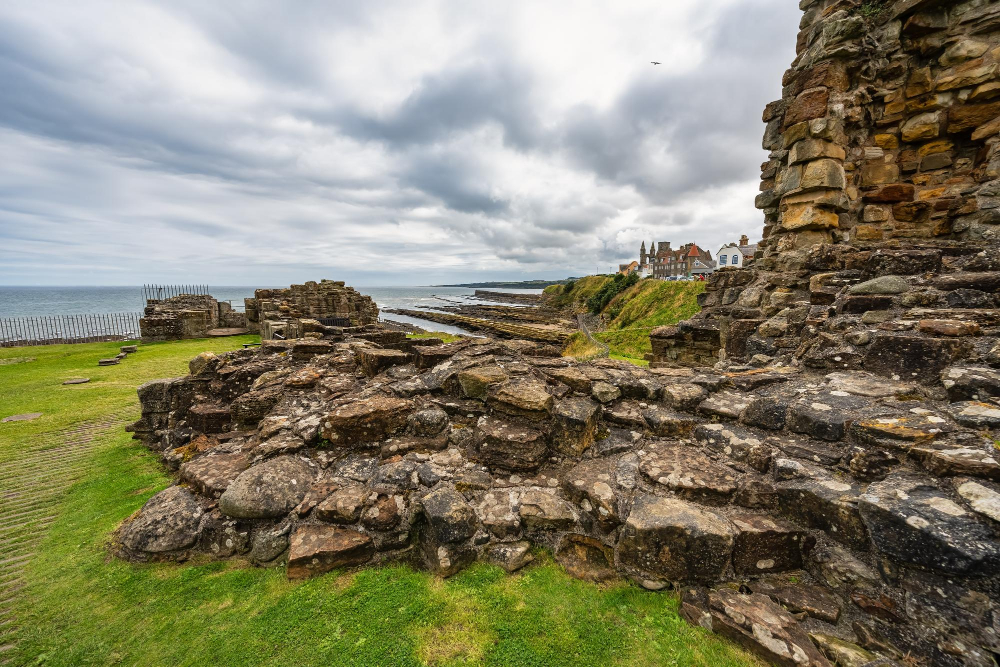
The picturesque ruins of St Andrews Castle on Scotland’s east coast tell tales of political power, religious influence and a rich medieval heritage. Yet few are aware of the role the castle once played in providing medical care – both for its inhabitants and for the numerous pilgrims who visited St Andrews as one of Europe’s most significant spiritual centres. Behind the walls of this historic fortress, not only were strategic decisions made, but lives were also saved – thanks to the astonishing healing power of herbs, particularly the humble sage.
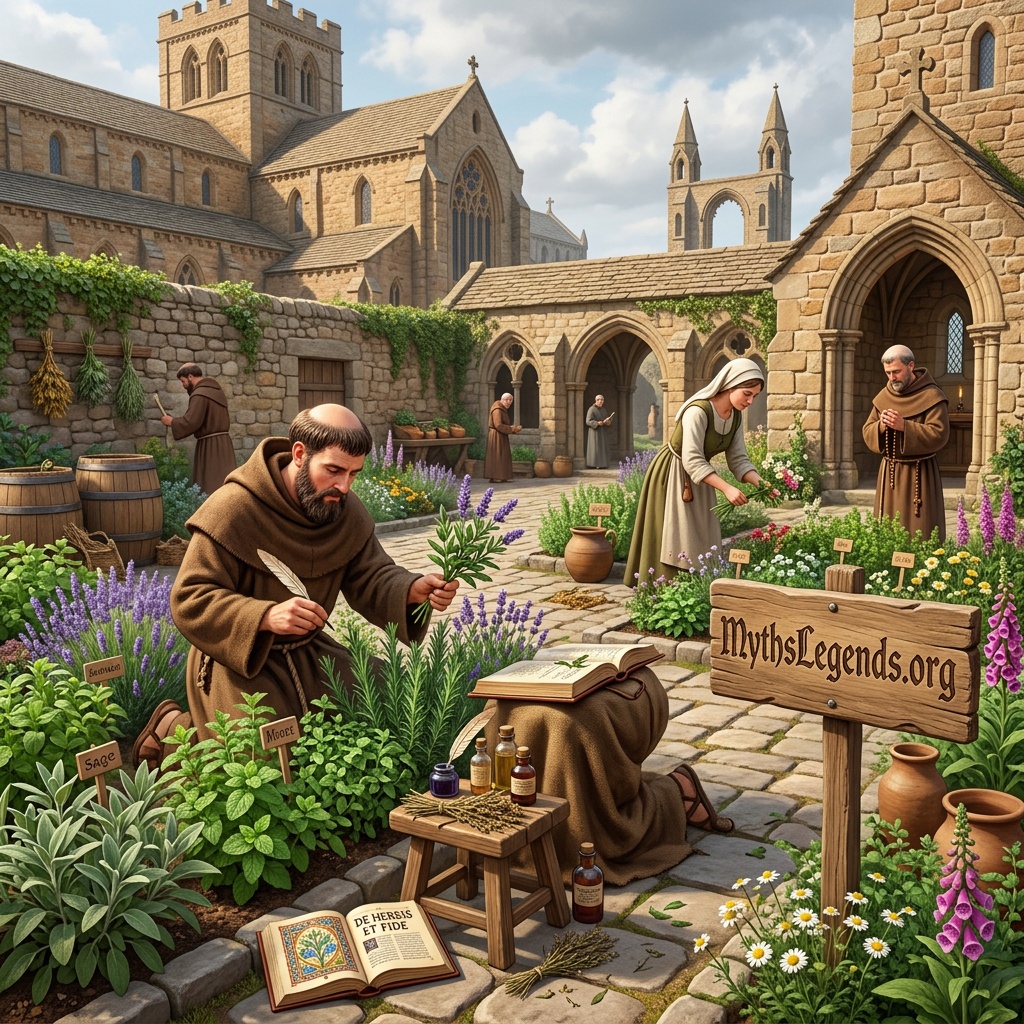
A Centre of Faith and Healing – In the Middle Ages, St Andrews was not only a political and religious centre, but also a place of hope for the sick and infirm. The nearby cathedral, then the largest of its kind in Scotland, attracted countless pilgrims seeking healing – both spiritual and physical. At the same time, the abbey developed into an important place of refuge, particularly for those whose health was failing. Monastic gardens formed the heart of medieval medicine, and their importance to the abbey and the pilgrims of St Andrews cannot be overstated. The monks cultivated a wide variety of medicinal herbs there, which, according to contemporary records, were specifically used to treat various ailments. One of these herbs, sage, stands out from the crowd – not only for its medicinal properties, but also for its symbolic and mystical reputation.
Sage: Plant of Wisdom and Purification – Sage, also known as the ‘herb of immortality’ or the ‘medicinal plant of wisdom’, enjoyed an almost legendary status in the Middle Ages. In the monastery gardens of St Andrews Castle, sage was specifically cultivated to combat illness and promote the health of both the castle’s inhabitants and pilgrims alike. Chronicles report that sage was primarily used to purify the body of harmful substances. At a time when poisoning was not uncommon, sage played a vital role in treating poisoning and restoring balance to the body. Yet the effects of sage extended far beyond the physical realm. It was also regarded as a spiritual remedy that clarified the mind and purified the soul. This dual function made it an indispensable part of medical care in medieval Scotland. Pilgrims who came to St Andrews often sought protection and healing in these herb gardens, and sage was always a central aid in this regard.
Clary sage: The ‘gentle brother’ of sage – Alongside common sage, clary sage was also used in St Andrews – a related plant with properties all of its own. Clary sage, known at the time as the ‘gentle brother of sage’, was valued for its soothing and healing properties. Its ability to alleviate stress and anxiety was particularly valued, which was of great benefit to pilgrims who had endured long and arduous journeys. Many medical texts of the time mention it as a remedy for insomnia and nervous tension. Clary sage was also used to relieve stomach complaints caused by poor diet or unsanitary conditions whilst travelling. Its essential oils helped to reduce inflammation and aid digestion. Clary sage was thus another important remedy in the ancient art of herbal medicine, which made St Andrews Castle a place of recovery.
Chamomile and Dill: Companions of Medieval Medicine – Alongside sage and clary sage, other plants also found their place in the monastery gardens of St Andrews. Chamomile, in particular, was highly prized for its soothing and anti-inflammatory properties. Whether for skin infections, stomach problems or general ailments – the small flowers of the chamomile proved to be versatile. Teas and poultices made from chamomile extracts were widely used and offered comfort and relief at a time when modern medicines were still a long way off. Dill also played a significant role in medieval medicine. The herb, which is often used in cooking today, was used back then to soothe the stomach and aid digestion. Particularly on long pilgrimages, where the diet was often unbalanced, dill was a valuable remedy for treating digestive problems. Its seeds and leaves were processed into tinctures and served both as a remedy and as a preventative measure.
Mysticism and Science: The Link Between Faith and Healing – The interplay of faith and the art of healing in medieval St Andrews is fascinating. People of that era believed that nature’s healing powers were a gift from God, and so the monastery gardens were not only places of medical practice but also of spiritual contemplation. Every sprig of herb, every leaf and every flower was treated with reverence and carefully documented, as it was believed that their effects were of divine origin. Pilgrims who came to St Andrews saw in the medicinal herbs not only physical aid, but also a means of spiritual and emotional purification. Sage, which enjoyed the reputation of a plant saint, was particularly symbolic in this context – it was regarded as a link between the earthly and the divine. It is this mystical dimension that lent the cultivation of herbs at St Andrews Castle and the surrounding gardens an even deeper significance.
A Legacy of Healing – Today, the ruins of St Andrews Castle and the remains of the cathedral serve as a reminder of a bygone world in which healing and faith went hand in hand. The tradition of herbal medicine that once flourished here has endured through the centuries and continues to shape our modern understanding of naturopathy. Herbs such as sage, clary sage, chamomile and dill have proven their efficacy and remain an integral part of many home remedies and pharmaceutical products. Yet the history of St Andrews Castle is more than just a reminder of past healing methods. It tells of a time when people respected the forces of nature and understood its gifts as part of a higher order. This perspective on the relationship between humans and nature can still inspire us today to view the world around us with greater reverence and to appreciate its healing treasures.
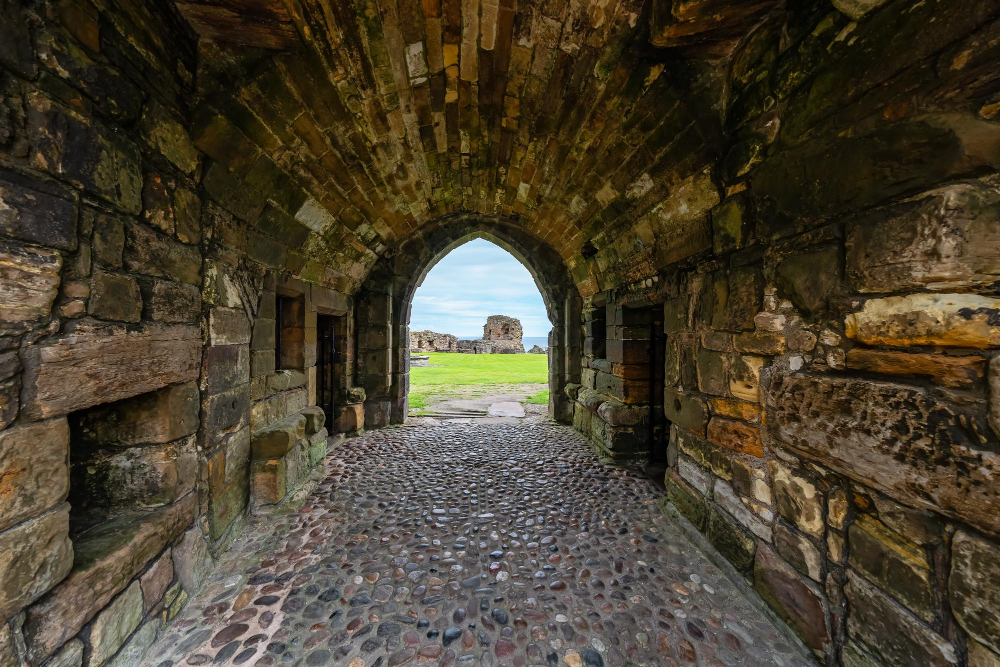
The hidden wisdom of St. Andrews Castle The history of St. Andrews Castle and its monastery gardens bears witness to the fact that the art of healing in the Middle Ages was far more than mere science. It was a blend of practical knowledge, spiritual conviction and a deep connection with nature. The power of sage, clary sage, chamomile and dill embodies these unique approaches and brings us closer to the mystical yet practical side of the art of healing. As we stroll through the castle ruins today, we can imagine pilgrims arriving full of hope, monks working in the gardens, and the air filled with the scent of healing herbs. St Andrews remains a place of inspiration – a symbol of the wisdom and magic hidden within nature’s secrets.












Post Comment