
The Treasure of Lake Toplitz: Secrets and Myths of a Dark Chapter in History
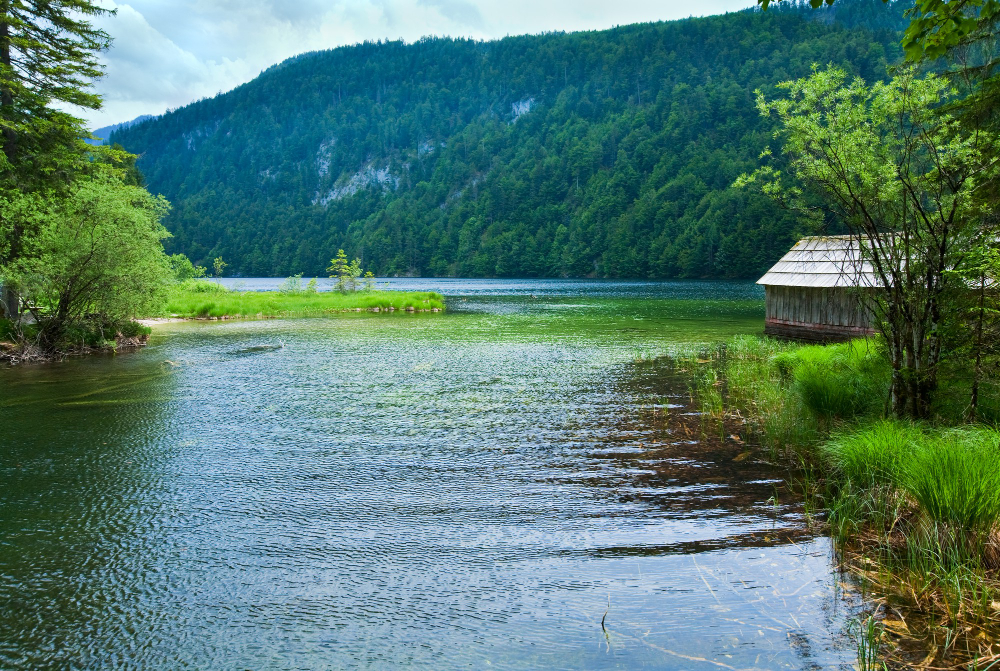
Lake Toplitz in Austria, hidden in the heart of the picturesque Salzkammergut region, has been at the center of a fascinating myth for decades. Despite its idyllic setting, it has a grim reputation closely linked to the final days of World War II and the machinations of the Third Reich. Rumors of crates full of gold reserves, secret documents, and other treasures allegedly sunk in the lake’s oxygen-depleted waters attract adventurers, historians, and treasure hunters alike. But what is actually behind the legend? A search for clues between fact and fiction.
The Myth: Gold and Secrets in the Cold Water – The stories surrounding Lake Toplitz have their origins in the chaotic final days of World War II, when the Nazi leadership attempted to hide its finances and secrets from the Allies. According to some reports, Third Reich officers are said to have stowed valuable goods, including gold bars and sensitive documents, in watertight crates and sunk them into the deep lake. What makes Lake Toplitz particularly suitable for such hiding places is its unique composition. The lake is up to 103 meters deep, with the deepest layers completely lifeless due to a lack of oxygen. These conditions preserve many materials relatively undamaged for centuries—ideal for those who want to hide something for a long time. Another aspect that fuels the myth is the terrain surrounding the lake. Steep mountain slopes and dense forests make access difficult, turning it into a natural hideout for covert operations. The idea that valuable treasures still await discovery there has encouraged numerous treasure hunters to try their luck. Yet to this day, no one has found gold or significant historical documents—at least not officially.
Operation Bernhard: The Secret of the Counterfeit Banknotes – While the search for gold has so far been unsuccessful, there have certainly been spectacular finds in Lake Toplitz. One of the most famous dates back to the so-called “Operation Bernhard,” one of the largest counterfeiting operations in history. The goal of this operation, carried out under the direction of the SS, was to destabilize the British economy through the mass counterfeiting of pound notes. Highly specialized prisoners from concentration camps produced thousands of perfectly counterfeited banknotes, some of which were so good that they were even accepted by banks. At the end of the war, large quantities of these crates containing counterfeit money were sunk in Lake Toplitz, presumably to destroy evidence of the Third Reich’s criminal activities. In the 1950s, many of these crates were found during salvage operations, and the banknotes they contained were examined. The discovery of the counterfeits was strong evidence that the lake had indeed been the site of secret Nazi operations. But was that all that was hidden there?
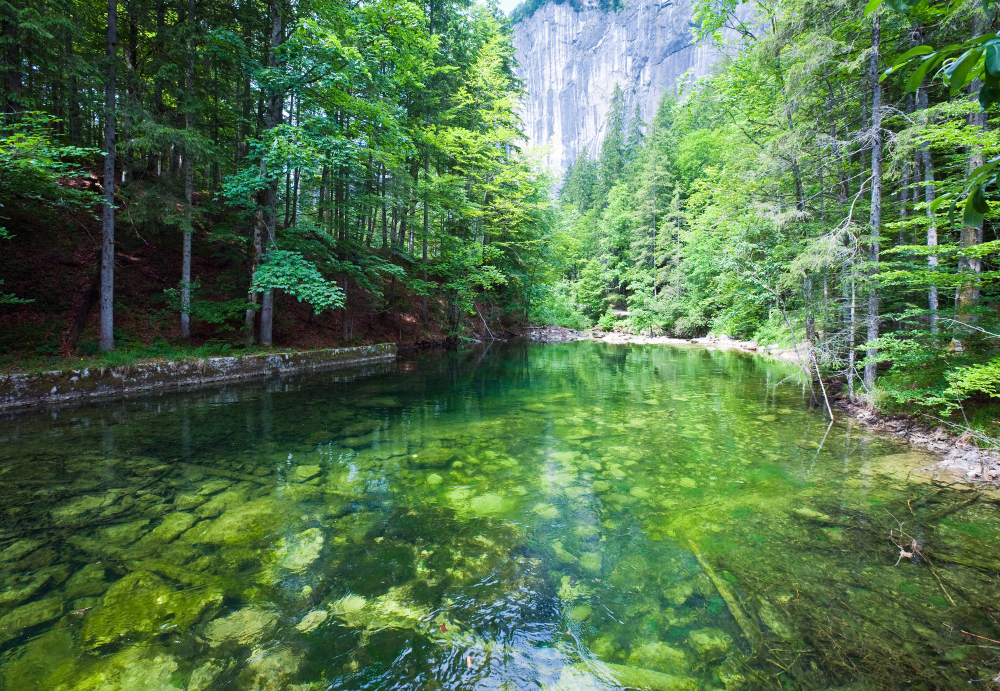
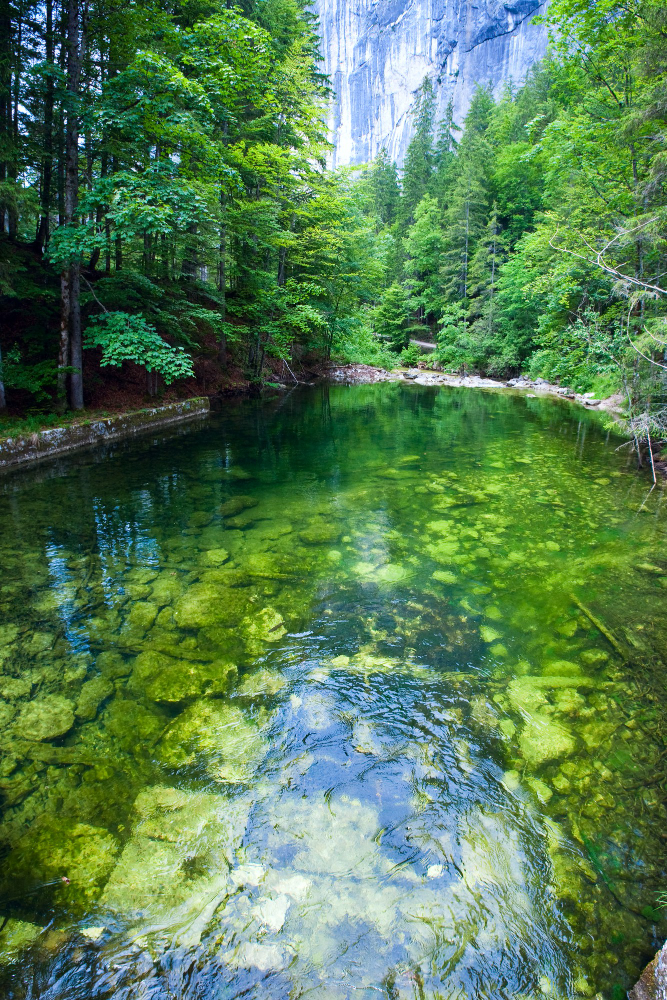
Treasure Hunters and Research Missions: The Unfulfilled Dream of Gold – Since the early postwar years, stories of sunken Nazi treasures have drawn researchers and adventurers from all over the world to Lake Toplitz. Explorations of the lake range from local diving expeditions to large-scale international projects. A notable example was the expedition by an American consortium in the 1980s, which searched for clues using state-of-the-art equipment. The Austrian military and private companies have also repeatedly surveyed the lake, but without success. The search is complicated by the lake’s unique geological conditions. Lake Toplitz is not only deep but also covered by a thick layer of mud that obstructs visibility. Additionally, dead trees lie in the lower layers, forming an underwater forest that makes navigation extremely dangerous. Some divers had to abort their missions; others tragically lost their lives while searching for the supposed treasure. Although all recovery operations to date have brought interesting artifacts to light—including military equipment and documents—the legendary gold treasure remains undiscovered. This, however, keeps the legend alive, as every failed mission creates room for speculation: What if the gold lies in another part of the lake or has already been secretly recovered?
Fact vs. Fiction: The Scientific Perspective – Scientists and historians view the myth with skepticism. While the sunken crates of counterfeit money and some military items are clearly documented, there is no credible evidence that gold reserves or other significant treasures were actually sunk in Lake Toplitz. Some experts argue that the stories of “Nazi gold” are part of postwar sensationalism that has blurred the lines between symbolism and facts. Moreover, other well-known locations in Europe are also associated with similar legends—such as Lake Walchen in Bavaria or Lake Wolfgang in Austria. It seems to be a pattern that remote lakes and caves are stylized into mythical treasure hiding places, especially when linked to tragic historical events. In the case of Lake Toplitz, however, the documented existence of the counterfeit banknotes makes the legend more credible than elsewhere.
The Fascination of the Mysterious – Although the possibility of a real gold treasure grows increasingly unlikely, Lake Toplitz continues to exert a special allure. Its mysterious atmosphere, heightened by the site’s dark history, attracts not only adventurers but also filmmakers, writers, and tourists. Documentaries and feature films such as “Die Spur der Jäger” repeatedly revisit the theme, while local guided tours around the lake use the legends to promote tourism. Especially in an age when many historical mysteries are solved by modern technology, Lake Toplitz remains a rare example of an unsolved mystery. This might explain why the myth lives on despite the lack of evidence—for the idea of a hidden treasure sparks the imagination, inspires our dreams, and lures people to the most remote corners of the world.
A Lake Full of Questions – Lake Toplitz is more than just a picturesque lake in the Austrian Alps. It is a symbol of the unknown and a window into a dark chapter of history. Although the search for the legendary Nazi gold has so far been unsuccessful, the lake offers a fascinating insight into historical events and the human tendency to create and pursue myths. Perhaps the true significance of Lake Toplitz lies less in the treasures it may hide and more in the stories it inspires. The legend will endure—as will the treasure hunters’ hope that one day they will finally unravel the mystery.













Post Comment