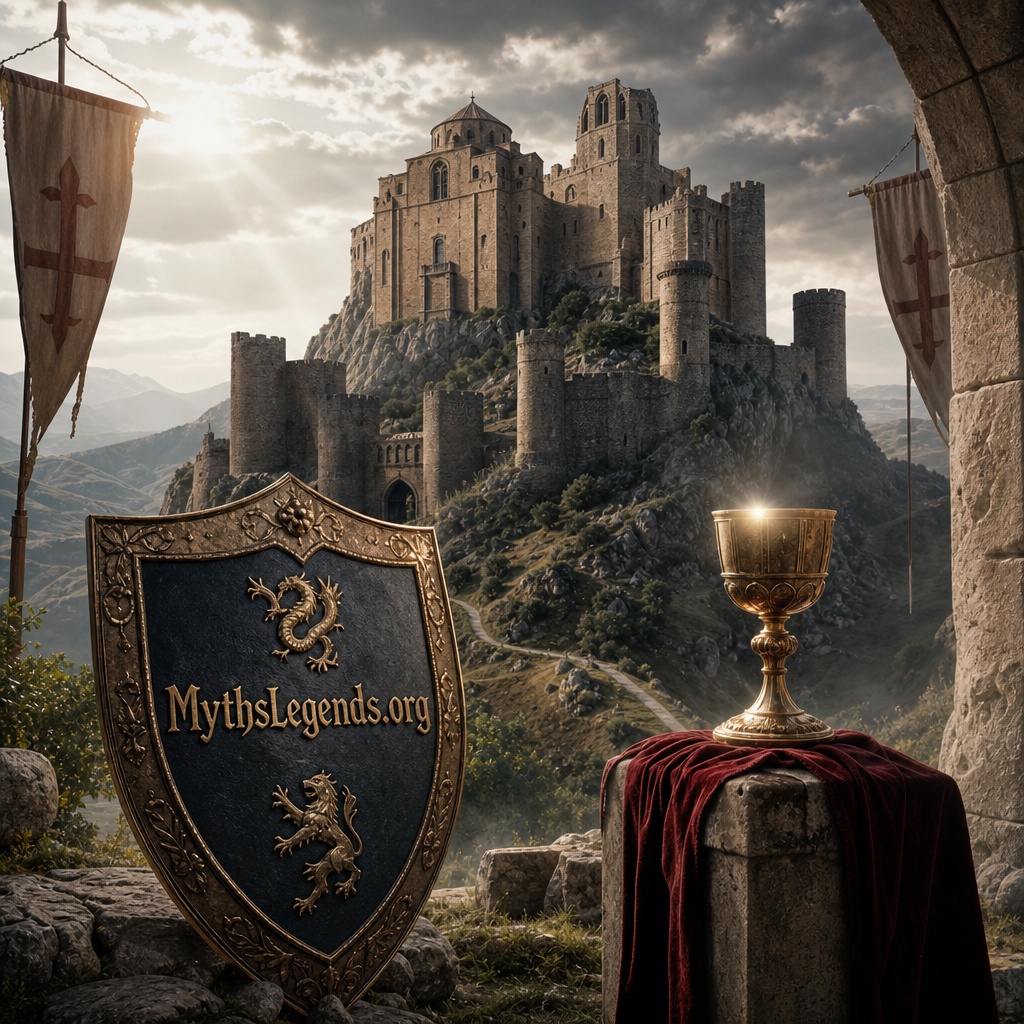
The Secret of Castillo de Loarre: Legend, History and the Quest for the Holy Grail
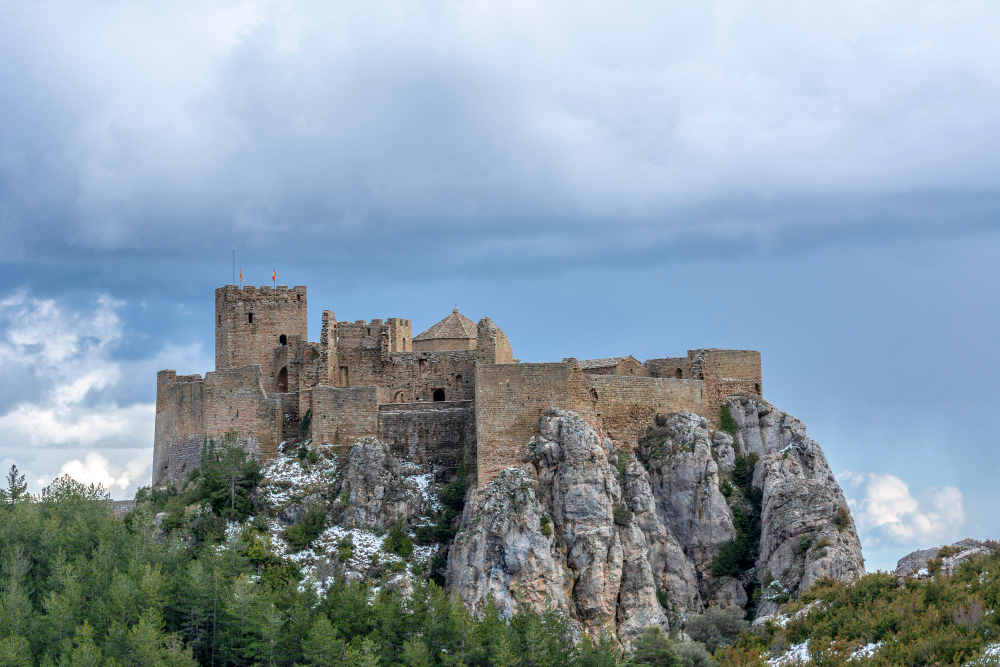
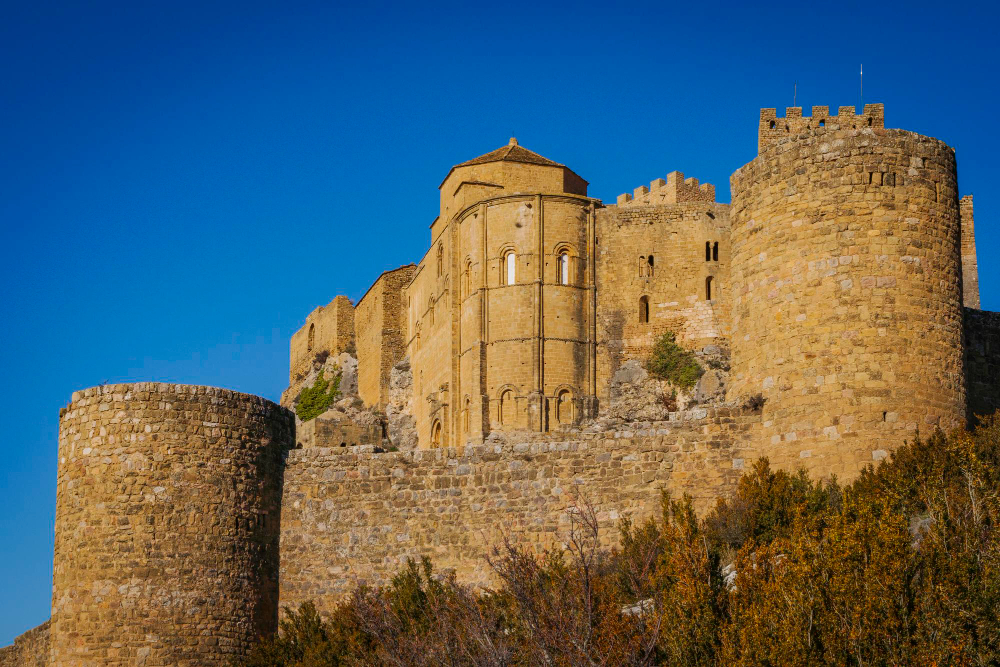
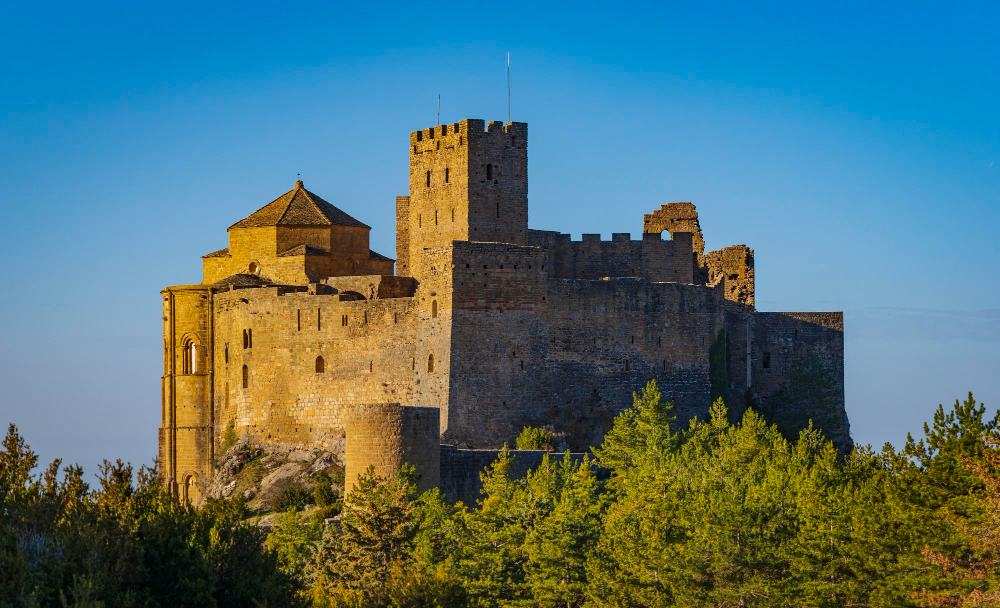
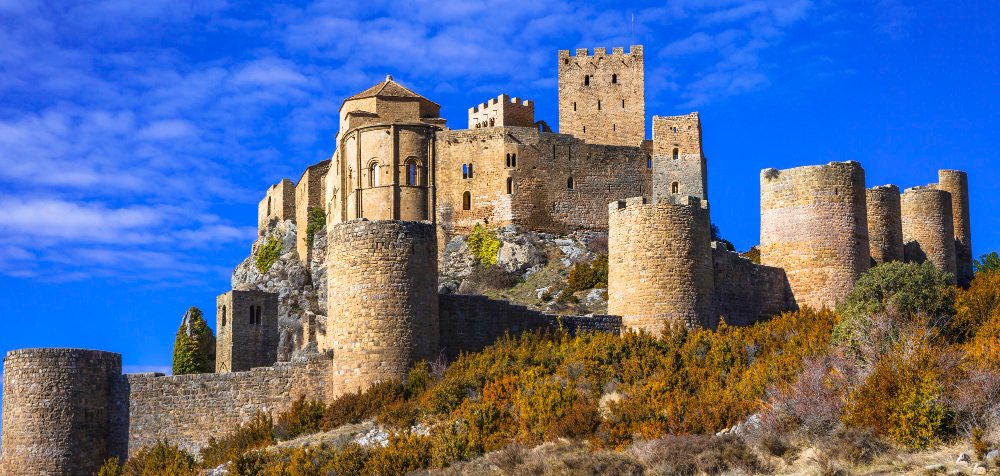
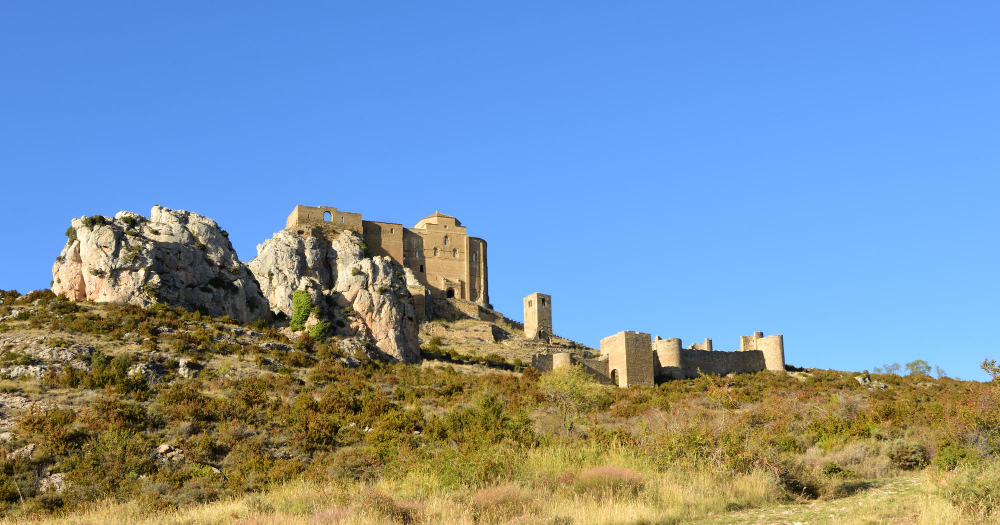
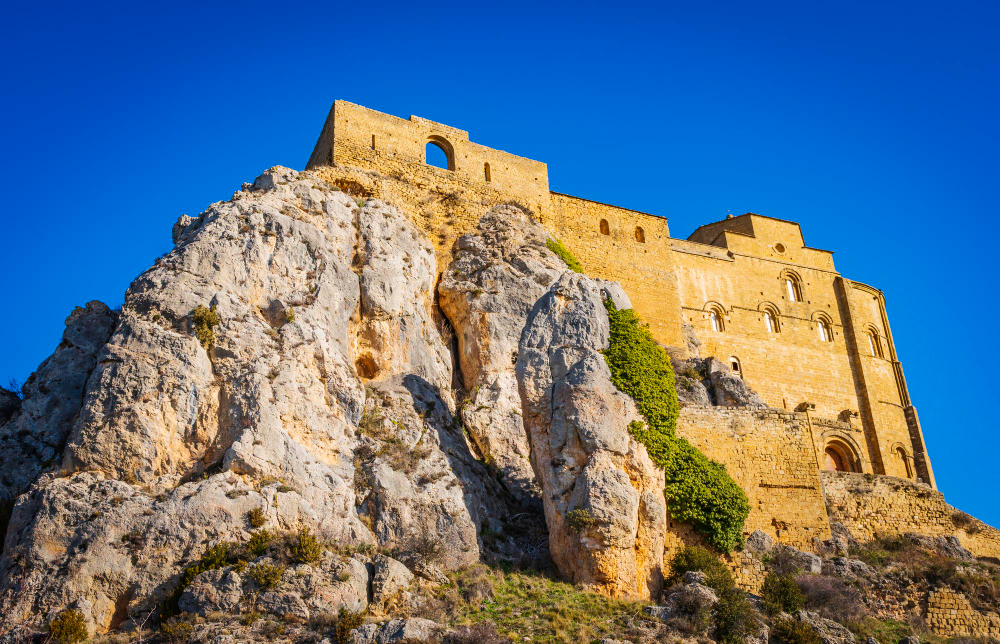
In the heart of the province of Huesca, nestled within the dramatic landscape of the Aragonese foothills, Castillo de Loarre rises majestically from a limestone cliff. This medieval structure is not only regarded as one of the most impressive examples of Romanesque architecture in Spain, but also harbours a fascinating legend: the notion that it may once have served as a refuge for the Holy Grail. What lies behind this myth, and how does the castle fit into the historical narrative of its time? Let’s delve into the world of history and legends surrounding Castillo de Loarre.
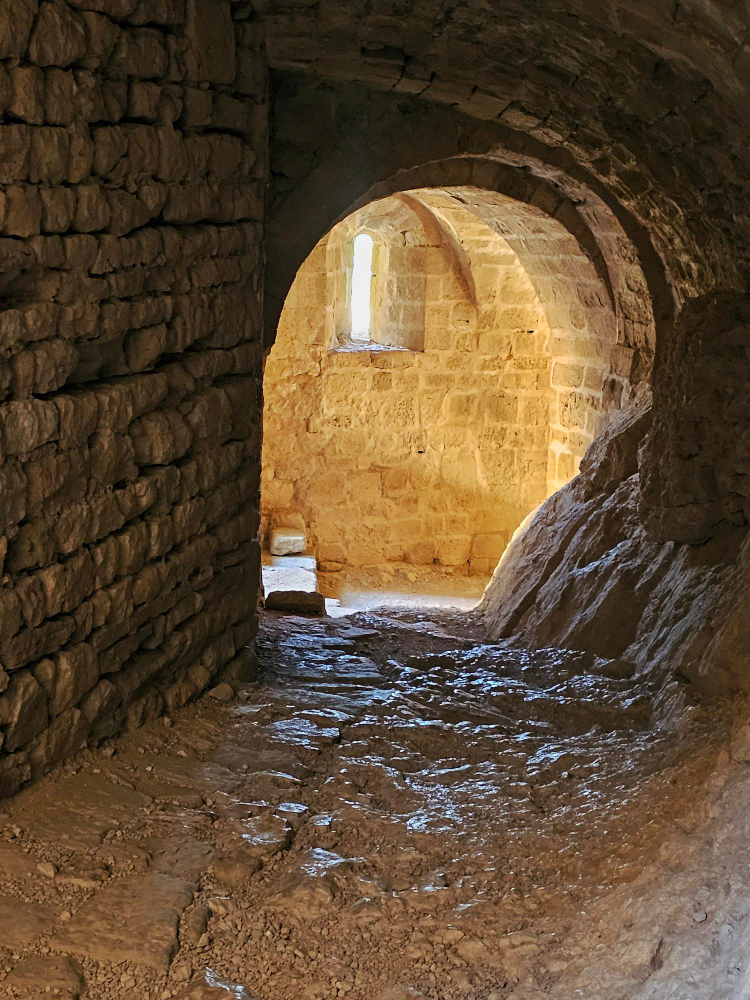
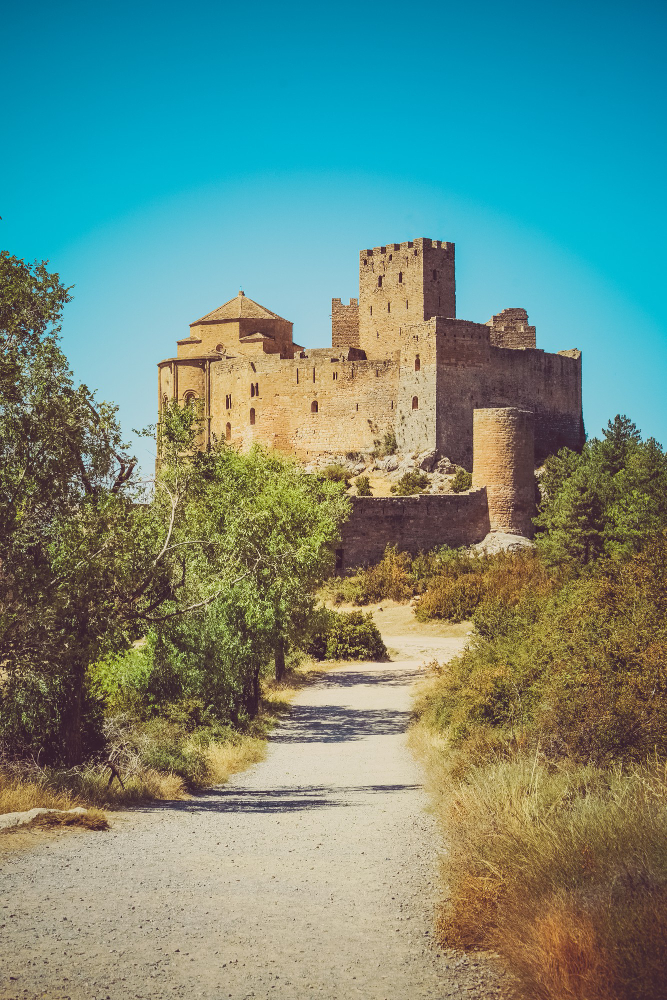
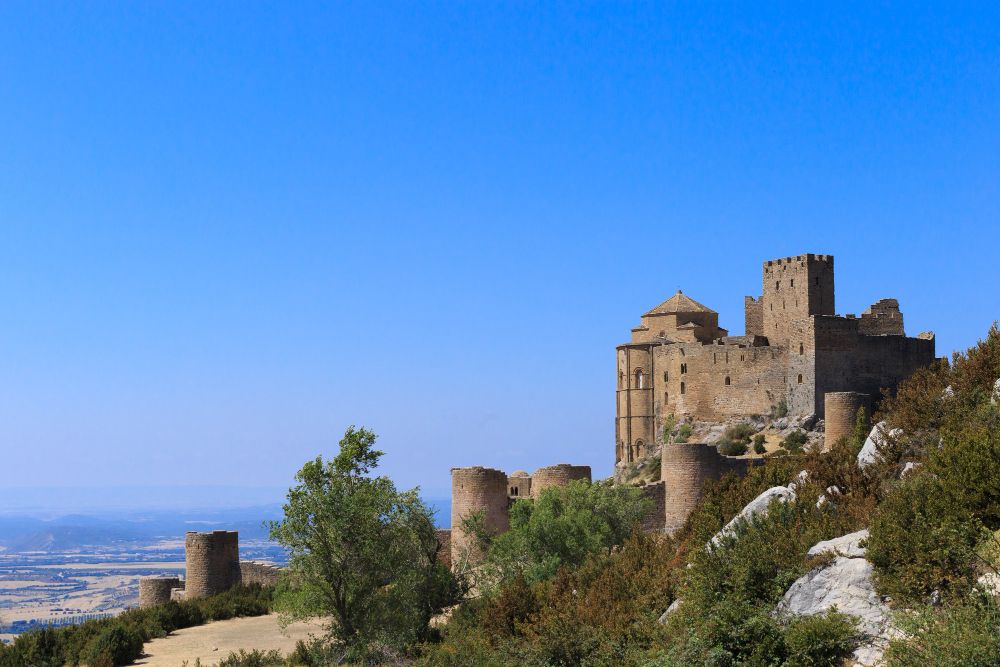
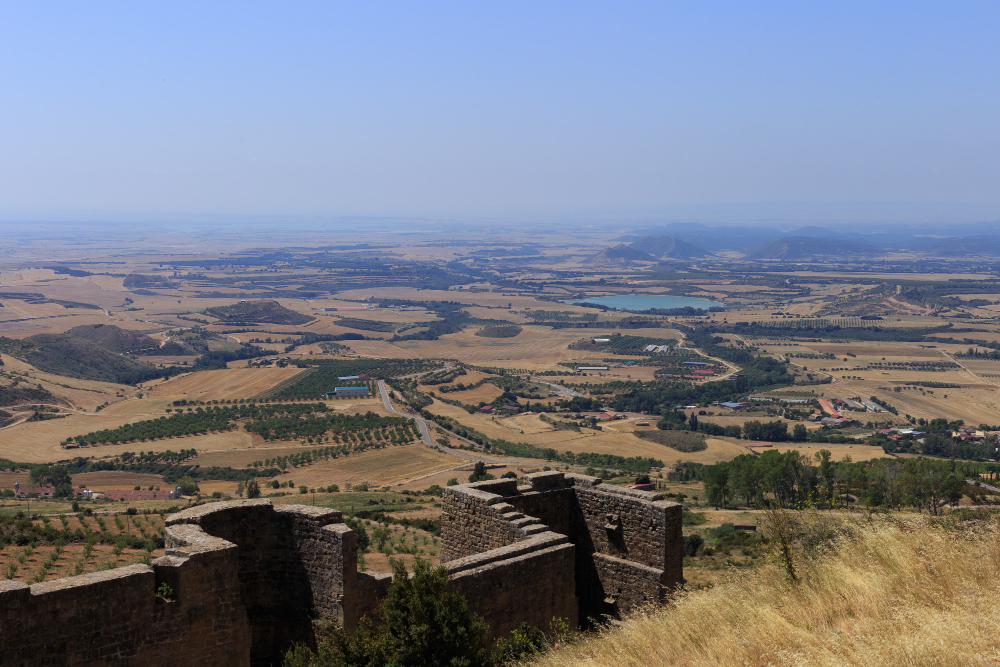
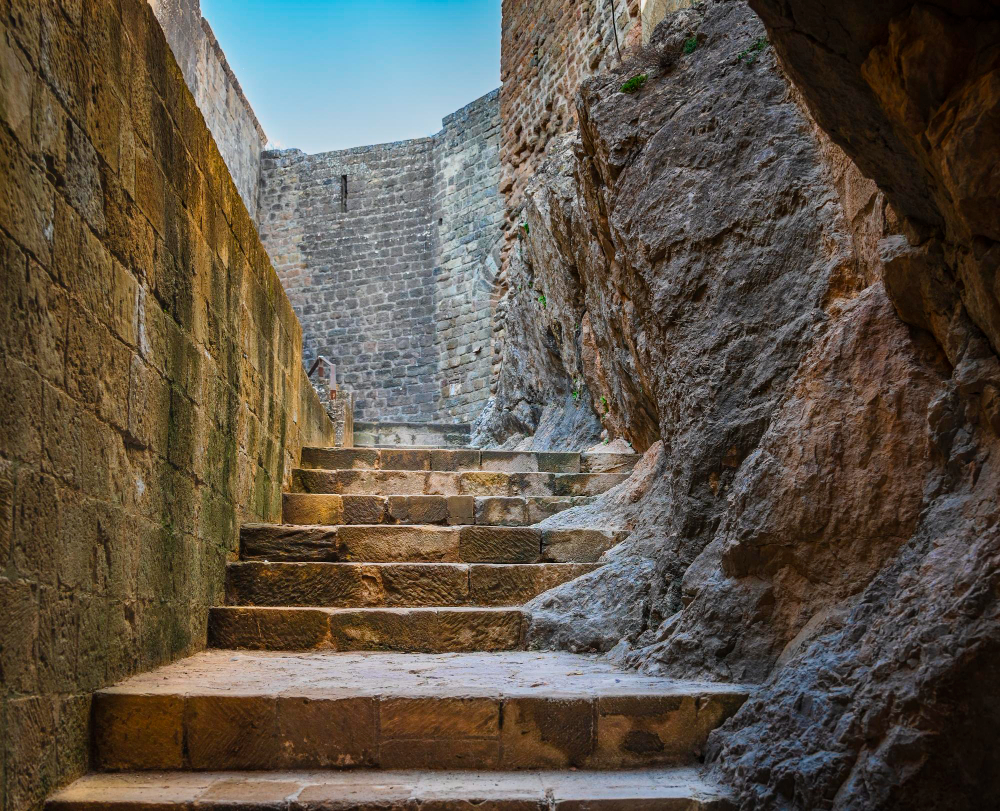
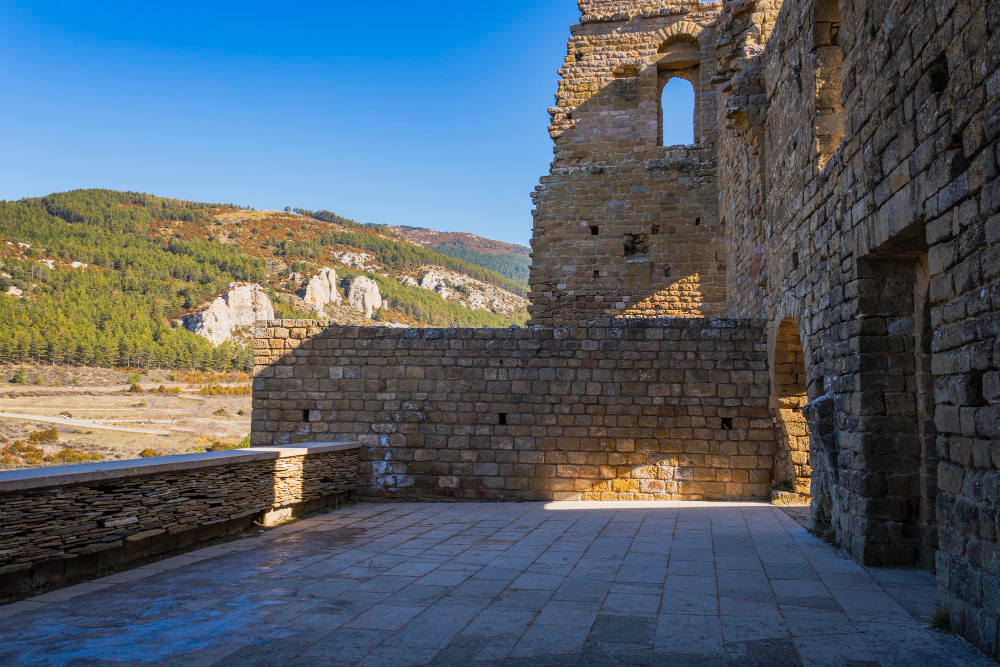
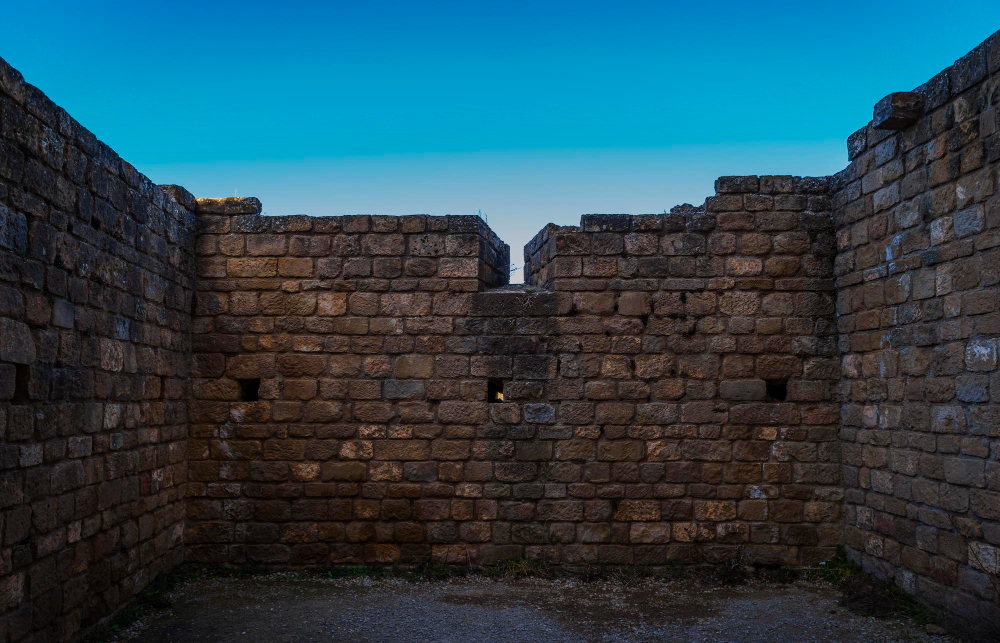
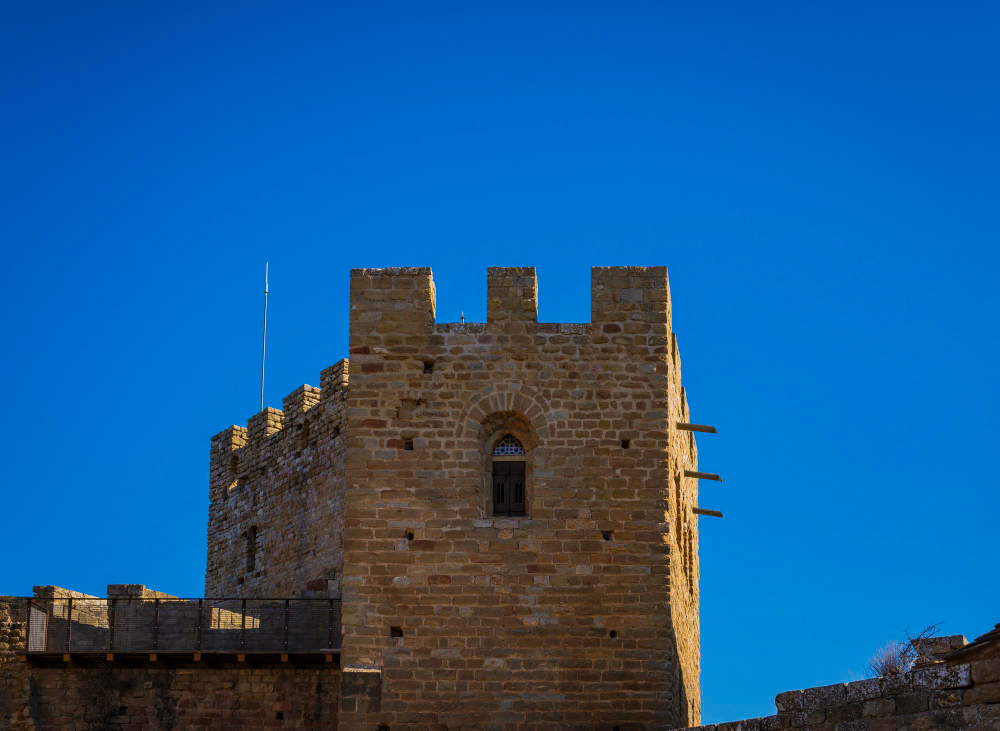
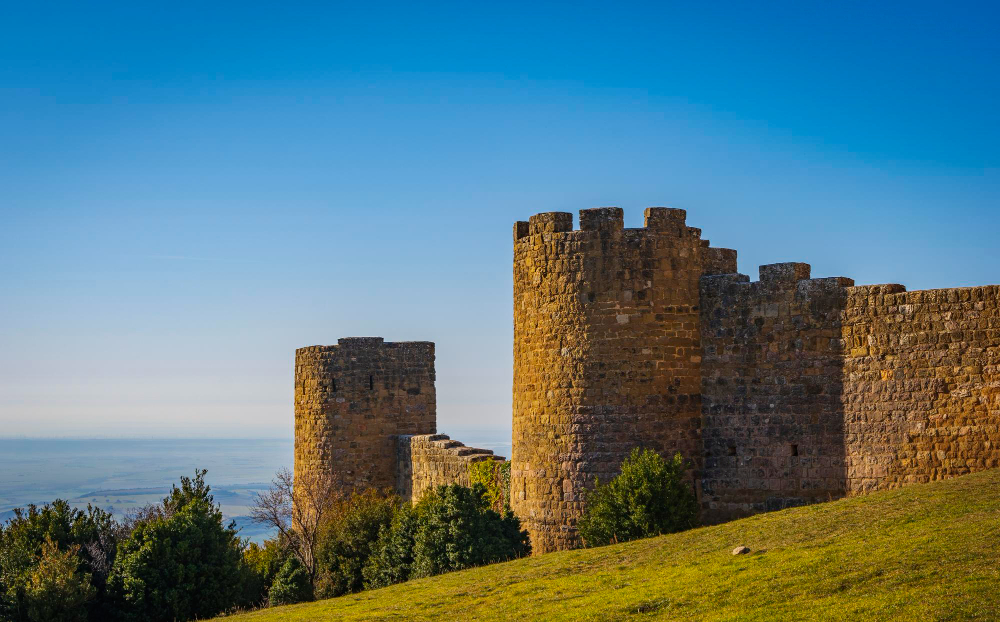
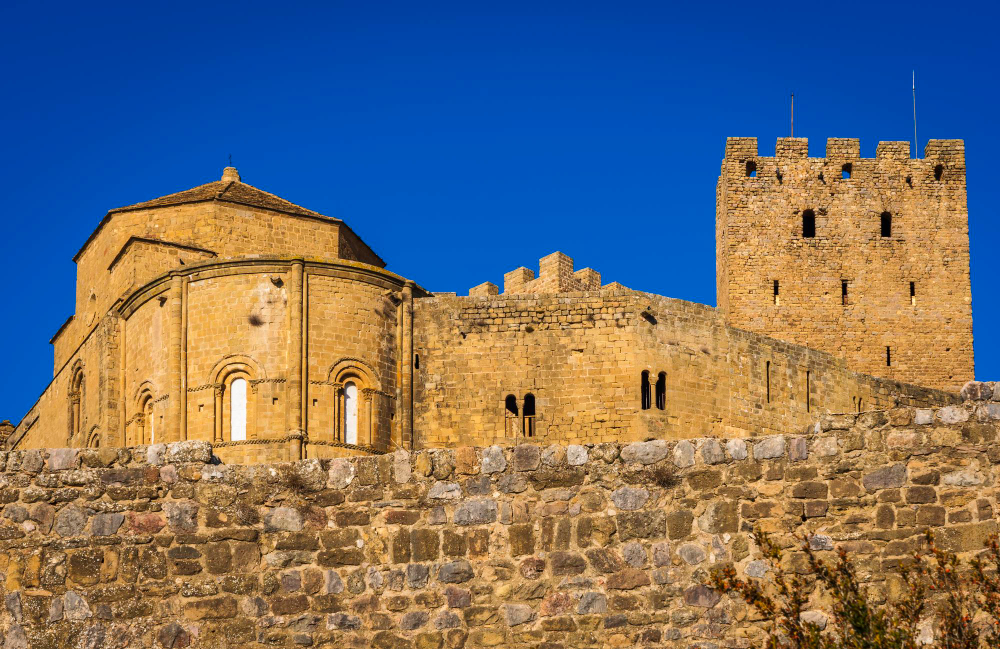
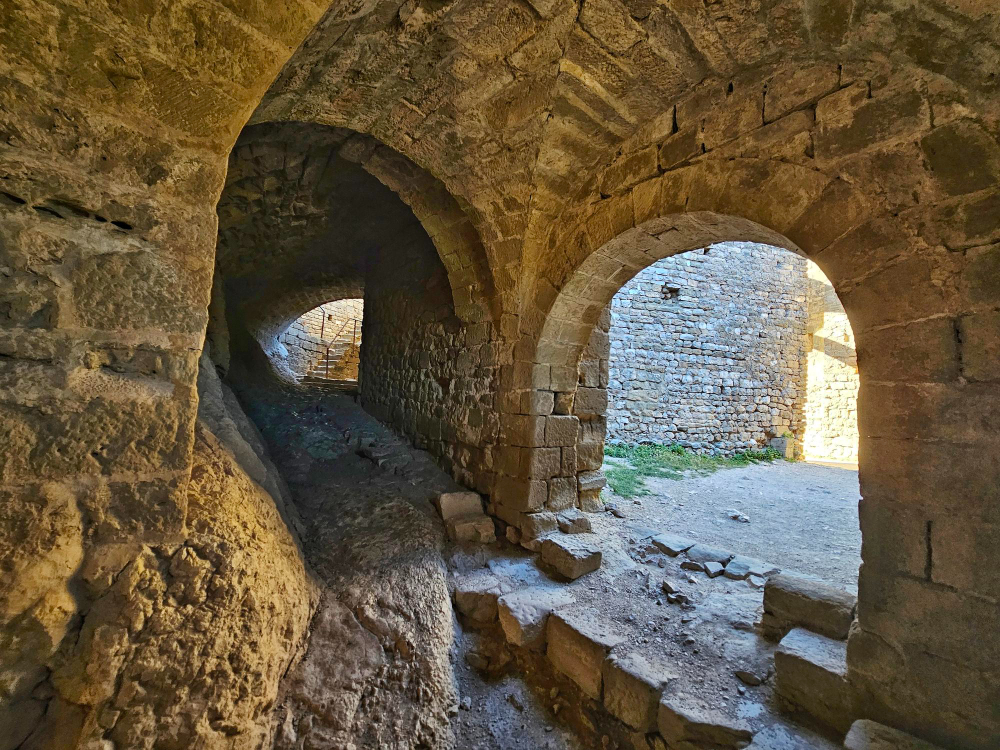
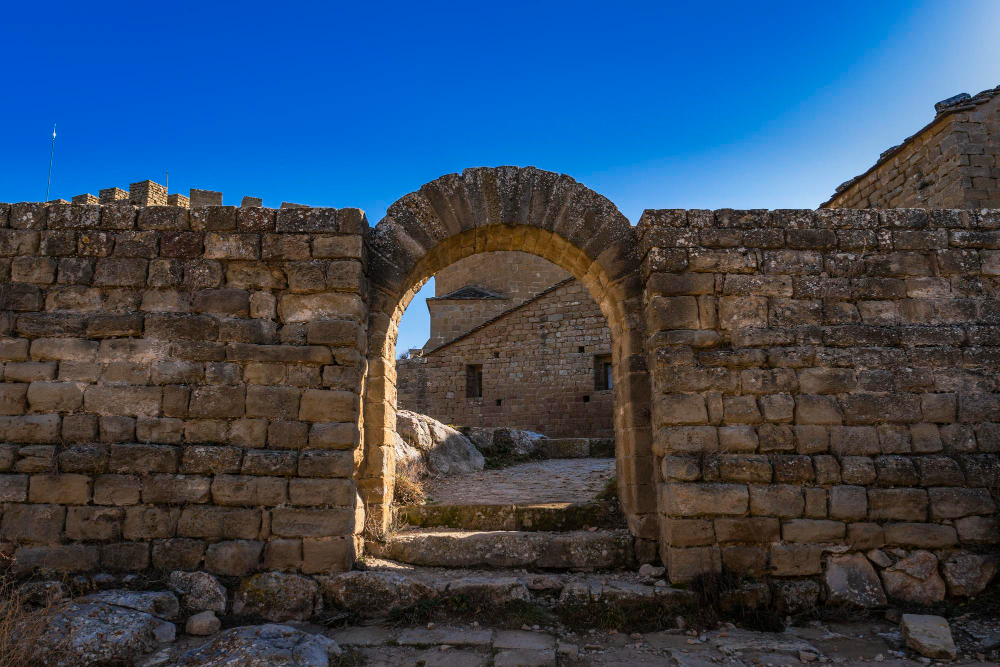
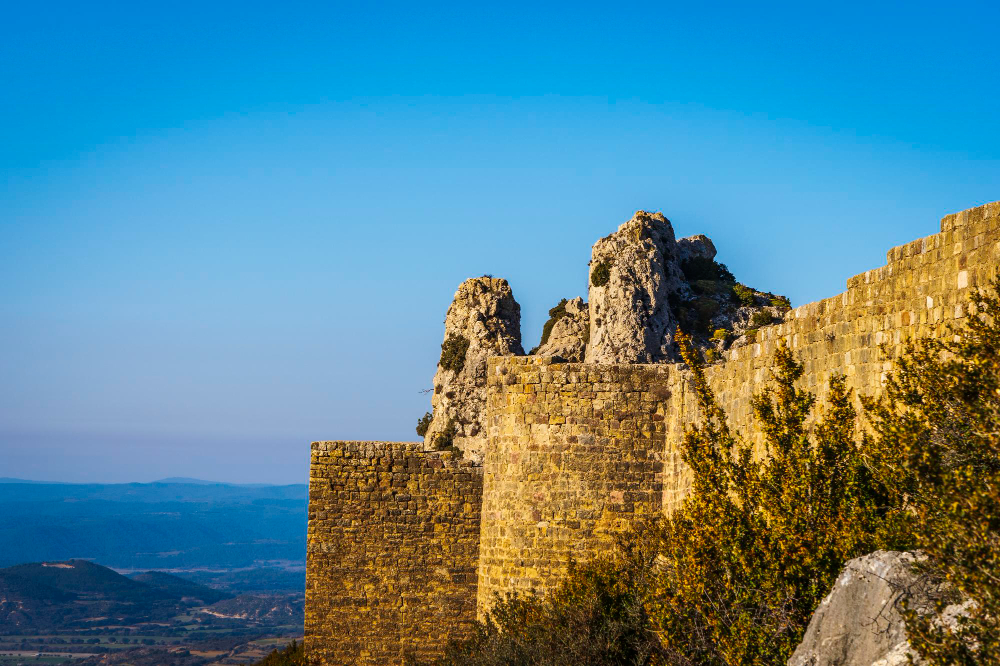
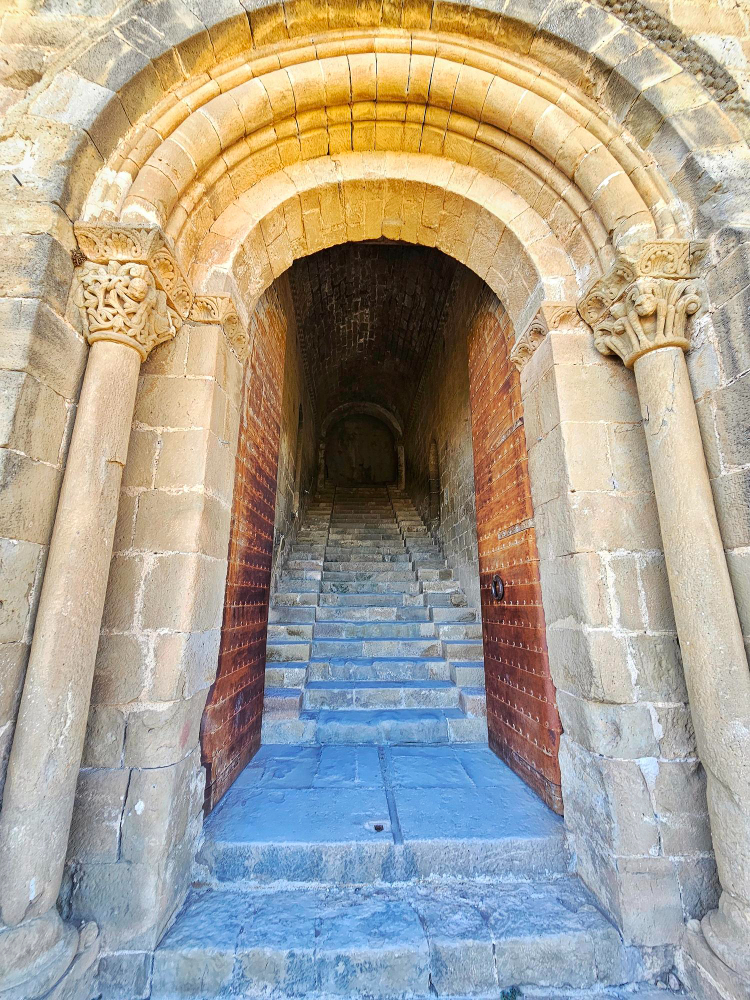
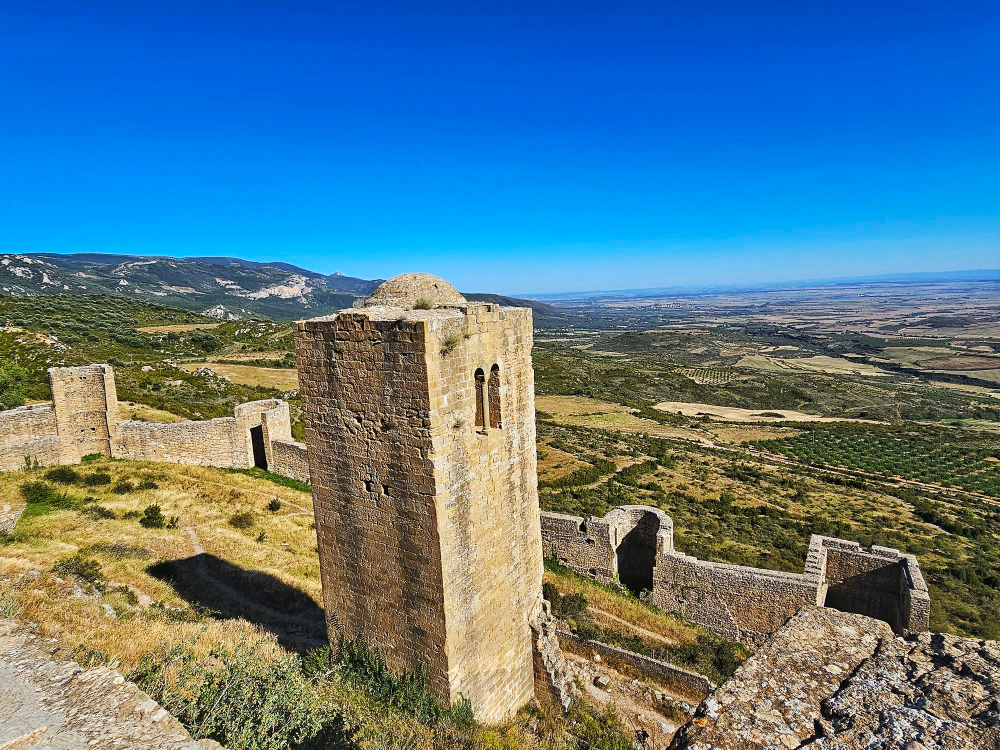
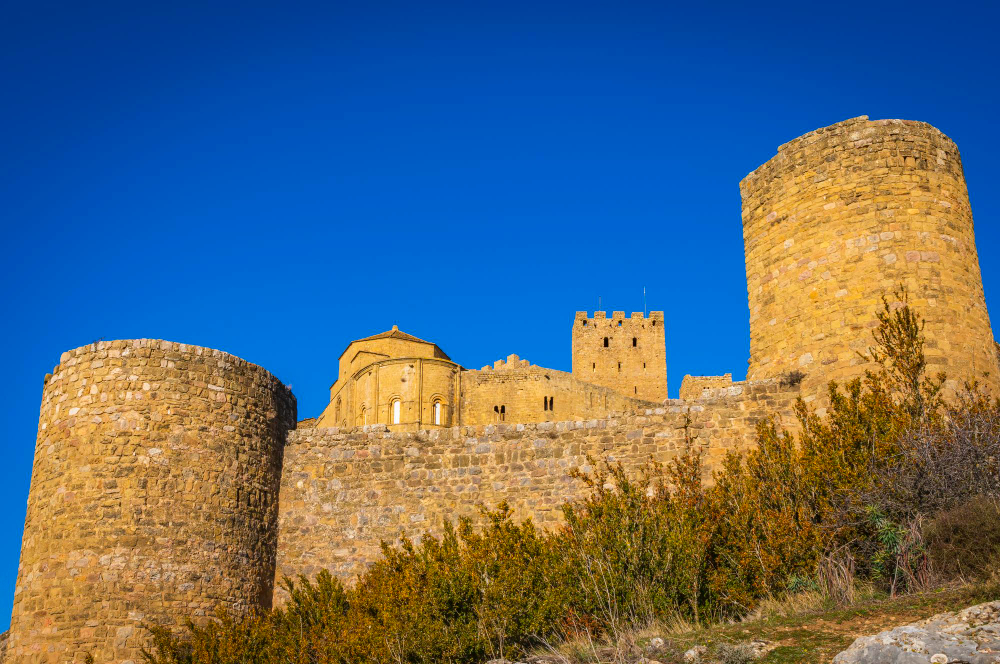
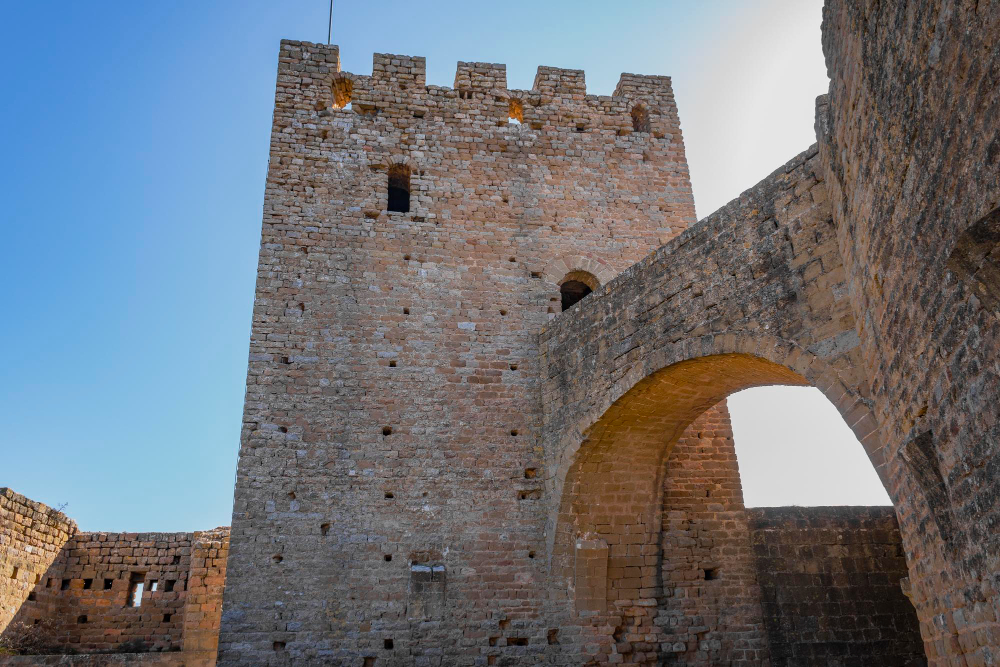
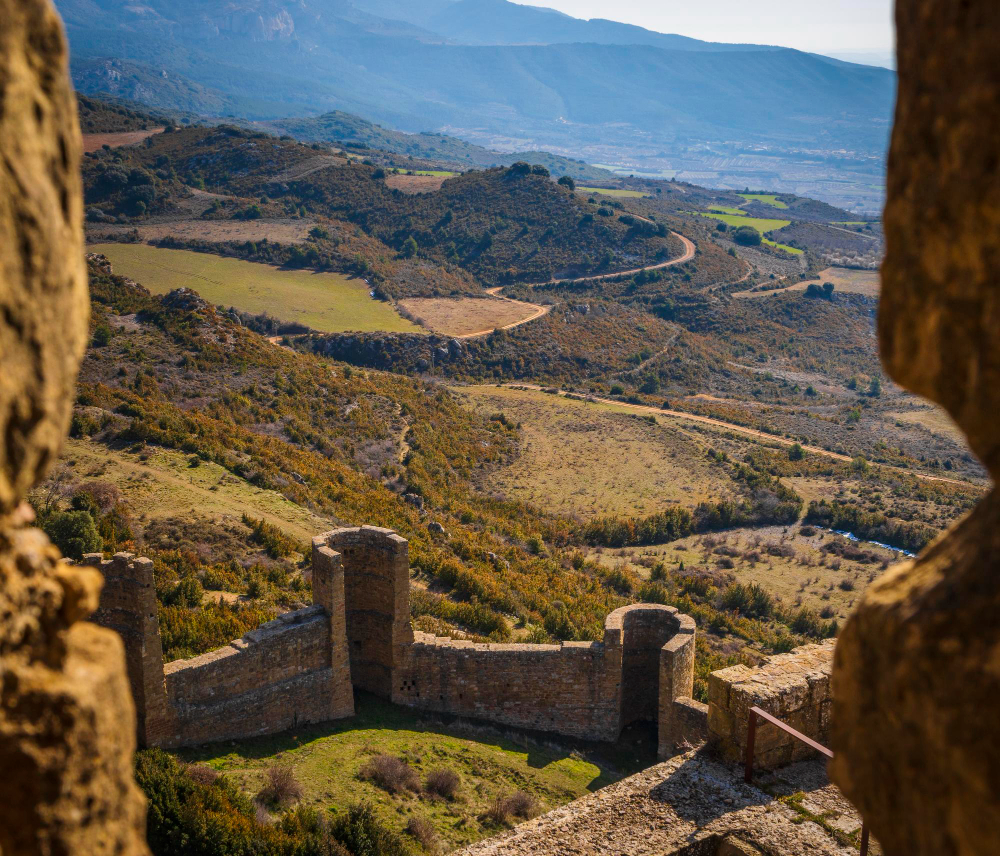
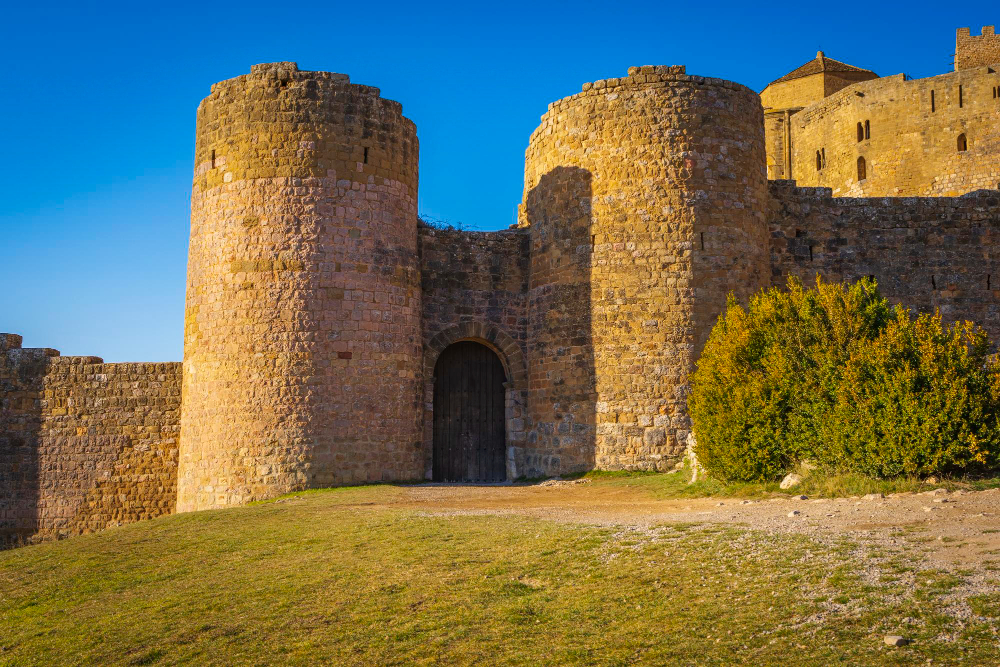
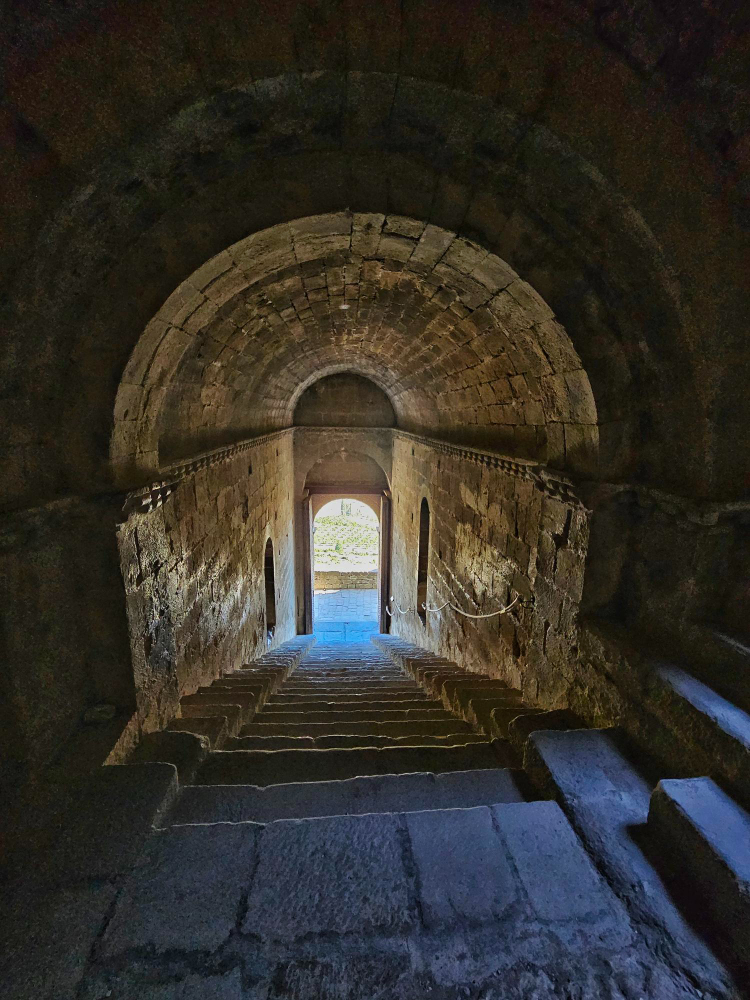
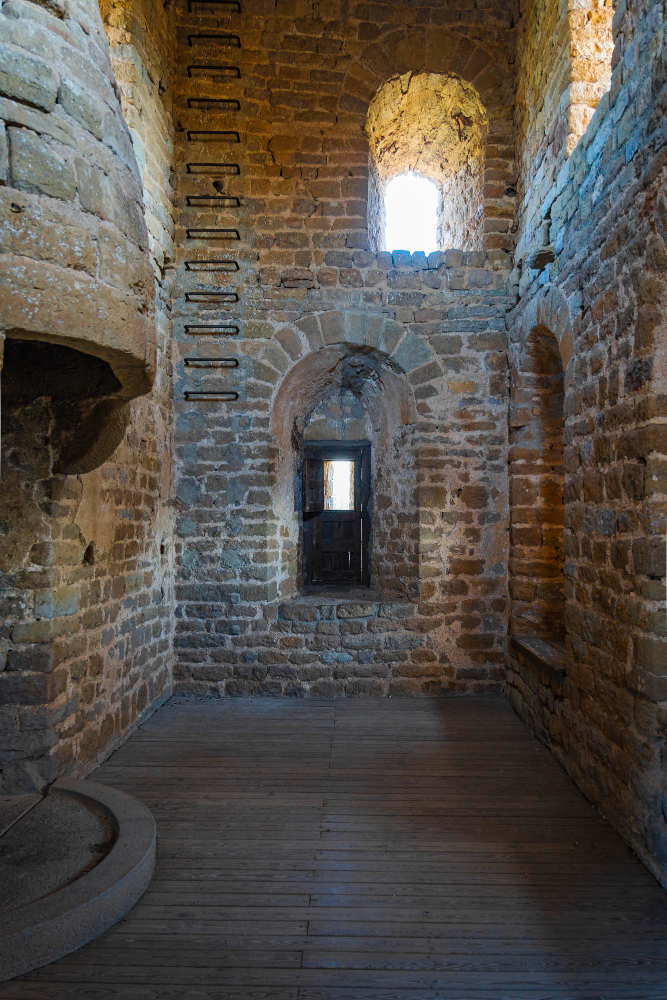
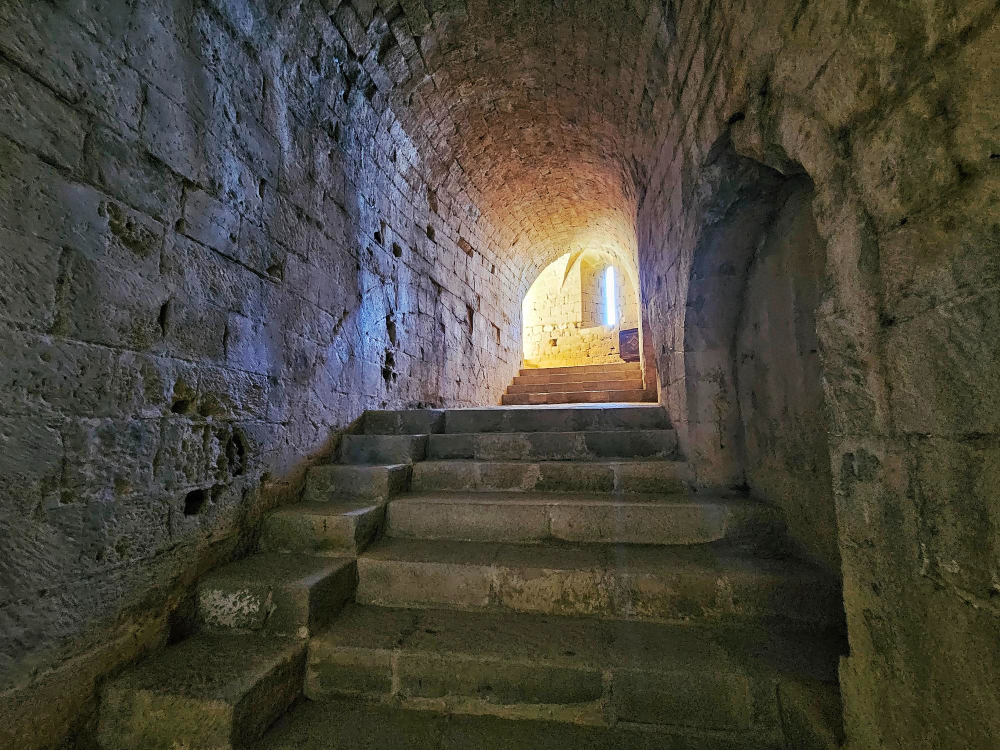
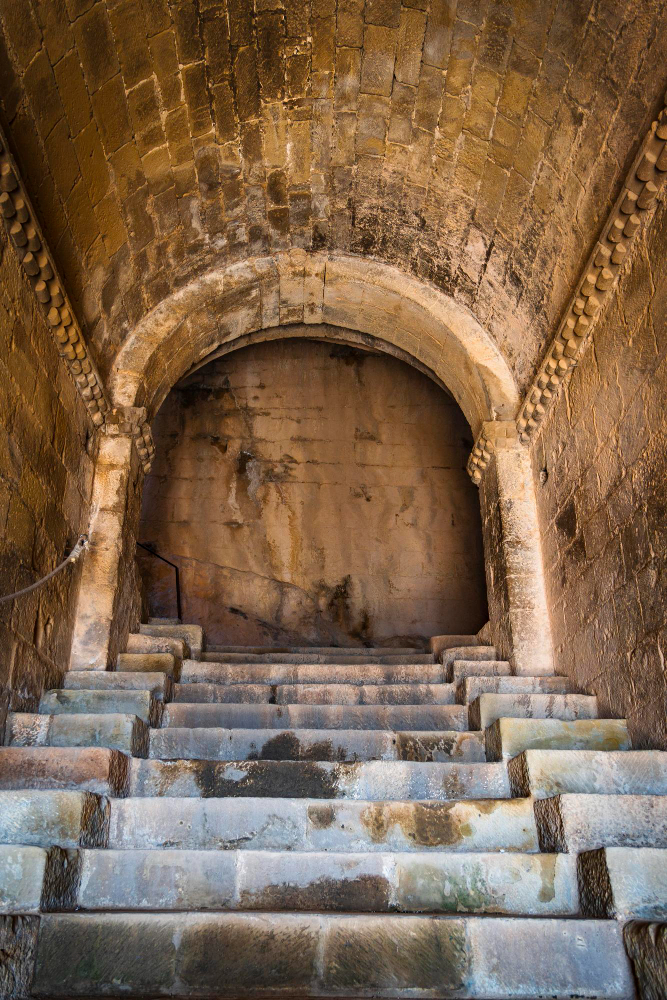
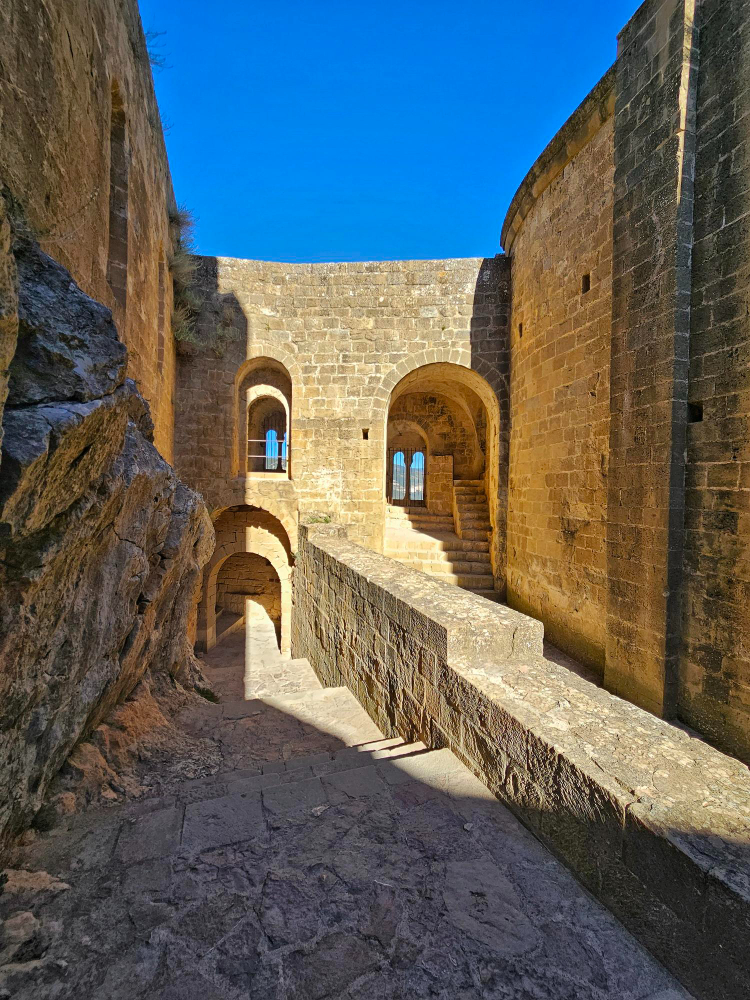
A masterpiece of medieval architecture – Castillo de Loarre was built in the 11th century during the reign of King Sancho III of Navarre. Its strategic location on a high rocky plateau offered protection from attackers whilst also providing a sweeping view across the valley and access to important trade routes. The castle’s architecture is a prime example of the Romanesque style of that era – massive walls, narrow window openings and robust defences characterise its appearance. Within the fortress walls lie a Romanesque church, several towers and residential quarters. Particularly noteworthy is the elegant interior of the chapel, which captivates with its finely crafted stonework. The central keep, known as the ‘Torre del Homenaje’, served both as a defensive stronghold and as the symbolic heart of the fortress. To this day, the well-preserved buildings of Loarre attract architecture and history enthusiasts as well as tourists from all over the world.
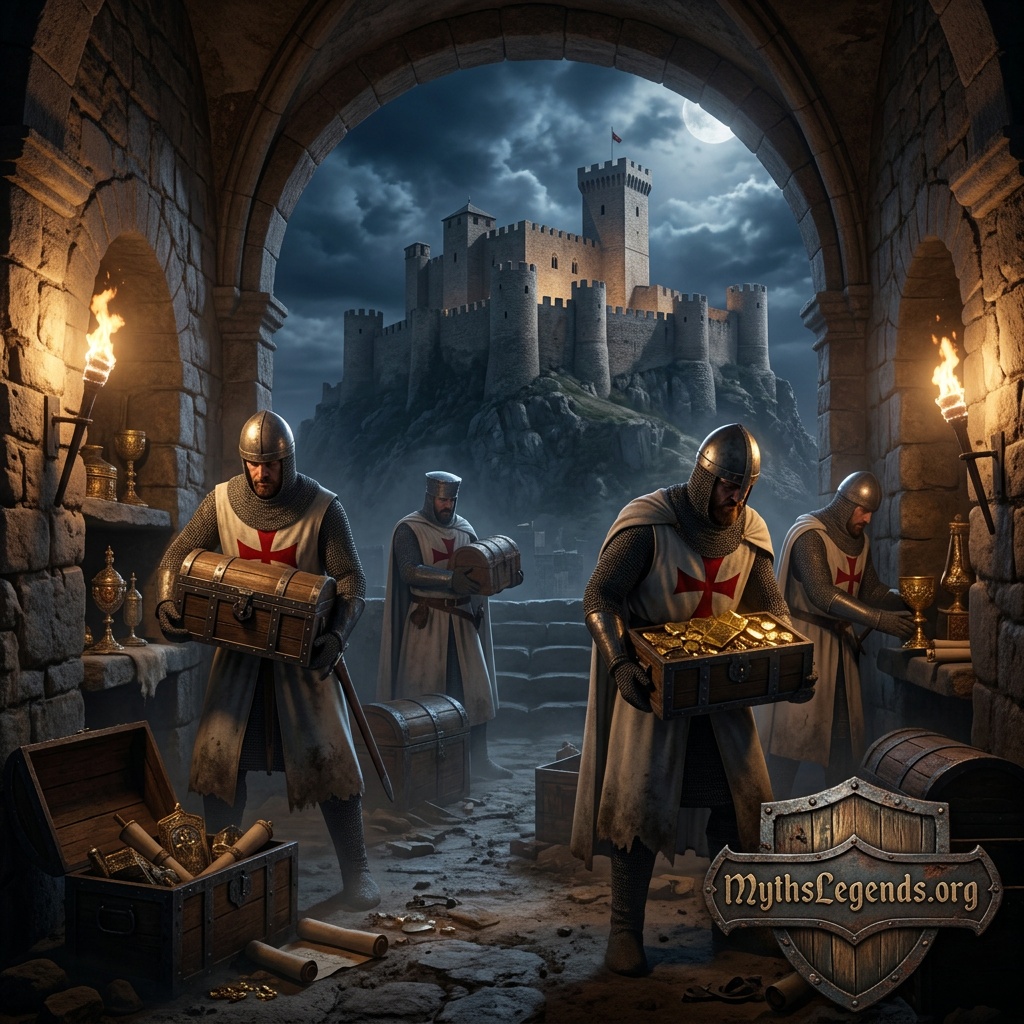
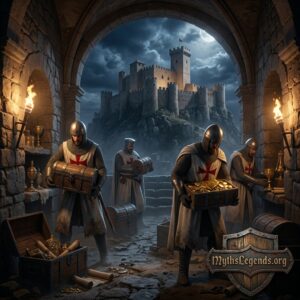
Historical Significance and Christian Roots – The history of the Castillo de Loarre cannot be viewed in isolation from the region’s religious significance. During the Reconquista, the fortress played a key role as a Christian stronghold against the Muslim occupiers. Its remote location made it an ideal refuge for Christians seeking shelter from the Islamic armies. Following the reconquest of the area by King Sancho III and his successors, Loarre became a centre of Christian culture and spiritual life. The castle chapel, dedicated to the Archangel Michael, was a place of prayer and meditation. Some historians speculate that the hermits and monks living here kept secret manuscripts and other valuable religious artefacts. This speculation forms the basis for the myth that the legendary Holy Grail may also have been temporarily hidden there.
The Legend of the Holy Grail – The Holy Grail, often described as the chalice used by Jesus Christ at the Last Supper, is one of the most enigmatic and, at the same time, most fascinating relics in Christian mythology. For centuries, numerous stories have centred on its existence and whereabouts. Knights of the Round Table, medieval crusades and mystical societies of seekers – all these motifs are inextricably interwoven with the legend of the Grail. But what links this legendary chalice to the Castillo de Loarre? The answer lies in the castle’s seclusion and historical significance. Given its inconspicuous location and its use as an early Christian refuge, it seems plausible that Loarre could have been one of many possible hiding places for the Grail. This theory is supported by the fact that some artistic depictions within the castle show mythological scenes or symbols that could hint at a connection to the Grail. Its proximity to the ‘Camino de Santiago’ pilgrimage route has also contributed to the castle being regarded as a potential repository for the mystical chalice.
Archaeological finds and scientific investigations – Although the legend of the Holy Grail exerts a magnetic pull on historians and treasure hunters, there is as yet no concrete evidence that the Grail was ever kept at the Castillo de Loarre. Although archaeological excavations in and around the fortress focus on the examination of artefacts, documents and architectural features, no direct traces of the Grail have been discovered to date. However, scientists have found interesting evidence regarding the castle’s use during various periods. Finds such as coins, pottery and religious objects demonstrate that Loarre was not only a military fortress but also a spiritual centre of considerable importance. These finds at least suggest the possibility that valuable artefacts may once have been kept in the fortress – whether the Holy Grail was among them, however, remains an open question.
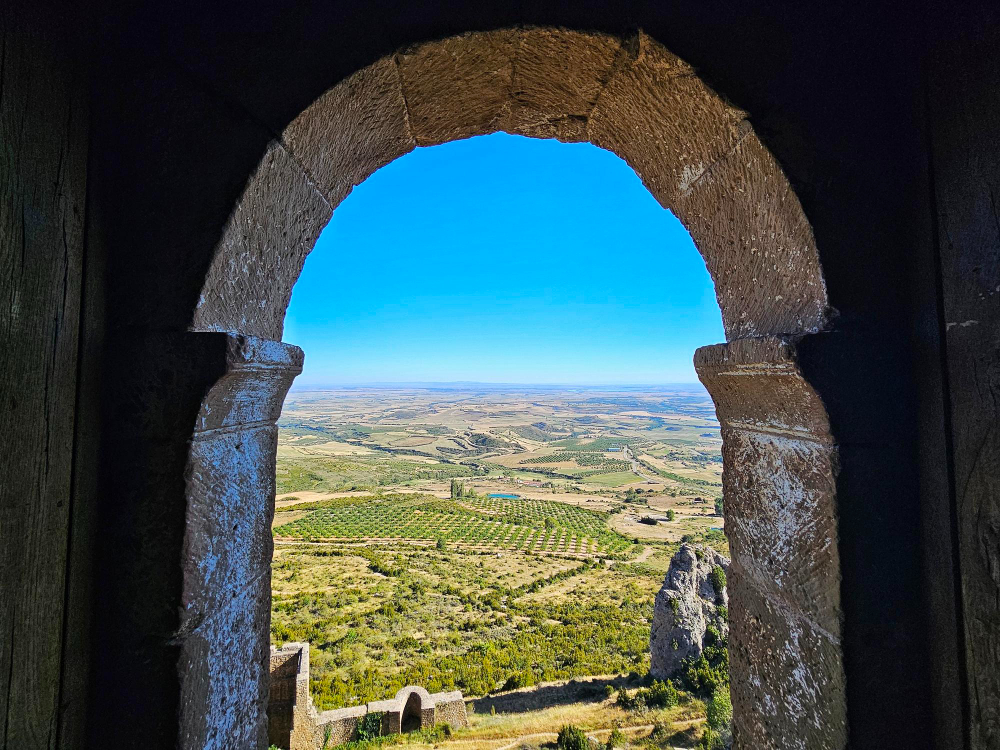
The cultural significance of the Castillo de Loarre – Apart from its possible connection to the Holy Grail, the Castillo de Loarre plays an important role in Spanish culture. It has served as a source of inspiration for writers, filmmakers and artists. For example, part of the film ‘Kingdom of Heaven’ was shot against the backdrop of the castle. The impressive panoramic views and the historic atmosphere made Loarre the perfect choice for this opulent cinematic epic. The castle is also frequently mentioned in literature, whether in historical novels or travelogues. Tourists visiting the castle often speak of an almost magical atmosphere created by the combination of its impressive architecture and the surrounding landscape. Although there is no scientific evidence for the legend of the Holy Grail, the myth continues to attract curious visitors to this day who wish to learn more about the mysterious origins of Loarre.
Further Hypotheses and a Retrospective – The question of whether the Holy Grail was ever actually kept at the Castillo de Loarre remains a mystery to this day. Nevertheless, the legends reflect the spiritual and historical significance of the fortress. The castle was undoubtedly a place where history was made – be it as a defensive stronghold, a religious refuge or a source of mystical tales. Undoubtedly, the myth surrounding the Grail helps to keep the fascination with this place alive. Architectural beauty, historical significance and mystical traditions come together here to form a unique cultural heritage that inspires both Spain and the world. Perhaps the true significance of the Castillo de Loarre lies not so much in any specific connection to a religious relic, but rather in its ability to spark the imagination and keep the spirit of the past alive. In a world constantly seeking facts, it is often legend that unites people through its timeless magic.
The Castillo de Loarre is a fascinating place that captivates history lovers, architects and adventurers alike. Whether the Holy Grail was ever hidden within its walls remains uncertain – yet the legend lends the castle an aura of mystery that no one can deny. With its rich history, its connection to the Christian faith and its role as a source of inspiration, this building remains one of Spain’s most significant landmarks and a magnet for all those who wish to be enchanted by myths and history.



Post Comment