
The ‘Red Rooster’ – How a myth became an eternal warning
There are legends that have been passed down for centuries and are deeply rooted in a region’s history. One such legend is the story of the ‘Red Rooster’, which has become a symbol of fire, destruction and divine retribution. The myth surrounding this fiery symbol tells not only of a catastrophe, but also of the instructive messages hidden within it. But what exactly led to the “Red Rooster” occupying such a defining place in the collective memory to this day?
The Legend of the “Red Rooster” – The origins of the myth lie far in the past and are linked to a devastating fire that once ravaged a city. The ‘Red Rooster’, so the story goes, is said to have sat symbolically on the rooftops of the houses, shaking its flaming feathers. The symbol of fire represents the all-consuming power of a major blaze that destroyed the city overnight and claimed numerous lives. According to tradition, however, this was not merely a natural disaster. Rather, the event was interpreted as divine punishment for the citizens’ arrogance and hubris. It was believed that their overconfidence, greed and disregard for higher powers had brought about this tragedy. Such interpretations were not uncommon in earlier times: disasters were often not explained solely in scientific terms, but interpreted as signs of divine displeasure.
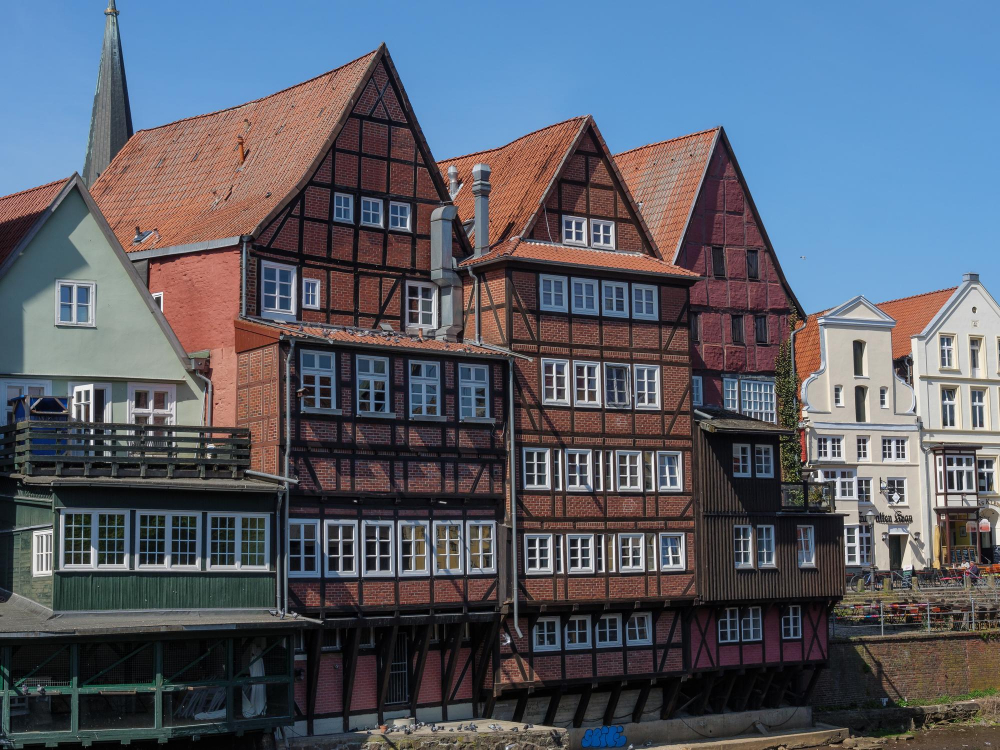
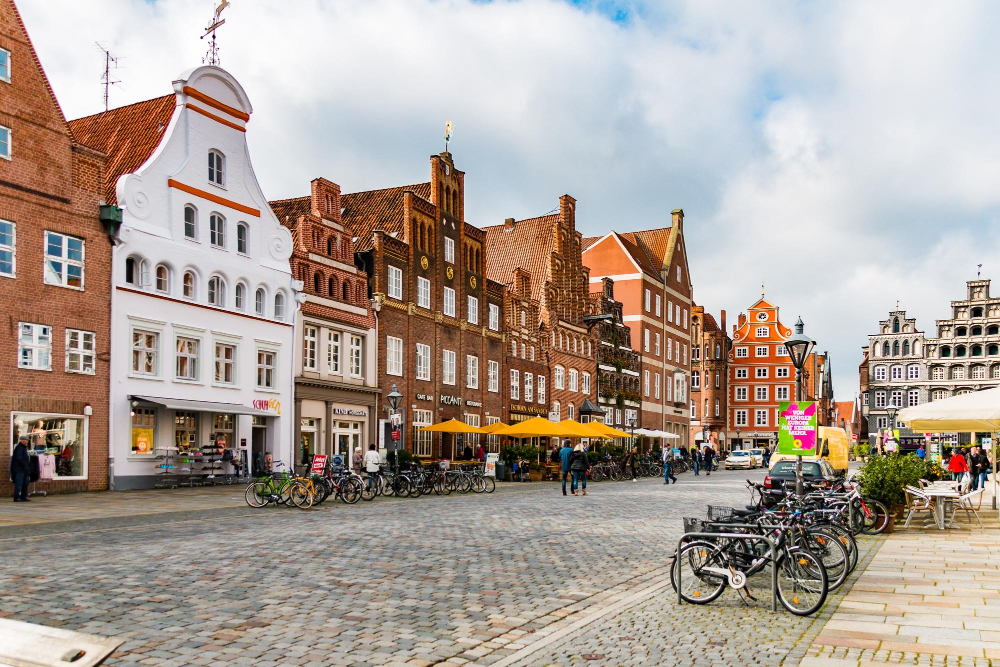
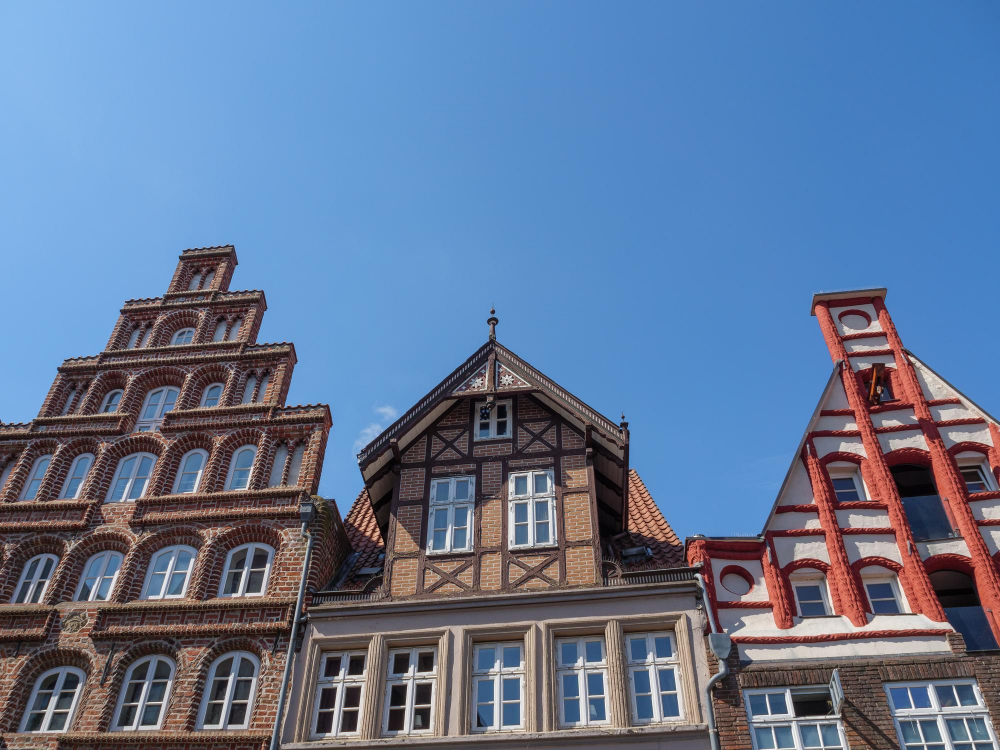
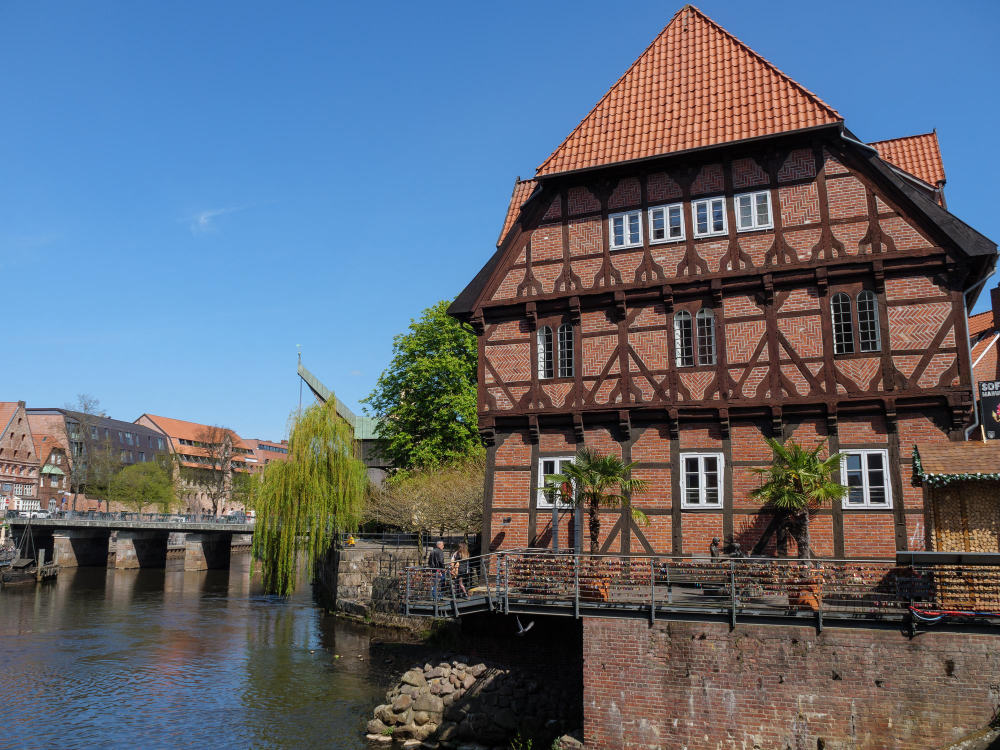
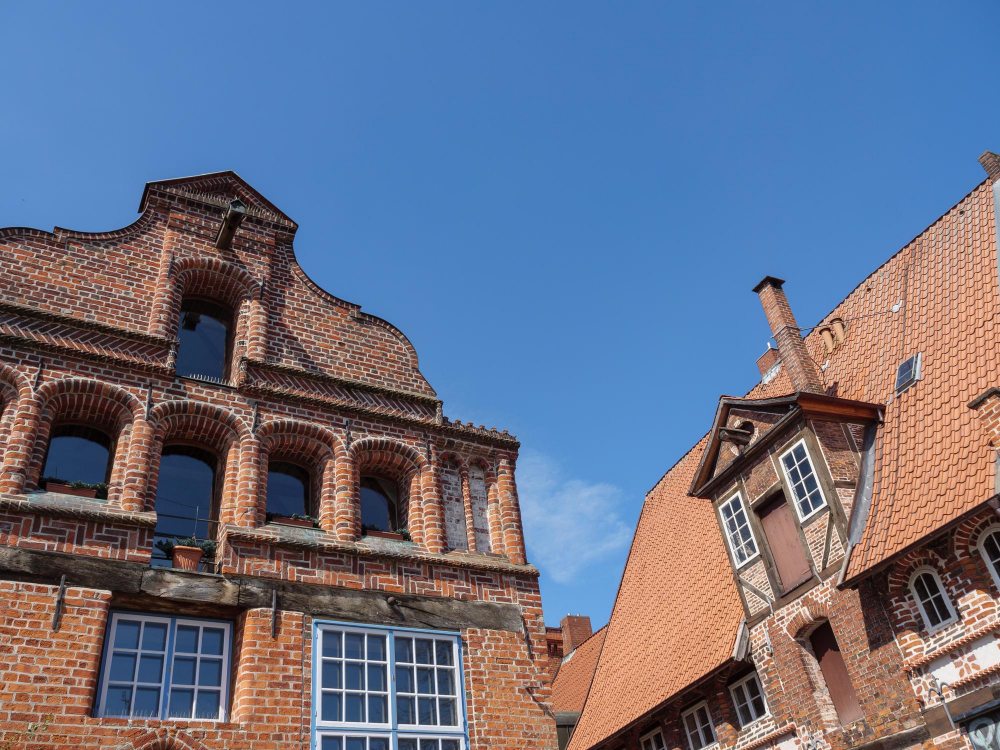
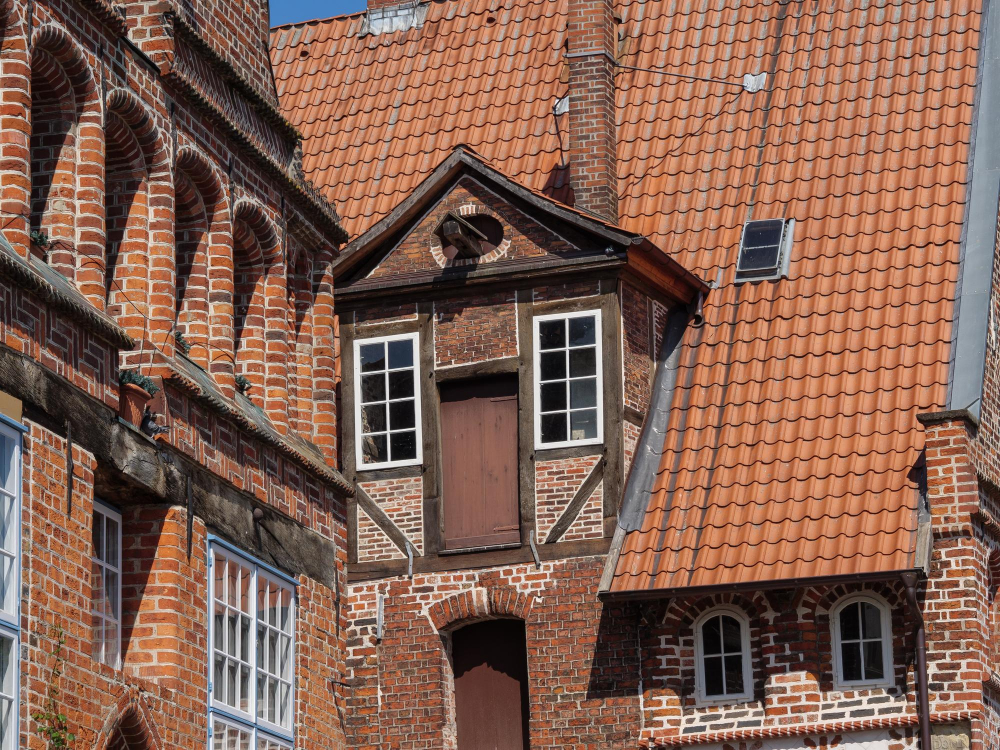
The ‘Red Rooster’ as a symbol of destruction – The image of the ‘Red Rooster’ spreading its flames across the houses is so vivid that it is still regarded today as the epitome of fire and destruction. This expression is also reflected in the language: when someone says, ‘The Red Rooster is on the roof’, they mean that a building has fallen victim to a fire. It is interesting to note how deeply this metaphor is woven into culture and society. Particularly in the Middle Ages and the early modern period, fire had an existential significance – not only as a source of heat or a tool, but also as an unpredictable and destructive force. Cities, with their densely packed half-timbered houses, were extremely vulnerable to fires, which could spread rapidly and devastate entire neighbourhoods. Once ignited, a fire could remain in the memories of residents for centuries as a trauma and a warning.
Evidence of past tragedies – The traces of such fires are still visible in many cities today. Historians and archaeologists have found numerous examples of buildings that were destroyed by fire and later rebuilt – often taking into account the lessons learnt from the tragedy. This led to new building regulations, particularly regarding the use of fire-resistant materials. Yet the old stories have been preserved and serve as a warning against a reckless approach to responsibility. These fires can be traced particularly in the architecture of some cities. Traces of soot on walls, preserved accounts from chronicles and even special monuments point to those days when the ‘Red Rooster’ performed its furious spectacle. In this way, the symbol became not only a monument, but also part of the identity of many places.
A look at similar myths – The ‘Red Rooster’ is not the only story that links fire with divine references. Similar legends exist worldwide. In Greek mythology, for example, the Titan Prometheus brought fire to mankind – a gift that was both a blessing and a curse. Whilst it enabled progress and development, it also brought destruction in its wake. The Bible, too, contains numerous references to fire as a divine instrument – such as the destruction of Sodom and Gomorrah, where, according to tradition, sulphur and flames rained down upon the sinful city. These stories illustrate that fire has always had a dual significance: as a source of progress and life, but also as a force of destruction and purification.
A warning against hubris and recklessness – The myth of the ‘Red Rooster’ was not only a warning against the destructive power of fire itself, but also against the behaviour that supposedly brought about such catastrophes. In this tale, hubris, negligence and ignorance became transgressions that could not be tolerated by higher powers. This moral message remains relevant today. Anyone who believes that human achievements can elevate us above nature and higher powers runs the risk of facing serious consequences as a result of their own mistakes. This is particularly evident in the climate crisis, which is often seen as the modern counterpart to the cautionary myths of earlier times. It should be noted, however, that the ‘Red Rooster’ cannot be seen merely as a symbol of punishment. It also serves as a reminder that lessons can be learnt from disasters. Indeed, many accounts suggest that the affected towns emerged from such fires stronger and wiser.
The “Red Rooster” today – How relevant is the symbol of the “Red Rooster” in today’s society? On the one hand, the direct link to the myth may be fading; on the other, its message remains timeless. Fire continues to pose a threat, whether through wildfires, house fires or industrial accidents. Furthermore, the “Red Rooster” stands for caution and a sense of responsibility – qualities that are hardly losing their significance in an increasingly complex world. In some regions, the “Red Rooster” is still kept alive today in the form of stories, festivals or symbols. Fire service associations use it to draw attention to the dangers of fire, and historical museums dedicate entire exhibitions to it. Thus, the myth remains a living part of the cultural landscape.
An eternal warning – The “Red Rooster” is more than a legend. It is a warning against the destructive forces that can be unleashed by both nature and human error. With its dual meaning – as fire itself and as a warning against hubris – the myth has become deeply embedded in the cultural memory. As this story is passed down from generation to generation, the “Red Rooster” remains present, whether in idioms, historical documents or as a symbol in architecture. It shows that disasters can be not only devastating but also instructive. For ultimately, the focus is not on the destruction caused by the fire, but on humanity’s ability to learn from its mistakes and evolve. Thus, the “Red Rooster” spreads its fiery wings not only as a reminder of past tragedies, but also as a warning for a better future.















Post Comment