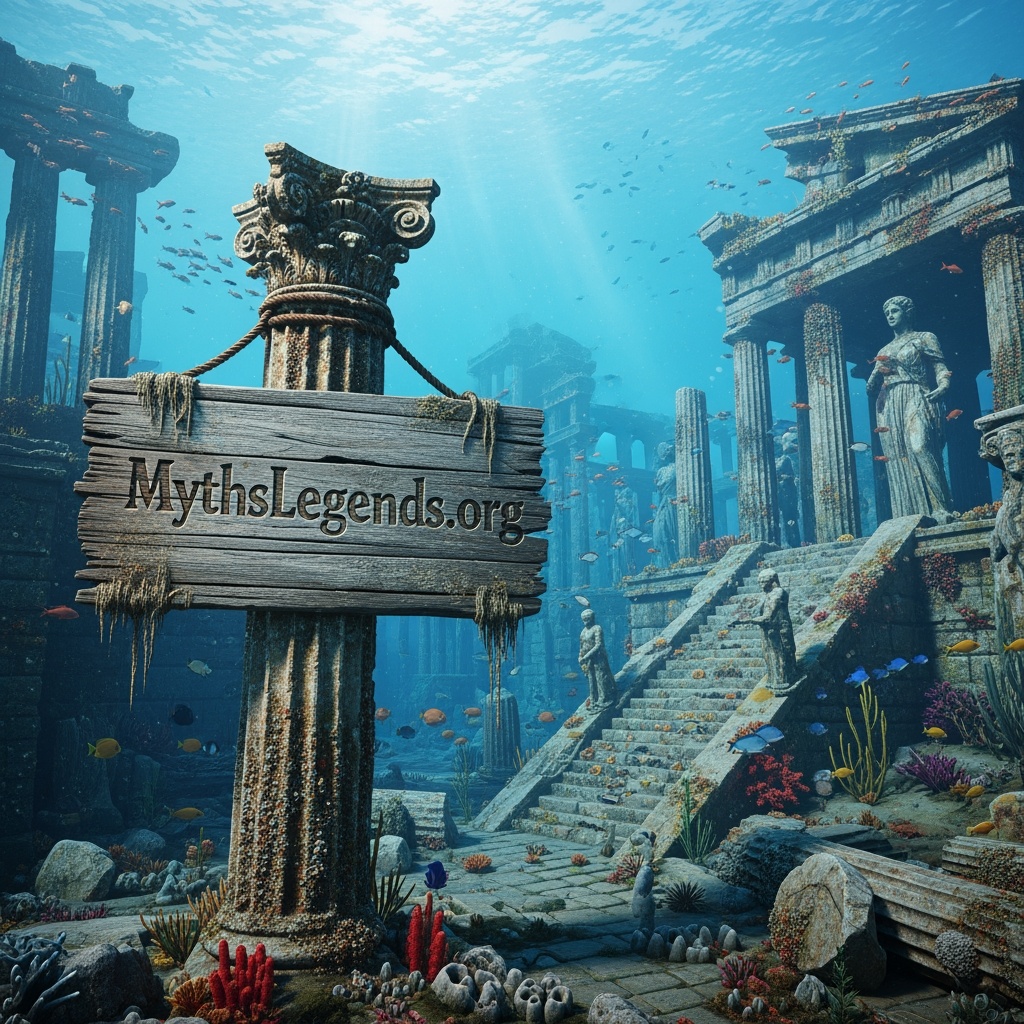
The myth of the sunken city: The secret of Baiae, the luxurious metropolis of the Romans
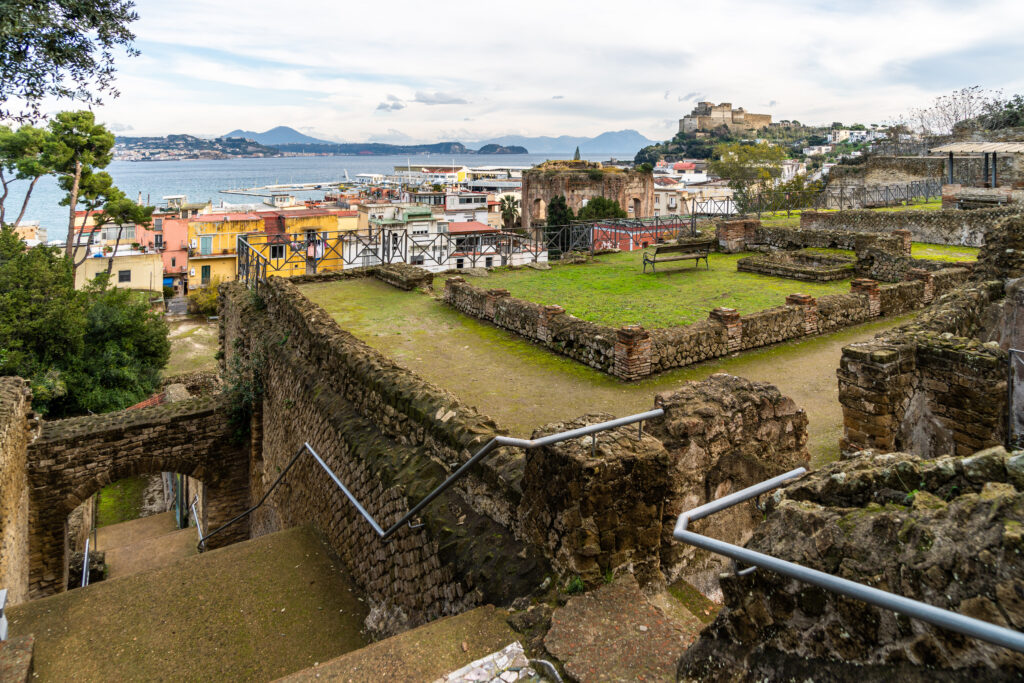
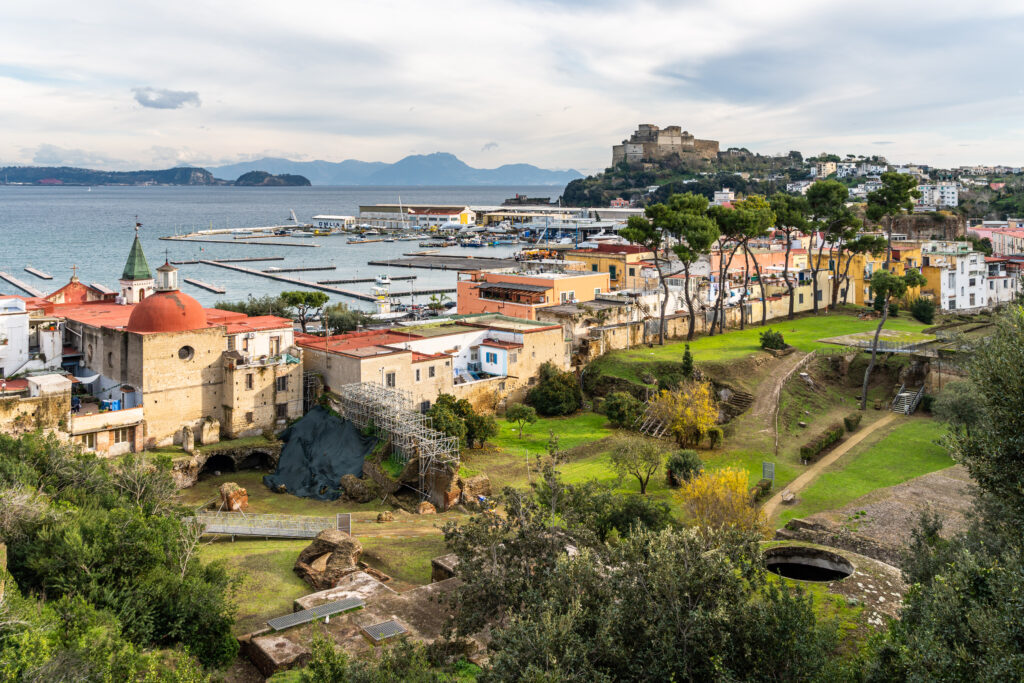
For centuries, the Gulf of Naples has attracted not only sun seekers, but also historians and mythologists. Beneath its blue waves lies one of the most fascinating treasures of antiquity: the legendary luxury city of Baiae. Once a dazzling center of Roman luxury, Baiae is now literally sinking into the depths of the sea and the mists of history.
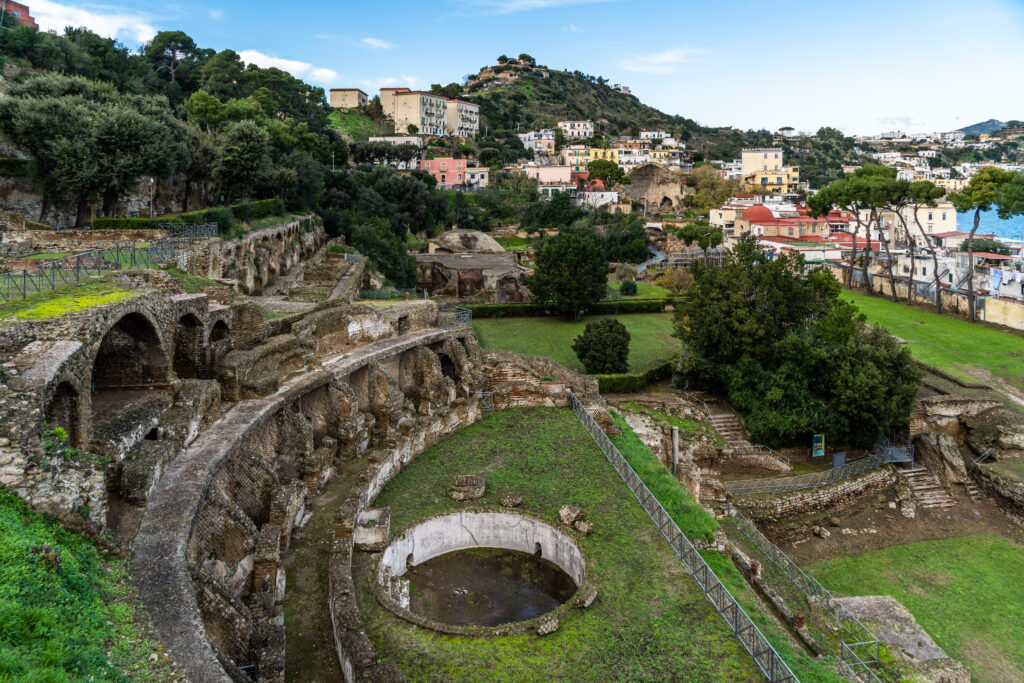
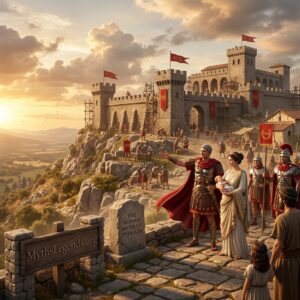
Baiae: An oasis of Roman luxury – Baiae was not just a city, but a symbol of extravagance and decadence. Located near modern cities such as Naples and Pozzuoli, Baiae was the preferred retreat of the Roman elite. Emperors, senators, and wealthy citizens built magnificent villas here. Resources seemed inexhaustible: thermal baths provided relaxation and healing, while guests had access to luxurious baths and impressive temples. It is reported that emperors such as Nero and Caligula celebrated lavish parties here. It is said that Agrippina the Younger, Nero’s power-hungry mother, was murdered in Baiae—an act that illuminates the dark side of this luxury paradise.
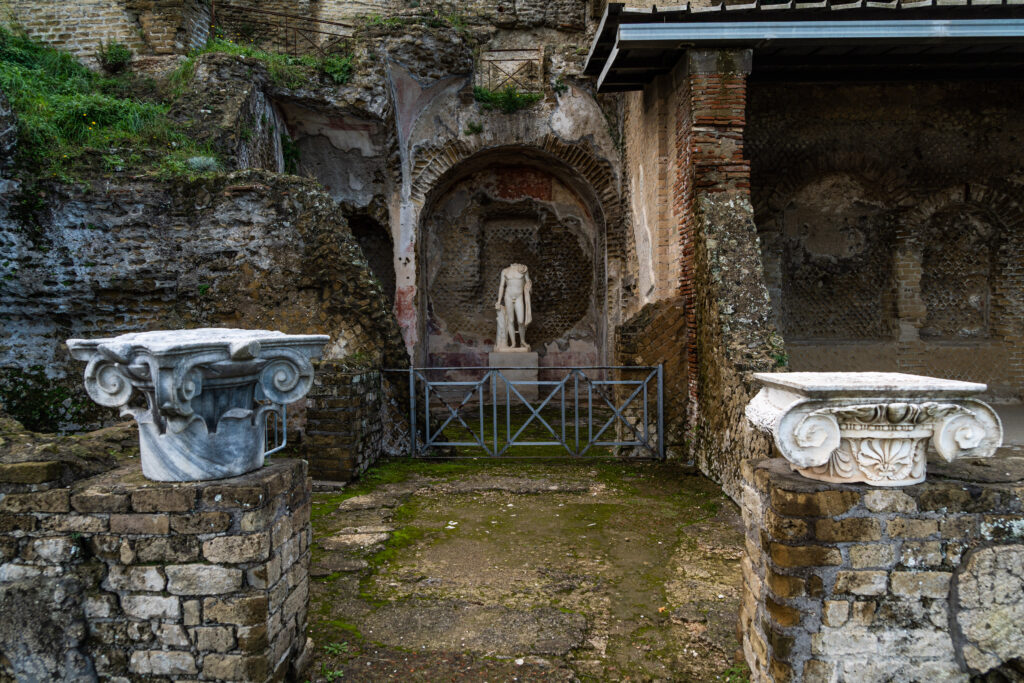
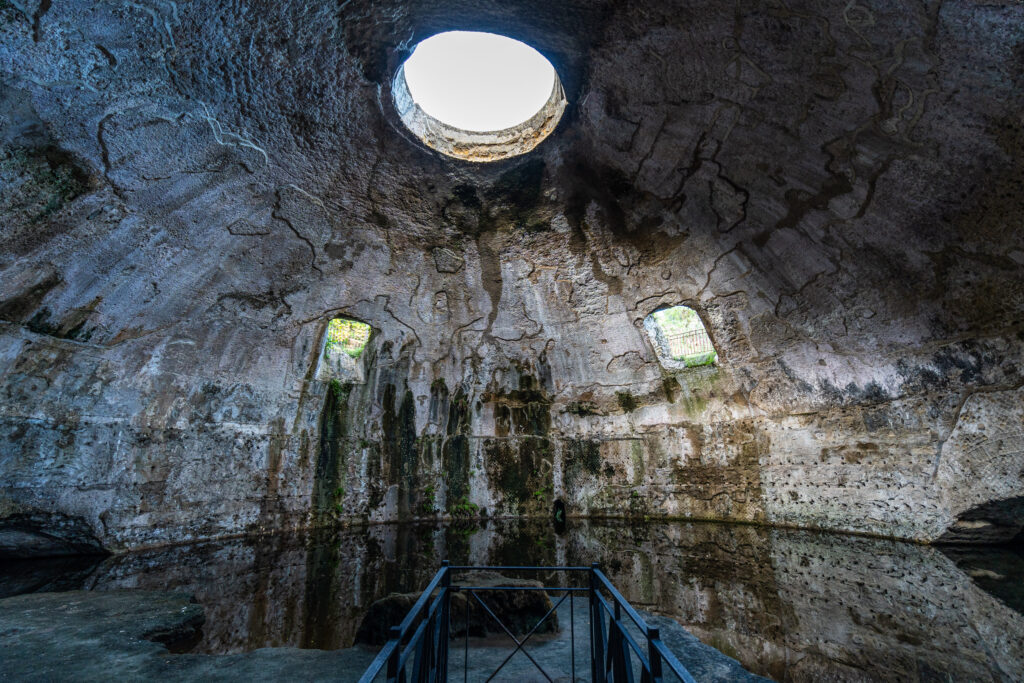
Superlative architecture – The villas in Baiae were masterpieces of engineering. Magnificent architectural wonders were created using state-of-the-art construction techniques. The Villa of Lucullus, with its extensive gardens and panoramic views, is said to have been both impressive and inspiring. Mosaic floors, intricately crafted marble statues, and detailed frescoes bear witness to the tireless pursuit of beauty and perfection. Some of the innovative techniques used here still influence architecture today. For example, the use of opus caementicium, an early form of concrete, was typical of the monumental buildings in Baiae.
The mysterious downfall – But what led to the downfall of this impressive metropolis? There are various theories about the disappearance of Baiae. The city was located in a seismically active area that suffered from volcanic activity and ground movements. This process, known as “bradyseism,” contributed to the slow sinking (and occasional rising) of the ground and may have contributed to the city’s demise. Evidence of volcanic activity can be found throughout the region. After all, Vesuvius, whose eruption in 79 AD destroyed Pompeii and Herculaneum, is only a few kilometers away. Archaeologists and geologists have been working for years to understand the exact interplay of natural forces that sank Baiae to the bottom of the sea.
Modern expeditions and discoveries – Modern divers and archaeologists have since undertaken numerous expeditions to explore the heritage of Baiae. The Baiae Underwater Archaeological Park offers breathtaking underwater views of the ancient ruins. Here, the ghosts of the past float among the remains of majestic columns and slowly decaying stone structures. More recently, technological advances, particularly high-resolution underwater scanning and drones, have provided new insights into the urban planning and lifestyle of the ancient Romans. In addition, it has been discovered that many of the ancient port facilities are still remarkably well preserved, further evidence of Baiae’s former splendor.
The legend lives on – Despite its demise, the myths and stories about Baiae have survived to this day. They inspire artists, writers, and filmmakers. The myth of the city as a place of intrigue, pleasure, and machinations continues to attract the curious. Historical accounts and literary works paint a picture of splendor and decay. Some claim that Baiae was not only a place of pleasure, but also the scene of behind-the-scenes political machinations that changed Roman history.
New perspectives through research Thanks to intensive archaeological work on site and the use of state-of-the-art technology, scientists are now increasingly able to reconstruct life and culture in Baiae. These findings not only give us a deeper insight into Roman history, but also help to preserve cultural heritage for future generations.
The fascination of Baiae remains unchanged, both for scientists and for those who are intrigued by dramatic stories. The city represents the highs and lows of human ambition and the eternal pursuit of luxury and power. Although it now lies hidden in the depths of the sea, its spirit lives on—as a shining example of the splendor and glory of a bygone era. In a world where the treasures of the past are often overshadowed by current events, Baiae serves as a memorial to the legacy and fragility of human achievements. Perhaps it is precisely this contrast between splendor and darkness, between glory and decline, that makes Baiae one of the most fascinating cities of antiquity. The ancient ruins may have disappeared, but their stories never fade.
In the calm waters of the Gulf of Naples, great secrets still await discovery, and researchers from around the world are ready to open the next chapter in the epic history of Baiae.







Post Comment