The Myth of the Clock Tower at the Palace of Culture in Iași: A Legend Full of Secrets
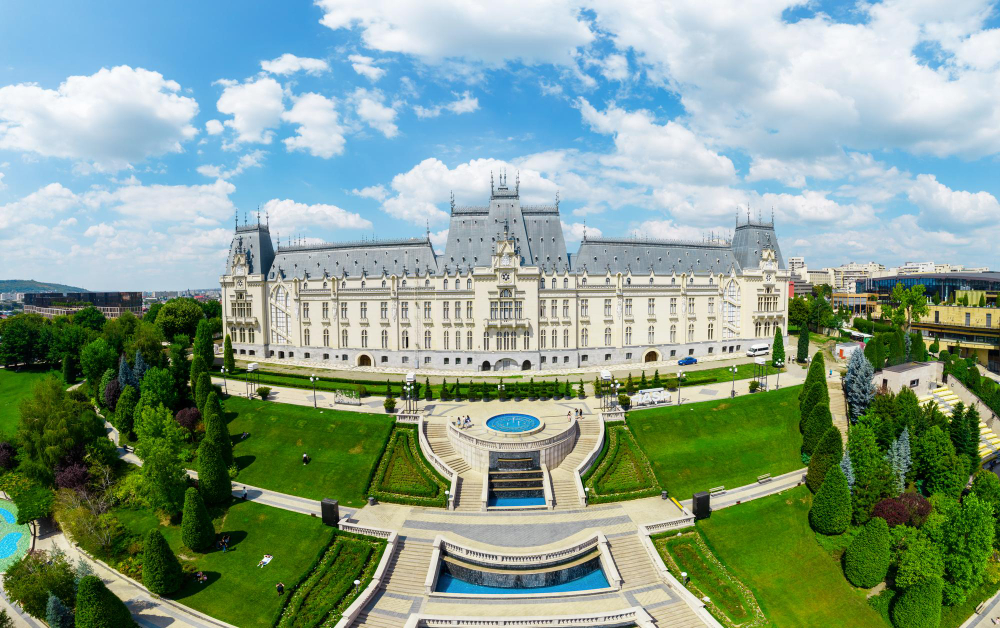
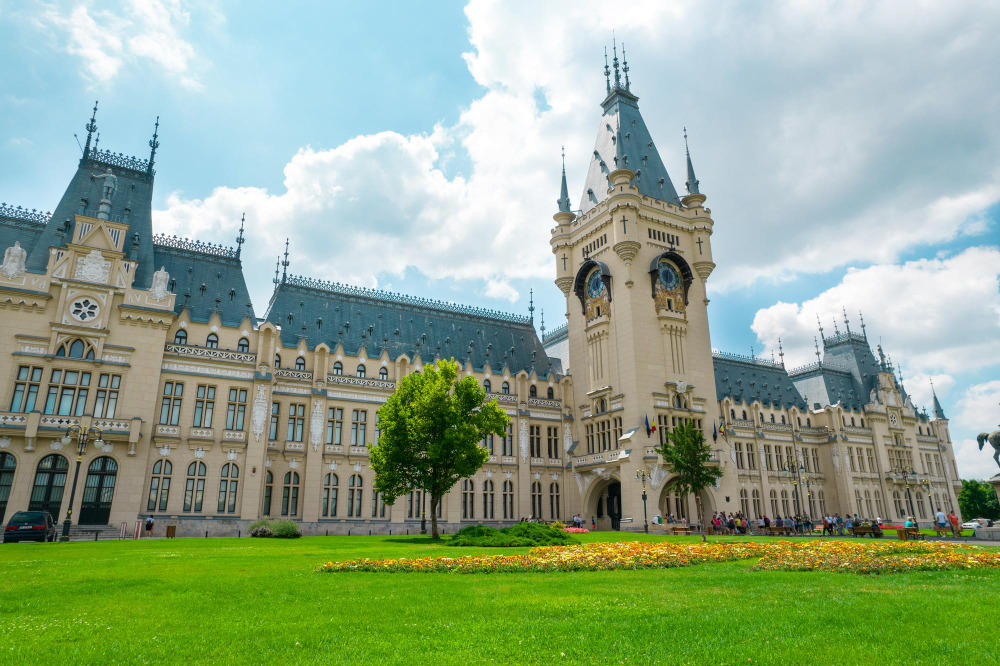
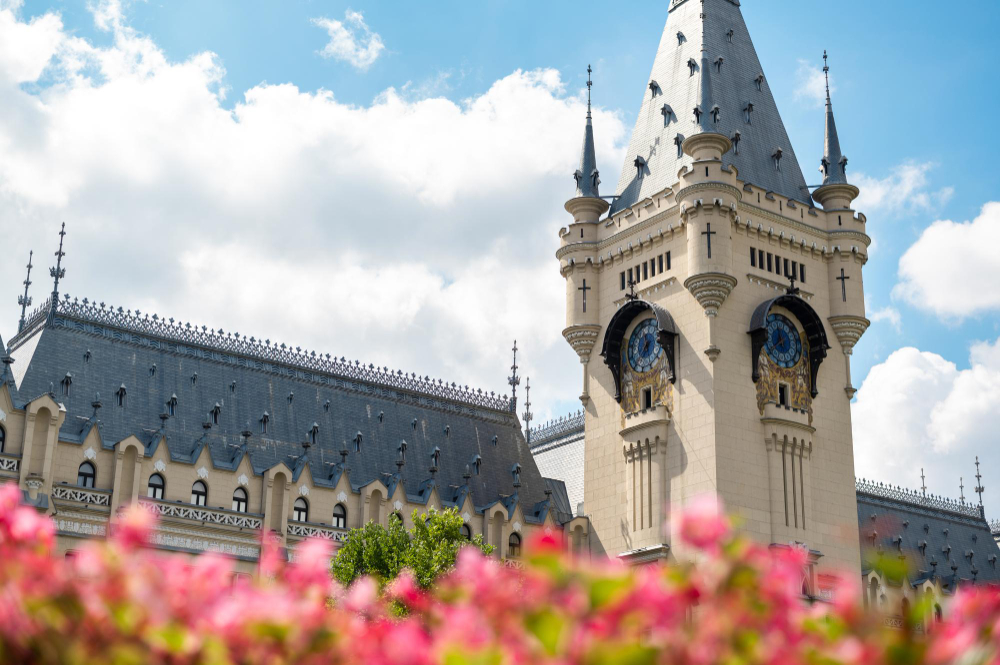
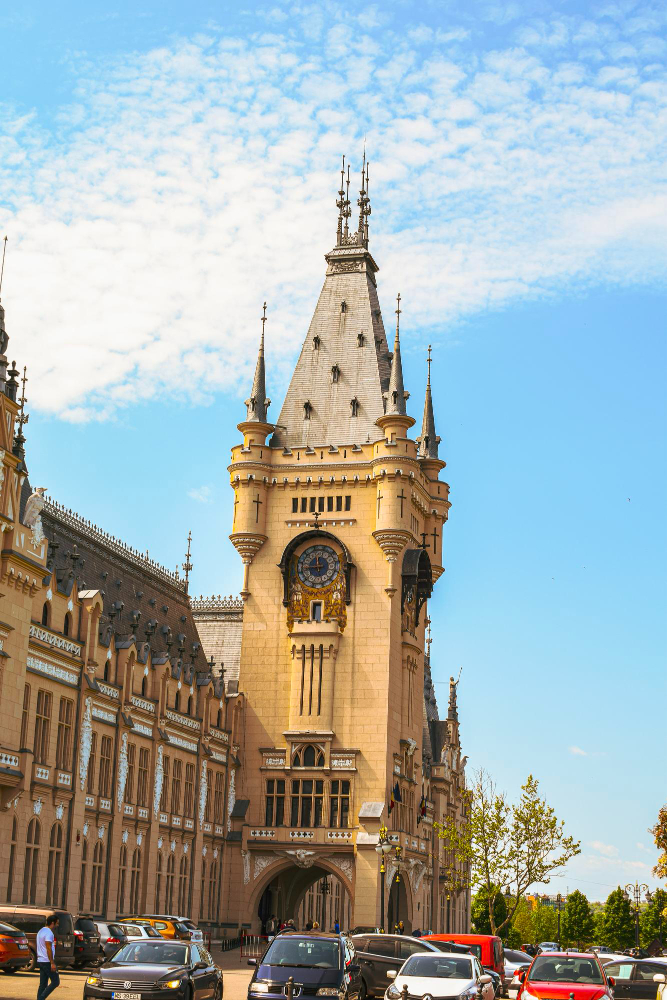
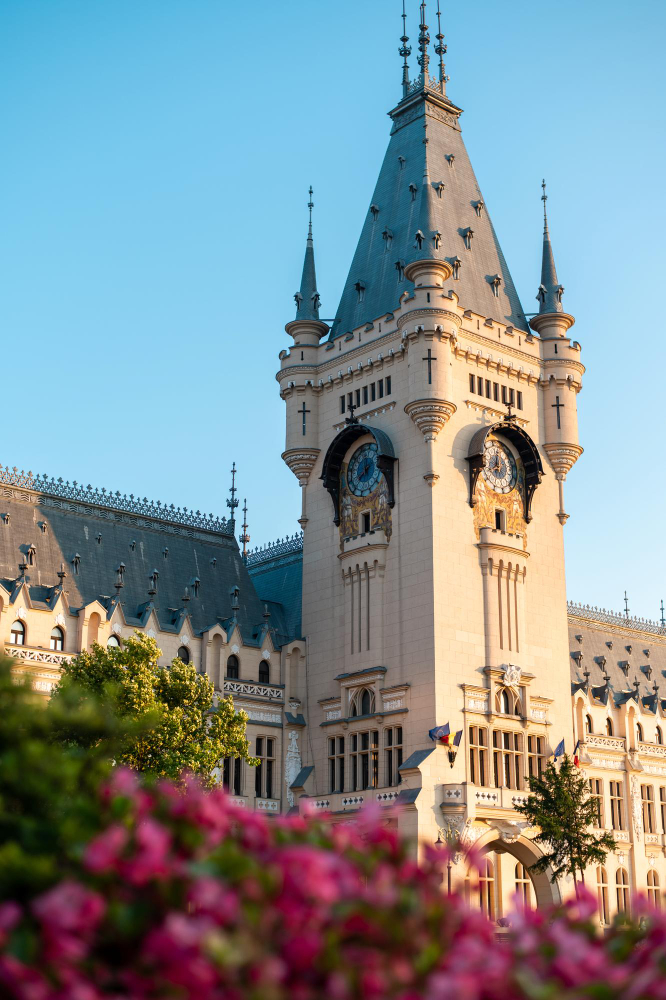
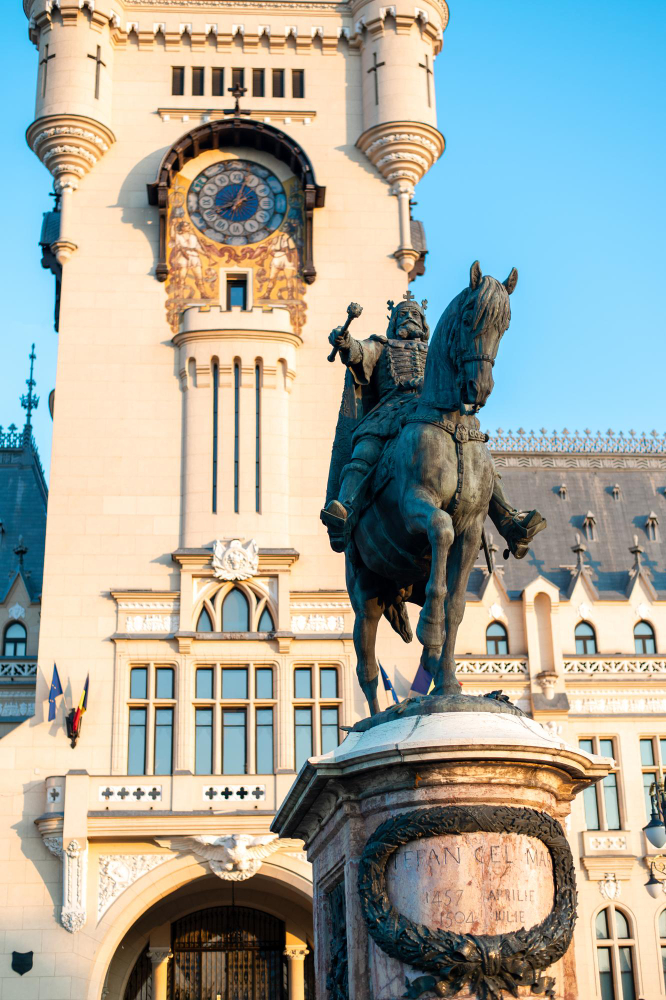
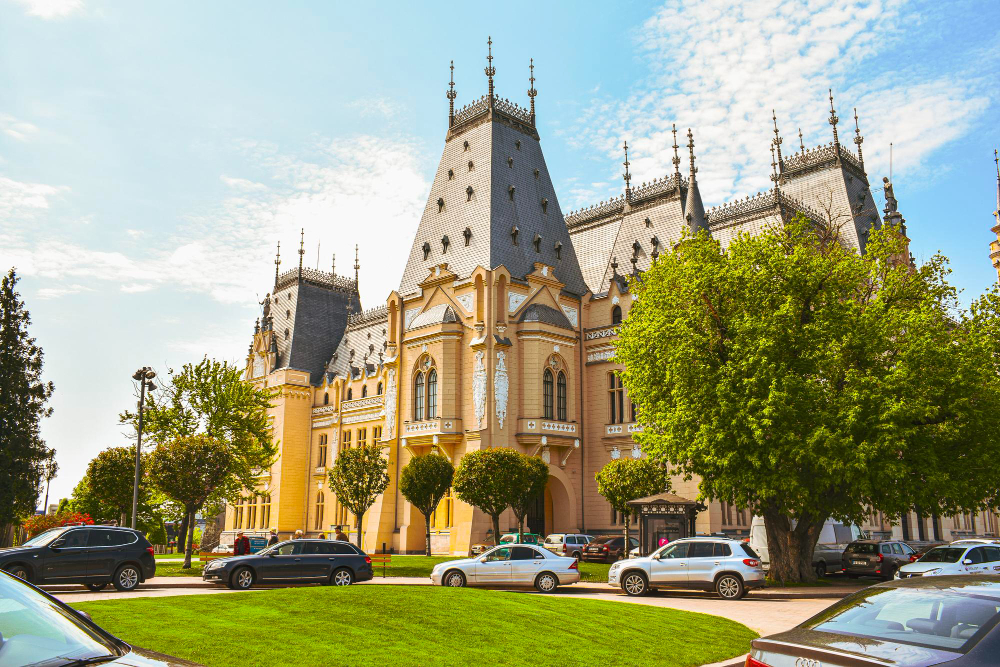
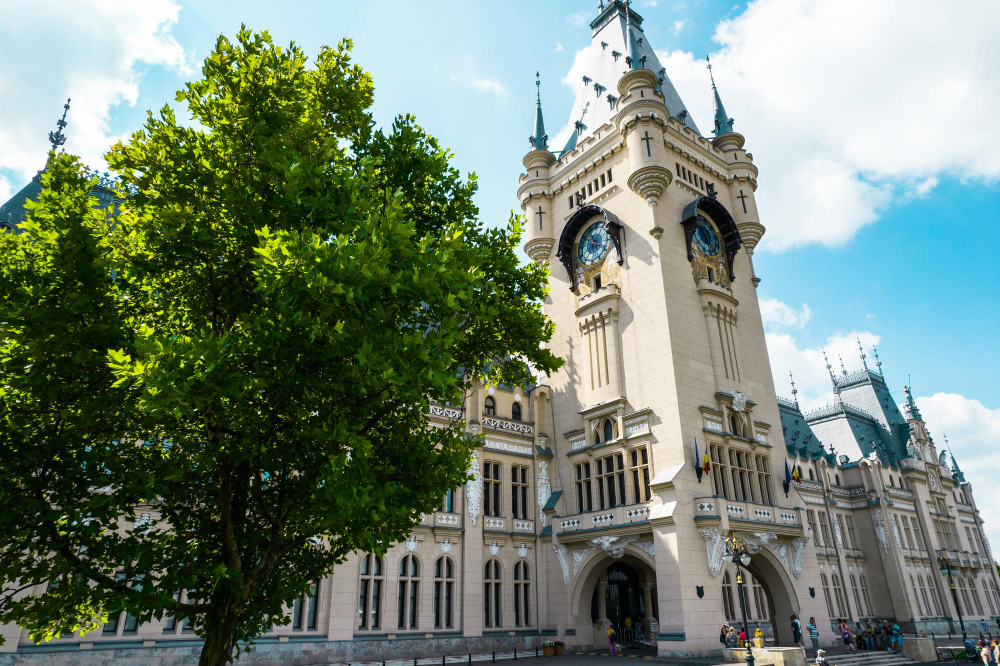
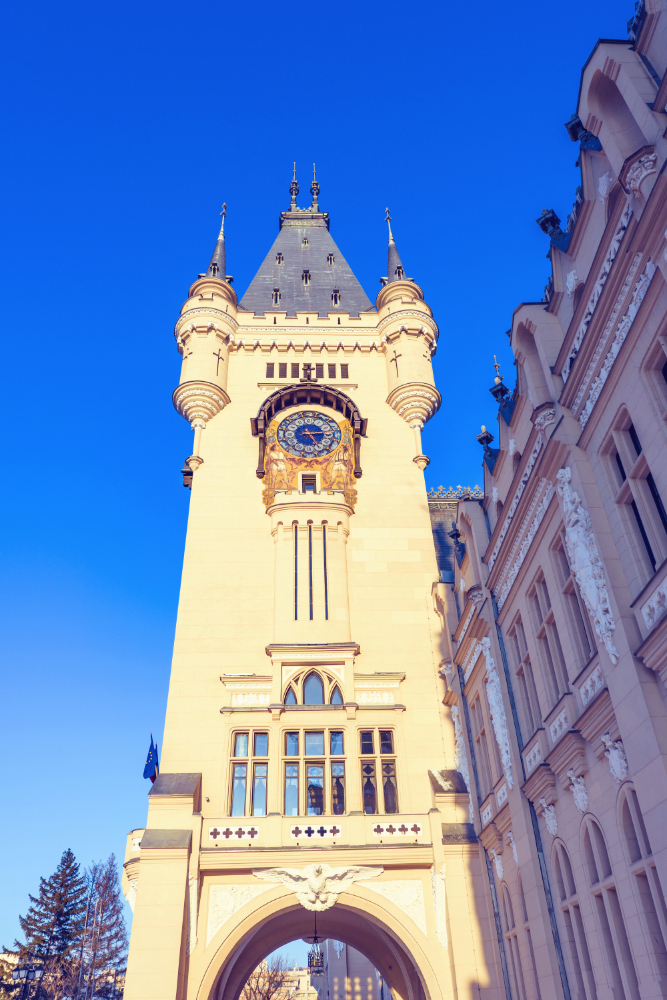
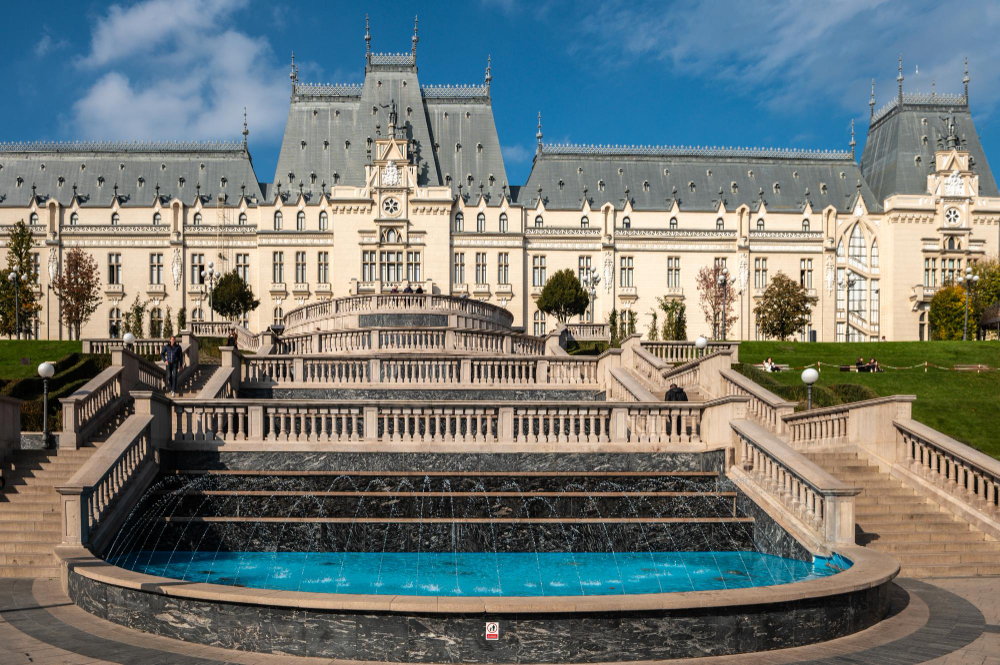
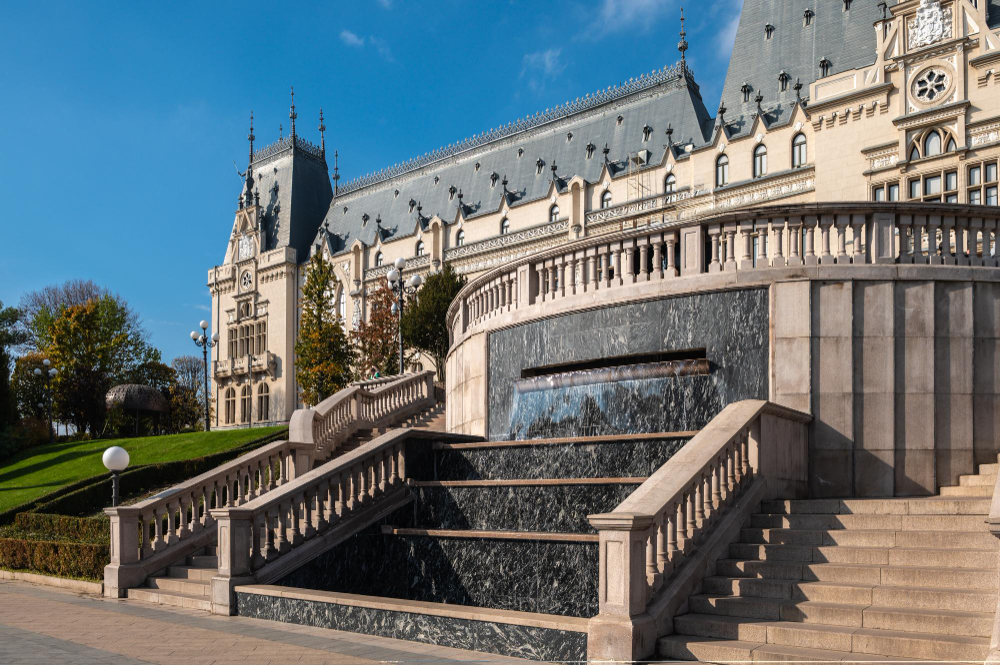
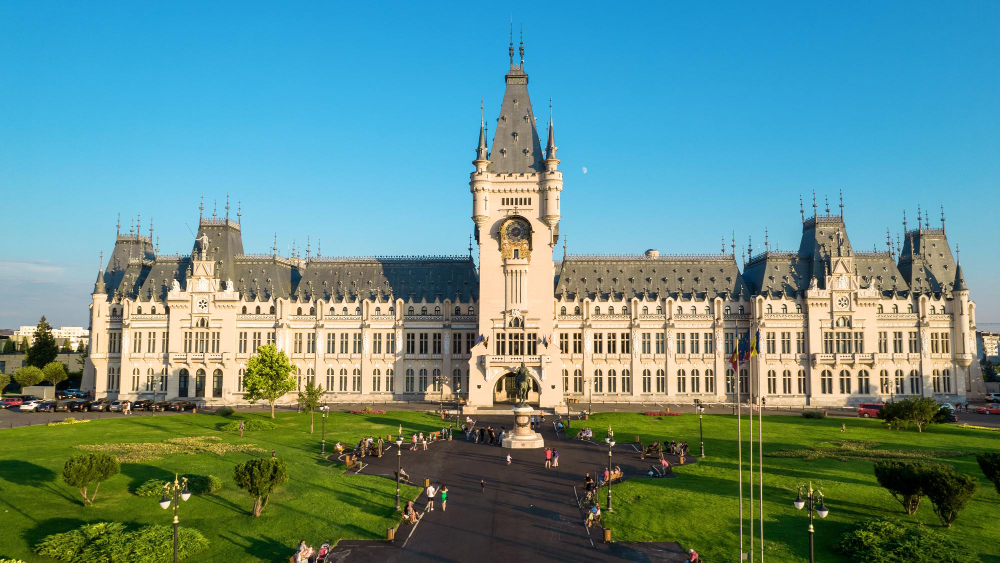
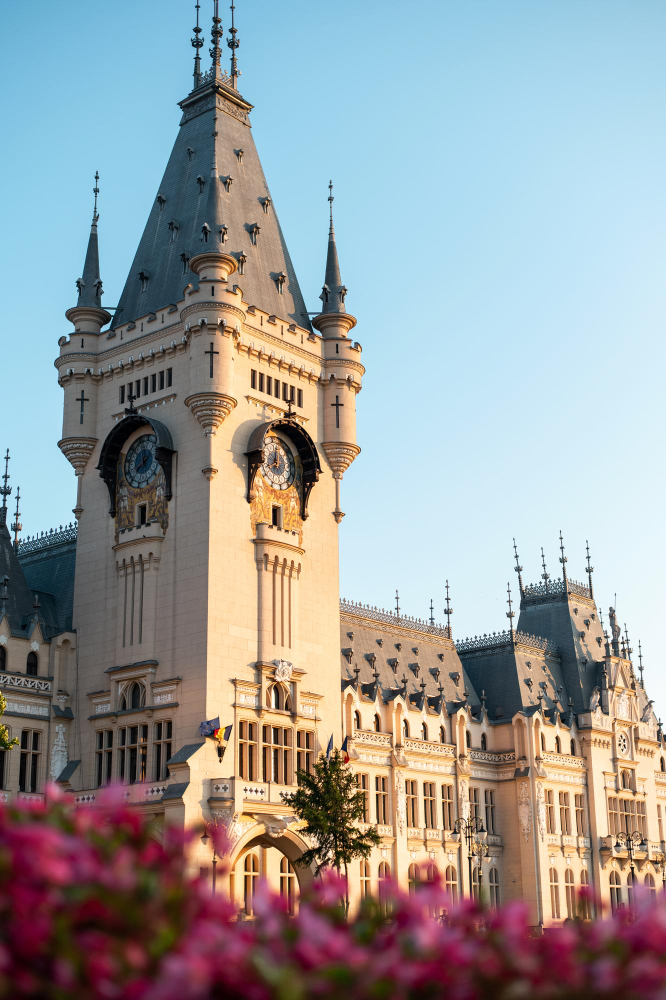
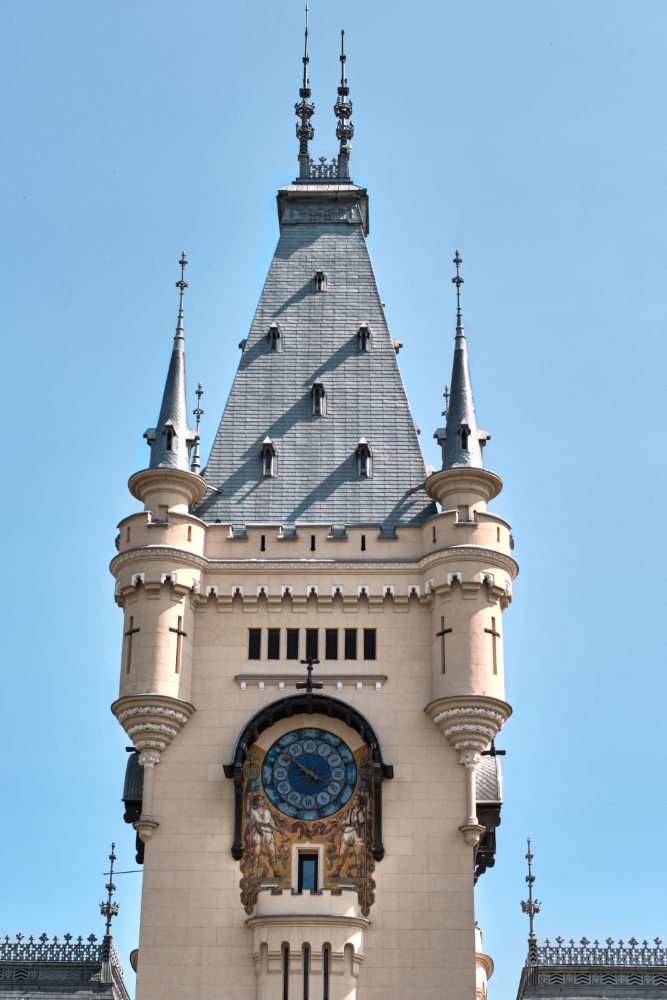
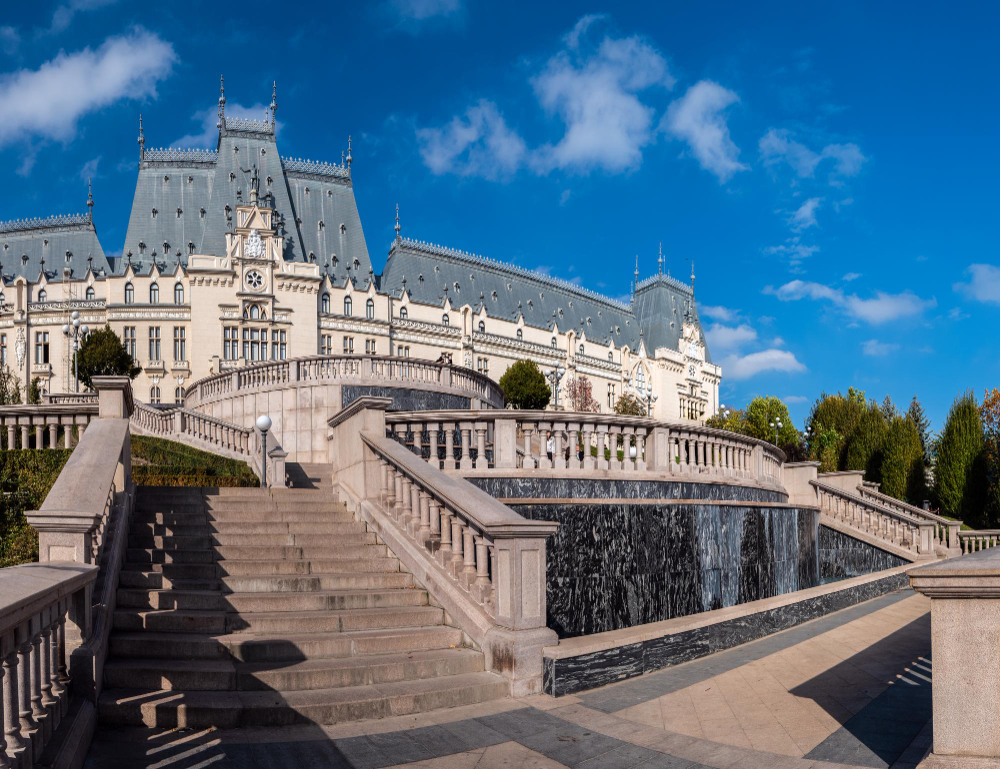
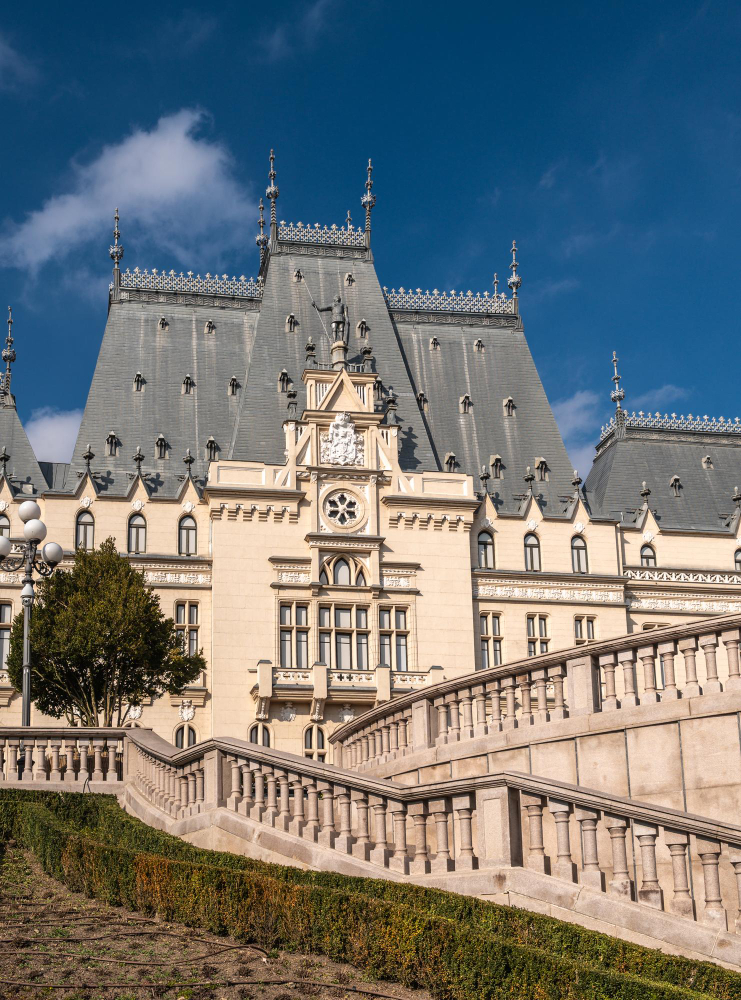
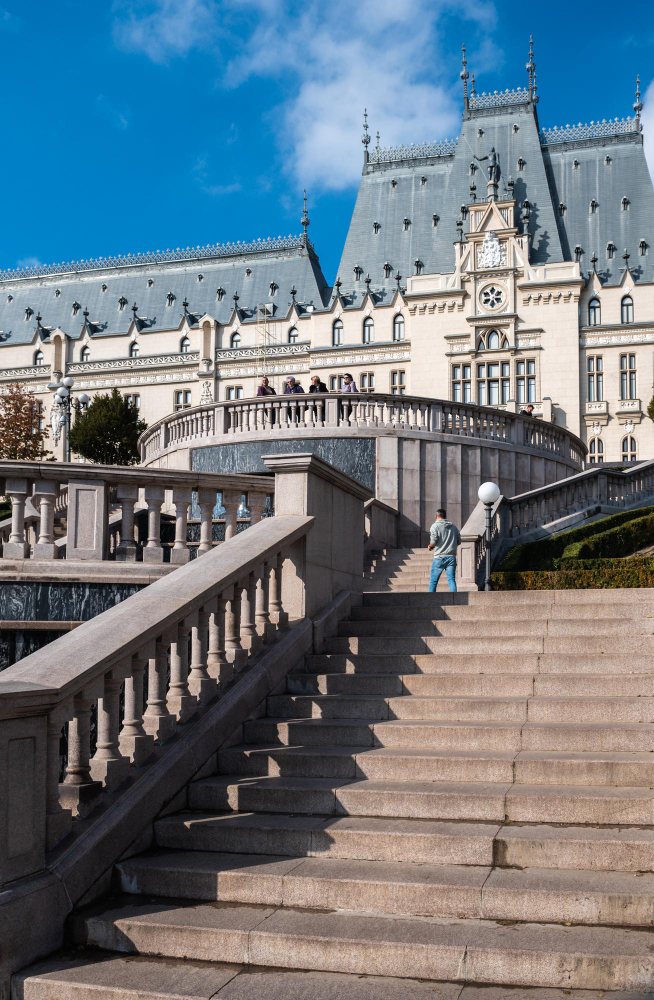
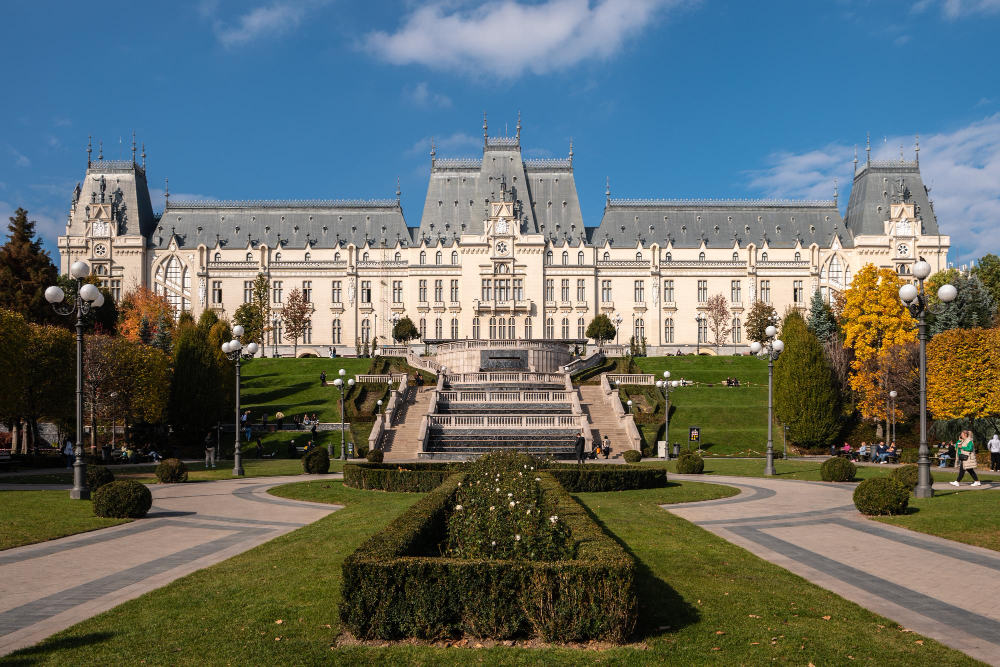
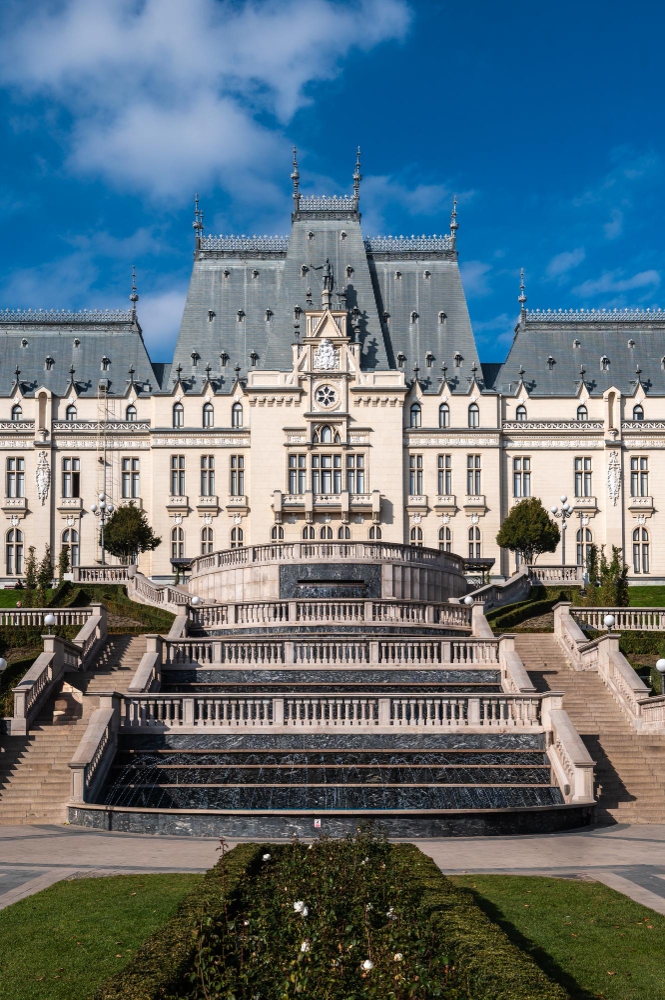
The Palace of Culture, an imposing building in the heart of the Romanian city of Iași, attracts attention not only for its impressive architecture, but also for the fascinating legends that surround it. In particular, the 55-metre-high clock tower, which stands centrally on the building’s façade, plays a central role in a mysterious legend that continues to capture the imagination of visitors and locals alike to this day. In the following lines, we delve deeper into this exciting story and explore both the historical and legendary aspects of the building.
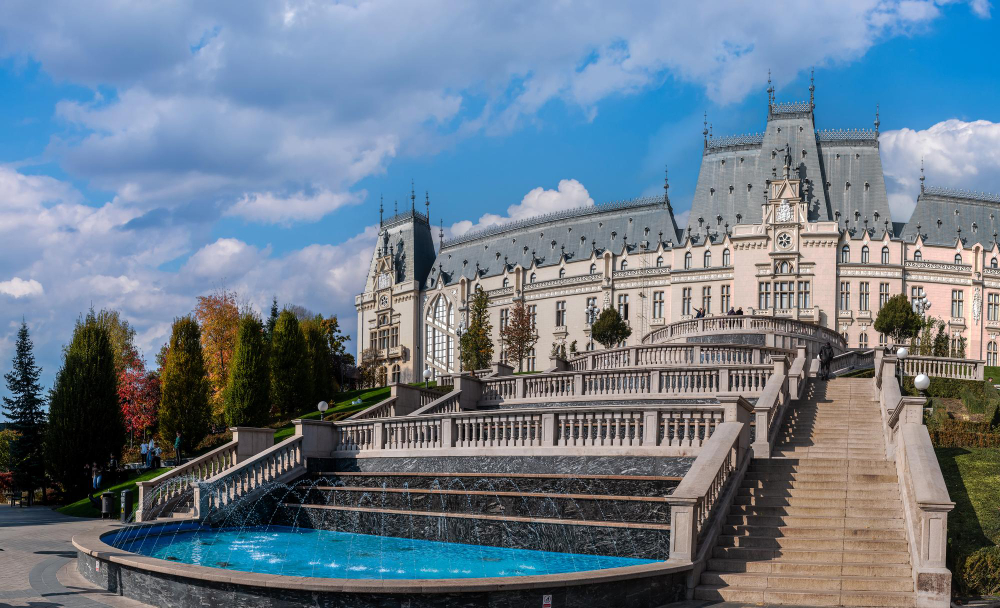
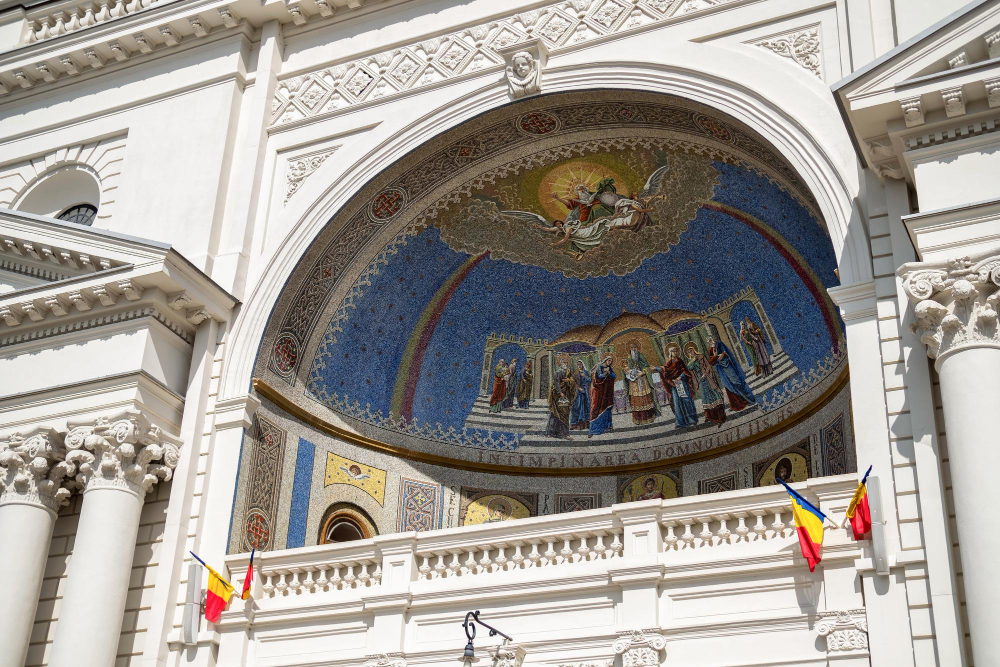
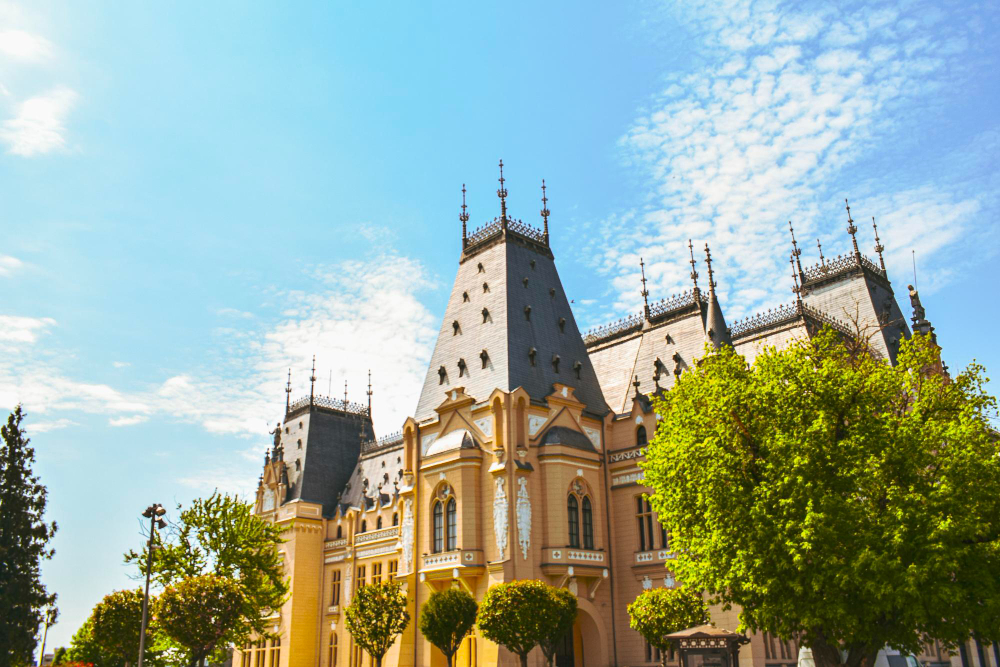
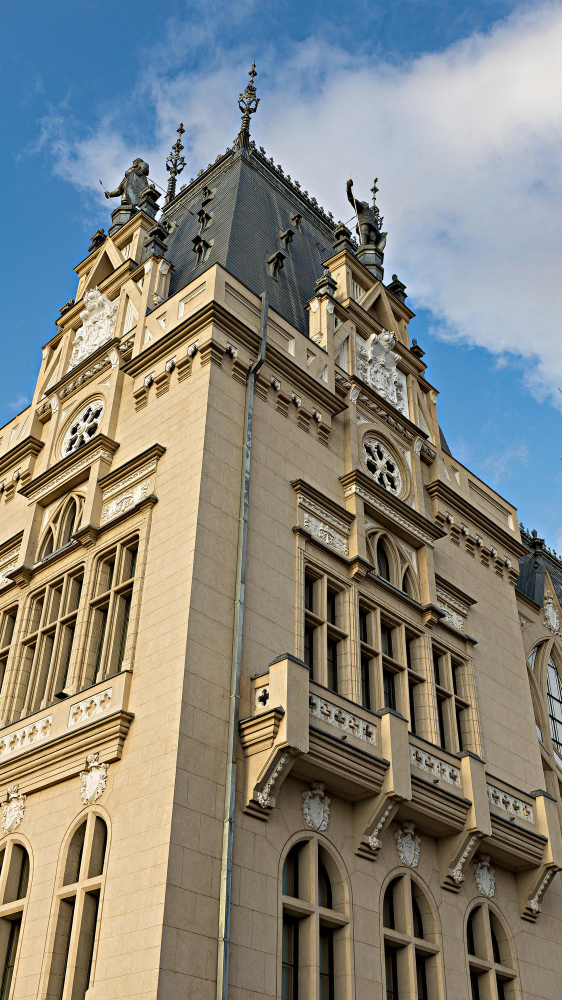
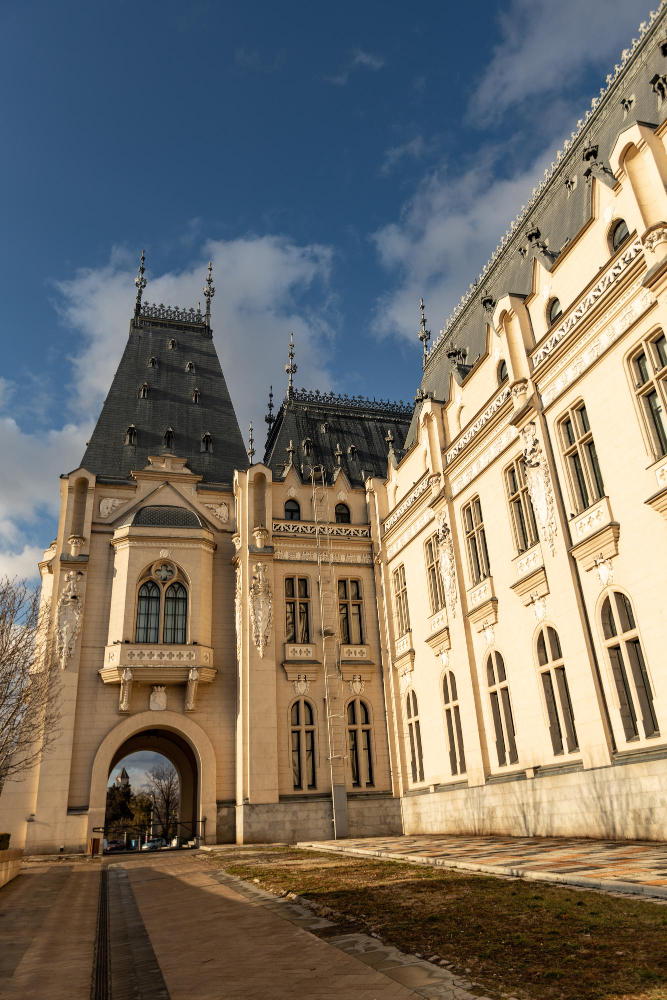
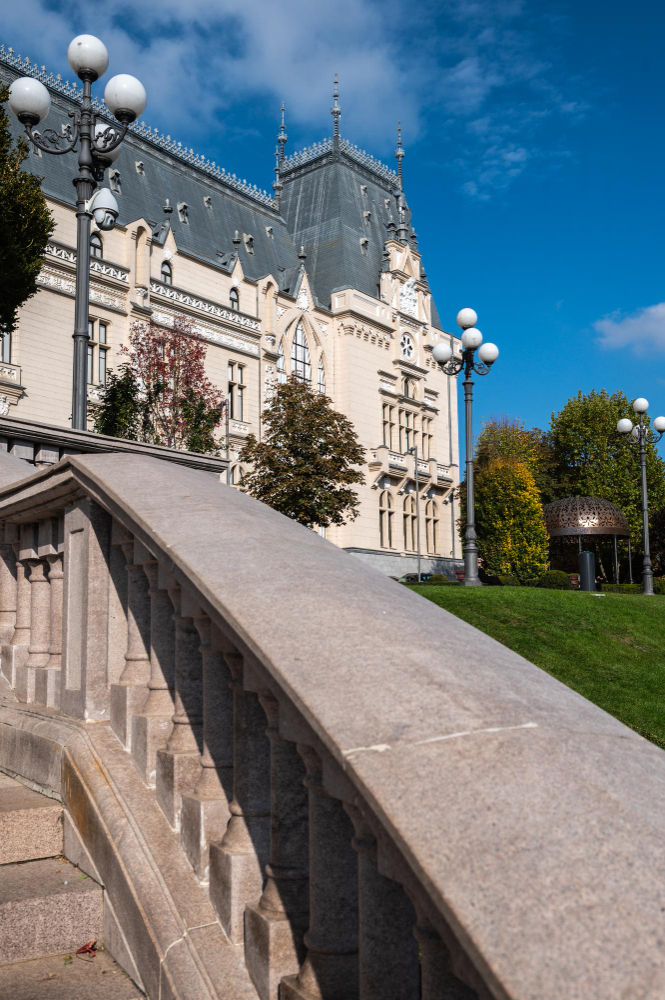
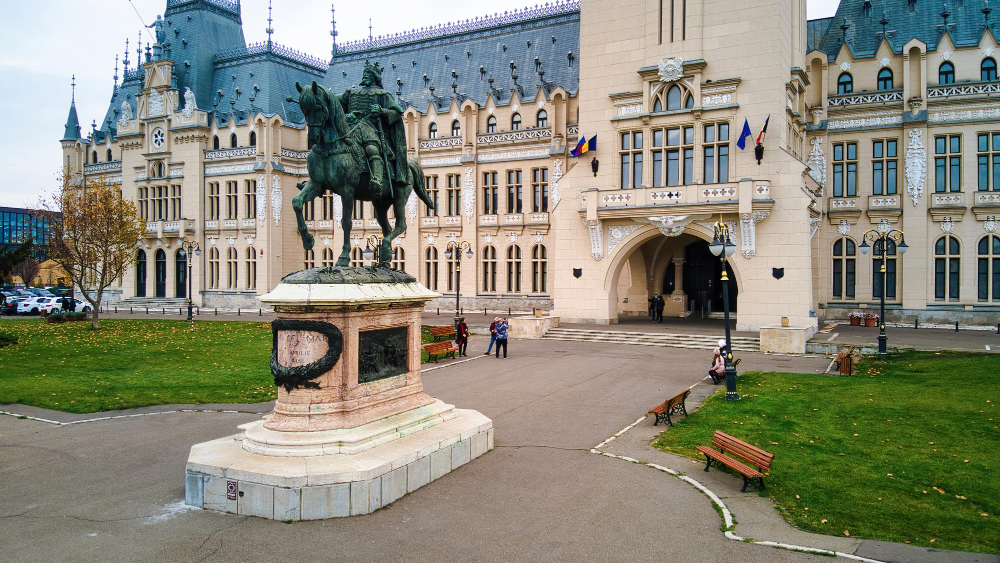
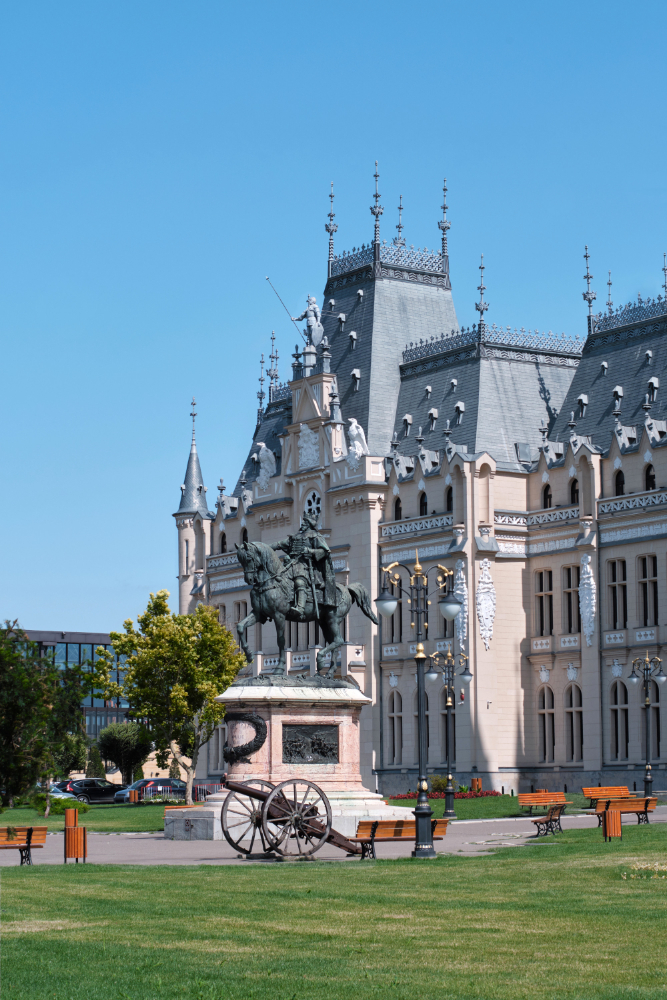
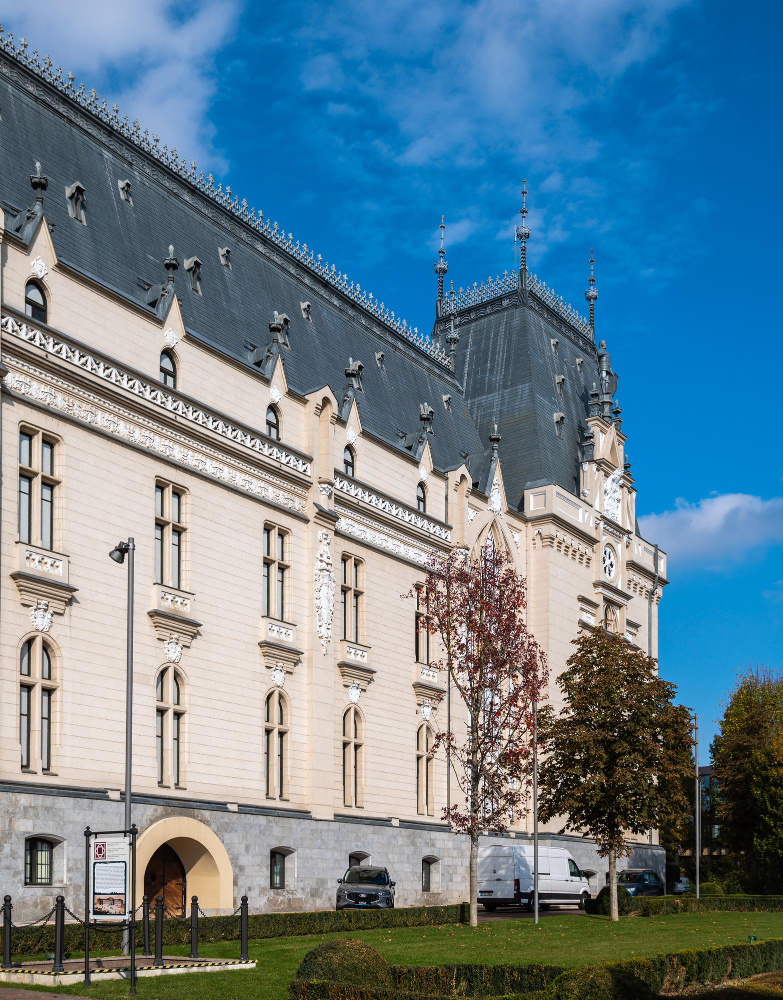
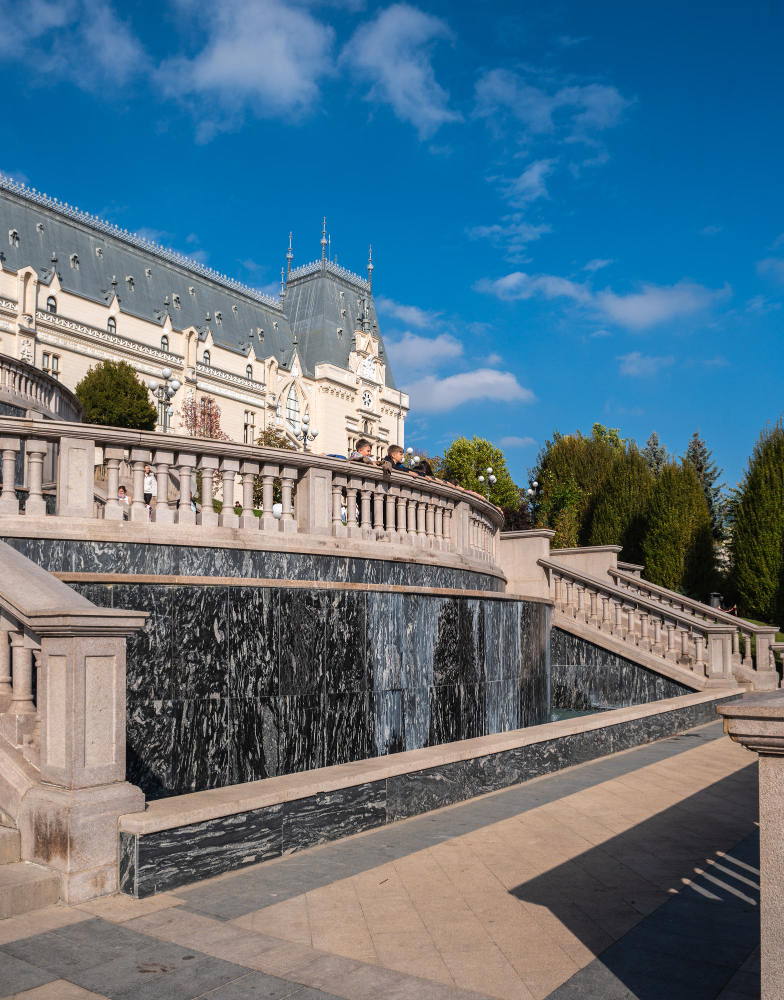
The History of the Palace of Culture – Before we turn to the legend, it is worth shedding some light on the building’s background. The Palace of Culture was built between 1906 and 1925 and is today regarded as one of the finest examples of Neo-Gothic architecture in Romania. Originally designed by the architect I.D. Berindei, the building was initially intended to serve as an administrative centre. However, its purpose changed over the course of its history, so that today the Palace functions as a museum complex and houses impressive collections in the fields of art, history and science. The building’s iconic façade is dominated by the clock tower, which not only stands out architecturally but also plays a central role in local folklore. And it is precisely this tower that has been raising questions and arousing curiosity for decades – particularly because of its mysterious mechanism.
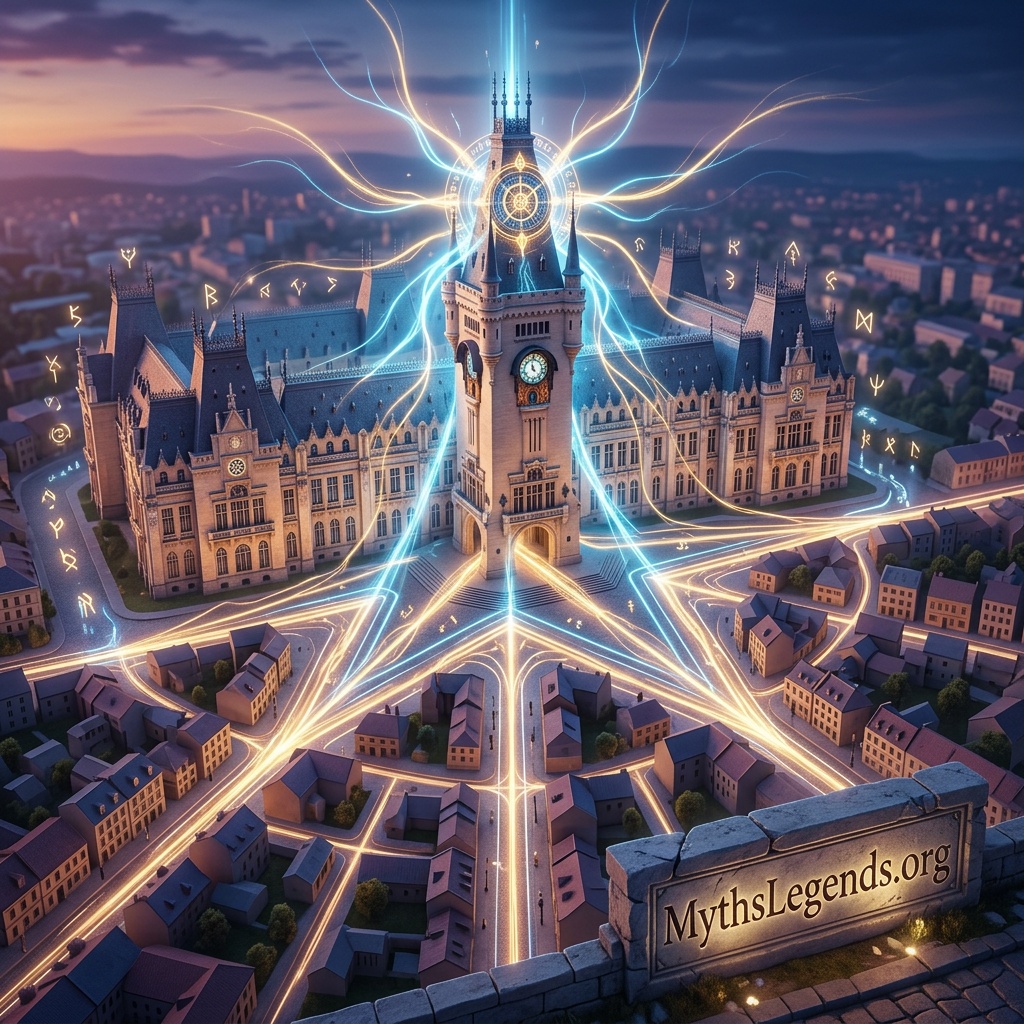
The Myth of the Clock Tower – According to legend, at the very top of the clock tower lies a hidden mechanism that centres the city’s streets in a star-shaped pattern. It is said that invisible lines of energy radiate from this point, determining the layout and arrangement of the city. Some even believe that this mechanism is not merely an architectural detail, but a kind of mystical source of power that watches over the city and preserves its harmony. Although this theory has no scientific basis, it is deeply rooted in the city’s culture and identity. It reflects the admiration that many people feel for the palace and its symbolic significance. The idea that a secret system influences the city’s layout has not only fascinated generations of Iași residents but has also piqued the curiosity of tourists wishing to explore the tower and its surroundings.
Historical Facts and Interpretations – The clock tower itself is fitted with a magnificent clock, the mechanism of which is widely known. The clock not only displays the time but also plays a melody from the famous piece ‘Hora Unirii’ every few hours – a symbol of Romanian unity and identity. This musical detail further highlights the tower and cements its reputation as the centrepiece of the building. Architects and historians agree that the tower does not contain an actual functioning mechanism for aligning the streets. Rather, this myth is a romanticised interpretation of urban planning that emphasises the connection between the palace and Iași. Nevertheless, the idea remains fascinating: a secret mechanism, hidden within an architectural masterpiece, influencing the entire city – an idea that sets no limits on creativity and imagination.
The significance of the myth for the city of Iași – Legends such as that surrounding the clock tower serve an important purpose by connecting people with their surroundings. They create a sense of identity, foster pride in local history and culture, and revitalise the collective memory. For the inhabitants of Iași, the legend of the secret mechanism is not merely an entertaining fairy tale, but a part of their cultural heritage. It symbolises the close connection between the city and its landmark and elevates the significance of the clock tower far beyond its practical function. Furthermore, such legends help to attract tourists and showcase the region’s cultural diversity. Visitors to the Palace of Culture not only experience an impressive building but are also immersed in the stories that surround it. It is a place where reality and fantasy converge – and therein lies its magic.
Further legends and secrets – Interestingly, the clock tower is not the only part of the Palace shrouded in myths and stories. Other rumours suggest that the building was constructed using special materials, which were supposedly intended to strengthen the structure’s stability and energy. Some claim that the building’s foundations are connected to a network of underground passages that once served as escape routes or secret storage rooms. Such stories, whether true or not, help to preserve the palace’s mystical aura and enhance its appeal.
The Role of Legends in a Modern Context – Legends such as those surrounding the clock tower invite us to think beyond the boundaries of reality and to appreciate the beauty of stories that enrich our world. In a modern world often dominated by facts and logic, myths offer scope for imagination and creative interpretation. At the same time, they demonstrate how closely architecture, history and culture are interwoven, and how every element of a building can have a greater significance than it appears at first glance. For the city of Iași, the clock tower remains a symbol of history, culture and identity. Its legend may seem fantastical, yet it acts as an invisible thread linking the past with the present and showing how deeply the roots of cultural heritage are anchored in the local community.
A structure of imagination and inspiration – The Palace of Culture, and in particular its clock tower, are more than just architectural masterpieces – they are treasure troves full of stories, dreams and inspiration. The myth surrounding the secret mechanism in the spire may not be historically verifiable, but its symbolic significance is undeniable. As a setting for legends and the cultural heart of the city of Iași, the Palace remains a place that honours the past whilst sparking the imagination. Whether visitors come to explore the building’s historical significance or to be enchanted by its legends – one thing is certain: the Palace of Culture will continue to inspire generations and invite people to think beyond the boundaries of reality. And who knows – perhaps every great building does indeed harbour a little secret just waiting to be discovered.








Post Comment