
The Mysterious Treasure of the Saxons: The Hidden Silver of Moritzburg Castle
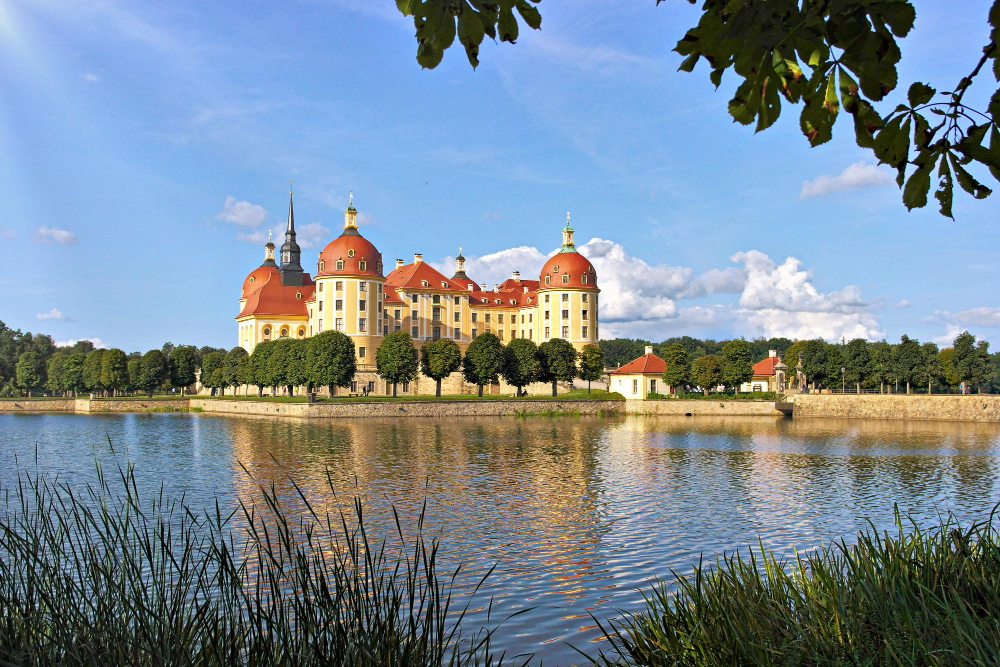
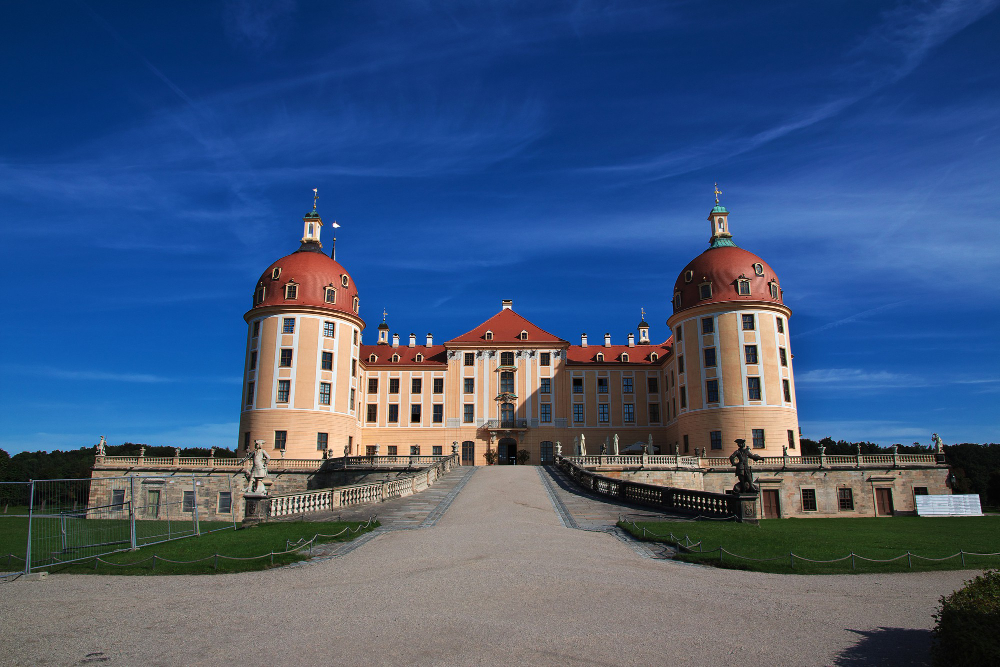
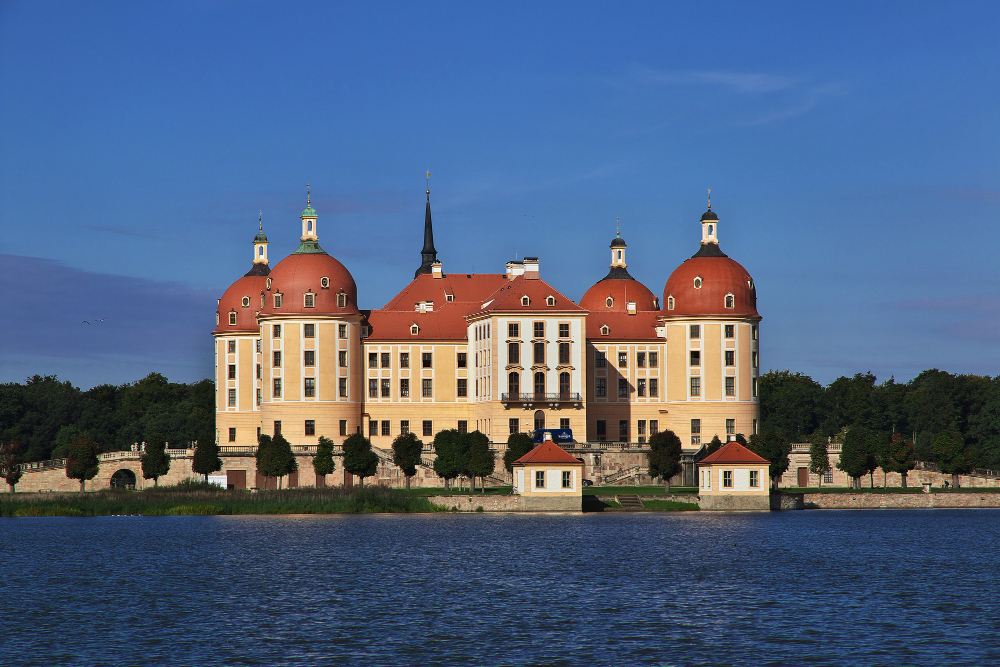
When history and legend intertwine, fascinating stories often emerge that have captivated people for generations. One such story is the legendary silver treasure of the Saxons—a hidden fortune believed to still lie concealed in the forests or waters surrounding the magnificent Moritzburg Castle near Dresden. With an estimated value of over 12 million euros, this treasure remains one of Saxony’s greatest mysteries to this day.
Where does the treasure come from? – The legend of the silver treasure is closely linked to the turbulent history of the Kingdom of Saxony and its rulers. Especially during World War II, many high-ranking figures, including nobles and members of the formerly ruling House of Wettin, retreated to the tranquil Moritzburg Castle. Although the castle primarily served as a hunting lodge, its secluded location and expansive surroundings made it a supposedly safe haven. After the war ended, however, numerous reports emerged claiming that valuable possessions—including silver, gold, and other precious metals—had been hidden in the surrounding area during the final days of the war to evade the advancing Allies. The exact circumstances remain unclear to this day; many documents were lost, and the few eyewitness accounts provide no definitive answer.
What makes the treasure so special? – It is said that the treasure consists not only of simple silver, but also of ornate objects of inestimable historical value. These could include tableware, filigree jewelry, and decorative artworks from the Saxon Baroque period. Saxon silversmithing experienced a particular golden age under Augustus the Strong, a ruler known for his lavish lifestyle. It is conceivable that pieces from this era are part of the treasure—objects that possess not only material value but also cultural and historical significance.
The Search for the Treasure – As early as the post-war years, treasure hunters and historians began scouring the area around Moritzburg Castle for clues. In particular, the so-called “Great Pond,” on whose shore the castle stands, was the focus of investigations from the very beginning. Stories about alleged divers who searched unsuccessfully for sunken chests continue to circulate to this day. Modern treasure hunters, equipped with metal detectors and ground-penetrating radar, have also attempted to get to the bottom of the legend. So far, however, these efforts have been unsuccessful—or potential finds have been kept secret to avoid attracting further attention. This, of course, fuels the notion that the treasure might actually exist.
What Do Historians Say? – Many historians view the legend of the Moritzburg silver treasure with skepticism. “There is no conclusive evidence that such a treasure was actually hidden there,” emphasized a Dresden-based historian in an interview. Yet even the skeptics concede that the possibility that valuables were deliberately brought there amid the chaotic turmoil of war seems entirely plausible. Moreover, Moritzburg Castle did indeed serve as a sort of repository for valuable goods in the past. As early as the Thirty Years’ War, it was used to protect precious possessions from enemy troops. It is entirely possible that this practice was repeated in later conflicts.
The Role of the House of Wettin – The House of Wettin, one of the oldest European royal houses, played a central role in Saxon history. The legend surrounding the treasure can also be linked to the fate of this ancient noble family. After the end of the monarchy in Germany and the abdication of King Frederick Augustus III, many of the Wettins’ possessions were nationalized or sold, while others passed into the hands of family members. However, during the armed conflicts of the 20th century, some items fell into oblivion or were irretrievably destroyed. Some speculate that family members or their servants may have attempted to secretly move valuable items to safety before they were seized by enemy troops. Such actions were not uncommon, as numerous similar stories from across Europe attest.
Modern Treasure Hunting – Curse or Blessing? – The myth surrounding the treasure has long since spawned a new generation of adventurers. Equipped with drones, ground-penetrating radar, and other technologies, enthusiasts search for the Saxons’ hidden riches. Yet such endeavors are not always without controversy. Critics warn that unplanned treasure hunts by private individuals could damage historical sites. Furthermore, archaeological excavations in Germany may only be conducted with official permission. On the other hand, the legend attracts a significant influx of tourists to Moritzburg. Visitors and fans of historical mysteries are drawn to the story of the treasure. This brings economic benefits to the region and strengthens the cultural significance of Moritzburg Castle.
A Myth Lives On – Whether the treasure actually exists or is merely a romantic legend may never be definitively determined. Yet it is precisely this uncertainty that makes the myth so fascinating. Every year, people flock to Moritzburg to feel the spirit of times past and be inspired by the idea that silver chests might still lie hidden somewhere deep in the forest or in the mud of the large pond. The story of the Saxon silver treasure shows once again how powerful myths can be. They intertwine facts and fantasy, history and speculation. And they remind us that some secrets are perhaps better left undiscovered—if only because of the magic their existence suggests. Thus, the treasure of Moritzburg Castle will likely remain a mystery in the future—one that inspires people to imagine their own adventures and let themselves be enchanted by the past.












Post Comment