The Mysterious Kašperk Castle: Between History and Myth
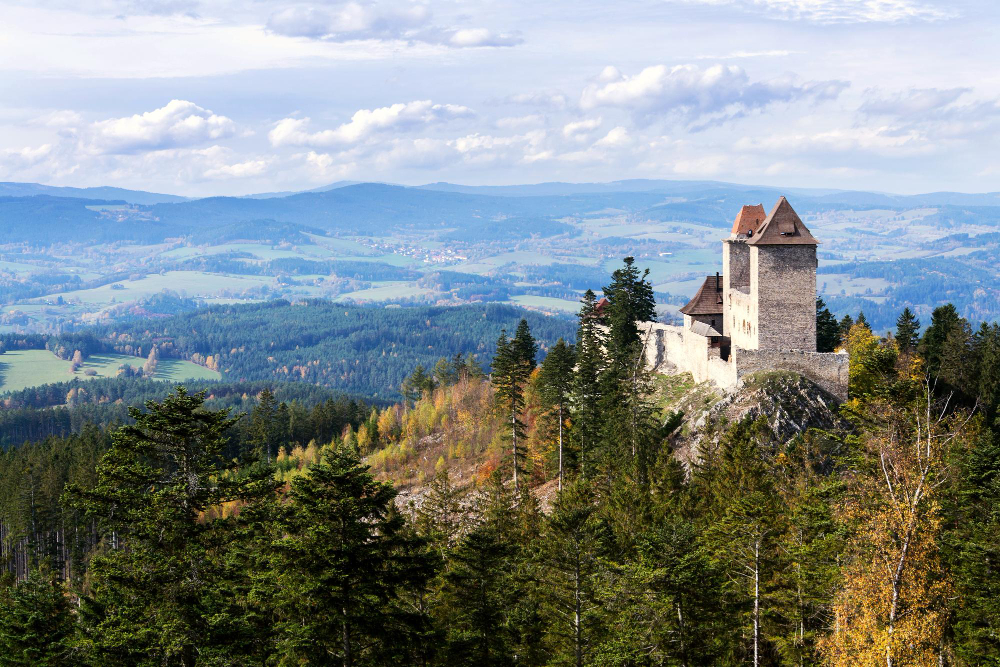
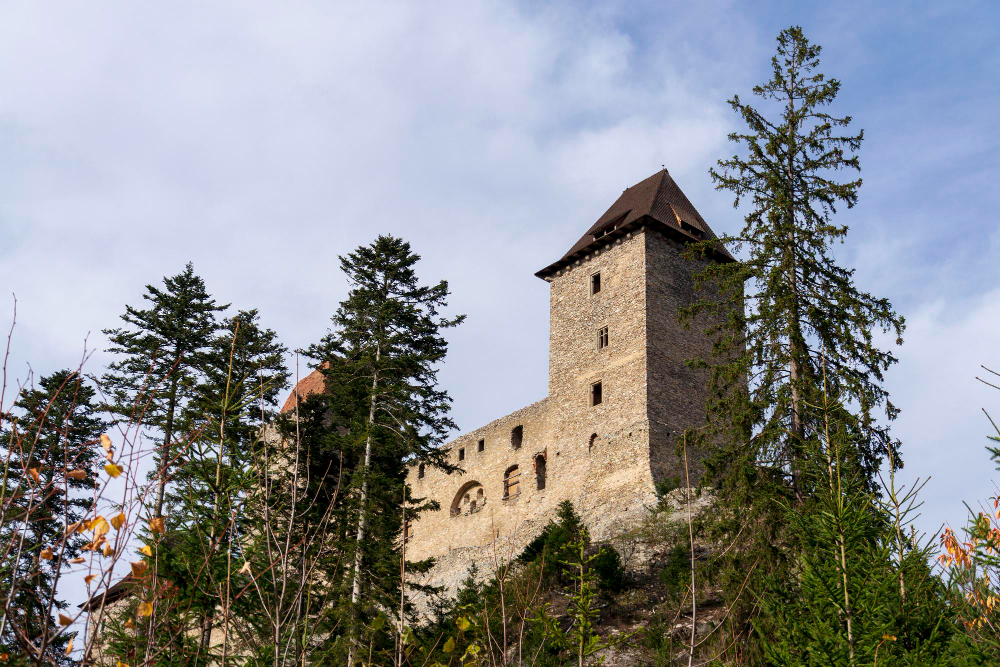
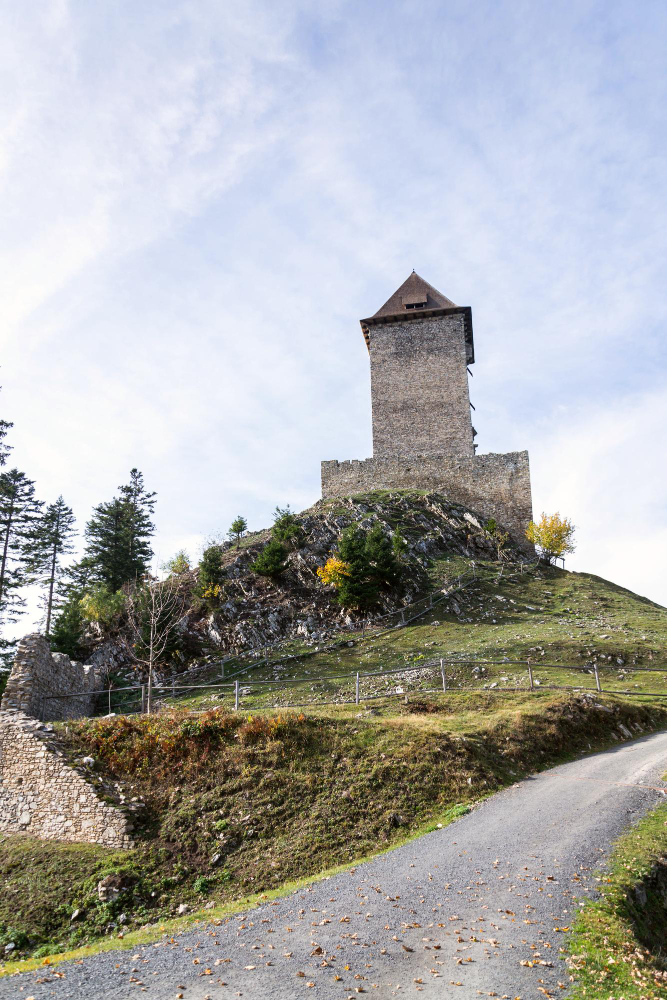
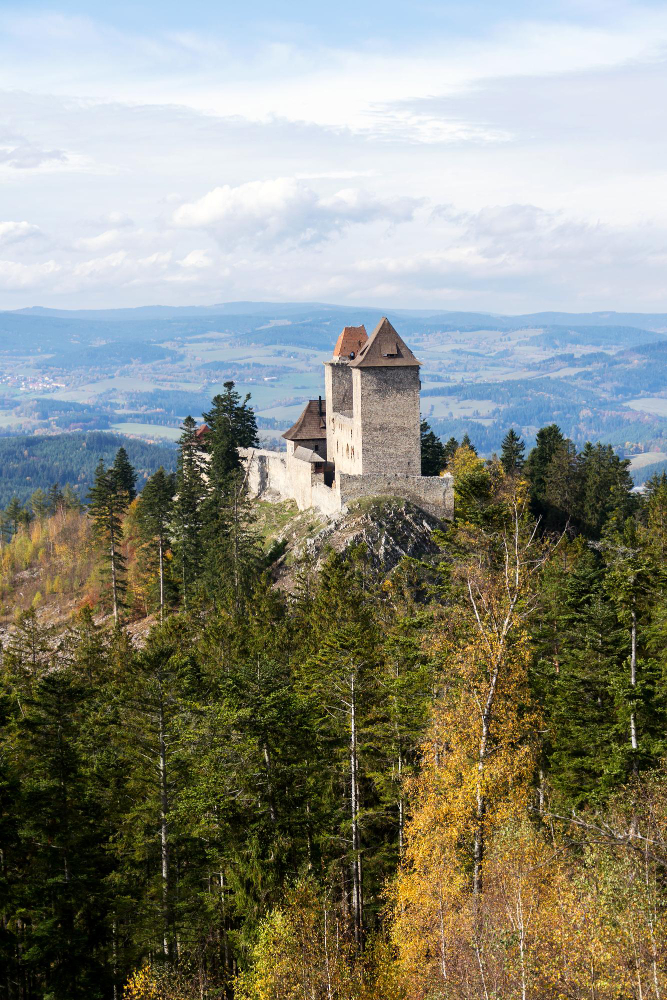
Kašperk Castle, majestically situated on a hill in the Czech Bohemian Forest, has fascinated people for centuries – not only because of its impressive architecture and historical significance, but also because of the mysterious legends that surround its walls. One sombre tale in particular has captured the imagination of entire generations and offers a fascinating insight into the connection between mythology and regional folklore: the legend of the three Norns, the goddesses of fate in Germanic mythology.
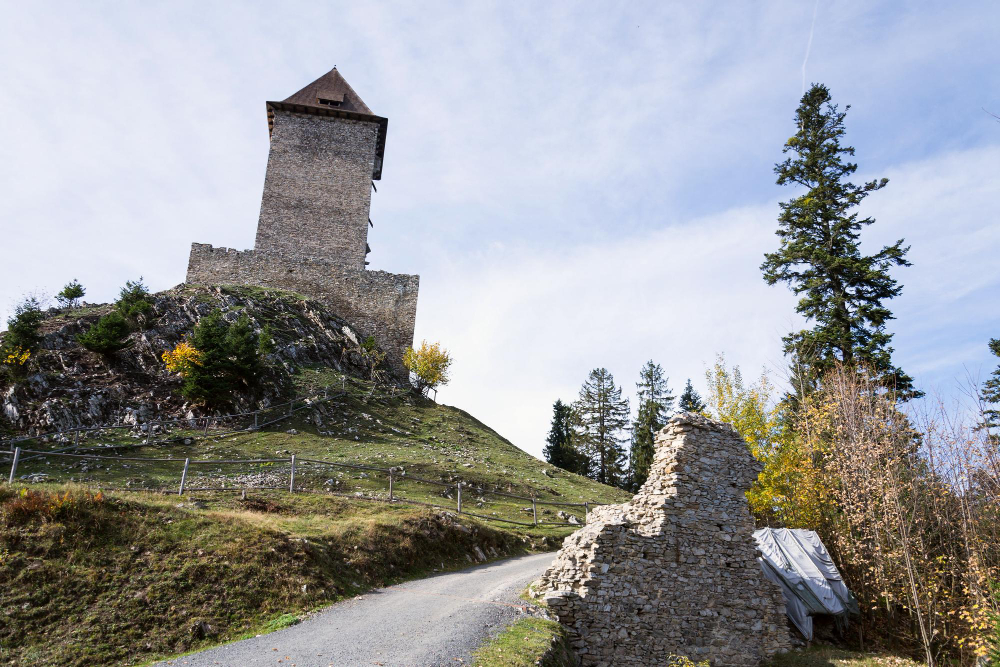
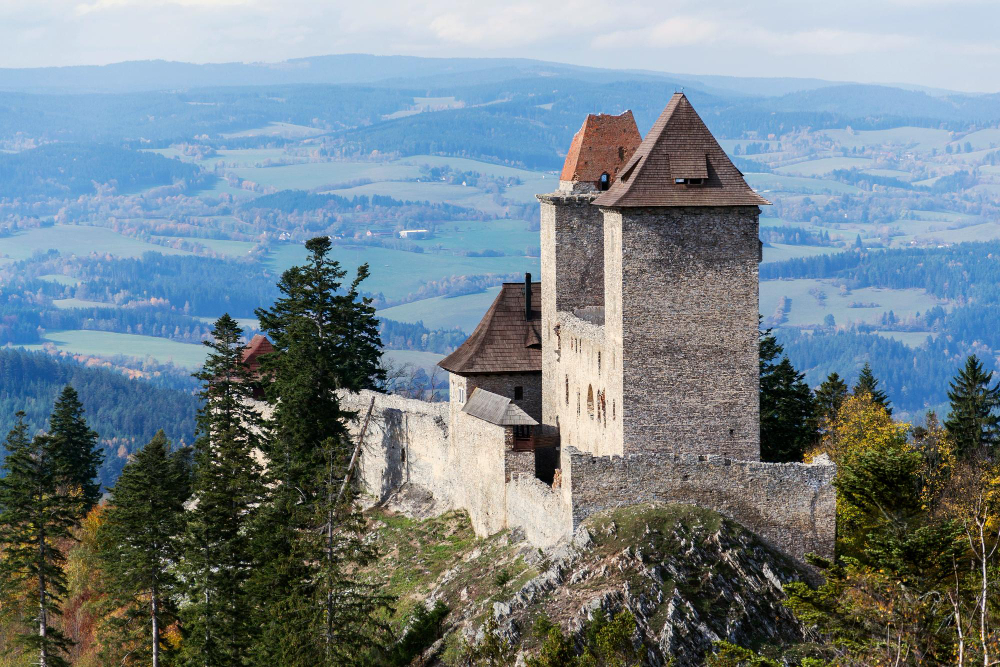
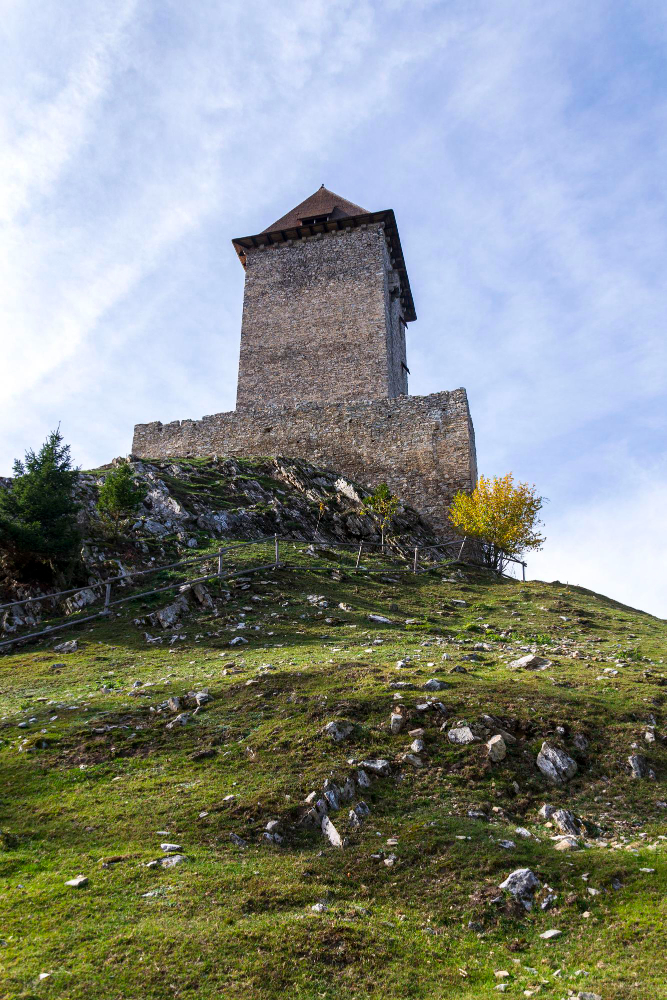
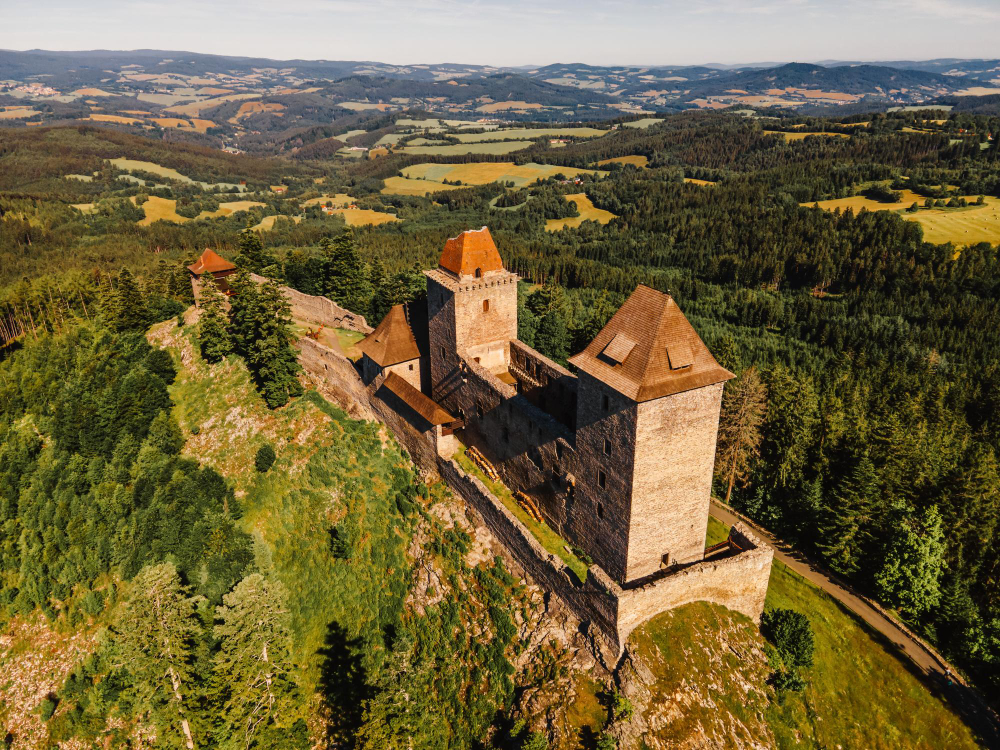
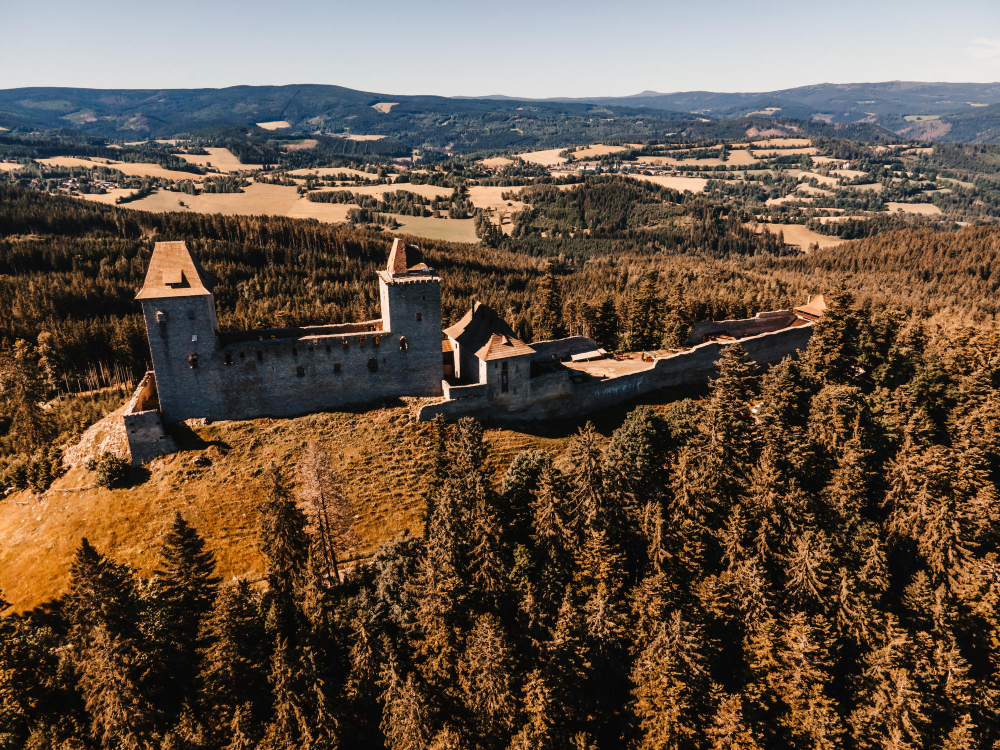
A castle with a long history – Kašperk was built in 1356 under the reign of Emperor Charles IV, who had the fortress constructed as a strategic stronghold and to protect the nearby gold mines. Its commanding position on Mount Ždánov (also known as ‘Kašperský vrch’) offered a magnificent view of the surrounding countryside and made it one of the most important castles in the region. Today, the castle fascinates not only history buffs but also lovers of myths and legends. Although the castle’s historical significance is well documented, over the centuries it has also become the setting for numerous mystical tales. One such story dates back deep into Germanic mythology and blends the reality of world history with the fantasy and mysticism of times gone by.
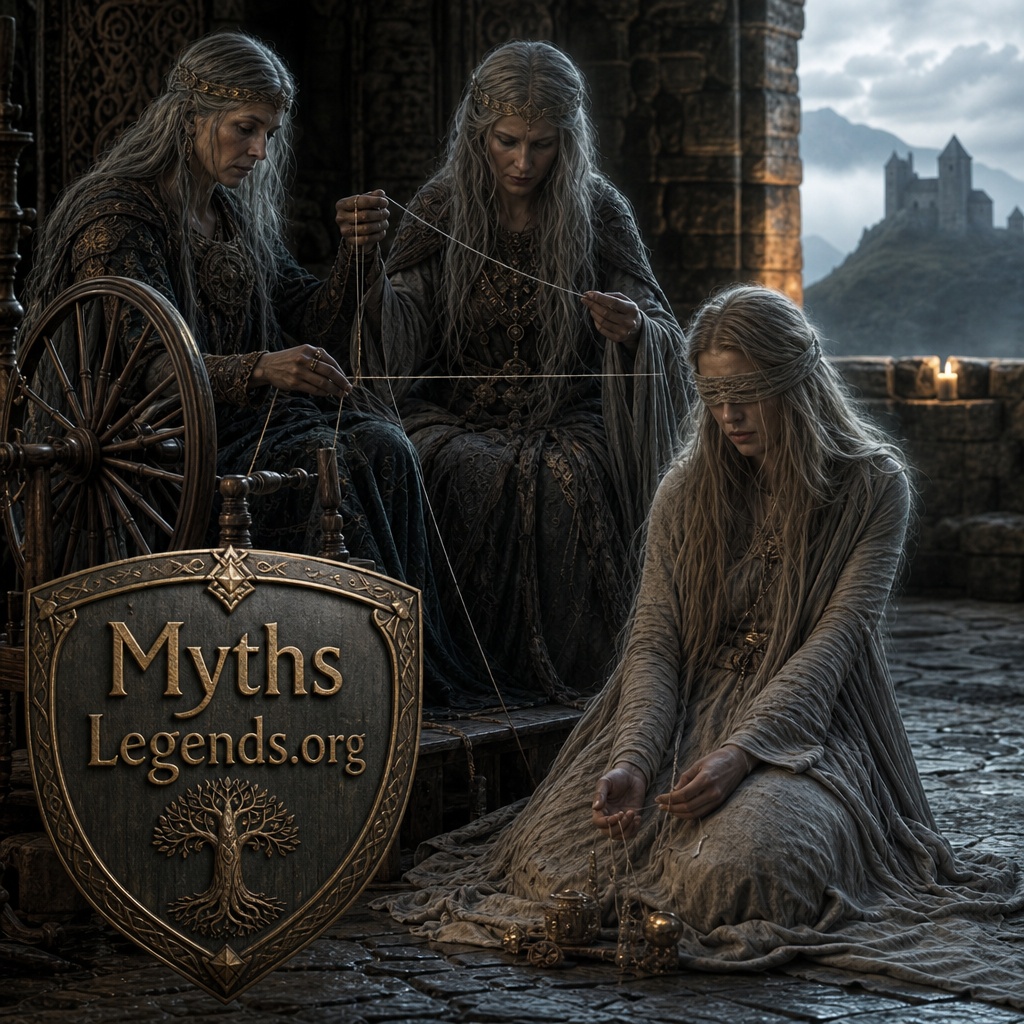
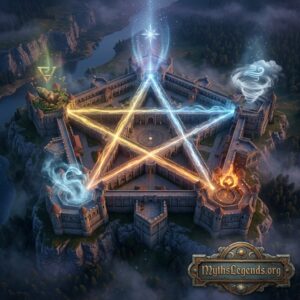
The Legend of the Three Norns – At the heart of many myths surrounding Kašperk Castle lies the story of the three Norns, who are said to have once lived there. These mysterious beings originate from Germanic mythology and are known as the goddesses of fate. It is said that they watch over the birth, life and death of every human being. According to legend, they lived hidden away in the dark and mysterious chambers of Kašperk Castle, where they wove the threads of fate. But the story takes a tragic turn: one of the Norns – the youngest and also the blindest among them – is said to have been betrayed by her sisters. She was led to believe that her own thread of life had been severed – an event which, in mythology, symbolises death. Desperate and broken, she is said to have lost all hope and eventually withdrawn into solitude. Her fate is said to have cast a dark shadow over the castle ever since. The story of this Norn has given rise to many interpretations. Some believe she is a metaphor for the unpredictability of fate, whilst others see in it a reference to the complexity of human relationships and betrayal amongst supposed allies. Whatever the true message behind the legend may be, it serves to reinforce the mystical aura of Kašperk Castle.
Historical references to the legend – This legend is not only rooted in the region’s oral traditions but has even found its way into written documents. One of the most notable references comes from an article in the *Donau-Zeitung* from 1940. There, the story was mentioned in a historical context and served as an example of the rich folklore surrounding Kašperk Castle. The article described the Norns as a symbol of the connection between humanity and fate, as well as an expression of the region’s cultural diversity. The mention of this particular legend in a newspaper during the war years demonstrates just how much such stories could contribute to the preservation of cultural heritage. In difficult times, when society was seeking identity and stability, legends and myths such as these offered a way to remember one’s own history and traditions.
The connection to Germanic mythology – The Norns themselves originate from Germanic mythology, where they are regarded as central figures in the shaping of fate. In Norse tradition, they were known as Urd (the past), Verdandi (the present) and Skuld (the future). They acted as spinners of the threads of life and sat by the well Urdarbrunn beneath the World Tree Yggdrasil. It is interesting that these figures found their way into the regional folklore of the Bohemian Forest, even though Kašperk is geographically far removed from the original centres of Germanic mythology. This could suggest that the legend was either adopted from oral traditions and reinterpreted, or that it was already widespread as part of the general European cultural tradition before being adapted to the local context.
Modern interpretations and cultural significance – Today, the legend of the Norns is often regarded as a fascinating addition to the history of Kašperk Castle. It offers visitors an insight into the interplay between myth and reality and encourages reflection on the significance of fate, chance and human decisions. Furthermore, the story has the potential to strengthen the region’s cultural identity. Such legends help to frame Kašperk Castle not merely as a historical monument, but also as a living hub for stories and inspiration. For writers, artists and historians, the legend offers a source of creativity and a means of exploring themes such as loss, betrayal and hope. Nowadays, the castle has launched several initiatives to keep its legendary tradition alive. Guided tours, theatre performances and readings draw on the legend and other stories to transport visitors into a mystical world, whilst at the same time familiarising them with the region’s rich history.
The magic and mystique of Kašperk Castle – Kašperk Castle is far more than just a historic building: it is a place full of magic, where reality and myth intertwine. The legend of the three Norns is one of many examples of how deeply legends and stories can be rooted in a region’s identity. It reminds us that places like Kašperk are enriched not only by their architectural beauty, but also by the stories they preserve. For anyone wishing to experience the castle’s mysterious atmosphere, a visit offers the perfect opportunity to follow in the footsteps of centuries-old traditions. Whether one regards the legend of the Norns as historical fantasy, cultural heritage or inspiration for one’s own reflections – it remains a striking piece of history that lives on within the walls of Kašperk.

Post Comment