
The Mysterious Ehrenfels Castle and the Castle Lady’s Ancient Winemaking Expertise
In the heart of the Rhine Valley, nestled among steep vineyards and surrounded by a fascinating landscape, stands the impressive Ehrenfels Castle. It is not only considered a historic landmark but also the origin of one of the region’s most famous legends—a story about a lady of the castle who guarded the secret of the perfect wine and allied herself with the spirit of the Rhine.
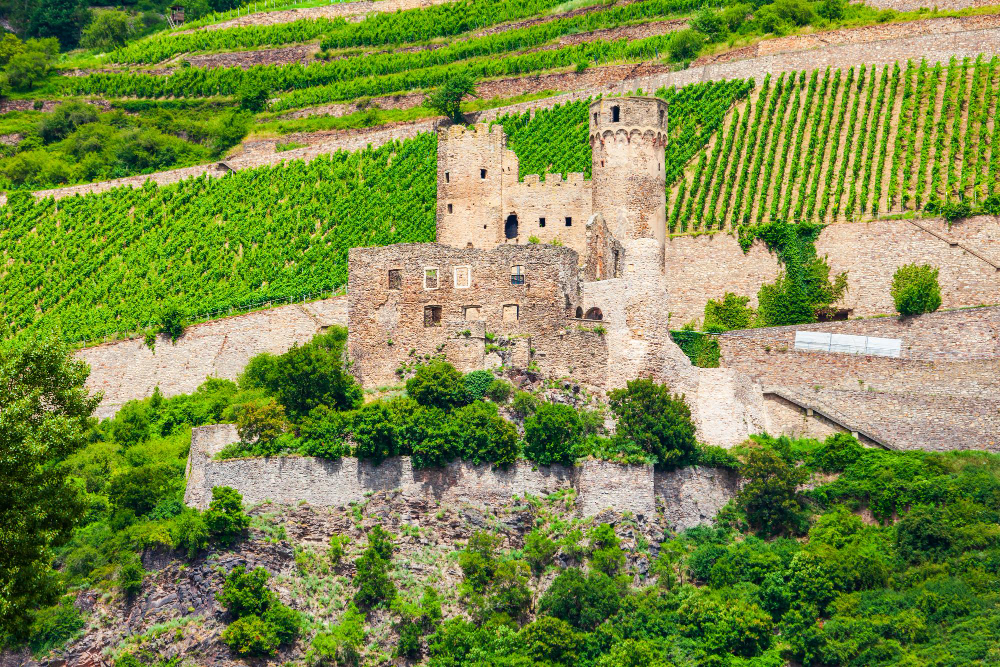
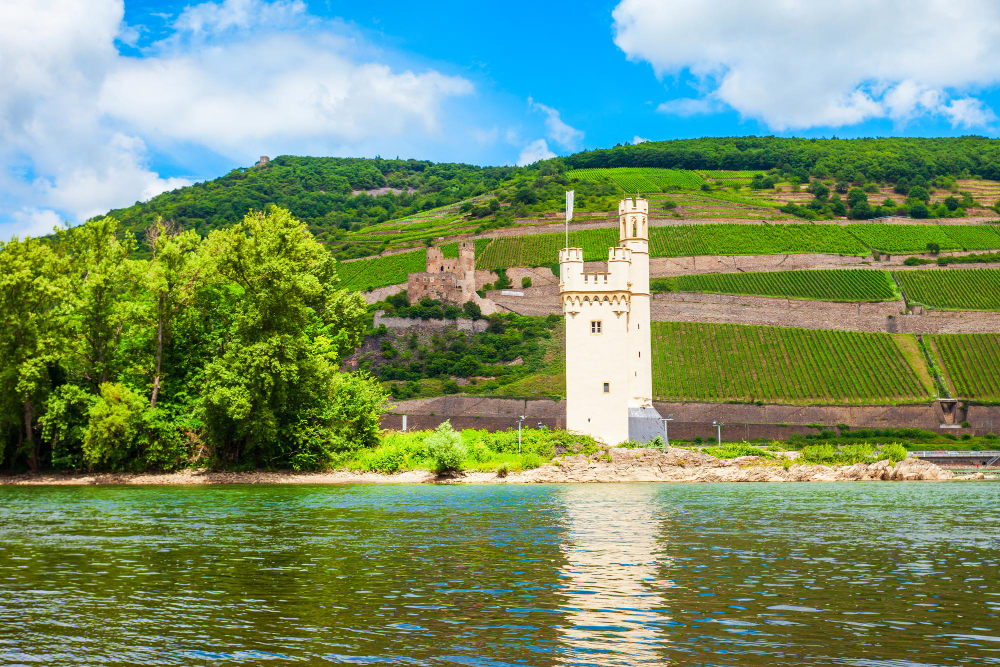
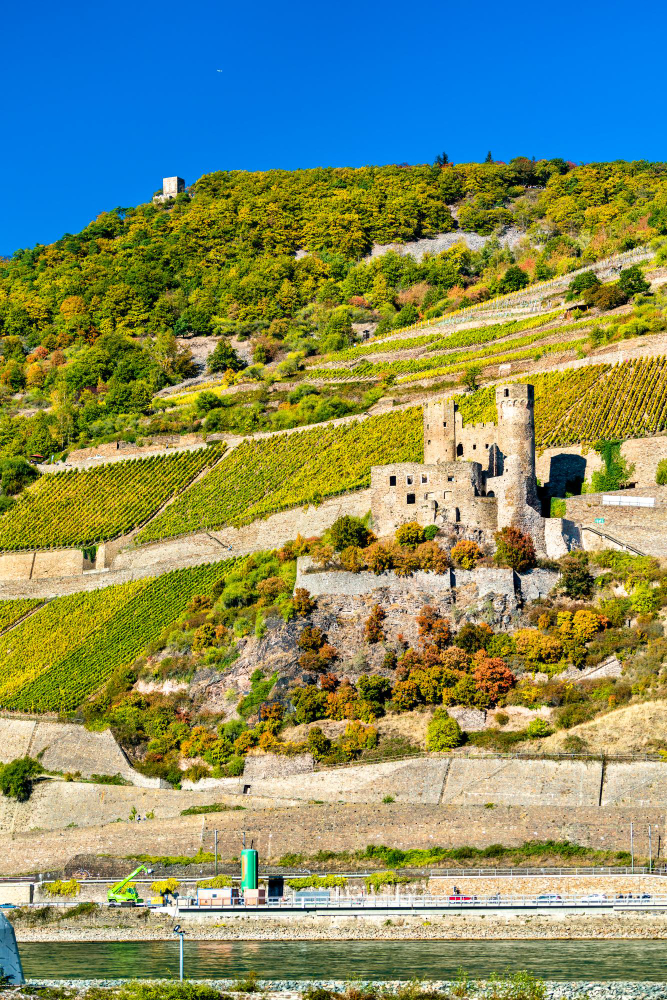
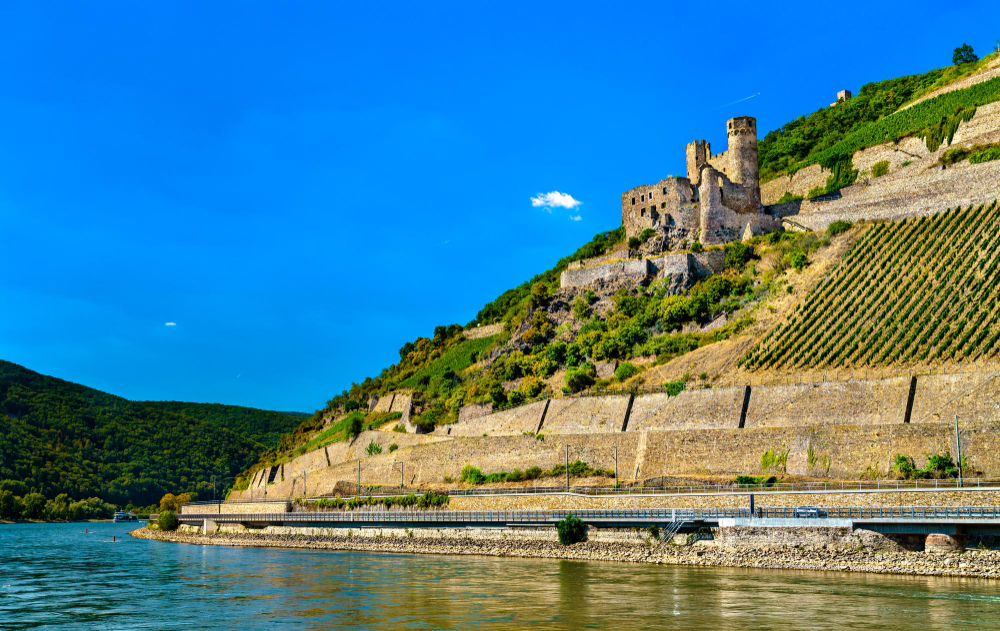
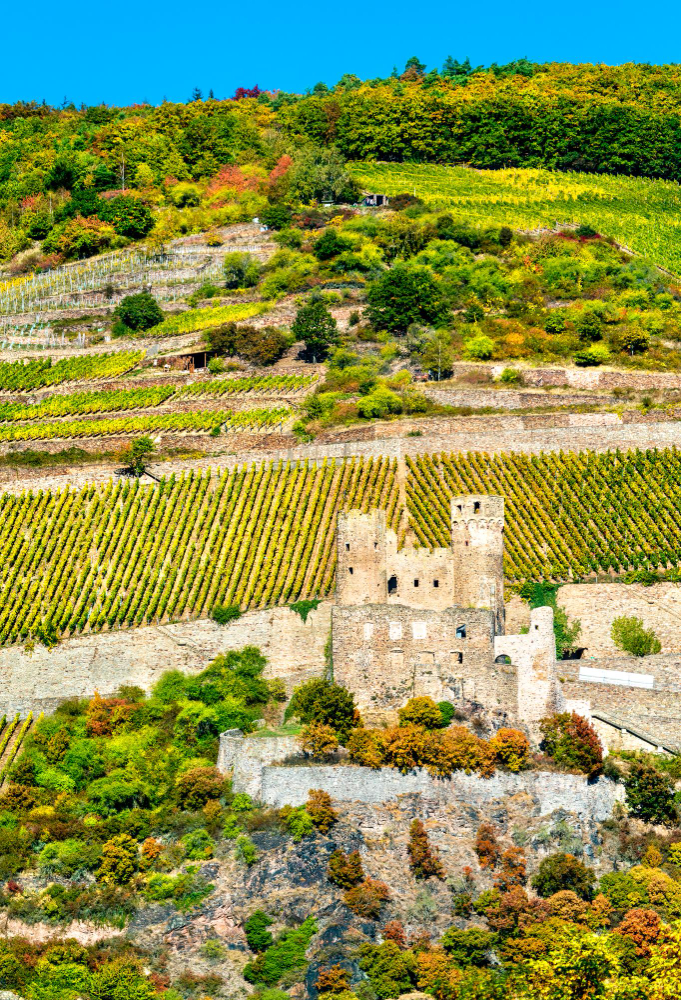
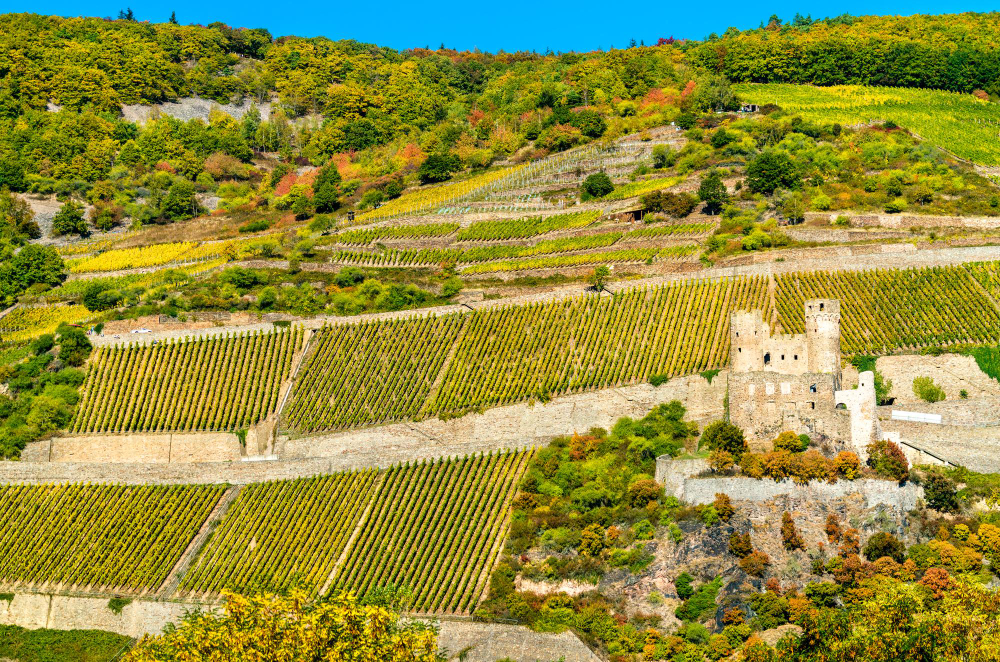
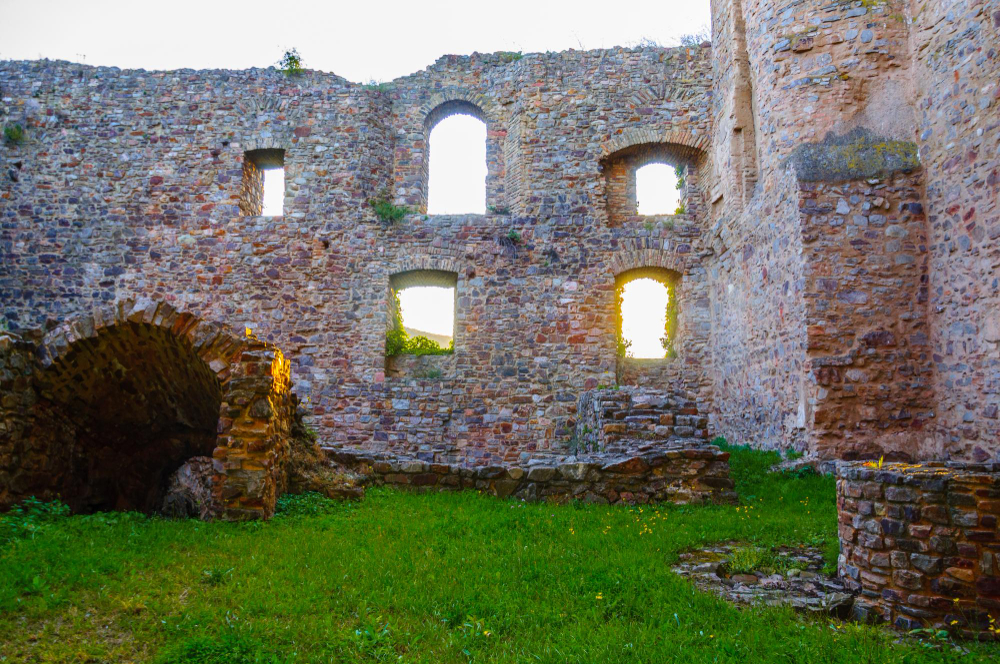
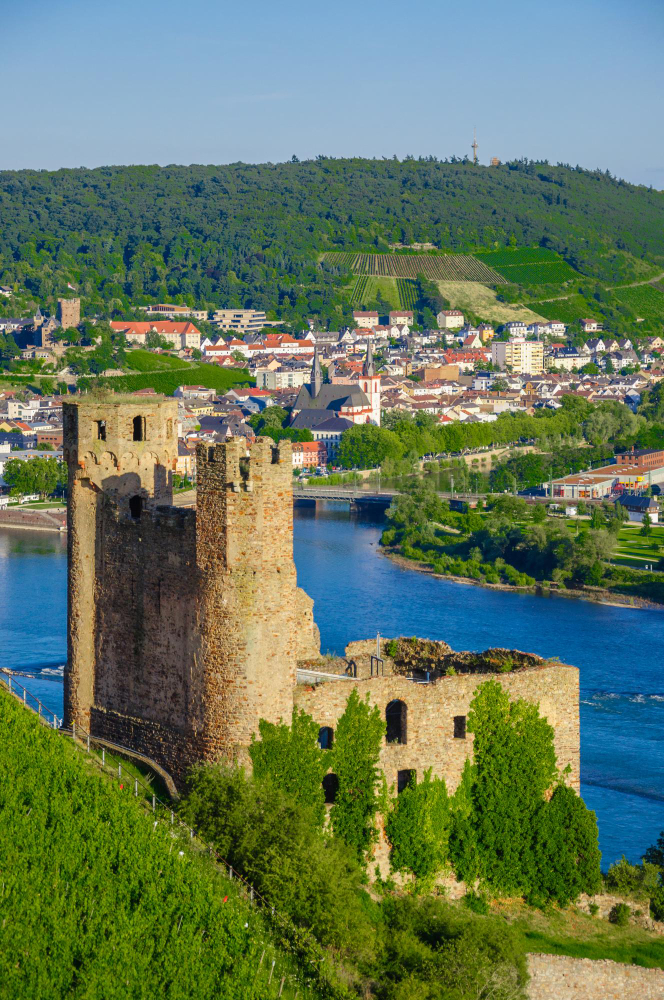
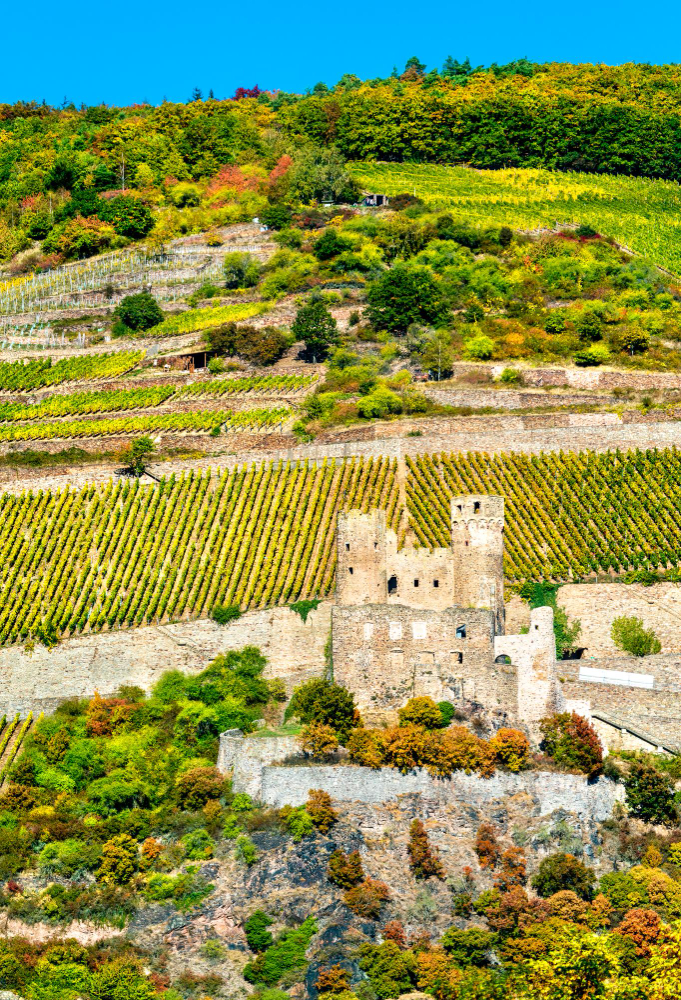
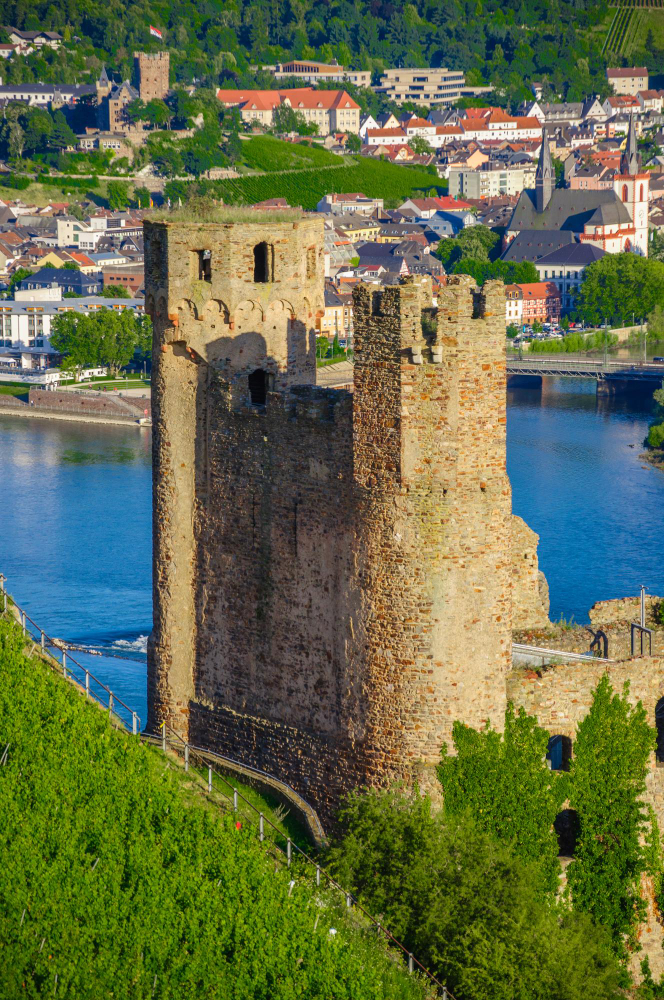
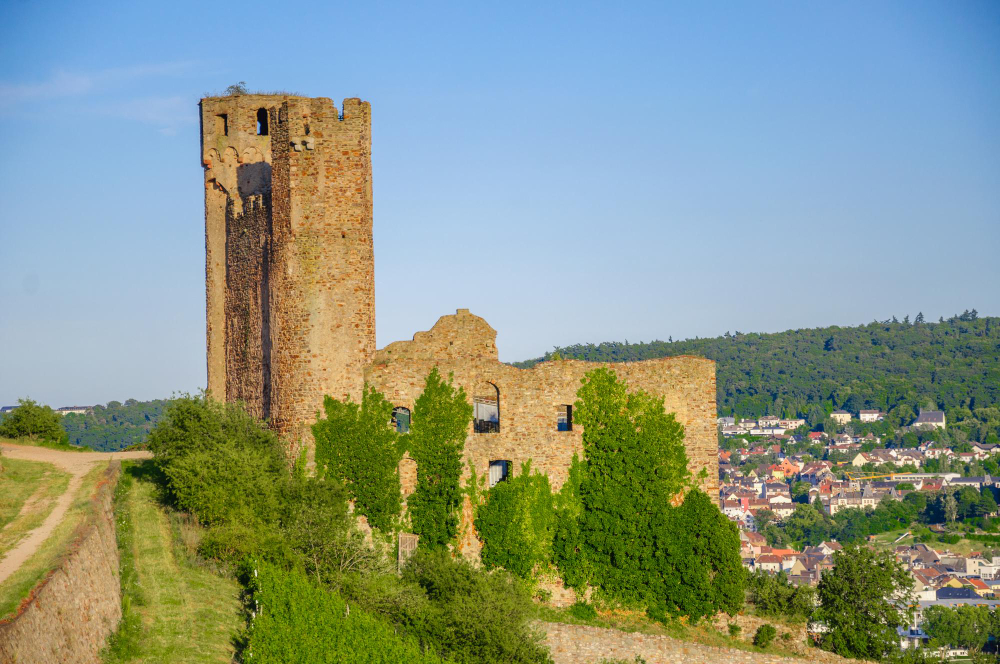
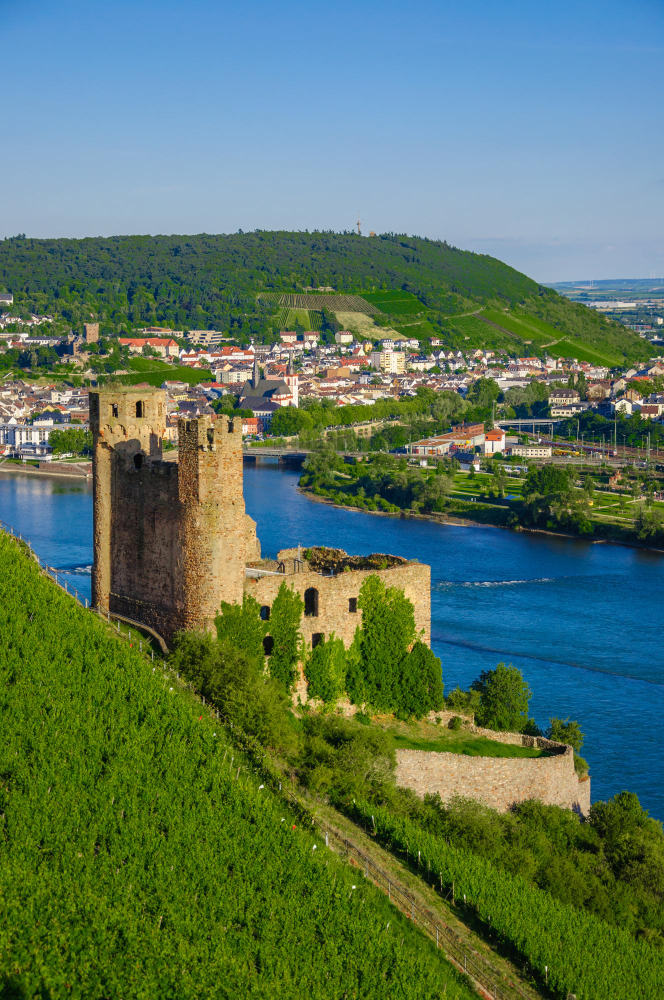
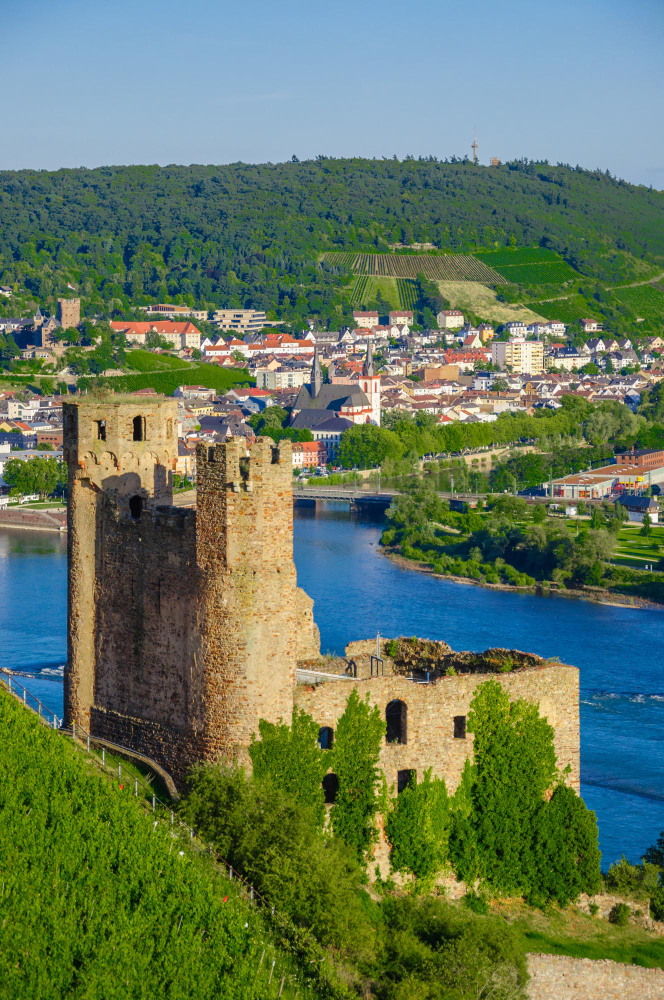
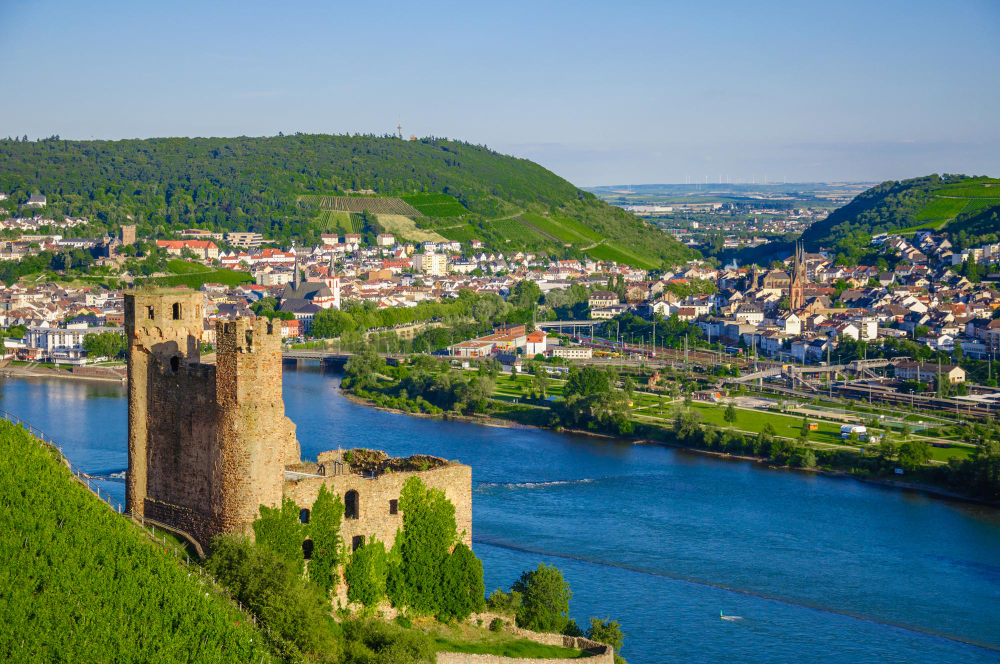
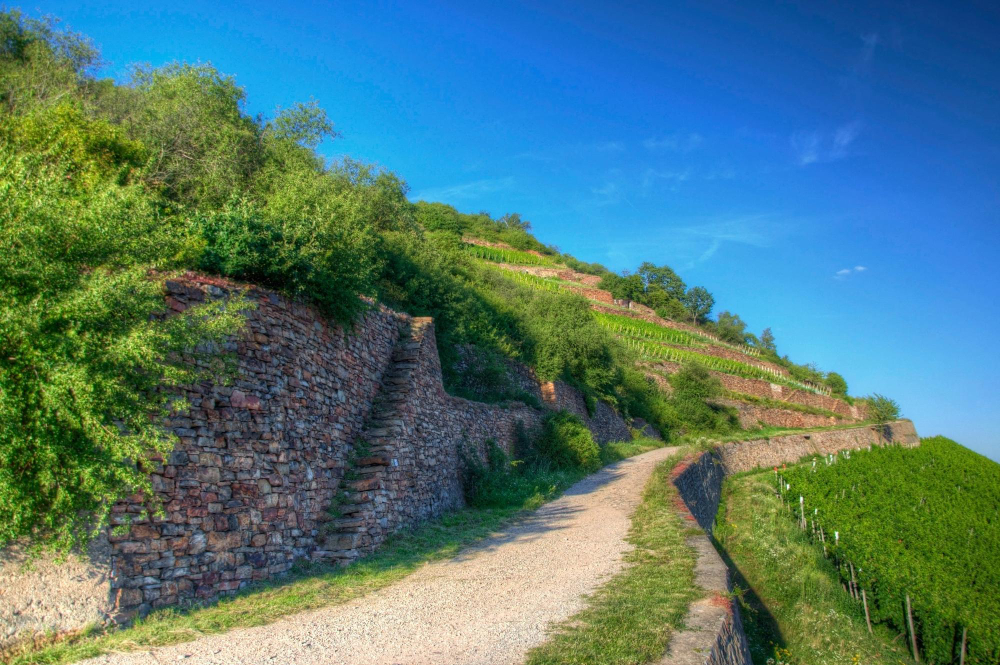
Ehrenfels Castle: A Place Full of History and Magic – Ehrenfels Castle was built in the 13th century to secure the strategically important location on the Rhine. For centuries, it served as a border fortress and symbolic watchtower overlooking the river, which was a central trade route in Europe at that time. Today, only ruins remain of the once-mighty fortress, yet its mystical aura has lost none of its fascination. Amidst the vineyards, whose vines nestle in terraces along the slopes, time seems to stand still—and it was precisely here that the legend of the lady of the castle began, a story that is still told today.
The Legendary Lady of Ehrenfels – According to legend, many centuries ago a lady lived in Ehrenfels whose name has long since vanished into the mists of history. She was distinguished by her extraordinary wisdom and maintained a deep connection to the land and the vines that covered the mountain slopes surrounding the castle. Locals say she knew more than any winemaker of her time. Her secret? The perfect wine—a beverage whose quality remains virtually unmatched to this day. What makes this story particularly fascinating is the claim that the Lady of the Castle did not acquire her knowledge solely through experience or horticultural skill. Instead, she is said to have secretly communicated at night with the spirit of the Rhine—a being that possessed ancient knowledge of its river region. Through this mystical connection, she allegedly received instructions on tending the vines, selecting the right grapes, and a secret recipe that made the wine incomparable.
Myth or Truth? The Origins of Wine Knowledge – Although the story seems like a fairy tale, there are reasons not to dismiss this legend entirely as pure fantasy. The area around Ehrenfels has been considered one of Germany’s finest wine regions for centuries. The soils are rich in minerals, and the microclimate offers ideal conditions for growing Riesling and other noble grape varieties. Wine of outstanding quality is indeed produced here. Historical documents confirm that wine was already being produced and traded at Ehrenfels Castle in the Middle Ages. Winemakers and lords of the castle often maintained close ties, and knowledge of the art of viticulture was carefully guarded and passed down. Perhaps it was precisely this close relationship between people, nature, and culture that gave rise to the legend. The idea that the spirit of the Rhine itself or a mystical force of nature influenced the wine culture is a poetic metaphor for how closely people and the landscape are intertwined. Here, wine is not merely an agricultural product, but part of a centuries-old tradition in which cultural-historical and natural elements converge.
The Role of the Burgherrin as Guardian of Knowledge – The figure of the Burgherrin in this legend symbolizes women who often worked behind the scenes as guardians of traditions and secrets. While men usually appear in history books as knights or rulers, female figures are often kept alive through myths and stories that highlight their special role. In an era when wine was considered a valuable commodity and its production required knowledge and finesse, a wise Burgherrin may indeed have held an important position. Perhaps she was a winemaker or botanist of her time, delving into the secrets of nature—or perhaps a wise stewardess who possessed patience, keen observation, and empathy.
Passing Down Wine Knowledge Across Generations – One of the most fascinating elements of the legend is that this ancient knowledge is still passed down today in the wine cellars around Ehrenfels. The winemakers repeatedly emphasize that their traditions are deeply rooted, have been passed down from generation to generation, and are supplemented by modern insights. This connection between the past and the present gives Ehrenfels wine a special identity. It is not just a drink, but a piece of history and culture that resonates as you savor it. Even if no one can claim to have truly spoken with a river spirit, the magic of the legend lives on in every sip.
The Significance of the Legend for Tourism and Culture – Today, Ehrenfels Castle is a popular destination for hikers, history buffs, and wine lovers. The fascinating legend of the castle maiden attracts visitors and enriches the region’s cultural offerings. Guided tours of the ruins, storytelling evenings, and wine tastings bring the world of legends to life. Furthermore, the legend promotes awareness of sustainable viticulture and the importance of landscape conservation. Vineyards cultivated in harmony with nature form the foundation for quality and diversity. Thus, the story of the Lady of the Castle also serves as a call to combine traditional values with modern responsibility.
Between Myth and Reality – The legend of the Lady of Ehrenfels is more than just a beautiful story—it embodies the dream of the perfect wine, created through mysterious knowledge and loving care. Whether nightly conversations with the spirit of the Rhine actually took place remains unclear. Yet it is precisely this uncertainty that lends the story its magic. Ehrenfels Castle and its surroundings represent a deep connection between history, culture, and nature that continues to fascinate wine lovers to this day. In every drop of this “enchanted” wine, one can taste a piece of that mystical world once inhabited by the Lady of the Castle, whose secrets remain hidden in the vineyards of the Rhine Valley to this day. The legend invites us to immerse ourselves in this world with open senses—and perhaps the next truly good sip of wine will reveal more than just grape juice…









Post Comment