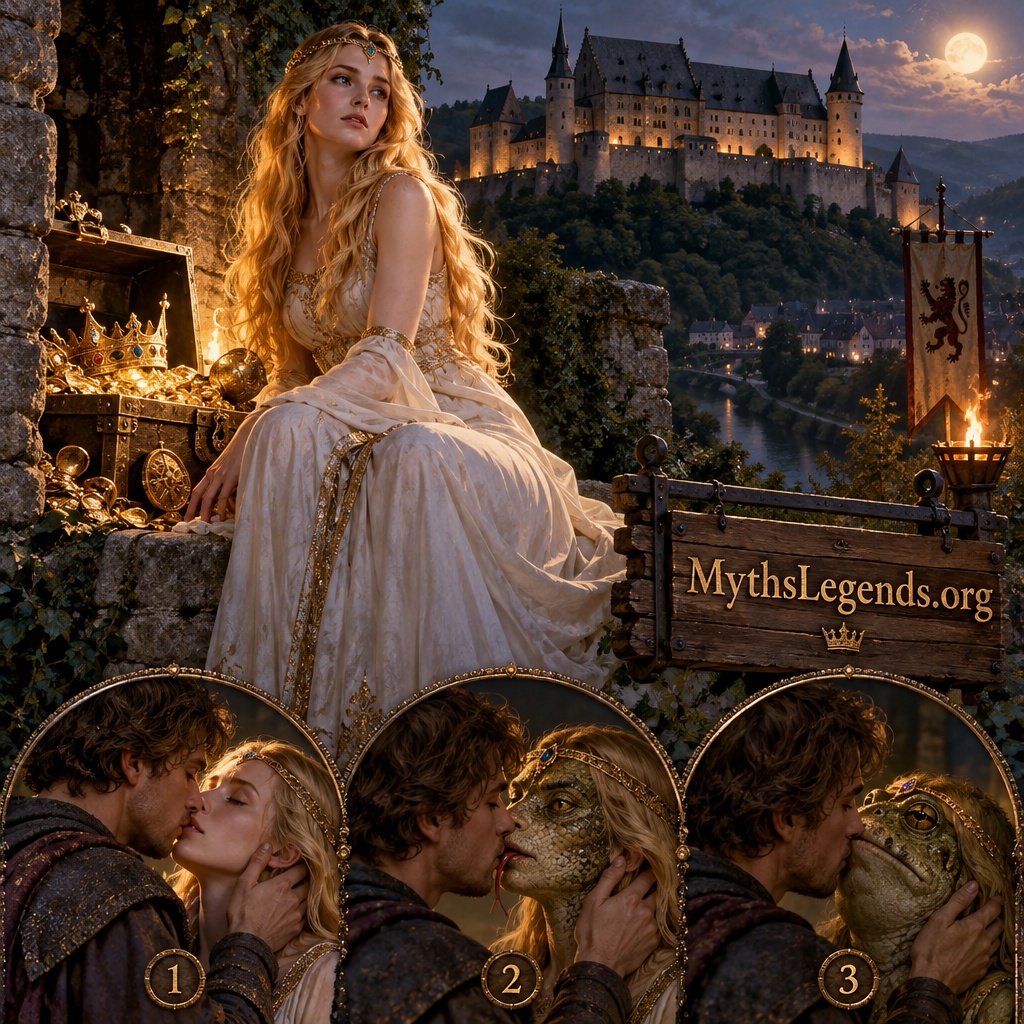
The Maiden of Johannisberg: The Mysterious Legend in the Shadow of Vianden Castle
Amidst medieval walls, wooded hills and the Our Valley, one of Luxembourg’s most evocative legends lives on: the story of the ‘Maiden of Johannisberg’. It tells of a hidden treasure, an enchanted woman and a trial which, it is said, every would-be liberator has failed to pass to date. It is set in the immediate vicinity of Vianden Castle – one of the country’s most famous historic sites.
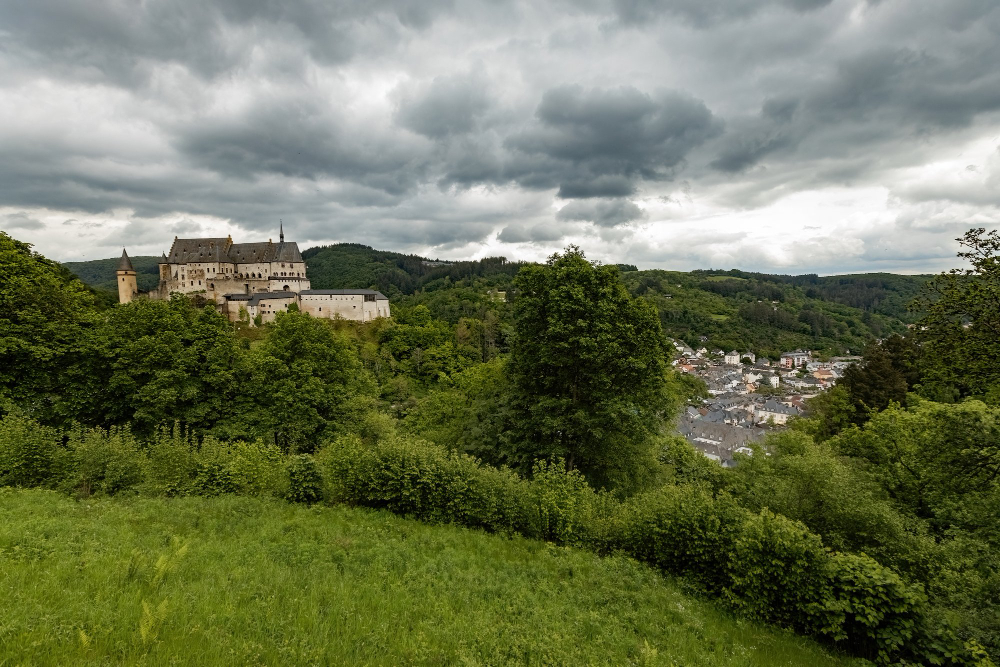
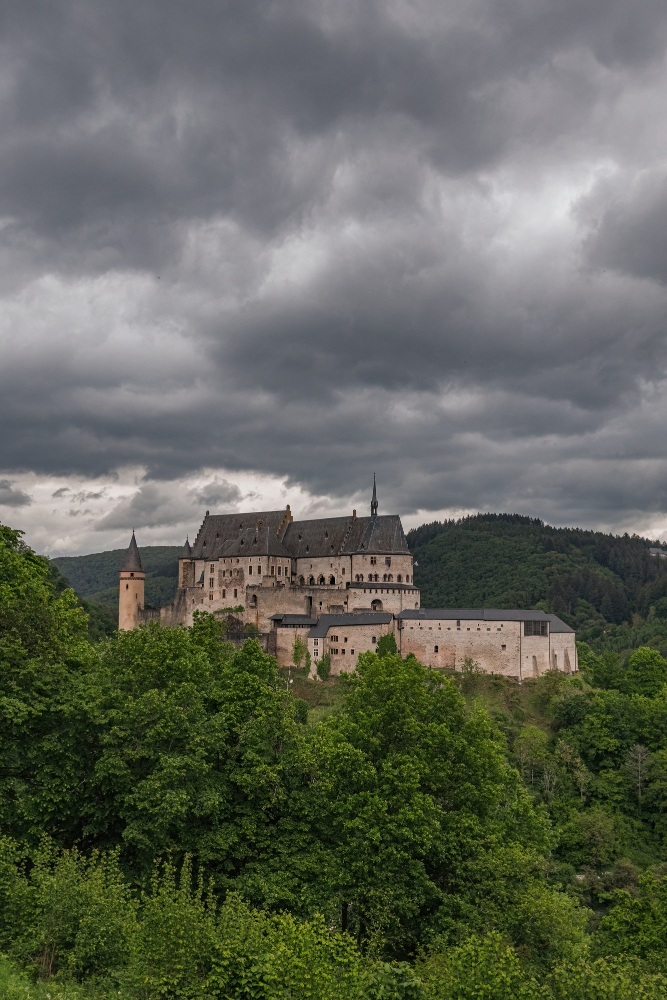
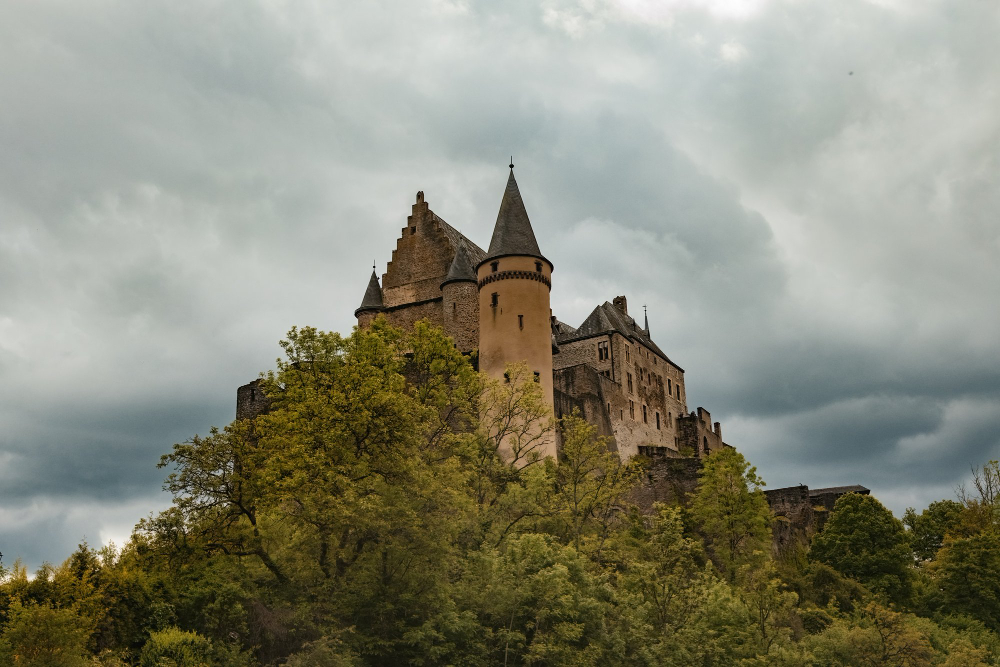
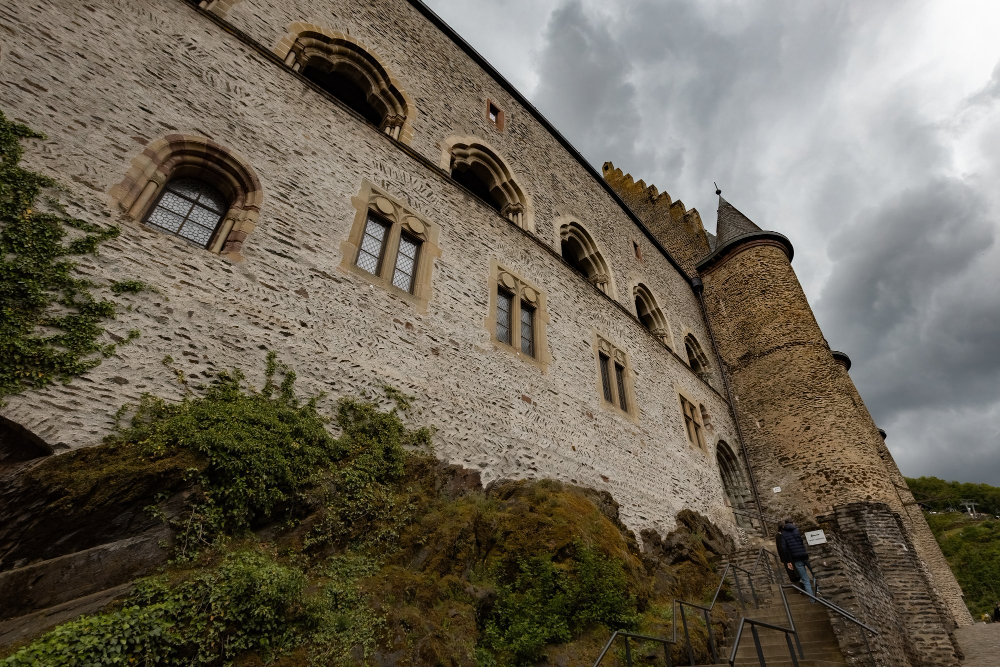
Anyone approaching Vianden Castle will quickly understand why this particular landscape has become the setting for so many tales. High above the small town of Vianden, the imposing complex rises on a rocky ridge. Below it lie the town’s houses, whilst further down the River Our flows through the narrow valley. The surrounding hills are home to woodlands and footpaths, including Mont Saint-Jean, known in Luxembourgish as ‘Gehaansbierg’. It is precisely there that tradition locates the legend of the Maiden of Johannisberg. In Luxembourgish, she is known as ‘Jongfra vu Gehaansbierg’. Her story forms part of the rich repertoire of regional legends, in which Christian beliefs, medieval treasure motifs and older folk beliefs are interwoven. Unlike a historically documented figure, the Virgin of Johannisberg is a character from oral tradition. Nevertheless, her legend remains closely linked to Vianden and its most famous landmark to this day.
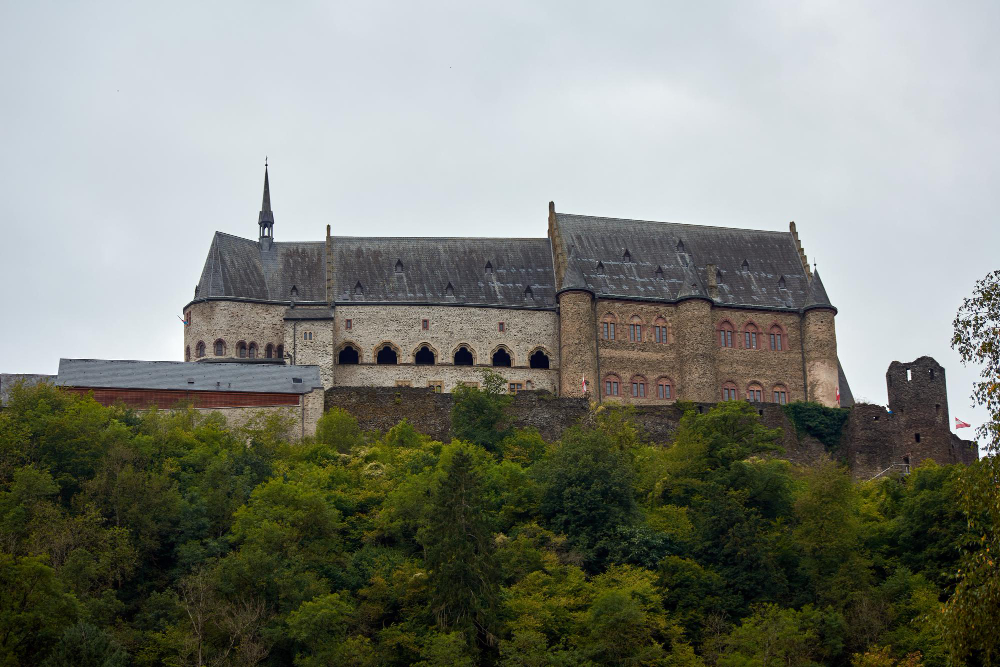
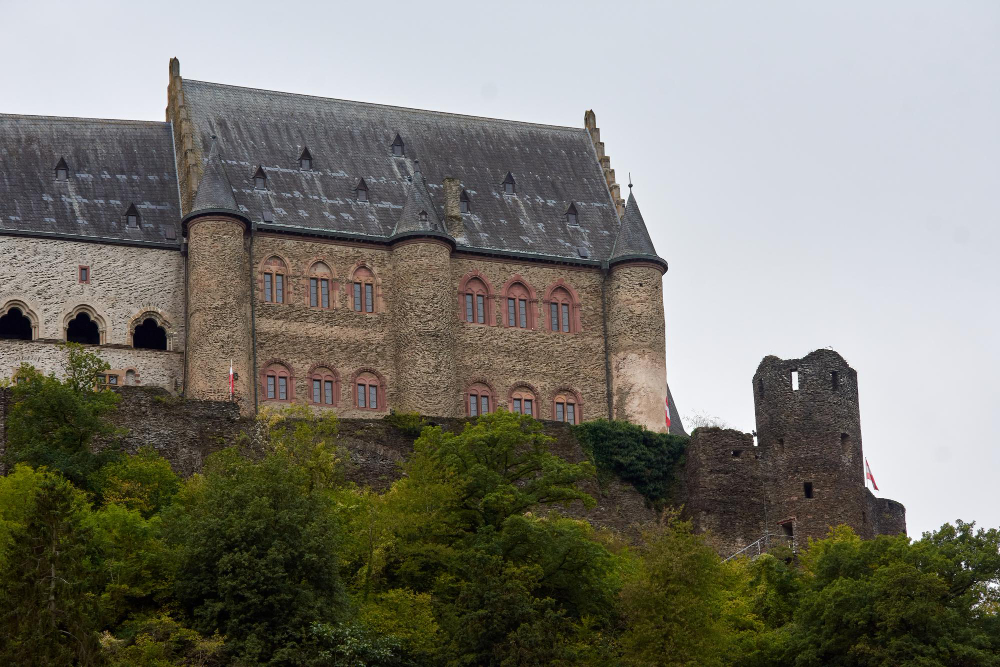
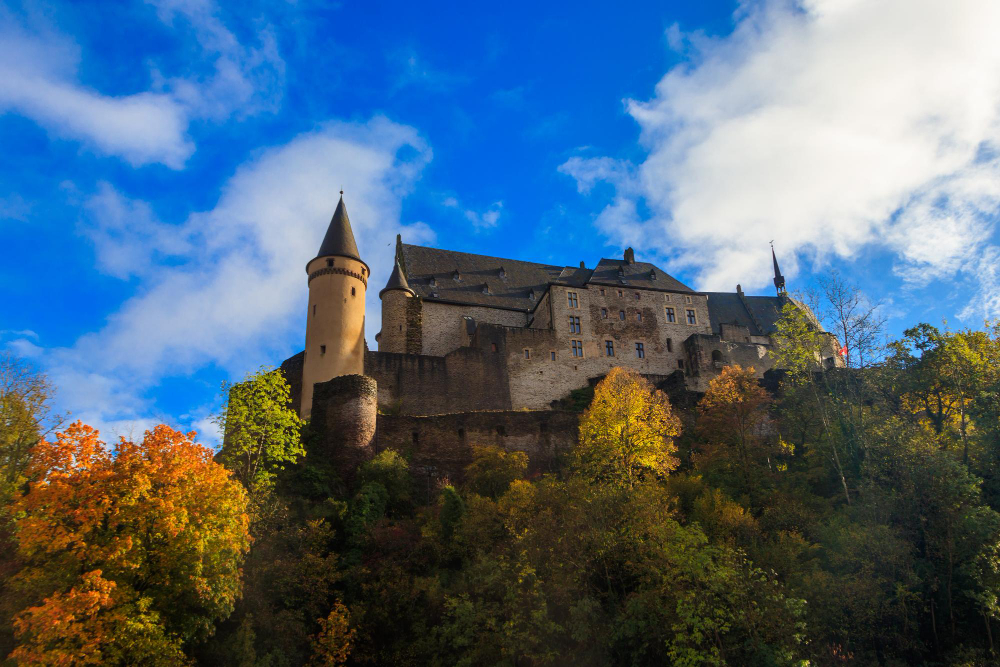
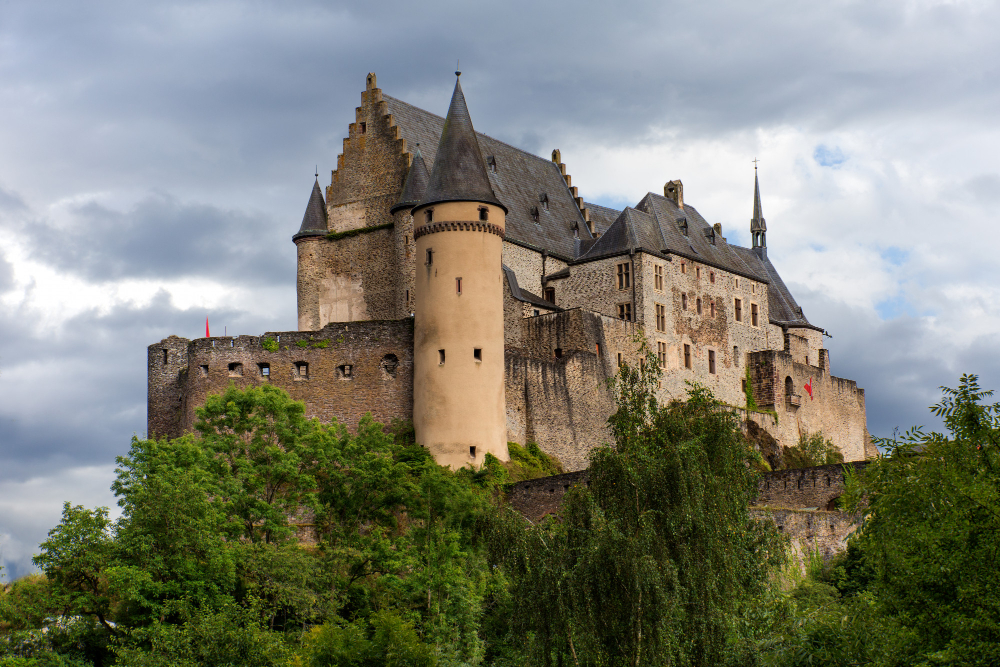
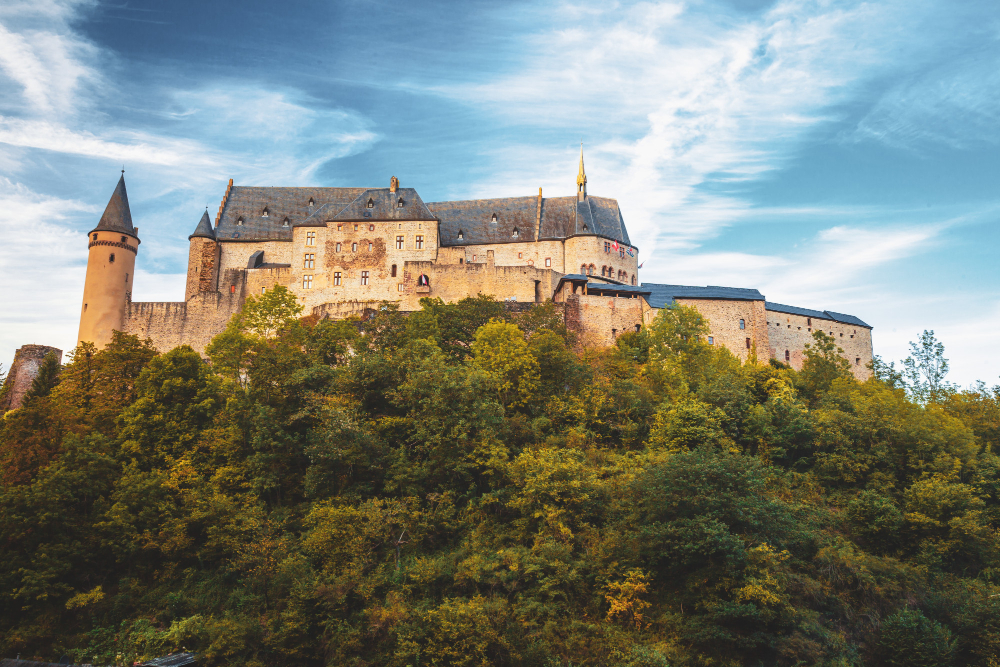
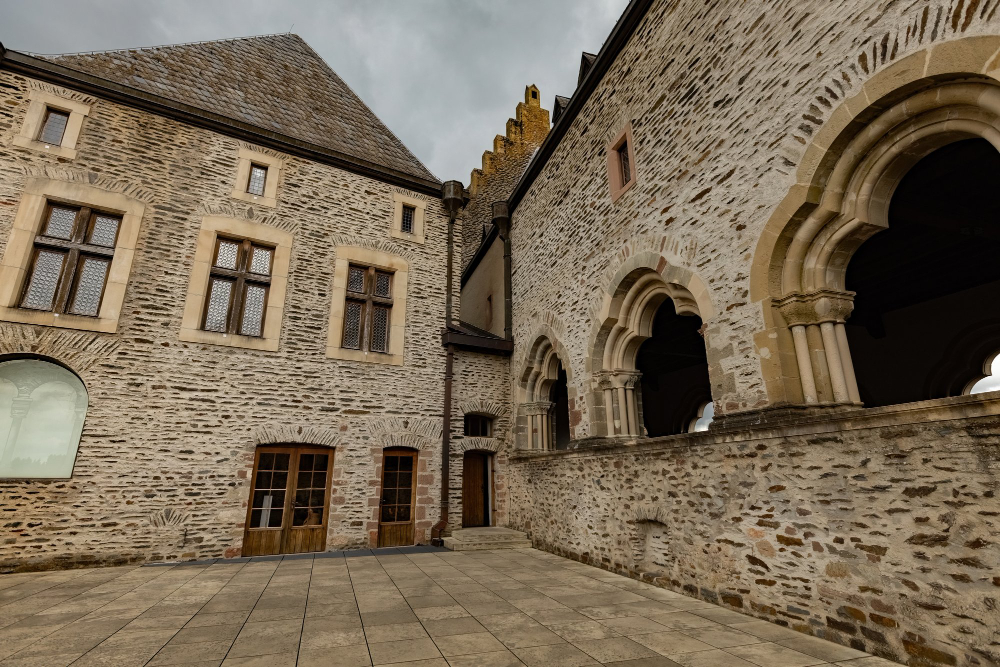
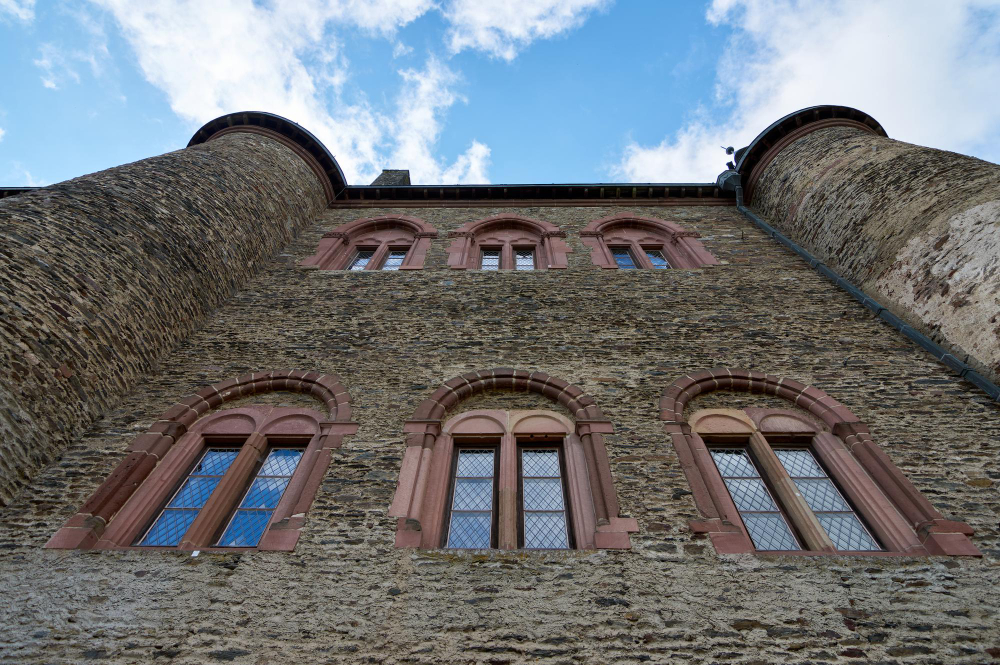
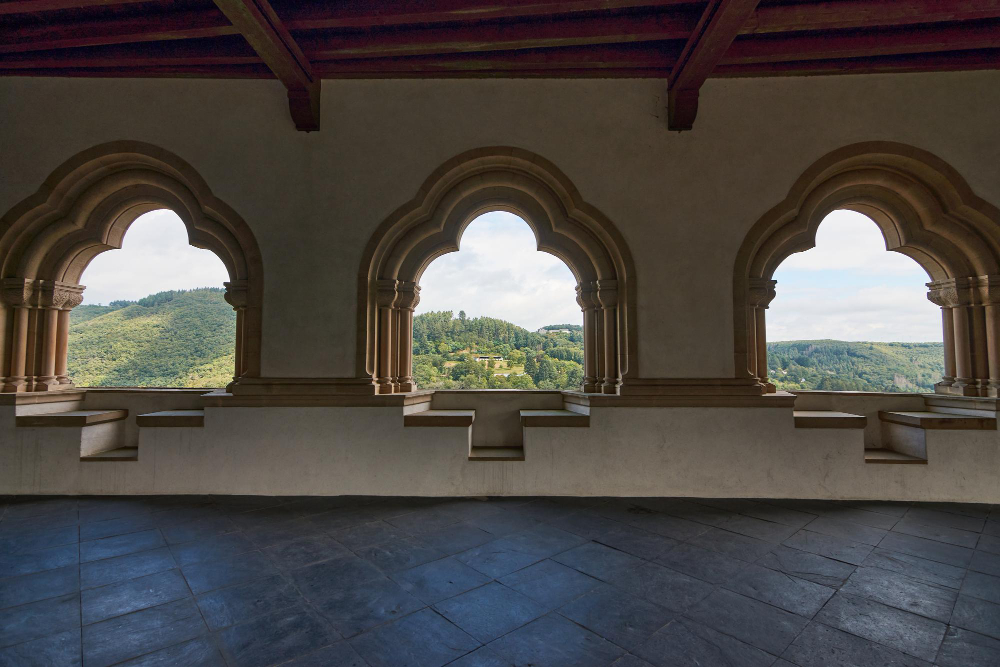
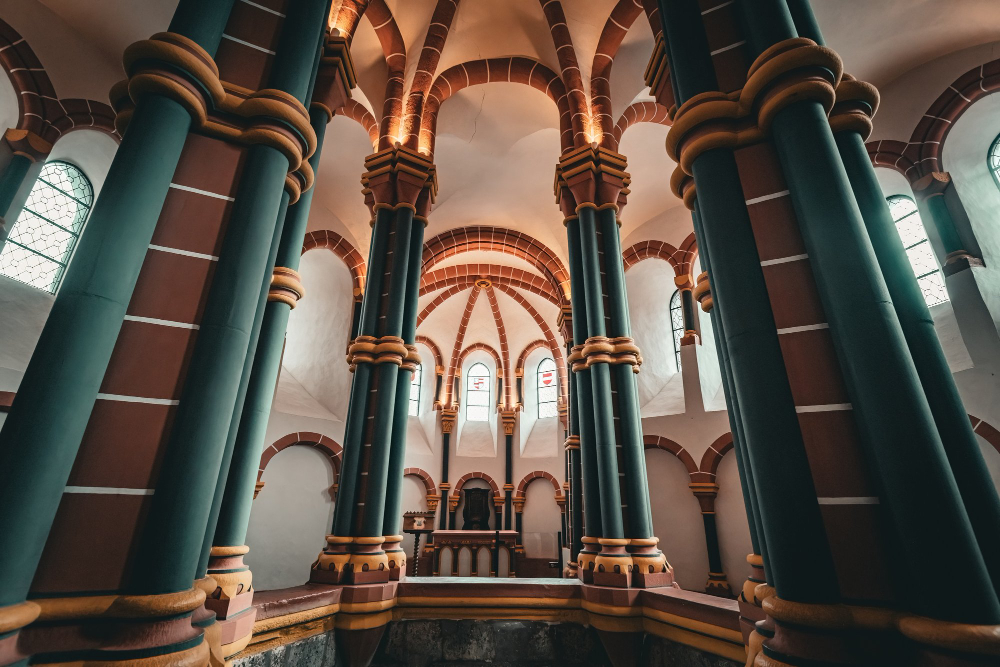
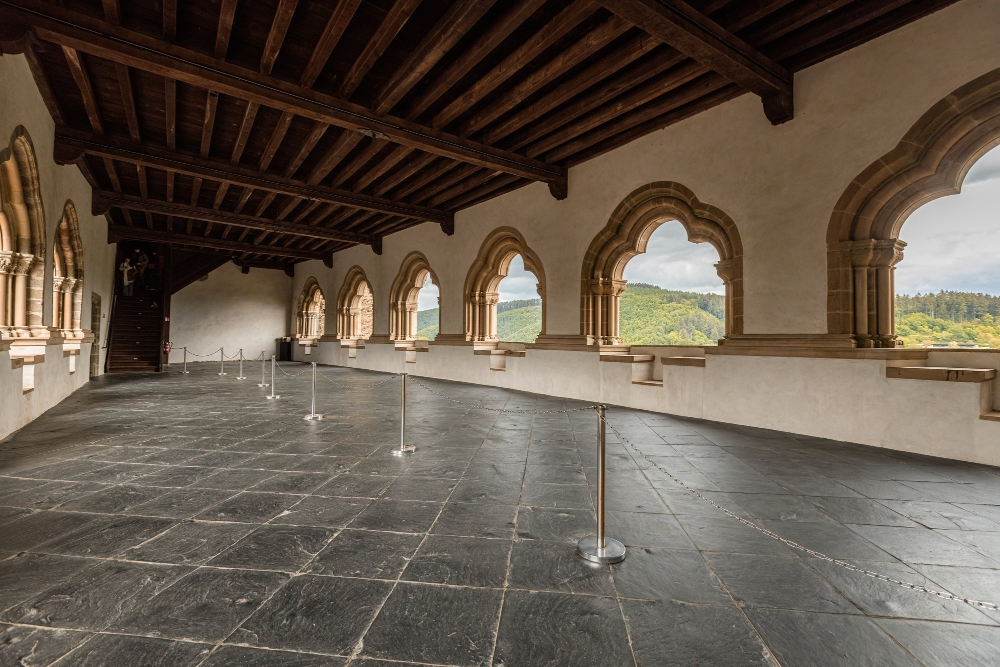
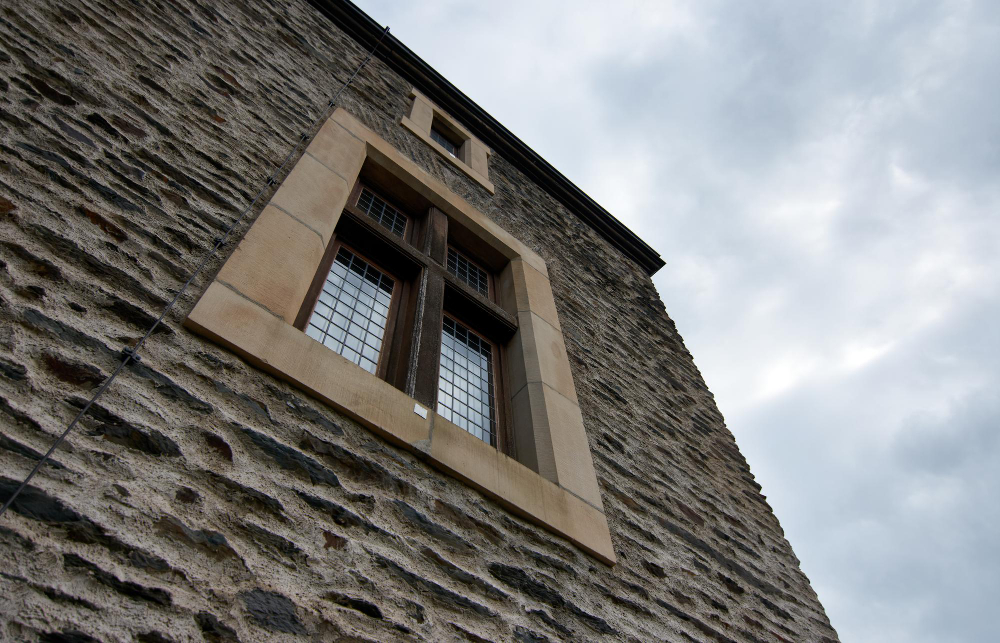
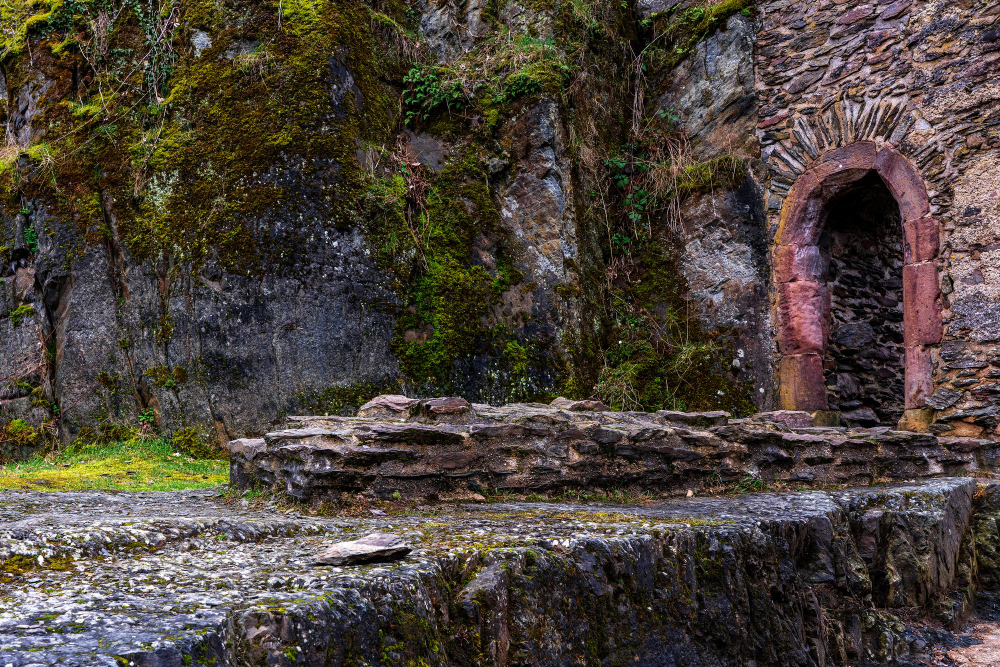
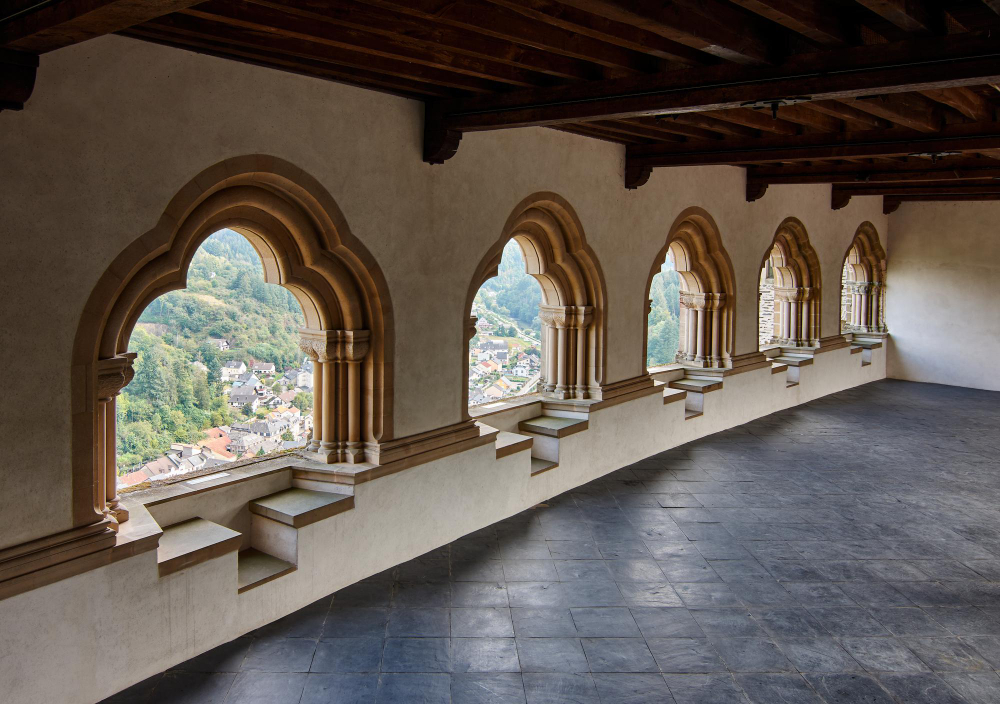
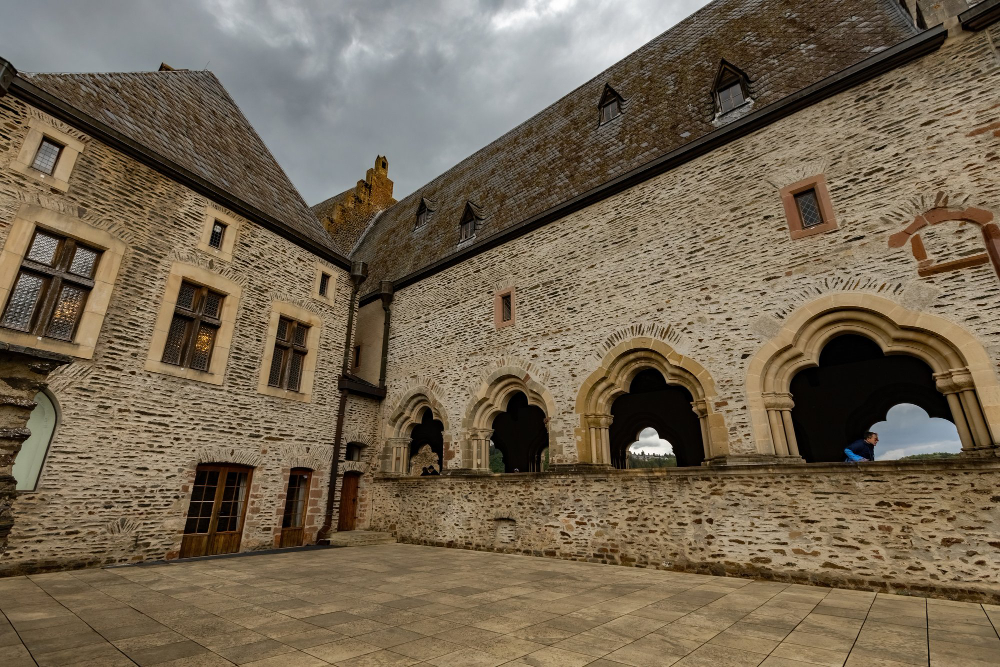
A castle as a backdrop for legends – Vianden Castle is regarded as one of the most significant surviving medieval residences in Europe. Its history dates back to the period between the 11th and 14th centuries. The complex was built on the foundations of an earlier Roman fort and a later Carolingian fortification. In the Middle Ages, Vianden was the seat of the powerful Counts of Vianden, whose dominion extended far beyond the present-day town. Architecturally, the castle combines Romanesque and Gothic elements. Its chapel, the great halls, battlements and living quarters give an impression of the importance the complex held in the High Middle Ages. Vianden was situated along key transport routes and lines of power in the region; the castle was not only a residence but also a visible symbol of the rulers’ control. Over the centuries, it lost its original function. After changing hands several times, the complex fell into partial disrepair before passing into state ownership in the 20th century and undergoing extensive restoration. Today, the castle is a major attraction for visitors from Luxembourg and abroad. It shapes not only the townscape but also the cultural identity of the town. It is hardly surprising that legends of treasure, curses and mysterious figures should have developed in the vicinity of such a castle. In the popular imagination, castles often symbolised wealth, power and hidden chambers. Where historical facts became intertwined with rumours and memories over time, there arose scope for stories such as that of the Maiden of Johannisberg.
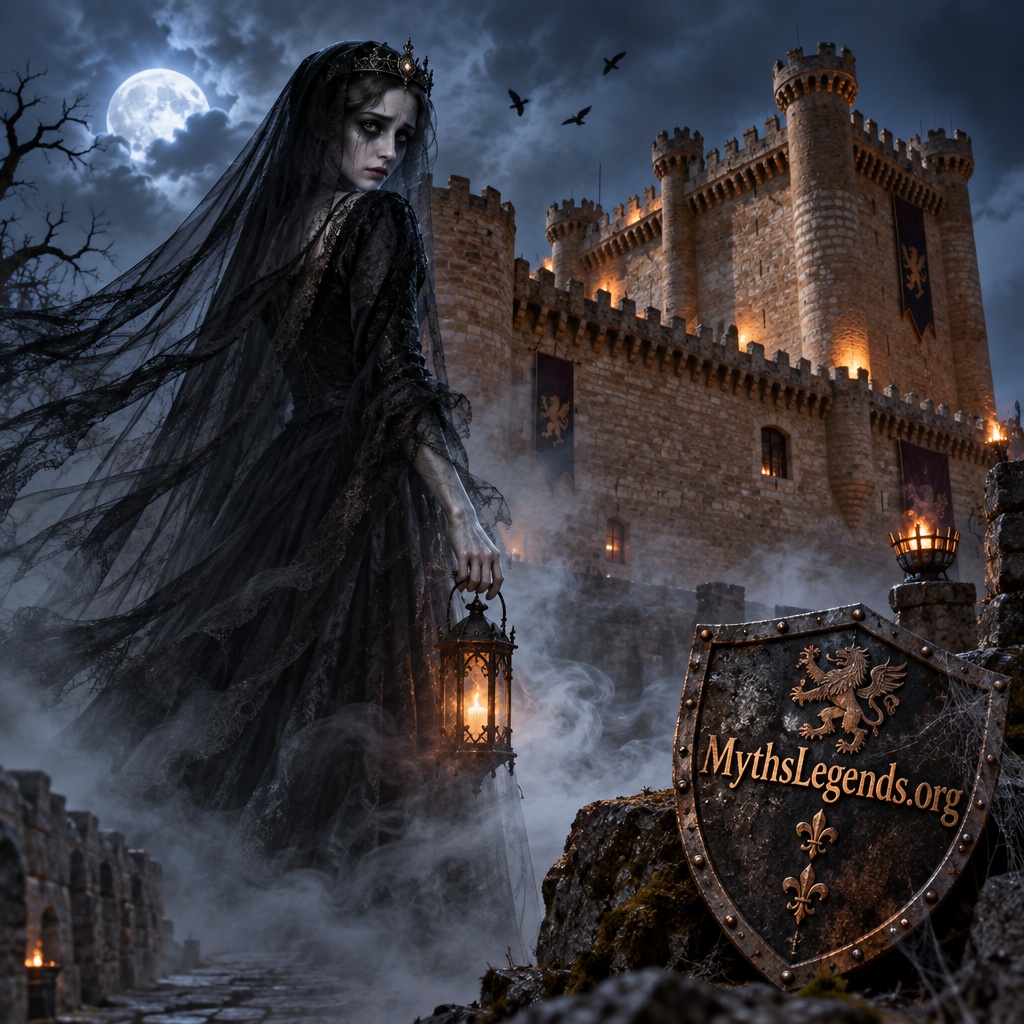
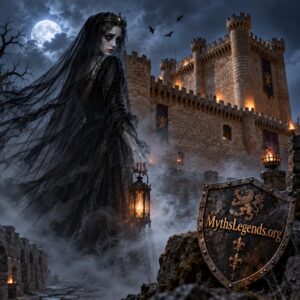
The beautiful guardian of the treasure – According to legend, an exceptionally beautiful maiden once lived on the Johannisberg, a hill near Vianden Castle. However, she was not simply a local resident. Her fate was linked to a great treasure which she was bound to guard. How this treasure came to be there and why she, in particular, became its guardian is not always explained in equal detail across the various retellings. Rather, the focus is on her condition: the woman is enchanted and cannot regain her freedom of her own accord. Her redemption is tied to a harsh condition. Only once every seven years, on St John’s Day, is she permitted to appear and hope for a brave soul. St John’s Day is celebrated on 24 June and is dedicated to St John the Baptist. In European folk culture, this time of year holds special symbolic significance: it falls close to the summer solstice, a period traditionally associated with fire, fertility, protective rituals and supernatural encounters. The potential saviour must kiss the maiden three times. Yet this seemingly simple task becomes a test of courage. After each kiss, the beautiful woman’s form takes on an increasingly terrifying appearance. Legend has it that she transforms, amongst other things, into a snake or a toad. The man must neither be frightened nor abandon the task. Only if he remains steadfast until the third kiss will the spell be broken: the maiden would be set free, and the treasure could come to light. Yet this is precisely where all who face the trial fail. The beautiful woman’s transformation into a repulsive or menacing creature proves stronger than the travellers’ courage. No one completes the three kisses. Thus the maiden remains trapped, and the treasure continues to lie hidden.
Beauty, Fear and the Test of Courage – The legend follows a narrative pattern widespread across Europe. In many regions, there are stories of enchanted maidens, white women or treasure guardians who can only be freed by performing a specific act. Often, the task involves overcoming fear or facing a menacing apparition with confidence. The maiden of the Johannisberg embodies a stark contrast: at first she appears as the epitome of beauty, then as a terrifying creature. The story presents the potential saviour with the question of whether his courage will truly stand the test when the pleasant turns into something repulsive. The treasure is not merely a material gain. It becomes a symbol of something that can only be attained through steadfastness, self-control and the overcoming of fear. In European symbolism, the snake and the toad have different, often ambivalent meanings. The snake can embody danger, temptation and secret knowledge, whilst in many folk traditions the toad has been associated with the uncanny, transformation and magic. In the legend, both figures serve primarily to put the saviour’s courage to the ultimate test. Nor is the number three a coincidence. It appears particularly frequently in fairy tales, legends and religious traditions: three tasks, three wishes, three trials. In the tale from Vianden, the three kisses structure the plot whilst simultaneously heightening the suspense. The saviour must not only overcome a single challenge, but prove time and again that he will not shrink from the task.
St John’s Day as a magical occasion – The timing of the apparition deserves special attention. The fact that the Virgin only becomes visible every seven years on St John’s Day links two powerful motifs in folk tradition: the midsummer festival and the number seven. St John’s Day, also known as St John’s Festival, was associated in many parts of Europe with customs centred on fire and nature. According to traditional belief, St John’s fires were thought to purify, protect and bring good luck. Herbs gathered at this time of year were sometimes believed to possess special powers. In this cultural context, places outside settlements – mountains, forests, springs or rocks – could be regarded as spaces where the boundary between everyday life and the supernatural seemed more permeable. The number seven, in turn, is regarded as a special number in many religious and folk traditions. In the legend, it prolongs the waiting period and makes encounters rare. Anyone who misses the opportunity or fails the test must wait a long time for another chance. This lends the narrative an additional sense of tragedy: redemption seems possible, yet remains almost out of reach.
Vianden: Between History and Legend – Part of the legend’s fascination also lies in its geographical proximity to the real castle. Vianden is a place where history and landscape are particularly closely intertwined. The castle evokes counts, lordship and medieval architecture; the surrounding hills and woods provide a setting for tales that cannot be clearly traced back to any historical document. The French writer Victor Hugo, who stayed in Vianden on several occasions, also contributed to the town’s cultural renown. His former residence in the town is now open to the public as a museum. Hugo was interested in castles, ruins and historic landscapes – themes that, in his day, were particularly closely associated with Romantic ideals. The atmosphere of Vianden, characterised by steep slopes, ancient walls and the river valley, is in keeping with that era in which legends and local traditions were receiving renewed attention. The Maiden of the Johannisberg, however, is not a literary invention of a single author, but part of the regional folklore. Its exact date of origin cannot be determined with certainty. Like many folk tales, it has been passed down through the generations, altered and preserved in various versions. It is precisely this openness that is typical of such stories: they belong not to a single author, but to a collective cultural memory.
A legend without an end – To this day, the Virgin of Johannisberg remains unredeemed – at least according to the rules of the legend. No traveller is said to have managed to give the three kisses without fleeing or hesitating in the face of the transformations. The treasure therefore remains hidden, and the beautiful woman remains bound to the mountain. For visitors to Vianden, the story is more than just a curious local tale. It changes the way one views the landscape. Mont Saint-Jean is then not merely a wooded hill near an imposing castle, but a place where history, faith and imagination intertwine. The legend serves as a reminder that historical landscapes do not consist solely of stones, dates and tales of rule. They also thrive on the stories that people tell about them. Vianden Castle embodies Luxembourg’s documented past: medieval architecture, political history and meticulous restoration. The Maiden of Johannisberg, by contrast, represents the intangible – that which has not been recorded in archives but lives on in the collective memory of a region. It is between these two worlds – the stone castle and the legend of the hidden treasure – that Vianden reveals its unique charm.




Post Comment