
The Love Oak at Hever Castle – A royal secret amidst ancient branches
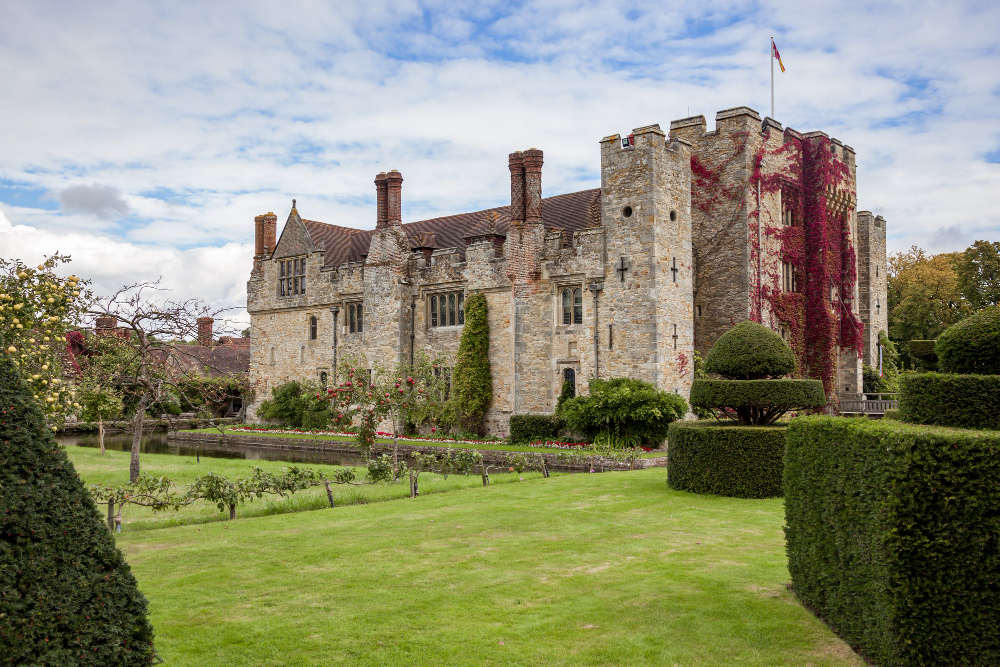
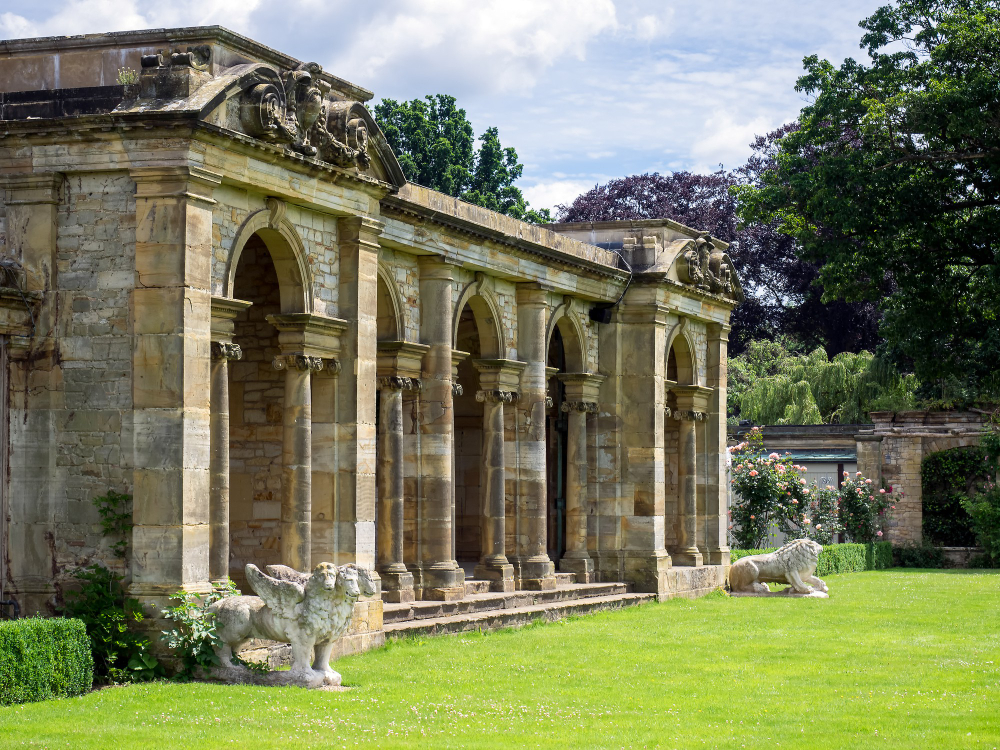
Hever Castle, a magnificent country house in idyllic Kent, England, is renowned not only for its impressive architecture and well-tended gardens, but also for the many stories linked to the history of this place. Among these stories, one legend stands out in particular – the legend of the Love Oak. This mighty, ancient oak, situated in the immediate vicinity of the castle, is said to have once been the scene of a secret meeting between the infamous King Henry VIII and his future second wife, Anne Boleyn.
A Royal Romance in the Shade of the Oak – The name Henry VIII immediately conjures up images of a controversial monarch who has gone down in history not only for his power politics but also for his turbulent marital affairs. Anne Boleyn, the daughter of the owner of Hever Castle, played a central role in this story: she first caught the king’s attention and later became one of the most influential figures of his reign. But before Anne was crowned queen and her tragic story began, Henry and she are said to have shared a passionate yet secret love affair. According to legend, the unlikely couple met regularly beneath the mighty oak, now affectionately known as the ‘Lovers’ Oak’. There, hidden from the prying eyes of the court, they are said to have exchanged tender words and given free rein to their romance. The oak’s imposing branches not only offered shelter from prying eyes, but perhaps also symbolised the strength and endurance of their passion – at least during this phase of their relationship.
Historical truth or romantic myth? – As is so often the case with legends, it is fair to ask whether these encounters actually took place or whether they are pure fiction. It is historically documented that Anne Boleyn lived at Hever Castle for several years and that Henry VIII frequently travelled there to visit her. Hever was a central location in their relationship, particularly between 1525 and 1527, when Henry began to court Anne with letters and gifts. The idea that the two also met in secluded outdoor locations seems entirely plausible given the discretion their relationship required at the time. After all, Anne was initially merely a lady-in-waiting to Henry’s first wife, Catherine of Aragon, and her connection to the king would have been highly controversial both socially and politically. Nevertheless, there is no concrete evidence that the Love Oak actually played a role in their love story. There are neither diary entries nor contemporary accounts that recount their meetings beneath this tree. Rather, the story seems to be based on oral tradition and the romanticisation of the past – a phenomenon that occurs particularly frequently when it comes to prominent historical figures.
The magic of the Love Oak – It remains a fact, however, that the Love Oak is now an integral part of the culture and history of Hever Castle. Visitors to the estate often pause to admire the imposing tree and imagine the fateful encounter between two historical figures. The oak itself exudes an almost magical atmosphere and invites one to be transported back to times gone by. Its gnarled, ancient branches seem to tell stories that may never have been written down, yet still carry a touch of mystery. This place inspires many people to reflect on the nature of love and the fleeting moments of happiness – moments which, just like the vitality of a tree, are both vulnerable and resilient. Whether the Love Oak was truly the setting for intimate conversations between Henry VIII and Anne Boleyn will never be definitively known, yet the legend lends it a symbolic significance that transcends historical truth.
Hever Castle – A place steeped in history – Regardless of whether the legend of the Love Tree can be regarded as historical fact, it is clear that Hever Castle has a fascinating connection to one of the most dramatic stories in English history. The estate was not only a refuge for Anne Boleyn, but also the setting for crucial turning points in her relationship with the King. After Anne finally became queen, her fame was short-lived. Her marriage to Henry VIII, marked by political intrigue and personal tensions, ended tragically with her execution. Yet even this sombre episode could not completely erase the romantic memory of the love that once existed between the two. The Love Oak therefore remains not only a symbol of romance, but also a memorial to the unpredictability of life and love.
Myth and magic united – The Love Oak at Hever Castle is more than just an old tree – it is a place where history and legend merge and spark the imagination. It reminds us that even the most powerful figures of the past may have experienced moments of vulnerability and intimacy. Whether as the real-life backdrop to a royal romance or as a purely symbolic site – the oak remains a living part of Hever Castle’s history and attracts numerous visitors year after year, all of whom are captivated by its mystical aura.












Post Comment