Mystical Creatures in Scotland’s Rivers – The Legends of the Kelpies and Water Spirits
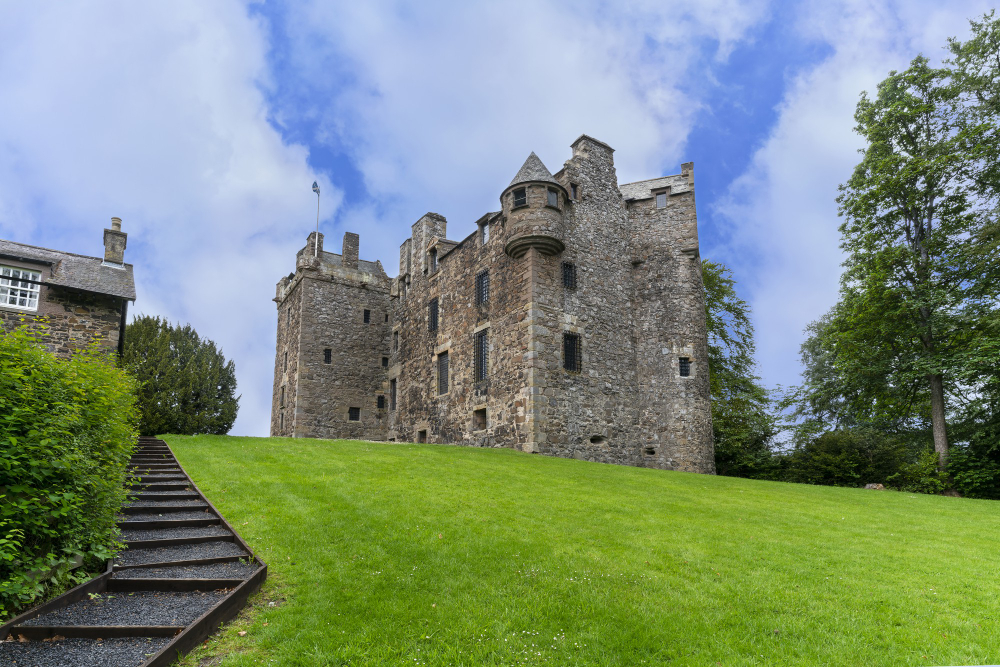
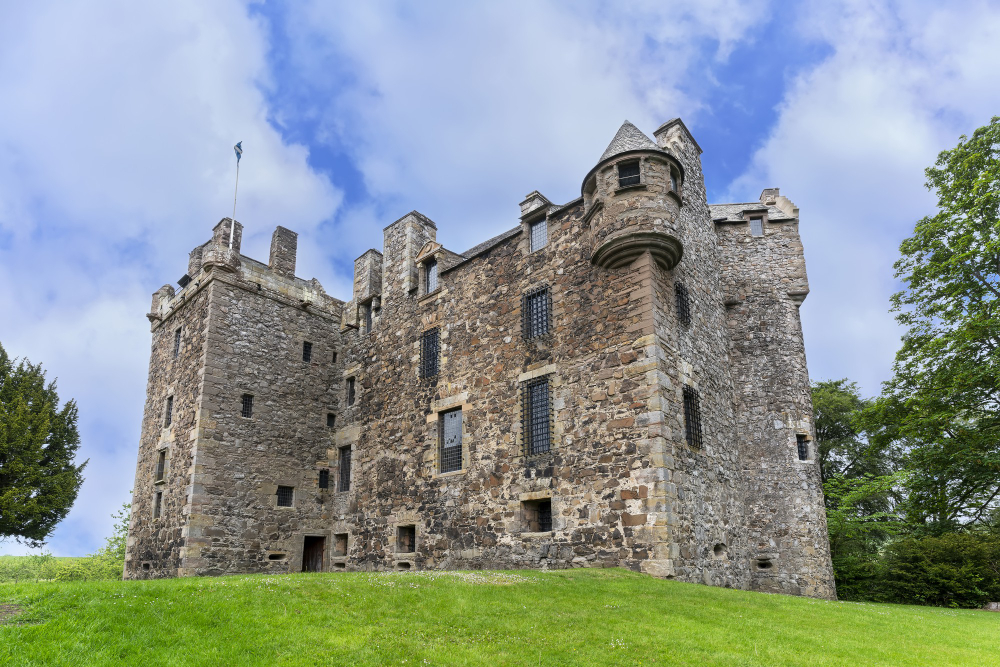
Elcho Castle, picturesquely situated on the south bank of the River Tay, is not only a historical gem but also a place steeped in mystery. The region around Perth is rich in ancient stories and legends deeply rooted in Scottish folklore. The local waters in particular – above all the Tay, Scotland’s longest river – are the setting for fascinating legends. Here, where nature appears as magnificent as it is mysterious, popular belief holds that a special kind of supernatural creature lives: the Kelpies. These shape-shifters, who often appear in the form of beautiful horses, symbolise the magical connection between humans and water.
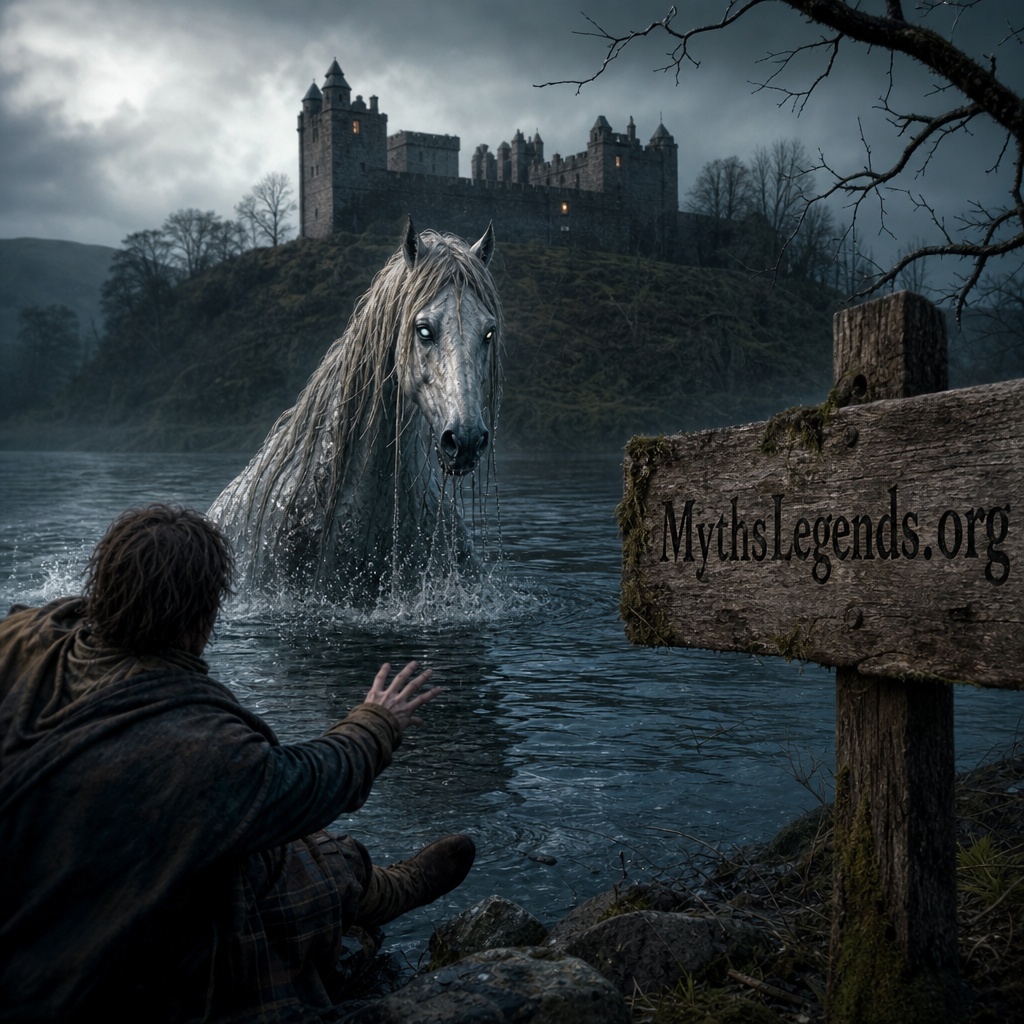
The mythological world of the Kelpies – Kelpies, sometimes referred to as ‘water goblins’, are creatures deeply rooted in Scottish mythology. The name is thought to derive from the Gaelic word ‘cailpeach’, meaning ‘young horse’. Yet behind their graceful exterior lies a dangerous truth: they are regarded as malevolent water spirits that lure travellers and the unwary to their doom. The River Tay, known for its majestic currents and treacherous depths, plays a central role in many legends. It is said that kelpies emerge from the water at night – usually in the form of stately, white horses with gleaming coats. Their beauty and elegance exert an almost hypnotic effect on people. It is often told how a wanderer or a young farmer is overwhelmed by the sight of such a horse and attempts to capture or ride it. But this proves to be a fatal mistake. As soon as someone mounts the Kelpie’s back, the creature is said to reveal its true nature. At breakneck speed, it gallops back into the riverbed, dragging its unsuspecting rider into the depths. There, the rider is said to either meet their death or be held captive forever, a victim of the creature’s insatiable greed.
Symbolism and significance in folklore – The stories about kelpies hold greater significance in Scottish culture than one might assume at first glance. They are more than just fairy tales – they serve as a metaphor for the dangers of nature and the unpredictable forces of water. Scotland’s rivers, particularly the Tay, are known for their strong currents and unpredictable depths. In the past, these waters were often deadly traps for walkers, fishermen and travelling traders. It is therefore understandable that the legend of the Kelpies arose to warn people. These stories discouraged children from playing alone near large rivers, and adults were urged to remain ever vigilant and not to underestimate the power of nature. At the same time, the Kelpies also reflect the Scots’ close relationship with the animal world – particularly with horses, which for a long time were not only companions to humans but also indispensable workers. Yet whilst legends about ordinary horses often glorify loyalty and courage, the stories of the Kelpies reveal their dark side. Here, horses are portrayed as deceptively beautiful, yet also inscrutable and dangerous, much like the water itself.
Related water creatures in Scottish mythology – In addition to the Kelpies, there are other mystical figures associated with Scotland’s rivers and lochs. One well-known variant is the so-called ‘selkies’. Unlike kelpies, selkies usually take the form of seals and live primarily in the sea. Their connection to rivers such as the Tay is less strong, yet they occasionally feature in local legends. Unlike the often malevolent Kelpies, legends describe Selkies as ambivalent creatures. They can be both good-natured and dangerous, depending on how people treat them. Whilst Kelpies are known for their cunning, Selkies seem more like victims of a tragic existence. Another related creature from Scottish water folklore is the ‘Nuckelavee’. This creature is mentioned almost exclusively on the Orkney Islands, but is also a water spirit with a menacing appearance. The Nuckelavee is considered even more cruel than the Kelpies, as it is said to threaten not only individuals but to afflict entire villages with disease and famine.
Modern interpretations of the Kelpie legends – Although many of the stories about Kelpies are based on oral tradition and are no longer taken too seriously today, they have found their place in art and literature. Scottish authors, painters and composers have drawn inspiration from these creatures for centuries, creating works that capture their ambivalence and magic. A modern example of the Kelpies’ popularity is the imposing sculpture installation ‘The Kelpies’ in Falkirk. Although these 30-metre-high stainless steel horse heads do not strictly represent the mythological Kelpies, they symbolise the industrial significance of horses in the region. Nevertheless, artists Mark and Andy Scott draw on the connection between horses and water in Scottish culture, thereby bridging the gap between the historical and modern perceptions of this symbol.
The legends surrounding Elcho Castle and the River Tay make the region unique not only in terms of its landscape but also culturally. Anyone embarking on a journey to this area will not only discover the beauty of nature but also delve deeply into the mystical history of Scottish folklore. Although kelpies were primarily intended as a warning, they nevertheless hold a certain fascination. Their enigmatic and dangerous nature reminds people of the importance of respecting the forces of nature. And so it almost seems as though the Tay itself is conveying this message – flowing silently yet full of secrets. Visitors to Elcho Castle can not only enjoy the historic architecture, but also let the stories of the surrounding area sink in. Perhaps one or two might even hear the rustling of an invisible creature in the wind, waiting nearby to reveal its fairy-tale world – or to pull an unwary wanderer into the water.

Post Comment