The Stone of Destiny: Myth, Power and Mystery of a Magical Coronation Stone
When it comes to historic sites and mysterious artefacts, one name inevitably springs to mind: the Stone of Destiny. This unassuming block of stone, which is closely intertwined with the history of Scotland, enjoys a legendary status that continues to fascinate people to this day and captivates historians and mythologists alike. But what makes it so special? Its origins, its role in the coronations of Scottish kings, and its fate, steeped in intrigue and mystery – all this shapes the fascinating history of the stone, which is closely linked to another legendary place: Scone Palace. Let us delve into the world of this mystical artefact and bring the legends to life.
The Origin of the Stone of Destiny: A Biblical Legacy? – The Stone of Destiny, also known as the ‘Stone of Destiny’ or ‘St James’ Stone’, is more than just a piece of sandstone. According to legend, its history dates back to biblical times. It is said that this stone is the very one on which Jacob slept in the Old Testament and dreamt of the heavenly ladder leading to the Kingdom of God (Genesis 28). Whether mythological embellishment or historical truth – this connection lends the stone an almost supernatural aura. The transfer of the stone from the Irish kings to Scotland adds another dimension to its history. Ireland was already known in ancient times for its mystical traditions, and if the Stone of Destiny did indeed originate there, it may have been a symbol of Celtic unity and power. Upon its arrival in Scotland, it was not simply regarded as an ordinary stone, but quickly took on central significance for the coronation ceremonies that were to follow over the centuries.
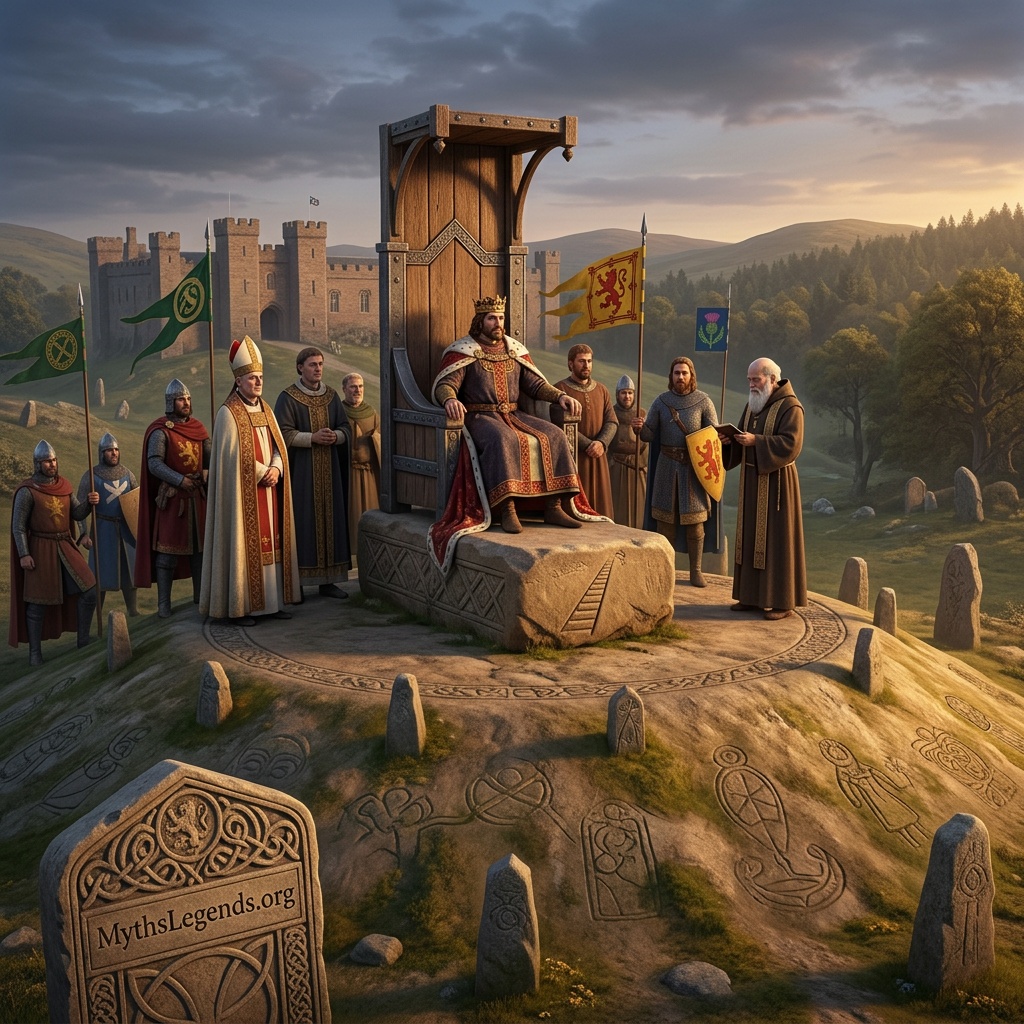
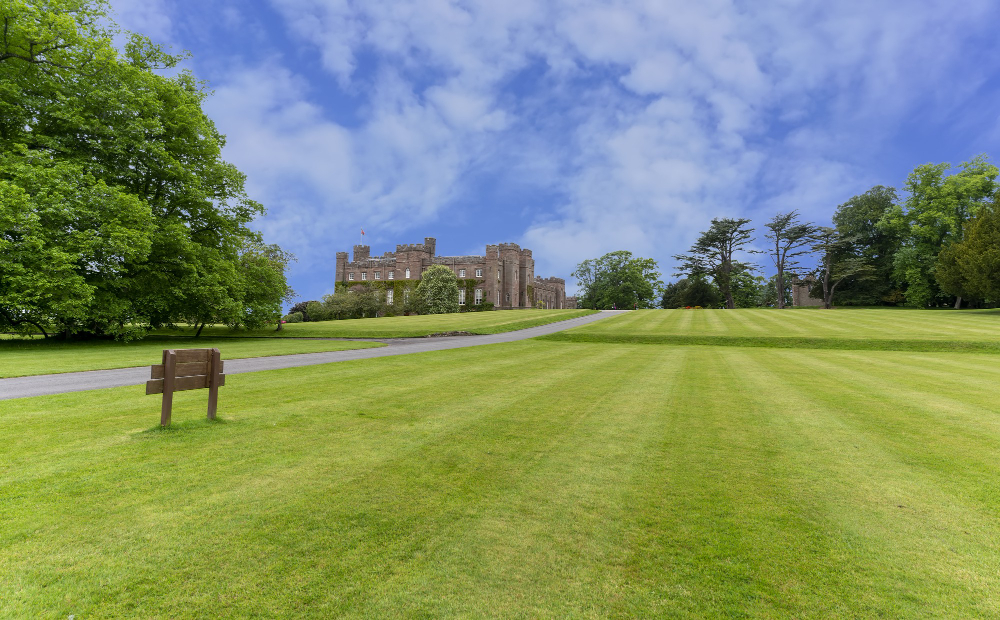
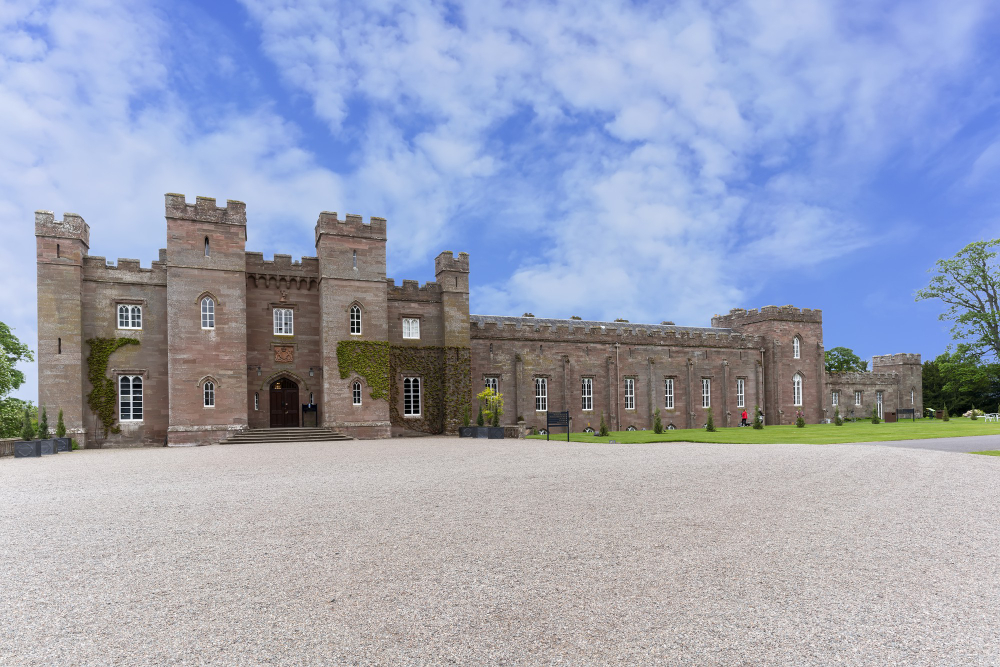
The magical coronation stone: From Moot Hill to the Scottish kings – The Stone of Destiny found its place on Moot Hill, a hill right next to Scone Palace, which was regarded as a sacred site. It was there that all Scottish kings were solemnly crowned until the late 13th century – whilst sitting upon this special stone. The rituals were both political and spiritual acts, for the stone symbolised not only rule over the land, but also a connection to a higher, often divine power. Particularly interesting is the mystical aspect of the stone: according to tradition, the stone is said to have let out a loud roar, similar to that of a lion, during the coronation of a rightful ruler. This impressive myth likely served to reinforce the legitimacy and divinity of the newly crowned monarch in the eyes of his subjects. In the case of usurpers, however, legend has it that the stone remained silent, thereby exposing their illegitimate rule. These stories lend the Stone of Destiny an almost magical quality that elevates it far beyond a simple piece of sandstone. Yet its significance was not limited to ceremonial aspects. For the Scots, the stone became a symbol of national identity, an object that embodied their freedom and culture – and at the same time a target for foreign powers seeking to suppress that identity.
The Abduction of the Stone: Blows of Fate and Deception – In 1296, the Stone of Destiny became the focal point of a political and cultural conflict. The English King Edward I, also known as the ‘Hammer of the Scots’, had made it his mission to subjugate Scotland. As a sign of his victory, he had the Stone brought to London as spoils of war and incorporated into the famous coronation chair in Westminster Abbey. From then on, the Stone became part of the coronation ceremonies of English monarchs – a clear symbol of Scotland’s subjugation to the English Crown. But here the story took a turn that still stirs emotions today. According to legend, Scottish monks, who knew of the stone’s significance, are said to have fashioned a deceptively genuine copy shortly before the arrival of the English troops and hidden the real stone in the hills. Edward would thus have unwittingly taken a forgery with him. This theory is supported by reports that the Stone of Destiny in Westminster never emitted the magical rumbling that otherwise characterised it in the hands of rightful rulers. Whether this story is true or not remains unclear to this day. Historians are divided in their opinions, and although archaeological investigations might provide clues, the identity of the stone ultimately remains a mystery. Yet it is precisely this mystery that contributes to the fascination the Stone of Destiny still exerts today.
The Return of the Stone and Modern Controversies – After centuries in England, the Stone of Destiny experienced another dramatic episode. In 1950, four Scottish students broke into Westminster Abbey and stole the stone to return it to its homeland. The incident made headlines worldwide and was celebrated by many as a patriotic act, although it violated British law. After intense negotiations, the Stone was eventually recovered and returned to Scotland. In 1996, exactly 700 years after its abduction, the British government decided to officially return the Stone of Destiny to Scotland. Since then, it has been housed in Edinburgh Castle, where it is kept as a symbol of Scottish identity and independence. Nevertheless, the stone is still taken to London for the coronations of British monarchs – an arrangement that once again highlights the emotional and political tension surrounding the stone.
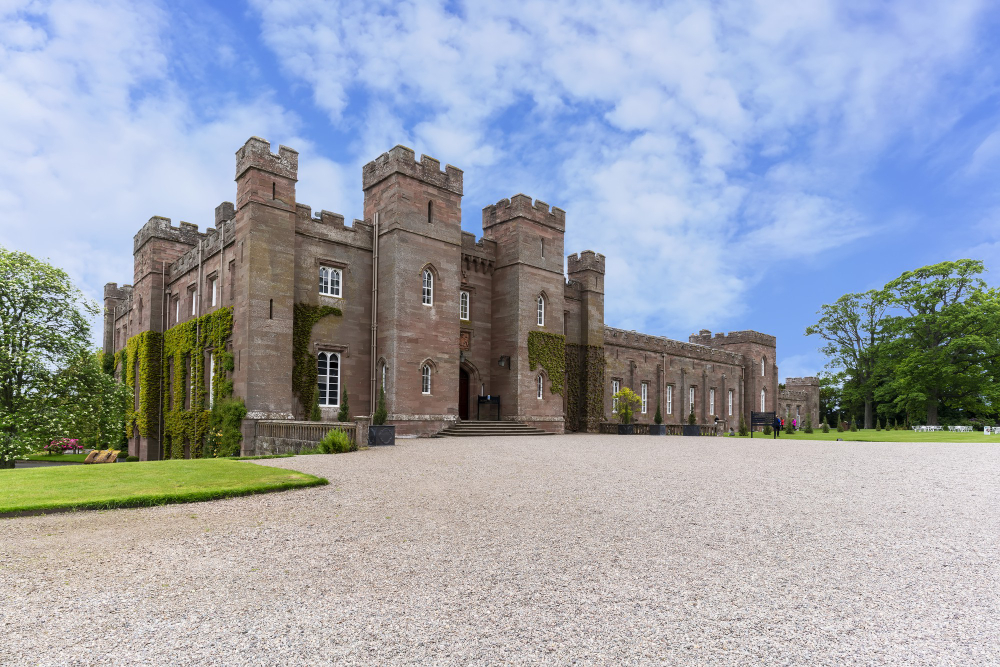
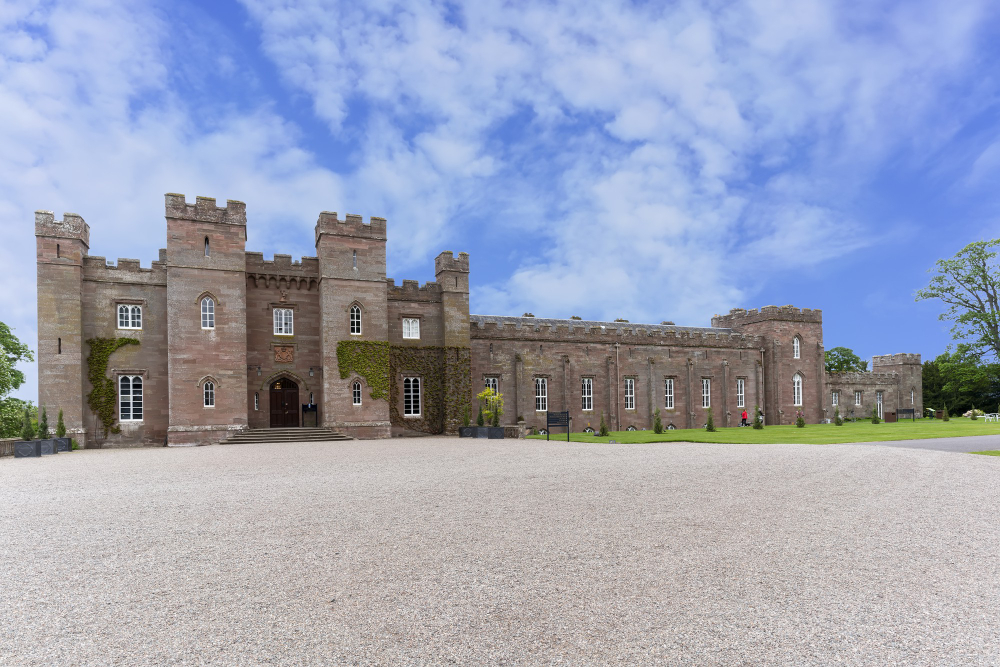
The Stone of Destiny today: A living legacy – Even today, the Stone of Destiny remains a fascinating symbol that embodies Scotland’s history, culture and identity. Countless visitors flock to Edinburgh to see the stone with their own eyes and experience its aura. Beyond its physical presence, however, it also holds a deeper significance: it is a reflection of the complex relationship between Scotland and England, a symbol of resistance and strength, and a testament to the power of legends. Scone Palace, the stone’s original home, remains an important historical site. Moot Hill and the palace attract visitors from all over the world who wish to learn more about Scotland’s early kings and the mystical stories surrounding the stone. It seems that the legends surrounding the Stone of Destiny will never fade, but will continue to inspire and fascinate people.
Myths, Power and the Magic of a Stone – The Stone of Destiny is far more than just a block of sandstone – it represents history, myth and national pride. Its seemingly endless secrets and the stories that surround it make it a unique artefact that retains both historical and cultural significance to this day. Whether it is its connection to the Bible, its role as a kingmaker, or the fascinating events surrounding its abduction – the Stone of Destiny shows just how closely myths and reality are intertwined. Anyone who looks at the stone sees not merely an object from the past, but a living part of the Scottish identity, instilling in us a sense of awe at the power of stories and the passion of a people who have never ceased to believe in their own greatness.














Post Comment