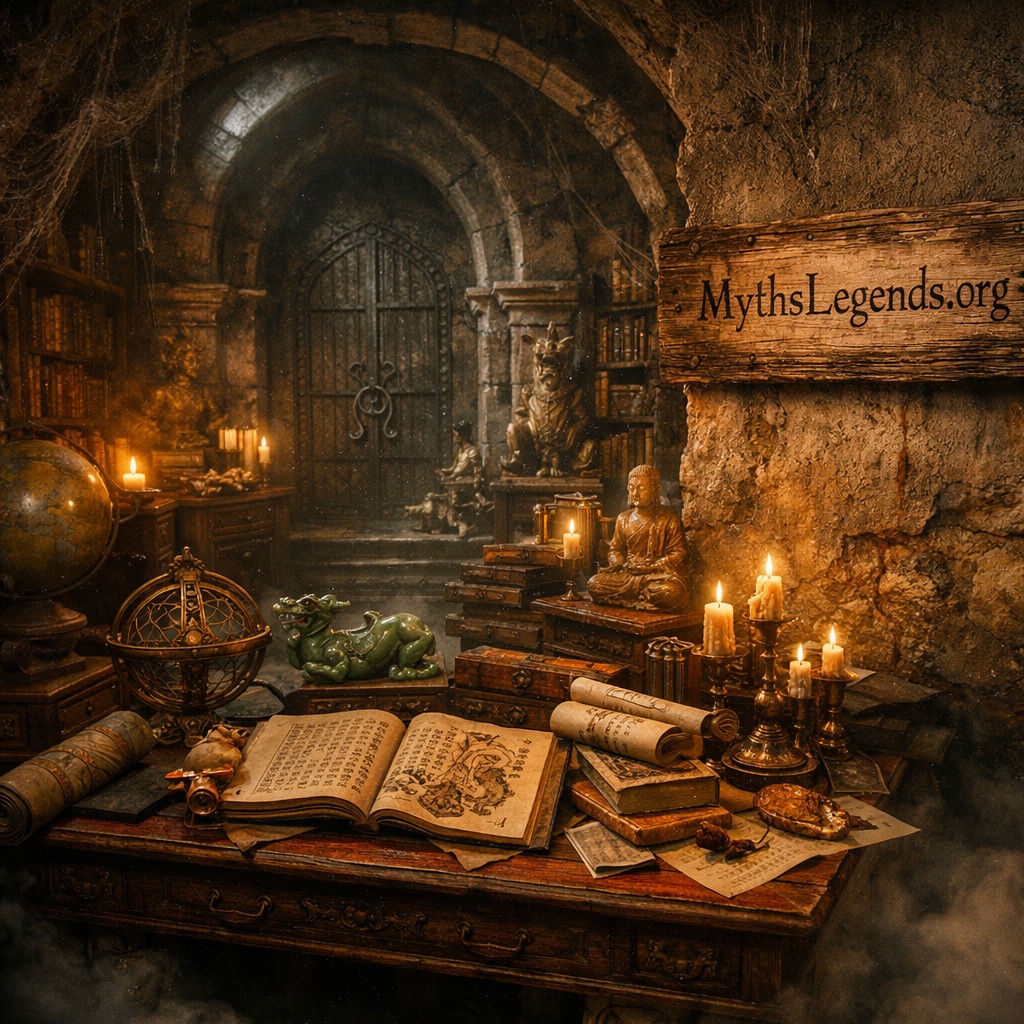
The Hidden Library of Lews Castle: Myth or Lost Treasure?
For centuries, stories of hidden treasures have fascinated us. They conjure up images of times long past in our minds’ eyes and, in a world shaped by modern technology and scientific curiosity, awaken a longing for the mysterious. One such legend revolves around the mysterious treasure of Lews Castle, a majestic castle complex in the north of the Scottish island of Lewis. But this is not about gold or gemstones—Sir James Matheson’s supposedly lost library consists of books and manuscripts said to be of unimaginably high cultural value. But what is really behind this story? Is it merely a legend or a genuine mystery that remains unsolved to this day?
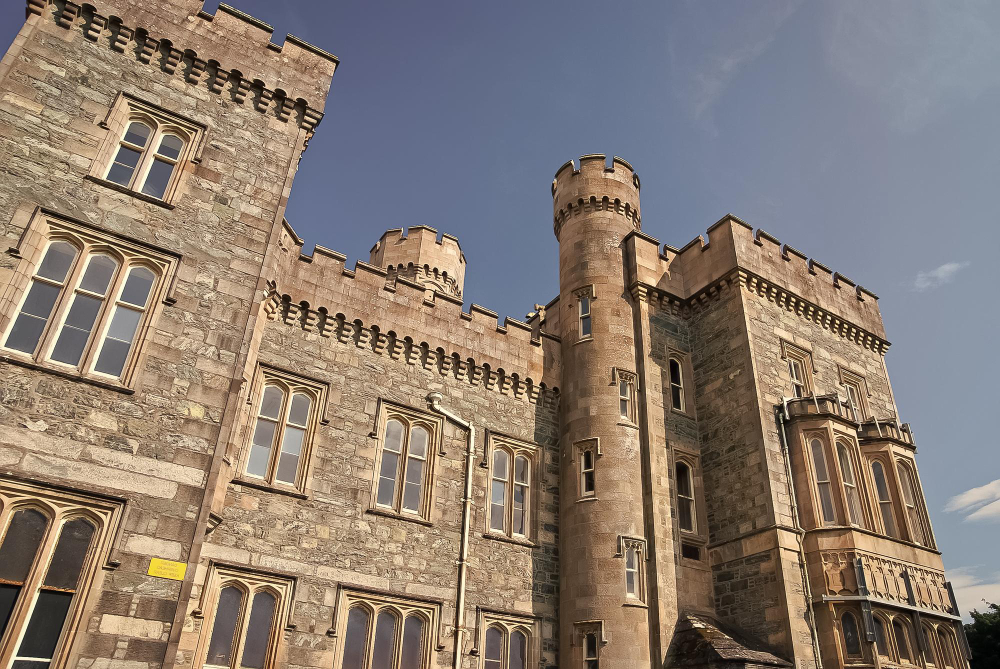
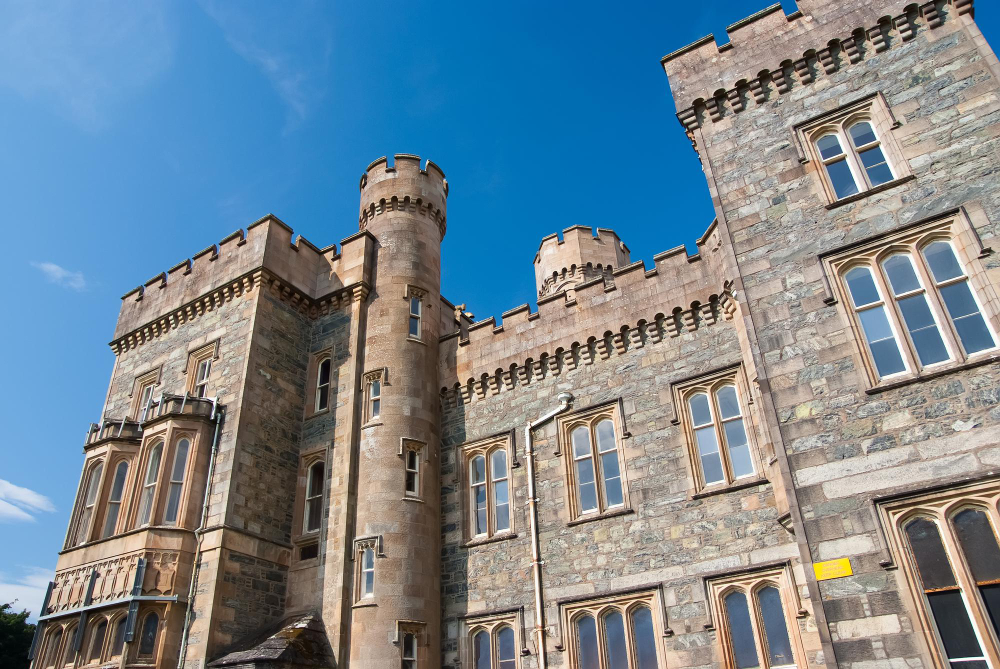
A Castle Full of Secrets – The imposing Lews Castle was built between 1844 and 1851 by Sir James Matheson, a Scottish businessman who had amassed an immense fortune through the trade in Chinese opium. The magnificent complex, characterized by its Neo-Gothic architecture, has towered over the town of Stornoway for more than a century and a half and attracts visitors from all over the world. What many do not know, however, is that the castle is not only considered an architectural masterpiece but is also the setting for countless stories and myths. One of the most fascinating legends revolves around the “lost library.” It is said that Matheson—a learned and cultured man—had a secret chamber built within the castle to house a unique collection of books and manuscripts. Among them were allegedly works he had acquired during his business activities in China. Some sources even claim that these manuscripts may have been of inestimable cultural value and contained information about long-forgotten Chinese wisdom and traditions.
Fact and Fiction – But how credible is this story? Historical documents undoubtedly suggest that Sir James Matheson was a man with a keen interest in literature and art. His role as a collector of unusual and valuable artifacts is well documented. Nevertheless, there is no direct evidence for the existence of a “lost library” at Lews Castle. Old architectural plans of the castle have been examined, and although some rooms of the building remain inaccessible to this day—whether due to structural alterations or natural weathering—no secret chamber has been identified beyond a doubt. Over the years, various historians have investigated the story of the lost library. Many conclude that the legend may be based on rumors that arose in the castle’s early years. Accounts of Matheson’s travels to China and his possessions may have provided fertile ground for these stories. Furthermore, mysterious rooms and treasure chambers in castles are often popular subjects for myths and fairy tales and thus easily become part of the cultural memory.
Why does the myth persist so stubbornly? – The Lost Library of Lews Castle has captured the imagination for generations, and for good reason. First, historical figures such as Sir James Matheson play a central role in local narratives. Second, castles, with their often gloomy and mystical atmosphere, exert a special fascination that leaves room for interpretation and speculation. Finally, stories about hidden treasures always offer the allure of a potential adventure of discovery and promise fame and recognition should the search be successful. It is interesting to note that the topic of the lost library sparks discussion, particularly in connection with Matheson’s relationship to China. The possible origin of some manuscripts in Asia, a region of immense historical and cultural significance, lends the story an additional air of mystery. Could the lost library have actually contained documents by ancient Chinese philosophers such as Confucius or Laozi? Or even works containing scientific insights far ahead of their time? Even though these questions have never been answered, they provide fodder for speculation and research. Several generations of treasure hunters and historians have grappled with the idea of unraveling the mystery of Lews Castle, but so far without resounding success.
The Search Continues: Past Meets Future – The castle itself now serves as a museum and event venue, and many of its rooms are open to the public. Nevertheless, some areas—particularly the upper floors and older rooms—remain closed, whether for safety reasons or due to structural deterioration. Historians hope that future technologies such as ground-penetrating radar or 3D laser scans might provide new insights into the building’s structure. Perhaps one day we will finally find a clue to the true location of the legendary library. Until then, Lews Castle remains a place where history and myth converge. For the residents of the Isle of Lewis and beyond, the story of the lost library is an inspiration—a reminder that the past sometimes holds more secrets than the present could ever reveal.
A Mystery That Endures – Whether the lost library actually existed or is merely a figment of the imagination remains uncertain. What is certain, however, is that the story surrounding this mysterious treasure symbolizes our deep-rooted fascination with the unknown. It reminds us that every castle, every ruin, and every legend has the potential to be a gateway to a world full of wonders. Perhaps it is precisely the fact that this mystery remains unsolved that helps preserve its magic.
The legend of Lews Castle—whether truth or myth—will undoubtedly continue to spark curiosity and inspire people to keep searching for answers. Who knows? Perhaps the secret is indeed waiting somewhere to be discovered.





Post Comment