
King Arthur and Stirling Castle: Where Legend Meets Reality
The tales of King Arthur and his legendary Knights of the Round Table are among the most fascinating myths in Europe. Their heroic adventures, set against a backdrop of magic, honour and battle, have inspired generations and continue to shape literature, film and art to this day. Interestingly, there are also traces and references to this legendary king in Scotland, although he is primarily associated with England and Wales. Such a connection has occasionally been drawn with Stirling Castle – one of Scotland’s most historic castles, which offers plenty to talk about on both a mythological and historical level.
The ‘Round Table’ at Stirling Castle – Beneath the mighty walls of Stirling Castle lies a circular tournament ground known as the ‘Round Table’. The name alone is enough to spark the imagination and draw a connection to King Arthur’s legendary Round Table. In Arthurian legend, the Round Table symbolises equality and brotherhood; all the knights sat at this symbolic table without any hierarchy, which strengthened their camaraderie and loyalty. In the case of Stirling’s tournament ground, whilst it is indeed an area that was once used for jousting tournaments, the name seems to be more of a poetic allusion to the Arthurian legend than there is any historical evidence of a direct link to the British king. Nevertheless, it is a charming notion that the spirit of the Arthurian legend exerts its influence here too, far from its usual settings.
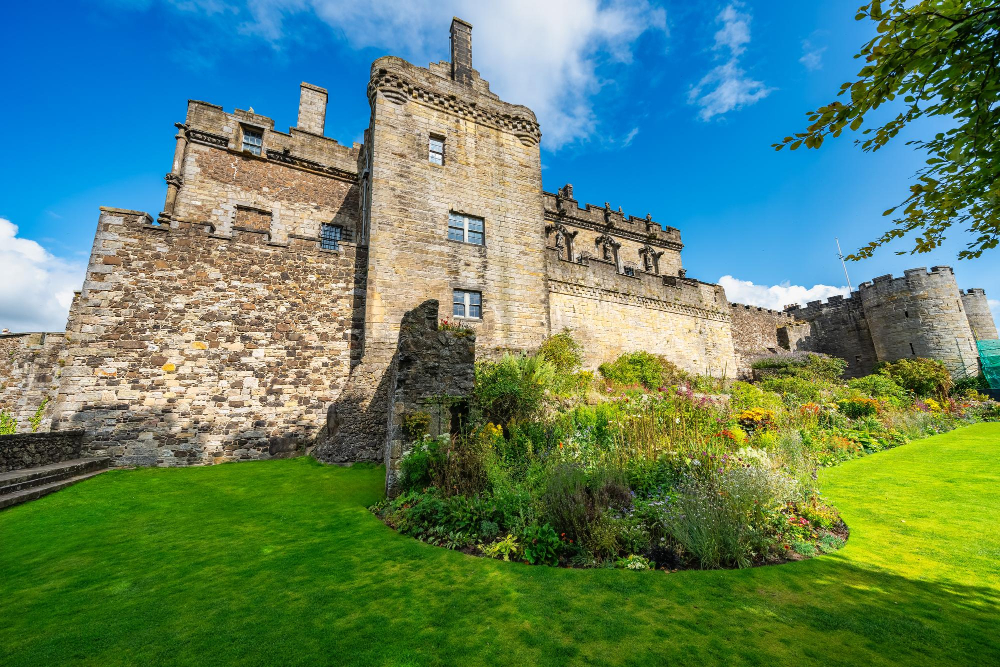
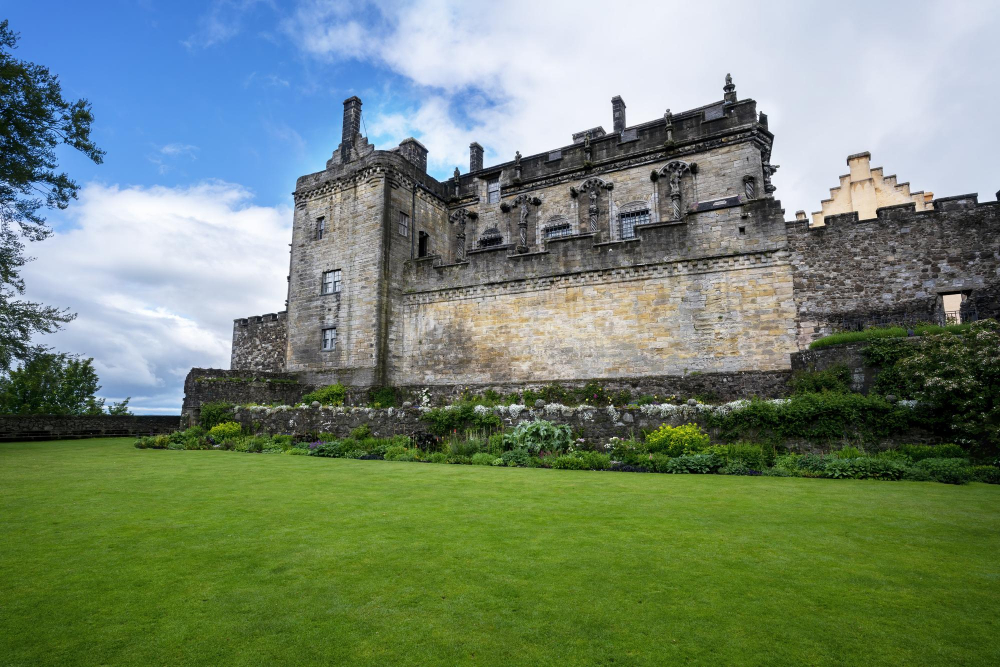
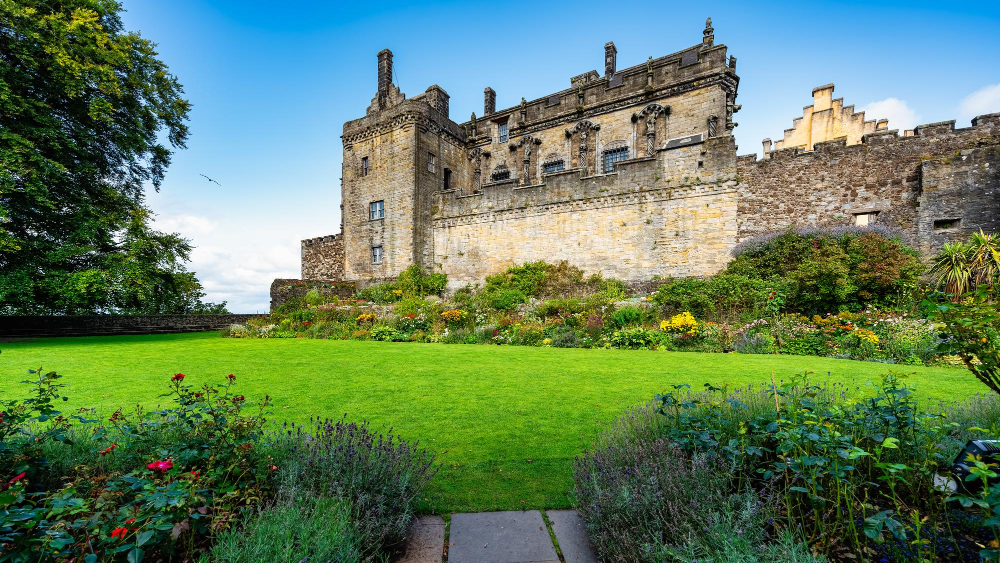
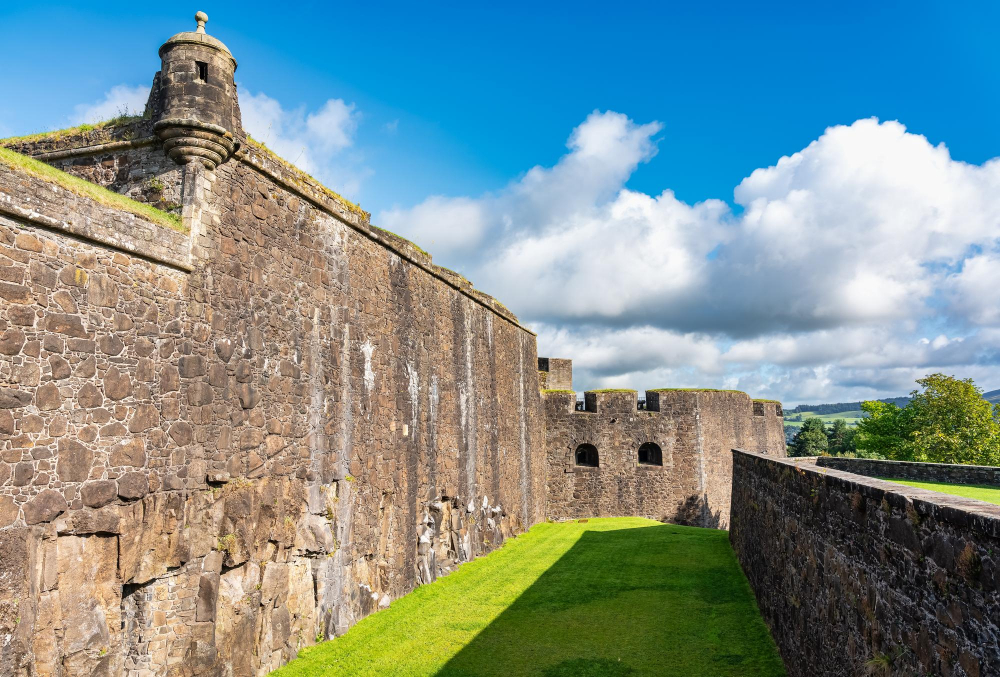
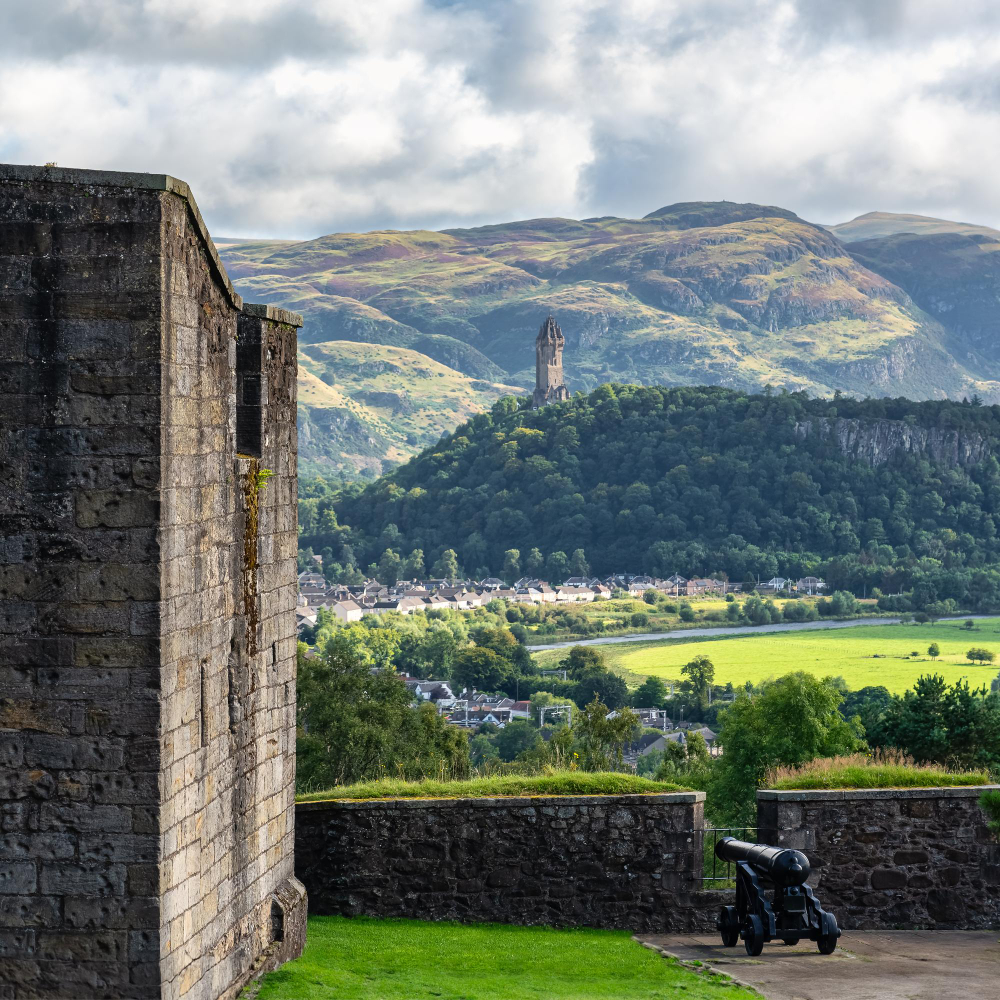
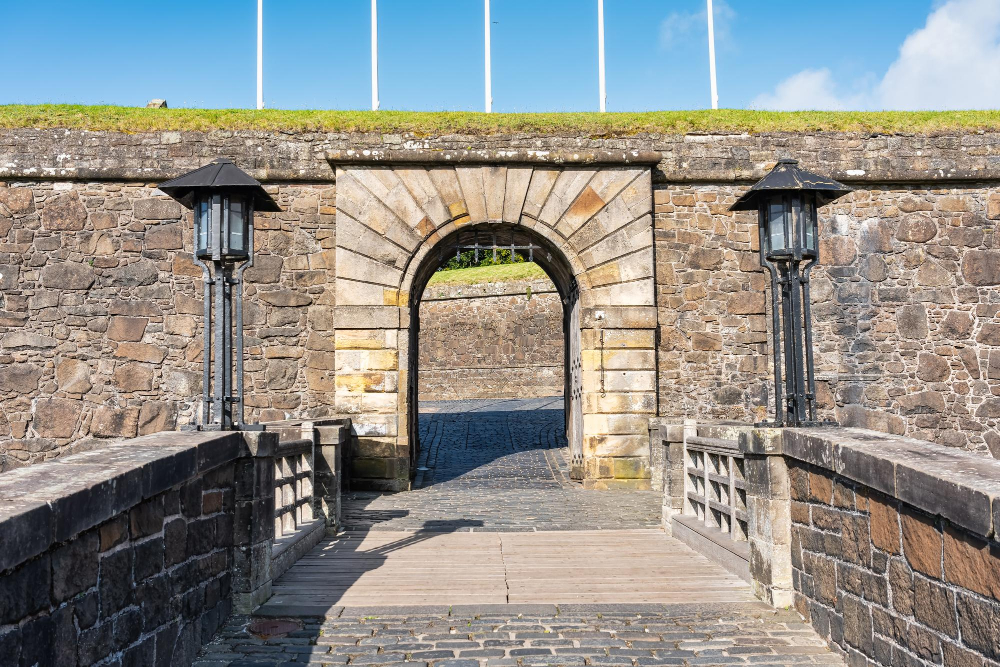
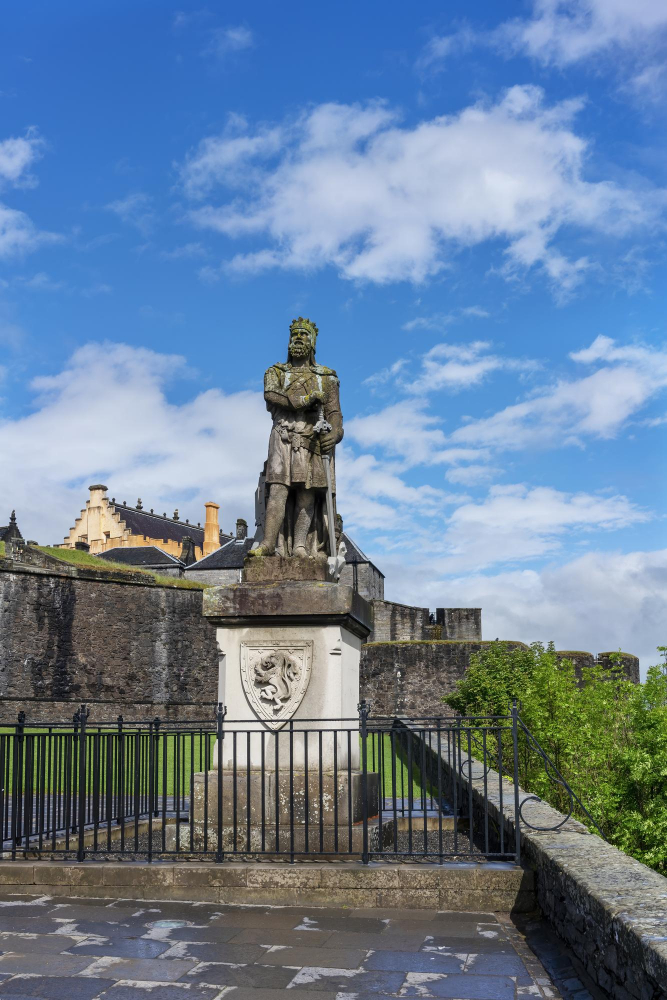
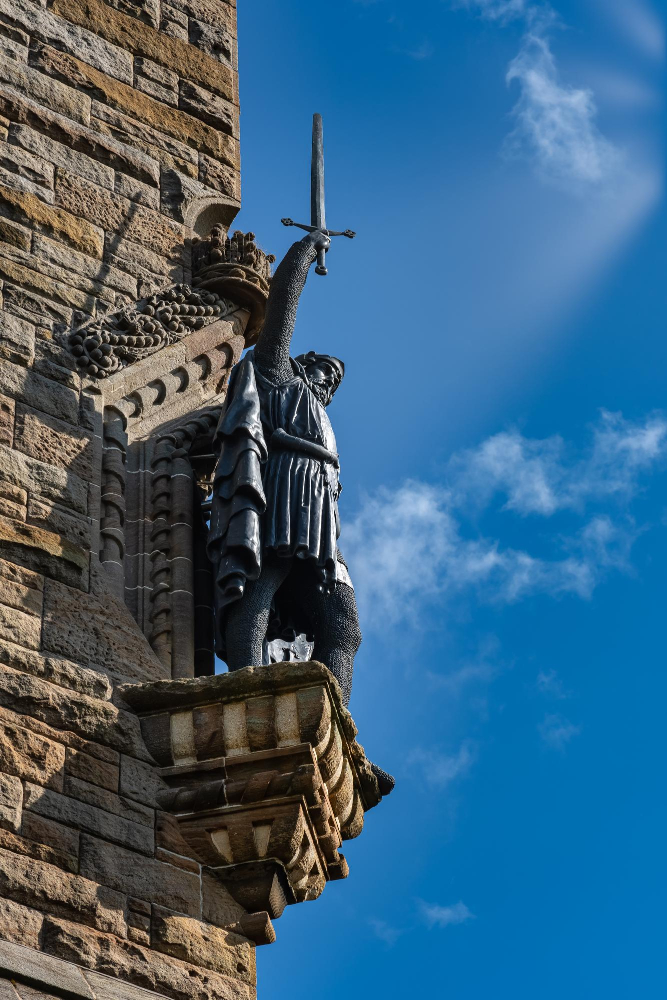
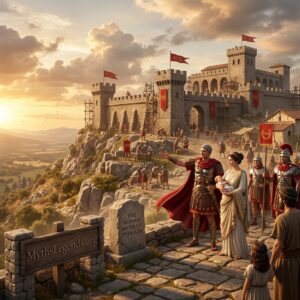
The History of Stirling Castle – Indeed, Stirling Castle itself is a place steeped in history. The castle has withstood at least eight major sieges, including some of the most dramatic and decisive conflicts during the Scottish Wars of Independence in the late 13th and early 14th centuries. It stands imposingly on a volcanic hill and was of enormous strategic importance; whoever controlled Stirling held a key position between the Scottish Lowlands and the Highlands. A particularly famous chapter in Stirling’s history is the Battle of Stirling Bridge in 1297, in which William Wallace and Andrew Moray inflicted a crushing defeat on the English under John de Warenne. Wallace, who later became known as ‘Braveheart’, is regarded as one of Scotland’s most significant freedom fighters, and Stirling Castle was a central stage in his struggle against the English occupation. Another legendary battle closely associated with Stirling took place in 1314: the Battle of Bannockburn. Here, Robert the Bruce, then King of Scotland, led his men to a triumphant victory over the English under Edward II, which is regarded as a turning point in the struggle for Scottish independence.
Myth and Reality – When delving into the history of Stirling Castle, it seems almost impossible to separate the myth of King Arthur from the castle’s actual history. Both are deeply rooted in the cultural memory of the British Isles and tell tales of courage, struggle and an unwavering passion for freedom and justice. Yet whilst the characters of the Arthurian legend – King Arthur, Merlin, Lancelot and Guinevere – are largely regarded as legendary figures, the castle, as a historical site, has witnessed many of its own tragic and heroic moments. Some historians suggest that the Arthurian legend is based on a mixture of actual historical events and figures that have been embellished over the centuries. Some even believe that Arthur is not merely a literary figure, but may have existed in the early Middle Ages as a leader of Celtic or British tribes and served as a symbol of resistance against the Anglo-Saxon invaders. Whether this hypothesis holds true remains unclear, as historical evidence for it is largely lacking. It is interesting, however, that both the Arthurian legend and the history of Stirling Castle share similar themes: the need to maintain unity and strength in the face of external enemies. Arthur and his knights fought against threats that plagued the British realm, whilst Stirling stood as a bastion against English oppression. Both narratives are characterised by courage, betrayal, intrigue and the quest for freedom – and perhaps that is precisely why the idea of a connection between the two seems so fitting.
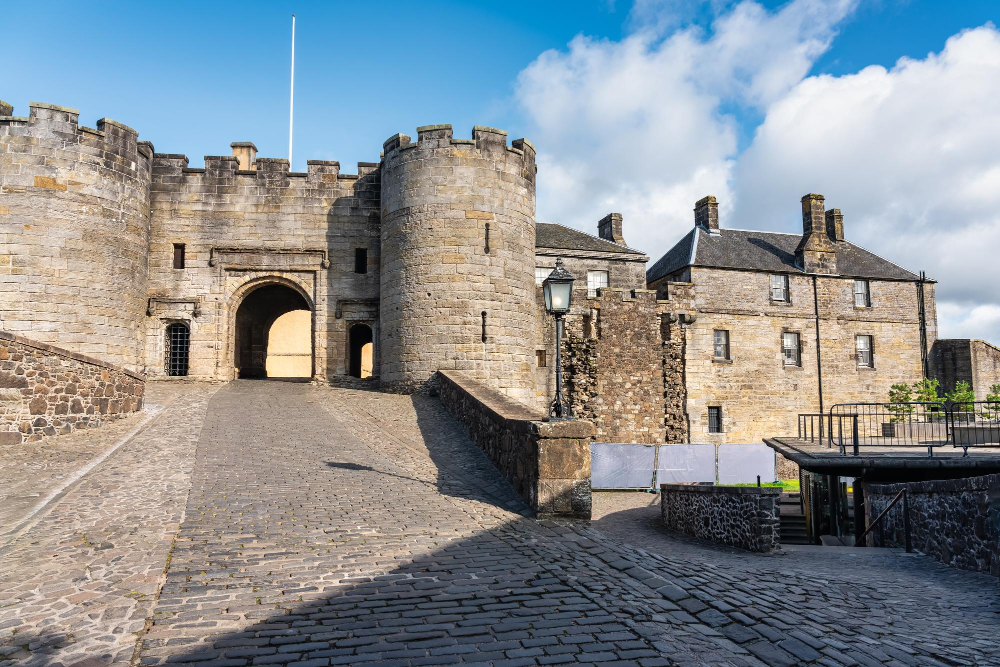
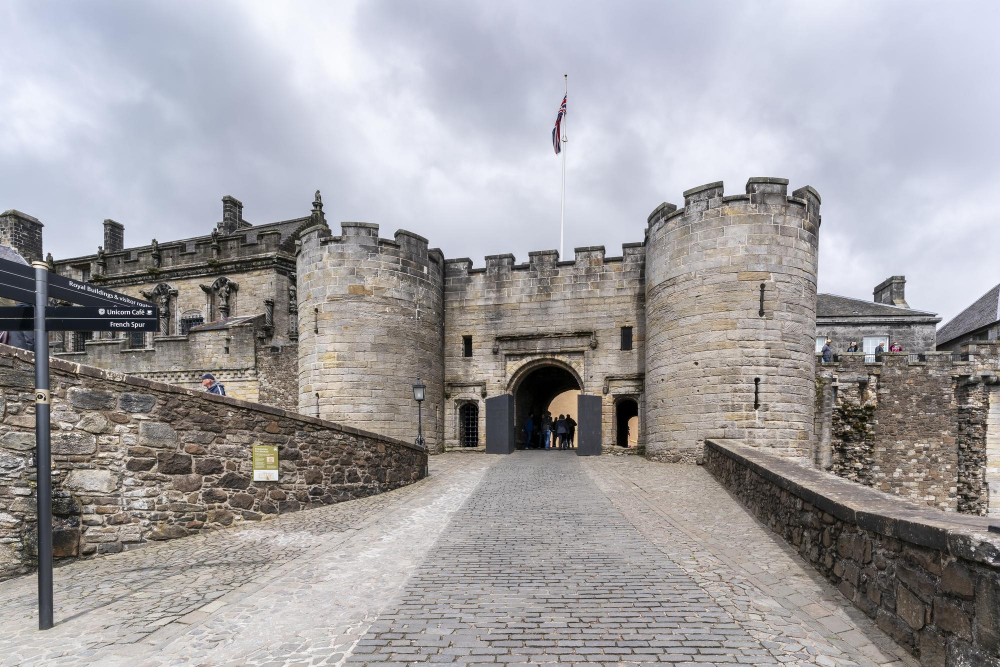
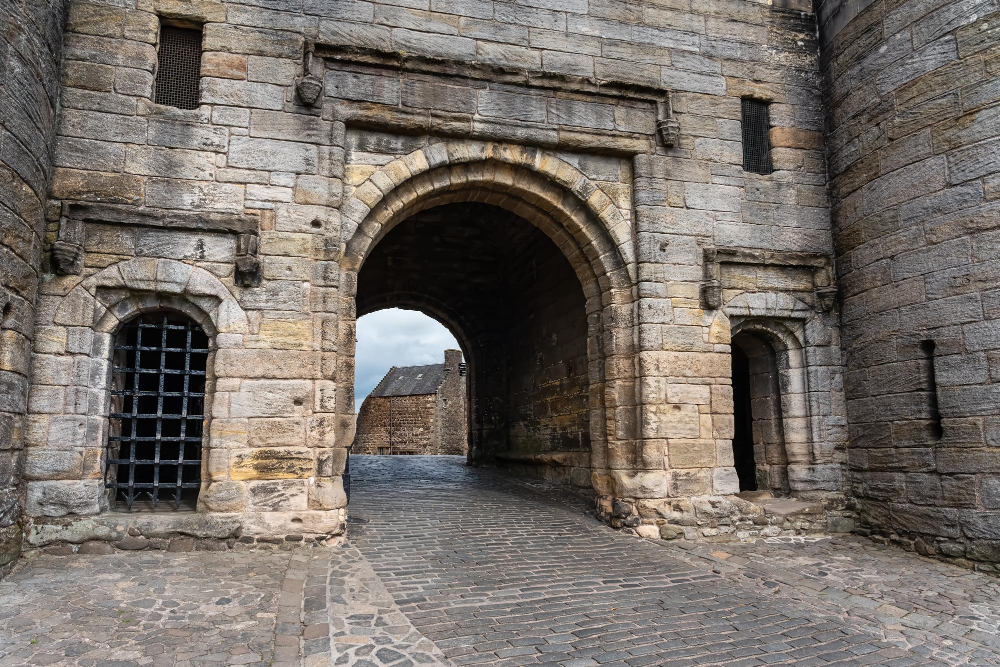
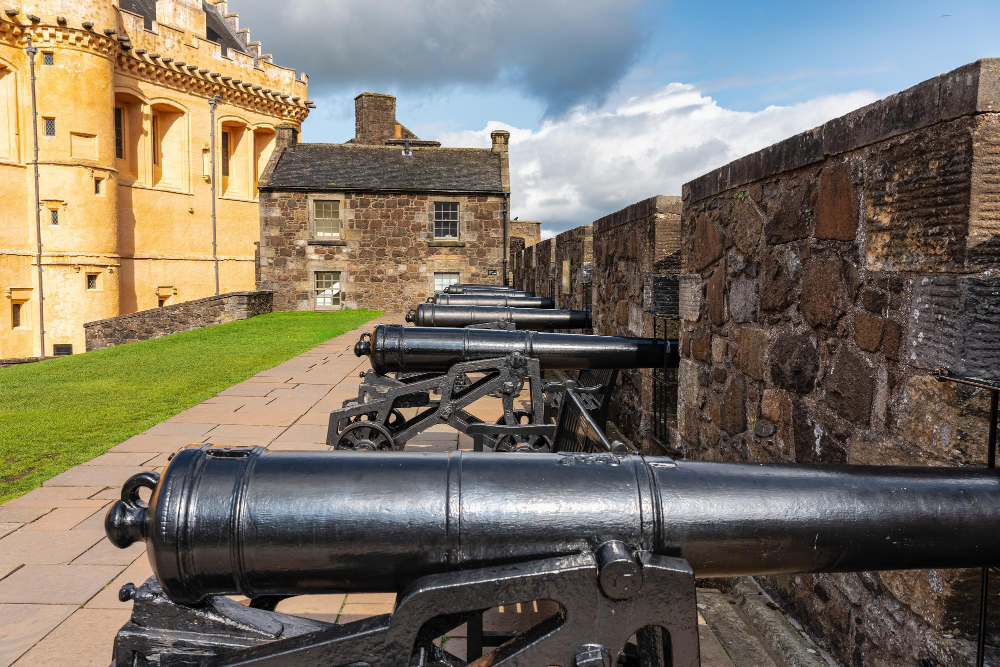
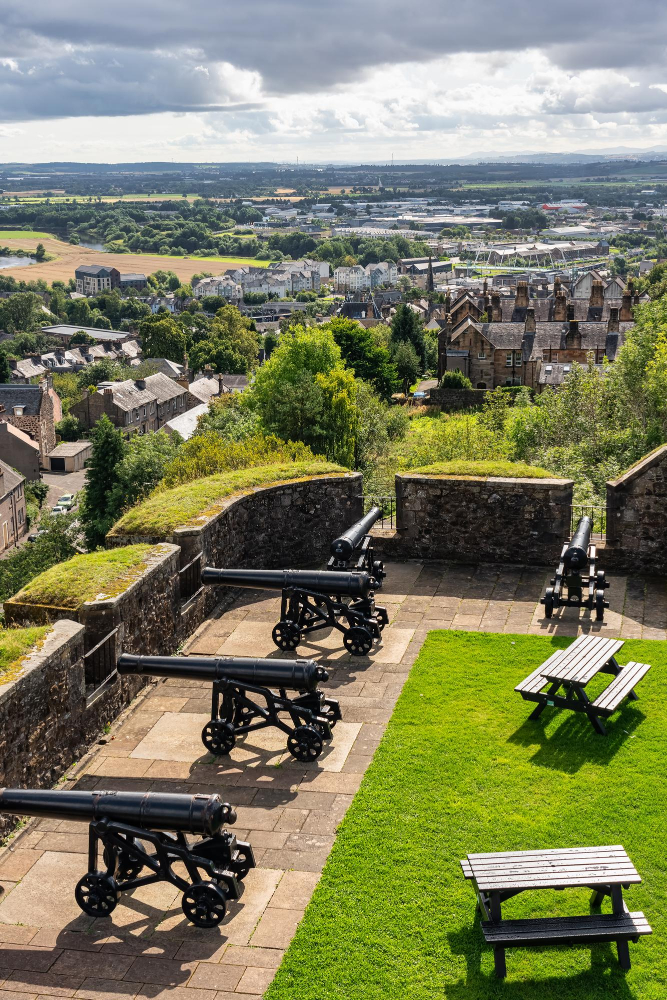
The Role of Technology and Strategy – Another fascinating aspect of Stirling Castle’s history is the role of advanced technology in the conflicts that took place there. During the Scottish Wars of Independence in the 14th century, for example, artillery was deployed – an innovative development for its time. Particularly famous is the so-called ‘Warwolf’, a gigantic trebuchet that Edward I used during his siege of Stirling Castle. According to reports, this weapon was so powerful that it completely destroyed the castle’s gatehouse – a show of force that certainly left a lasting impression. These technical feats stand in stark contrast to the more magical atmosphere surrounding the Arthurian legend. There, it is the wizard Merlin who stands by Arthur’s side with his wisdom and supernatural abilities, whilst mythical swords such as Excalibur symbolise power and strength. These two worlds – technology and magic – could hardly be more different, yet both, in their own way, form part of the fabric of great legends and stories.
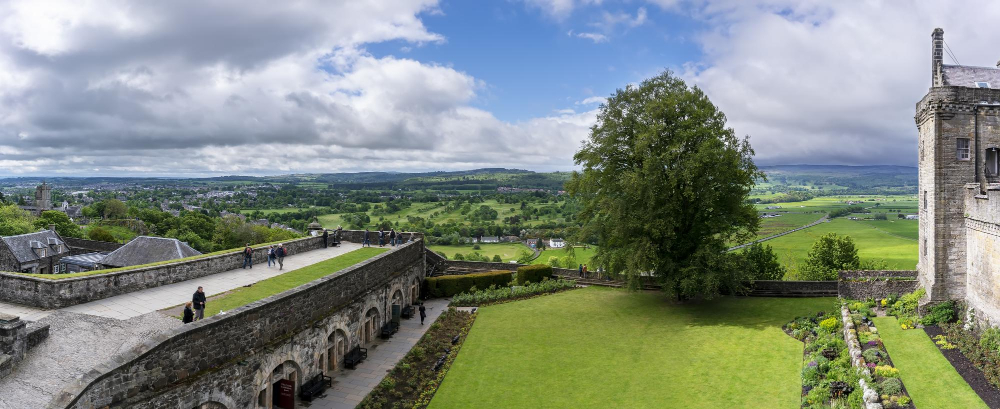
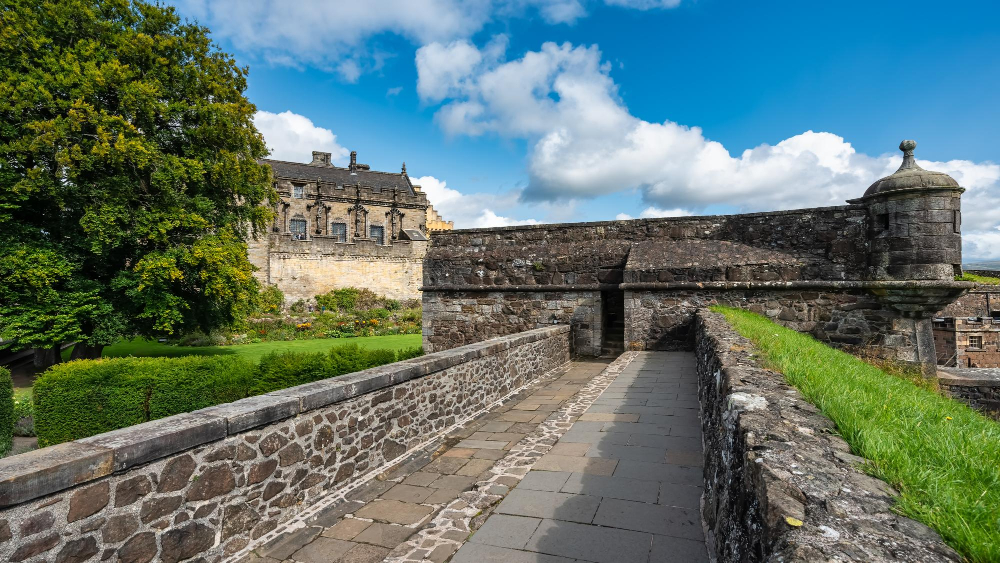
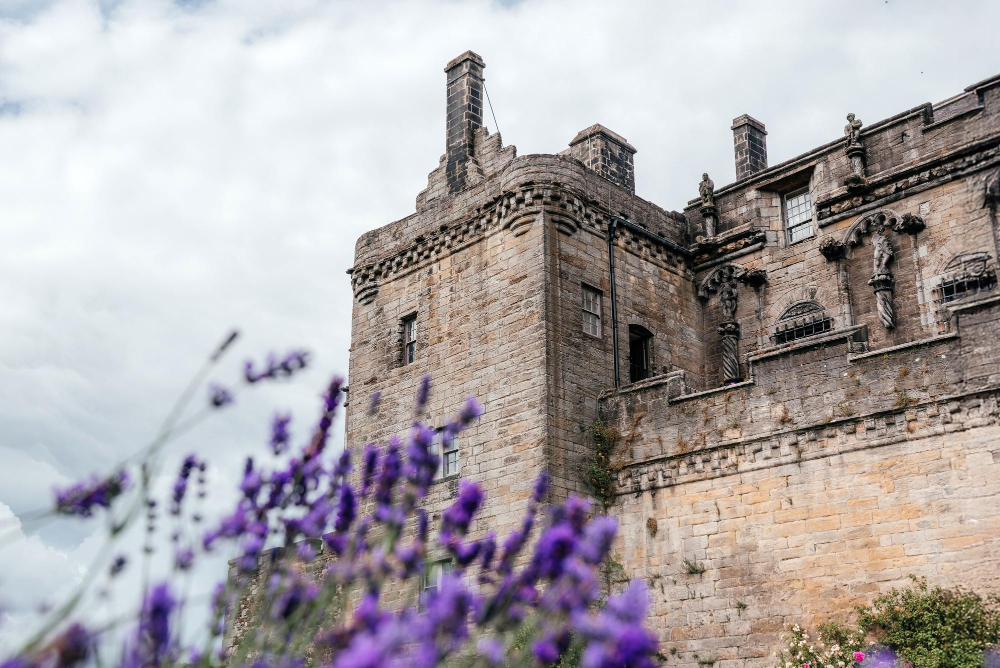
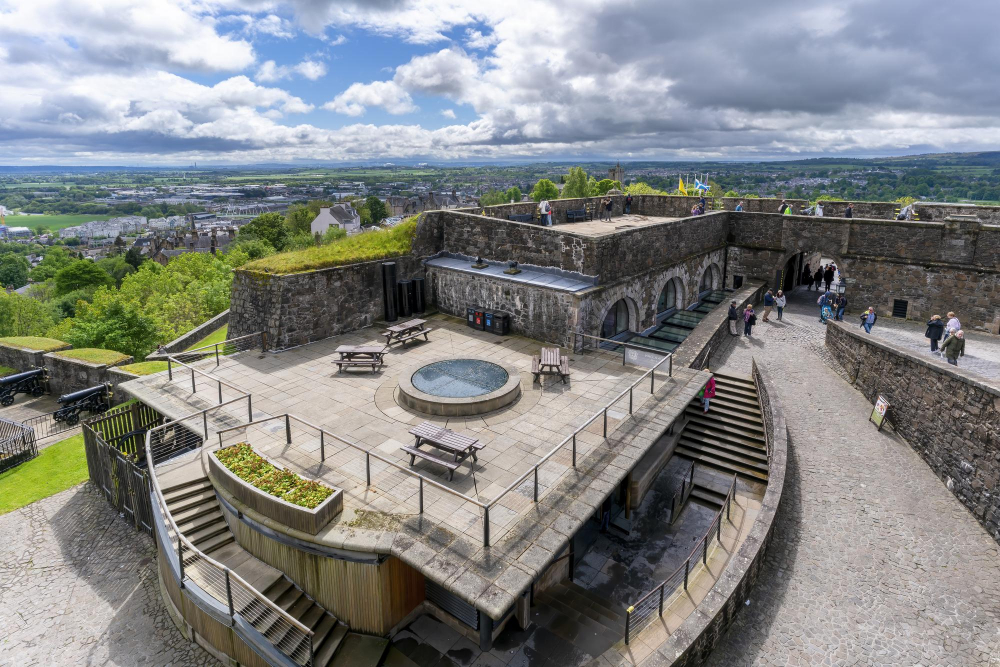
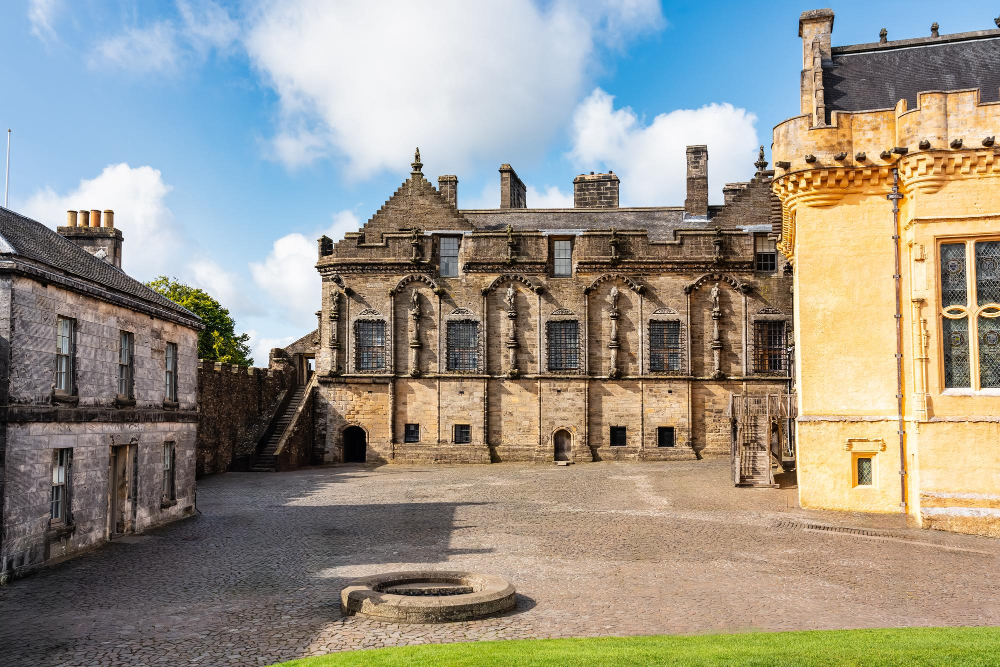
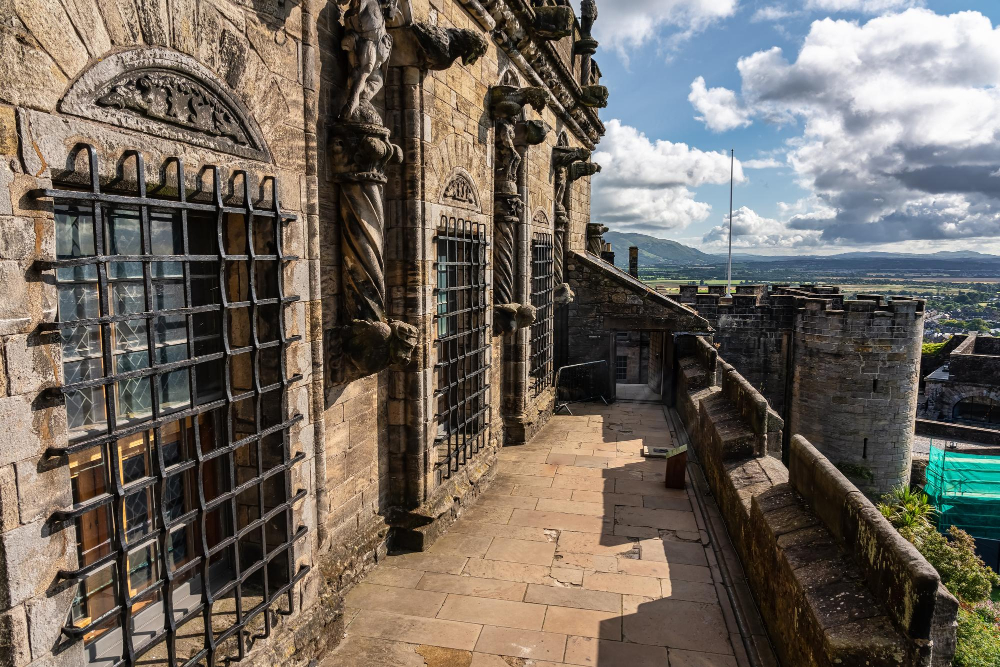
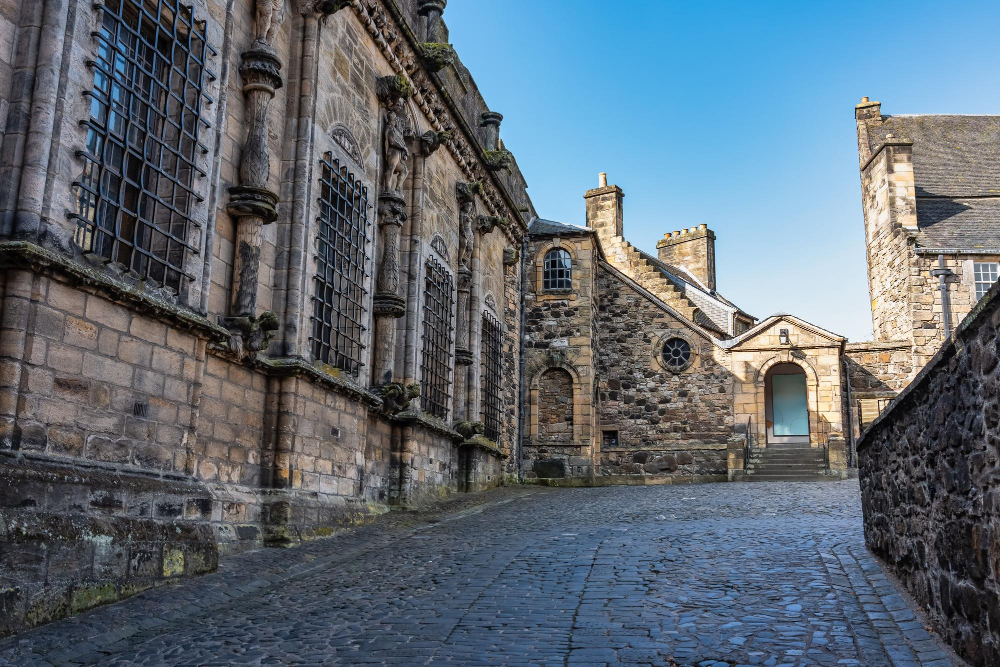
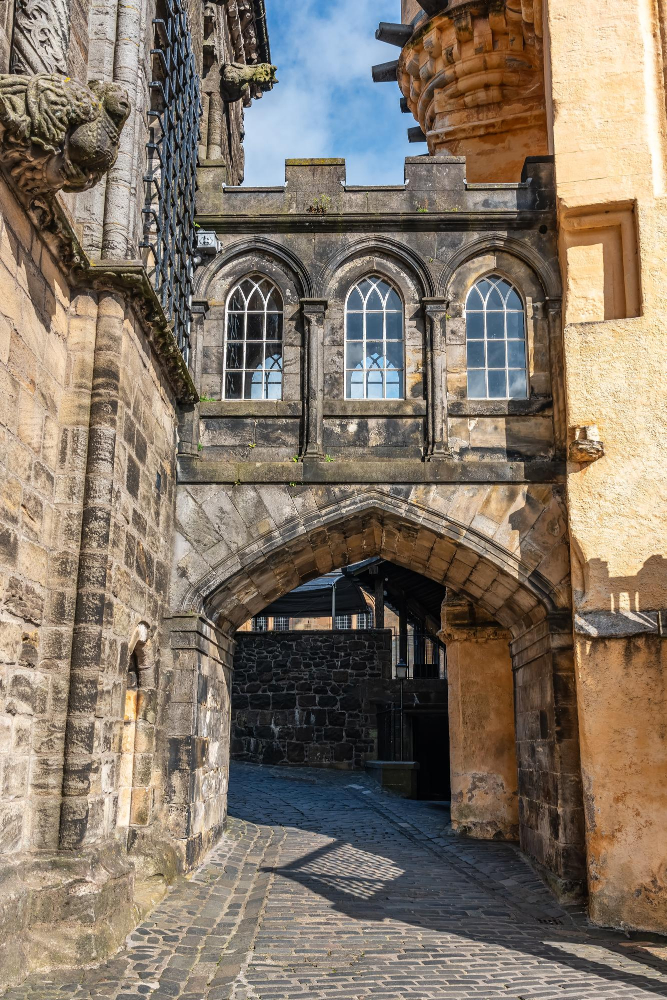
Stirling Castle as a tourist highlight – Today, Stirling Castle is one of Scotland’s most popular attractions, drawing visitors from all over the world. Its imposing architecture, breathtaking views and the countless stories the castle holds make it a unique place. For lovers of the Arthurian legend, the so-called ‘Round Table’ beneath the castle walls is certainly a special eye-catcher that fires the imagination. Furthermore, Stirling Castle offers numerous opportunities to experience history up close. With exhibitions, replicas and guided tours, visitors can immerse themselves in the past and gain a better understanding of the stories of heroes such as William Wallace and Robert the Bruce.
Although the connection between King Arthur and Stirling Castle is purely symbolic, it nevertheless demonstrates how closely mythology and history are intertwined in our cultural heritage. The stories surrounding Stirling Castle and the Arthurian legend have one thing in common: they are about courage, community and the pursuit of freedom – values that are timeless and continue to inspire people to this day. Anyone who has the opportunity to visit Stirling Castle should not only consider the historical facts, but also let their imagination run wild. Perhaps within the walls of the ancient castle you might hear the clang of swords and voices telling tales from times long past – and who knows, perhaps even the echo of King Arthur and his Round Table.

Post Comment