
The “Falcone d’Italia”: The Turbulent History of the Castello di Brescia and Its Role in the Struggle for Freedom
The city of Brescia, nestled in picturesque Lombardy, is known for its historical grandeur, its cultural diversity, and above all for a place that has told stories of power, resistance, and devotion for centuries: the Castello di Brescia. This iconic castle is often referred to as the “Falcone d’Italia,” not only because of its strategic location and imposing architecture, but also due to its key role in one of the most dramatic chapters of Italian history. In particular, in 1849, when Brescia earned the title “Lioness of Italy,” the Castello became the center of a heroic uprising against Austrian rule.
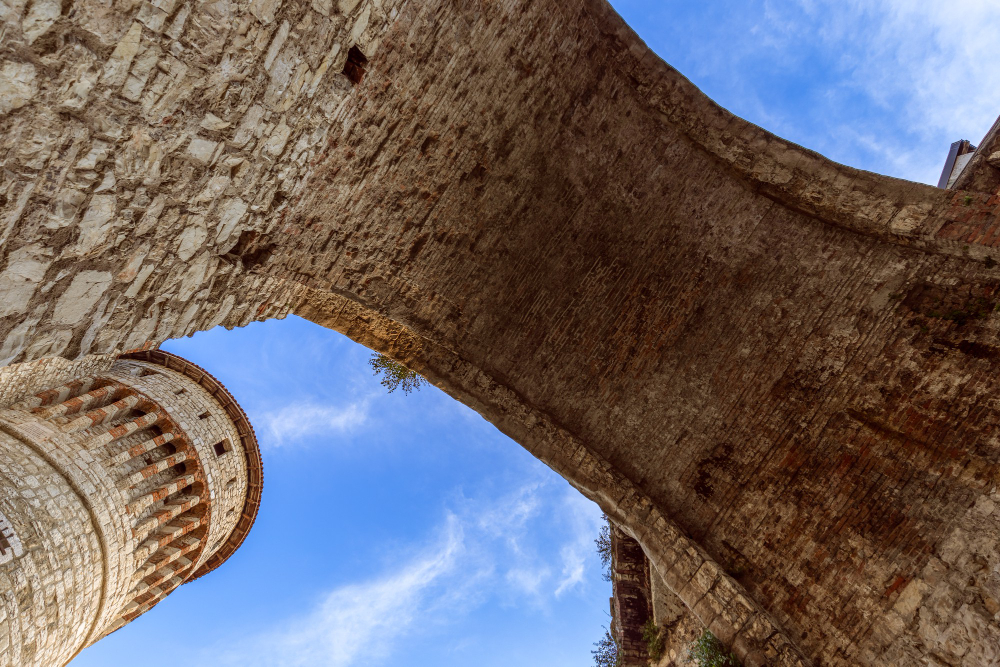
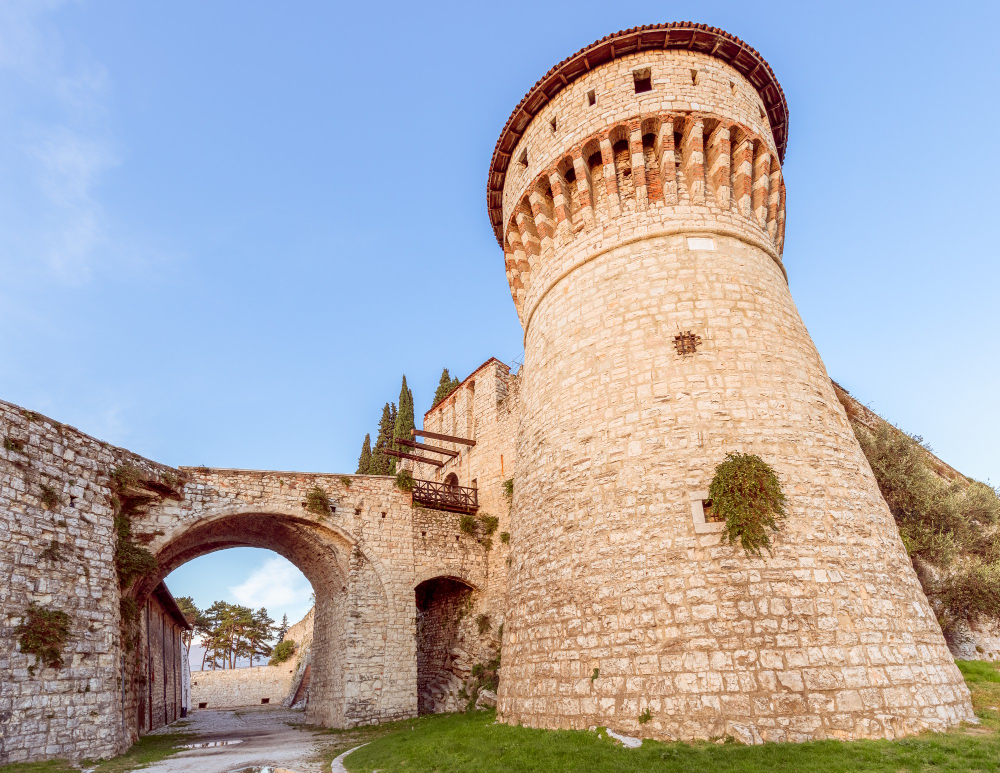
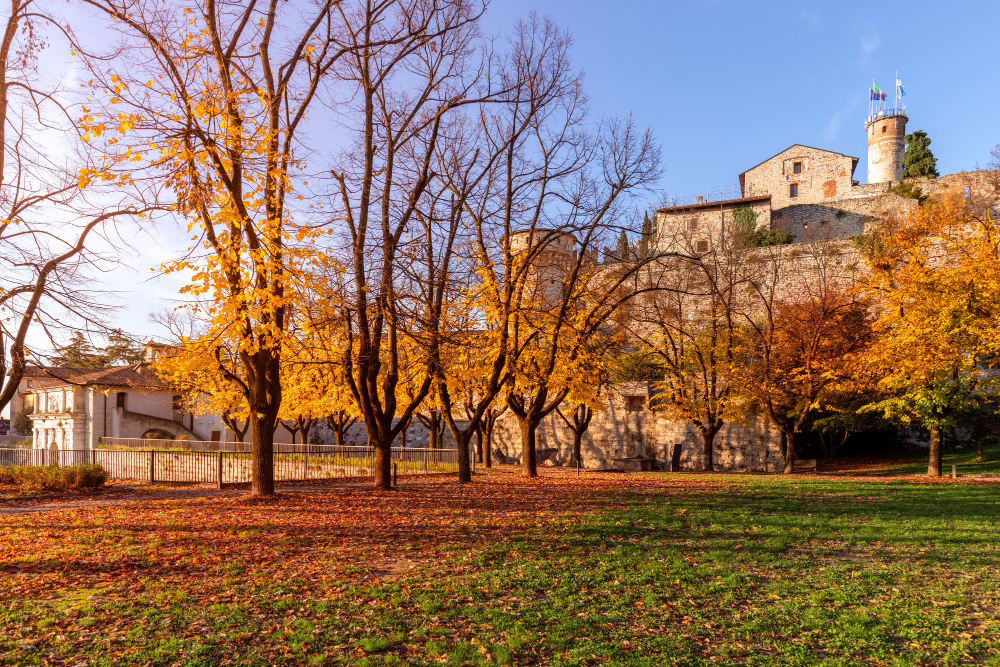
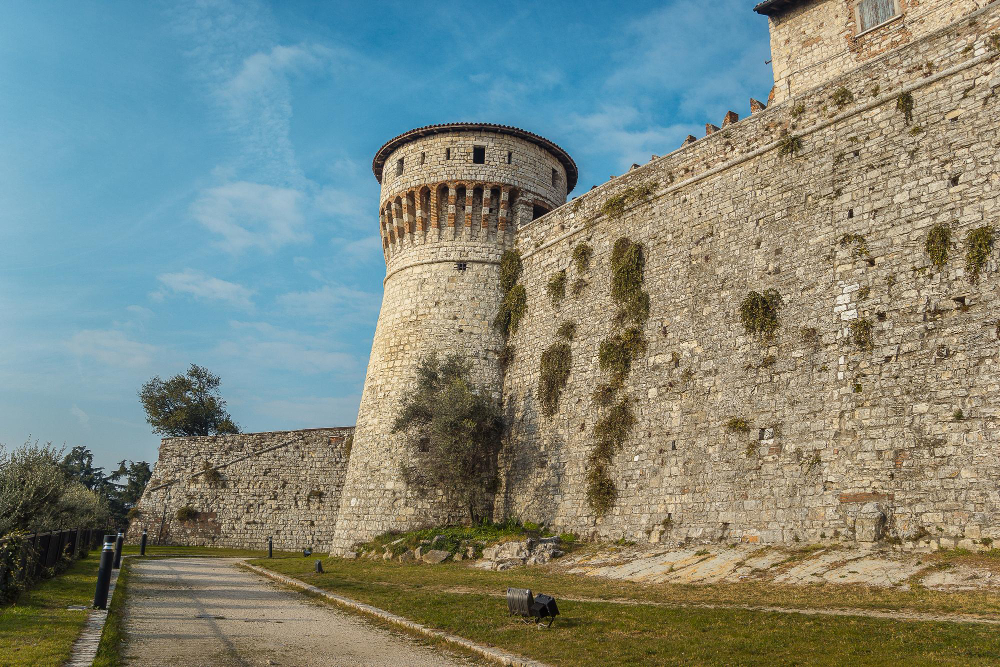
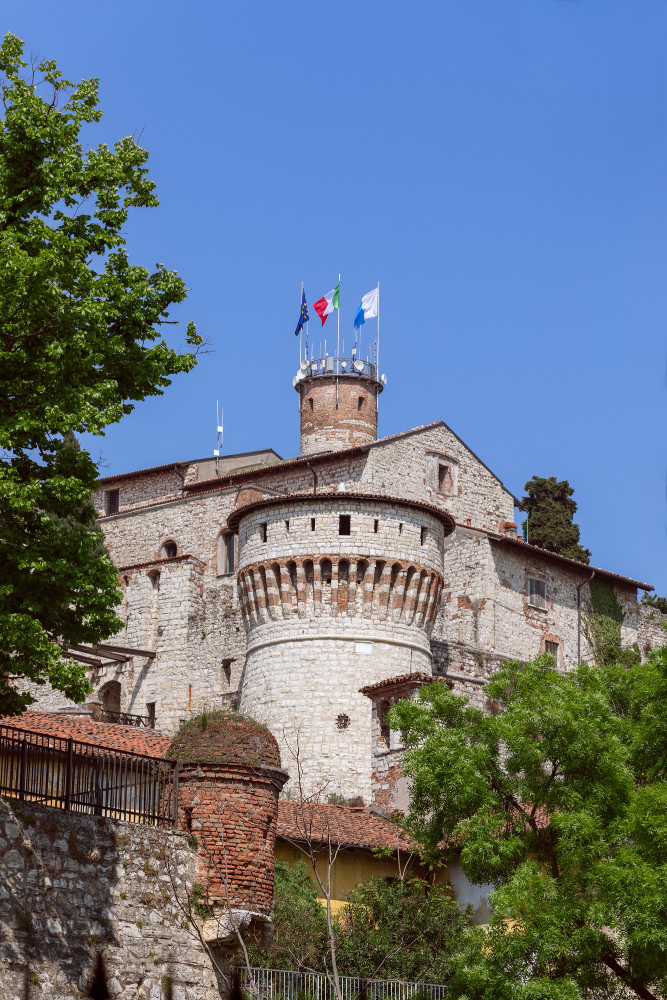
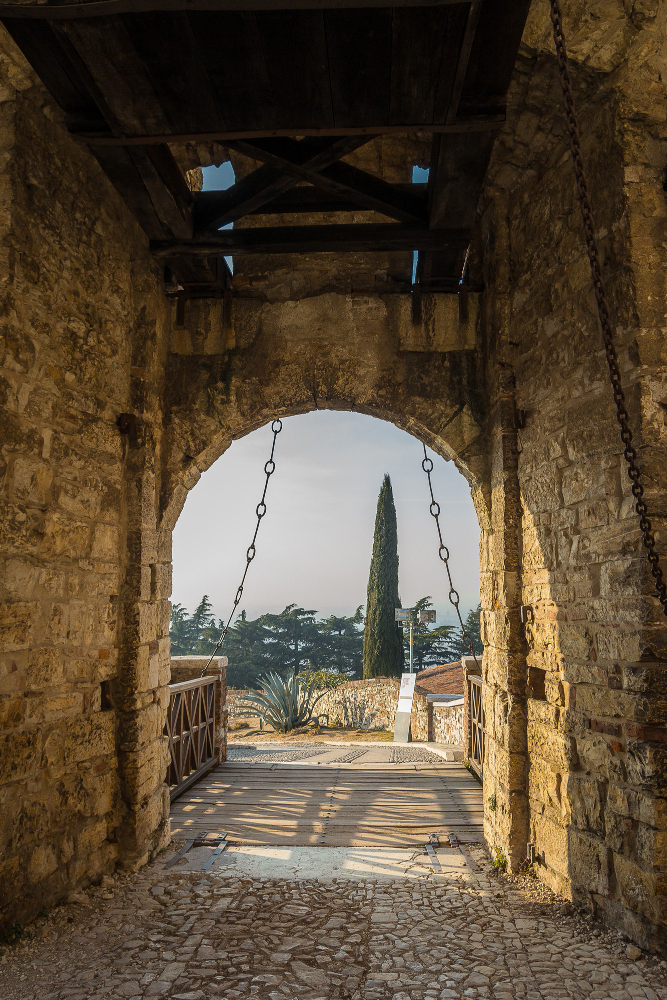
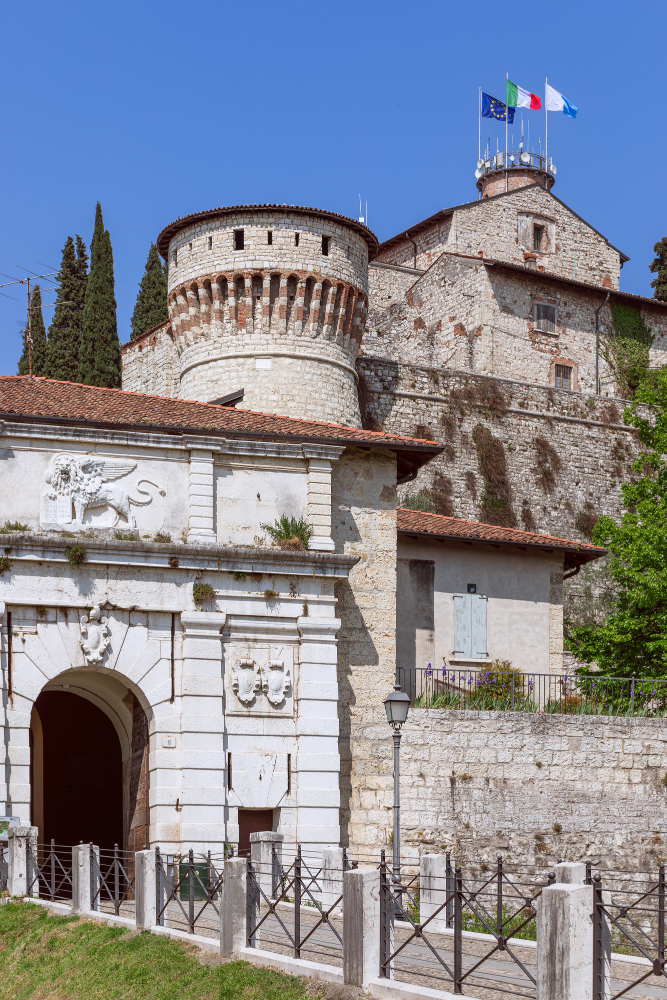
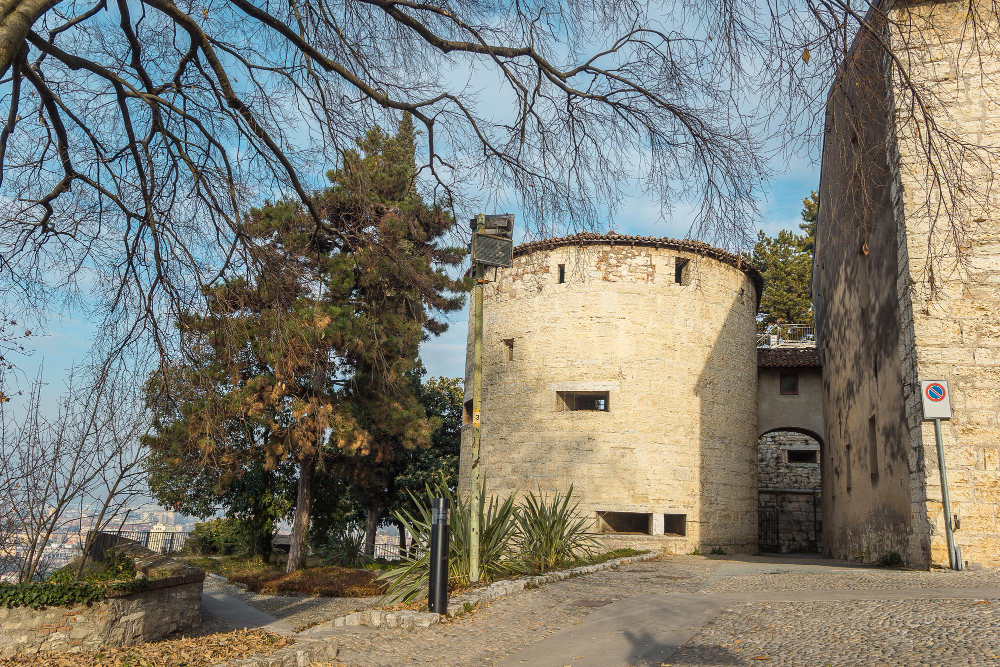
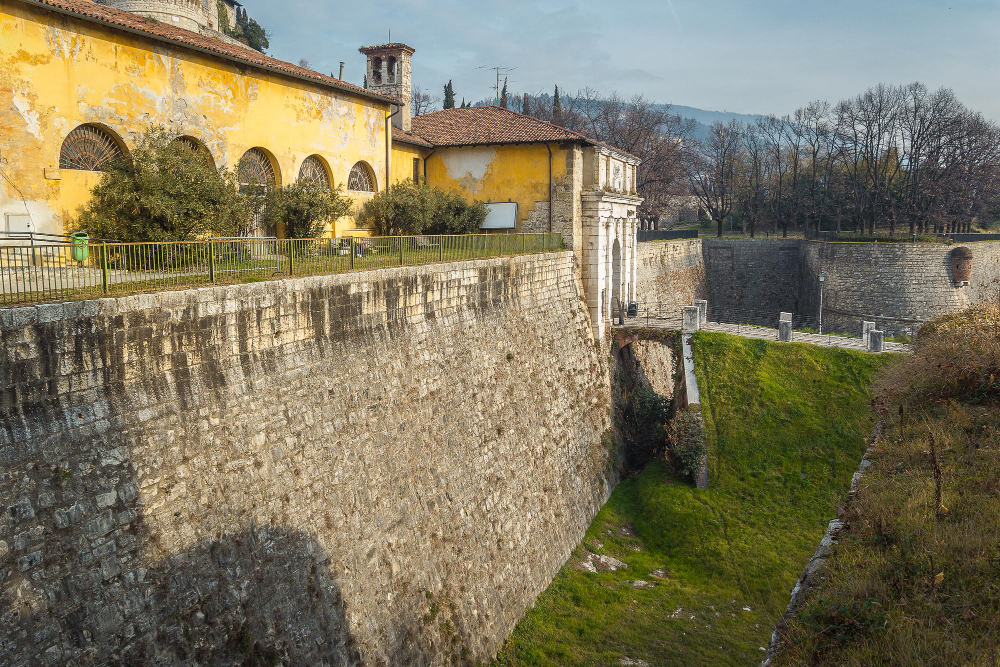
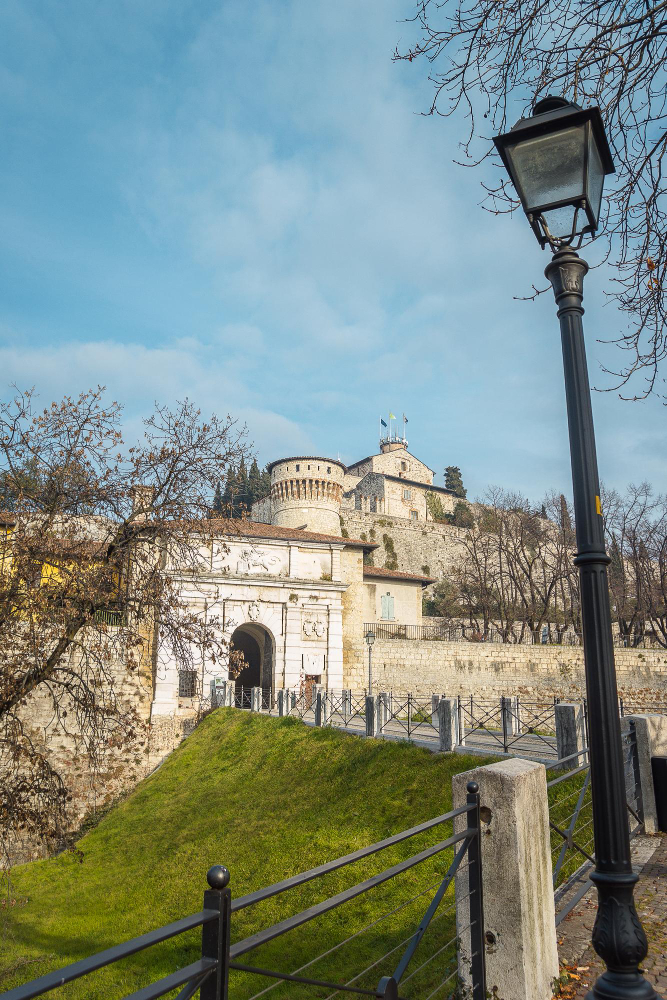
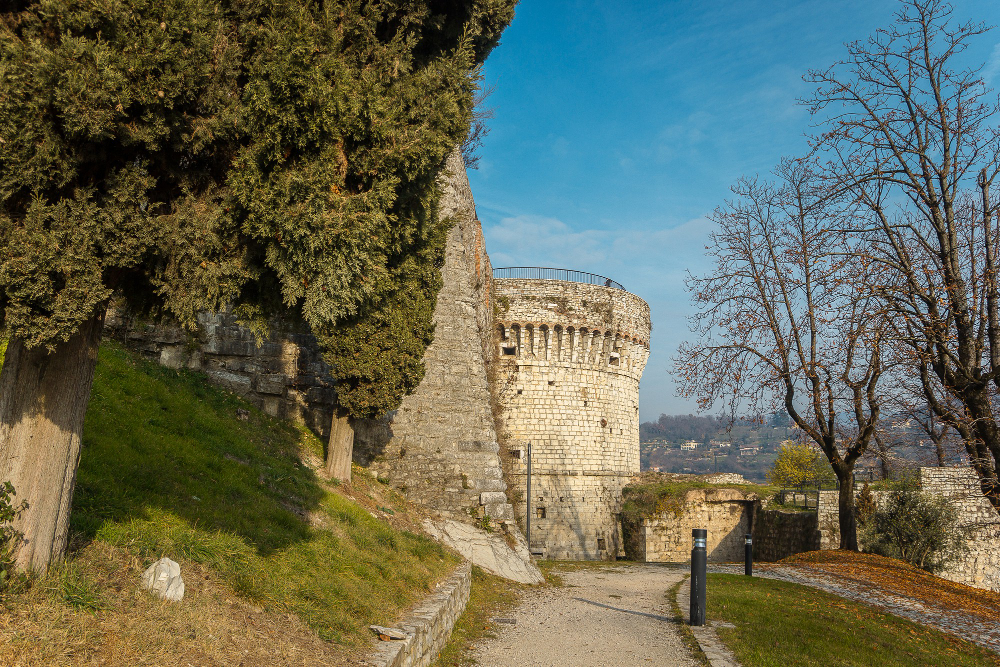
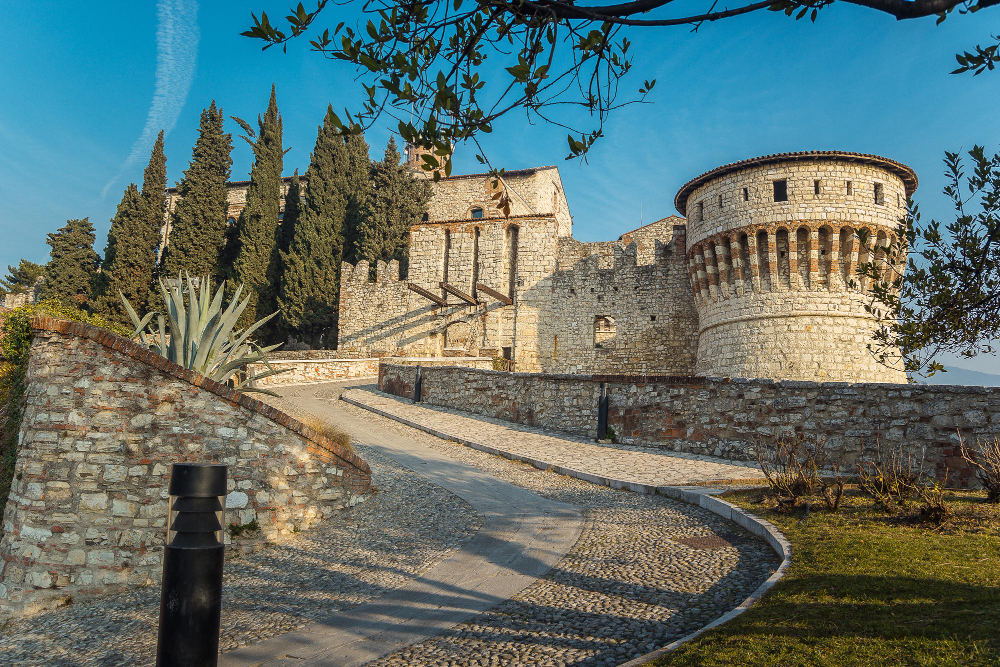
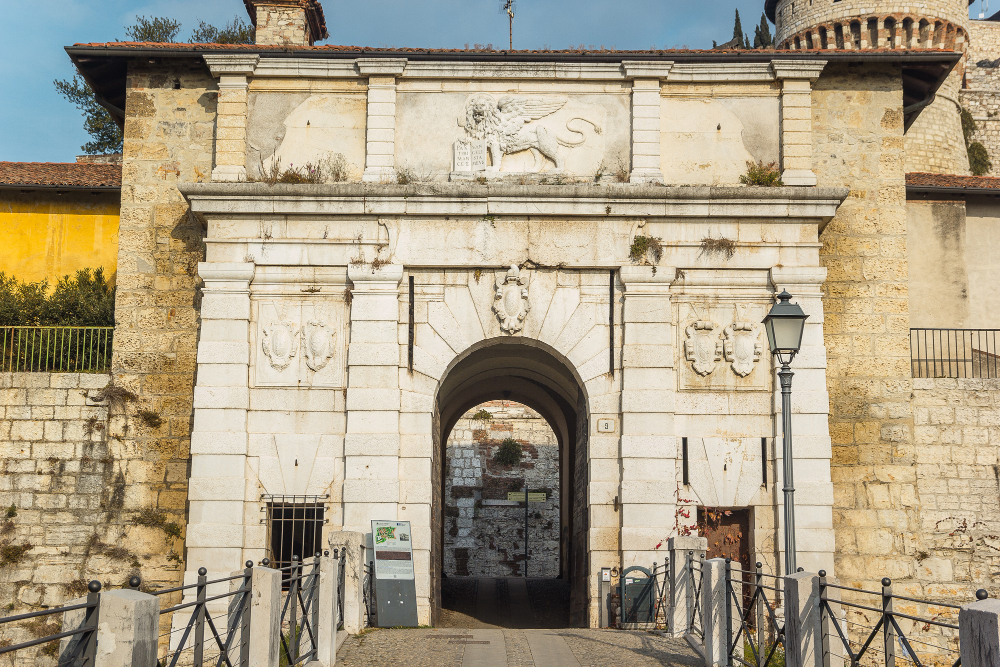
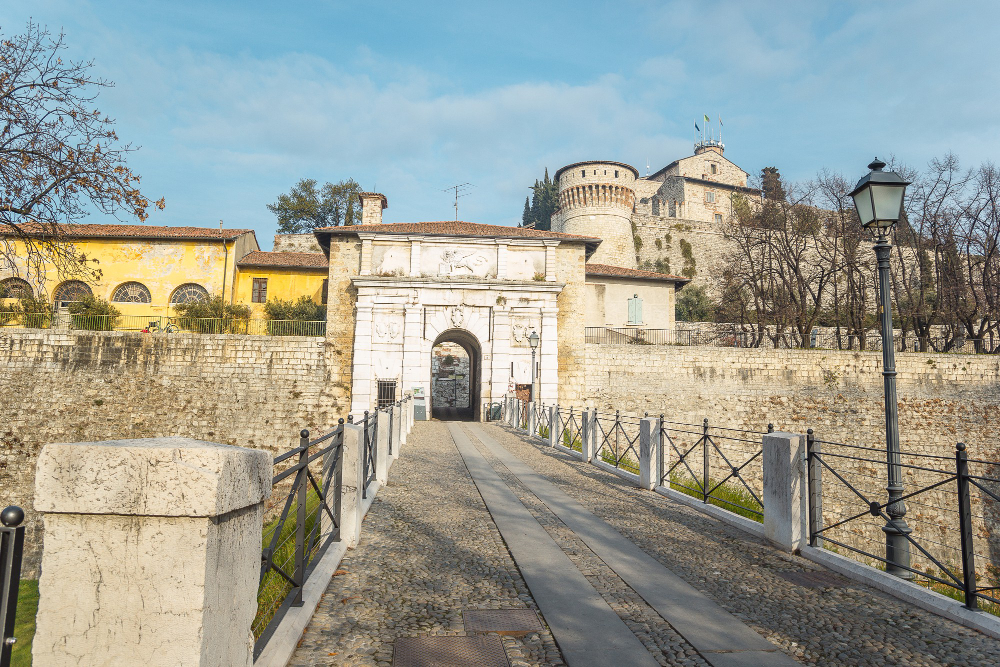
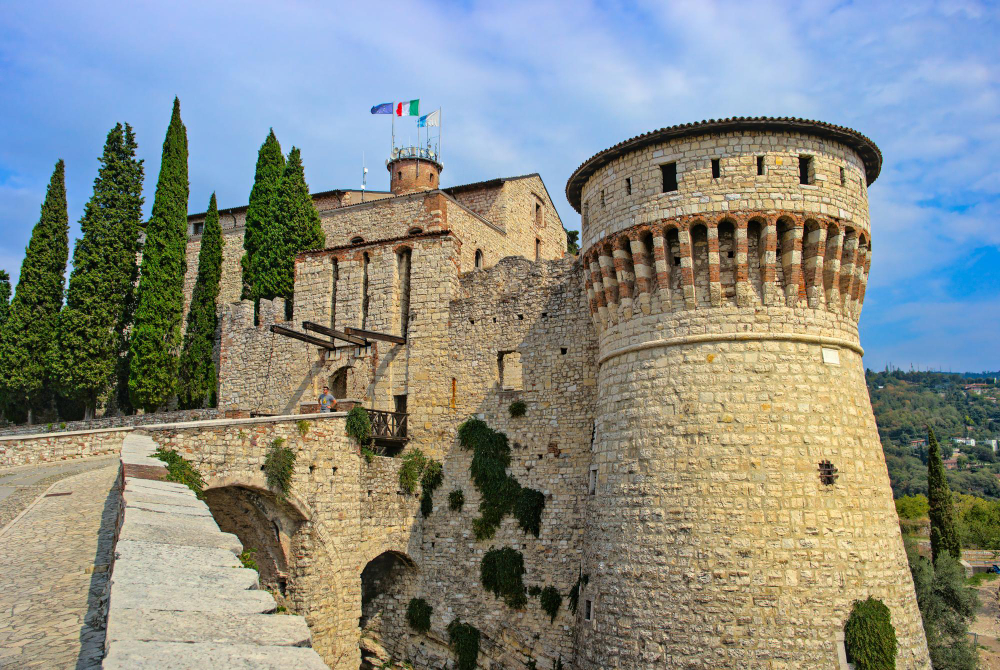
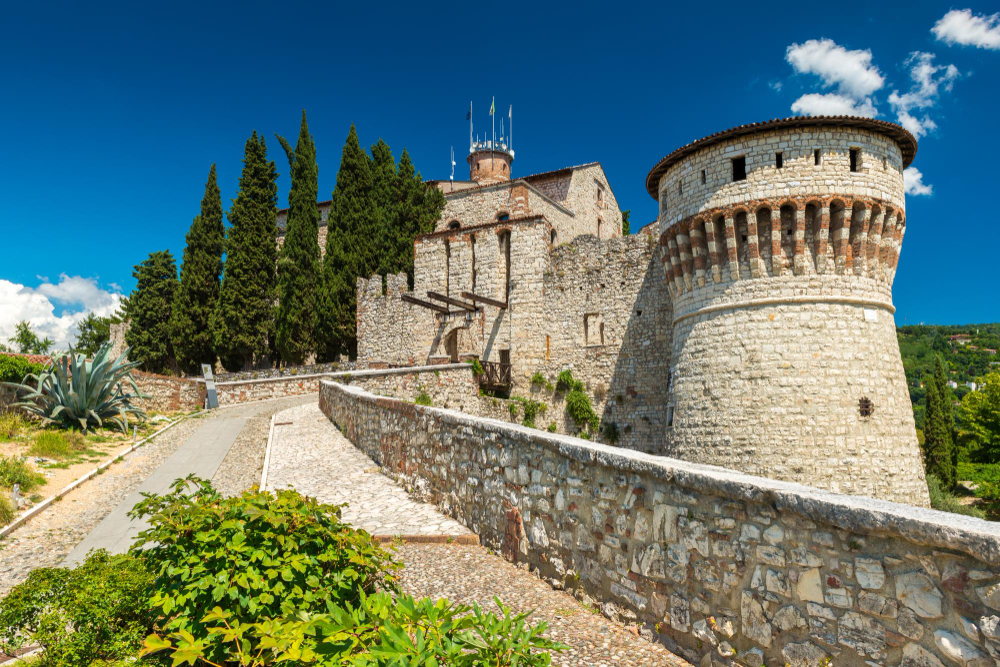
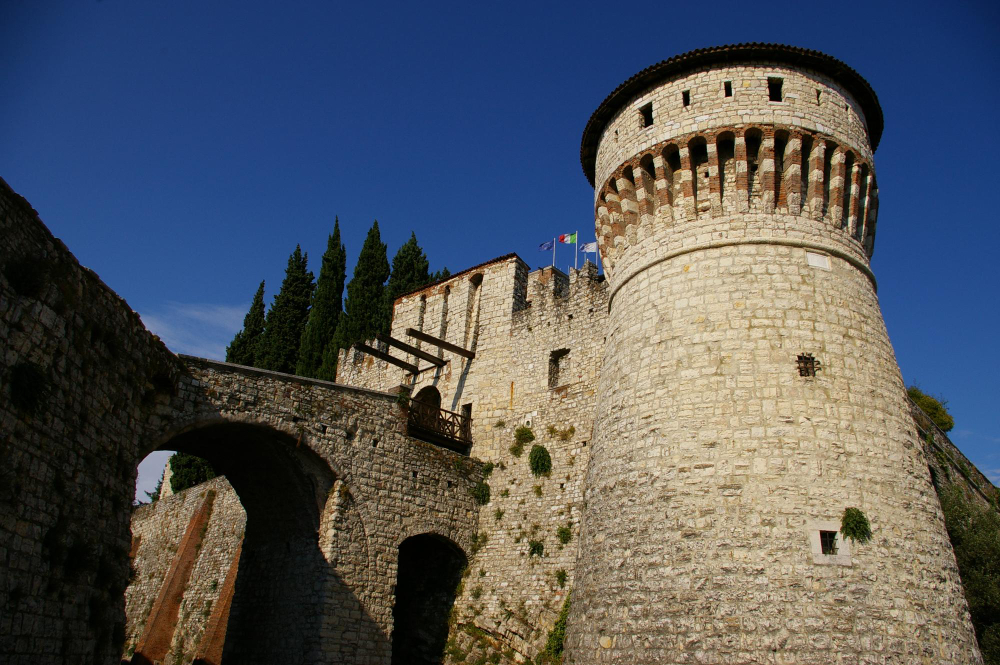
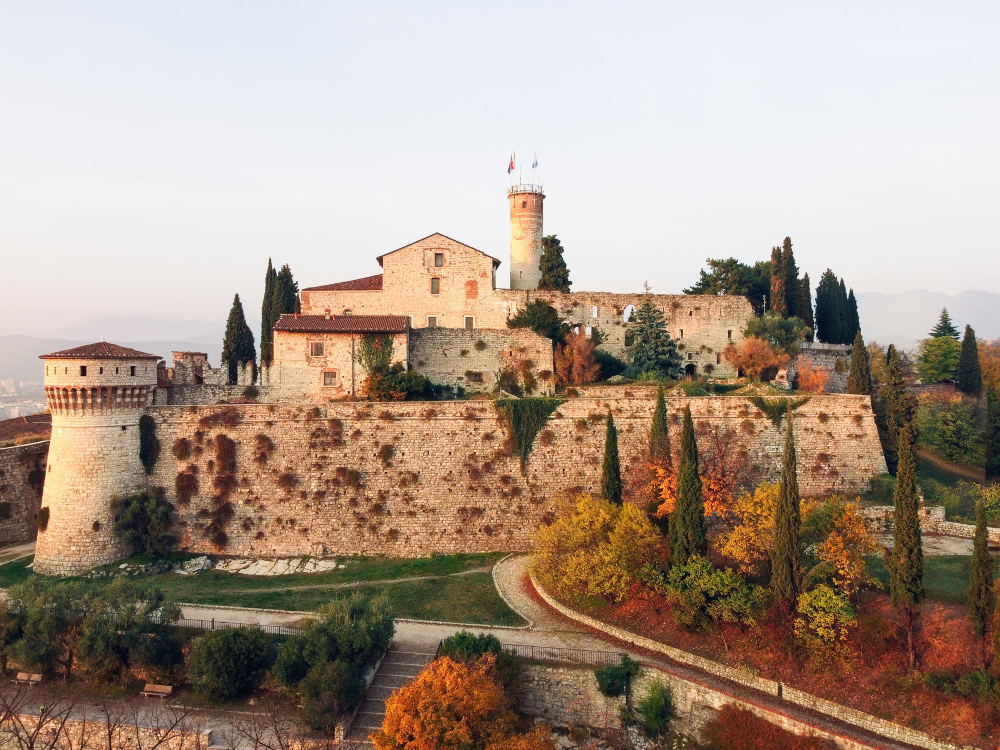
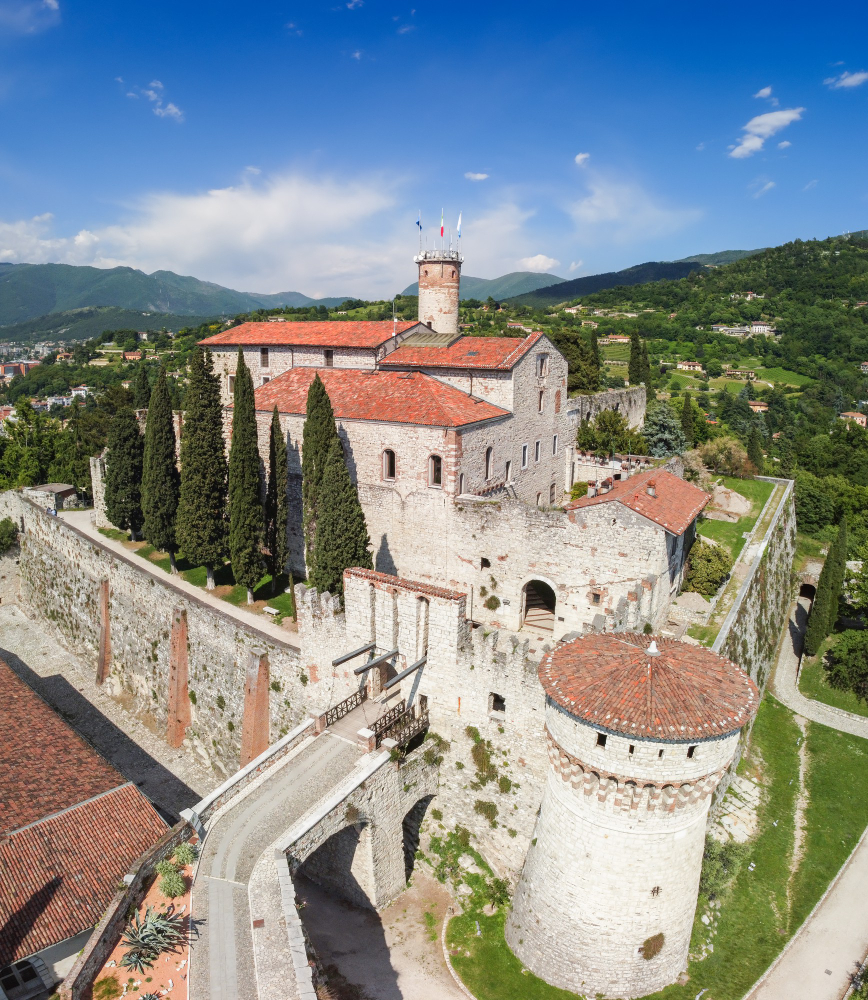
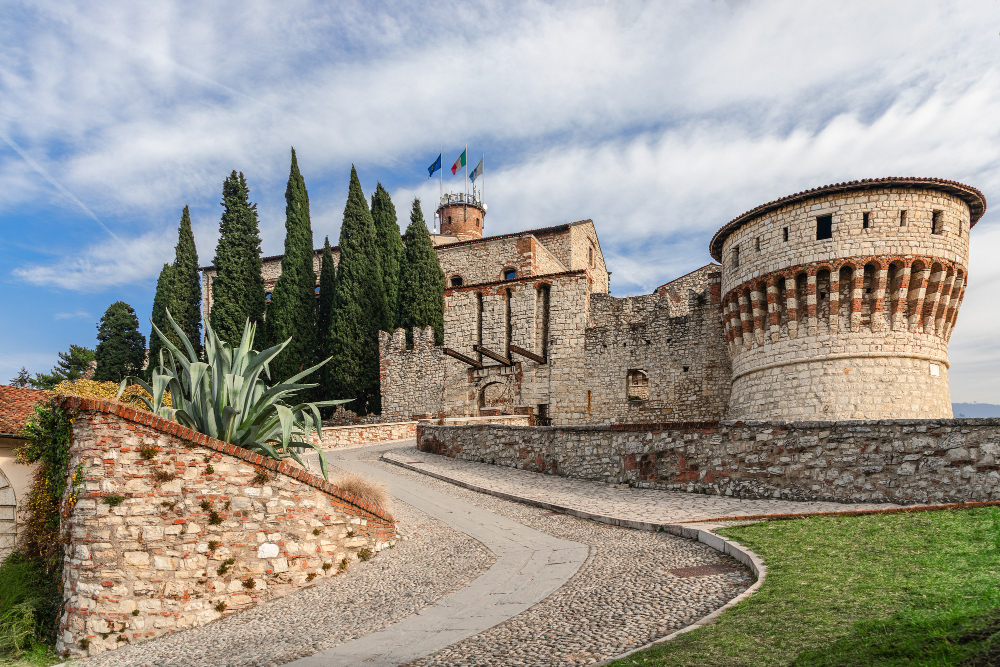
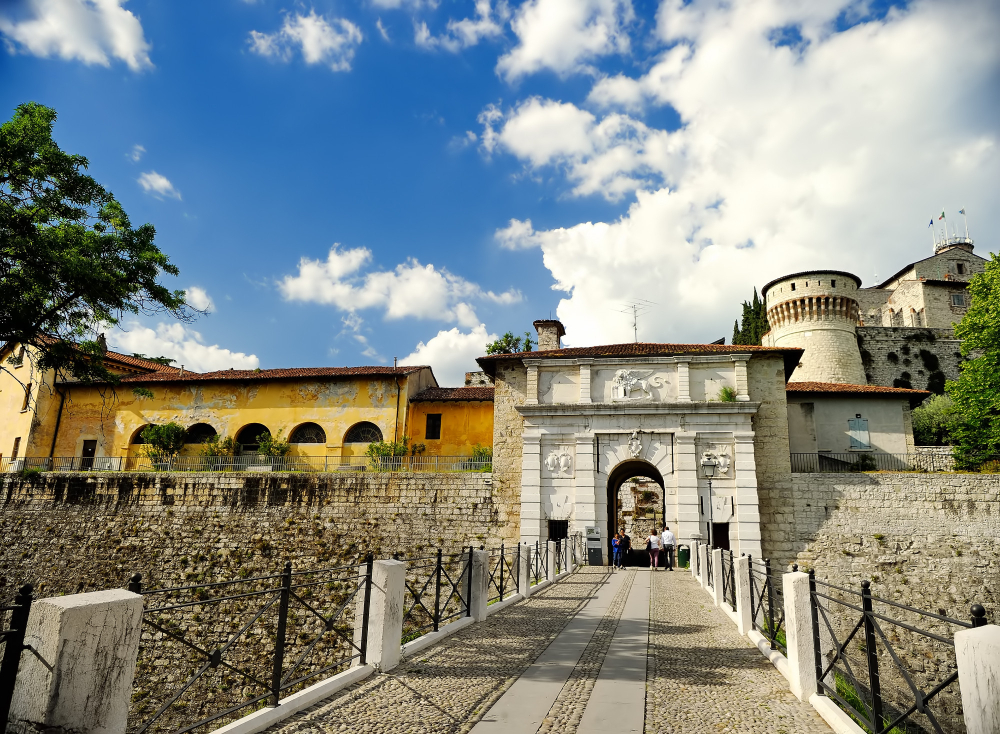
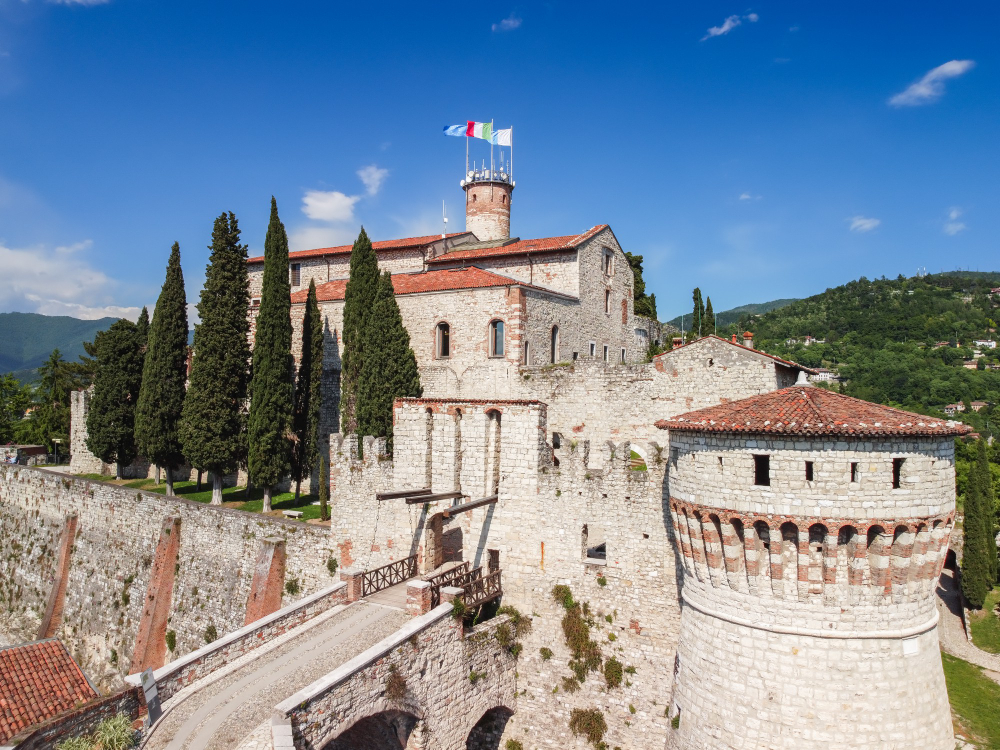
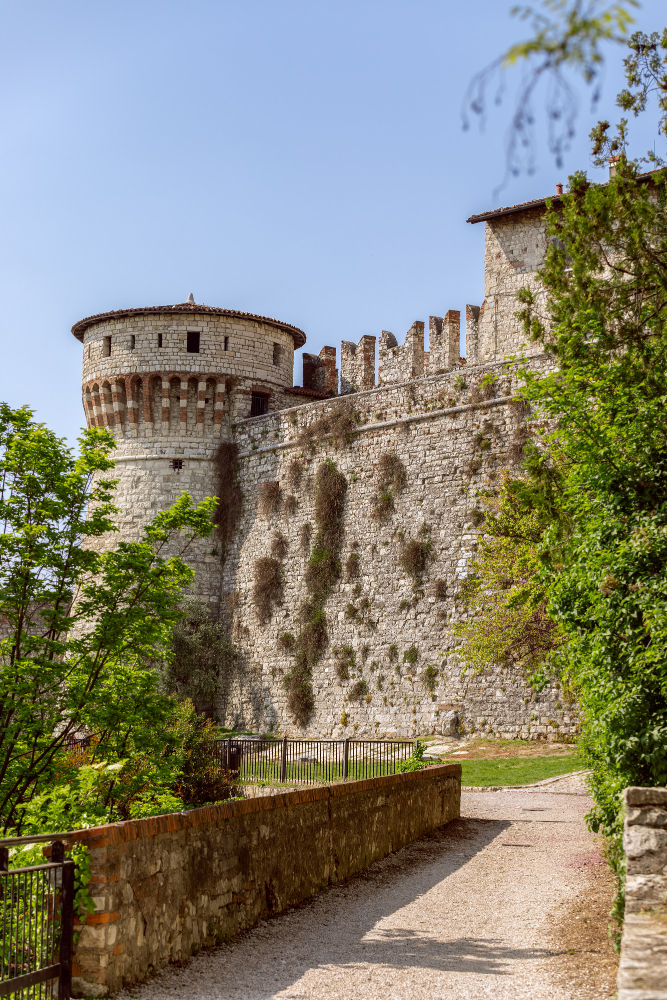
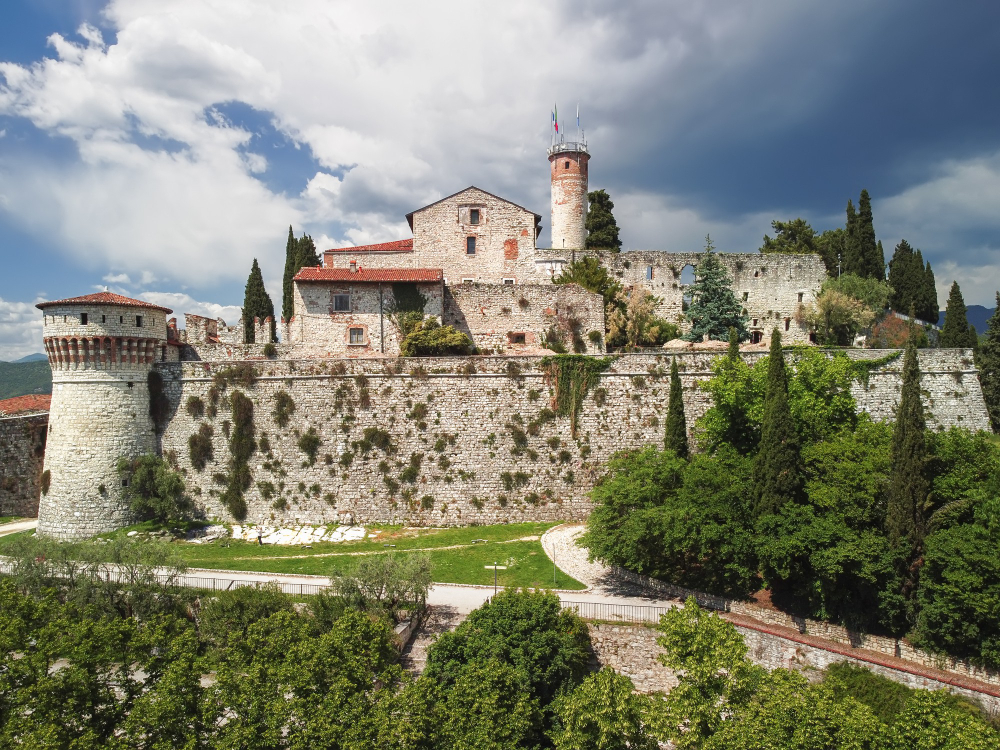
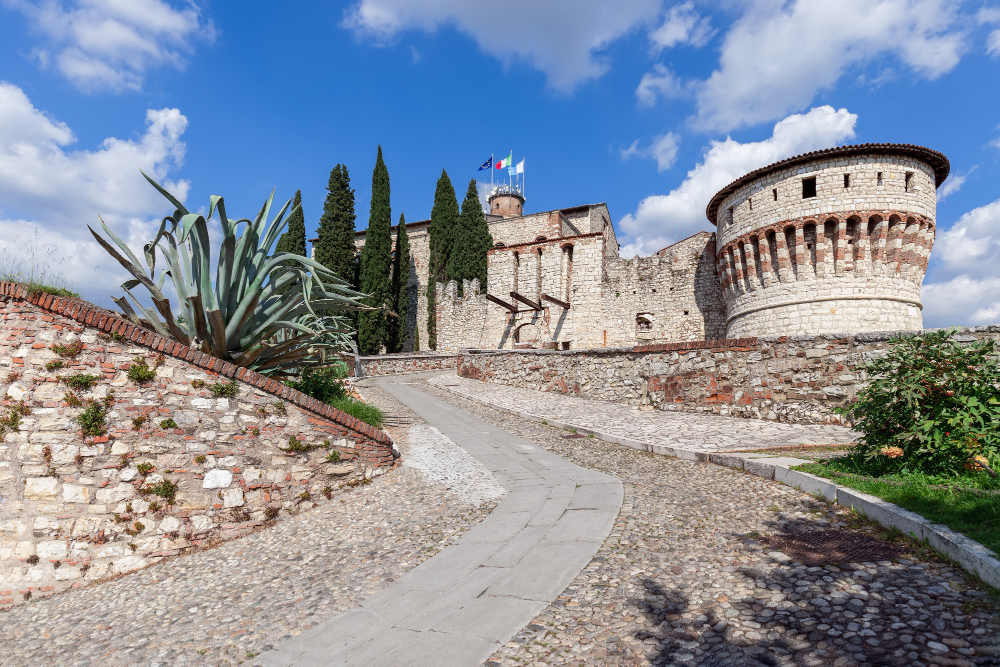
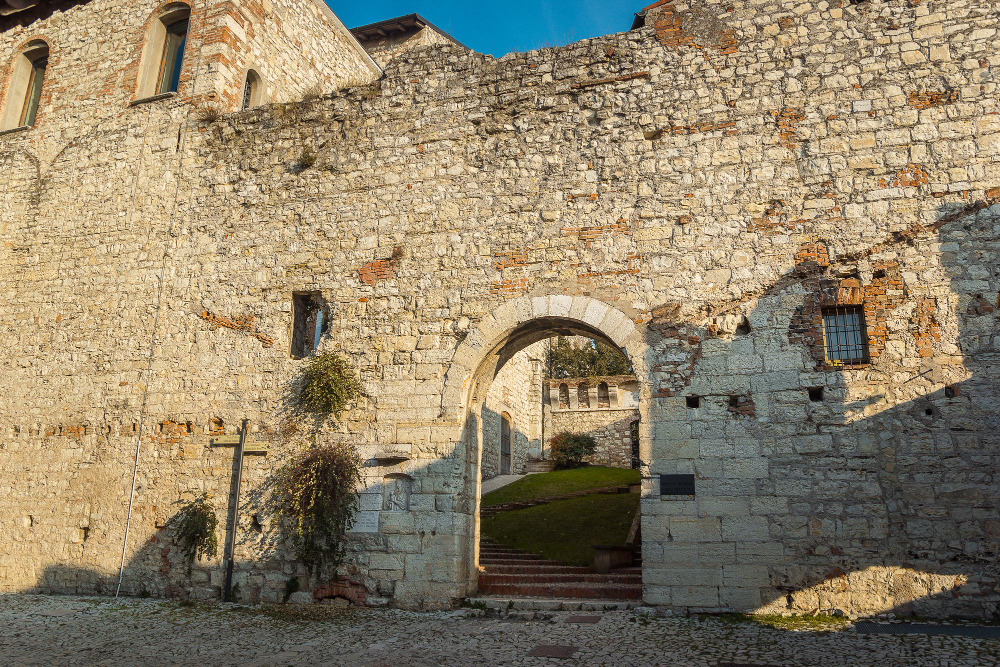
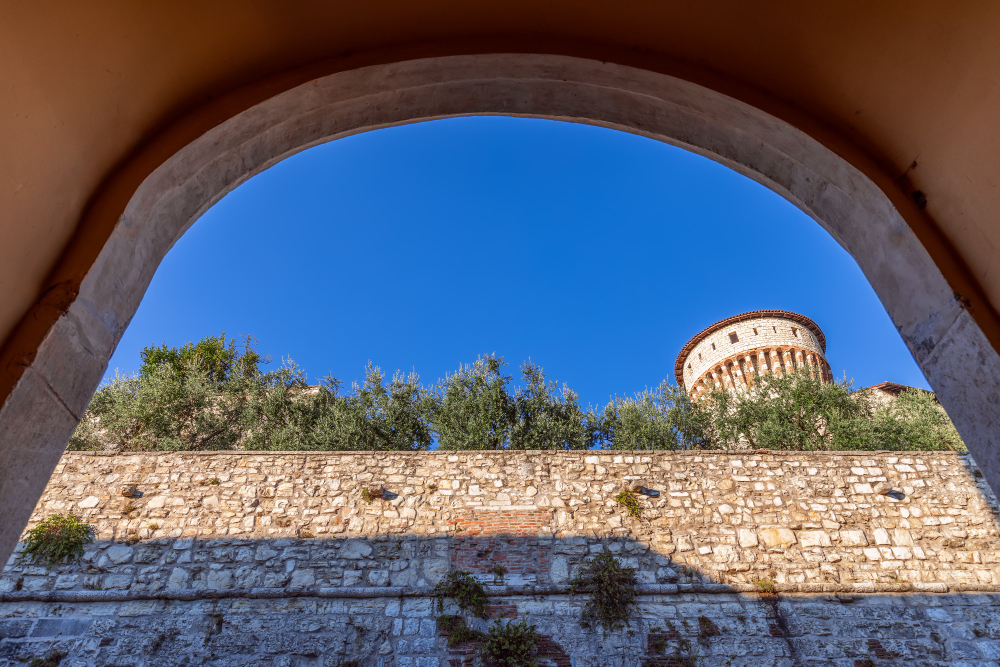
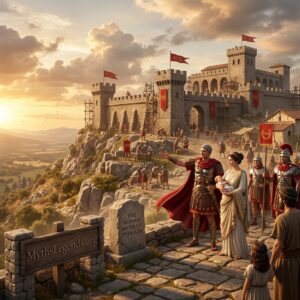
A Glimpse into the History of the Castello di Brescia – The castle has stood majestically atop Cidneo Hill since the Middle Ages, and its history dates back to Roman times. Originally, the hill was home to temples and fortresses before the current structure was built in the 14th century. Over the centuries, the Castello was continuously expanded and fortified, particularly by the Venetians, who ruled Brescia in the 15th century. During this period, the castle was transformed into one of the strongest fortresses in northern Italy. Its nickname “Falcone” (Falcon) likely stems from its elevated position, from which it overlooks the surrounding landscape like a watchful bird. But the Castello di Brescia is not only an architectural masterpiece; it is a symbol of defense and resistance. Time and again, it served as a bulwark against enemy invaders and as a refuge for citizens in times of uncertainty. Its walls tell of bloody battles, political intrigues, and a turbulent history that is closely intertwined with the city’s identity.
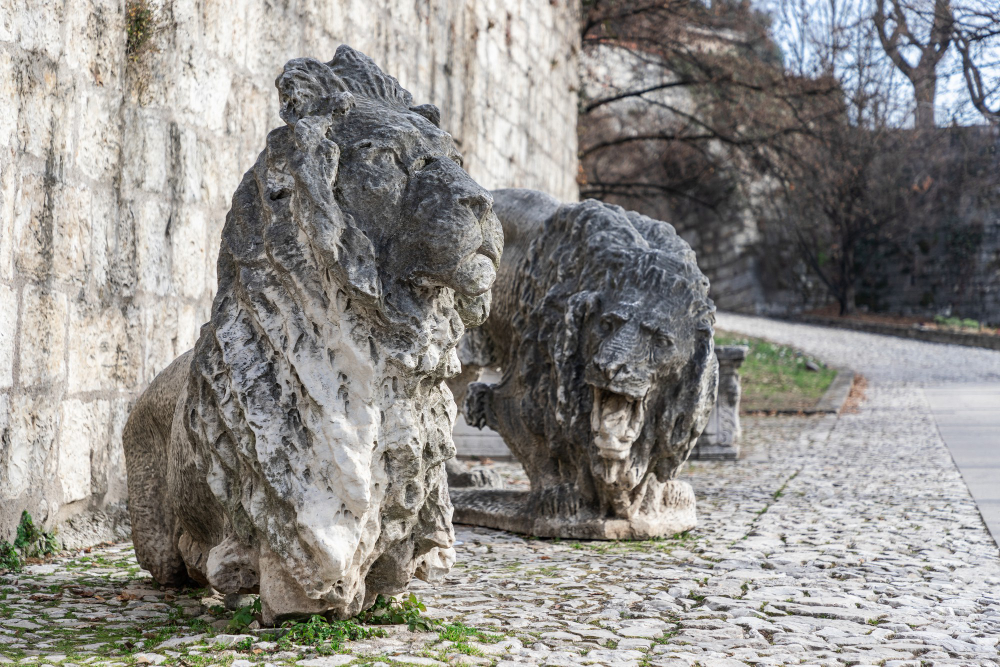
The “Lioness of Italy” Rises: Brescia During the Ten Days of Uprising – Perhaps the most famous episode in the history of the Castello di Brescia took place in the spring of 1849. Amid the turmoil of the Italian independence movements in the 19th century, Brescia rose up against the Austrian occupation that had ruled northern Italy for years. The so-called “Ten Days of Brescia” rank among the most glorious moments of this struggle and brought the city international fame. On March 23, 1849, the citizens of Brescia, united in their desire for freedom, launched an uprising against the Austrian troops under General Julius von Haynau. The Castello di Brescia played a central role in this. From here, the Austrian soldiers attempted to maintain control of the city, but the population put up fierce resistance. Women, men, children—they all fought with a passion that quickly earned Brescia the title “Lioness of Italy.” This name is an expression of admiration for the courage and determination of the city’s inhabitants, who defended themselves against military superiority with the most basic means. The resistance was indescribably brutal. Barricades were erected, improvised weapons were made, and every corner of the city became a battlefield. The Castello served both as a strategic fortress and as the center of the struggle for freedom. After ten days of intense fighting, the losses on both sides were enormous, but the Austrians eventually succeeded in quelling the uprising. Despite the defeat, Brescia remained a symbol of the indomitable Italian spirit. The courage the city displayed in those days contributed significantly to the legend of the “Falcone d’Italia.”
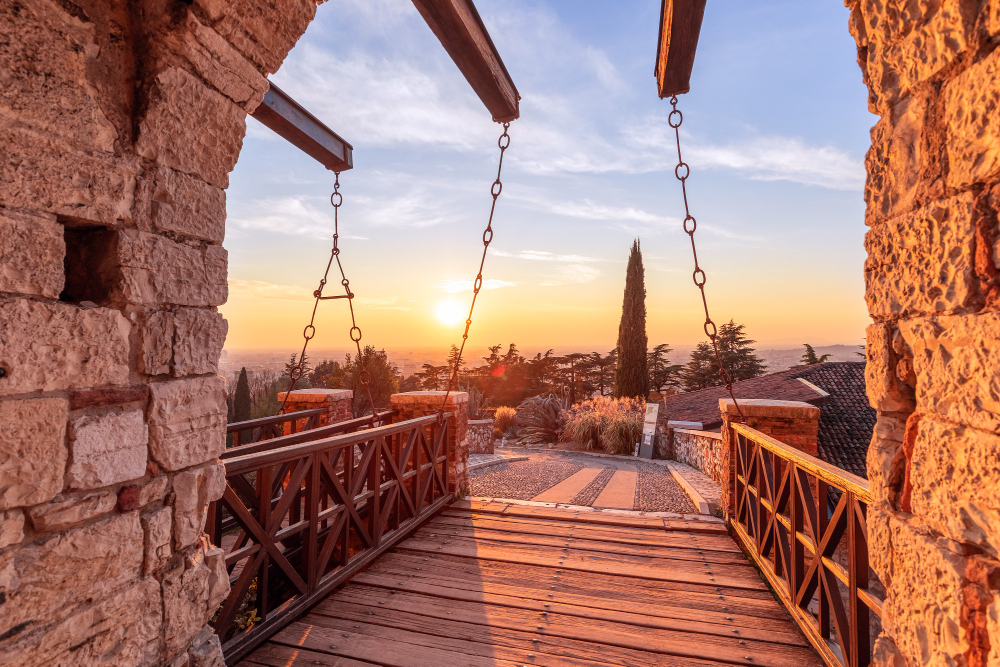
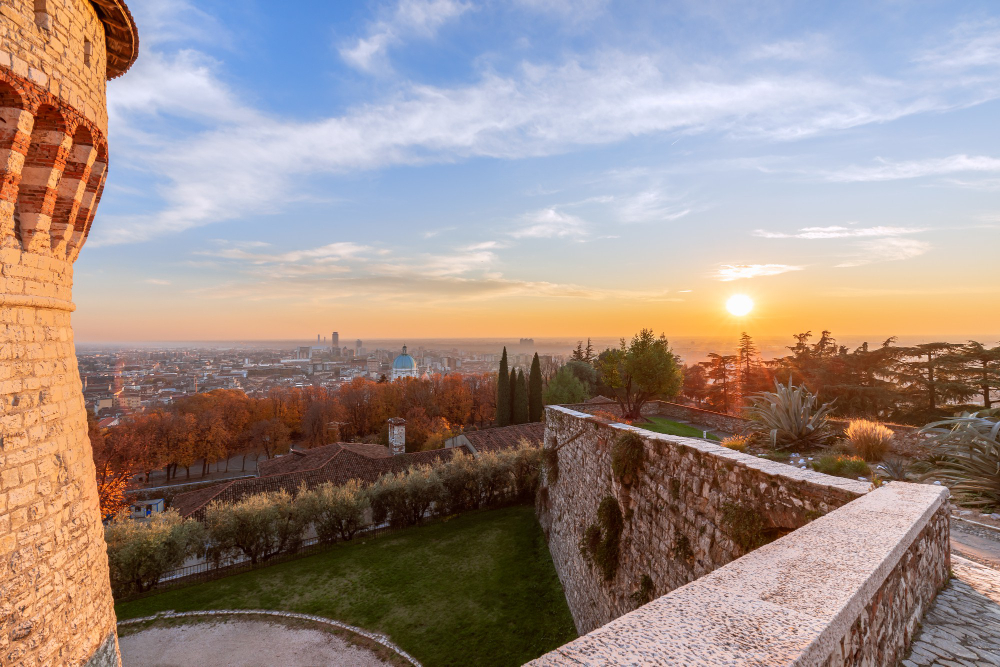
The Significance of the Castello di Brescia Over the Centuries – After the 1849 uprising, the Castello increasingly lost its military function. It served as a barracks for a time and was later partially converted into a museum. Today, the castle is an important cultural landmark of the city of Brescia. Visitors can stroll through its walls, feel the history, and at the same time enjoy a breathtaking view of the city. A particularly fascinating part of the castle is the Museo delle Armi Luigi Marzoli, which houses an impressive collection of historical weapons. This museum bears witness to the military significance of the region and the castle, particularly in connection with the wars of independence of the 19th century. Yet Venetian influences are still visible everywhere, with their unique blend of military strength and artistic elegance.
Myth and Identity: The “Falcone d’Italia” as a Symbol – The name “Falcone d’Italia” is far more than a geographical or architectural description. It embodies the soul of Brescia: strong, proud, and independent. The legend of the Castello di Brescia was immortalized by the events of 1849, yet its significance extends far beyond that. For the people of Brescia, the castle is not only a testament to the past but also a place of identification and inspiration. This symbol of resilience and devotion has shaped generations over the years. It serves as a reminder that even in the darkest times, hope and courage can endure. The legend of the “Falcone” demonstrates how deeply history can be rooted in a community and how that history paves the way to the future.
The Connection Between Past and Present – Today, the Castello di Brescia invites people from all over the world to experience history up close. Whether on a guided tour through the historic walls or at cultural events that take place regularly in the castle—the spirit of the “Falcone d’Italia” lives on. It stands as a monument to those who fought for freedom and as a reminder of the value of independence and community. The castle’s significance goes beyond scholarly analysis; it is rooted in emotion, spirituality, and culture. Brescia has earned its place in Italian and European history, and the Castello remains an indispensable part of it.
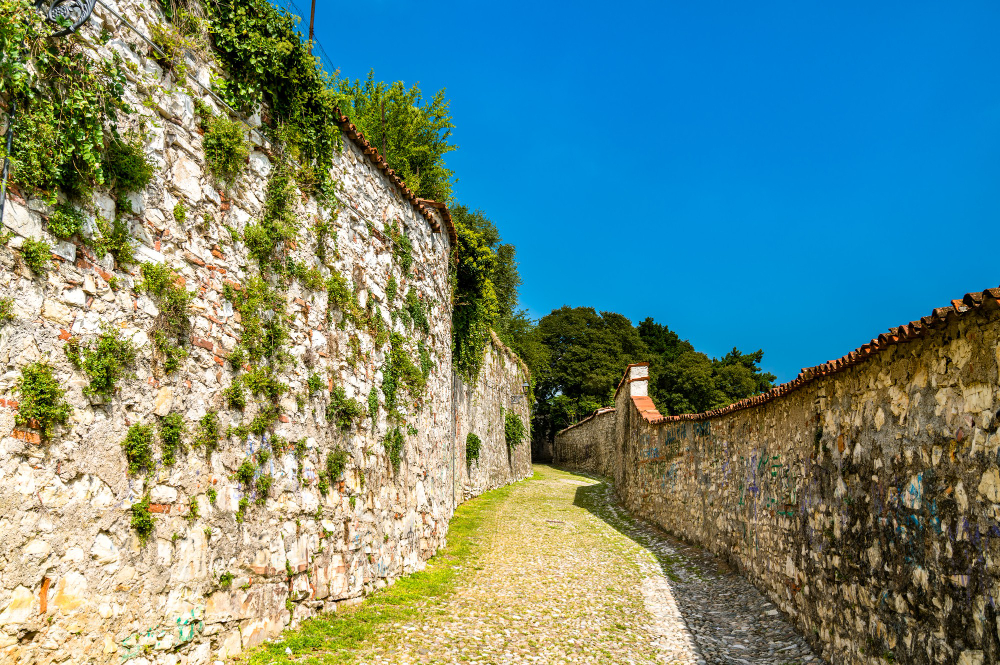
A Place Full of History and Inspiration – The Castello di Brescia, proudly known as the “Falcone d’Italia,” continues to stand as a symbol of the strength and courage of a city that never surrendered despite overwhelming obstacles. Its history, particularly the events of the Ten Days of 1849, make it one of Italy’s most important cultural and historical landmarks. With its thick stone walls and majestic view over the landscape, the castle tells of past struggles and calls on us to preserve the values of freedom and community. Visitors, historians, and residents alike recognize in this monument the essence of Brescia: a city that fights like a lion and watches over its achievements like a hawk. When you touch the stone walls or enjoy the view from Cidneo Hill, you feel connected to history and get a sense of what it means to have been part of a passionate struggle for freedom.






Post Comment