The Colossus of Rhodes: Myth, Legend and Reality of a Wonder of the World
The ancient world remains renowned to this day for its monumental structures, which not only made history but also captured the imagination of people. One of the most fascinating Wonders of the World of that era was the Colossus of Rhodes – a gigantic bronze statue of the sun god Helios, unique in its splendour and significance. This impressive structure, completed around 292 BC, is counted amongst the Seven Wonders of the Ancient World and still holds a firm place in humanity’s collective memory. But what lies behind its myth and history? Let us delve into the world of this extraordinary structure.
A statue as a symbol of triumph – The creation of the Colossus of Rhodes is inextricably linked to a significant historical event: the successful defence against the siege led by Demetrius I Poliorcetes in 305–304 BC. At that time, the city of Rhodes was regarded as a strategic hub in the Aegean, which is why it was drawn into the conflict between the successors of Alexander the Great. When the city was besieged, its defeat seemed inevitable – the enemy possessed vast military resources, including the enormous siege engine Helepolis (‘City-Destroyer’). Yet the inhabitants of Rhodes firmly believed that their patron god, Helios, had come to their aid. According to legend, he is said to have inspired the Rhodians to dig a trench beneath the machine during the night. The following morning, the machine toppled into the trench and blocked the breach in the city wall, forcing the besiegers to retreat. The Rhodians not only celebrated this triumph but also immortalised it for posterity. In their pride and gratitude towards Helios, they resolved to erect a monument of unprecedented scale in his honour – a colossal statue intended to depict the god enthroned above all else. The project was financed with the proceeds from the abandoned war machinery, which was sold as scrap metal. The commission for its construction went to the renowned sculptor Chares of Lindos, a pupil of the famous Lysippos.
The Construction of the Colossus: A Technical Masterpiece and Mysterious Methods – Erecting a bronze statue over 30 metres tall was a technical challenge that took twelve years to complete. Although there are no precise records of the construction techniques used, archaeological finds suggest that the statue was cast in large individual sections and assembled on site. Historical sources speak of gigantic quantities of material: it is said that around 15 metric tonnes of bronze and 9 metric tonnes of iron were used in its construction. The account by the ancient writer Philo of Byzantium continues to provoke debate and confusion to this day. He claimed that the figure was cast directly on site in several layers – a method which, whilst technically possible, is regarded as unlikely by modern archaeologists. One reason for this is that such a construction method would have required the piling up of large quantities of earth, the remains of which would still be visible in the landscape today. As such evidence is lacking, Philo’s description is regarded as a mixture of facts and speculation.
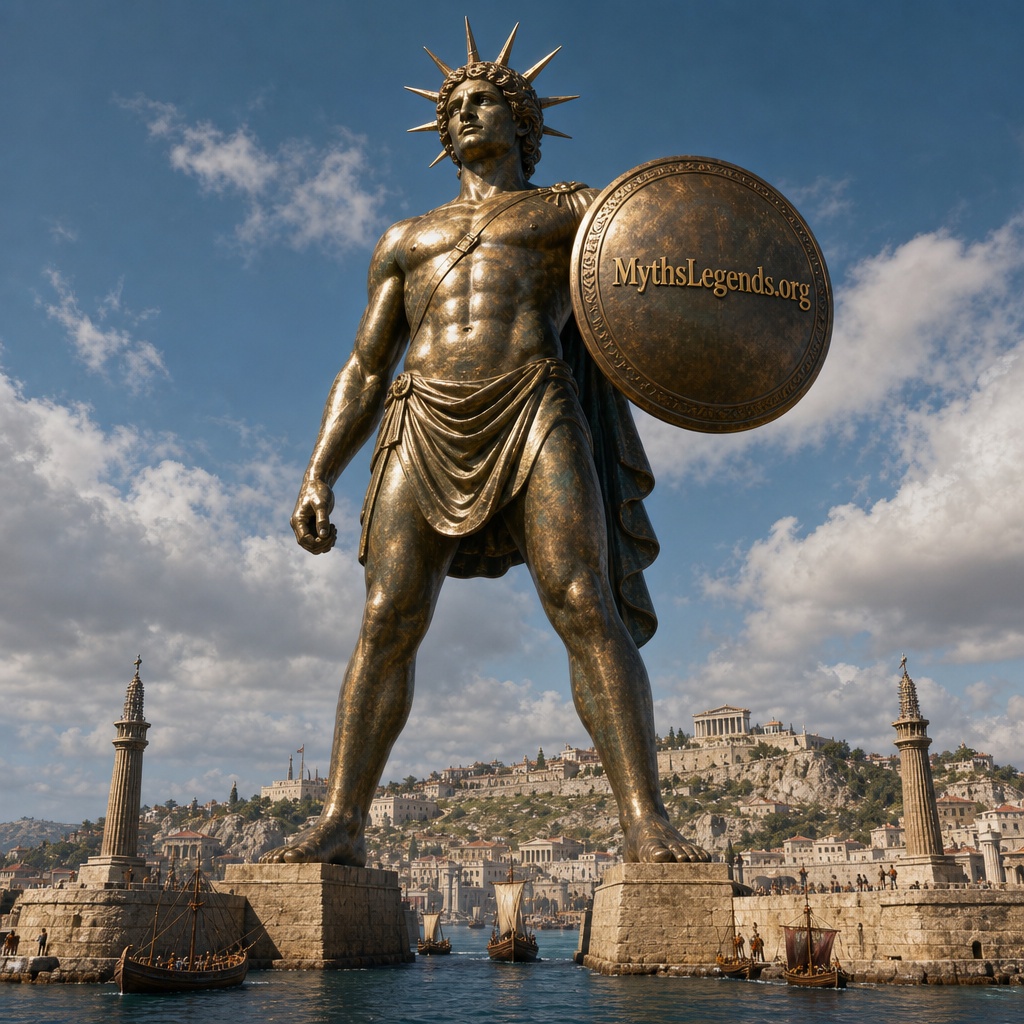
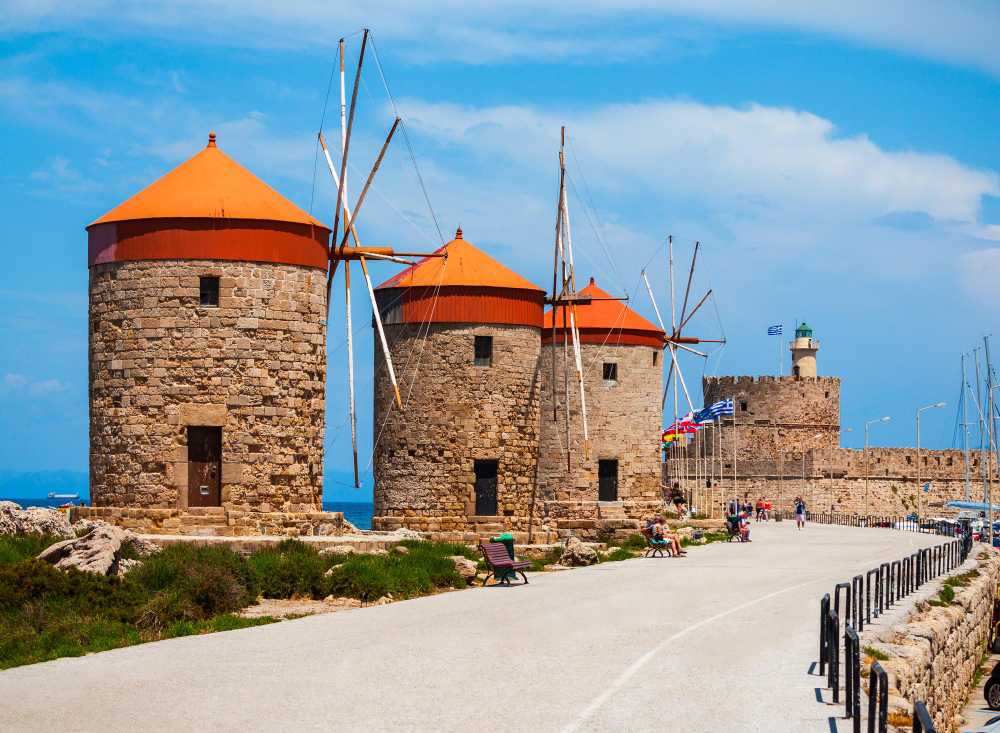
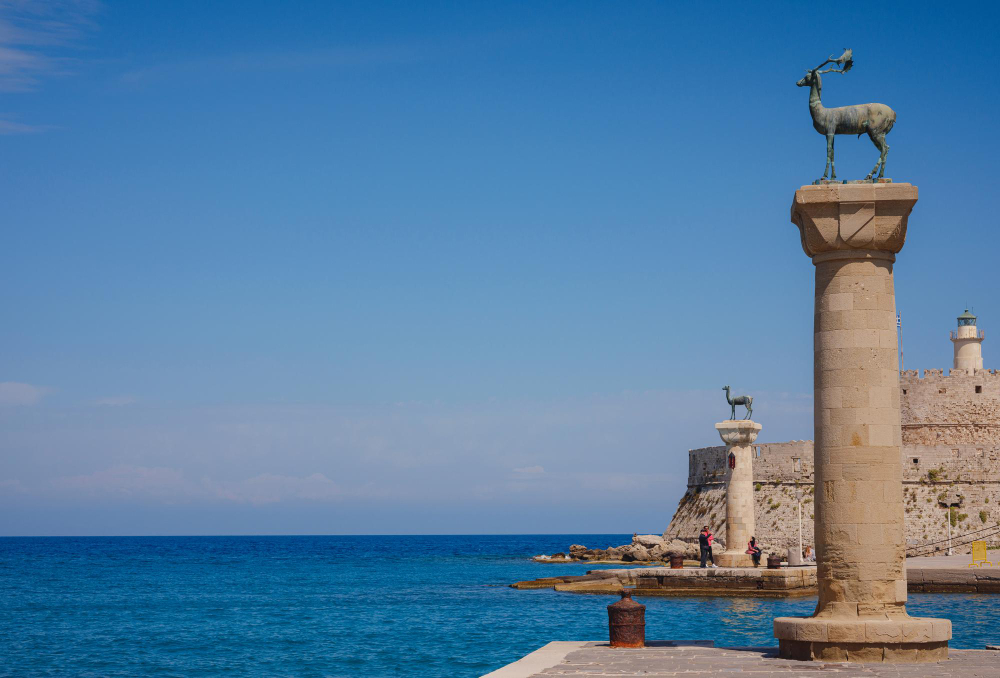
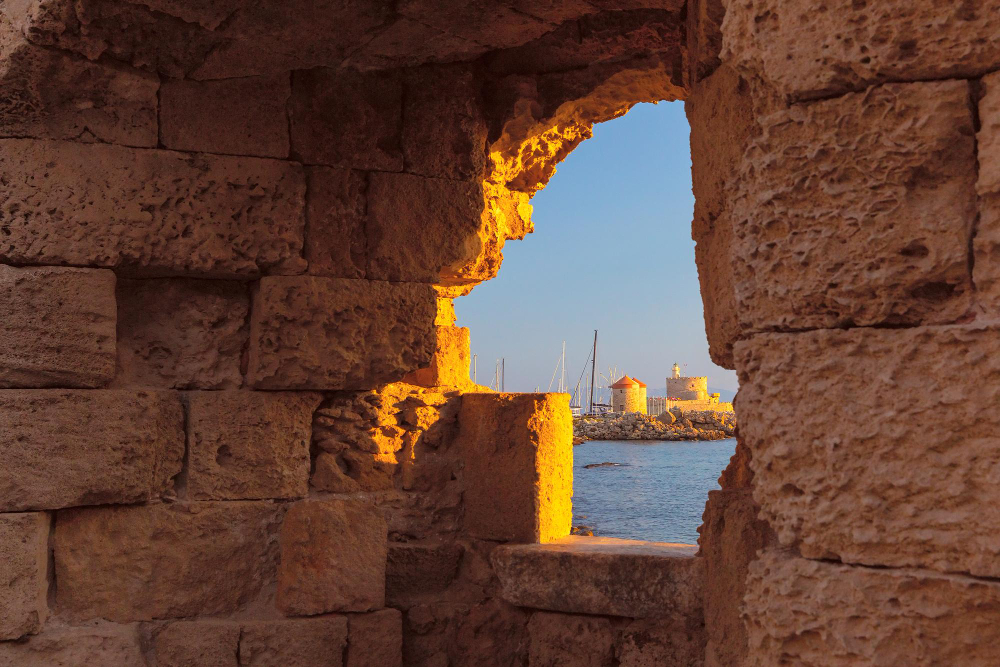
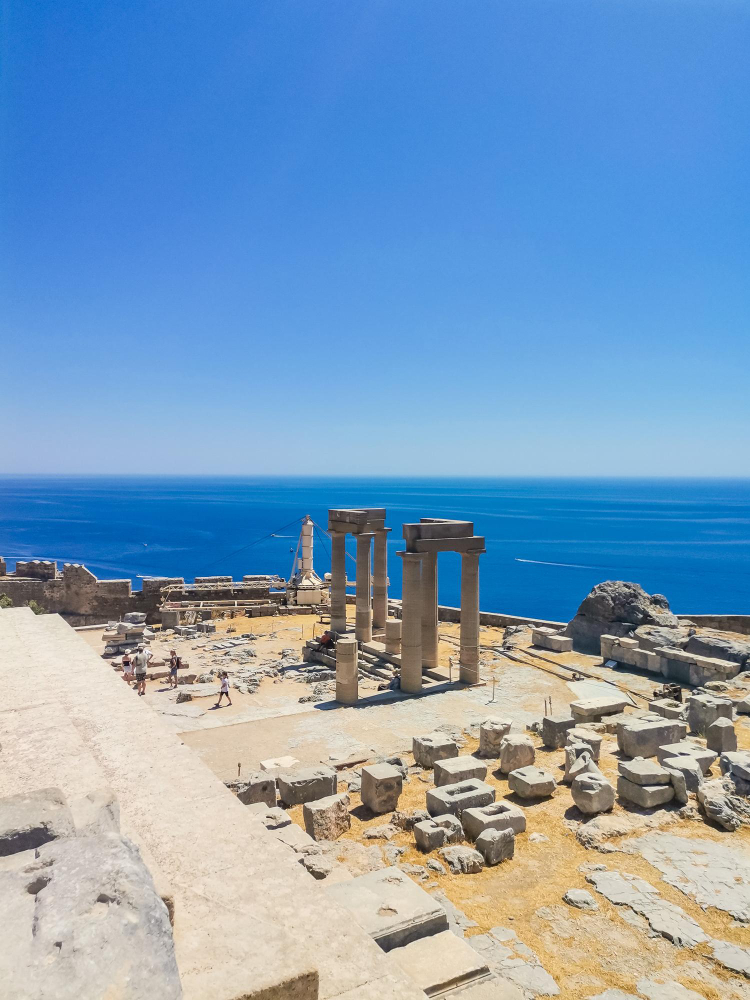
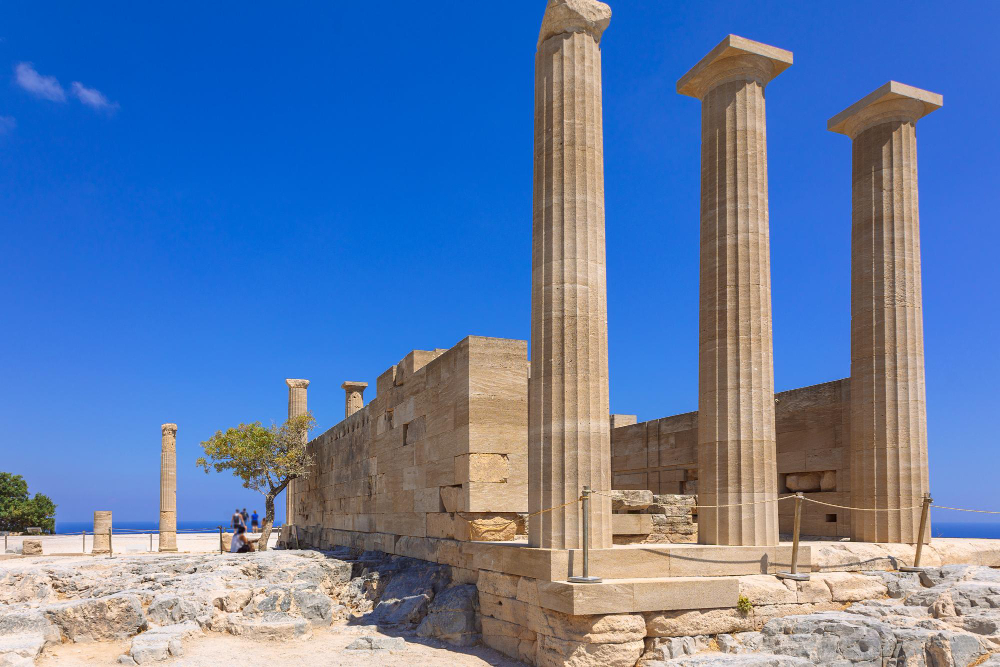
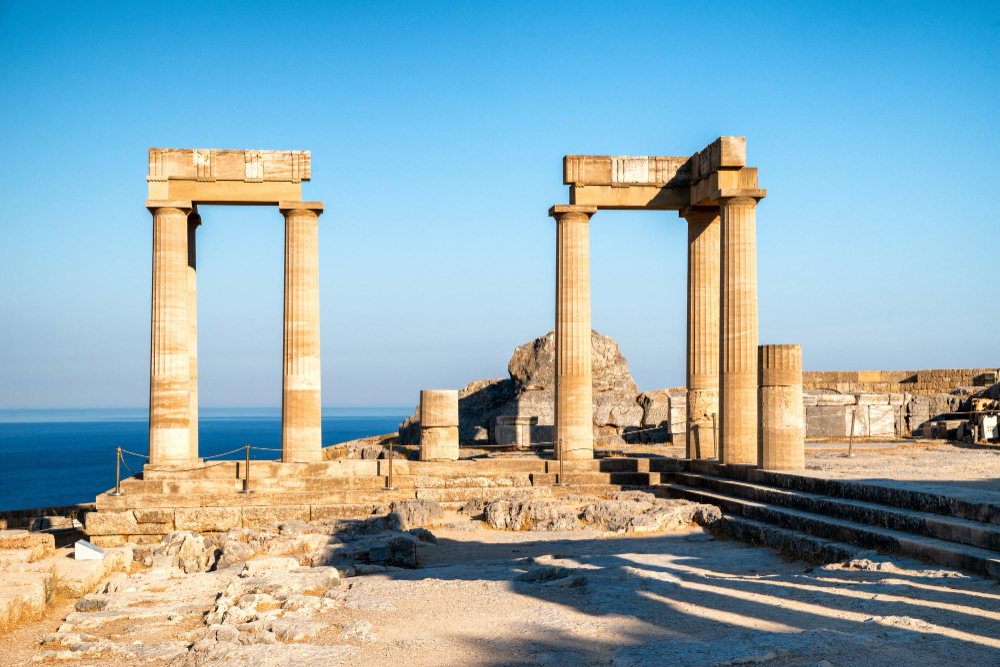
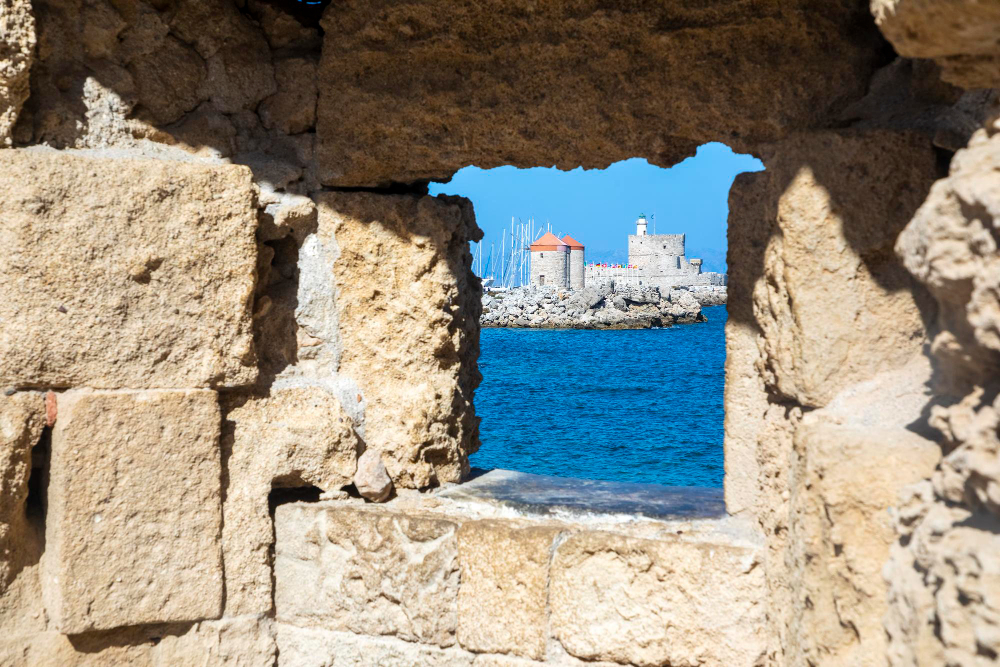
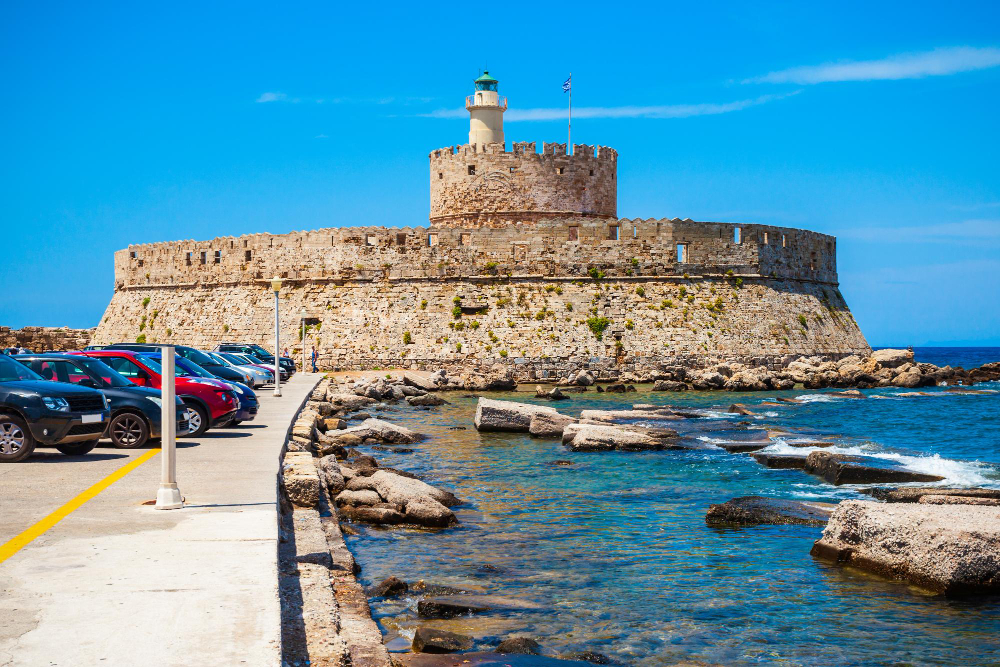
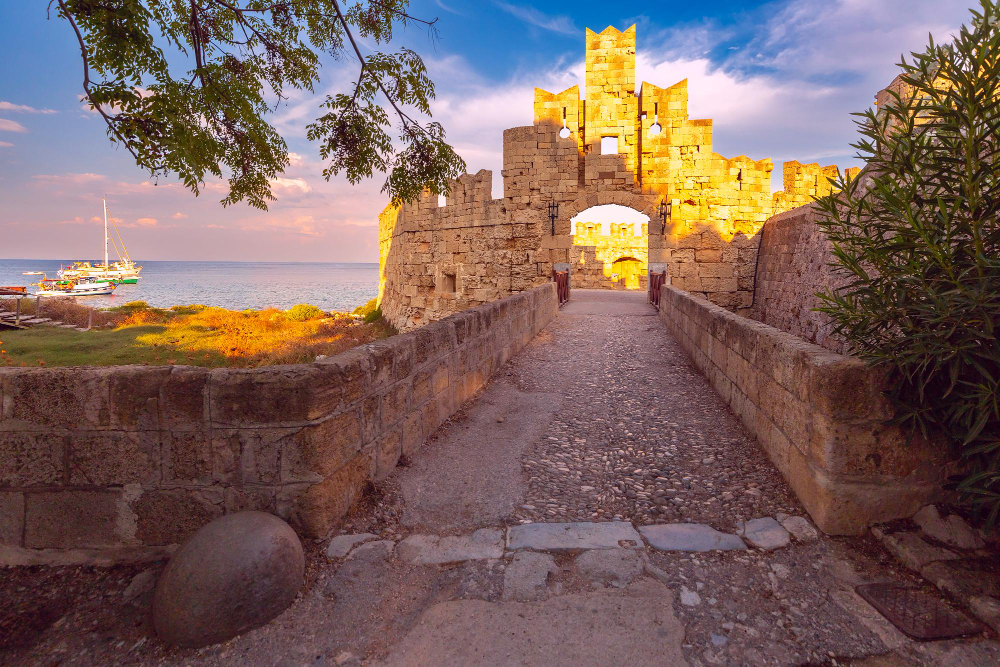
Location and Design: Between Reality and Legend – Another mystery surrounding the Colossus of Rhodes is its original location. Although the statue was a votive offering to the sun god, there is no clear evidence as to where exactly it stood. Some researchers suspect that the Colossus stood in the city-state’s main sanctuary, yet even this location has not yet been definitively determined. Other theories point to prominent sites such as St Nicholas’s Pier or the Acropolis, but none of these hypotheses has yet been confirmed beyond doubt. It also remains unclear what the Colossus originally looked like. As no contemporary depiction of the statue exists, all ideas about its appearance are based on conjecture. The statue probably depicted a young man with a halo, symbolising the god Helios. Coins from that period, minted with the image of the sun god, may have served as a model. What is interesting, however, is the widely held depiction in later centuries that the Colossus stood with its legs spread wide across the harbour entrance of Rhodes, allowing ships to pass beneath its legs. As impressive as this depiction may be, historically speaking it is demonstrably false. It originated during the era of the Crusaders and was later popularised by artists such as Maarten van Heemskerck. Scholars regard this as a misinterpretation of ancient texts – an interesting anecdote about how legends arise and evolve.
The Fall of the Colossus: Destruction and Legacy – Unfortunately, the Colossus’s lifespan was limited. A massive earthquake that struck Rhodes around 226/225 BC snapped the statue at the knees, causing it to collapse. Although financial aid for the reconstruction of the monument was offered from all over Greece, the Colossus remained in ruins. According to one tradition, an oracle was to blame – it is said to have advised the inhabitants not to rebuild the statue, lest another catastrophe befall them. The remains of the Colossus, however, remained an attraction: for almost 900 years, visitors marvelled at the massive bronze sections, which were so large that even giant men could barely encircle the statue’s thumb. Another legend tells that in the year 654, the Arabs collected the metal from the statue and shipped it to Edessa, where it was purchased by a merchant and transported away by nearly 1,000 camels. Whether this story actually took place remains unclear, but it reflects the fascination that the Colossus continued to exert even centuries after its collapse.
The Colossus in Art and Culture -The fascination with the Colossus of Rhodes lives on to this day. It has been depicted many times in art – particularly during the Renaissance, when the legend of the striding guardian of the harbour was brought to life. Well into the 19th century, these depictions shaped the image of the Colossus, which is still present today in souvenirs and artistic reconstructions. Last but not least, the Colossus also inspired the world of film: the Italian director Sergio Leone dedicated a feature film to it in 1961, which retold the legend in an epic manner. Although the portrayal in the film does not correspond to historical facts, it nevertheless illustrates the cultural significance that this ancient monument continues to hold to this day.
The Colossus of Rhodes is far more than just a gigantic statue – it symbolises the will to triumph and the creativity of a city-state that held its own against all odds. The history, technology and legends surrounding this wonder of the world illustrate just how much monuments can inspire the human imagination. Even though the Colossus no longer exists today, it has found its place in history and popular culture – and remains a symbol of the power of human imagination and the tireless will to achieve great things.















Post Comment