Santiago de Compostela: Myth and History of a Major Pilgrimage Destination
The Spanish city of Santiago de Compostela, one of the world’s most famous pilgrimage destinations, owes its legendary reputation to a striking blend of faith, history and mysticism. In particular, the legend of St James the Apostle, one of Jesus’ twelve disciples, plays a central role in the origins and significance of this extraordinary site of Christian faith. But what really lies behind the story that has inspired millions of people to embark on the arduous journey to Galicia? A search for clues that delves deep into the meaning of the myth brings interesting details to light.
The Legend of the Rediscovery – The origins of the myth of Santiago de Compostela date back to the year 813 AD, when a shepherd named Pelayo is said to have observed an extraordinary celestial phenomenon in a remote part of Galicia. A bright, supernatural light is said to have indicated the exact location of the tomb of the Apostle James – also known as ‘Santiago’. Inspired by this miracle, Pelayo reported his observation to the local bishop, Theodomir. Excavations were subsequently carried out at this site, during which human remains were indeed discovered. The belief that these were the mortal remains of Saint James quickly spread. The name ‘Compostela’, by which the city is known today, is often derived from the Latin term campus stellae, meaning ‘field of stars’. This is a direct reference to the supernatural light that is said to have revealed the Apostle’s resting place. Other scholars, however, see ‘Compostela’ as a derivation of the Latin compositum tellus, meaning ‘well-ordered soil’, and thus offer a more secular interpretation. Regardless of the exact origin of the name, this legendary rediscovery clearly marked the beginning of an impressive spiritual tradition that continues to this day.
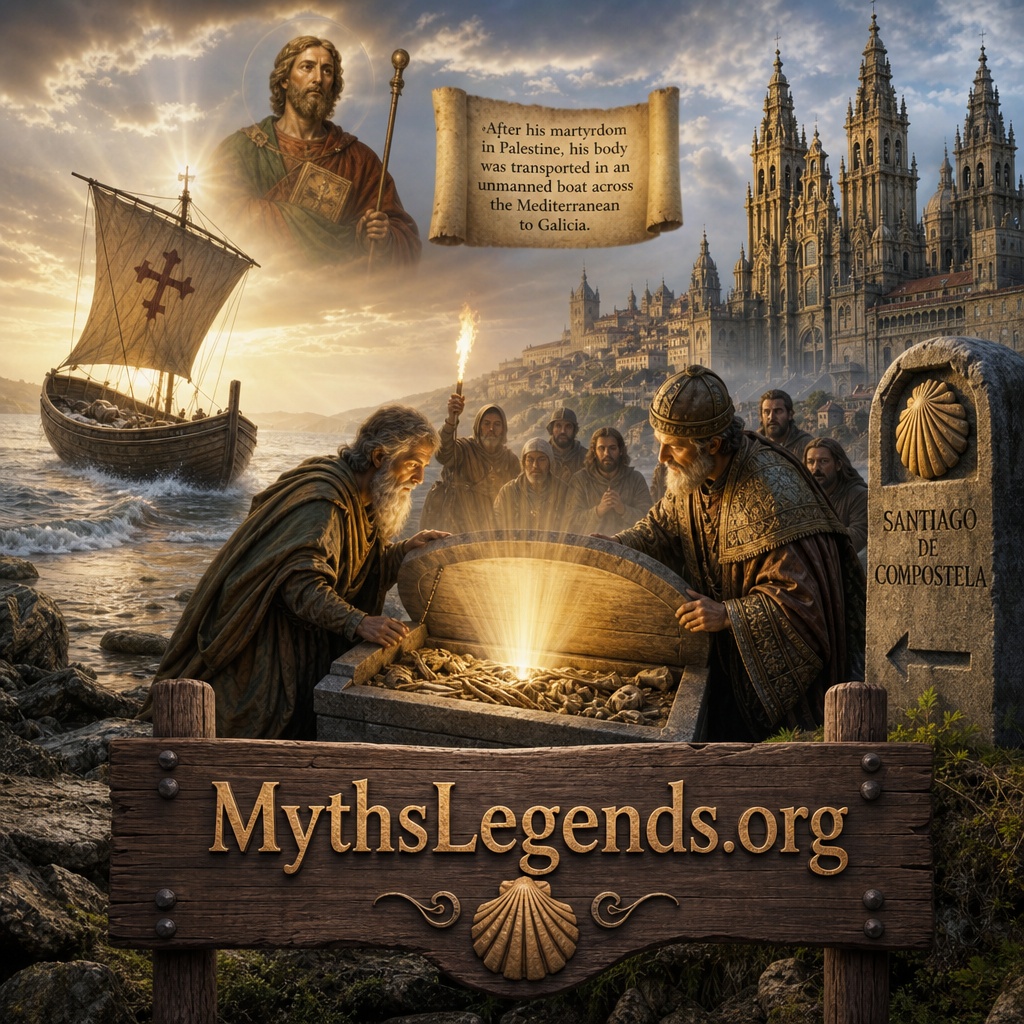
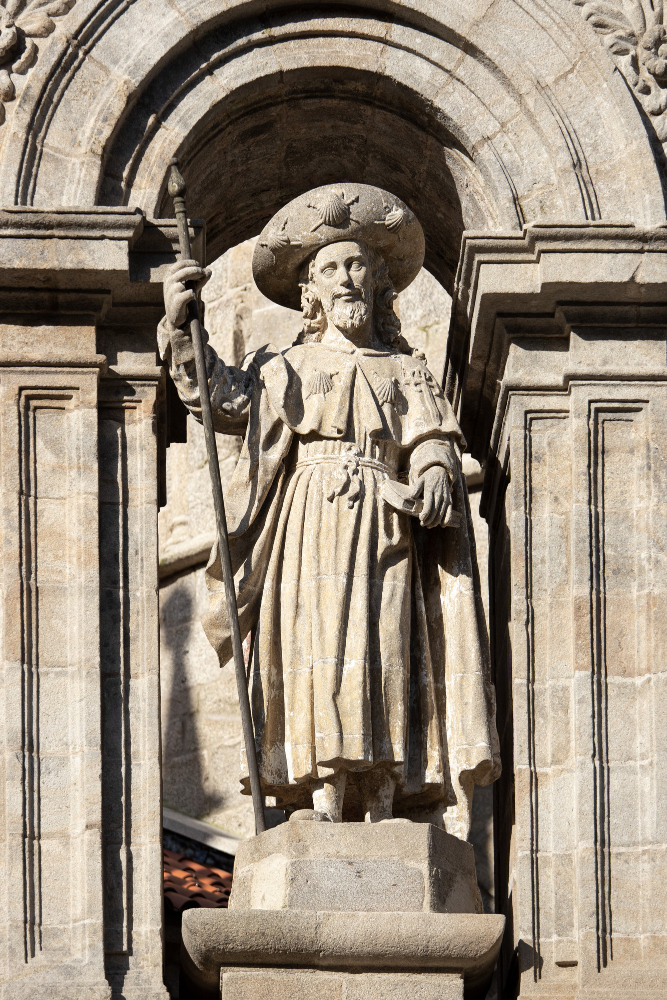
The Apostle’s Journey: From Palestine to Galicia – The legend, however, stretches back even further and recounts the miraculous journey of the Apostle James after his death. According to tradition, James died a martyr’s death in Palestine in the year 44 AD under King Herod Agrippa I. His followers then carried his body to a boat which – so the story goes – was completely unmanned and mysteriously guided by the Holy Spirit. This boat crossed the Mediterranean and finally reached the Galician coast in the north-west of the Iberian Peninsula. Upon his arrival in Galicia, the body of James is said to have been initially laid to rest on a stone altar. Later, his grave fell into oblivion – until it was rediscovered almost 800 years later through the heavenly phenomenon mentioned above. Alongside Christian piety and mysticism, historians also find links in this narrative to the symbolism of missionary work: James is regarded as one of the earliest missionaries in Spain and is traditionally associated with the spread of Christianity on the Iberian Peninsula.
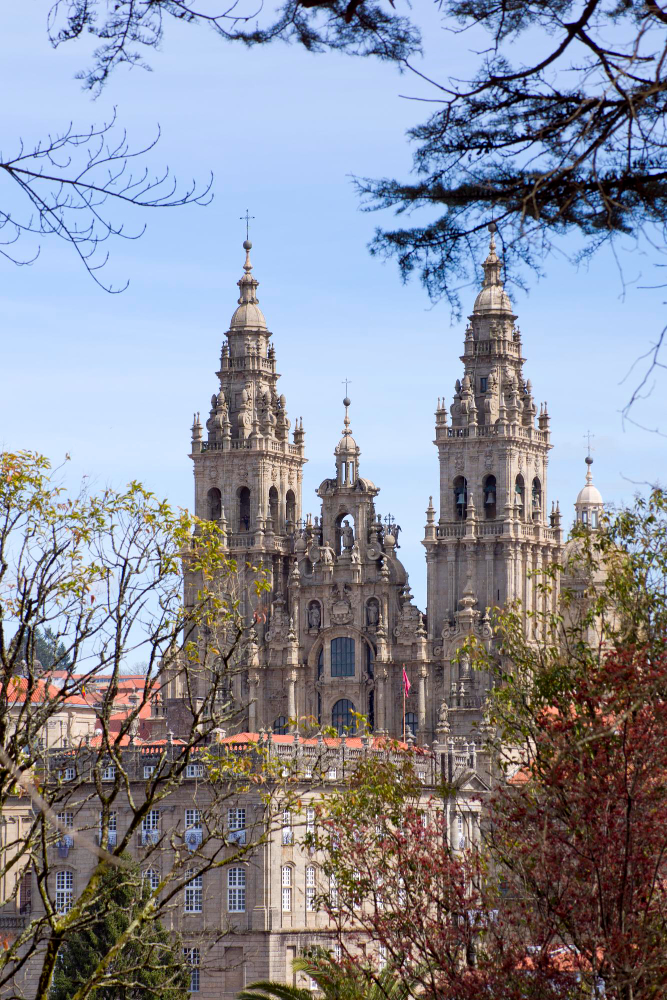
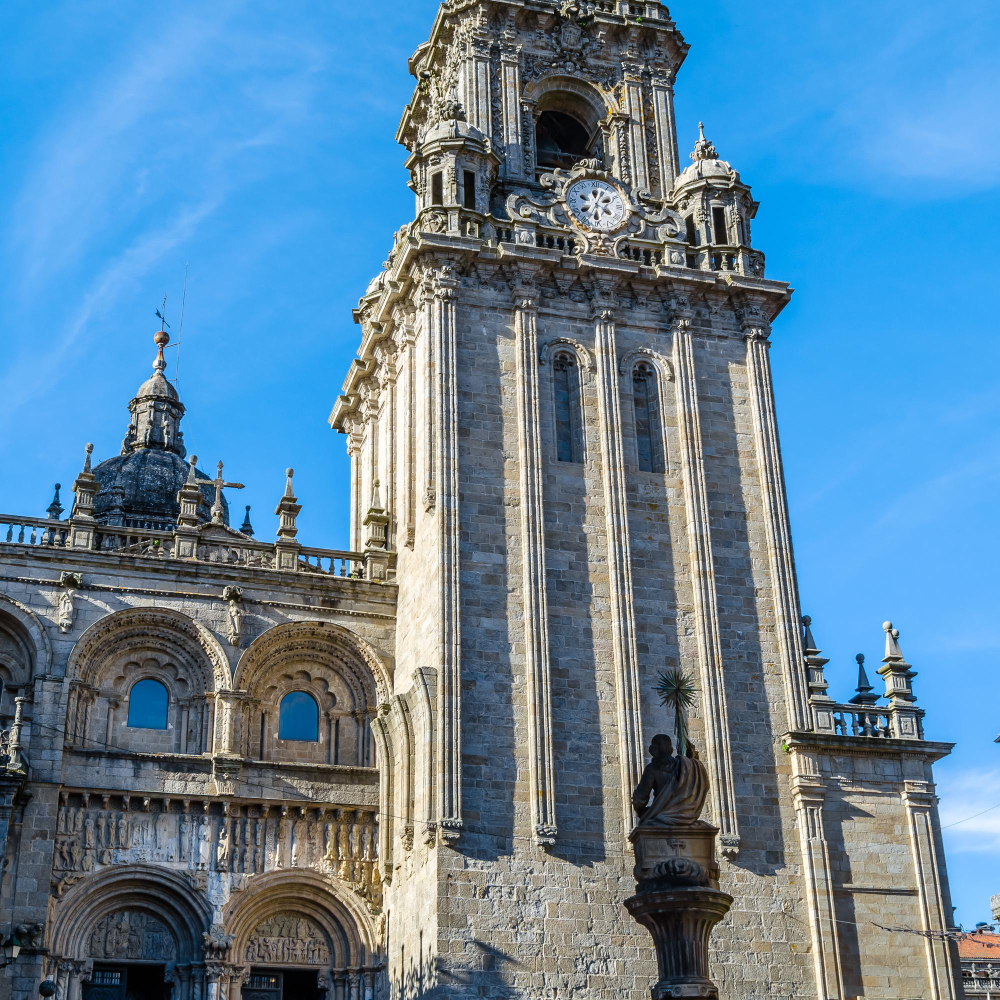
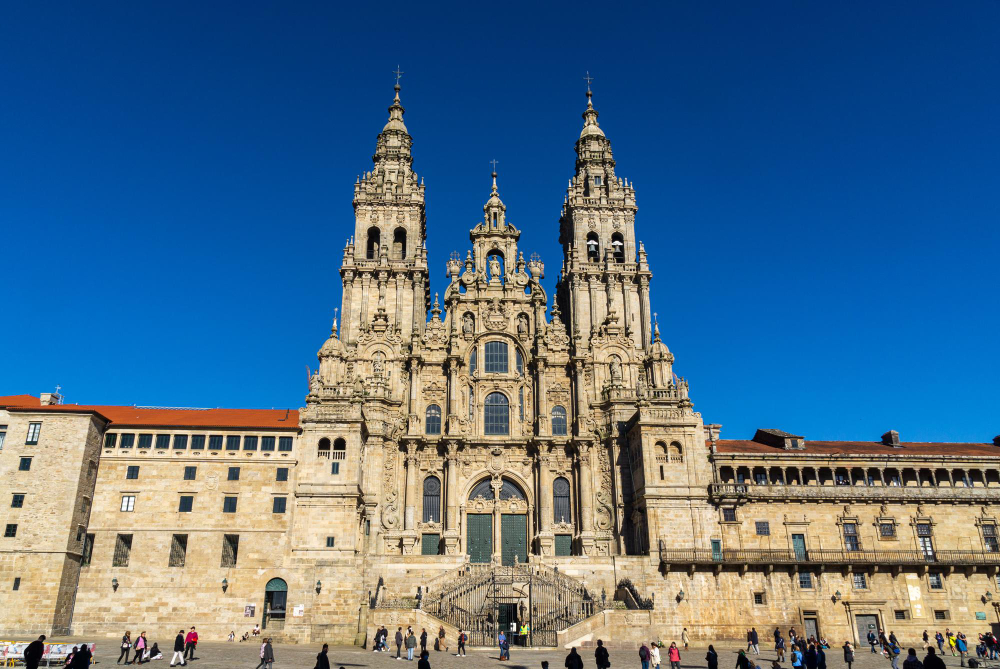
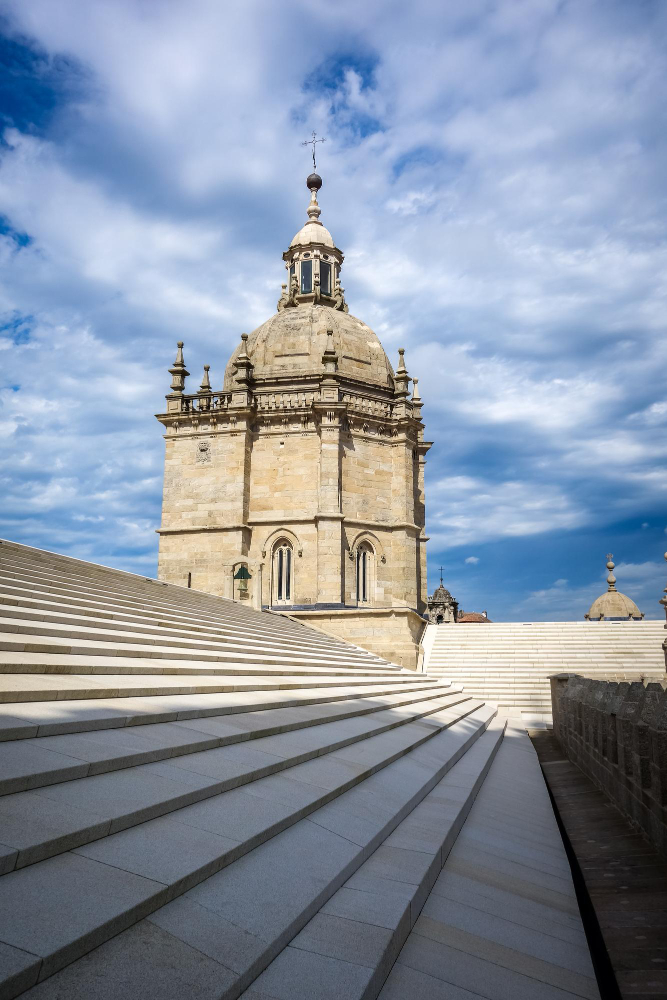
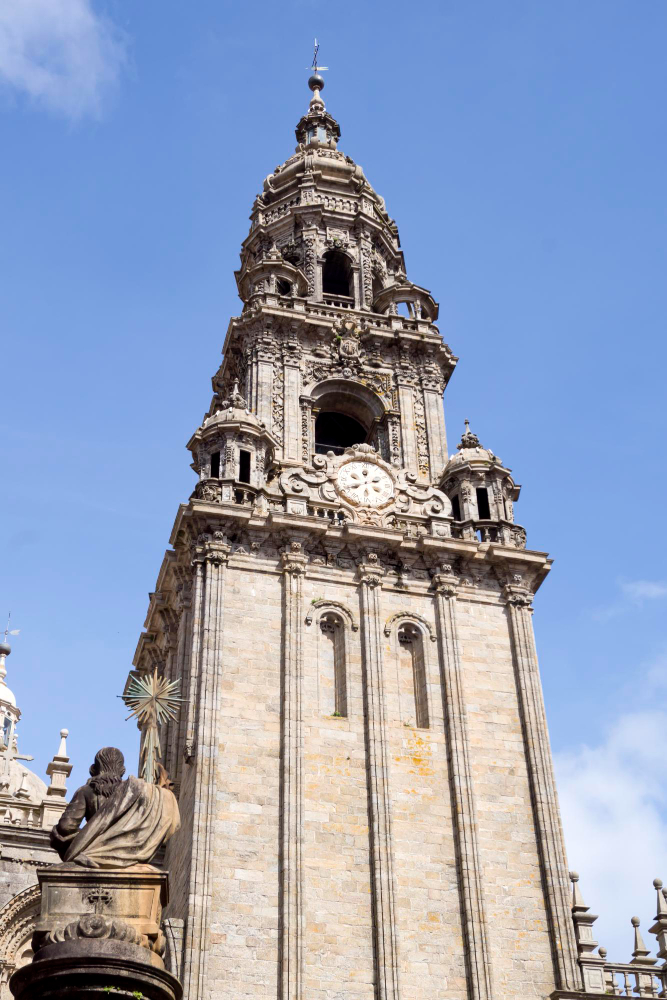
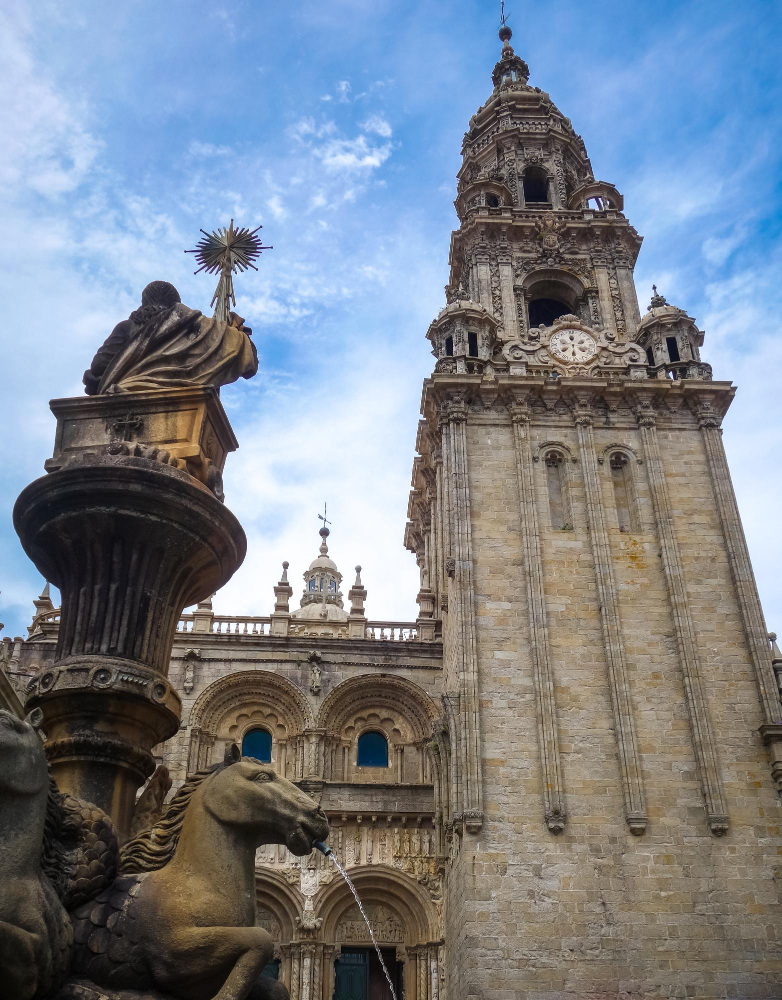
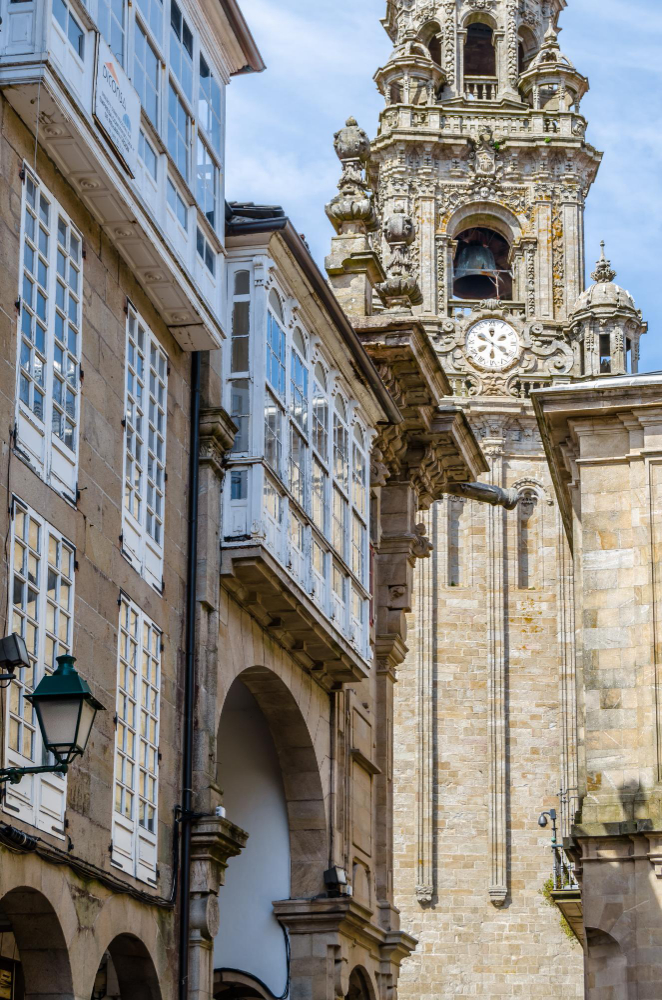
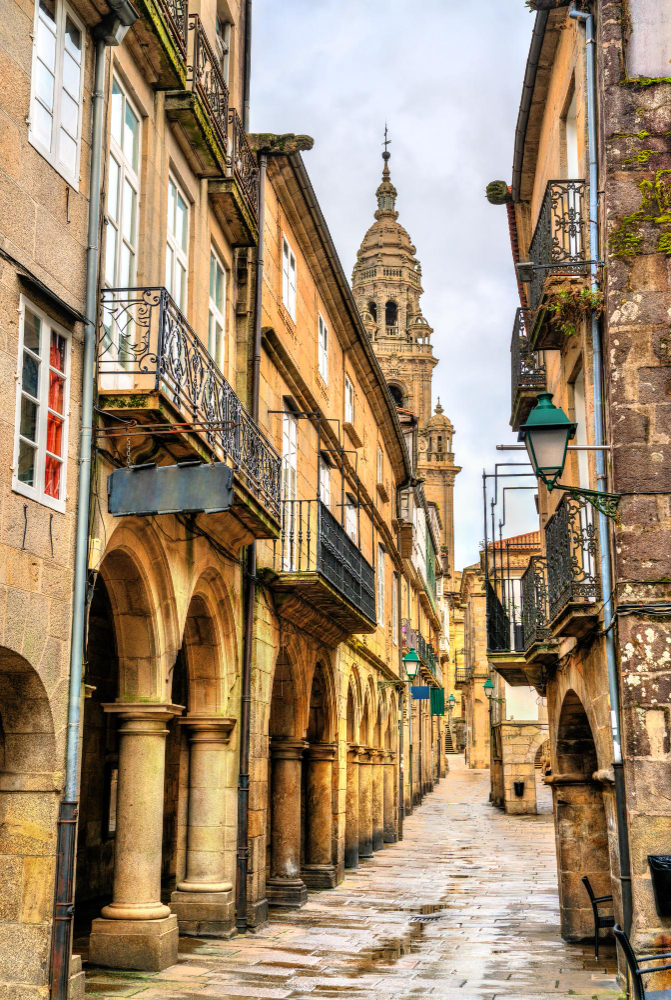
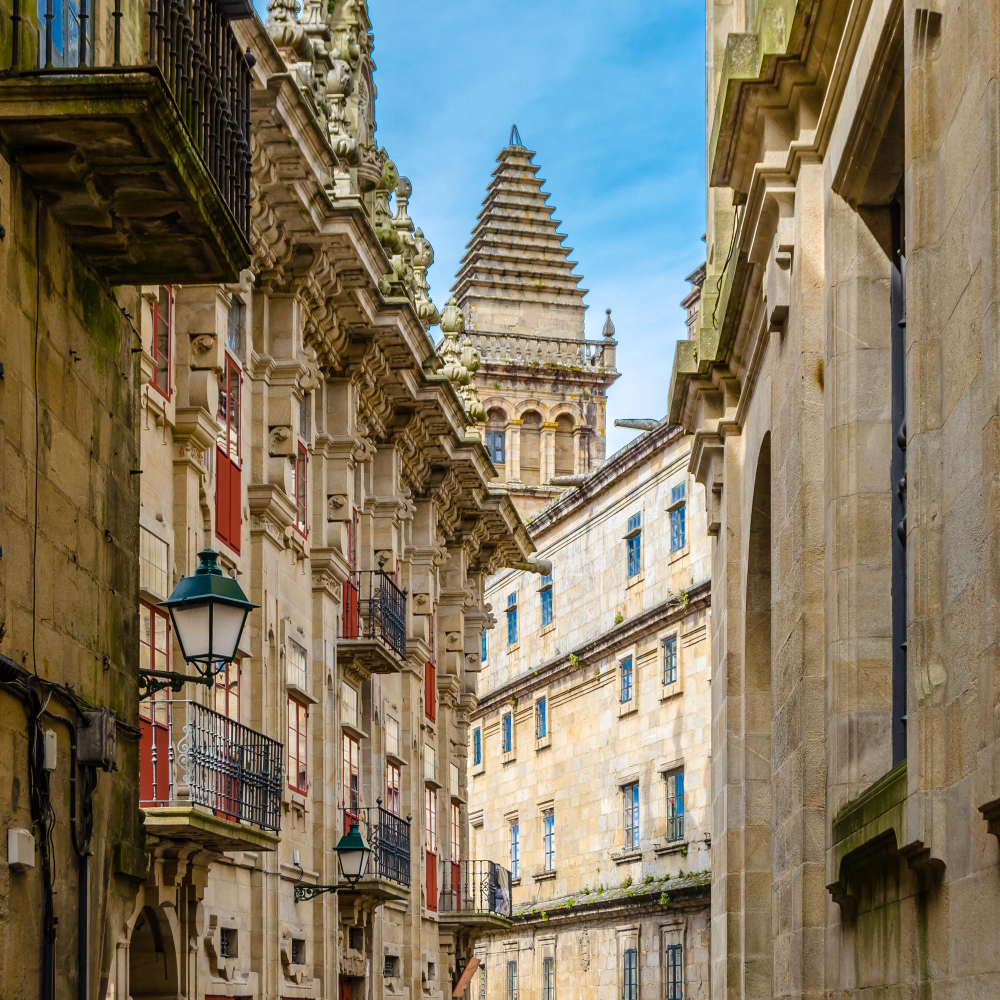
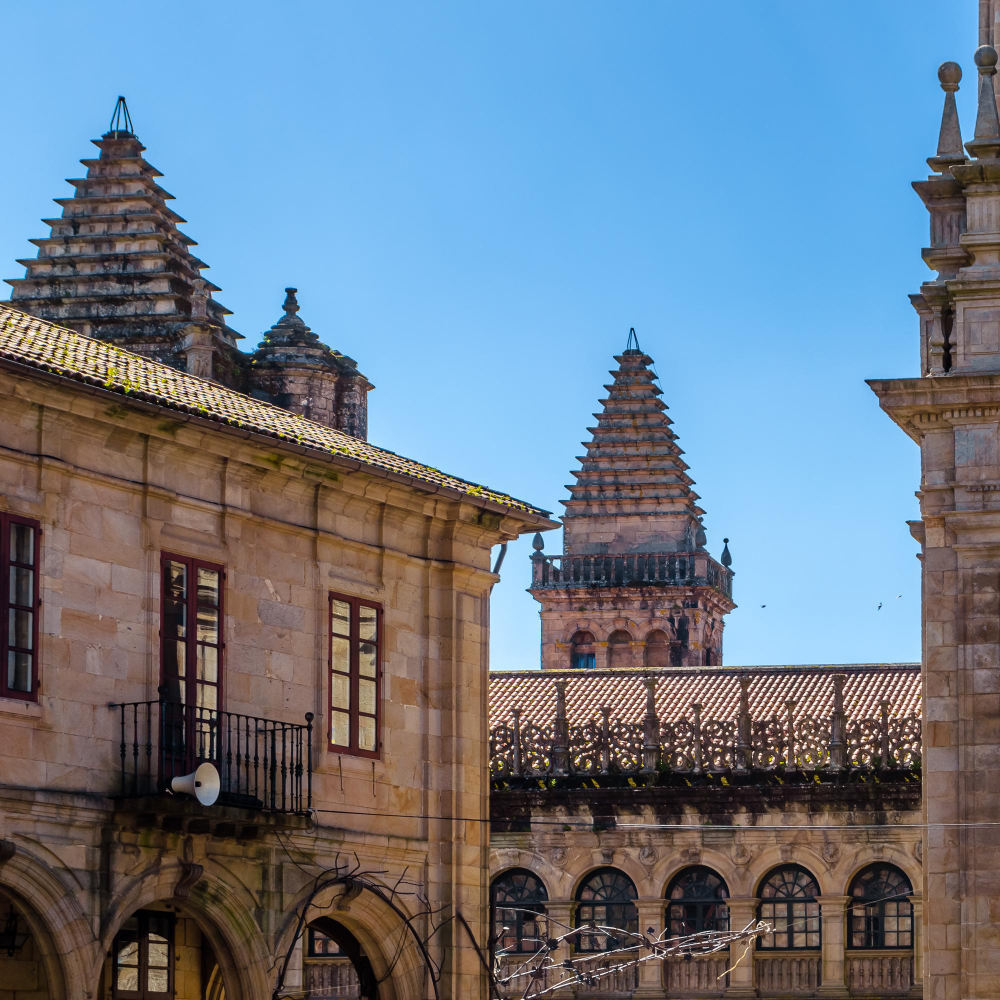
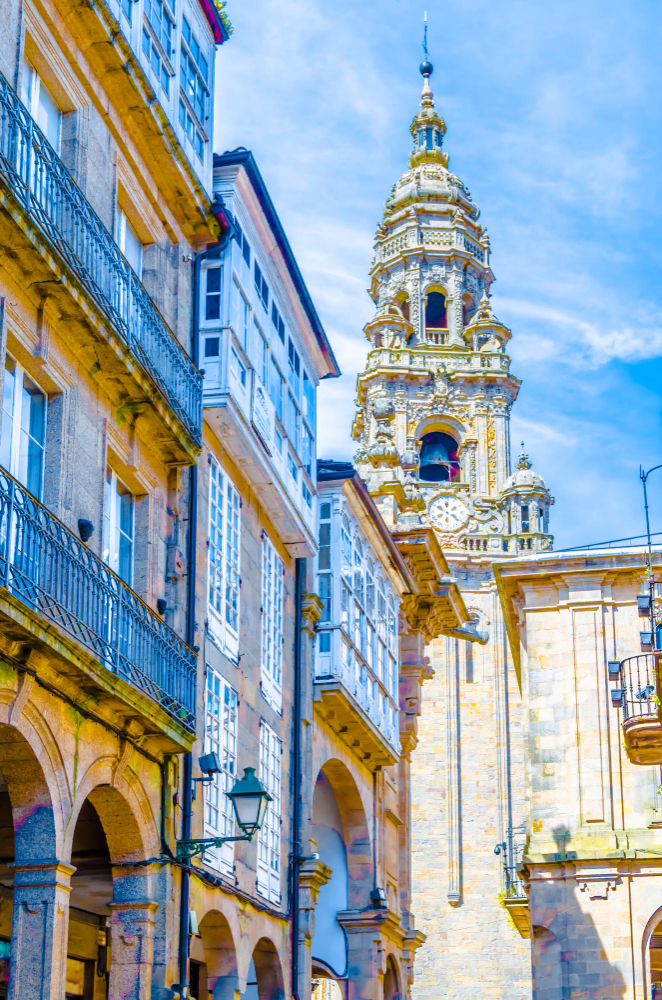
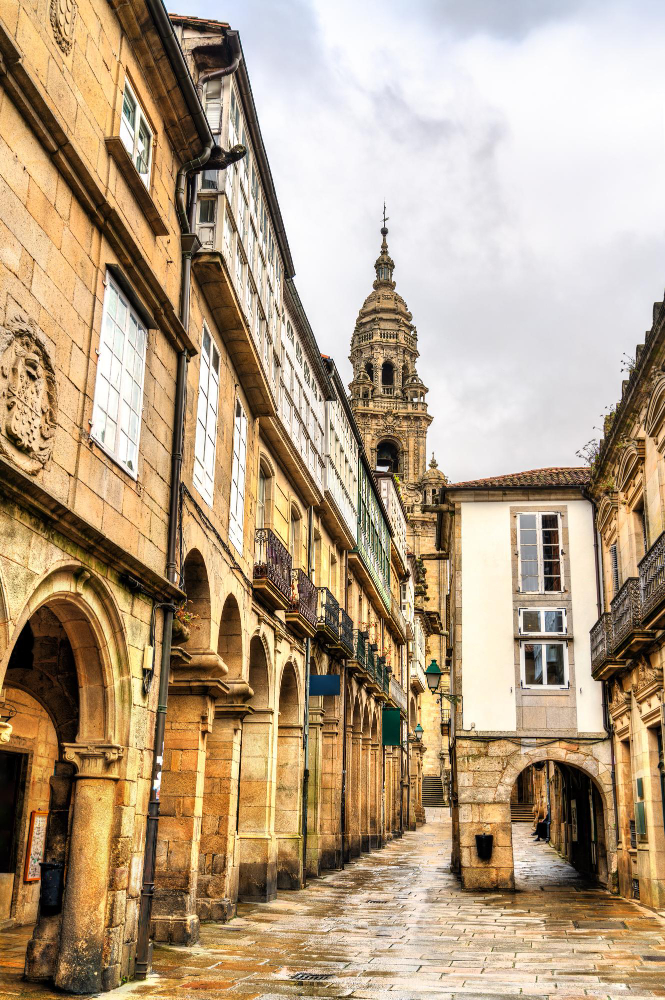
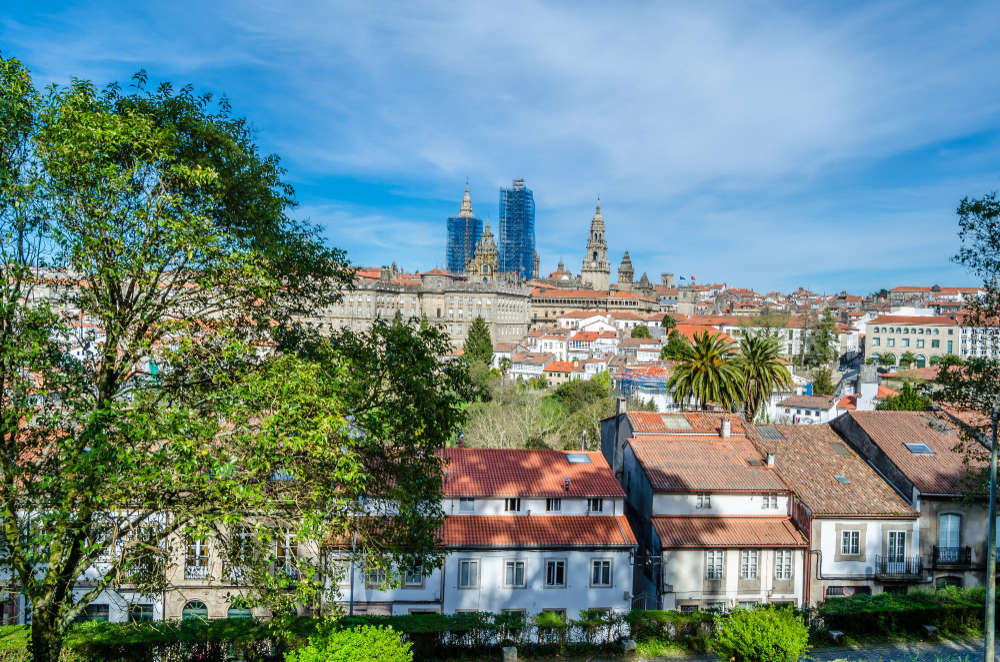
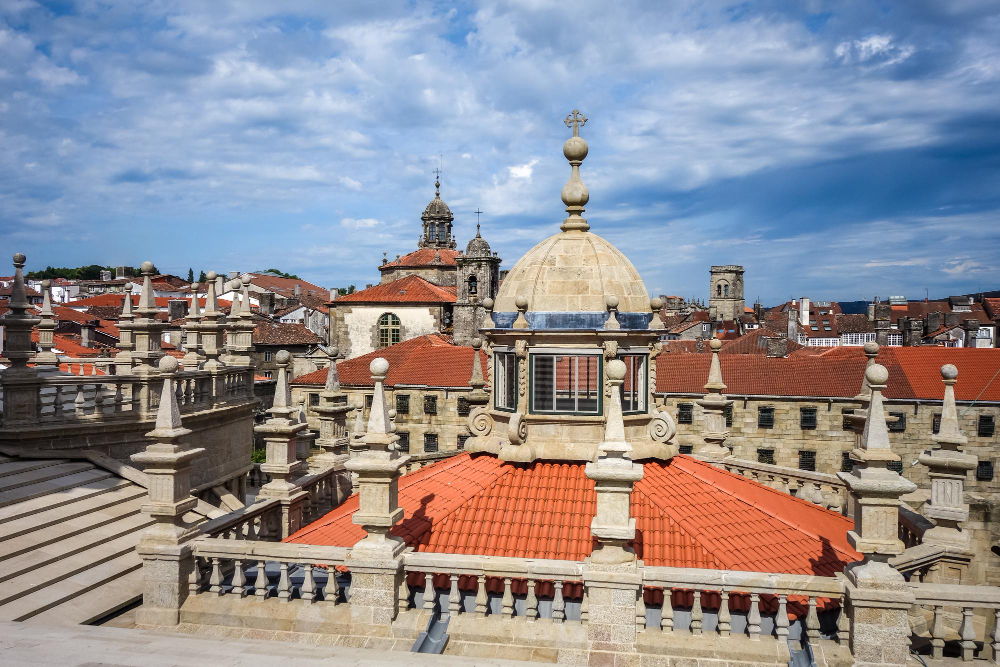
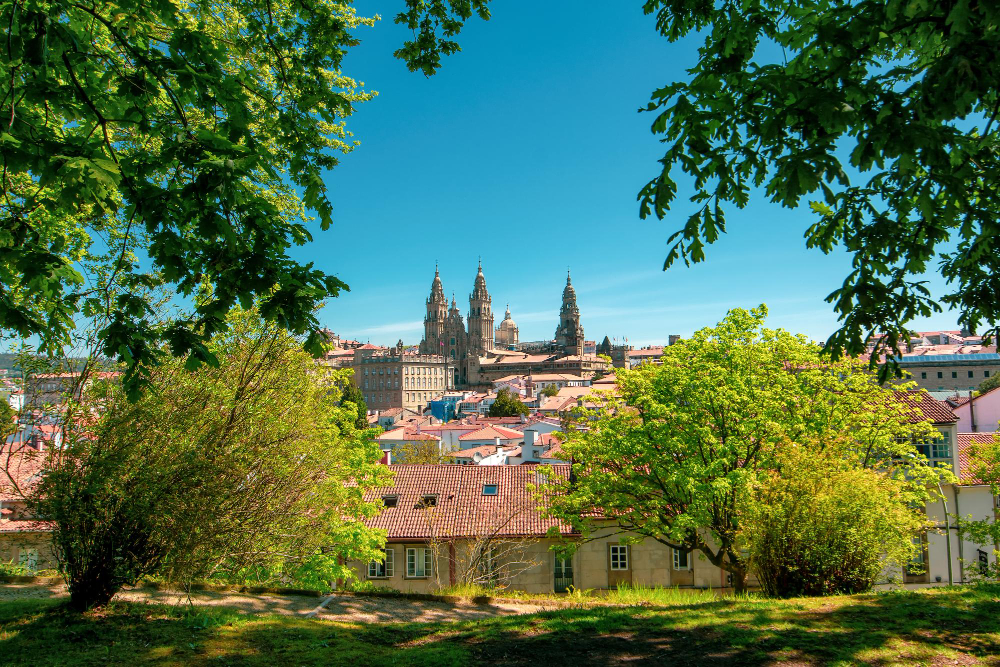
A place of pilgrimage of global significance – Following the rediscovery of his remains, Santiago de Compostela rapidly developed into one of the most important pilgrimage destinations in the Christian world. Together with Rome and Jerusalem, it forms part of the so-called ‘pilgrimage triangle’. These three places were – and still are today – regarded as particularly holy sites for the faithful. The Way of St James, which leads to Santiago de Compostela via various routes across Europe, looks back on centuries of history and symbolises not only a spiritual journey towards God, but also a personal search for meaning and inner peace. As early as the Middle Ages, it attracted pilgrims from all walks of life – from simple farmers to kings. The pilgrimage was regarded as an act of penance, an offering or even a way of drawing closer to God. The significance of the city and the pilgrimage route was underlined by the construction of the imposing Cathedral of Santiago de Compostela, which serves as the final destination of the pilgrimage. The cathedral houses the shrine containing the remains of the apostle and impresses with its ornate architecture, which combines Romanesque, Gothic and Baroque elements. The cathedral is one of Spain’s most significant landmarks and has been a UNESCO World Heritage Site since 1985.
The evolution of the pilgrimage over time – Whilst pilgrimages in the Middle Ages were deeply religious in nature, the Way of St James has experienced a remarkable renaissance in recent decades, extending far beyond Christian spirituality. Today, pilgrims are often less religiously motivated and instead view the route as an opportunity for self-discovery, a physical challenge or a cultural experience. As a result of this renewed interest, a thriving infrastructure has developed along the Way of St James, ranging from hostels and restaurants to souvenir shops. Although this transformation has altered the former simplicity of the pilgrimage, the essence of the experience remains the same for many pilgrims: a conscious reflection on one’s own life journey and the quest for a deeper understanding of oneself and the world.
Cultural and historical significance extending beyond Spain – In addition to its religious and spiritual significance, the legend of Santiago de Compostela has also had a lasting impact on European culture. Over the centuries, the Way of St James has served as a unifying force between the nations of Europe. Pilgrims from all corners of the continent shared the same route, thereby fostering the exchange of ideas, art and traditions. Many of the routes still pass through picturesque landscapes, medieval towns and past historic monuments that stand as a living testament to Europe’s rich history. Furthermore, Saint James also plays a central role in secular Spanish culture. As the patron saint of Spain, he is often depicted as ‘Santiago Matamoros’ (St James the Moor-slayer) – a figure closely associated with the Reconquista and the Christian struggle against Muslim rule on the Iberian Peninsula. However, this portrayal is not without controversy and is sometimes critically questioned today.
An Enduring Myth – The story of Santiago de Compostela lives on – not only in the hearts of pilgrims, but also in the global attention this special place receives. Every year, thousands of people from all over the world set out to experience the spiritual, cultural and personal enrichment offered by the Way of St James and Santiago de Compostela. Whether for religious reasons, out of curiosity or with another goal in mind – every pilgrim carries a piece of the ancient legend within them. The city itself welcomes all those seeking a special experience. In a world often characterised by hustle and bustle and a fast-paced lifestyle, Santiago de Compostela offers a space for reflection, contemplation and inspiration. The myth lives on and continues to grow, adapting over time to people’s needs and desires. Thus, Santiago de Compostela remains a unique place that embodies the connection between history, mythology and personal experience – and a true source of inspiration for all who set out on the Way of St James.






Post Comment