Myth and Science: The Mystery of the Kaali Meteorite Craters on Saaremaa
The Estonian island of Saaremaa holds many secrets, but one of the most fascinating is the Kaali meteorite crater, a geological wonder that has captivated both scientists and storytellers for centuries. This mystical place, surrounded by dark forests and ancient legends, is not only a spectacular example of a cosmic body striking Earth, but has also given rise to a multitude of myths that live on to this day.
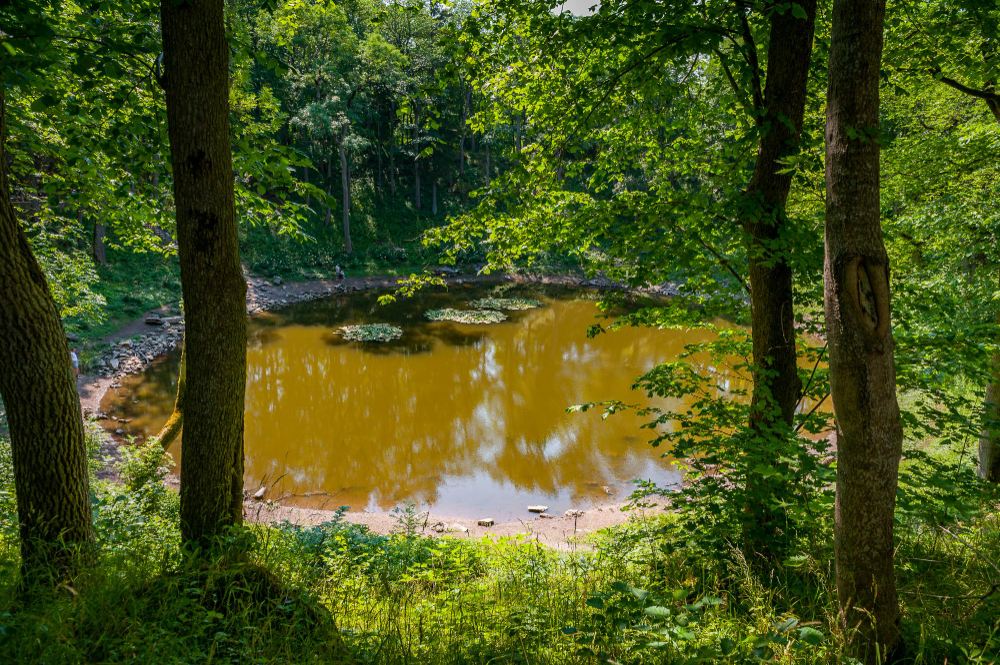
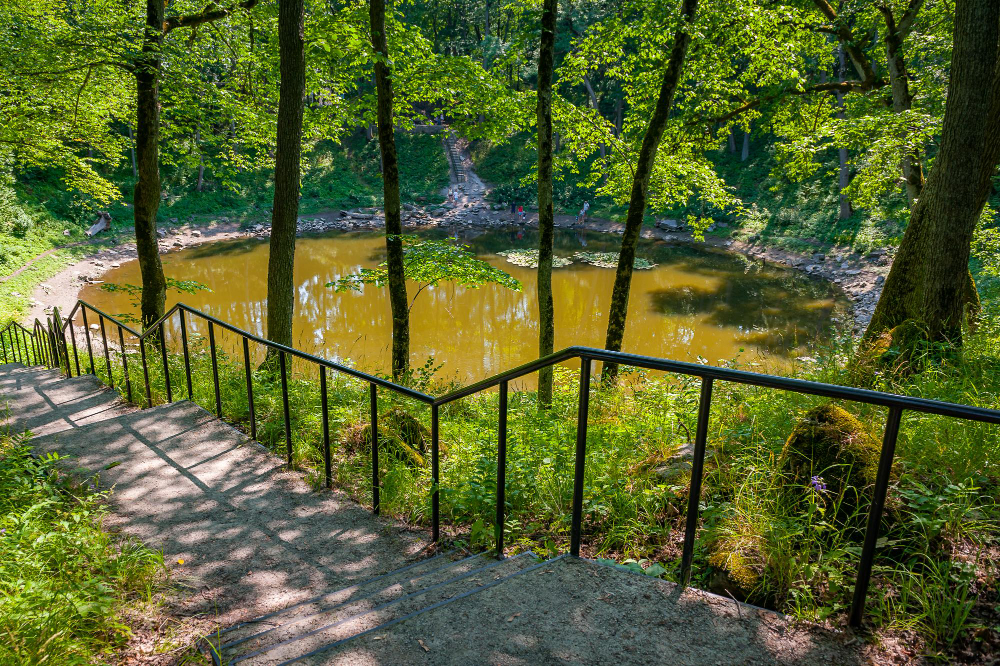
The Impact from Space: How It All Began – About 3,500 to 7,500 years ago, a catastrophe of cosmic proportions occurred. A meteorite with an estimated weight of between 20 and 80 tons entered the atmosphere at incredible speed and broke into several fragments due to the enormous pressure and heat. The remnants of this celestial body struck the Earth with unimaginable energy, leaving behind a total of nine craters, the largest of which—the so-called main crater—has a diameter of about 110 meters and a depth of 22 meters. The impacts must have seemed like an explosion at the time—a force of nature that destroyed all life in the immediate vicinity. Historians even suspect that the impact affected the entire region and may have led to climatic changes.
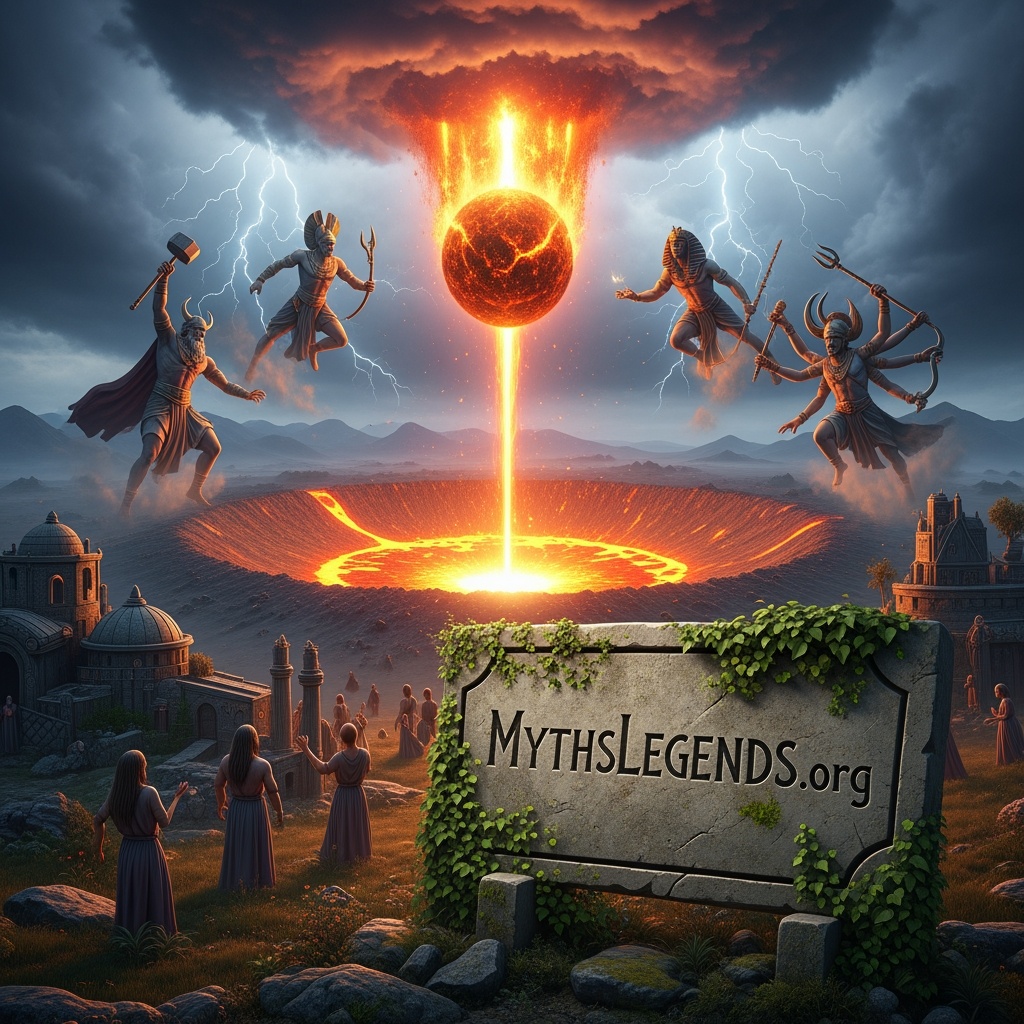
Mystical Tales: A Gift from the Gods or a Punishment? – Yet the Kaali Crater was not always perceived as a scientific phenomenon. For the ancient inhabitants of the region, the impact was a divine event—a message from a world beyond their understanding. Many legends surround the crater’s formation. Some stories tell that during a battle, the gods hurled a fireball from the sky to purify the earth. Other mythological tales speak of a punishment that befell humanity because it rebelled against higher powers. Interestingly, there are also parallels to other cultures: Finnish mythology tells of a burning “Sampo,” a wooden object that crashed to Earth and unleashed magical powers upon impact. Could this be a poetic description of the Kaali meteorite? Although direct connections are difficult to establish, this shows how deeply the Kaali Crater is rooted in cultural narratives. Even in Estonia itself, there are traditions that describe the crater as a sacred site for rituals and sacrifices.
The Crater in the Light of Science: New Findings and Old Mysteries – Thanks to modern research, scientists have been able to learn more about the origin and nature of the Kaali Crater. An analysis of the geological structure and the remains within the crater shows that the impact occurred with an energy of over 1 kiloton of TNT equivalent—this corresponds to the explosive power of a small atomic bomb. Such impacts are not only extremely rare but also of great scientific significance, as they provide insights into the interactions between cosmic objects and Earth. Researchers also found evidence that the Kaali meteorite crater may have played an important role in the development of the surrounding flora and fauna. The sudden change in the landscape forced nature to adapt and may have led to the emergence of new ecological niches. Furthermore, the crater may also have played a role in the settlement of the region, as its unusual geography offered shelter and possibly collected water.
Tourist Attraction and Cultural Heritage – Today, the Kaali Crater is one of Estonia’s most important tourist attractions. Every year, thousands of visitors flock to the island of Saaremaa to marvel at this unique site. The crater is not only a popular destination for geologists and history buffs, but also for esotericists and spiritual seekers who wish to experience the mysterious aura of the place. Surrounded by dense forests and an almost surreal silence, it almost seems as though the story of the impact comes to life here. An information center has been set up near the main crater to educate visitors about the geological and cultural background of the site. In addition to scientific facts, local legends are also shared there—a perfect blend of science and myth.
A Look into the Future: What Secrets Lie Ahead? – Although the Kaali Crater has been well-researched by now, some questions remain unanswered. Could additional fragments of the meteorite be hidden deeper within the Earth’s crust? What other cosmic events might have occurred on Saaremaa? And what new technologies could help us better understand the exact circumstances of the impact? One thing is certain: the Kaali Crater will continue to inspire researchers and the curious alike. Its mysterious origins, cultural significance, and emotional impact make it a place known far beyond Estonia’s borders.
A Wonder That Connects Heaven and Earth – The Kaali meteorite crater on Saaremaa is more than just a geological phenomenon—it is a symbol of the connection between heaven and earth, science and myth. The force of the cosmic event and human interpretations of the crater remind us of how powerful nature is and how small we are in the face of the universe. Whether as the setting for historical legends, a research laboratory for scientists, or a source of spiritual inspiration—the Kaali Crater remains a place that impresses and fascinates. A place where the boundaries between reality and myth blur and the story of a celestial catastrophe lives on.


Post Comment