Fritz the Elephant – Myth and Reality of a Legendary Pachyderm in Stupinigi
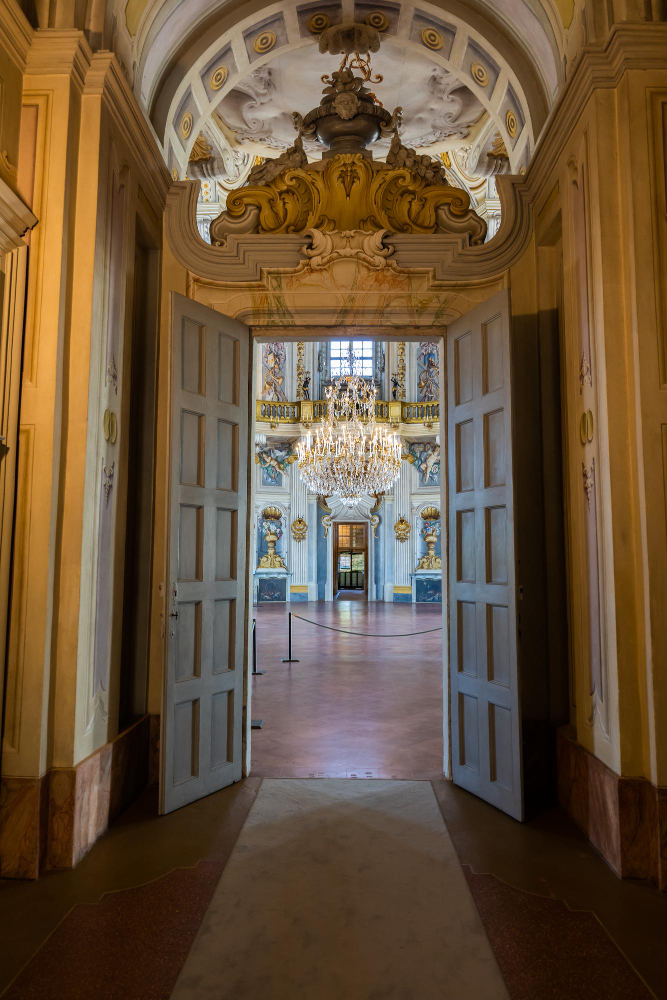
In the 19th century, the Palazzina di Caccia in Stupinigi, south-west of Turin, was not only a royal hunting lodge and an architectural masterpiece of the Baroque period, but also home to an impressive menagerie. Among the exotic animals, one very special resident held a unique position: the Indian elephant named Fritz. The story of this majestic pachyderm is both historically documented and shrouded in legend – it tells of diplomatic gifts, royal splendour, tragic events and the preservation of an extraordinary animal at the Natural History Museum in Turin.
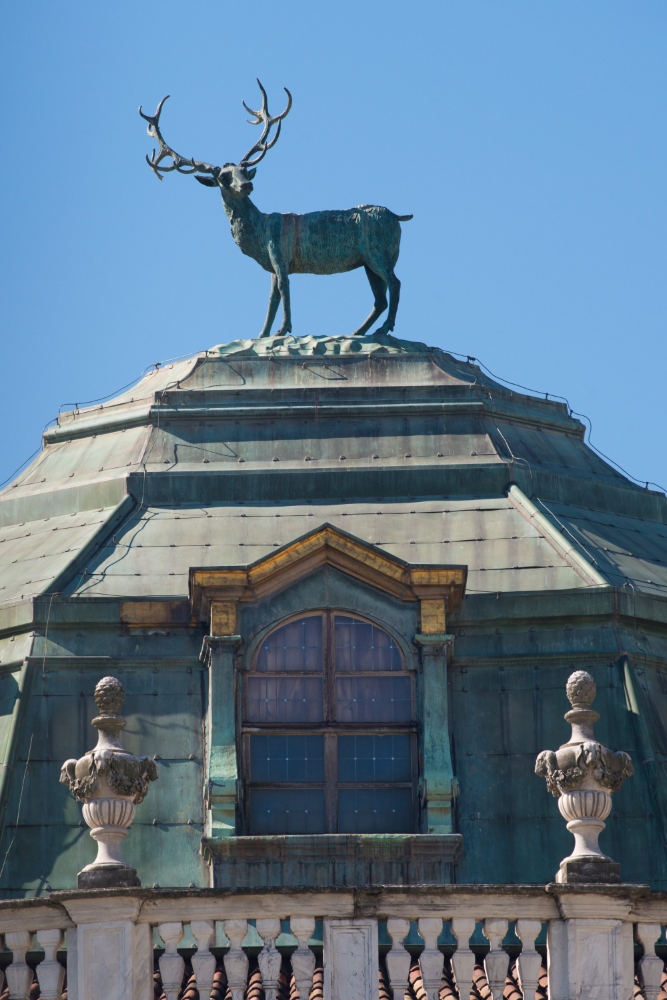
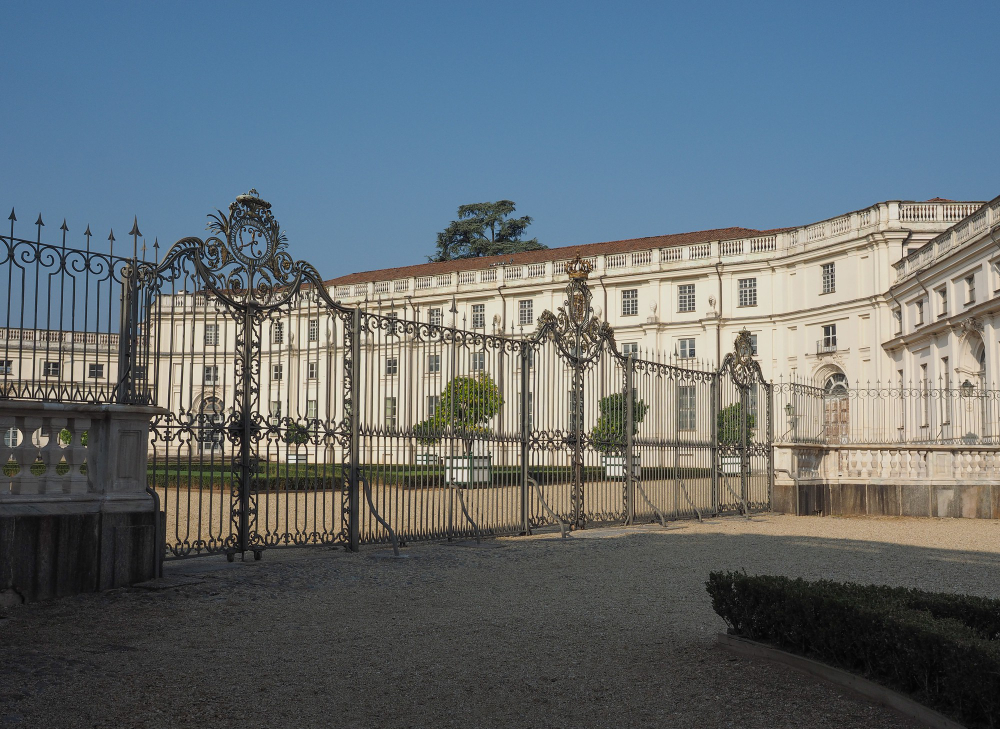
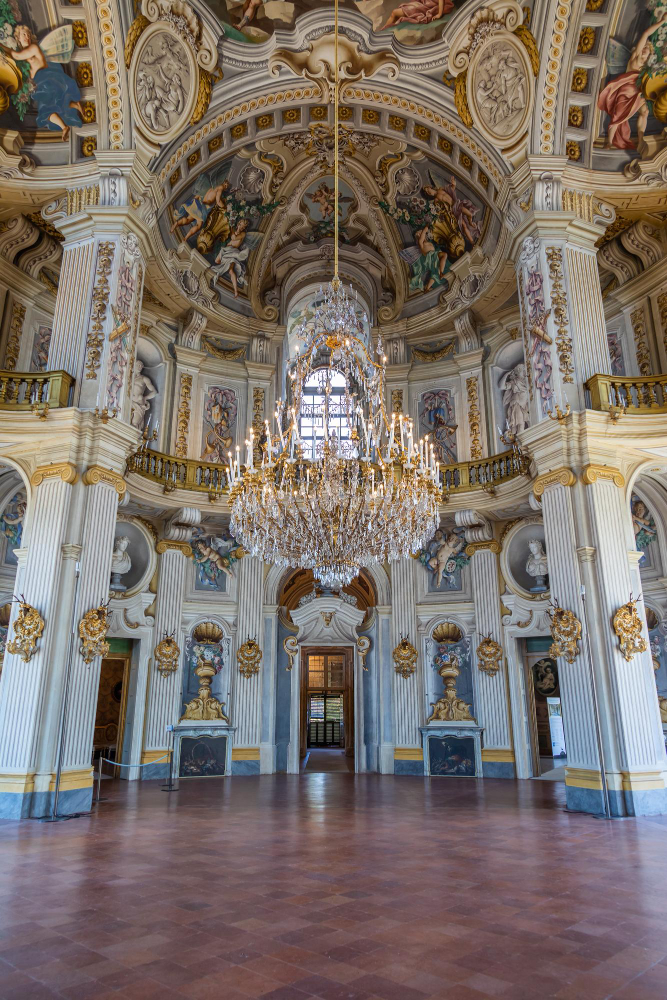
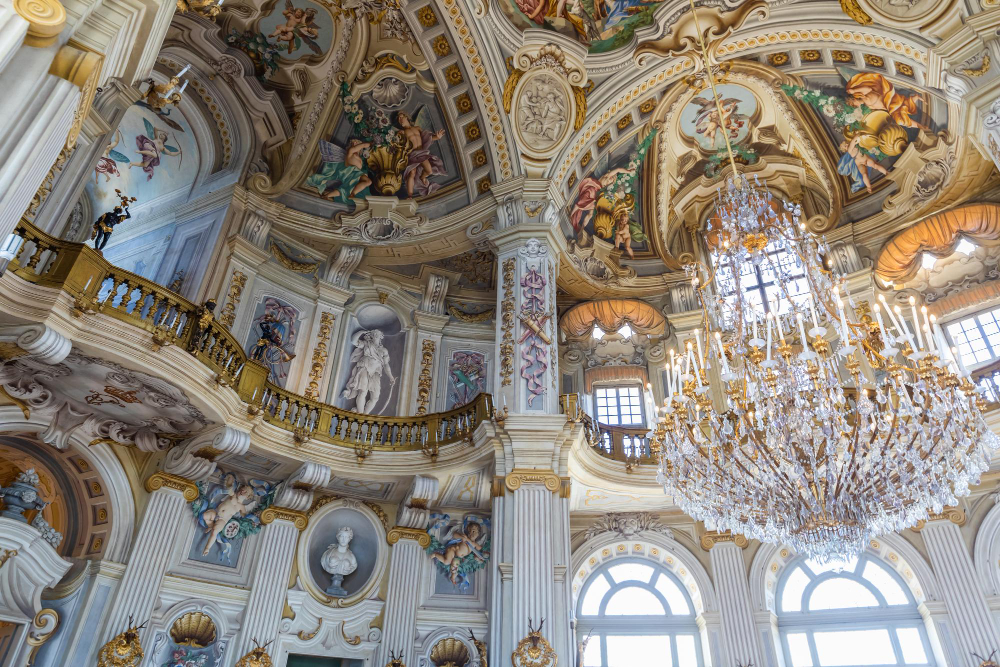
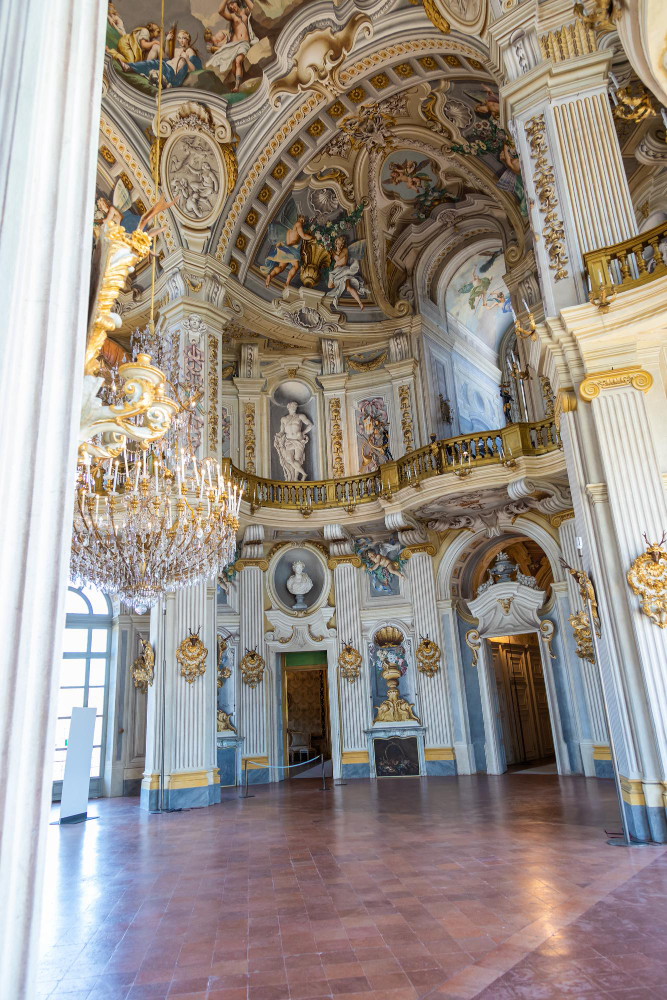
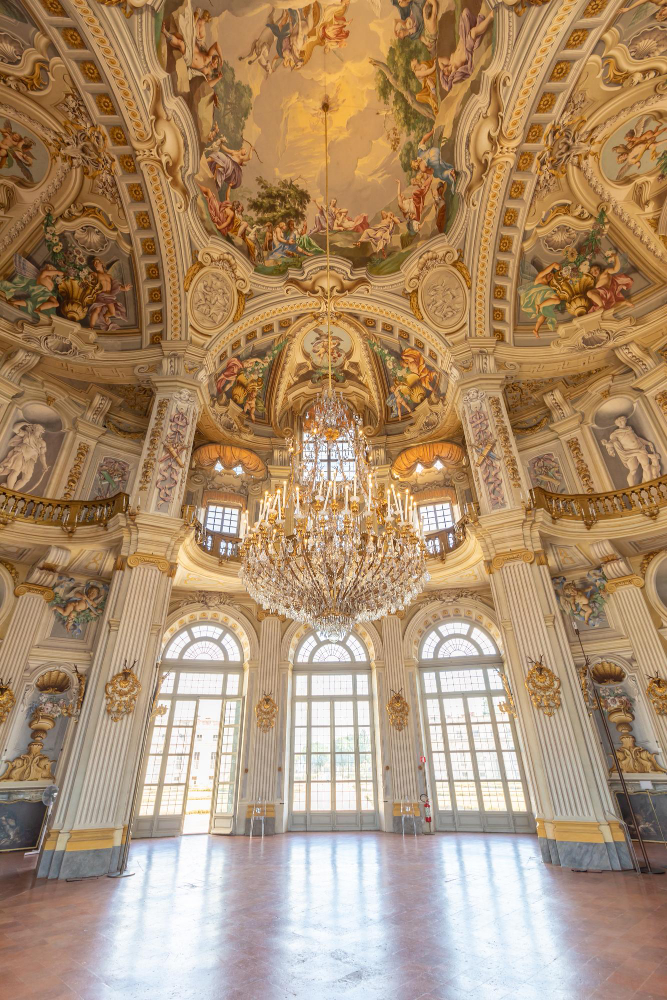
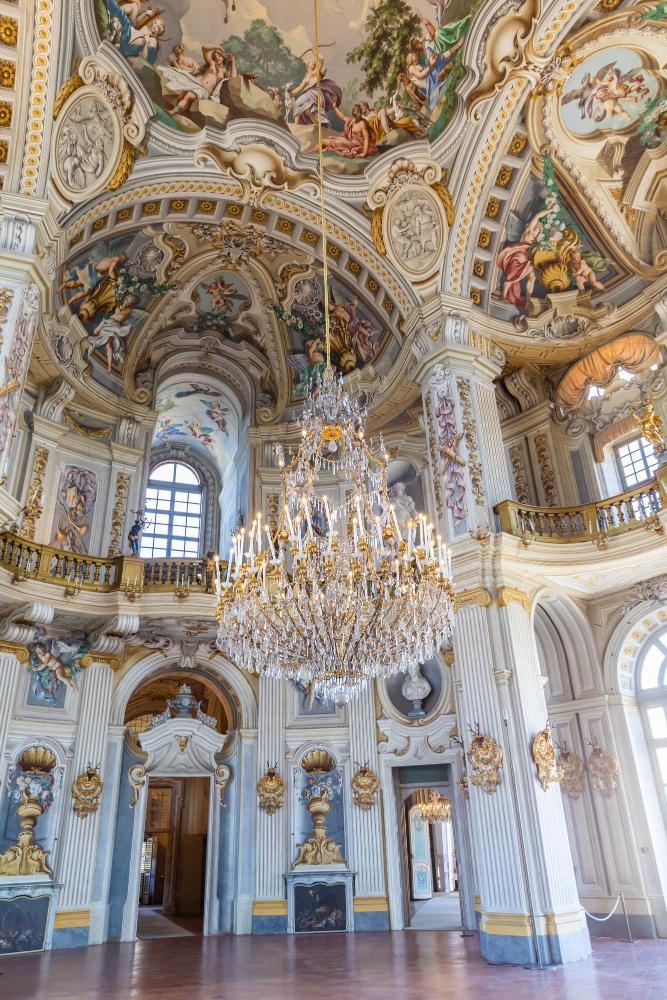
The Palazzina di Caccia at Stupinigi: hunting lodge and menagerie – Before we turn our attention to Fritz the elephant, it is worth taking a brief look at the historical context. The Palazzina di Caccia was built in the early 18th century by the architect Filippo Juvarra as part of the Savoy court. It served as a magnificent hunting lodge and venue, whilst also symbolising the power and wealth of the Dukes of Savoy and, later, the Kings of Sardinia. In the 19th century, the estate increasingly became a place where, in addition to hunting, exotic animals were kept. Keeping a menagerie was in keeping with the spirit of the times among European noble courts, which flaunted their power and influence by displaying rare and exotic creatures. It was an expression of prestige, knowledge and colonial presence.
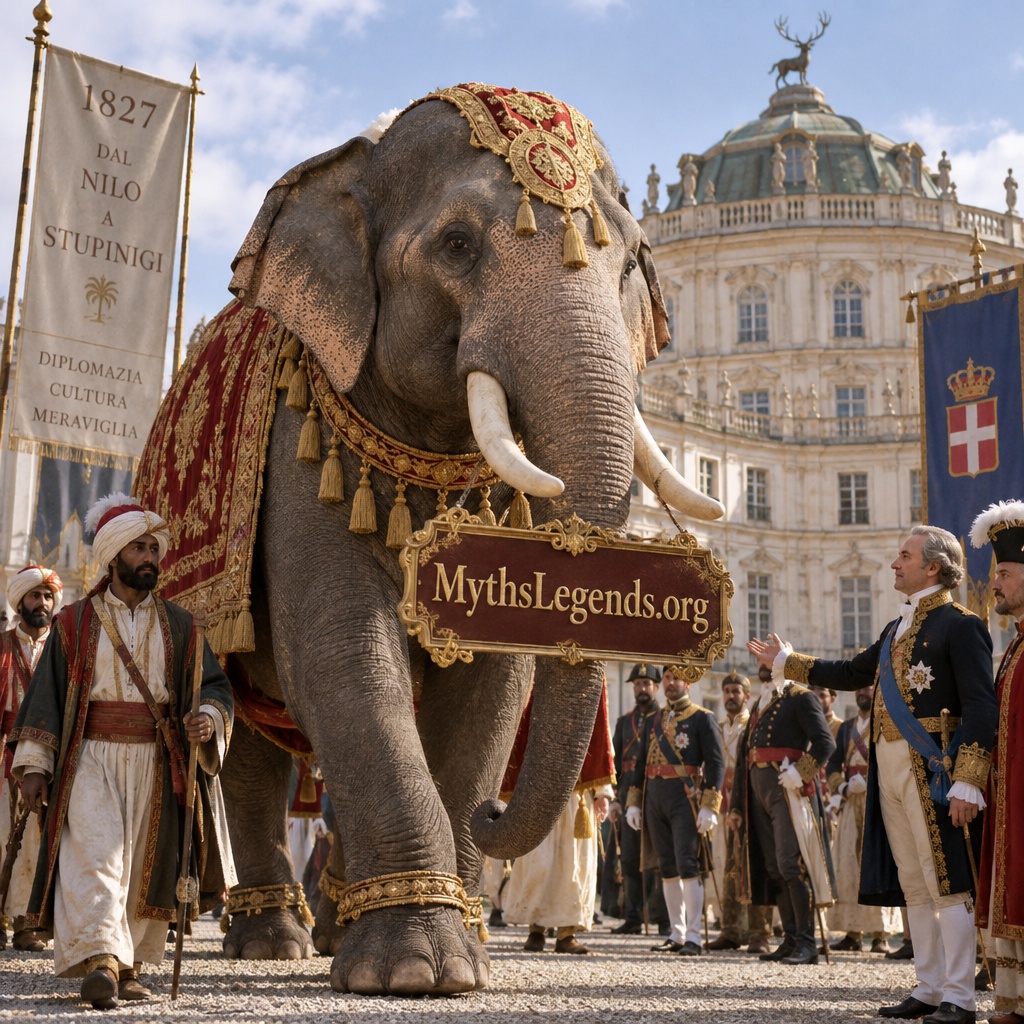
A gift of considerable weight: Fritz the elephant arrives at Stupinigi – Arguably the most famous story from this menagerie centres on Fritz the elephant. In 1827, the elephant arrived at the Royal House of Savoy as a diplomatic gift from Muhammad Ali Pasha, then Viceroy of Egypt. Muhammad Ali, known for his modernisation efforts and his independent claim to power within the Ottoman Empire, used gifts such as this to strengthen diplomatic relations with European powers. King Charles Felix of Sardinia received Fritz as a symbol of solidarity and power. The elephant came from India, a background that made him an exotic and much-admired animal in Europe. At a time when travel and communication were still arduous, such animals were regarded as living wonders – both fascinating and mysterious.
Fritz’s life at the Palazzina: between splendour and isolation – Fritz lived on the grounds of the Palazzina di Caccia for several years. Amidst the artistically designed grounds and the lush natural surroundings of the estate, he was an attraction – not only for the royal household, but also for visitors and the local population. Sources describe his imposing appearance, his calm nature and his special bond with his keeper. Yet life for such a large and, at the same time, extraordinary resident was also marked by challenges. Keeping an elephant required enormous resources, knowledge and social attention. Fritz’s care reflects the state of scientific understanding at the time and the conditions in which the animal lived, which were often far removed from its natural habitat.
The tragic incident: the elephant’s attack and death – Unfortunately, the legend of Fritz also includes a dark twist. Reports from the time recount that the elephant, for reasons that remain unclear, attacked his keeper. This event meant that the animal had to be put down – a decision that was probably taken with great regret, but which seemed unavoidable from a safety perspective. Various historical sources confirm this dramatic episode, though without providing clear details about the trigger or the circumstances. The incident highlights the tension between admiration for exotic animals and the risks involved in keeping them.
Fritz Becomes an Exhibit: From a Living Elephant to a Stuffed Historical Artefact – After his death, Fritz was not simply forgotten. Instead, it was decided to preserve his body by taxidermy – a method common at the time for making extraordinary animals accessible in museums. Fritz thus gained a second, albeit lifeless, existence and finally found a home in the Natural History Museum in Turin. There, the stuffed animal remains to this day a fascinating testament to a bygone era – both as an example of exotic fauna and as a symbol of the historical connection between Egypt, Italy and the rulers of Savoy.
The significance of Fritz the elephant today: historical heritage and museum memory – Fritz’s story is more than just an anecdote about an exotic pet. It reflects the complex cultural, political and social interconnections of the 19th century – from diplomatic gestures and the treatment of animals to the development of museums and scientific documentation. Today, the story serves as a reminder of our responsibility towards animals, of progress in species conservation, and of the importance of examining historical narratives critically yet respectfully. The link between Stupinigi and Fritz strengthens cultural and historical awareness and invites visitors to engage with a multifaceted chapter of European history.
Fritz as a symbol of a turbulent era – The elephant Fritz symbolises an era characterised by voyages of discovery, cultural exchange and the pursuit of prestige. His life and fate reveal just how closely history and nature are intertwined – and how important it is to preserve and reflect on memories of extraordinary creatures. In today’s world, where the protection of biodiversity is becoming increasingly important, Fritz’s story provides an opportunity to reflect on how we treat animals – both then and now. Thus, Fritz remains not merely a relic of days gone by, but a living memorial to the relationship between humans and animals throughout history.























Post Comment