
Corfe Castle: The heroic defence and betrayal that made history
In the heart of the picturesque county of Dorset stand the majestic ruins of Corfe Castle – a castle that is far more than just an architectural relic of times gone by. It tells a story of courage, loyalty and betrayal that marked the end of one of the most impressive defensive actions of the English Civil War. In 1645, the castle became the scene of one of the most famous sieges of this turbulent era, during which Lady Mary Bankes went down in history. Her unwavering resistance against the Parliamentarians and the dramatic circumstances of her downfall continue to fascinate historians and visitors to this day.
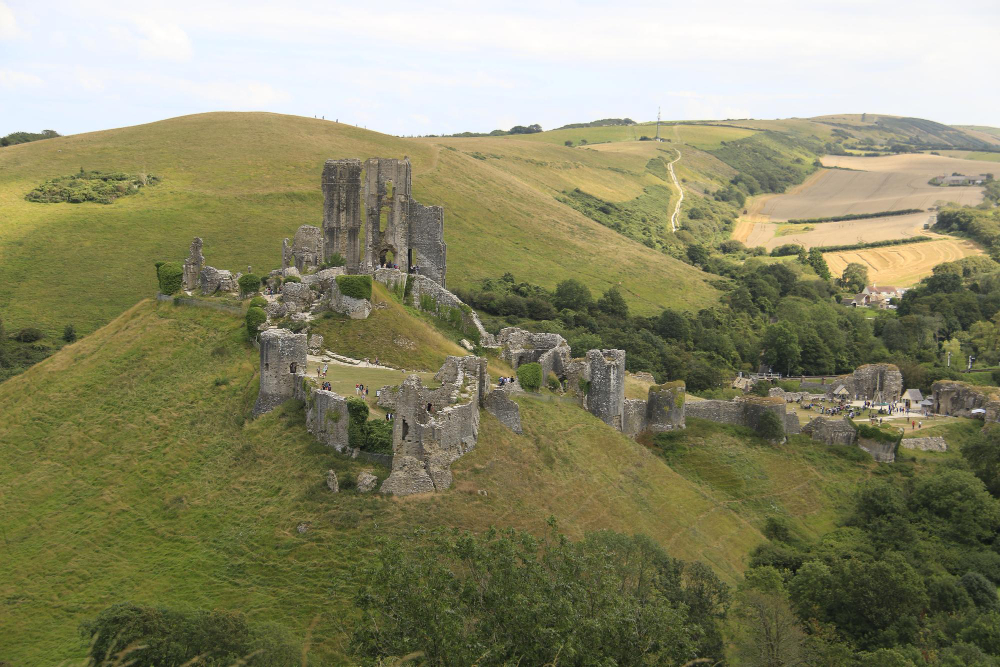
The Significance of Corfe Castle in the English Civil War – The English Civil War (1642–1651) was a period of bloody conflict between the supporters of King Charles I, the Royalists, and the Parliamentarians, who opposed the monarch’s absolutist power. Corfe Castle, originally built in the 11th century, was a strategically important stronghold for the Royalists at that time. Its position on a natural hill made it virtually impregnable and a valuable bulwark for the Royalists. Lady Mary Bankes, the wife of Sir John Bankes, Chief Justice of England and a loyal supporter of the King, took charge of the castle following her husband’s death. Although she had no military training, this mother of ten children courageously rose to the challenge of defending the fortress against the Parliamentarian troops. Her determination and resourcefulness made her an extraordinary figure in English history.
An unusual defence: boiling water and burning coals – In 1643, the first siege of Corfe Castle by the Parliamentarians began, though it initially failed. Lady Bankes demonstrated her leadership skills by skilfully organising the few troops available and actively involving the women and children within the walls in the defence. At a time when women were scarcely mentioned in a military context, she impressively demonstrated that courage and creativity know no gender boundaries. The defenders used everything at their disposal to repel the attackers. According to reports, they rained boiling water and burning coals down on the enemy from the walls – improvised but highly effective weapons that injured many of the attackers and earned the Royalist resistance additional respect. These tactics underscored not only the defenders’ determination but also their ingenuity in the face of limited resources. Lady Mary Bankes’ leadership ensured that the castle withstood the first siege – a triumph celebrated by the Royalists. Yet the respite was short-lived, for the Parliamentarians returned two years later, in 1645, with reinforced troops.
Betrayal from within: The fall of the Royalist stronghold – The second siege of Corfe Castle proved far more dangerous and decisive. The Parliamentarians had learnt from their mistakes and were now determined to take the stronghold at any cost. Despite the attackers’ numerical superiority, the small group of defenders under Lady Bankes held out for months. Yet in a dramatic turn of events, it was not brute force or strategic superiority that ended the siege, but betrayal. A Royalist officer named Lieutenant Colonel Pitman played a decisive role in the fall of the fortress. Pitman, who had originally been part of the defence force, switched sides and revealed the fortress’s weak points to the Parliamentarians. Armed with this knowledge, the attackers managed to breach the defences and eventually capture the castle. Lady Mary Bankes was forced to surrender with a heavy heart. Nevertheless, she maintained her dignity and was even respected by her opponents for her courage and leadership. It is said that she was permitted to leave the castle with some of her possessions – an unusual mark of recognition in a time of such fierce conflict.
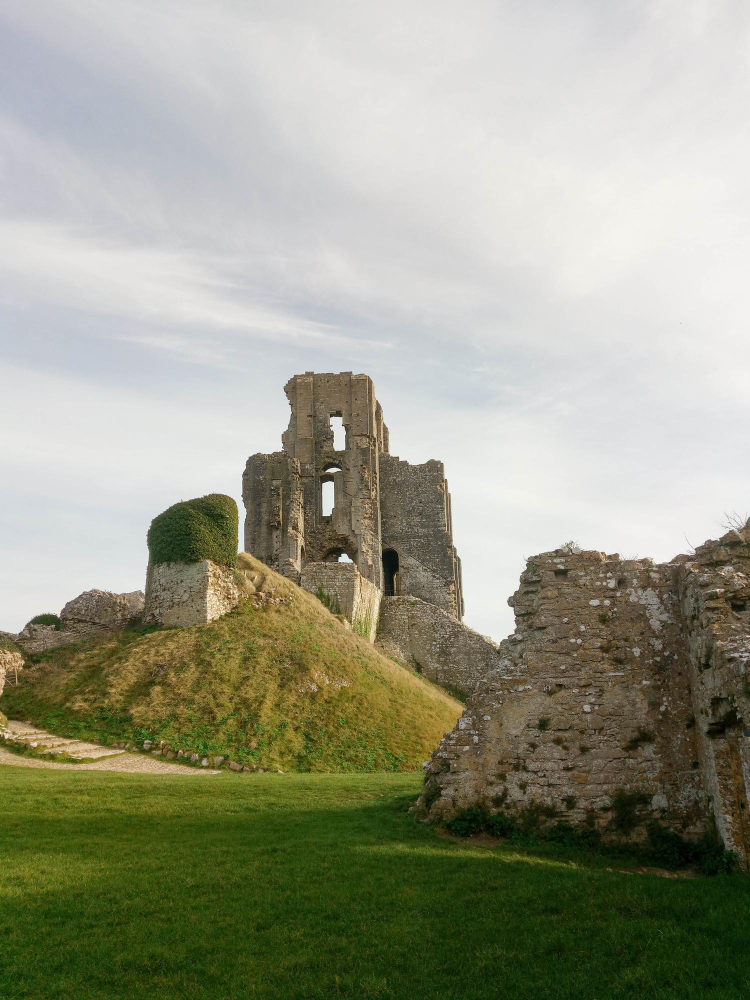
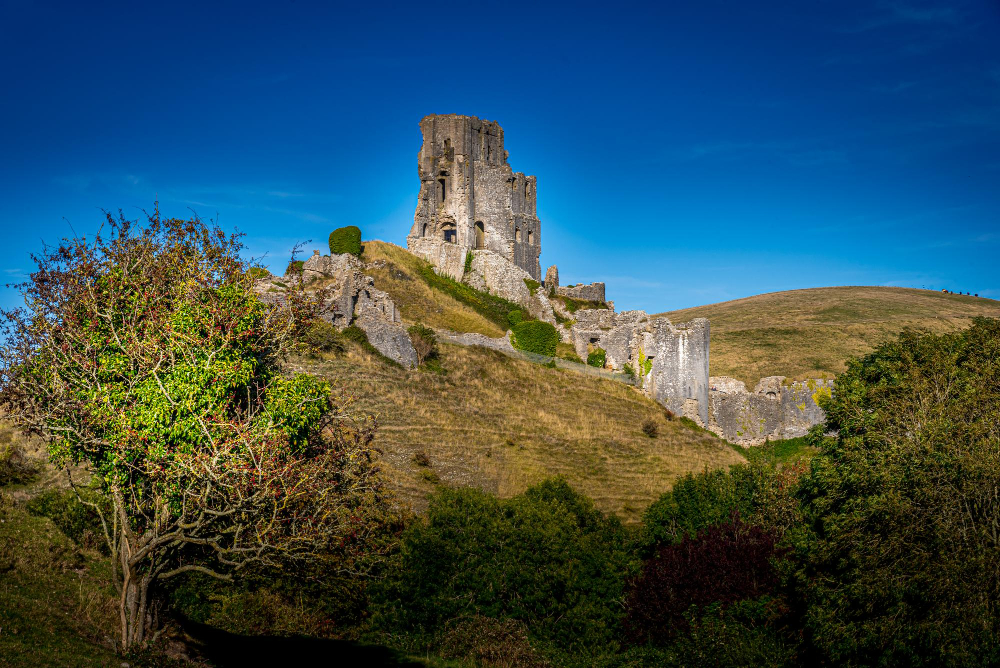
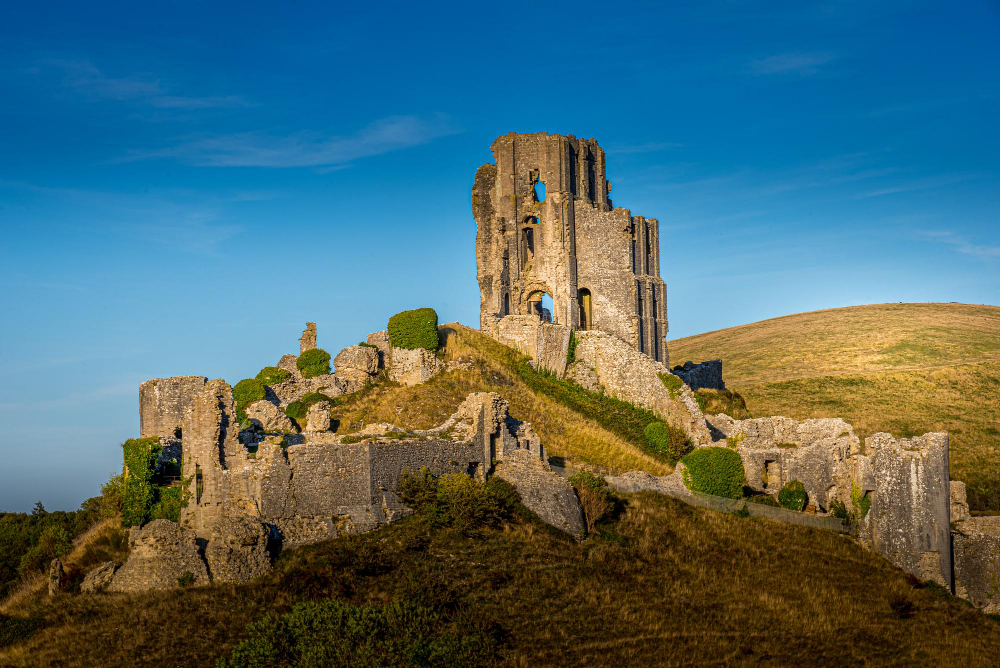
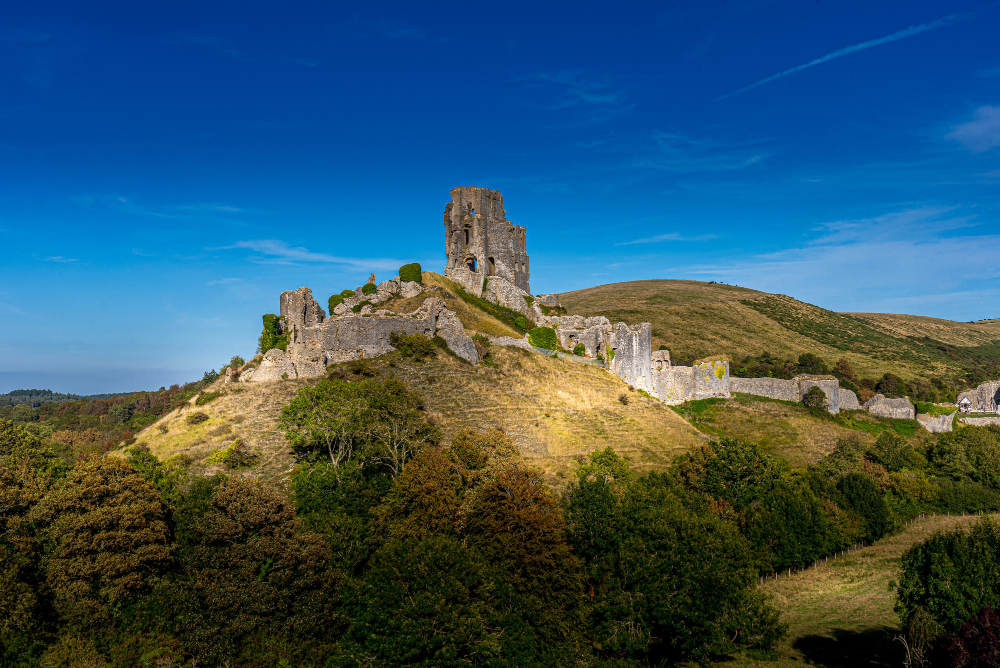
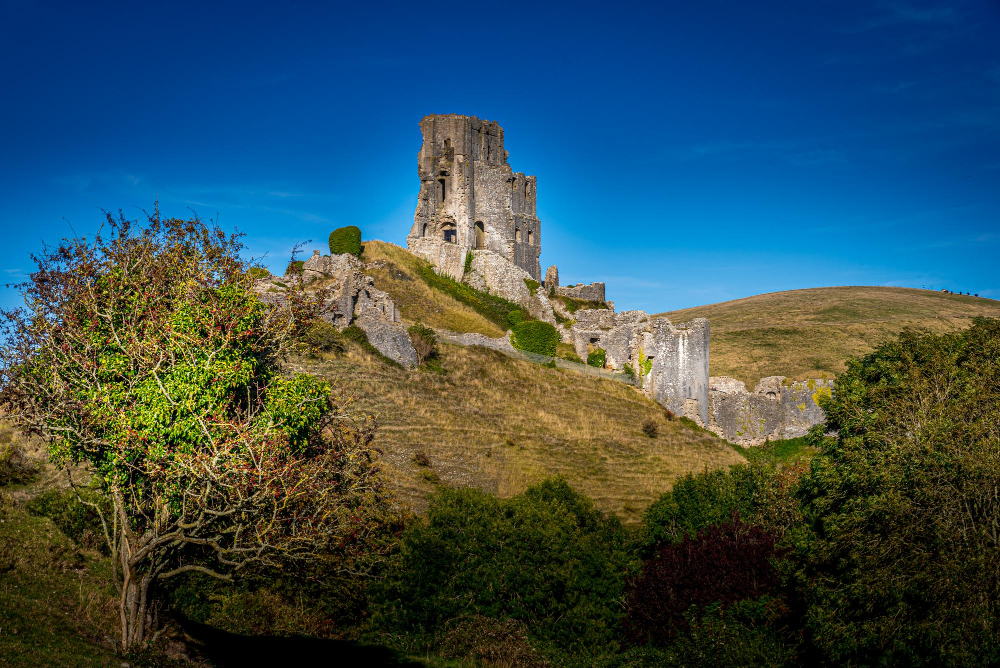
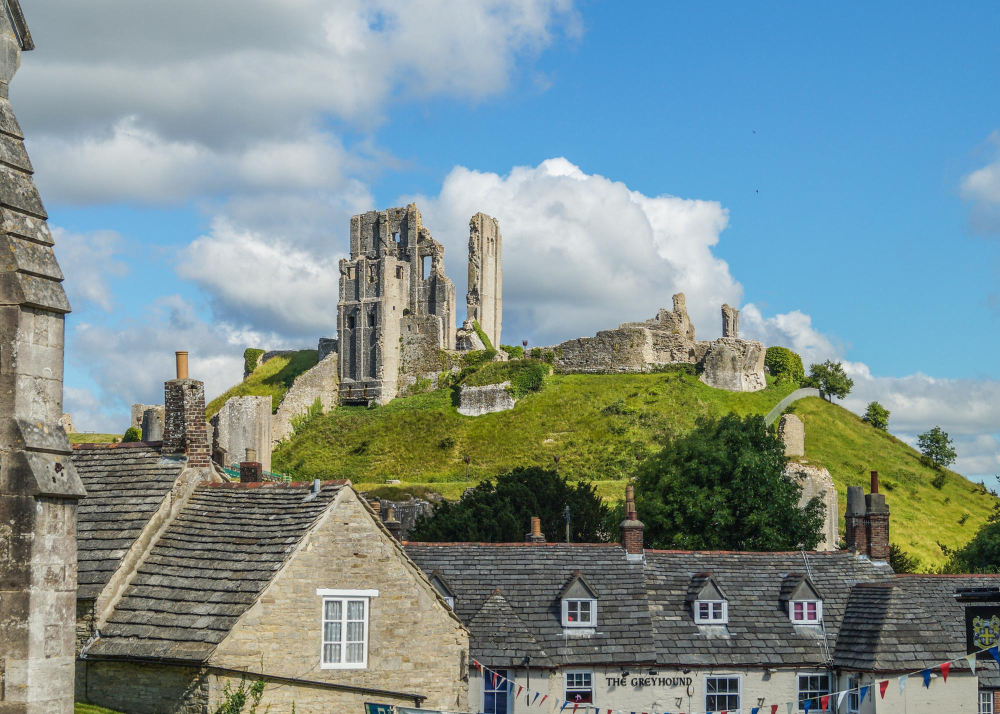
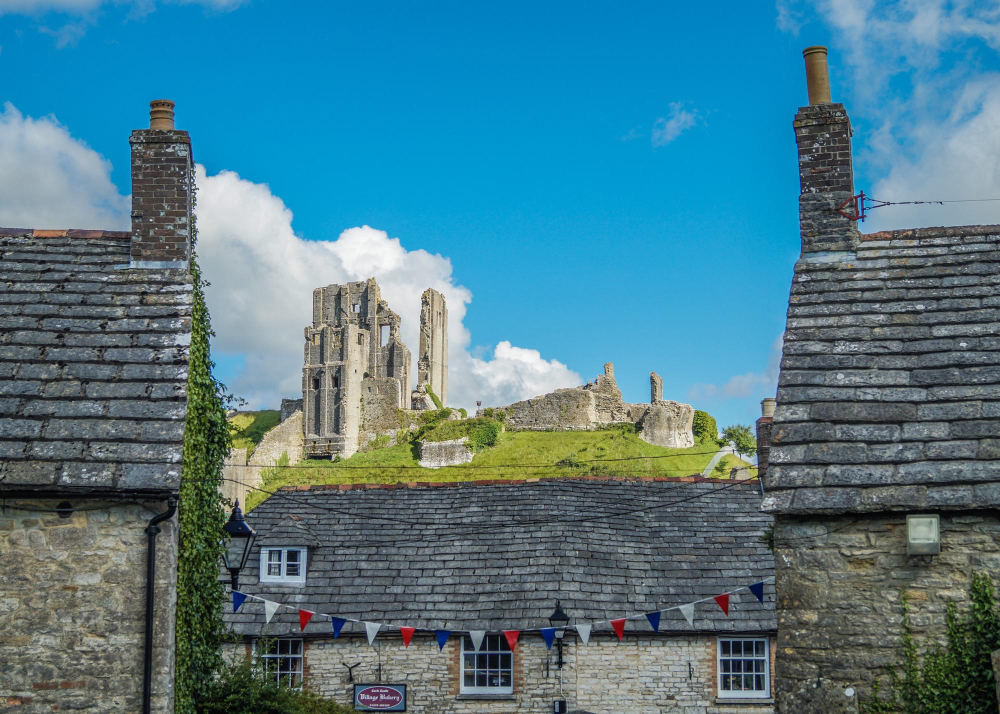
The Destruction of Corfe Castle: A Symbol of the Change in Power – Following the conquest, the Parliamentarians ordered the destruction of Corfe Castle to prevent the fortress from ever becoming a royal stronghold again. The once magnificent castle was systematically razed to the ground, and all that remained were the ruins that stand to this day. They stand as a silent testament to the conflict that permanently altered England’s political landscape. The ruins of Corfe Castle attract thousands of visitors every year. For many, they are not only a tourist highlight but also a place to reflect on a time when courage and betrayal went hand in hand. Lady Mary Bankes is often referred to as the ‘Heroine of Corfe’ and remains an inspiration to those who honour the stories of forgotten heroines.
Its significance for the present day – The story of Corfe Castle and Lady Mary Bankes is more than just a chapter in English history; it is a universal tale of perseverance, bravery and humanity. It shows just how significant individual decisions and actions can be, even amidst great historical upheaval. In a world characterised by rapid technological and social change, the story of Lady Bankes can remind us of the importance of maintaining our integrity, even when the odds are stacked against us. At the same time, it serves as a warning against betrayal – a human weakness that can have devastating consequences both then and now.
The siege of Corfe Castle in 1645 is an example of the complex dynamics of the English Civil War and the often-overlooked role of women in historical conflicts. Lady Mary Bankes embodies an extraordinary blend of courage, intelligence and leadership that impressed even her opponents. However, Lieutenant Colonel Pitman’s betrayal reminds us that heavy defeats are often caused by internal weaknesses rather than external superiority alone. Today, the ruins of Corfe Castle stand as a venerable monument to times gone by and a symbol of the resilience of those who were prepared to fight for their convictions. The history of this castle is an invitation to pause and reflect on what values we would defend today – and how much we would be prepared to risk for those values.










Post Comment