Castel Sant’Angelo – A Symbol of Divine Protection and Centuries-Old Legends
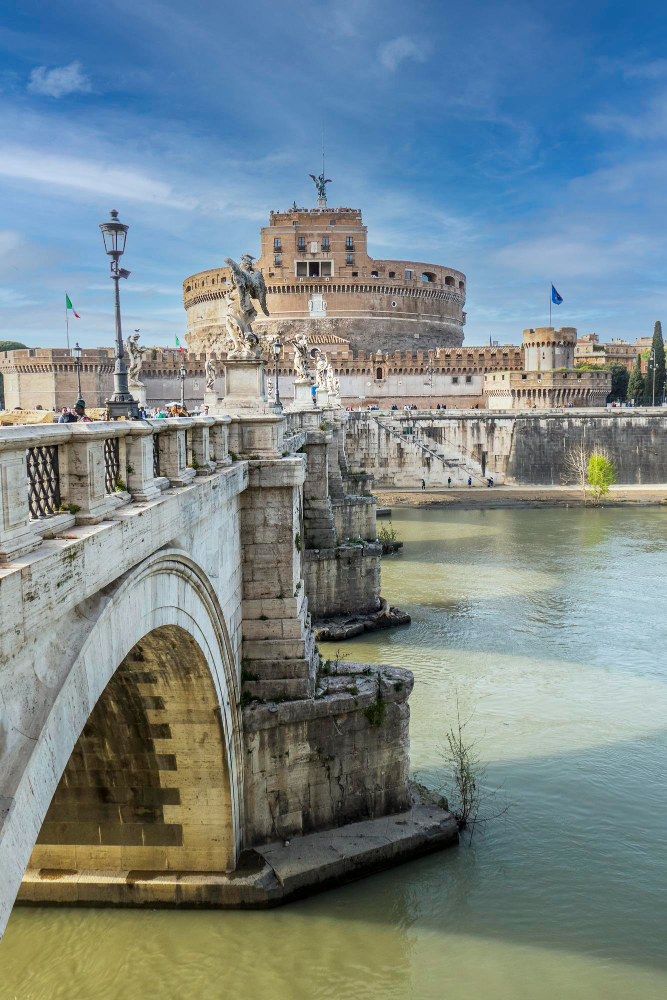
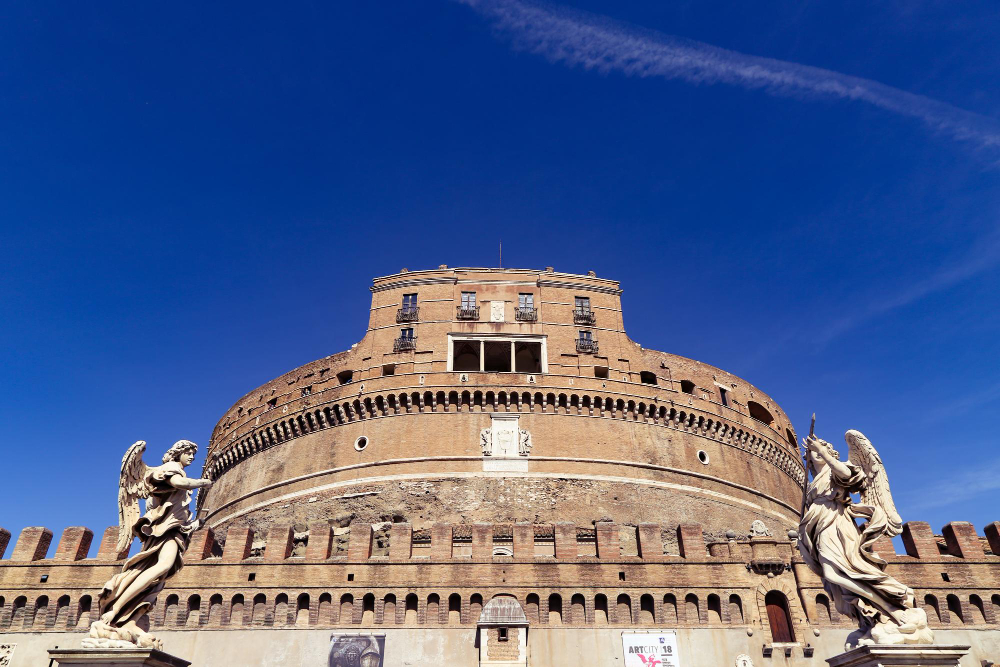
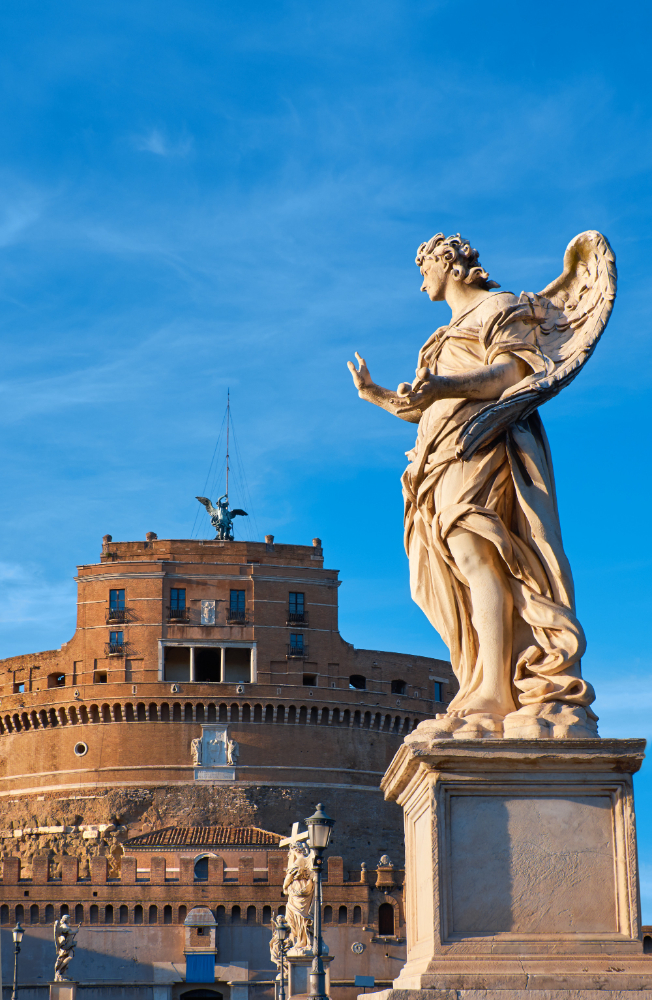
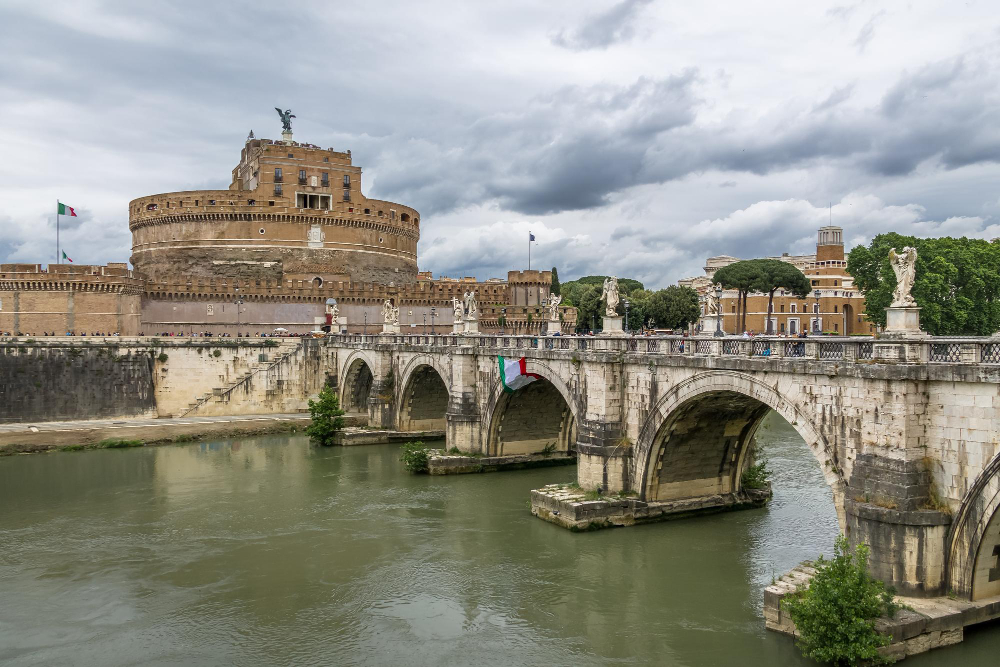
The imposing Castel Sant’Angelo, which rises majestically on the banks of the Tiber in Rome, is far more than just an architectural masterpiece or a tourist attraction. This structure tells stories of emperors, popes, and the Archangel Michael—stories inextricably linked to the city’s history. Particularly noteworthy is the legend that gave the former mausoleum its current name and made it a symbol of divine power and divine protection. But what exactly lies behind this legend, and how has it shaped the building’s significance over the centuries? An exciting search for clues.
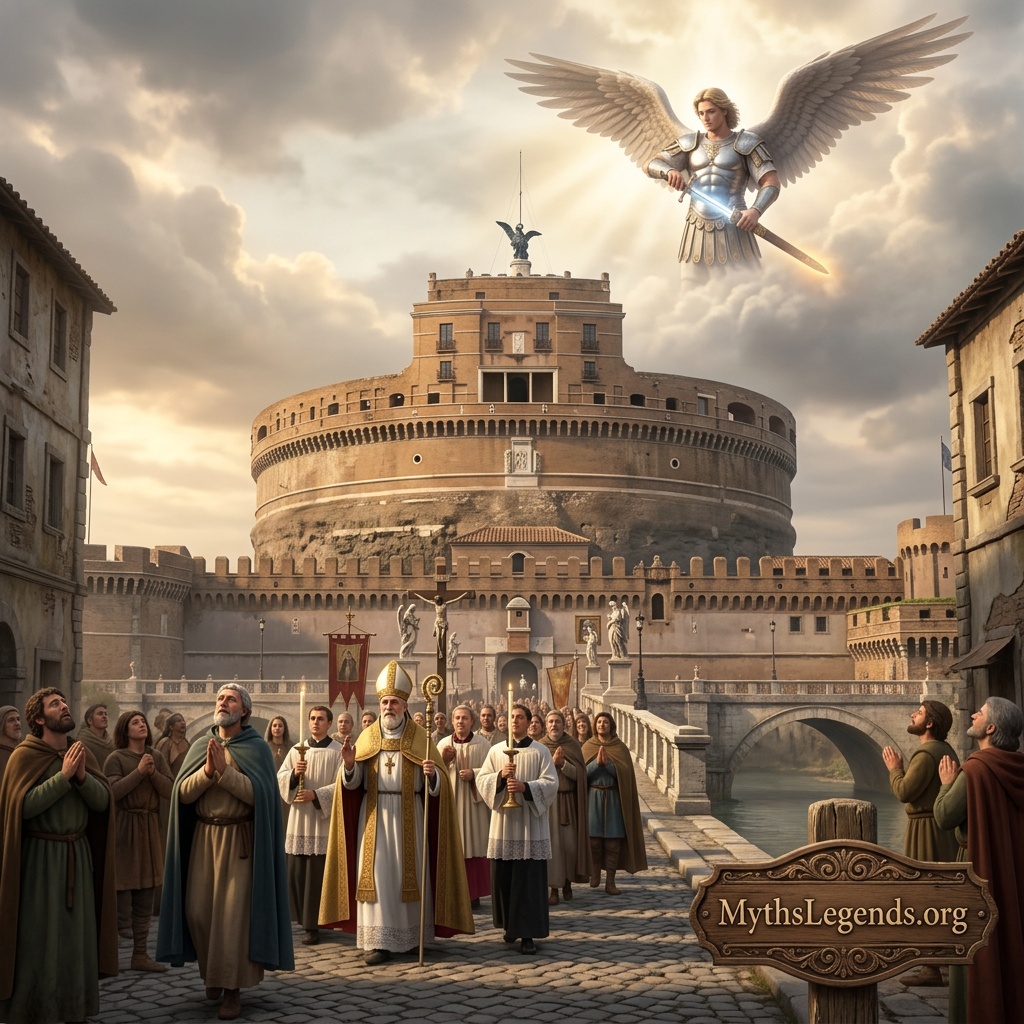
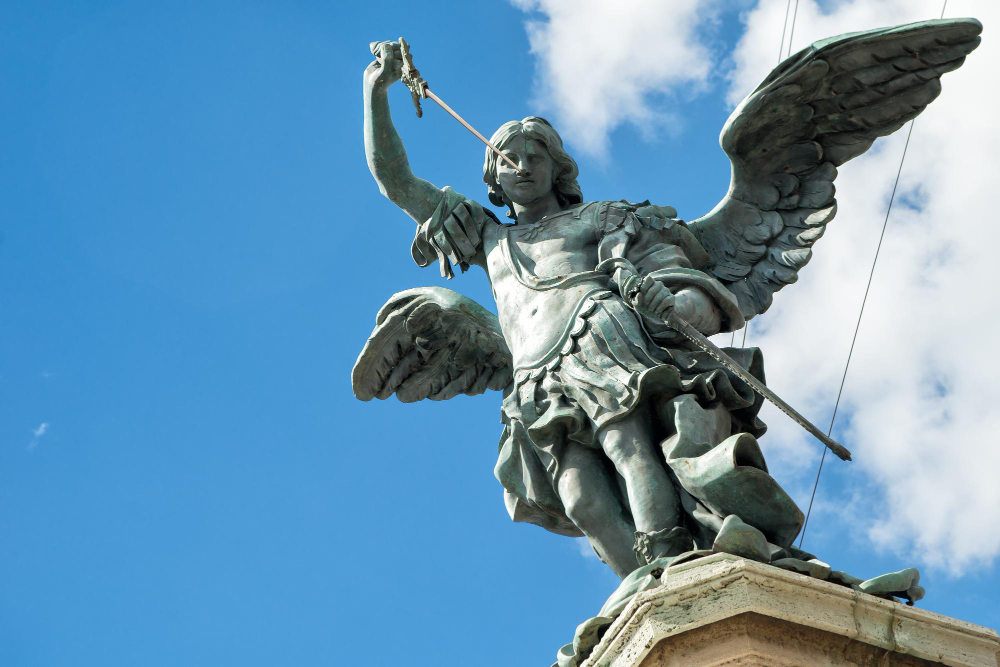
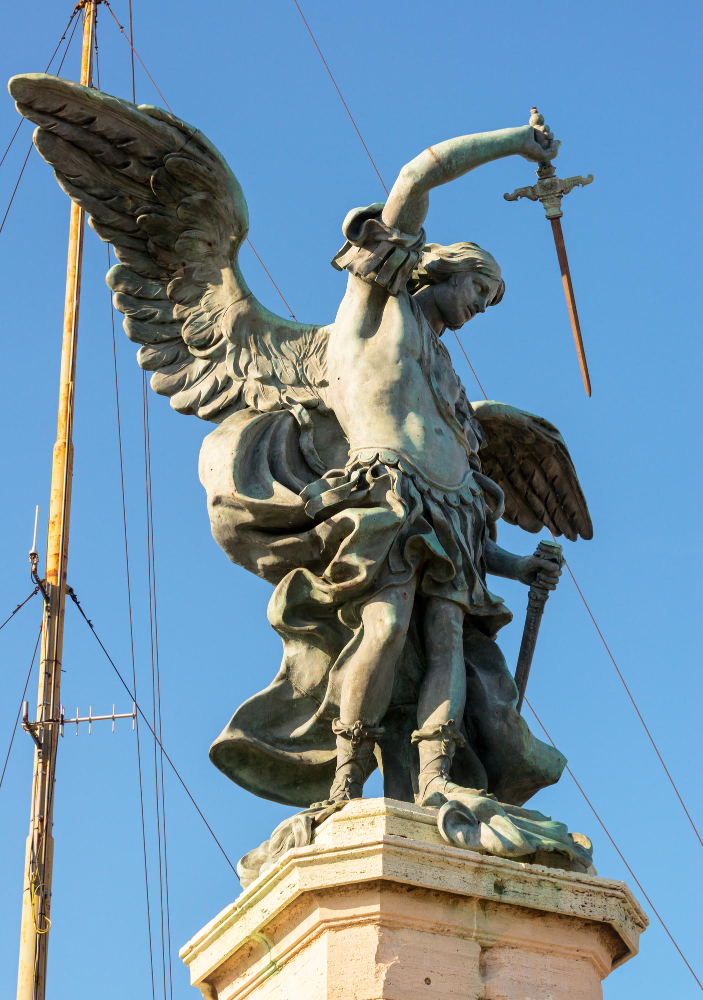
The Origin of a Legend: Rome During the Time of the Plague – The year is 590, a dark time for Rome. The Justinian Plague, one of the most devastating epidemics in world history, claimed thousands of lives and plunged the population into fear and terror. The waves of the disease had already begun in 541 and raged with relentless intensity in the decades that followed. Amid this chaos, Pope Gregory I, later known as Gregory the Great, sought a way to implore divine help and comfort the people. He led a large penitential procession through the streets of Rome, during which the people prayed together, sang, and asked God to put an end to their desperate plight. It was during this procession that, according to the medieval “Legenda aurea,” a miraculous event took place. As the Pope and the procession passed the Mausoleum of Hadrian, the Archangel Michael appeared above the structure. The angel is said to have sheathed his flaming sword—a symbol of divine wrath—a gesture that heralded the end of the plague. It was at this very spot that the mausoleum received its new name: Castel Sant’Angelo, the Castle of the Angel.
Between Myths and Historical Facts – Although the legend states that the plague ended immediately after the Archangel’s appearance, historical reality paints a different picture. The Justinian Plague continued to rage for years after 590, and its impact on Europe was so severe that it contributed in part to the collapse of entire social systems. Nevertheless, the story of divine intervention persisted and became a significant symbol of hope and heavenly protection in dark times. This transformation of the mausoleum—once the final resting place of the Roman Emperor Hadrian—into a symbol of spiritual power sheds a fascinating light on the ability of human communities to imbue places and monuments with new meanings. Castel Sant’Angelo thus became not only an architectural landmark of the Eternal City, but also a mirror of religious and cultural developments.
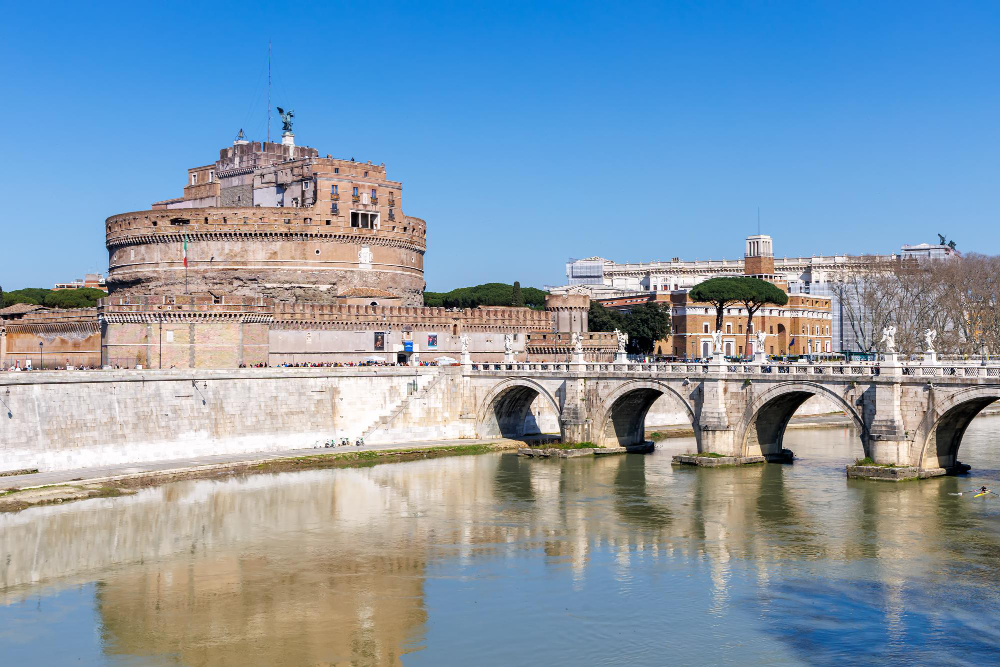
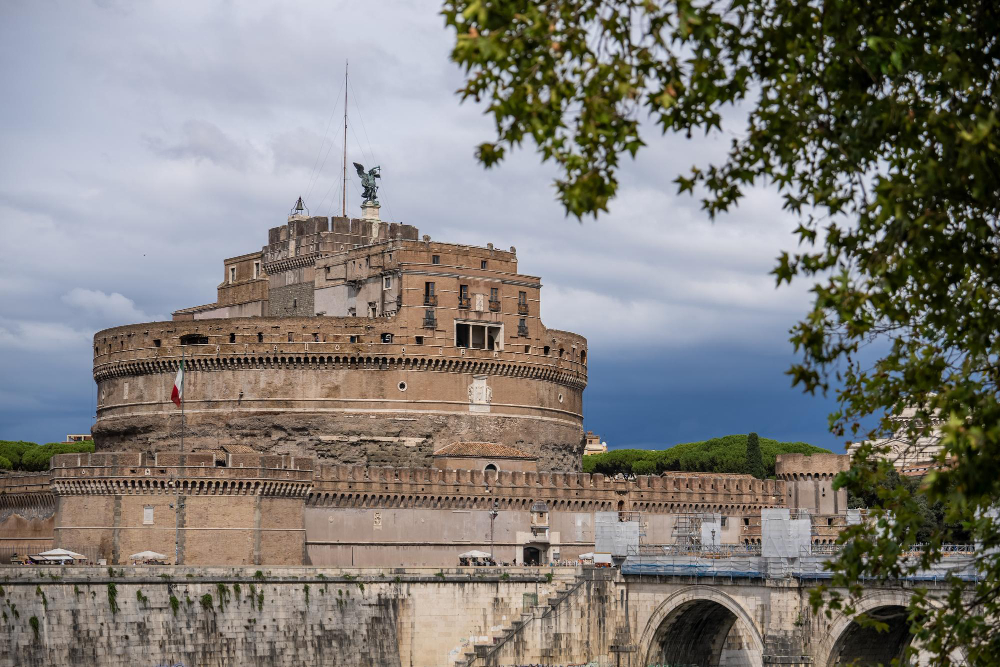
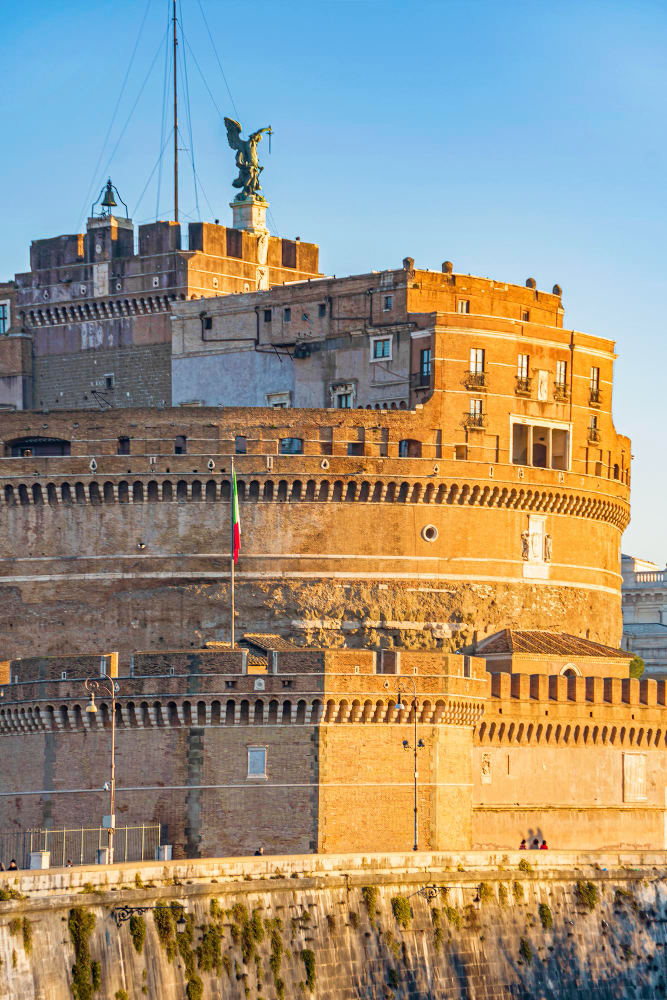
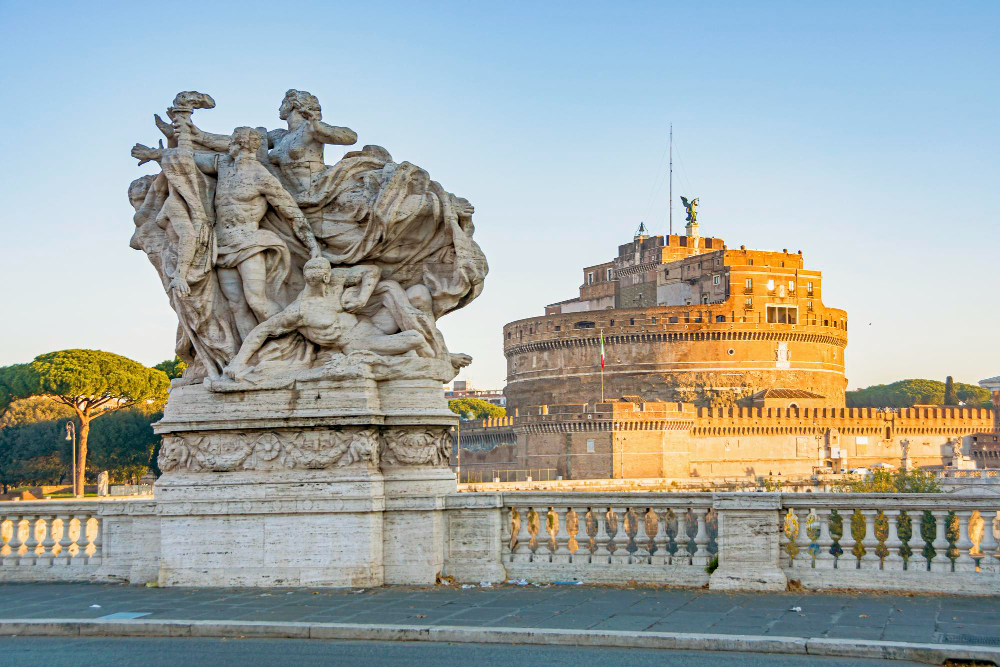
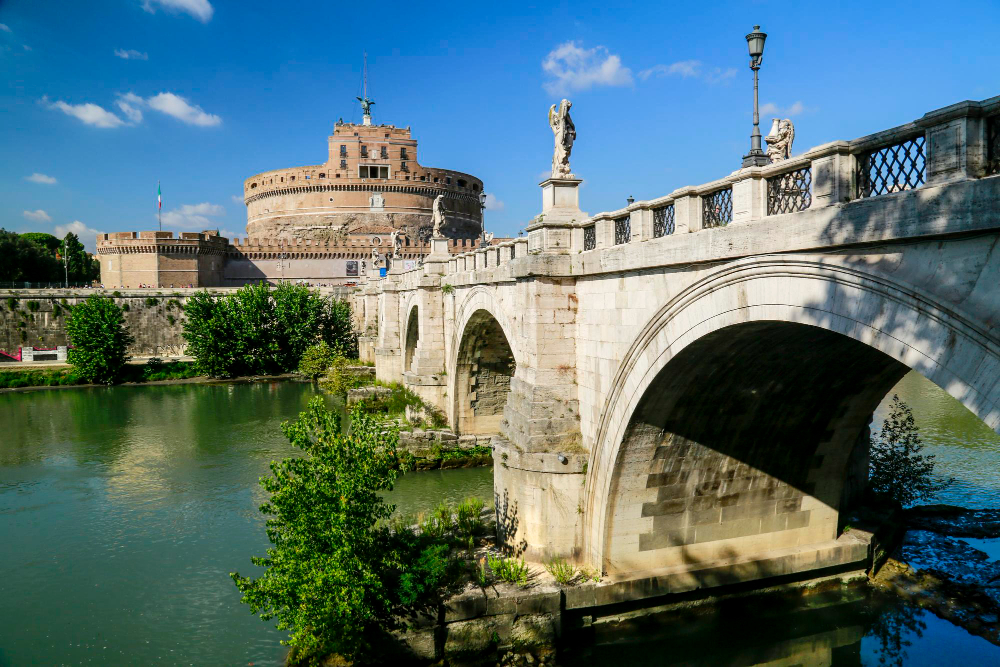
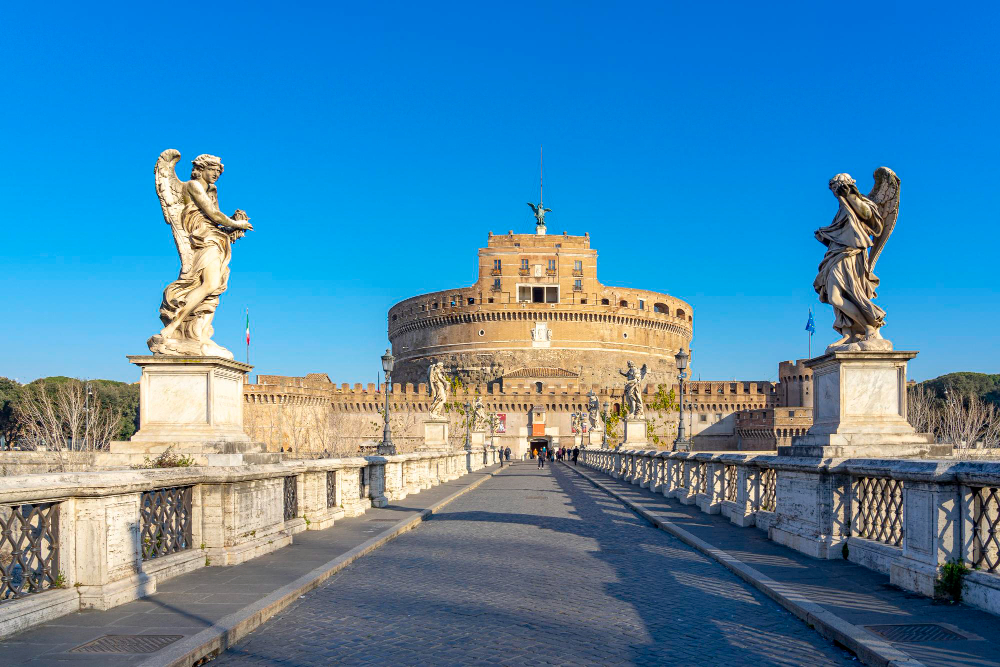
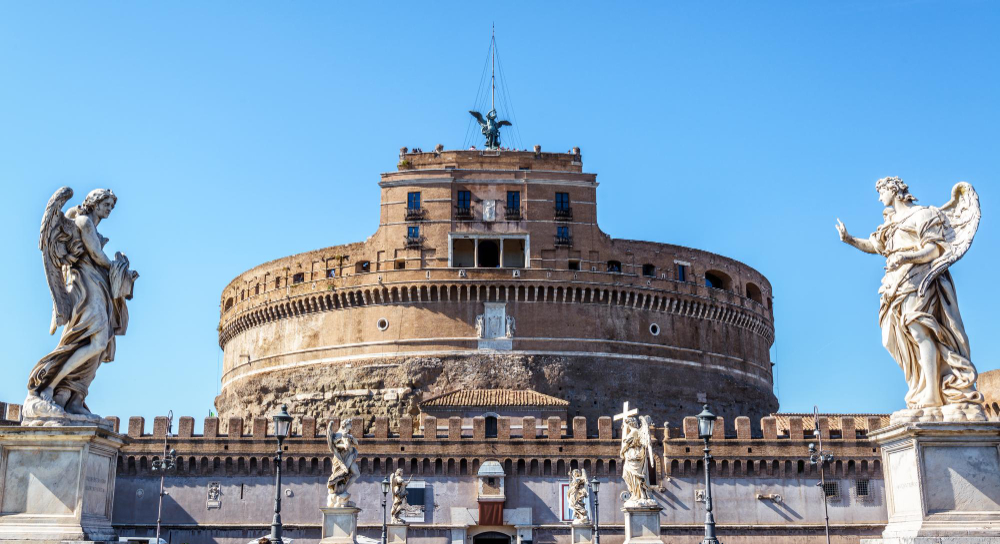
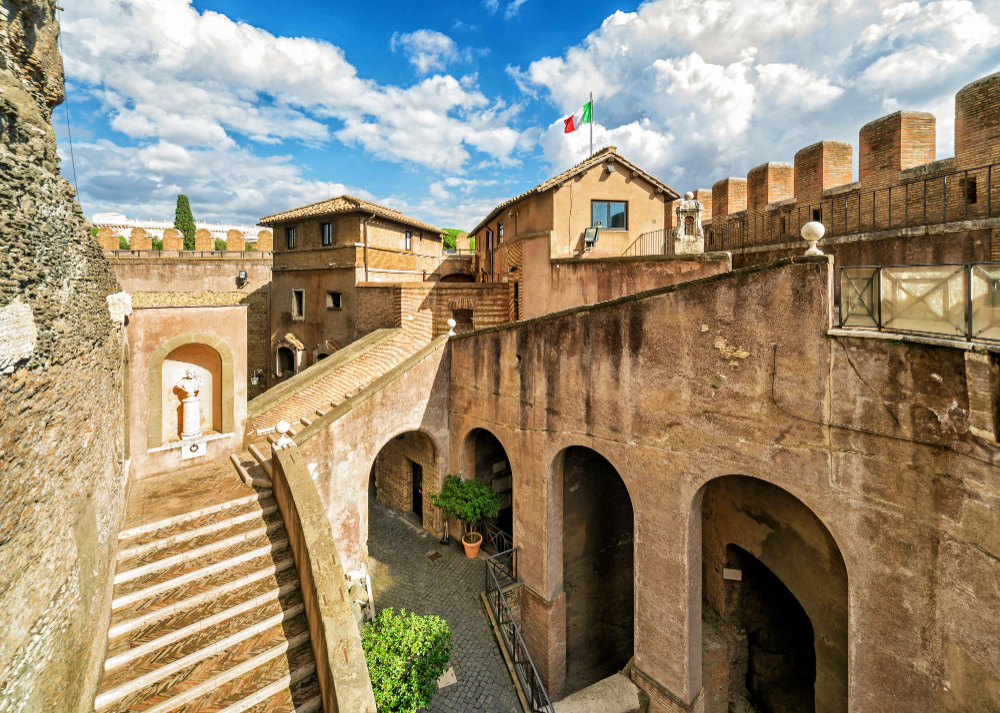
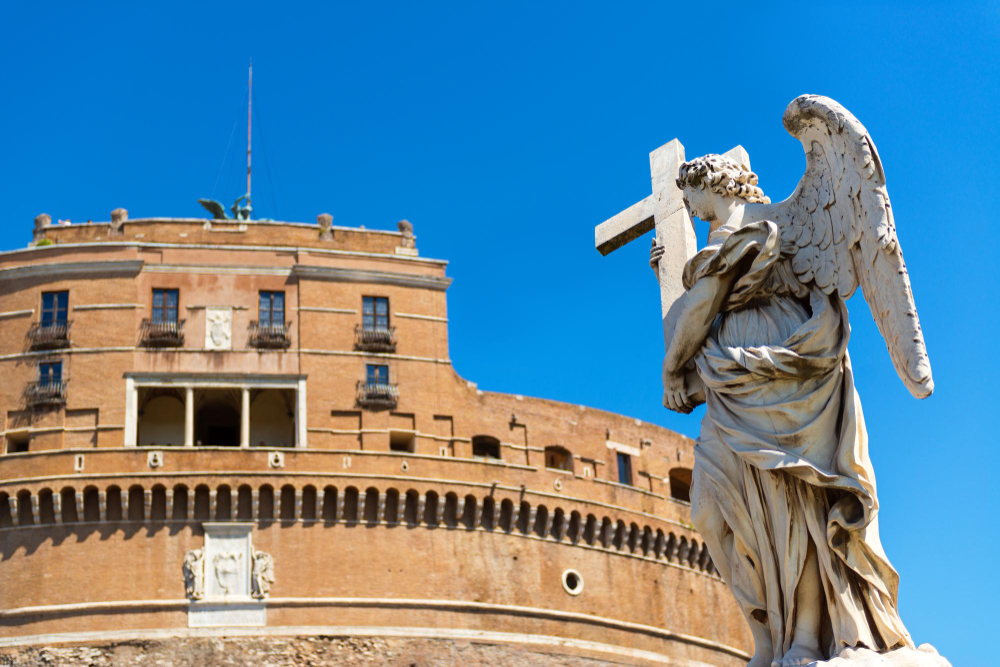
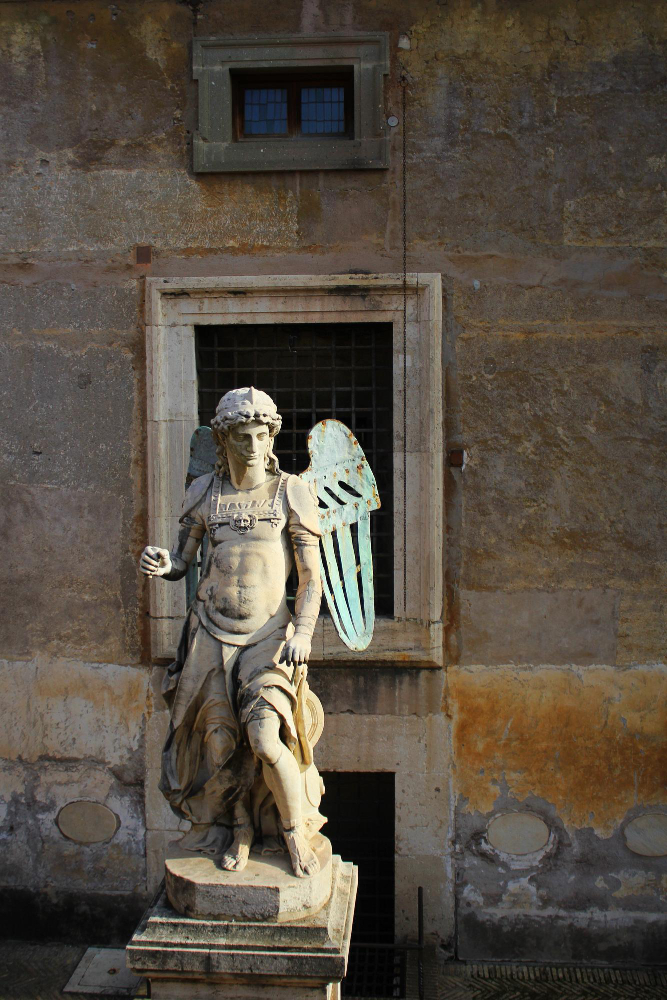
Art and Architecture: From Mausoleum to Fortress – But it is not only the legends, but also the architectural evolution of Castel Sant’Angelo that is remarkable. Originally built in 139 AD as a mausoleum for Emperor Hadrian, the structure later served as a refuge for popes, a fortress, and even a prison. Its strategic location near the Vatican, as well as its massive construction, made it an ideal defensive structure, especially in times of crisis. Particularly striking is the bronze statue of the Archangel Michael, which today adorns the top of Castel Sant’Angelo. This statue was created in 1752 by the Flemish sculptor Peter Anton von Verschaffelt and replaced an older marble work by the artist Raffaello da Montelupo. The original marble statue, which also depicts Michael, can still be admired today in the courtyard of the museum at Castel Sant’Angelo. Both works symbolize the central role that the Archangel Michael plays in the history of the structure.
Castel Sant’Angelo: A Symbol Through the Centuries – Over the centuries, Castel Sant’Angelo has undergone many transformations. Over time, it evolved from a mausoleum to a fortress, a refuge for the Pope, and finally a museum that brings Rome’s rich history to life for visitors from around the world. Yet despite all these changes, one constant remains: the connection to the Archangel Michael and the legend of his apparition. The significance of Castel Sant’Angelo, however, extends beyond its religious and symbolic aspects. It is also a testament to Rome’s cultural and social transformations. Its walls tell stories of power, protection, and faith. Every stone of the structure bears the memory of the many people who sought refuge here or found their final resting place.
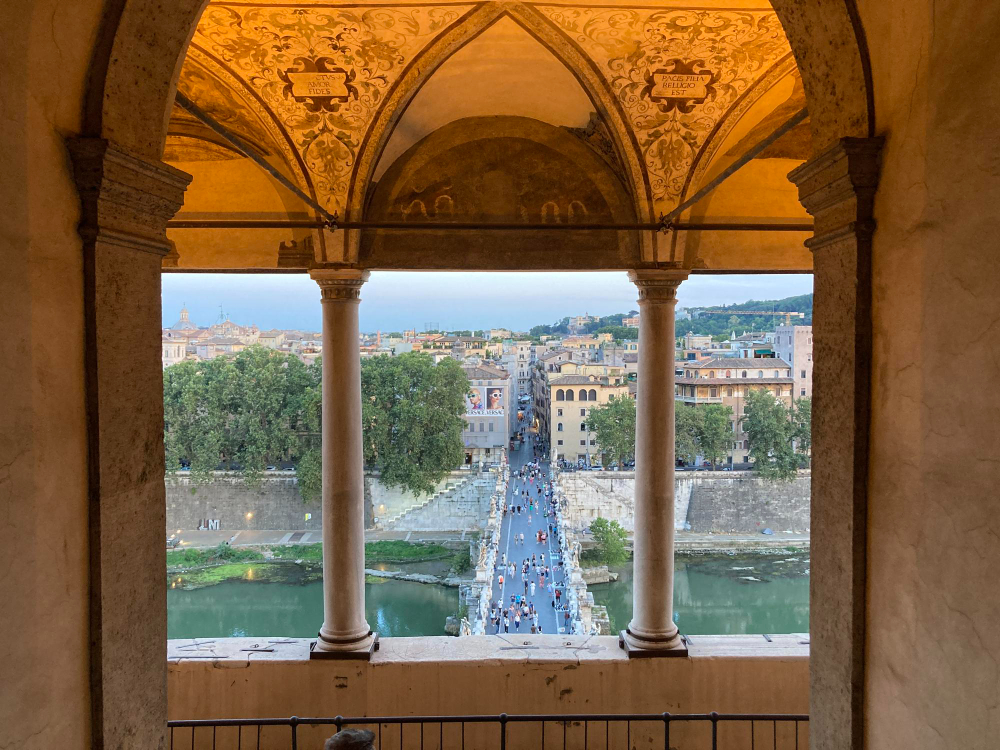
A Journey Through Past and Present – Today, Castel Sant’Angelo attracts hundreds of thousands of visitors annually, who take the opportunity to stroll through its corridors, enjoy the impressive views of the Vatican and the Tiber, and immerse themselves in the building’s rich, often mystical stories. The legend surrounding the apparition of the Archangel Michael is particularly fascinating, as it demonstrates how deeply religion and myth can be rooted in a city’s history. For many visitors, Castel Sant’Angelo is more than just a historical monument—it is a place of inspiration and wonder. The intertwining of legend and reality makes it clear how history is shaped not only by facts, but also by narratives and faith.
A Monument Between Earth and Heaven – Castel Sant’Angelo is a structure that has stood the test of time, and whose significance extends far beyond its original function. The combination of historical significance, architectural beauty, and religious myth makes it one of Rome’s most fascinating structures. Whether viewed as a symbol of divine protection or as a testament to the turbulent history of the Eternal City—Castel Sant’Angelo remains a place that connects: the past with the present, the heavenly with the earthly.





Post Comment