Betrayal and Majesty: The Legacy of Cristóvão de Moura’s Palace Amid the Turmoil of 17th-Century Portugal
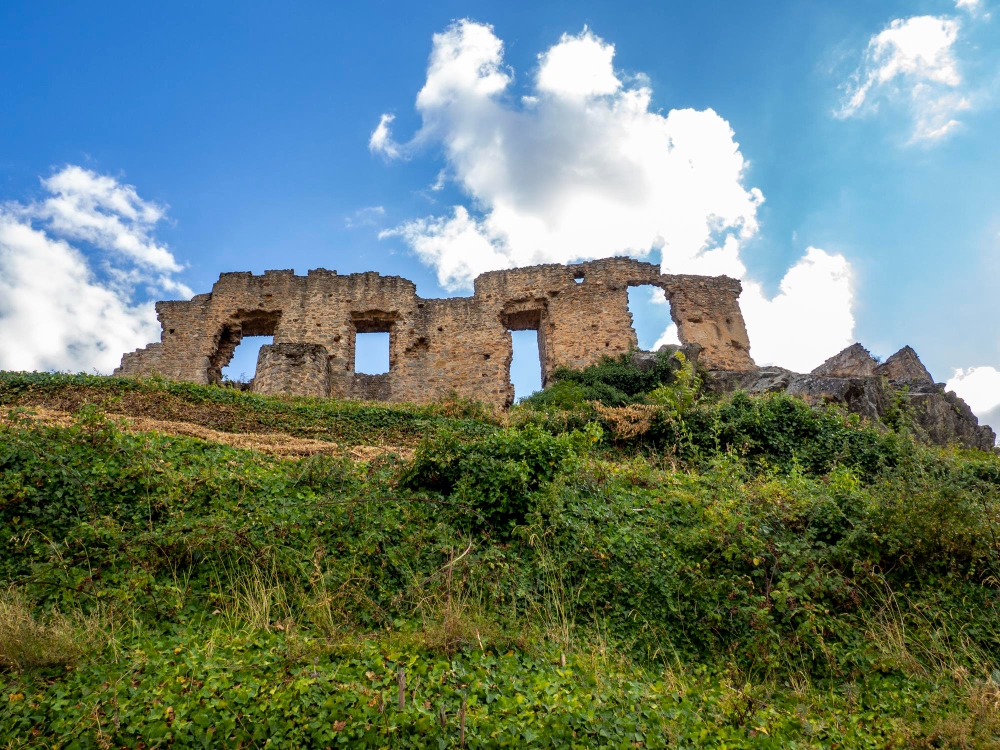
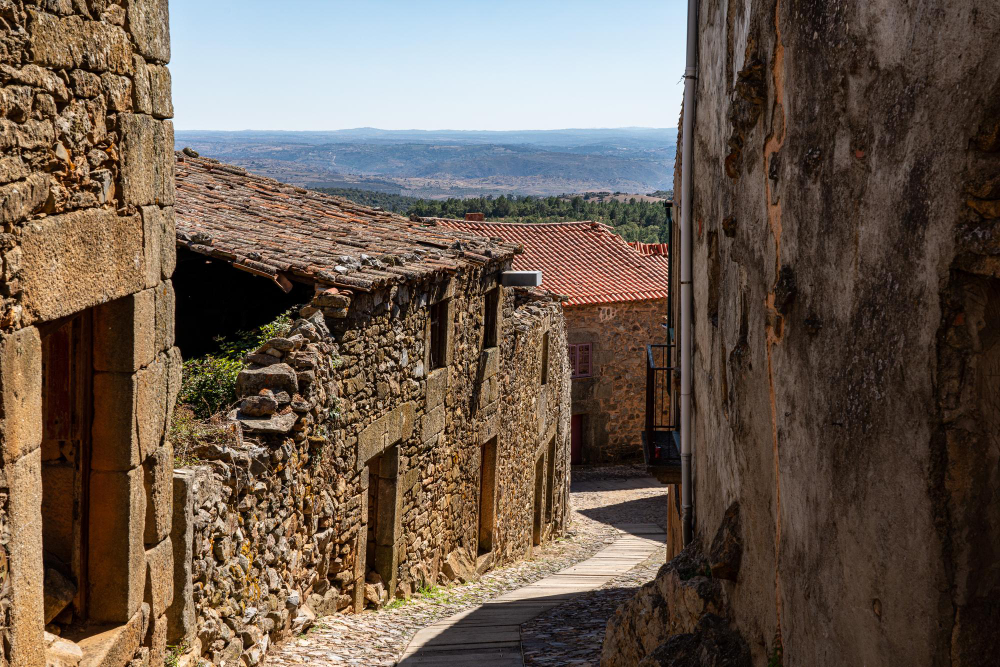
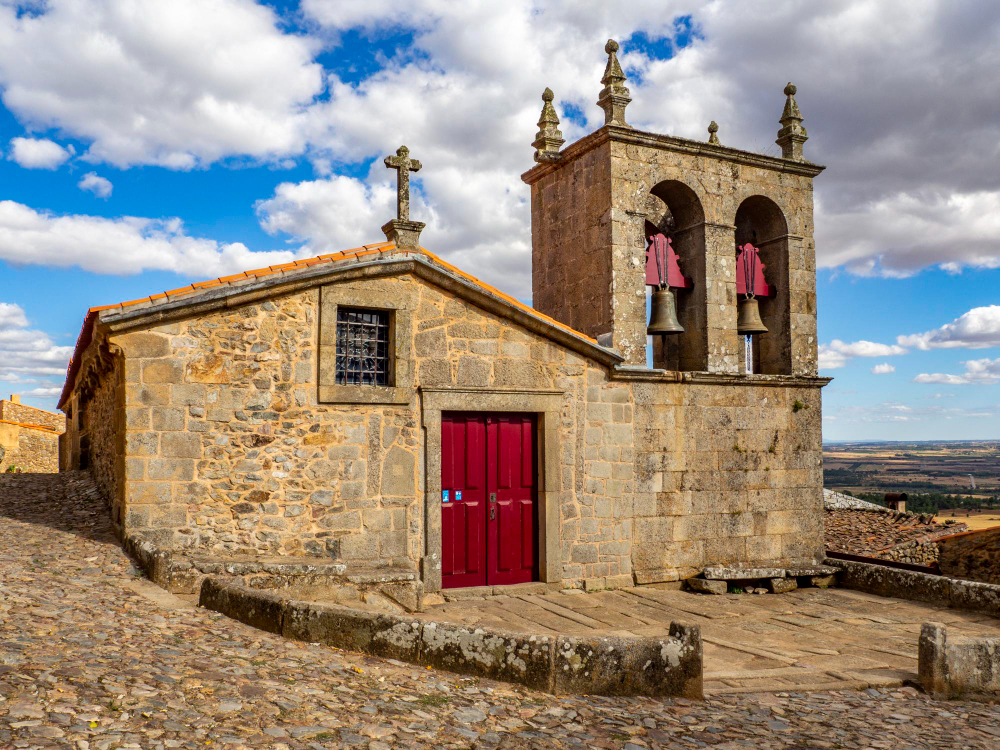
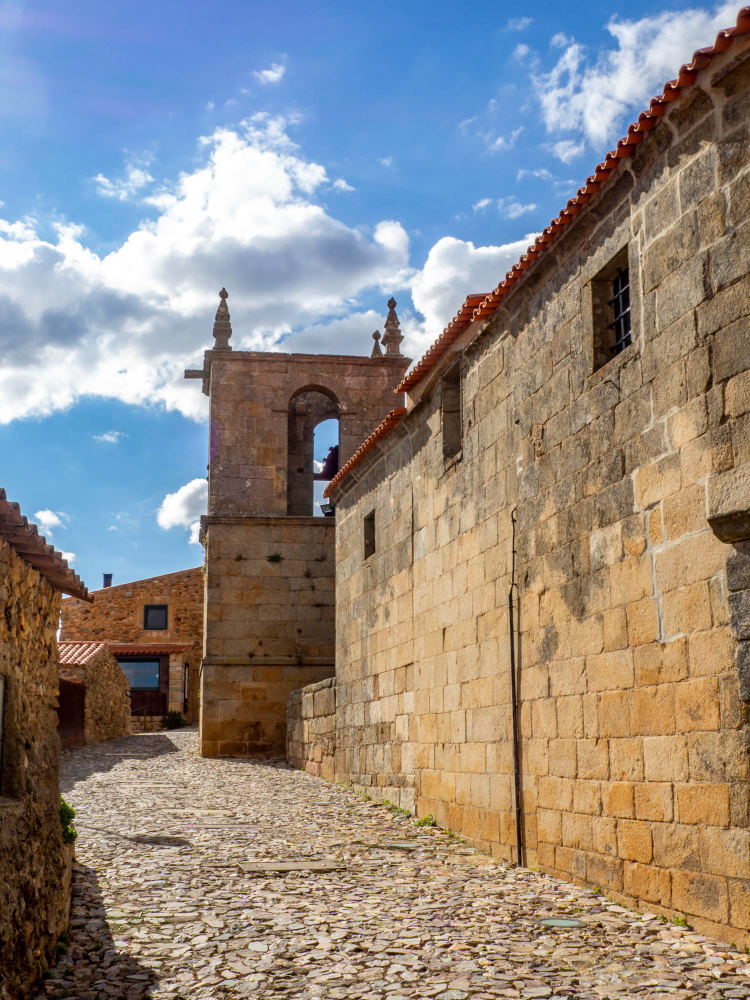
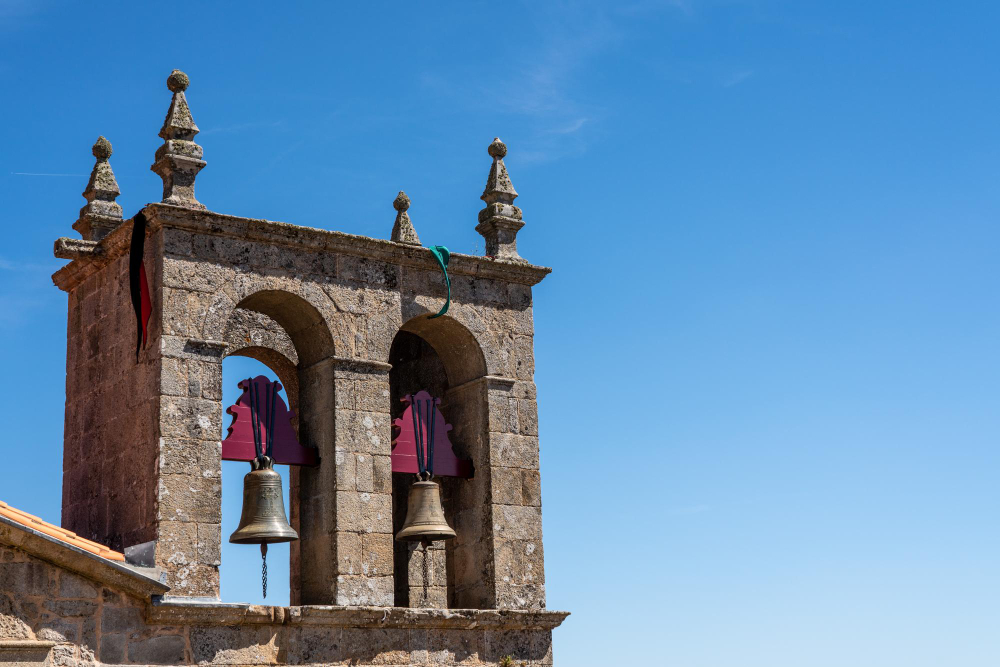
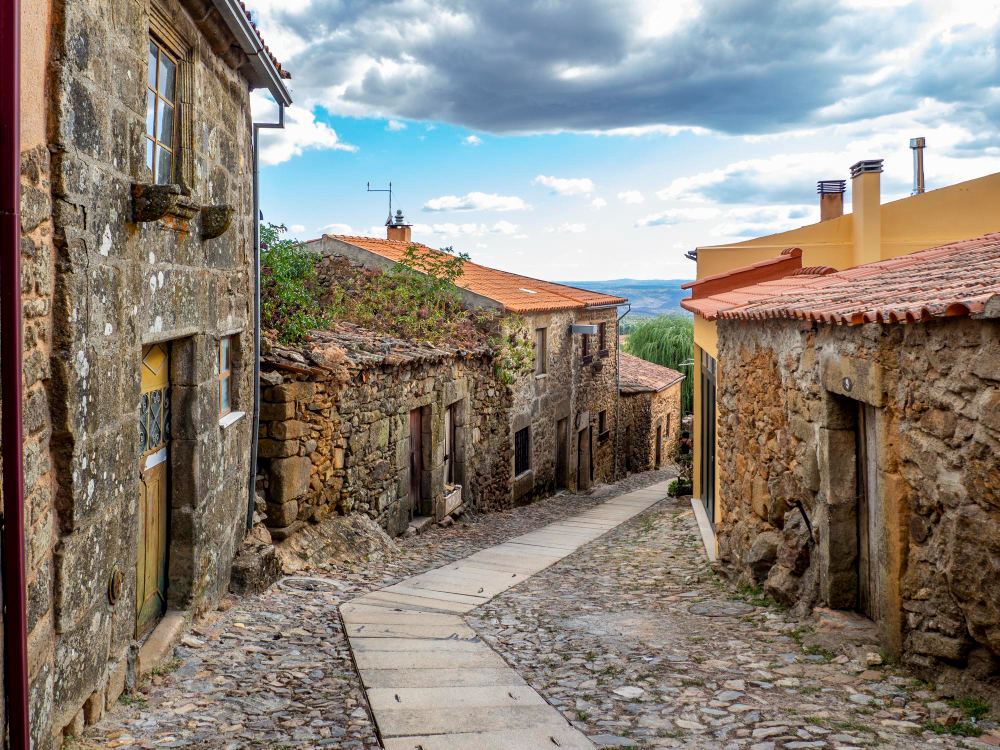
In the annals of Portuguese history, few episodes combine intrigue, political upheaval and architectural splendour as impressively as the story of Cristóvão de Moura and his legendary palace. Set against the backdrop of Portugal’s struggle for sovereignty in the mid-17th century, this narrative captures a moment of national identity marked by conflict and betrayal. The ruins of Moura Palace rise up as a striking monument to this turbulent era – a silent witness perched high above the historic town of Castelo Rodrigo, embodying themes of loyalty, power and resistance.
Historical Context: Portugal under Habsburg rule – To fully understand the significance of Cristóvão de Moura and his palace, it is essential to grasp the political climate in Portugal during the 16th and 17th centuries. Following the death of King D. Sebastião at the Battle of Alcácer Quibir in 1578, who left no heirs, Portugal was plunged into a crisis. This power vacuum paved the way for Philip II of Spain to lay claim to the Portuguese throne in 1580, marking the beginning of the Iberian Union, during which Portugal was ruled by the Spanish Habsburg monarchy for six decades. Spanish rule fuelled discontent in Portugal, which was further exacerbated by economic decline and exclusion from imperial affairs. Over time, Portuguese nationalism simmered beneath the surface, biding its time for an opportunity to regain independence. It was during this period of tension that Cristóvão de Moura emerged – a symbolic figure who embodied unwavering loyalty to the Spanish Crown, yet was despised by many as a traitor to his homeland.
Cristóvão de Moura: The Man Behind the Name – Cristóvão de Moura was a nobleman whose loyalty to the Habsburgs earned him considerable favour and influence. He was elevated to offices such as that of Viceroy of Portugal and granted titles such as Count of Castelo Rodrigo; thus, Moura wielded considerable influence during the Spanish rule. His connection to Spain was not merely pragmatic in nature, but deeply rooted in the political realities of the time – he represented a faction of the Portuguese nobility that saw stability and personal advancement in cooperation with the Habsburgs. This loyalty, however, came at a high price. For a large part of the Portuguese population, Moura embodied collaboration with an occupying power and symbolised betrayal at a time when Portuguese national pride was resurging. His name became synonymous with treason, and his legacy remains controversial to this day.
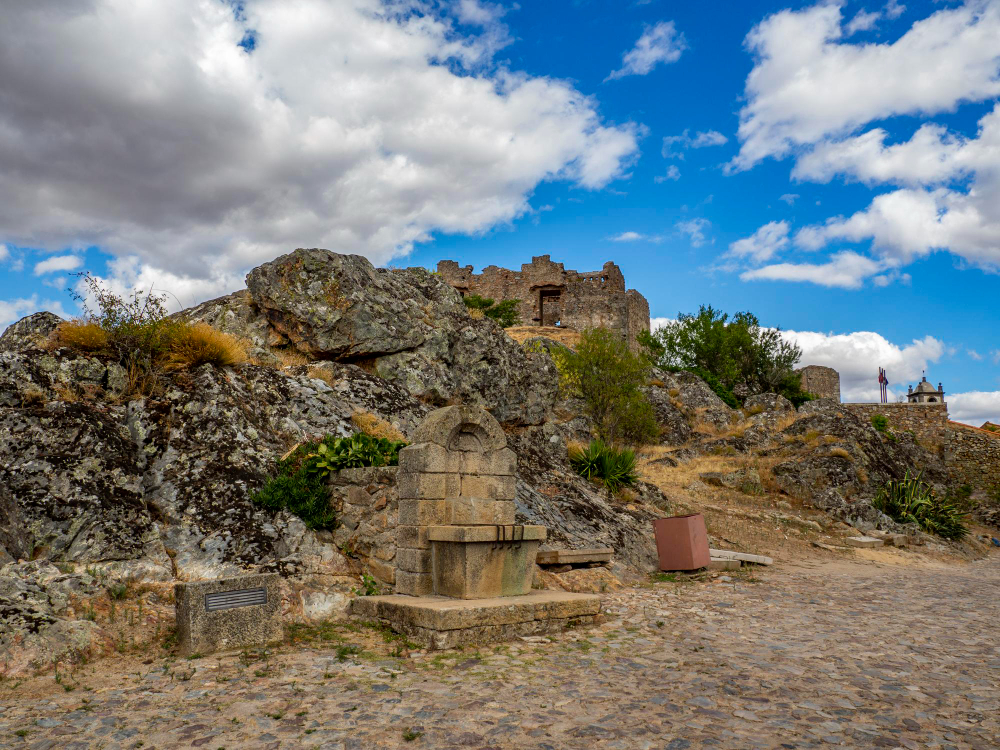
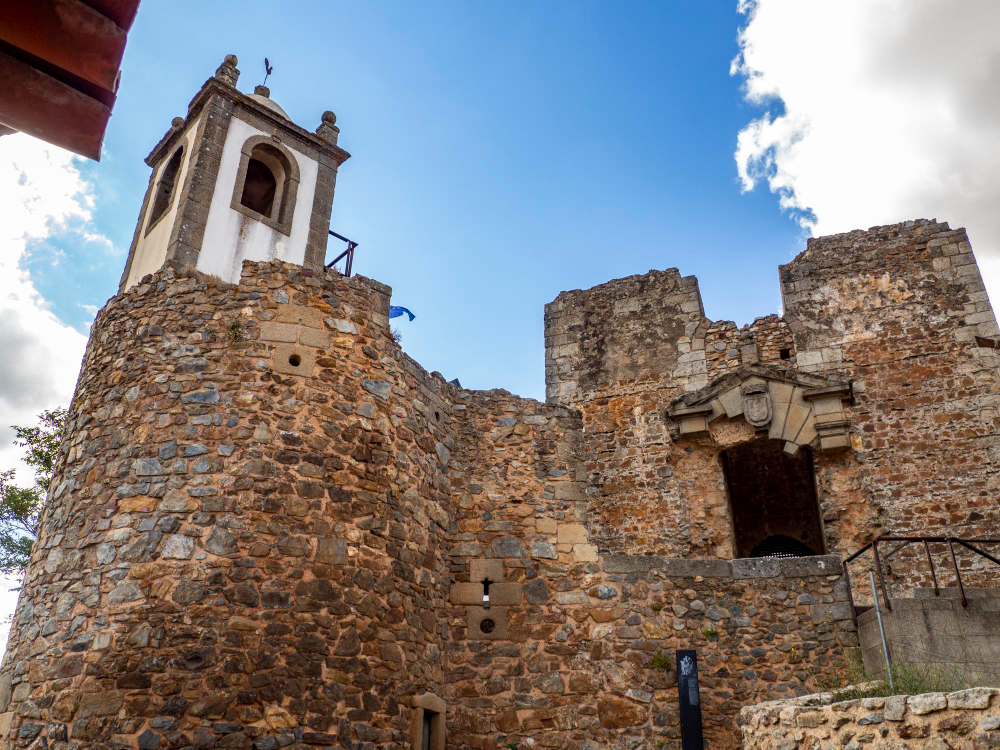
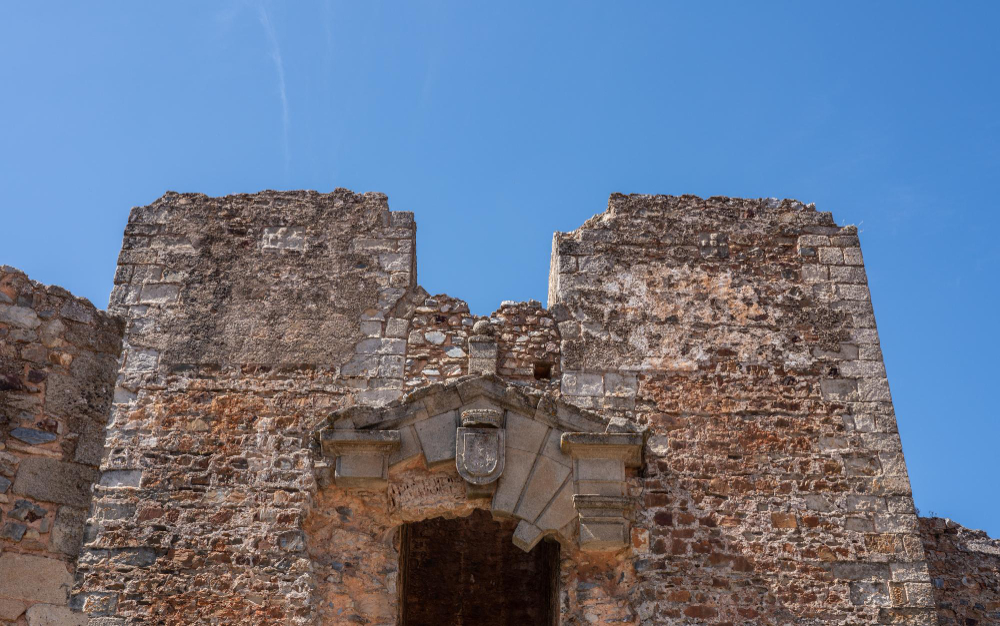
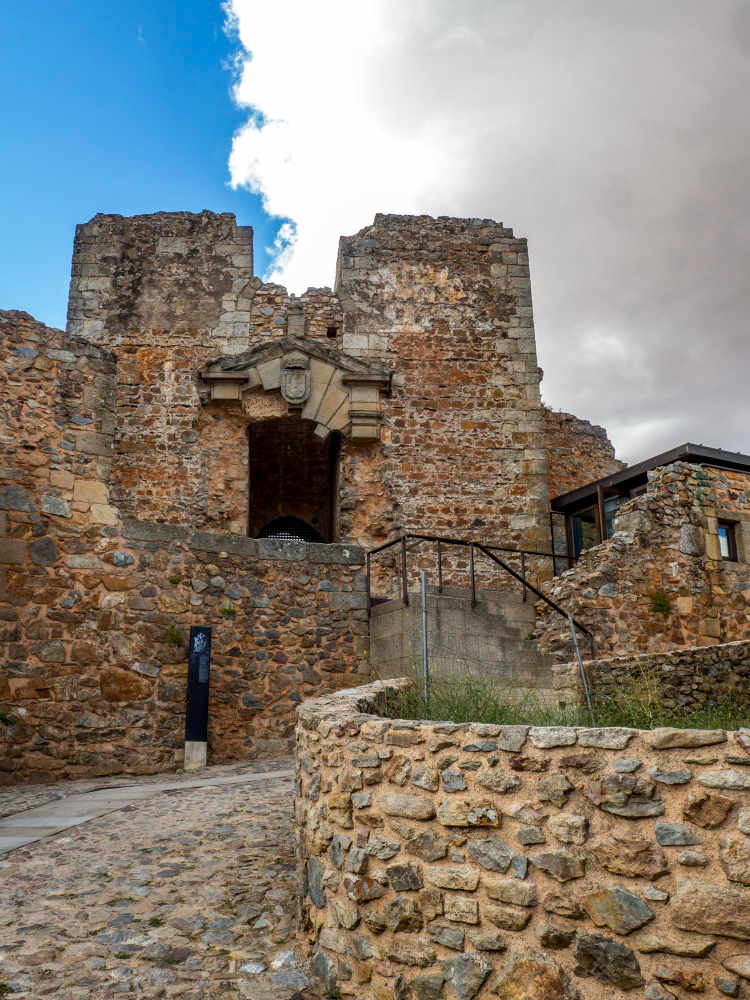
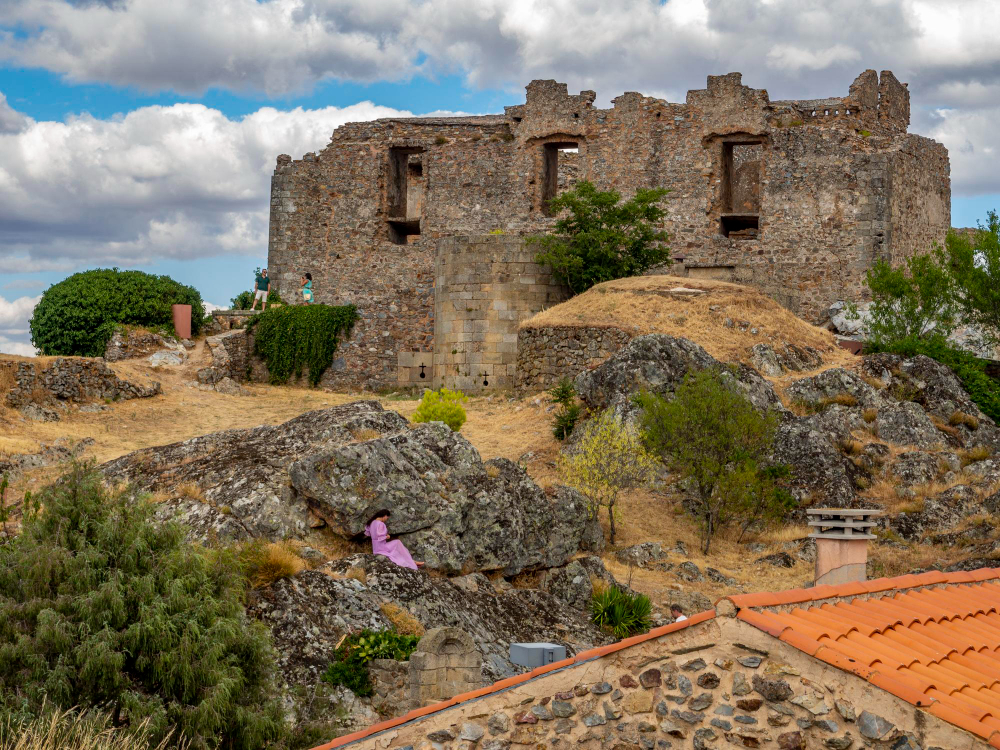
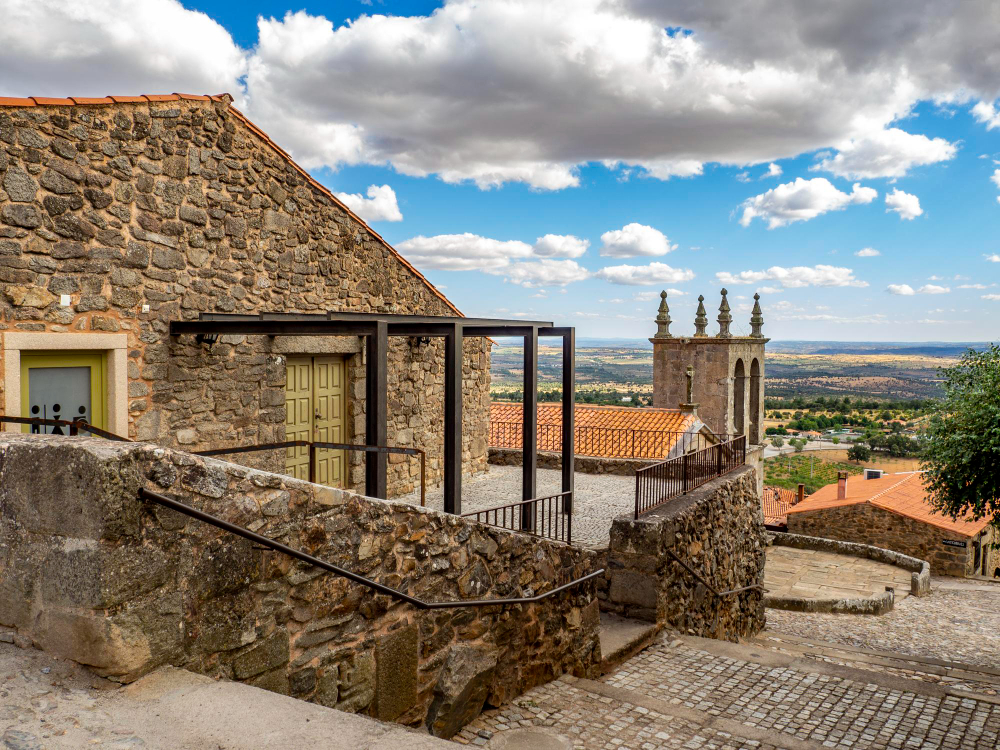
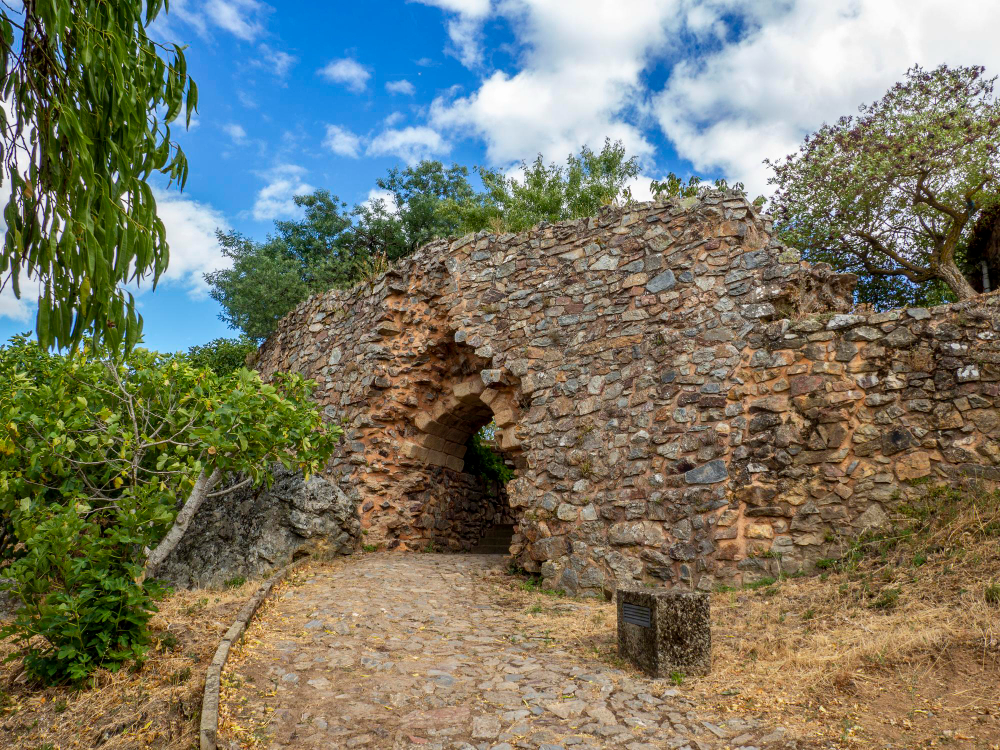
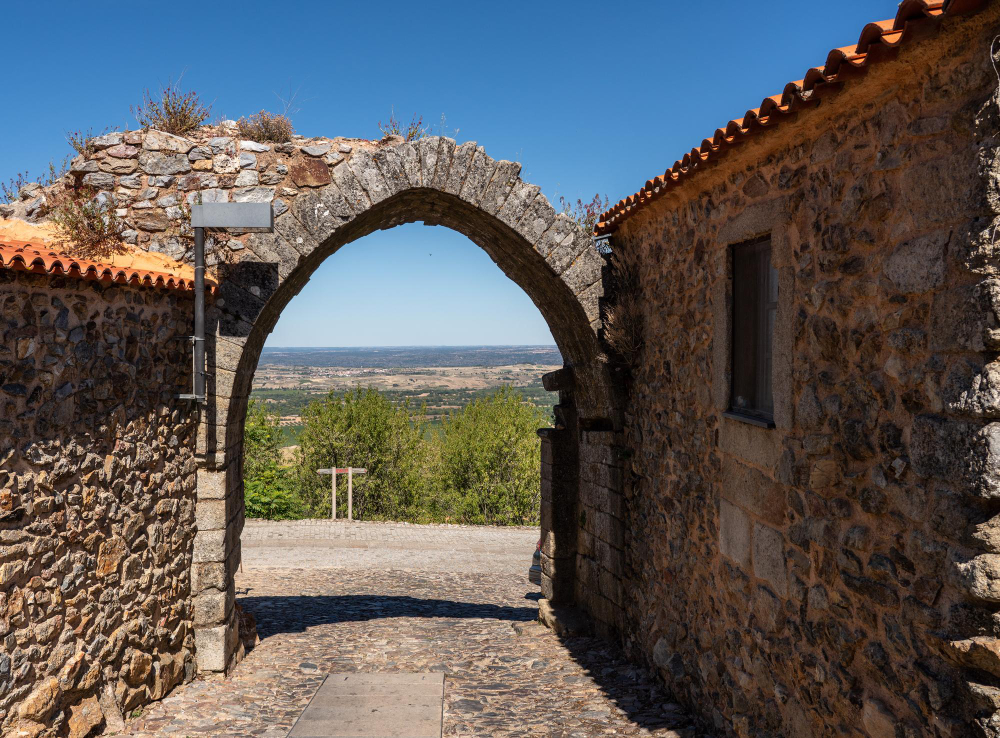
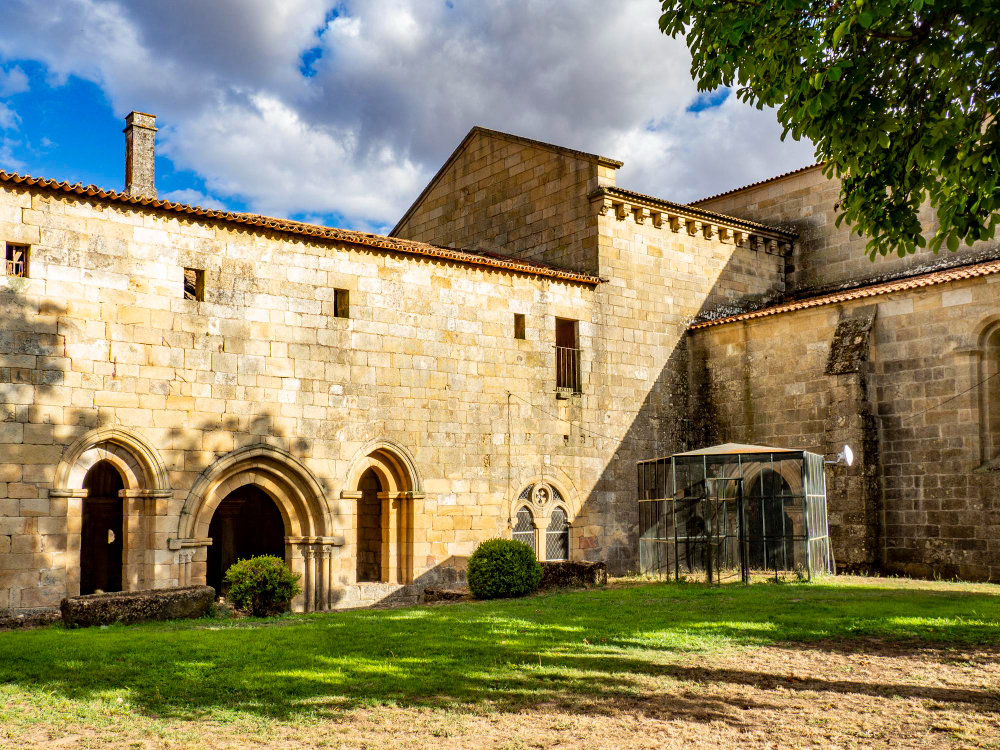
The Palace of Castelo Rodrigo: a symbol of power and controversy – Moura’s residence, the palace complex strategically situated on a hill in the village of Castelo Rodrigo near the Spanish border, was more than just a house; it was a statement of power. Designed as a fortress-like manor house combining military and residential architecture, the palace underlined Moura’s status whilst offering protection against potential uprisings or external threats.
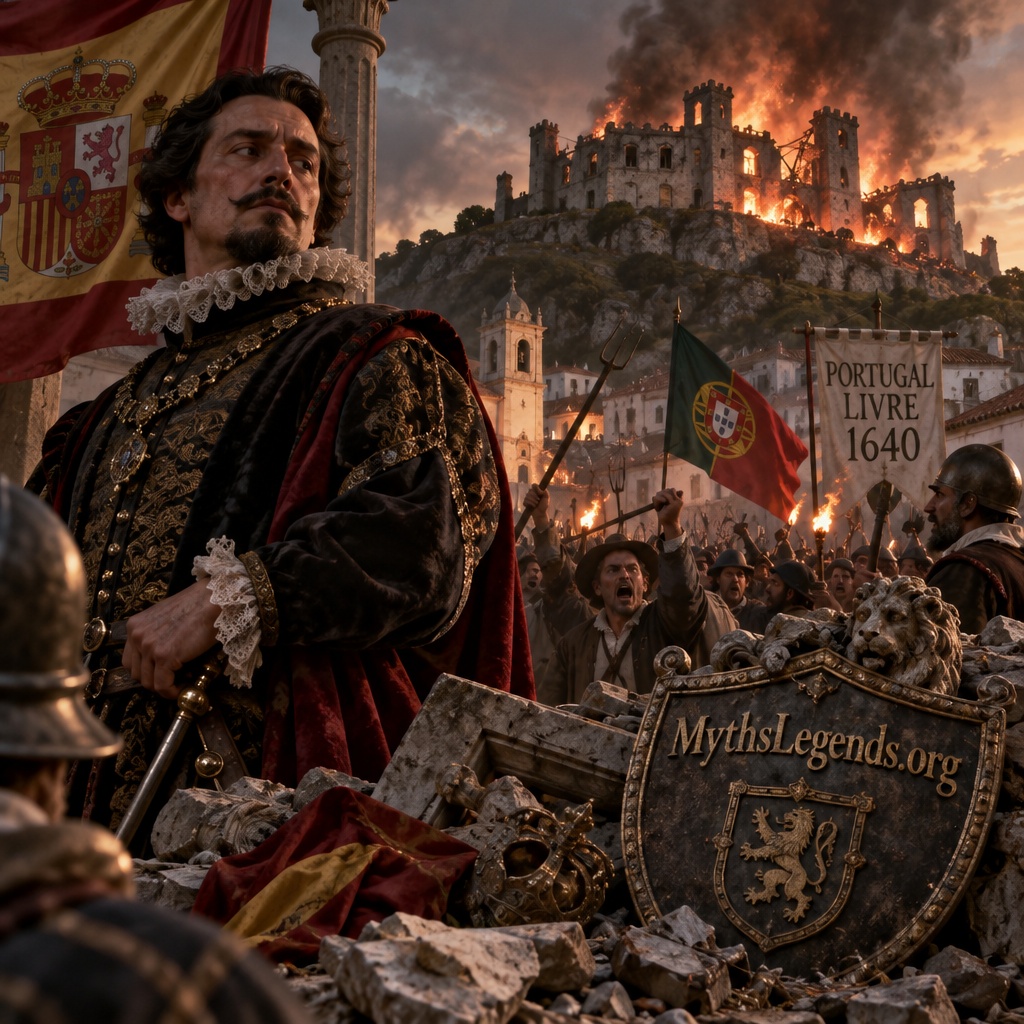
The Portuguese War of Restoration of 1640: A Turning Point and Destruction – The decisive moment in this history occurred in 1640. After sixty years of subjugation under Spanish rule, a nationwide conspiracy led by the Portuguese nobility triggered the War of Restoration, with the aim of restoring the native House of Bragança to power. This revolution represented both a political and a cultural turning point and marked the rebirth of Portuguese autonomy. In the course of this uprising, places associated with Spanish rule and its collaborators were frequently the target of violent reprisals. The Palácio de Moura, a symbol of Spanish power and of the man branded a traitor, became a target for the rebels. Historical accounts vividly document the resulting destruction: the palace suffered a devastating fire in the midst of the hostilities. Later chroniclers describe how its still-smoking ruins became a symbol of the overthrow of foreign rule and the restoration of Portuguese pride.
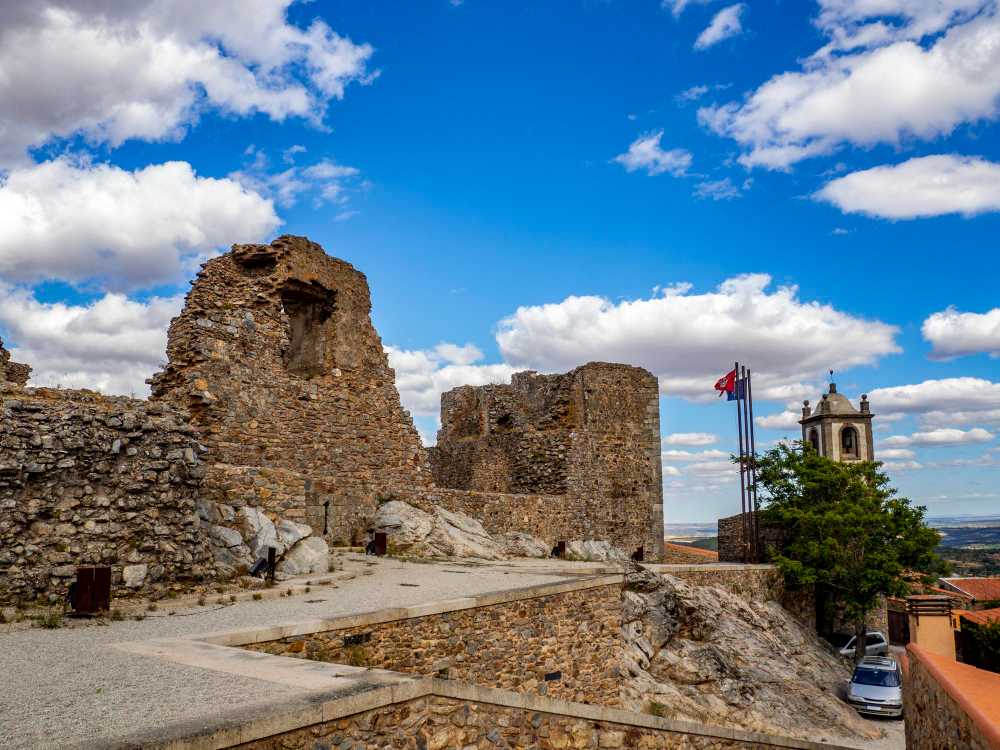
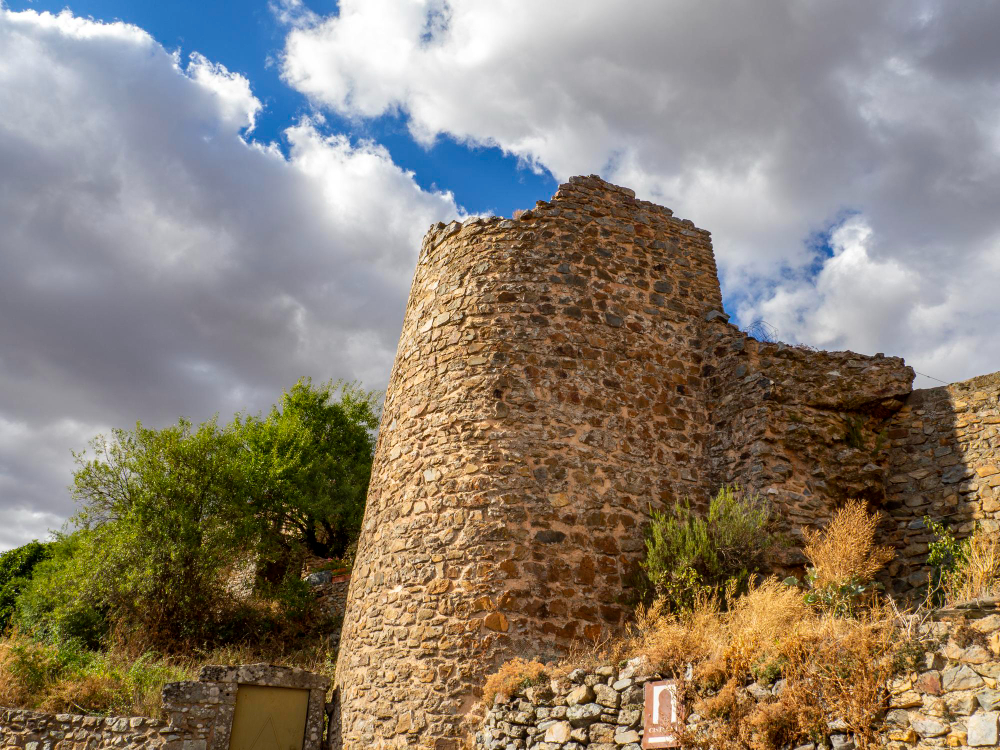
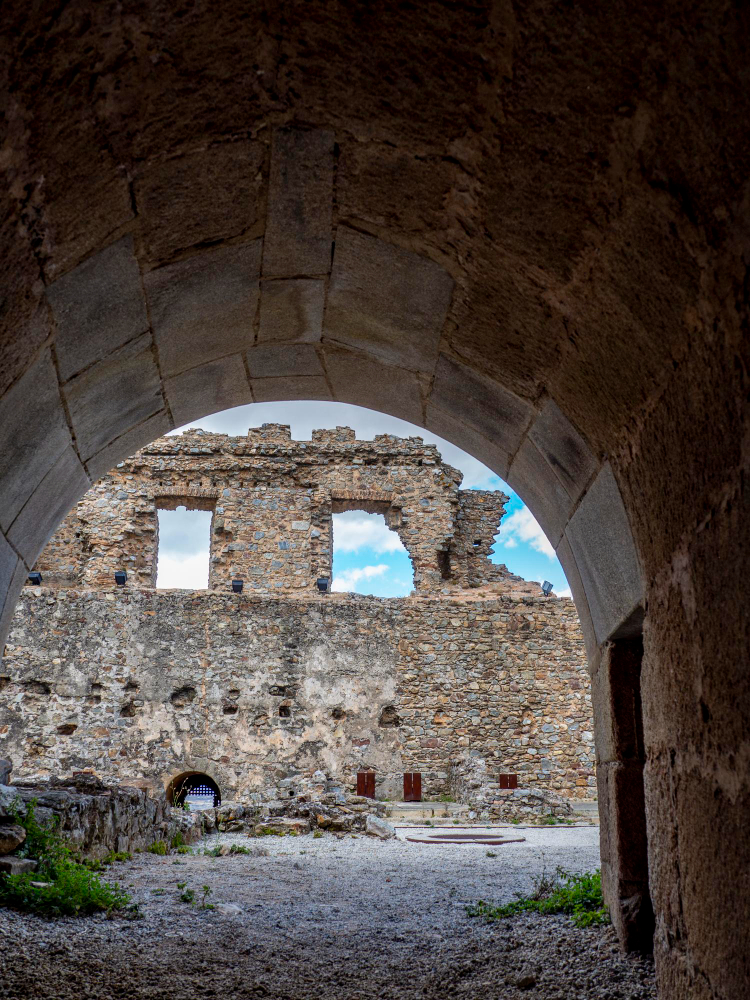
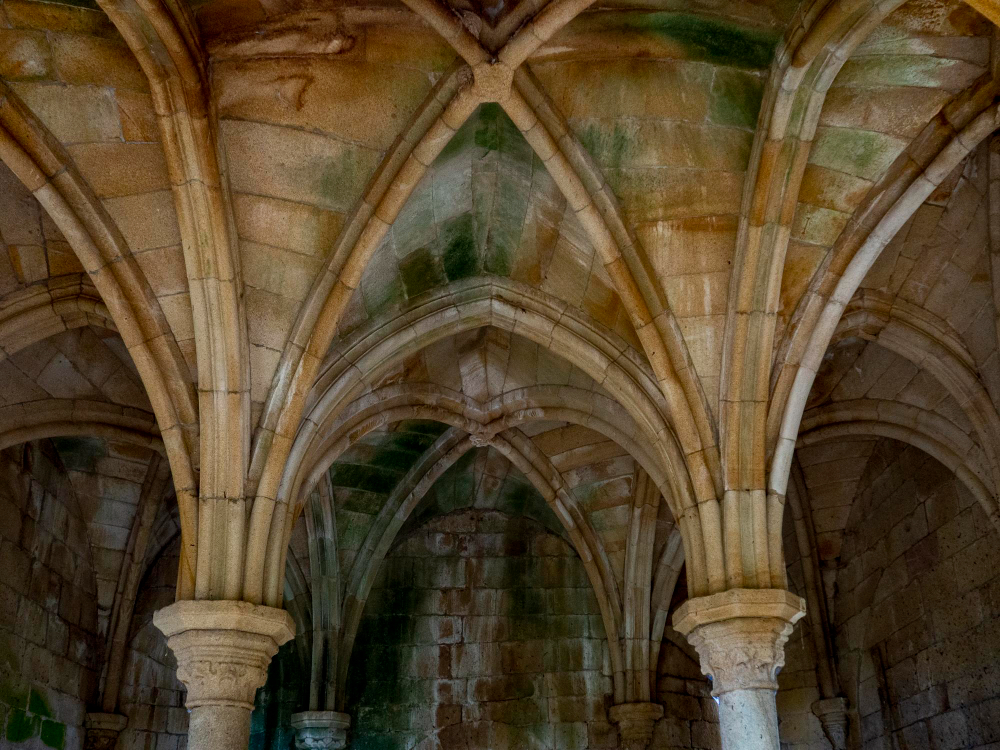
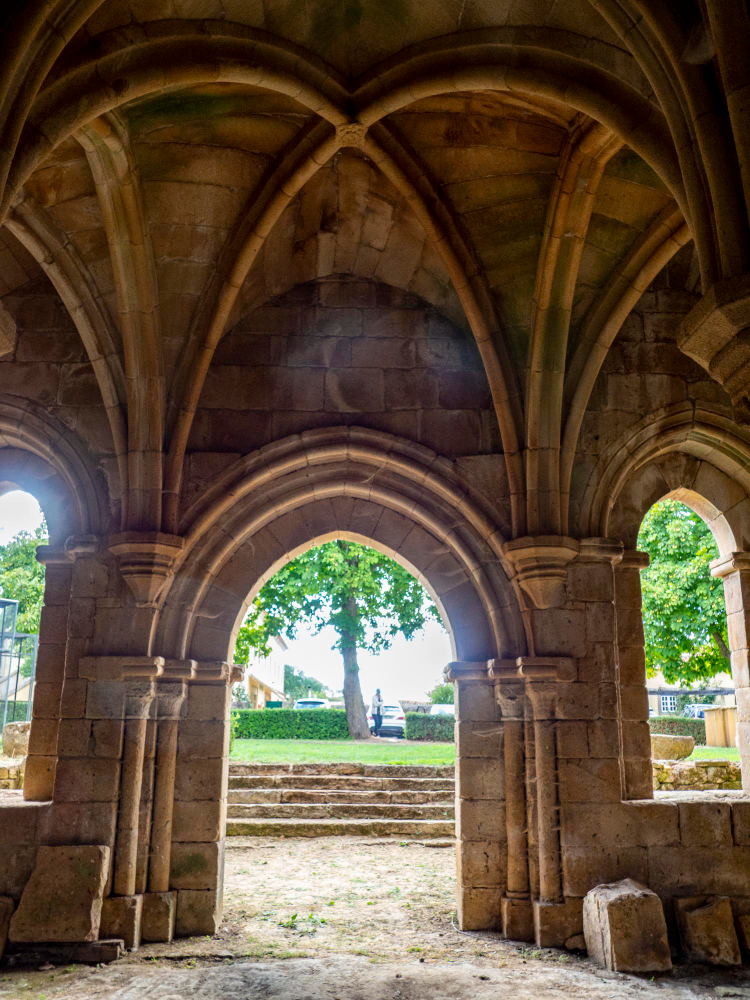
Ruins as Testaments to Memory and Identity – Today, the ruins of Cristóvão de Moura’s palace remain an imposing landmark overlooking Castelo Rodrigo. These crumbling stones serve as a reminder of far more than just the architectural splendour that fell victim to the flames; they stand as tangible evidence of a fractured past, in which loyalty was called into question and sovereignty was the subject of bitter struggles. Both tourists and historians visit this site and find within its walls, marked by the ravages of time, a condensed narrative – of betrayal, resistance and the delicate balance between collaboration and patriotism. Interpretations vary: some regard Moura’s Palace as a tragic relic of a divided era; others as a cautionary tale of the costs of political alliances in turbulent times.
The multifaceted legacy of Cristóvão de Moura – To assess Cristóvão de Moura’s legacy, one must take into account the nuances of his historical context. Although he was branded a traitor by many of his contemporaries and subsequent generations, Moura’s actions can also be interpreted in terms of political calculations amidst an unstable dynastic era. His palace, which served as both a residence and a symbol, was inextricably linked to these dynamics. The fire that destroyed the palace was not merely a by-product of war, but a deliberate act steeped in symbolic significance – the physical destruction of a structure that embodied the loss of autonomy and the perceived betrayal.
History, carved in stone and ash – The story of Cristóvão de Moura and his palace represents a pivotal chapter in Portuguese history – a narrative in which political loyalty, social unrest and architectural splendour are intertwined. The ruins of Castelo Rodrigo stand as monuments to the complexity of loyalty and rebellion, reflecting both the indelible scars left by the occupation and the burning desire for freedom. These remains are more than mere rubble; they invite us to reflect on the complexity of the historical figures who had to navigate a web of shifting loyalties, in which labels such as ‘traitor’ or ‘hero’ rarely apply without qualification. When Portugal rose from the ashes in 1640 to regain its independence, the legacy of Cristóvão de Moura’s palace remained as a poignant reminder of the sacrifices made on the nation’s path to self-determination.




Post Comment