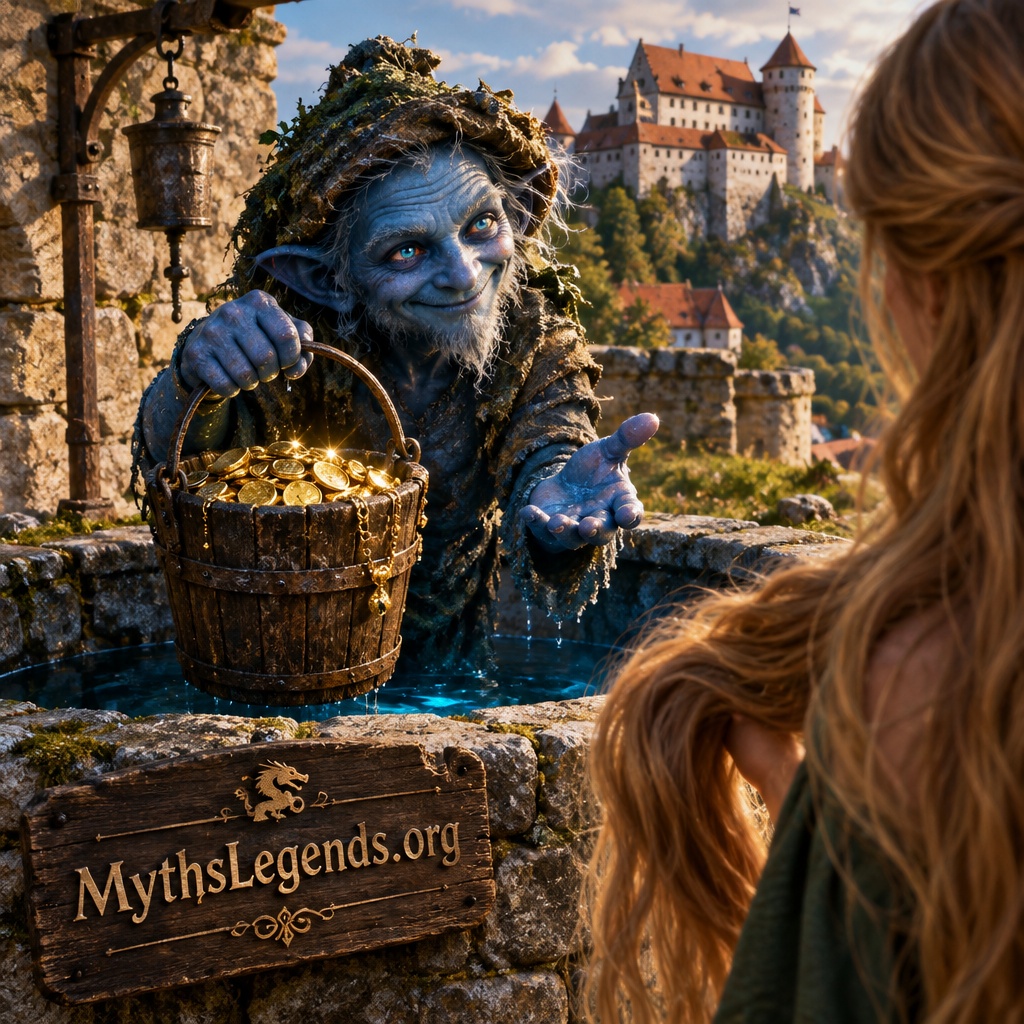
The Little Man of the Well (Brunnenmännlein) at Trausnitz Castle: A Fascinating Legend Straddling History and Myth
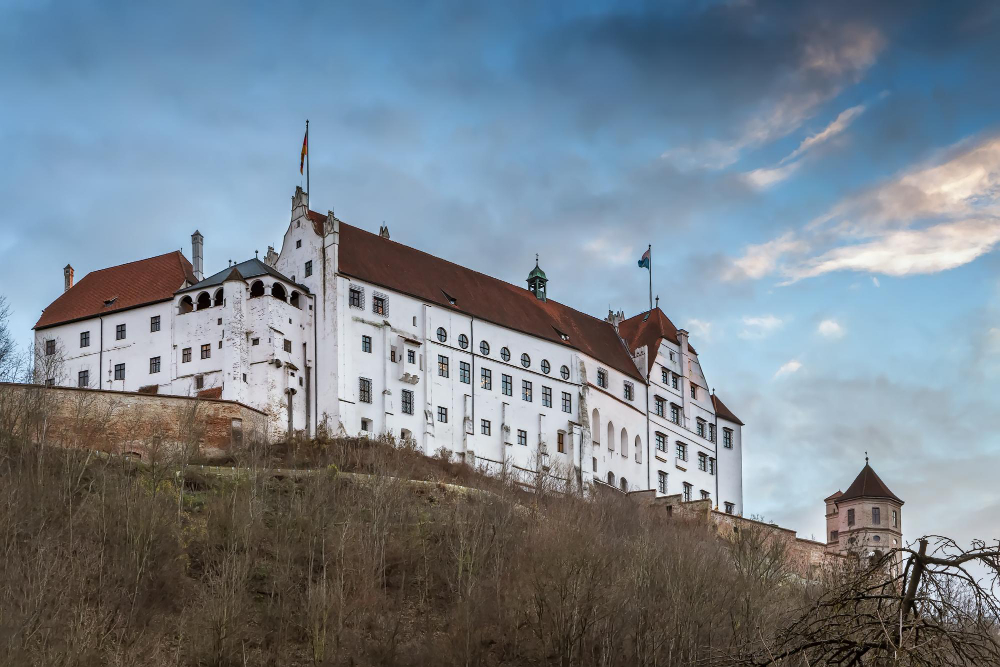
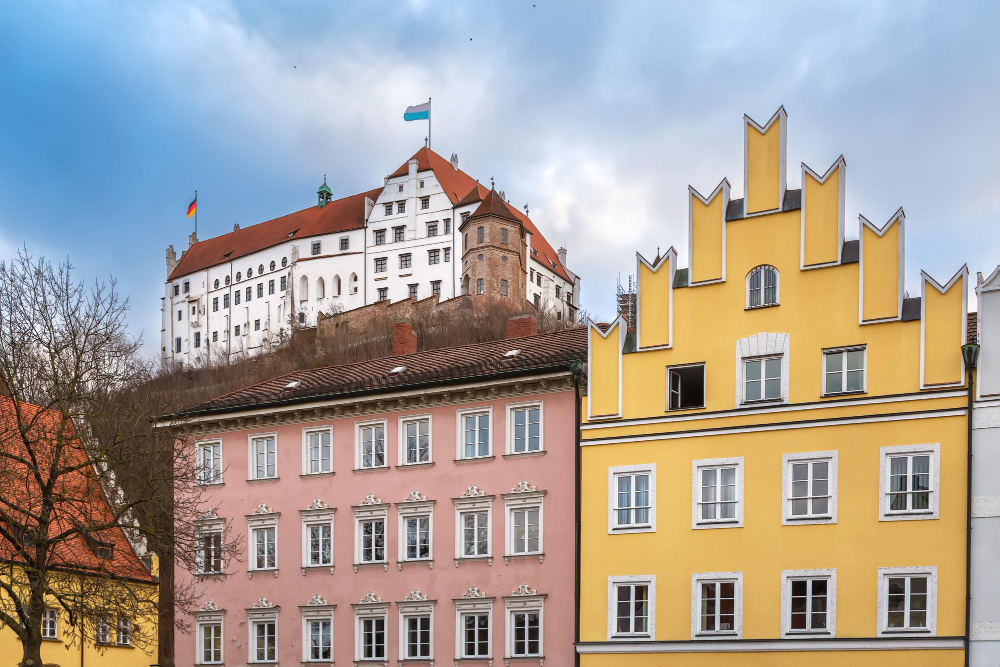
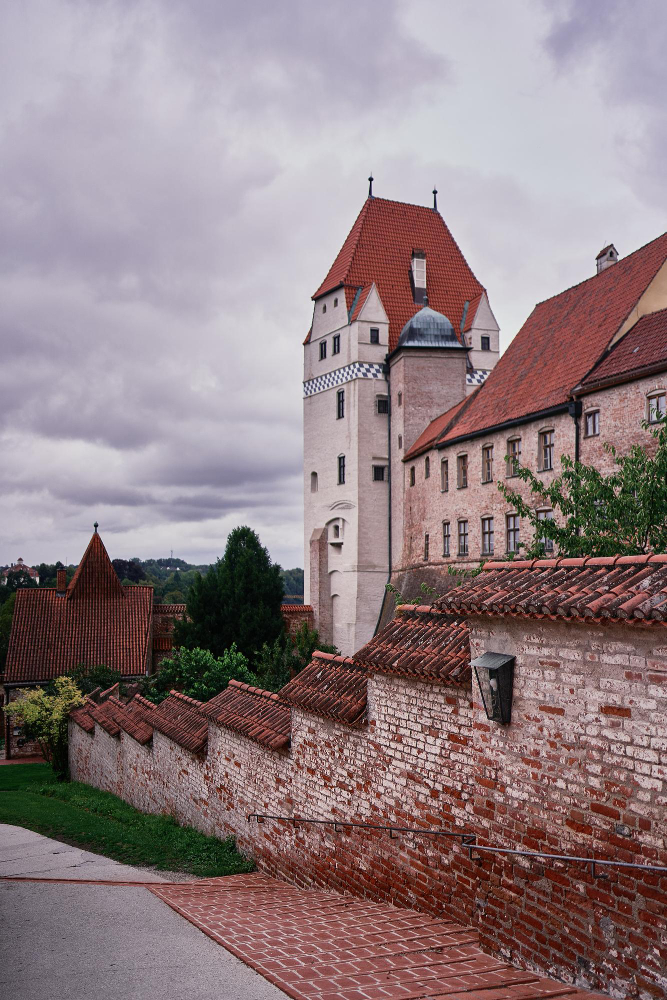
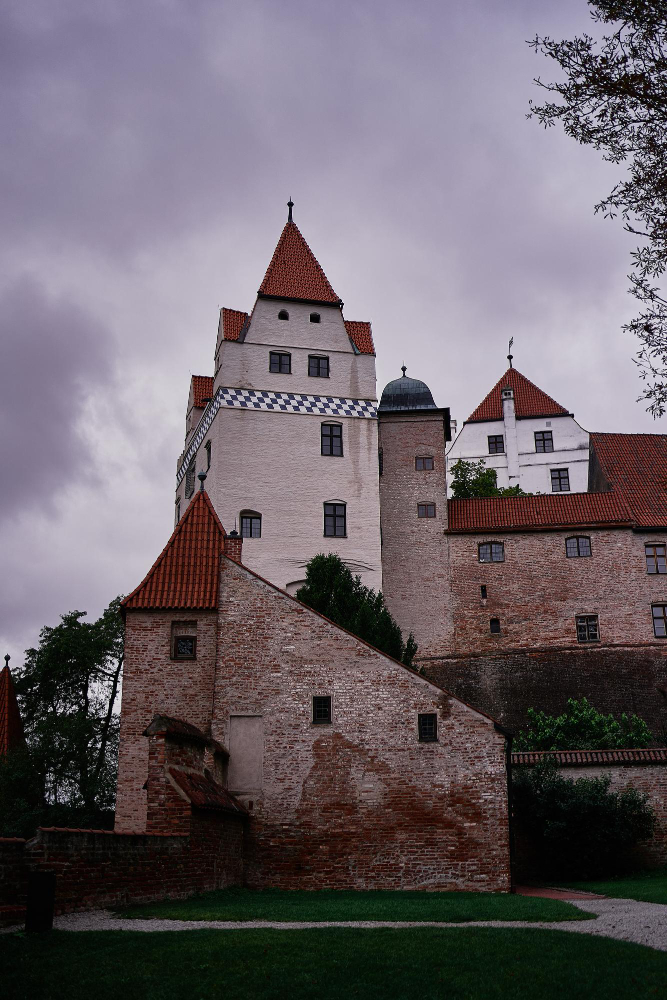
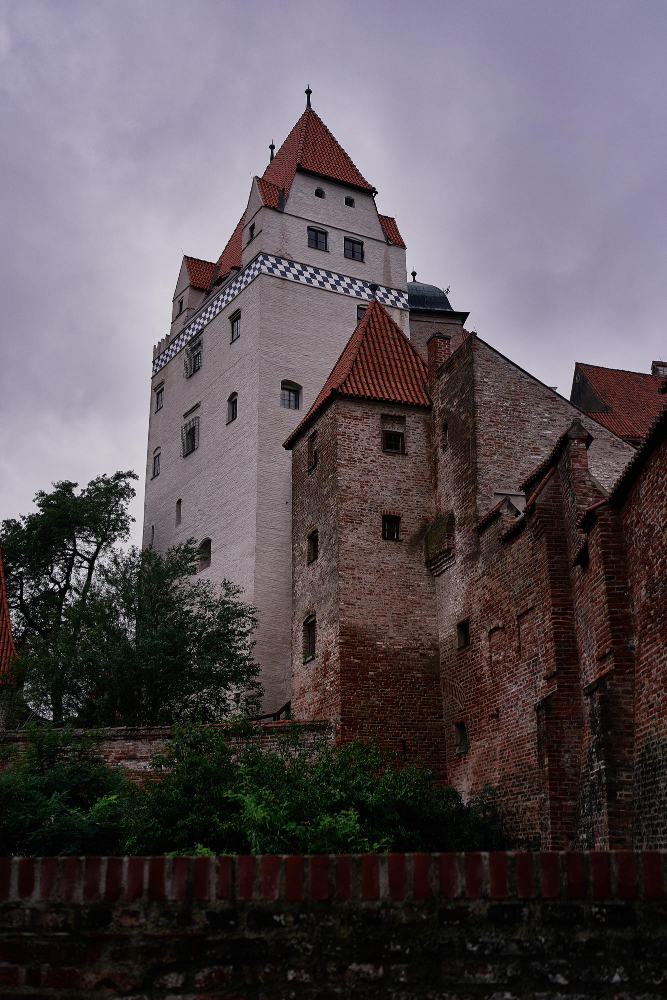
Trausnitz Castle, majestically perched above the Lower Bavarian town of Landshut, is not only a significant example of medieval architecture, but also a place steeped in numerous stories and legends. Among the many tales that surround this historic site, one legend stands out in particular: the mysterious ‘Brunnenmännlein’, a legendary creature said to dwell in the castle and to exchange its long hair for a bucket full of gold. But what lies behind this myth? What is the story behind the ‘Brunnenmännlein’, and how can this legend be contextualised historically and culturally? In this article, we take you on an exciting journey of discovery through the history, culture and mythology surrounding the ‘Brunnenmännlein’ of Trausnitz Castle.
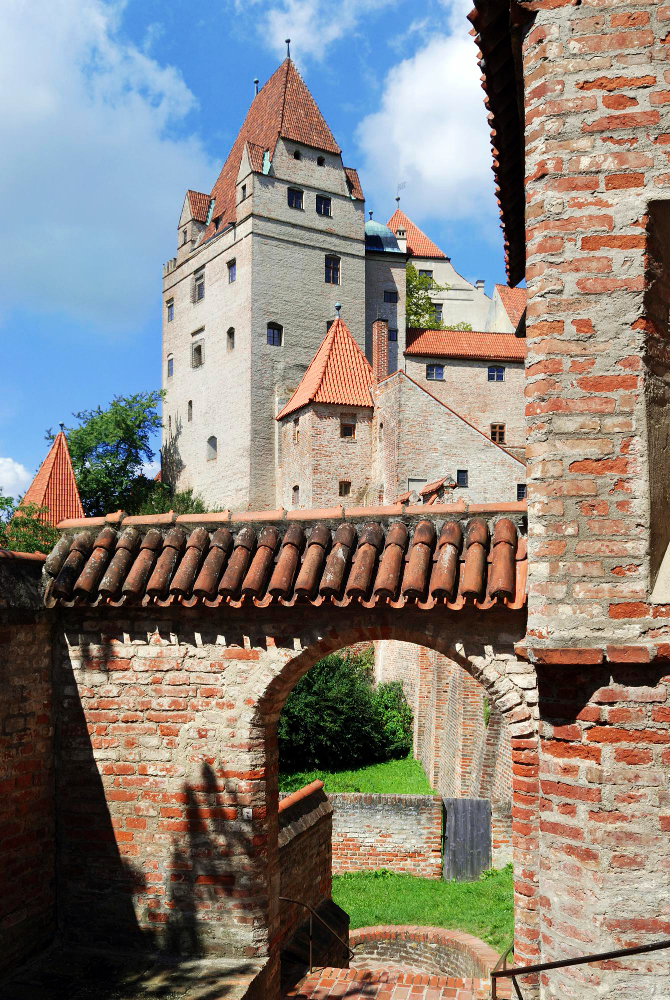
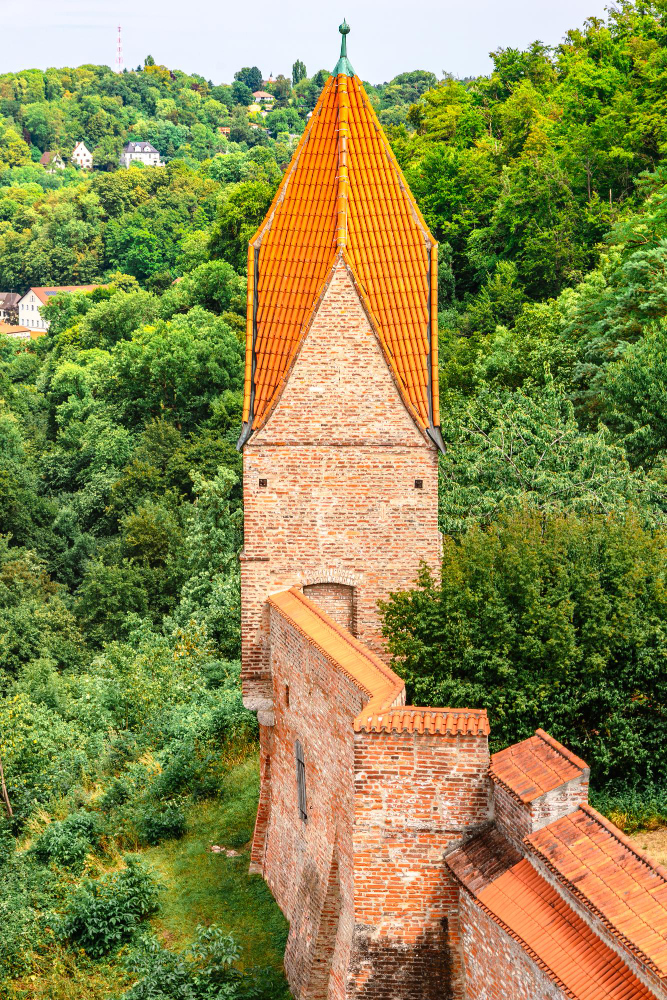
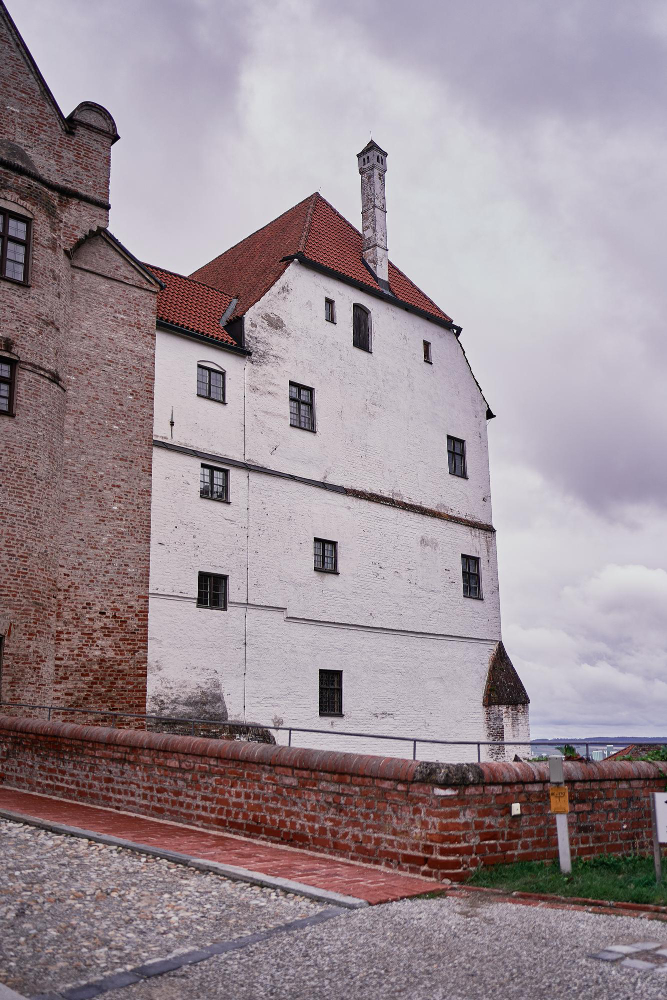
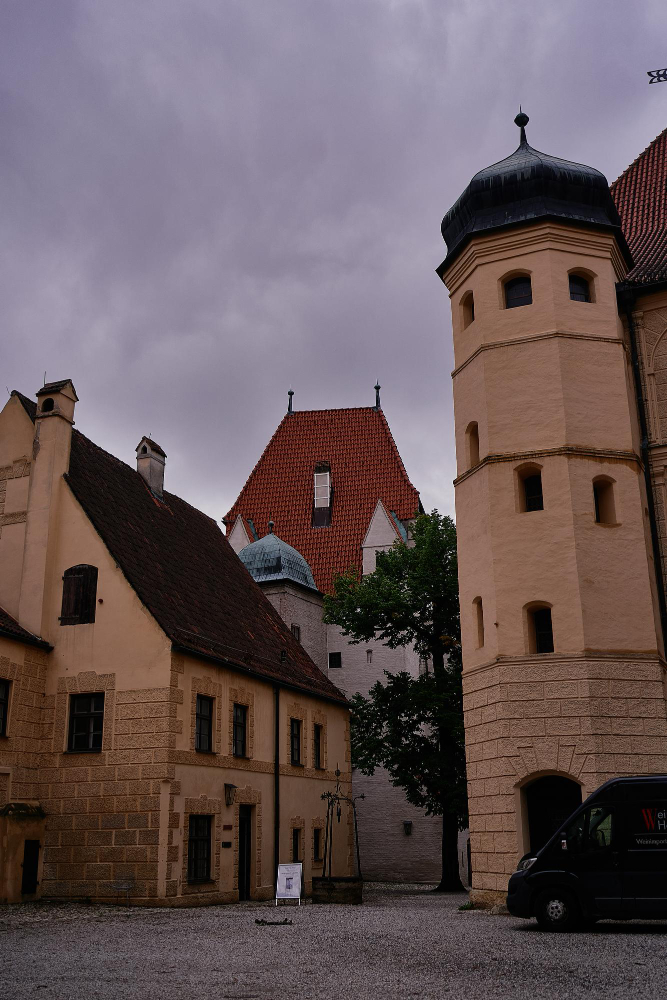
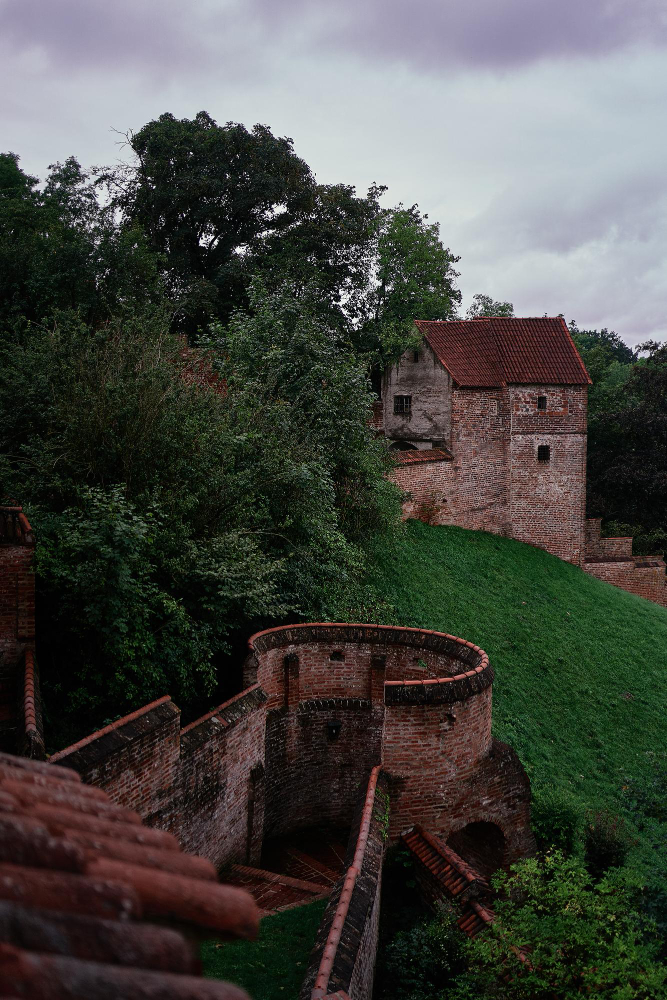
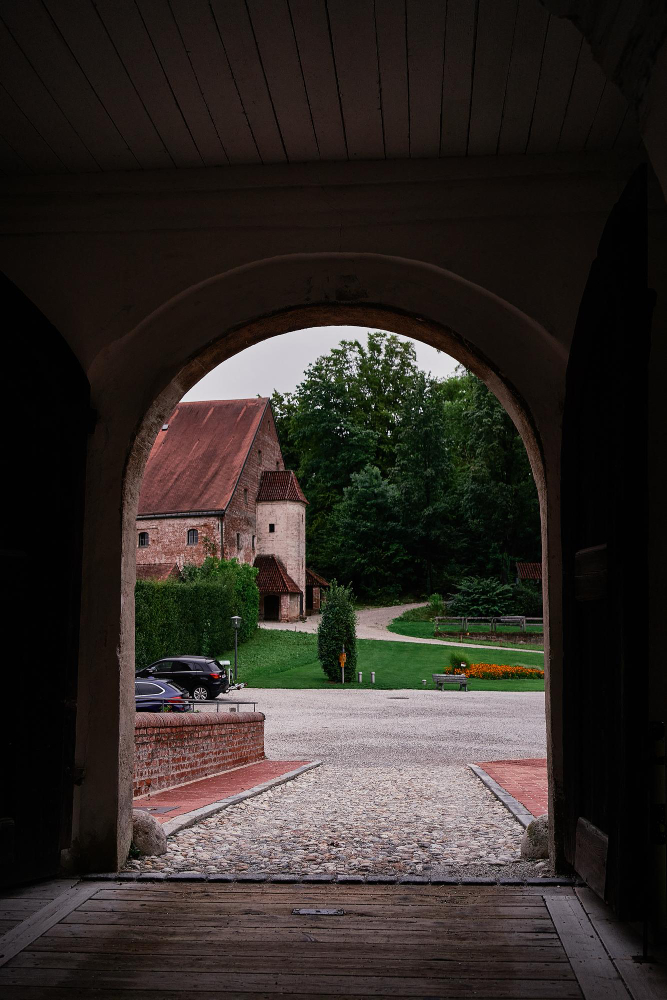
Trausnitz Castle – The Historical Setting of a Legend – Trausnitz Castle was built in the mid-13th century under Duke Ludwig II and served as a residence and centre of power for the House of Wittelsbach. Its location above the town of Landshut not only offered strategic advantages but also lent the castle symbolic significance – it was an expression of sovereignty, security and wealth. In the years following its foundation, the castle was continuously extended, with various architectural periods clearly discernible. The historical significance of Trausnitz Castle lies not only in its architecture but also in the diverse cultural influences that have shaped it over the centuries. From medieval festivals and courtly displays to political events – all these facets are reflected in the atmosphere that still surrounds the castle today. It is precisely this ambience that forms the basis for numerous myths and legends, including the story of the ‘Brunnenmännlein’.
The ‘Brunnenmännlein’ – A Brief Introduction – In folk tradition, the Brunnenmännlein is described as a small, goblin-like creature that lives inside a well basin or near a well at Trausnitz Castle. Its appearance varies depending on the tale: sometimes it appears as a dainty little man with a mischievous expression, at other times as an old man with deep wrinkles and sparkling eyes. A defining feature is its mystical aura, which positions it as the guardian of the water and the keeper of rare treasures. The legend tells that the Well Sprite offers an unusual bargain: a bucket full of gold in exchange for long hair. At first glance, this offer seems both puzzling and mysterious. But how can this demand be explained, and what symbolic meanings might lie behind it? To explore this, it is worth taking a look at the cultural and historical contexts, as well as comparable motifs in other folklore traditions.
The symbolism of long hair in legends and fairy tales – Long hair is a powerful symbol in many cultures – it represents beauty, strength, freedom and vital energy. In European fairy tales, motifs of hair as an object of exchange or a source of special powers frequently appear (as in the case of Rapunzel or Samson in the Bible). Hair was often regarded as something personal and intimate, establishing a connection between body, soul and destiny. In the context of the ‘Brunnenmännlein’, the exchange of hair for gold could have an allegorical meaning: the willingness to sacrifice something personal (the hair) is rewarded with material wealth (the gold). At the same time, the exchange also carries a warning against greed and the dangers that may be associated with such deals. These interpretations are, however, speculative and should be viewed critically in the light of further sources.
The well as a mystical place – a source of life and mystery – Wells hold special significance in many cultures. They symbolise life and purity, but also a threshold to the otherworld. In medieval castles, wells were vital resources, as they ensured the water supply. At the same time, they were regarded as places of mystery, particularly when shimmering treasures or inexplicable phenomena were hidden within them.The legend of the ‘Brunnenmännlein’ skilfully exploits this dual association of the well as a sacred and mysterious place. The little man appears as the protector of the well, yet at the same time as a being with his own interests and powers. Similar well spirits or goblins feature in numerous European folk tales, such as the ‘Wichtelmänner’ in Germanic narratives, who either help or challenge craftsmen.
Historical evidence and literary sources on the castle legend – There is no direct historical documentation of the ‘Brunnenmännlein’ at Trausnitz Castle. Rather, these are stories passed down orally, handed from generation to generation over the centuries. The first written references to this legend can be found in regional chronicles and collections of folk tales from the 19th and early 20th centuries, when interest in such stories was particularly keen.
Similar Motifs in Other Castles and Regions – Not only Trausnitz Castle, but also other castles and palaces in Germany and Europe have similar legends about small, mysterious creatures that guard treasures. One example is the famous ‘Rumpelstiltskin’ from the Brothers Grimm’ collection of fairy tales, who also plays a central role in a magical contest for the possession of gold. In Switzerland and Austria, there are also reports of so-called ‘Wichtel’ or ‘dwarf-men’ who dwell in wells or caves and trade with humans. The idea that such creatures offer gold as a medium of exchange recurs frequently – suggesting that this is a time-honoured motif deeply rooted in the collective imagination.
The Role of Legends in Cultural Memory – Legends such as that of the ‘Brunnenmännlein’ fulfil several functions. They provide entertainment, preserve regional identity and convey moral messages. Particularly in times when written records were scarce, such stories helped to bring communities together and pass on cultural values. Furthermore, legends such as these lend places like Trausnitz Castle a mysterious aura that attracts visitors and keeps the historical heritage alive. Today, the region’s tourism promotion emphasises the importance of such stories in order to offer an authentic experience and imbue historical sites with emotional resonance.
Archaeological Findings and the Historical Context – Although the ‘Brunnenmännlein’ is a figure from legend, archaeological investigations at Trausnitz Castle shed light on the significance of the wells and the water supply within the castle complex. The surviving well systems are technically impressive and demonstrate how vital the water source was to daily life. These archaeological findings also confirm why the well is the ideal setting for a legend – it was vital to life and, at the same time, fascinatingly mysterious. The inclusion of a mythical creature in this context shows just how closely myth and reality are intertwined.
Between myth and history – the ‘Brunnenmännlein’ as a reflection of culture – The legend surrounding the ‘Brunnenmännlein’ at Trausnitz Castle is a fascinating example of how history, mythology and symbolism intertwine. The little man, who demands gold in exchange for his long hair, remains a mysterious creature who evokes both fascination and puzzlement. Despite the lack of historical evidence, the legend is deeply rooted in the region’s cultural memory and enriches the significance of Trausnitz Castle. Exploring this legend opens a window into the ways of thinking and the way of life of past centuries, when myths served to explain the world, quell fears and inspire hope. The ‘Brunnenmännlein’ is more than just a fairy-tale figure – it symbolises the connection between humanity and nature, between truth and fantasy, and between tradition and modernity. Anyone visiting Trausnitz Castle today can not only be impressed by its historic walls, but also immerse themselves in the mystical world of the ‘Brunnenmännlein’ and become part of a living legend that is known and cherished far beyond the borders of Lower Bavaria.







Post Comment