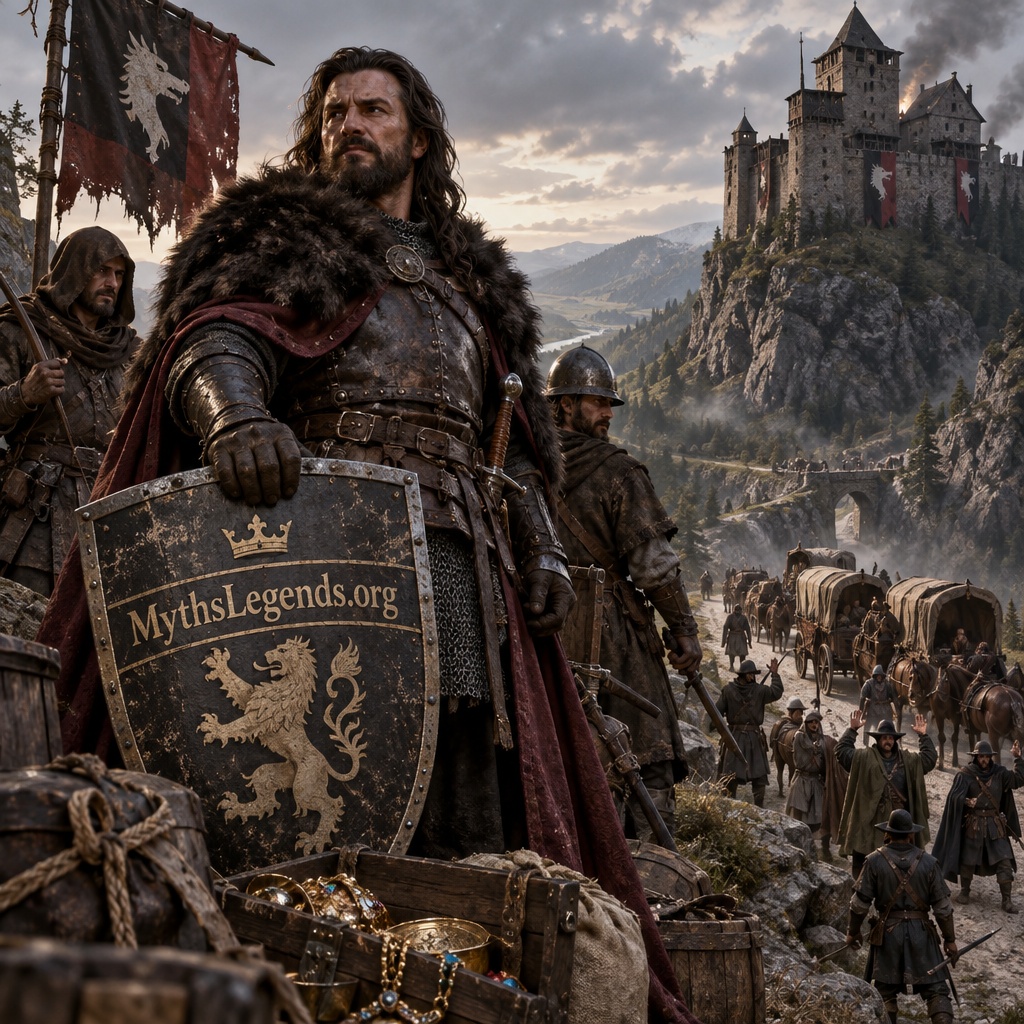
The Legend of Friduš (Helfried) of Linava: The Ruthless Robber Knight of Helfštýn Castle
In the annals of medieval Central Europe, certain tales have been preserved not only as historical records but also as living legends that have captured the imagination of entire generations. One such timeless tale is that of Friduš (also known as Helfried) of Linava, the notorious robber baron credited with founding Helfštýn Castle in the late 13th century. This narrative weaves together history and myth, revealing the turbulent political landscape of the time and offering a fascinating insight into the origins of one of Moravia’s most iconic fortresses.
A Turbulent Era: The Historical Background – To understand the legend of Friduš, it is essential to consider the broader context of Central Europe in the late 13th century. The death of King Přemysl Otakar II in 1278, following his defeat at the Battle of Marchfeld against Rudolf of Habsburg, plunged the Kingdom of Bohemia and the surrounding regions into turmoil. Přemysl’s death created a power vacuum, leaving many border regions at the mercy of lawlessness and opportunistic nobles who sought to expand their influence without royal consent. Among these restless lords was Friduš (Helfried) of Linava, a Silesian knight whose name was to become synonymous with daring raids and ruthless ambition. According to surviving chronicles and later folklore, Friduš exploited the chaotic post-war conditions to establish his own domain amidst the rugged landscape of Moravia.
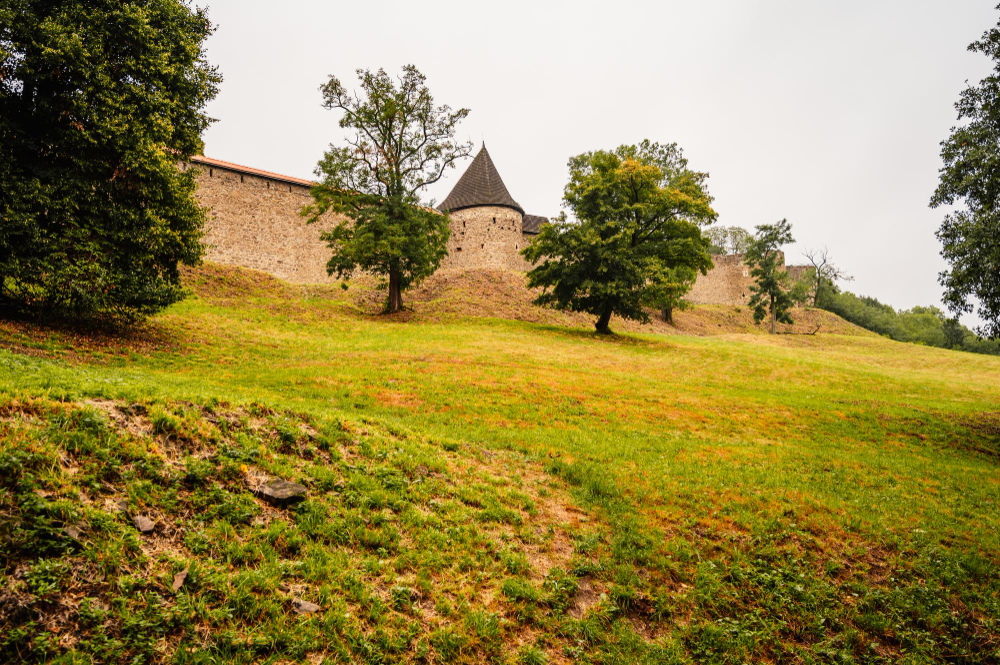
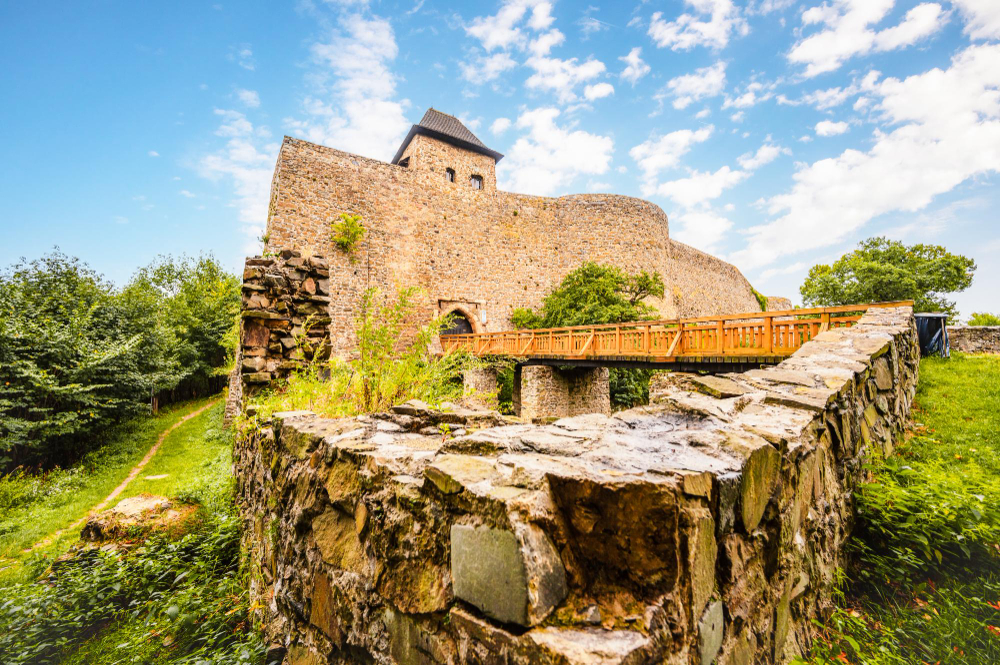
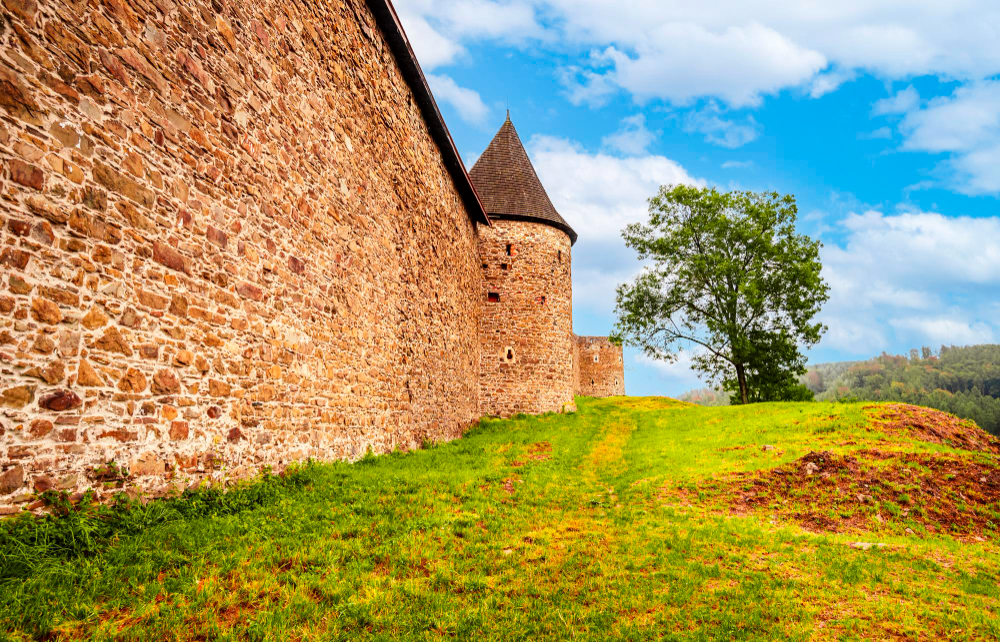
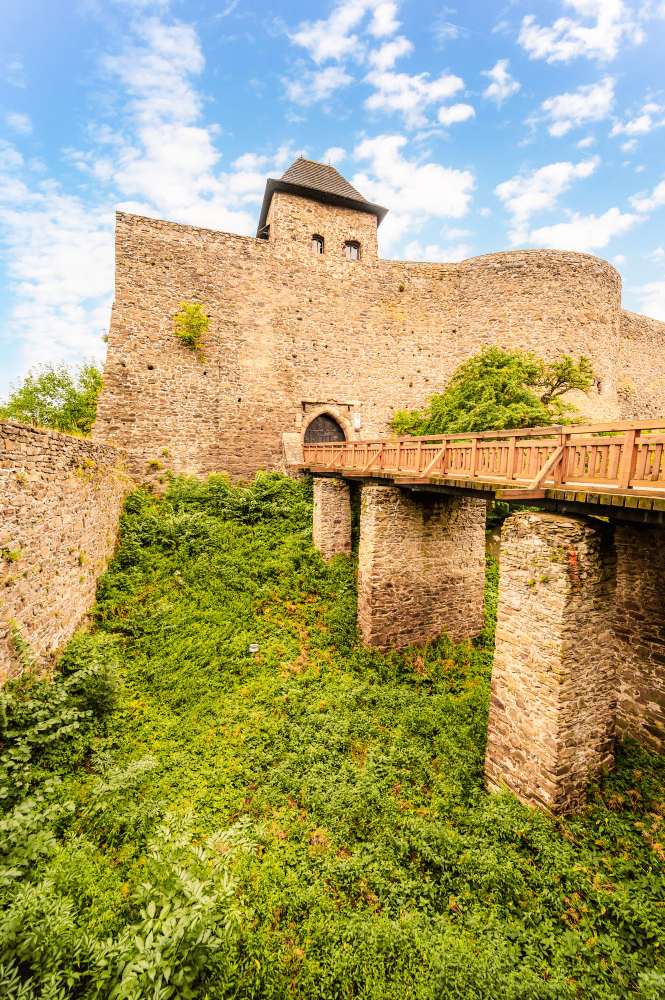
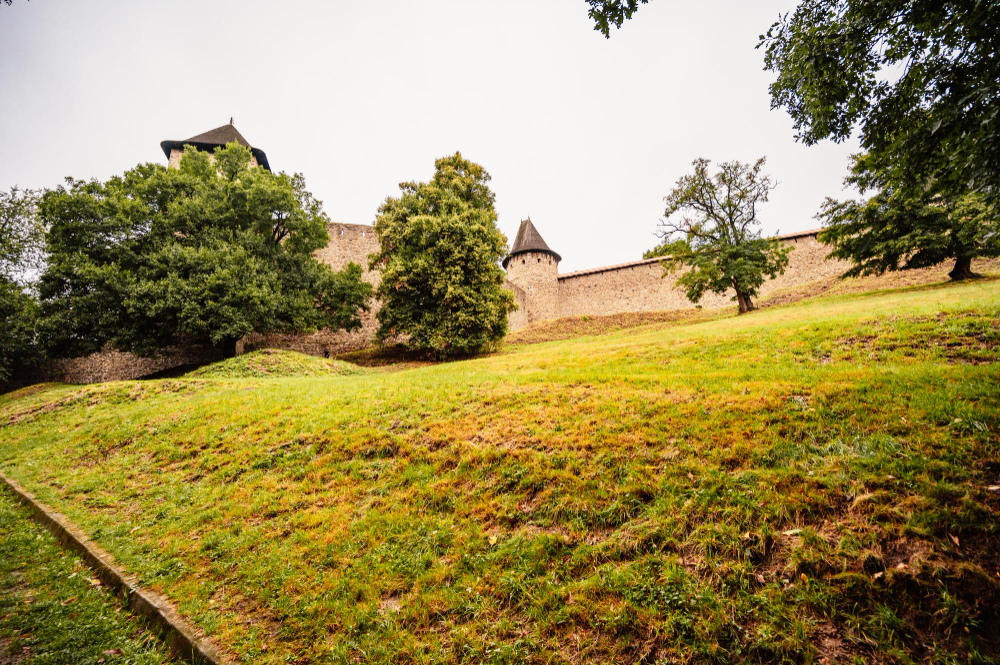
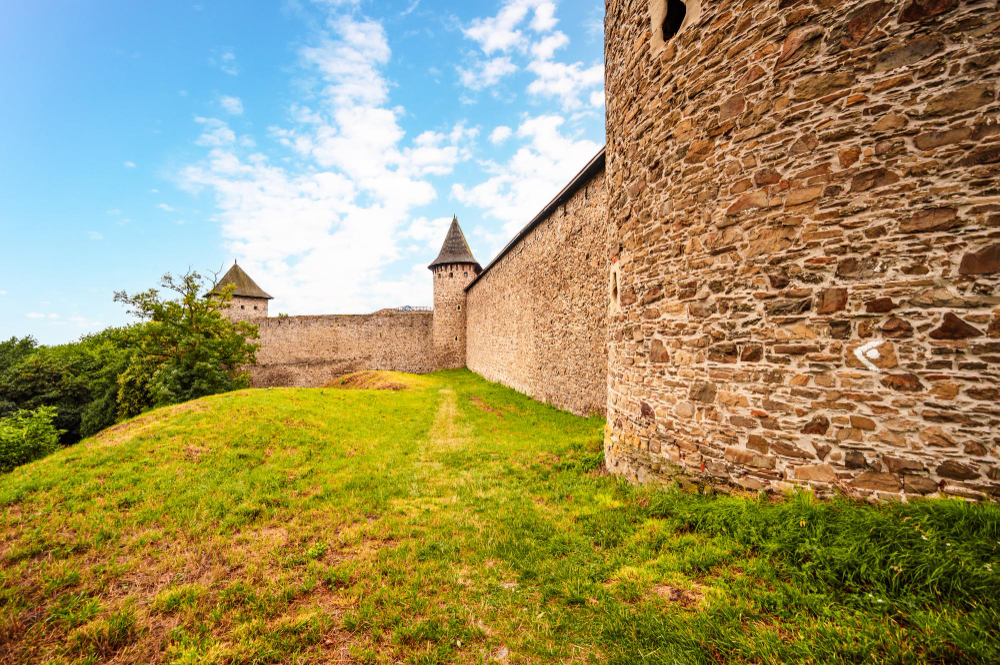
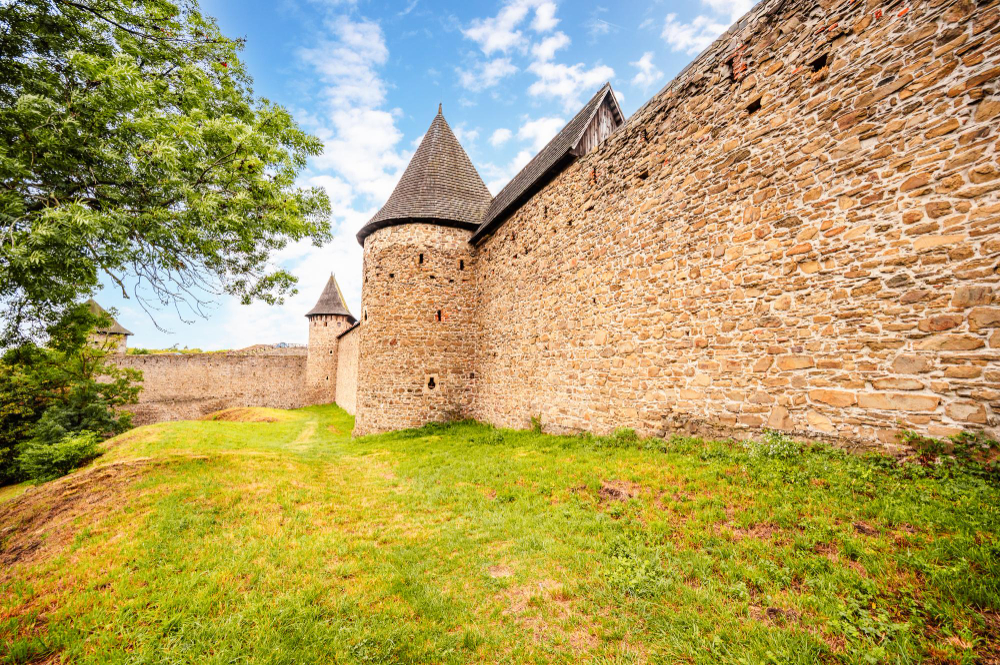
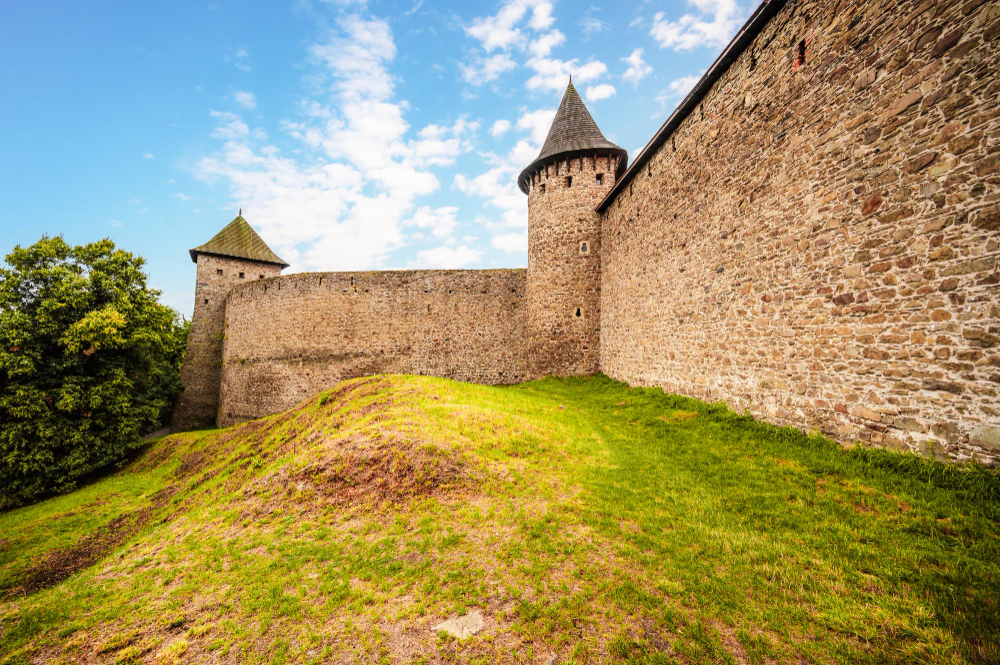
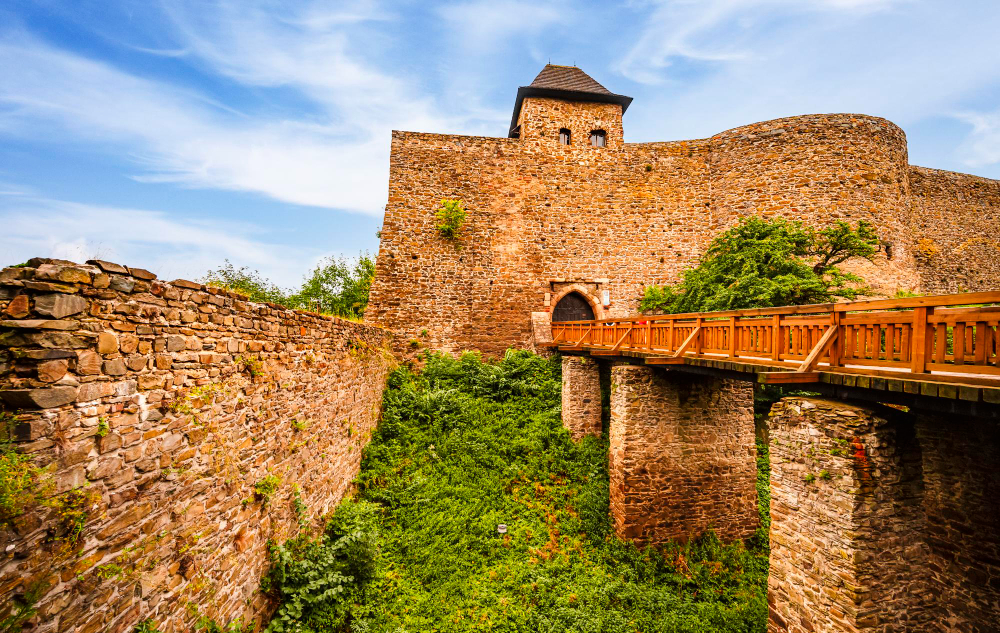
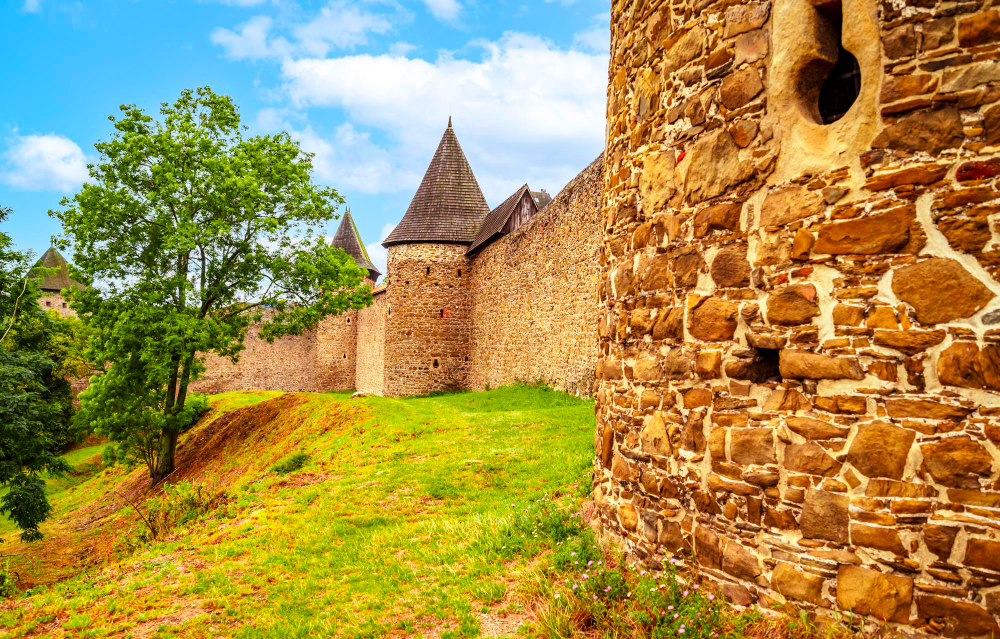
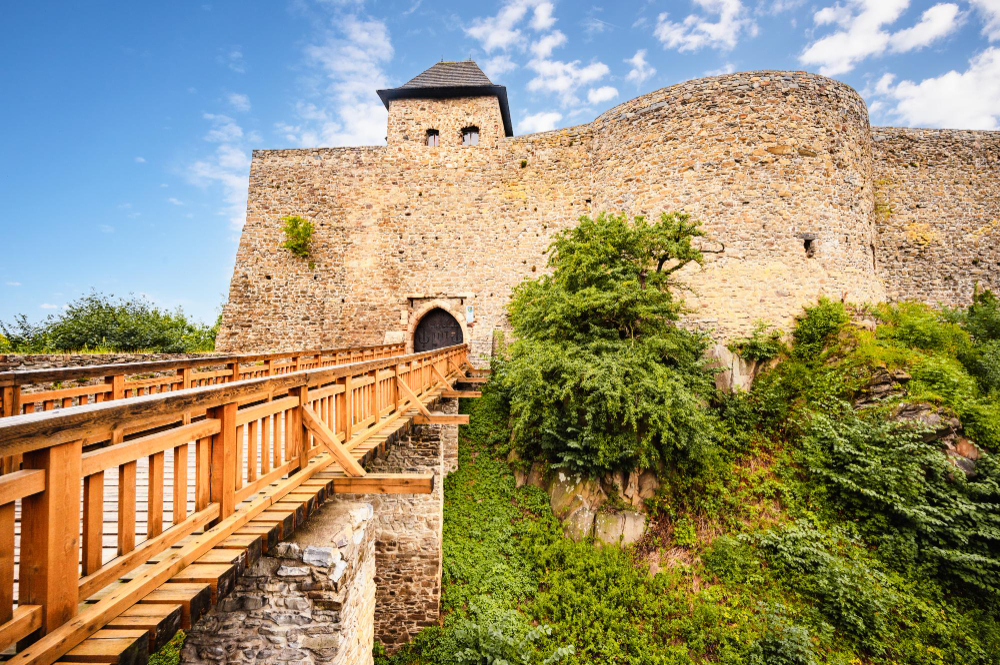
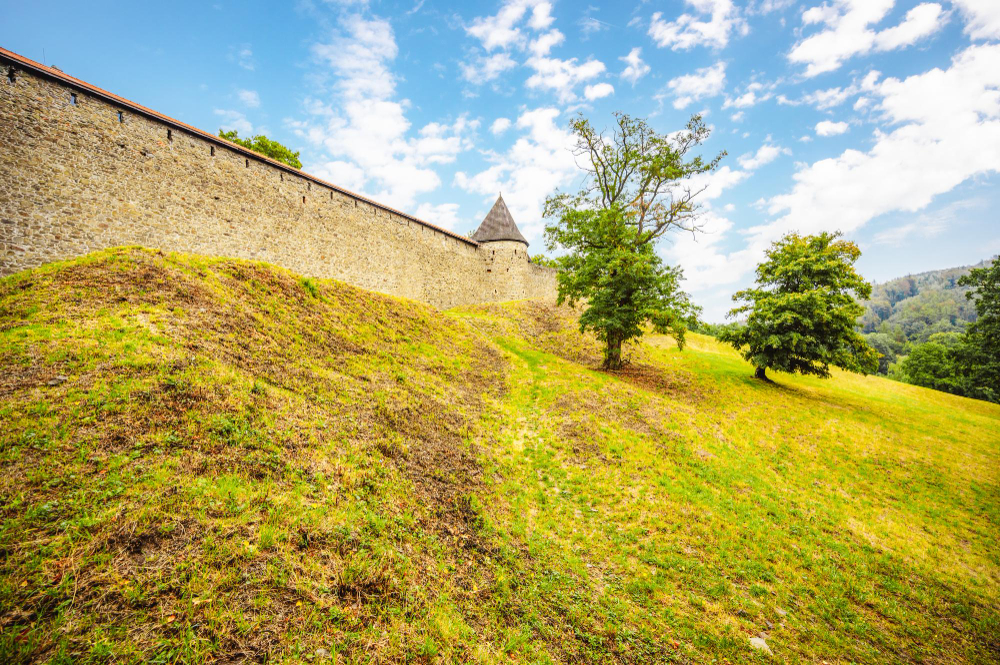
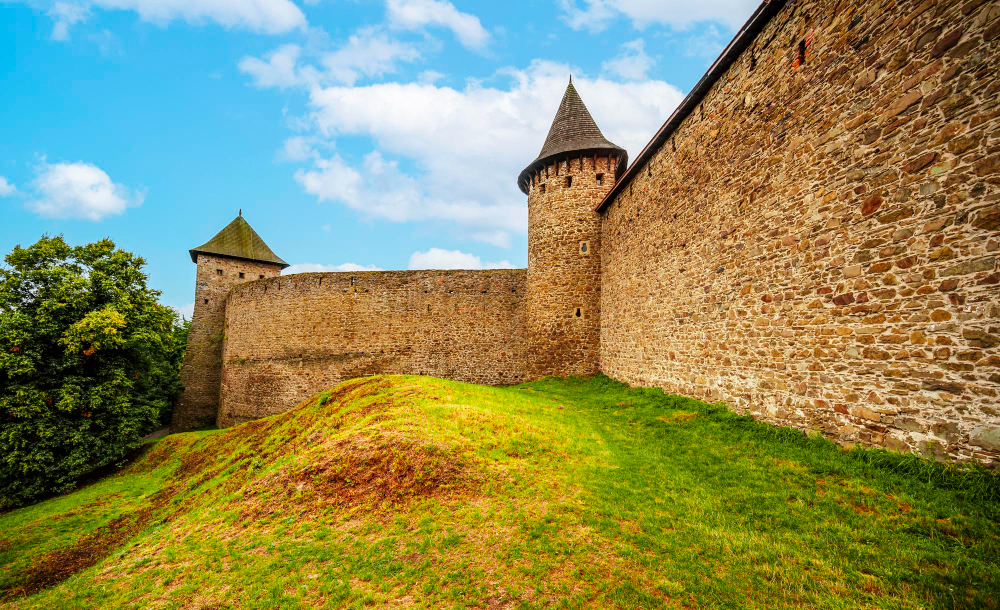
The Founding of Helfštýn Castle – According to legend, Friduš built an unassuming but strategically situated fortress on a rocky outcrop overlooking the valley of the River Bečva. This location was no coincidence; from there, one could control the Moravian Gate, an important passageway linking Moravia with Silesia and Poland. Control over this route meant power over trade and military movements, making it a lucrative – and dangerous – position. Whilst historical documents confirm the existence of Helfštýn Castle as early as the late 13th century, the figure of Friduš is shrouded in mystery and is primarily illuminated by oral traditions and regional folk tales. Local historical accounts describe him as a typical ‘robber baron’ – a nobleman who defied legitimate authority in order to enrich himself through violent raids and extortion.
Friduš as a robber baron: banditry and power – Robber barons were a widespread phenomenon in medieval Europe, particularly during periods of weak central control. They exploited the defensible positions of their castles to ambush merchants and travellers, extort protection money or outright plunder them. Friduš fits this archetype perfectly. According to legend, Friduš launched guerrilla-style attacks from his fortress on wealthy trade caravans passing through the Moravian Gate. These routes were vital arteries for goods such as salt, textiles and precious metals being transported between Eastern and Western Europe. His sudden raids sowed fear amongst the merchants, disrupted trade and challenged the authority of the Bohemian Crown. History portrays Friduš not merely as an ordinary criminal, but as a symbol of resistance against a crumbling order. His stronghold became a thorn in the side of the regional rulers and symbolised the general instability from which Central Europe suffered following the death of Přemysl Otakar II.
The royal response: King Wenceslas II’s campaign – The chaos could not continue indefinitely. In 1287, King Wenceslas II, the successor to Přemysl Otakar, launched a decisive campaign to restore royal authority and suppress the lawlessness plaguing the borders of Moravia. The king laid siege to Helfštýn Castle, determined to crush the rebellion embodied by Friduš and his followers. Historical records confirm that Wenceslas’s troops laid siege to the fortress, which eventually fell after persistent attacks. The capture of Helfštýn marked a turning point, as the king sought to regain control of key trade routes and eliminate the threat posed by renegade nobles. According to legend, the captured bandits were dealt with severely; Friduš and his gang were executed, thereby restoring a fragile peace to the region.
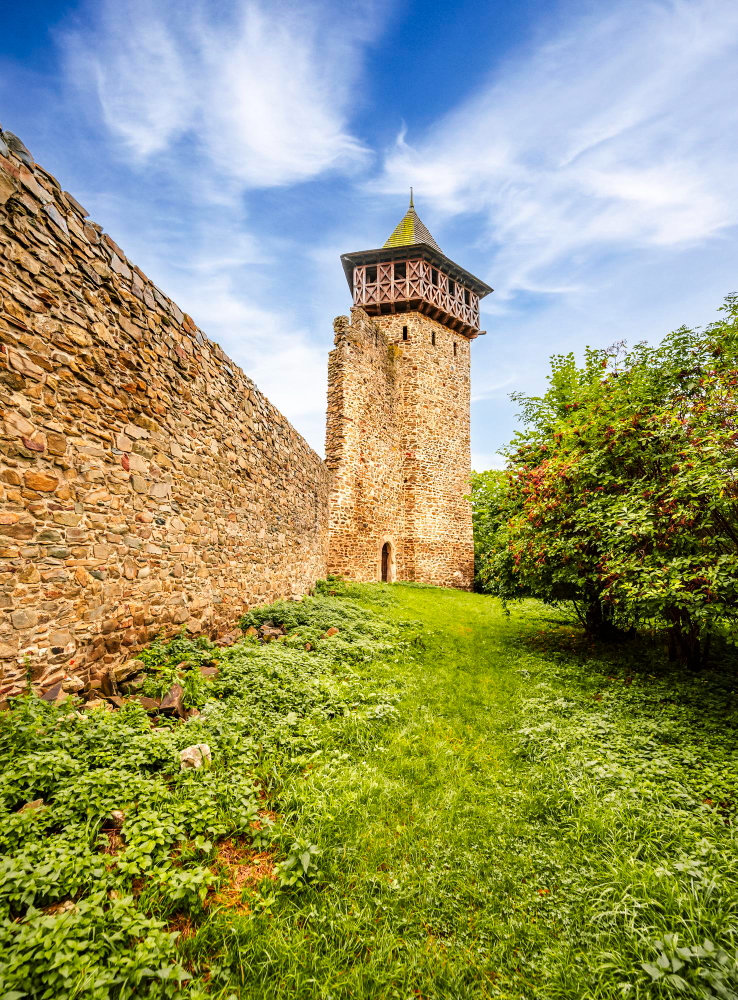
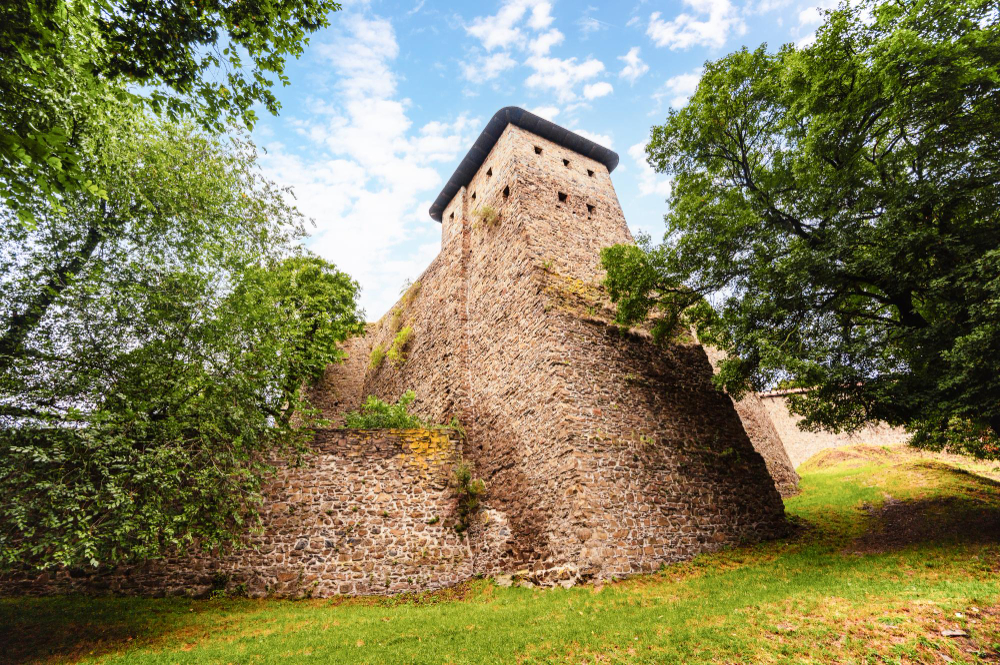
Etymology and Legacy: From Helfried to Helfštýn – A fascinating aspect of the story is the alleged origin of the castle’s name. It is generally believed that ‘Helfštýn’ is derived from the name Helfried, with the suffix ‘-štýn’ being the German word for ‘stone’ or ‘rock’ – a common element in castle names. ‘Helfštýn’ can therefore be interpreted as ‘Helfried’s rock’ or ‘Helfried’s stone’, which reinforces the robber baron’s enduring connection to the fortress. Over the centuries, Helfštýn Castle has evolved into a significant cultural and historical landmark of Moravia. Despite its violent beginnings as the stronghold of a notorious robber, it has become a symbol of regional identity and medieval architecture. Today, it remains one of the largest castles in the Czech Republic and attracts historians and tourists fascinated by its dramatic past.
The Cultural Impact: Romanticised Banditry and Historical Memory – The figure of Friduš has grown beyond a mere historical footnote to become a romantic symbol of resistance and danger. Much like other European ‘knight-bandits’, his character embodies the archetypal renegade nobleman who defied monarchs and undermined the established order. This cultural motif has inspired literature, folklore collections and local traditions that celebrate the historic past of Helfštýn Castle. Festivals, historical re-enactments and academic conferences repeatedly revisit the legend, exploring the intersection between historical facts and myth-making. Such engagement illustrates how medieval history remains alive in the collective memory and identity. Furthermore, the story contributes to a broader understanding of the complex social fabric of medieval Central Europe, where loyalty, power and survival often clashed violently. Through the prism of Friduš’s exploits, one gains insight into the challenges faced by monarchs as they sought to rule vast and fragmented territories.
A fortress born of conflict and legend – The saga of Friduš (Helfried) of Linava and Helfštýn Castle offers a fascinating insight into the turbulent world of Moravia in the late 13th century. Rooted in historical events yet embellished by centuries of storytelling, the legend captures the essence of an era characterised by shifting loyalties and contested borders. Perched on the rocky heights overlooking the River Bečva, Helfštýn stands as a testament to the resilience and complexity of medieval society – a place where a knight’s ambition could inspire both terror and a lasting legacy. Friduš’s story, preserved through a blend of documented history and folk tradition, reminds us that even the darkest tales of lawlessness can shed light on the enduring human quest for power, legacy and identity.






Post Comment