
Malbork Castle – A Fortified Stronghold and its Spooky Legends
Malbork Castle, known in present-day Poland as ‘Zamek w Malborku’, is not only an impressive architectural example of the medieval castle architecture of the Teutonic Order, but also the setting for numerous stories and legends that have grown up around its walls. Particularly famous is the story of the ghost of Grand Master Heinrich von Plauen, which continues to fascinate visitors and history enthusiasts to this day.
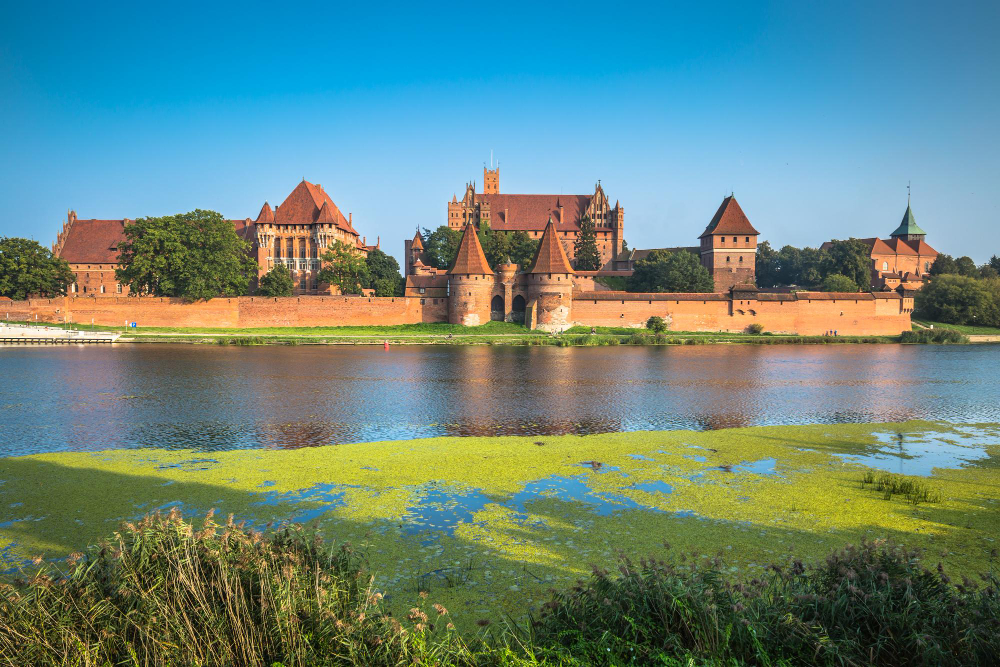
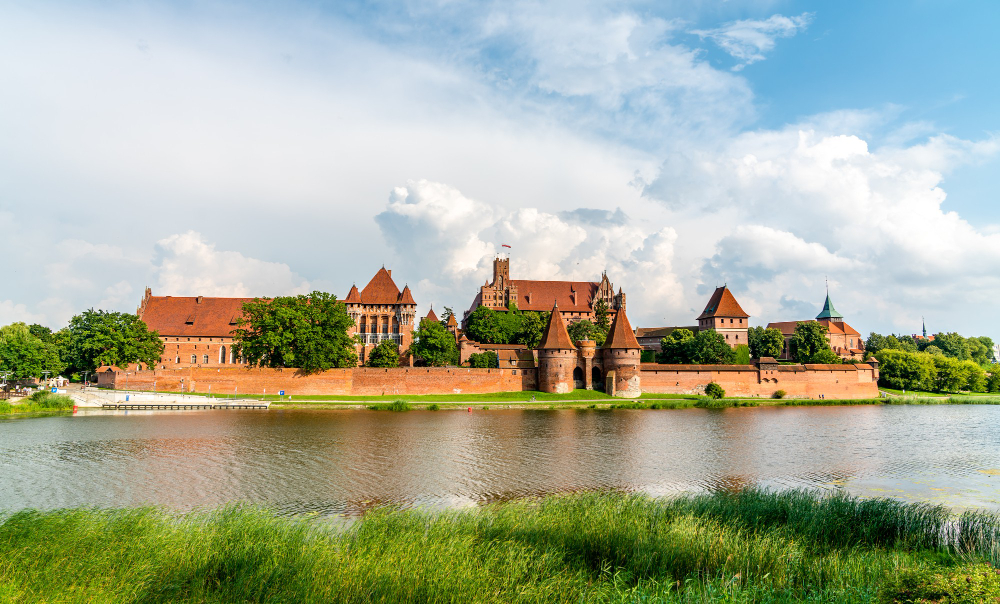
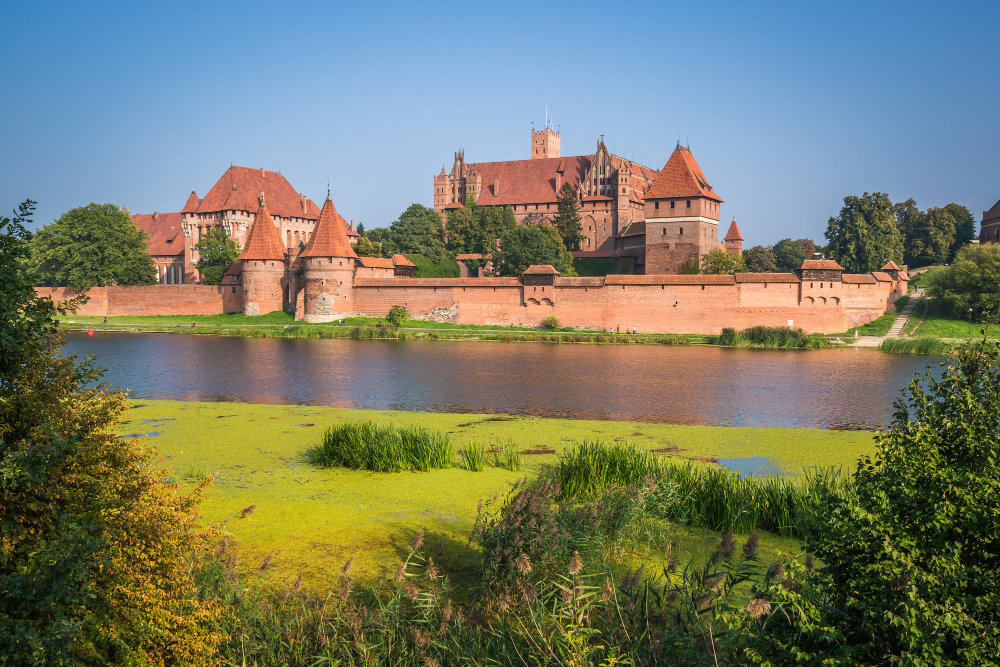
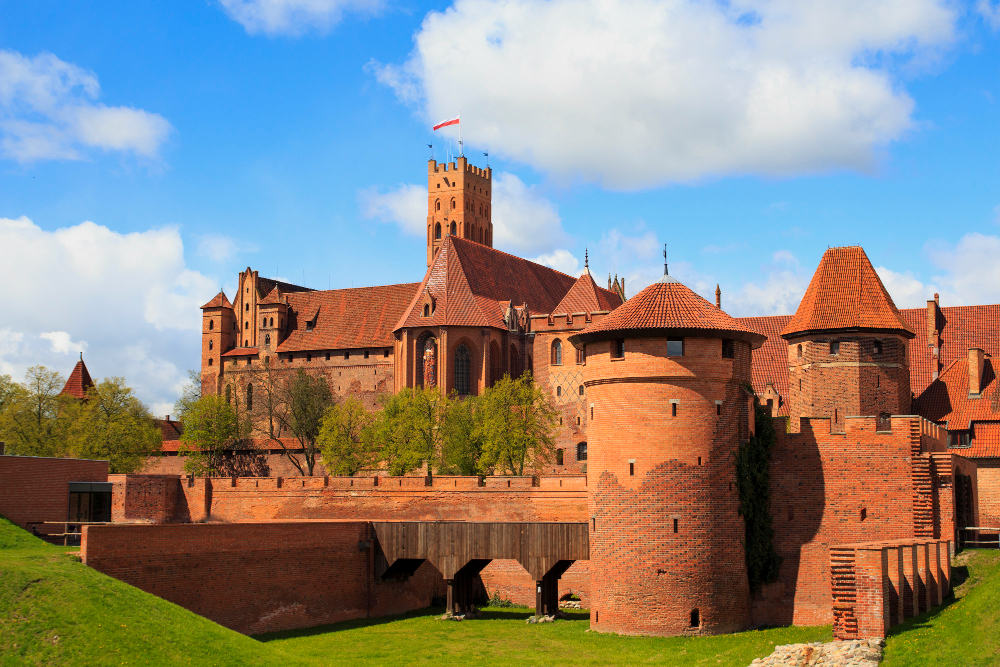
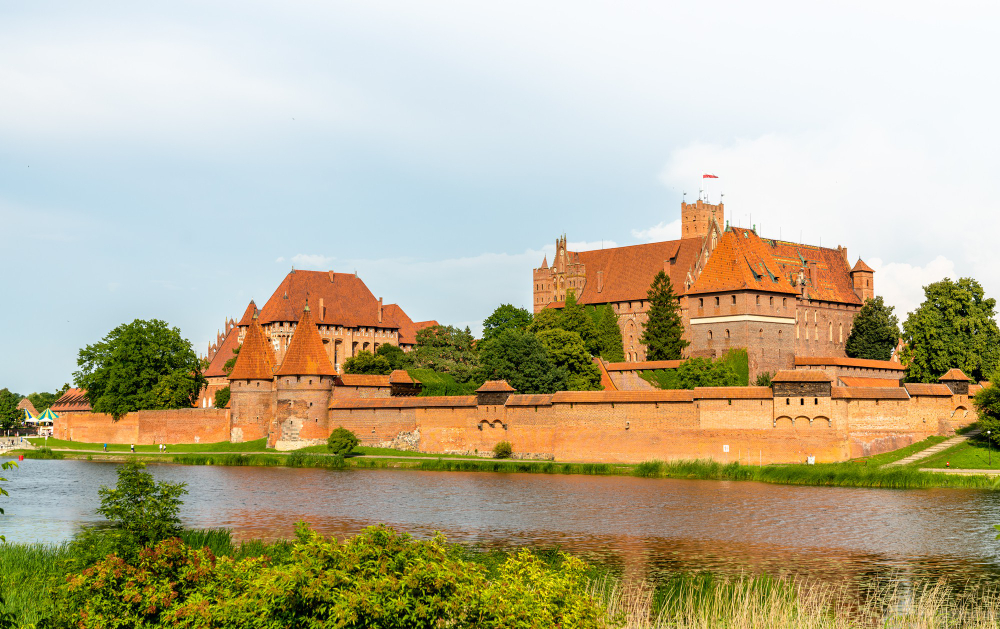
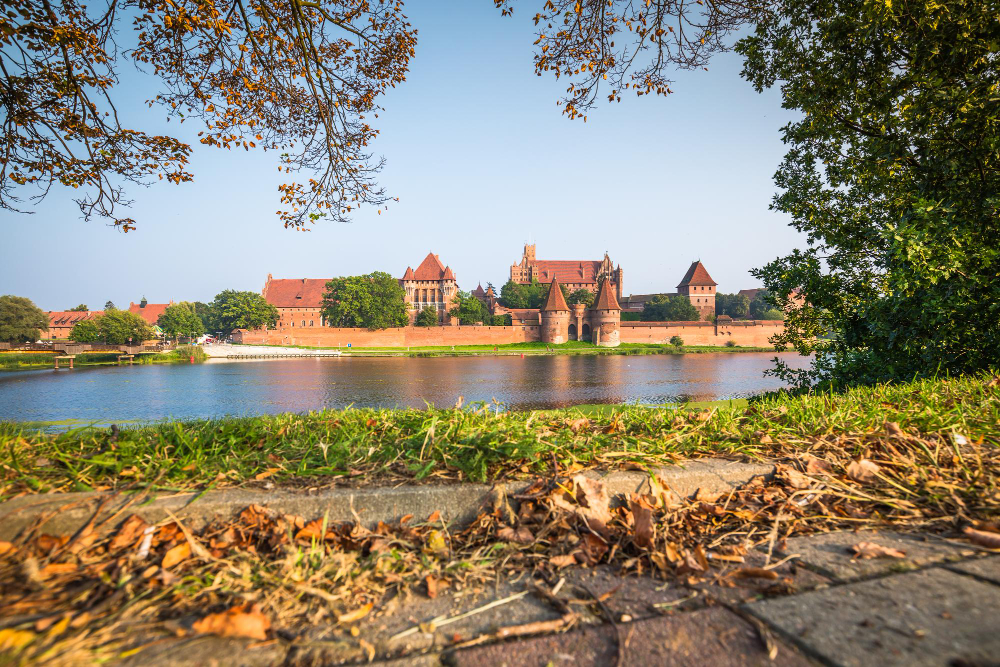
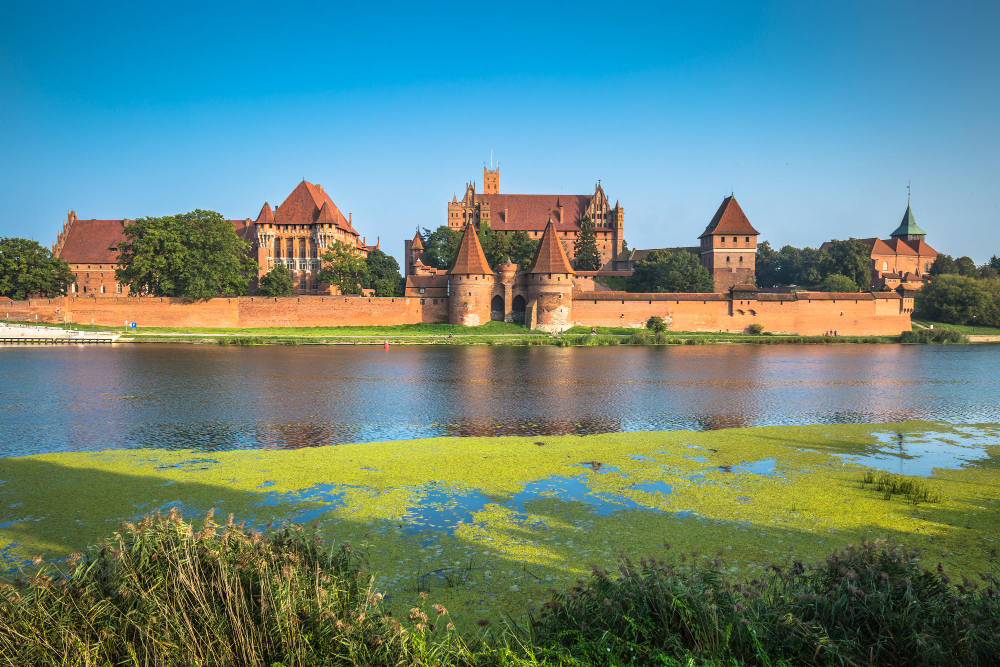
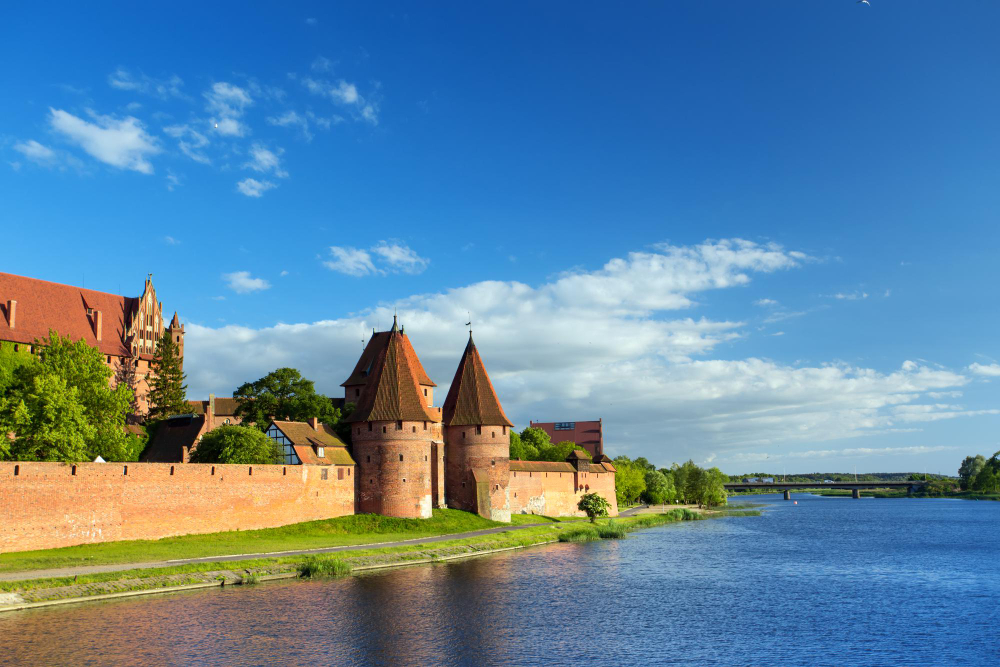
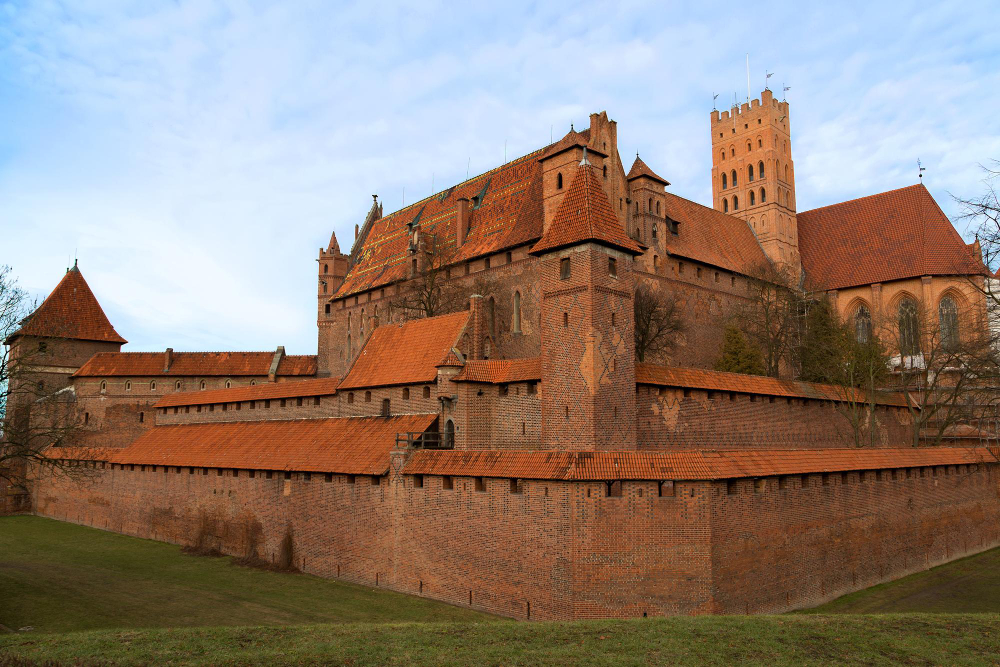
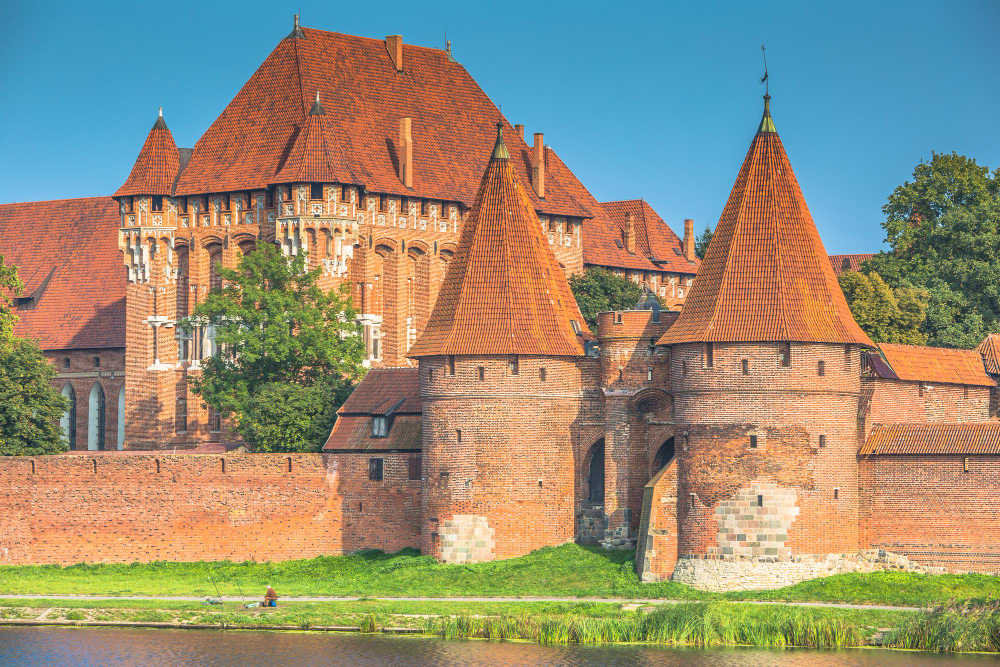
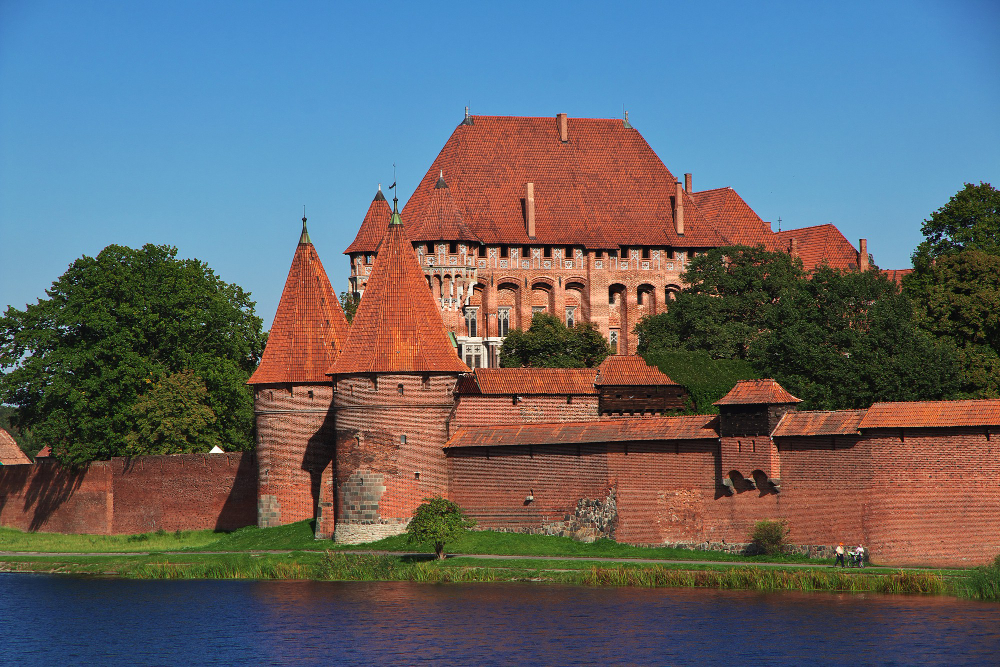
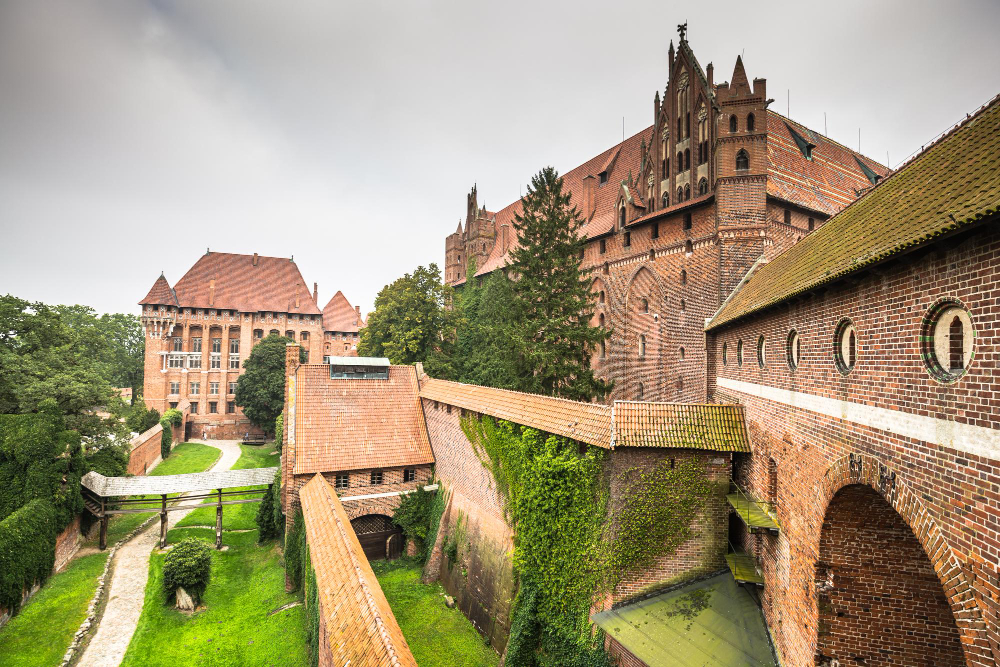
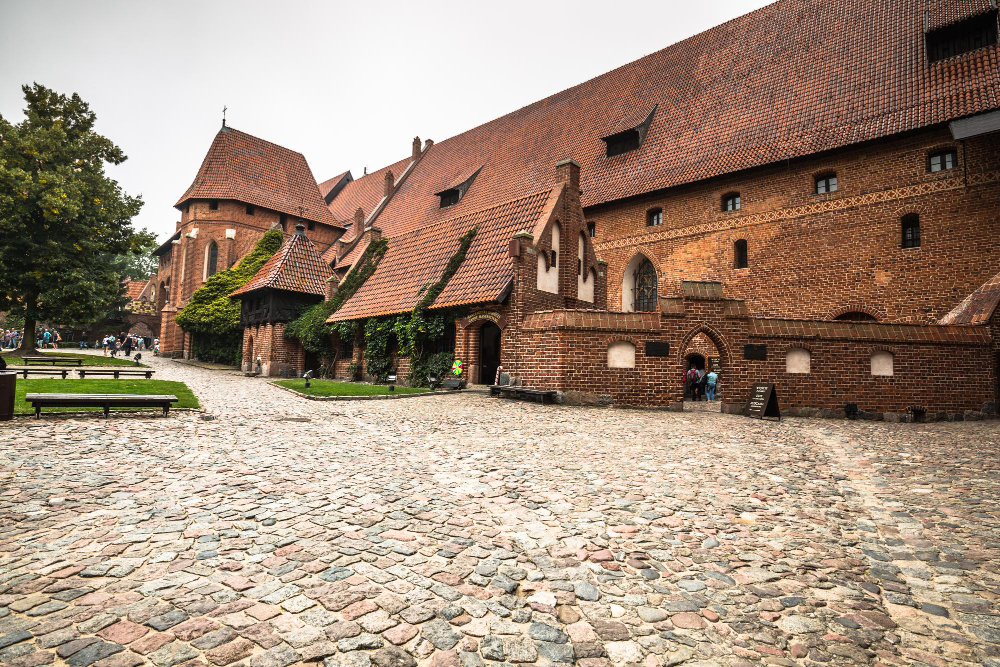
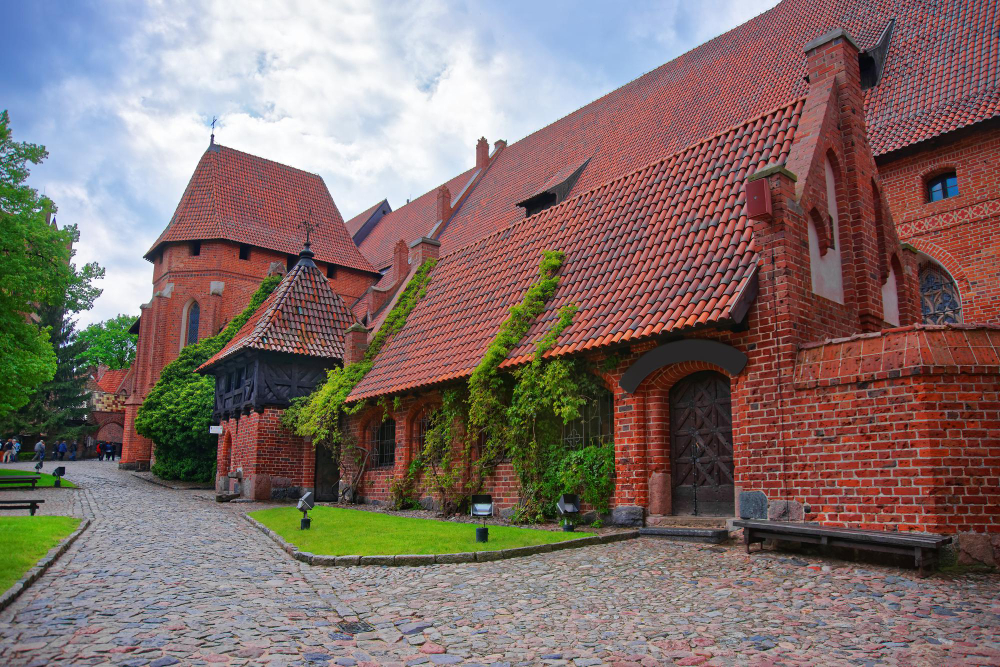
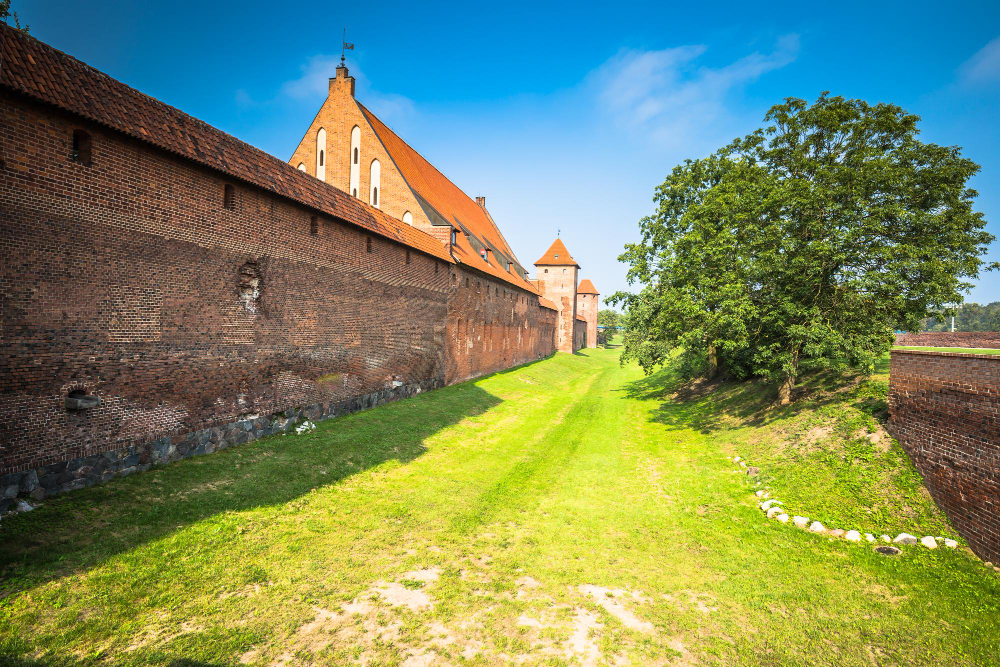
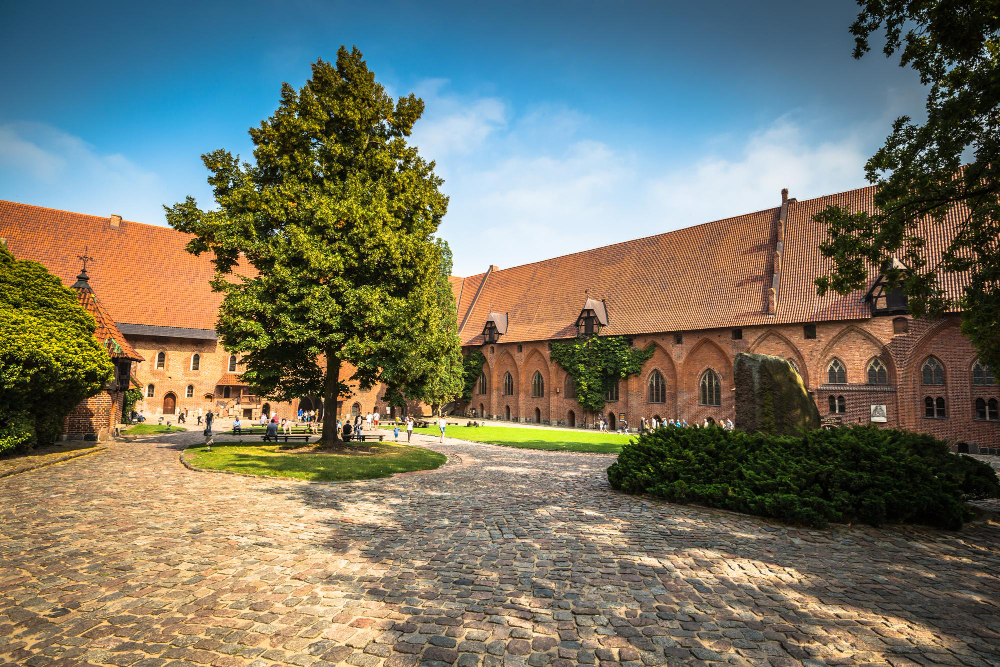
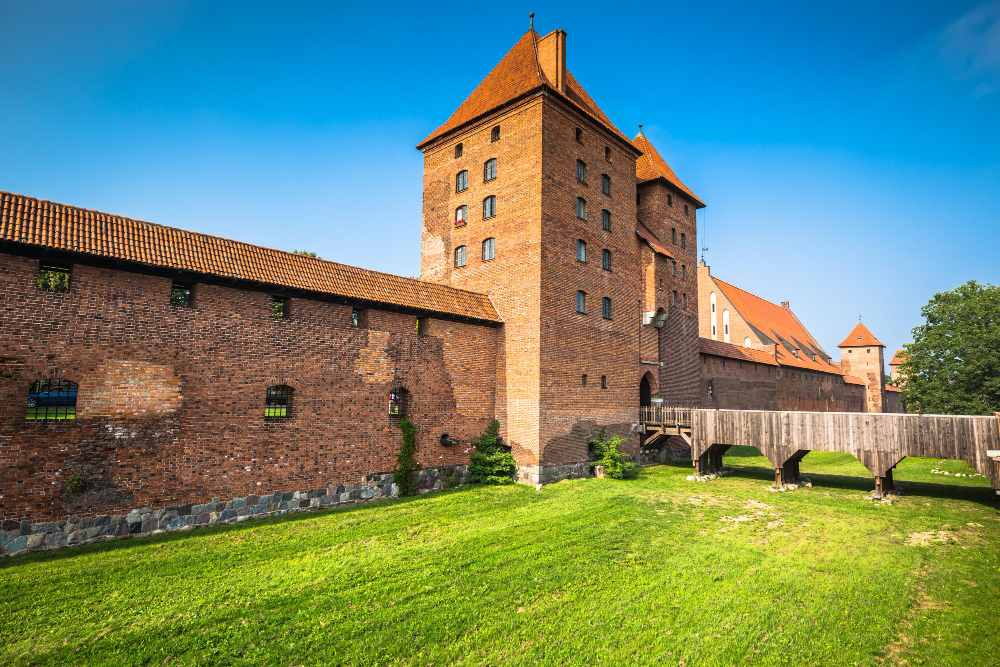
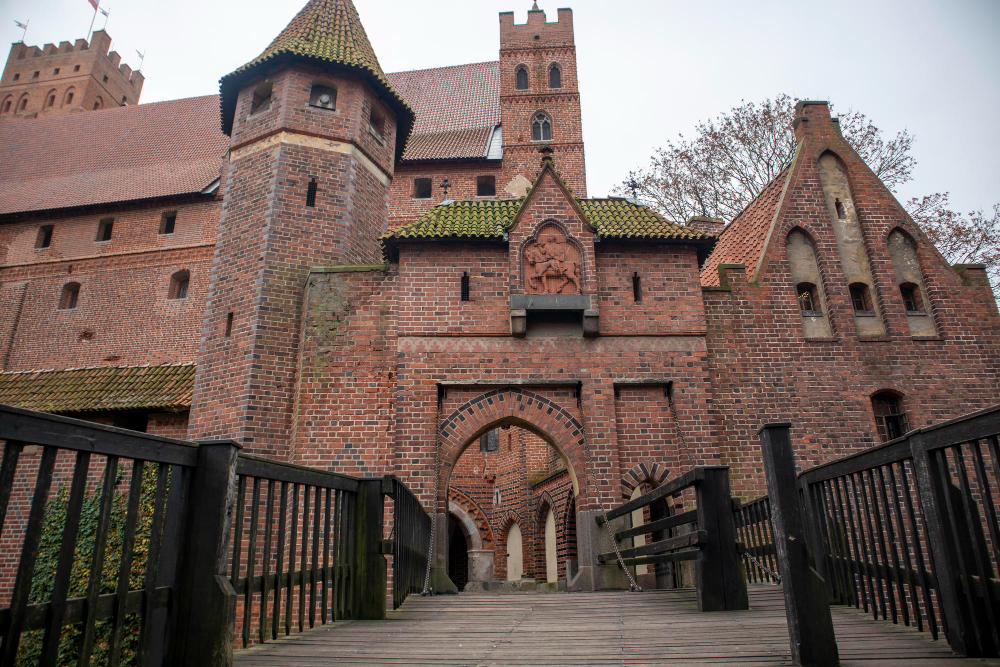
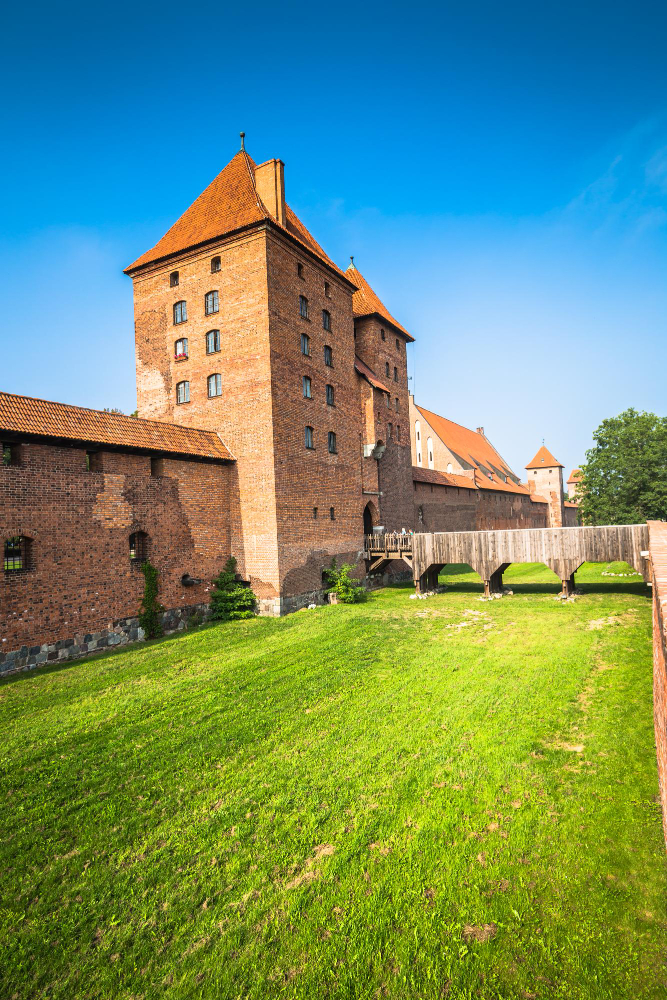
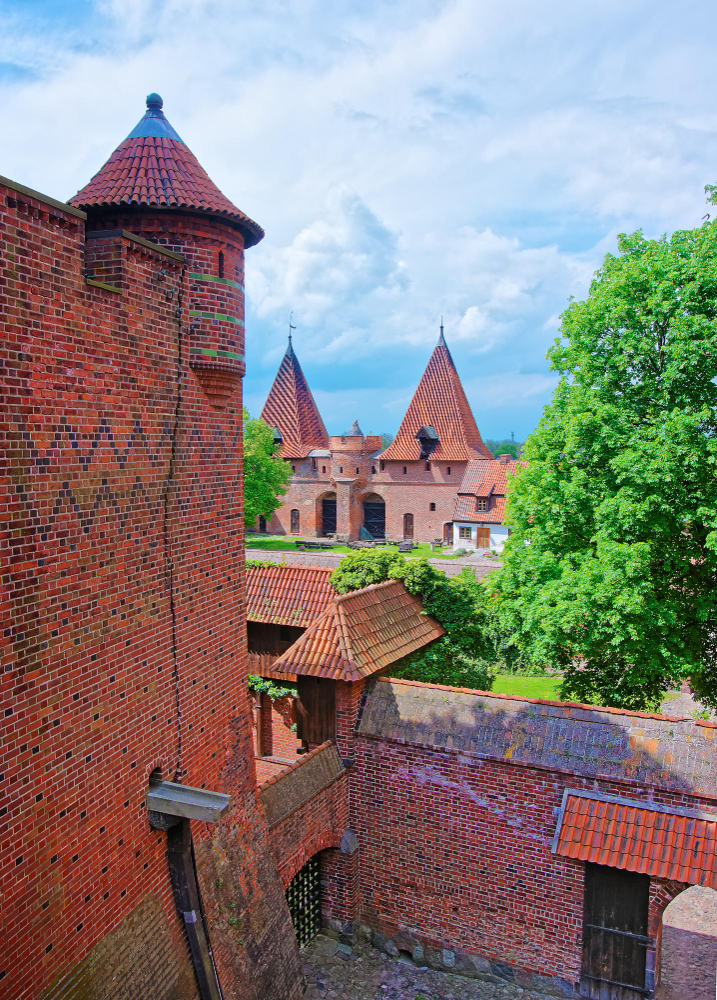
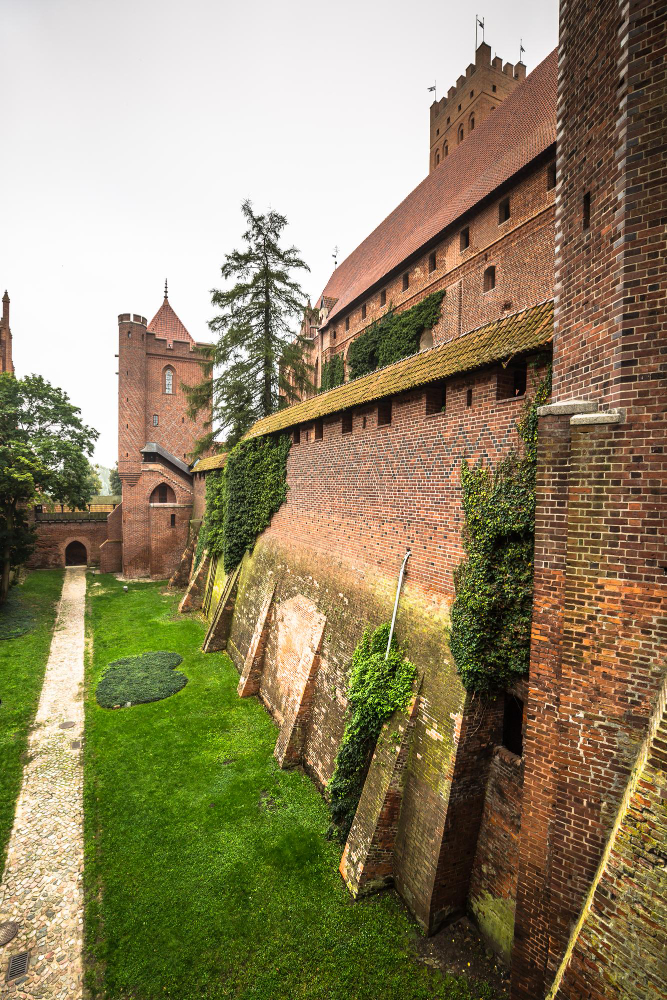
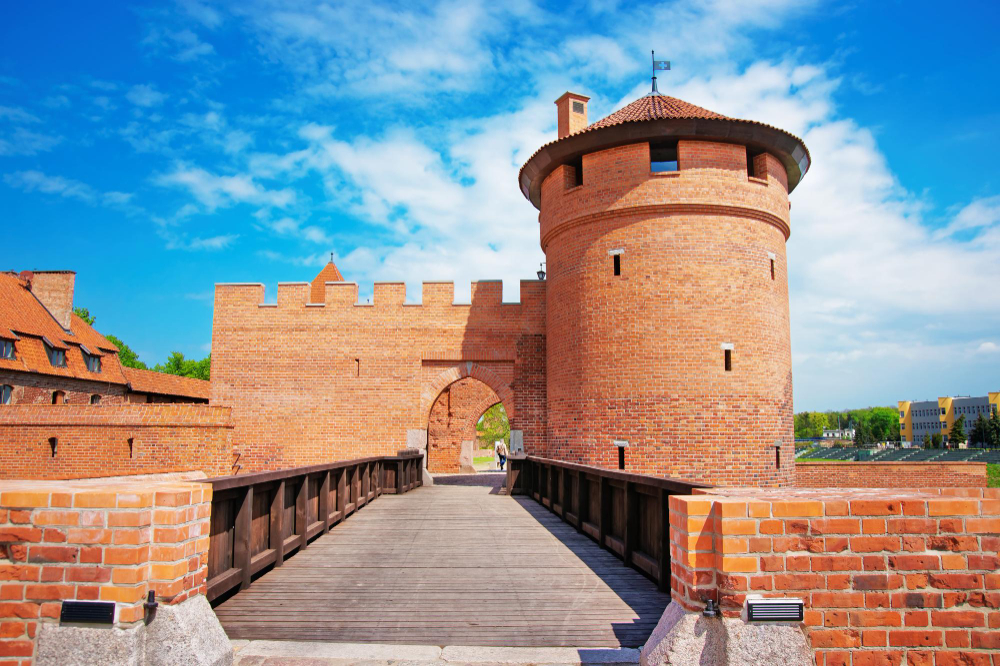
The historical significance of Malbork Castle – Malbork Castle was built by the Teutonic Order at the end of the 13th century and initially served as an administrative centre for the Crusaders in Prussia. Its strategic location on the River Nogat made it an important stronghold for both the military and economic activities of the Order. Upon its completion, Malbork Castle, with its impressive size and mighty defences, was a virtually impregnable fortress. The Teutonic Order, a military-religious order of knights, used it not only as the residence of its Grand Masters but also as the centre of its power in Eastern Europe. The castle consists of three parts: the outer bailey, the middle bailey and the inner bailey. Each of these areas was secured by additional walls and moats and could be defended independently. This made Malbork a masterpiece of medieval fortress architecture. Following the historic Battle of Tannenberg in 1410, Marienburg was at the centre of one of the most dramatic moments in its history. This battle between the Teutonic Order and the Polish-Lithuanian army under King Władysław II Jagiełło marked a turning point in the Order’s history. Although the Order suffered a crushing defeat, it managed to defend Marienburg against the attacks of the Polish troops – an event closely intertwined with the legend of Heinrich von Plauen.
The Myth of Heinrich von Plauen – Heinrich von Plauen was Grand Master of the Teutonic Order and, following the defeat at Tannenberg, assumed leadership of the Order under extremely difficult circumstances. According to legend, however, he refused to surrender Marienburg to the besiegers without a fight. With strategic skill, he organised the castle’s defence and forced the Polish king to abandon the siege. Particularly fascinating is the story of a cannonball that was allegedly fired during the siege. According to legend, this cannonball nearly pierced a pillar in the chapter house, but ricocheted off it and became lodged in the wall, where it is said to be visible to this day. It is also said that the ghost of Heinrich von Plauen still haunts the halls of Marienburg. It is said that his shadow wanders through the Great Dining Hall at night to ensure that the fortress remains protected. This myth has preserved a special aura around Marienburg to this day. Many visitors report a mysterious feeling as they stroll through the ancient halls and corridors. It is as though the past has remained alive there and as though the old fortress does not quite reveal all its secrets.
Ghost stories and legends – However, Marienburg is not only known for the story of Heinrich von Plauen. It is a place where numerous legends and ghost stories have taken root. The castle’s imposing character, its dark corridors and its centuries-old history make it the perfect setting for such tales. Another well-known story tells of a young woman who was allegedly held captive in one of the towers during the time of the Teutonic Order. Her ghost is said to be seen to this day, sometimes at dusk, gazing sadly across the River Nogat. There are also reports of strange noises at night – footsteps, doors opening and closing as if by a ghostly hand, or flickering lights with no discernible source. These stories enrich the atmosphere of Malbork Castle and ensure that it remains not only a cultural monument but also a mystical place that attracts history lovers and adventurers alike.
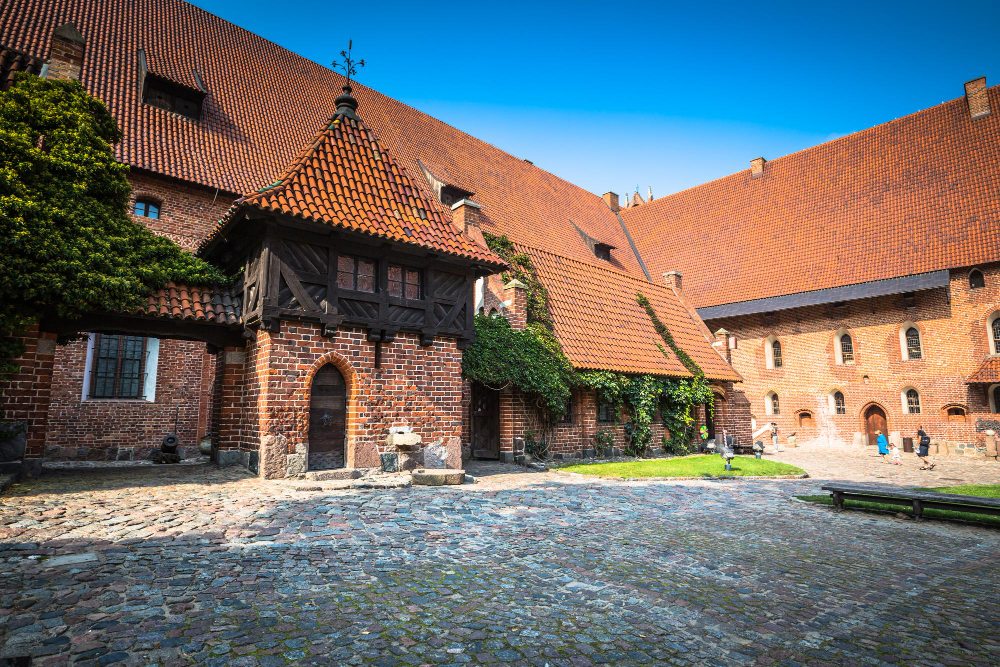
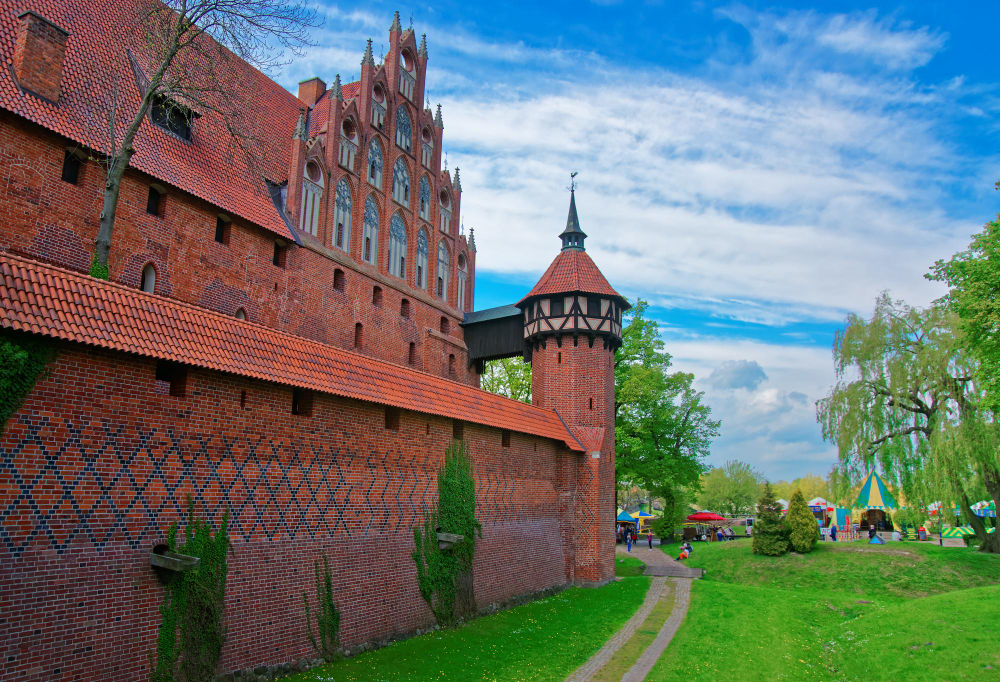
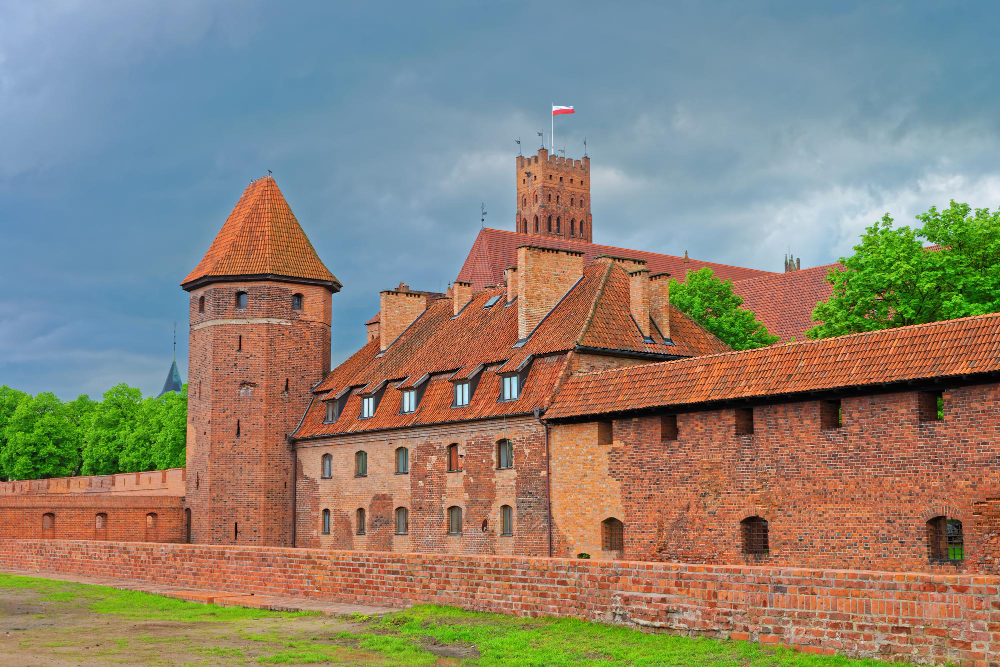
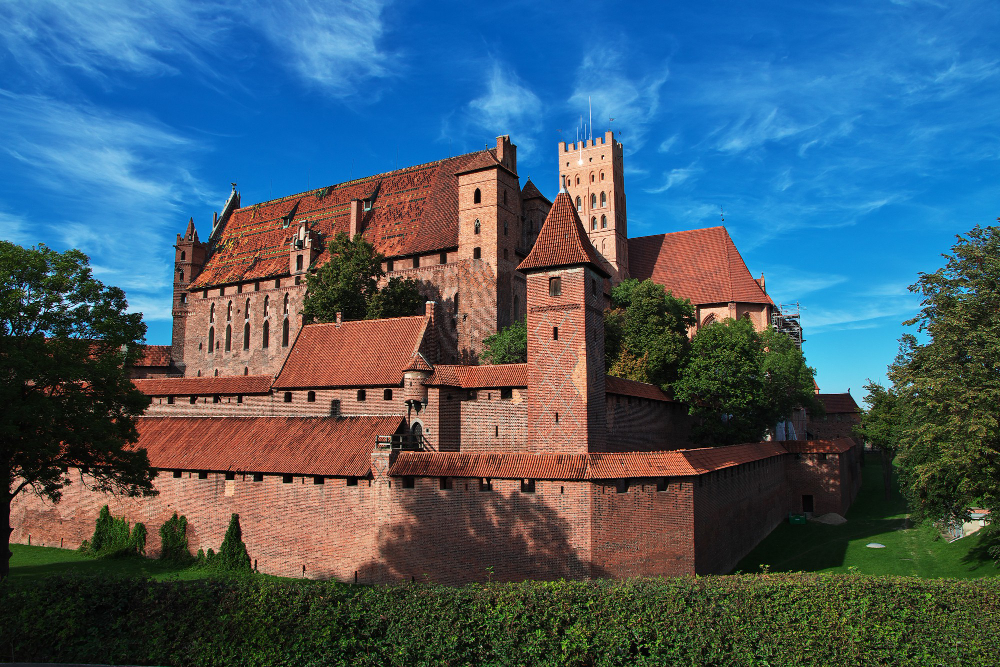
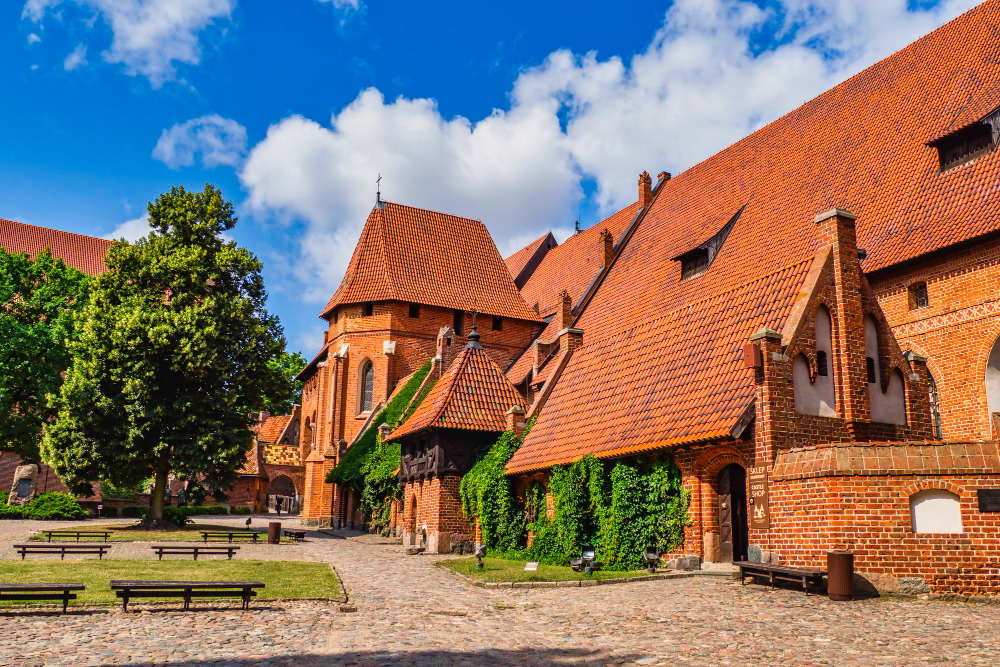
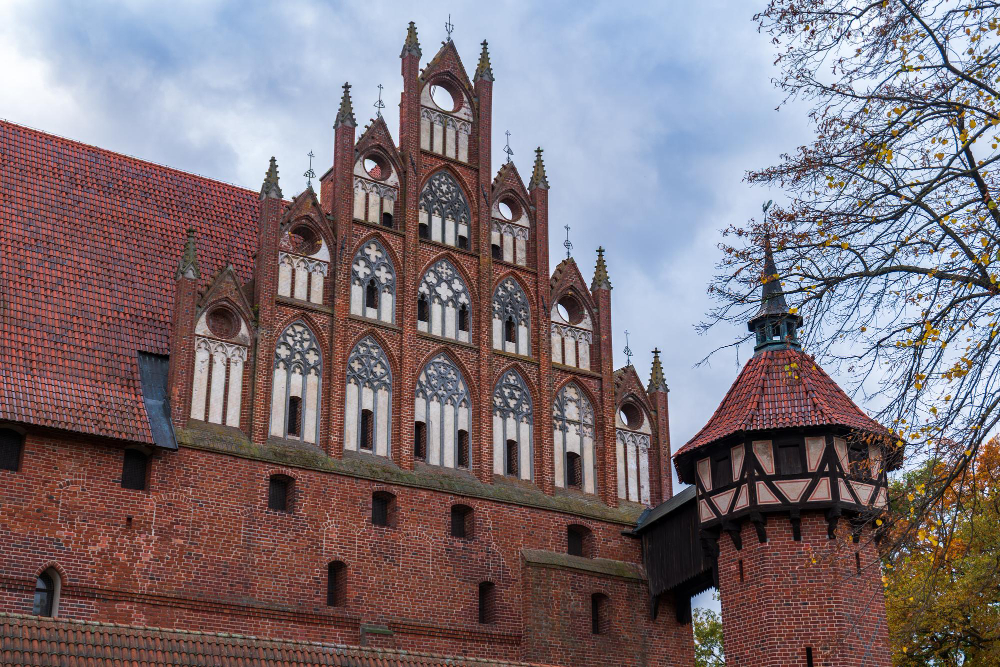
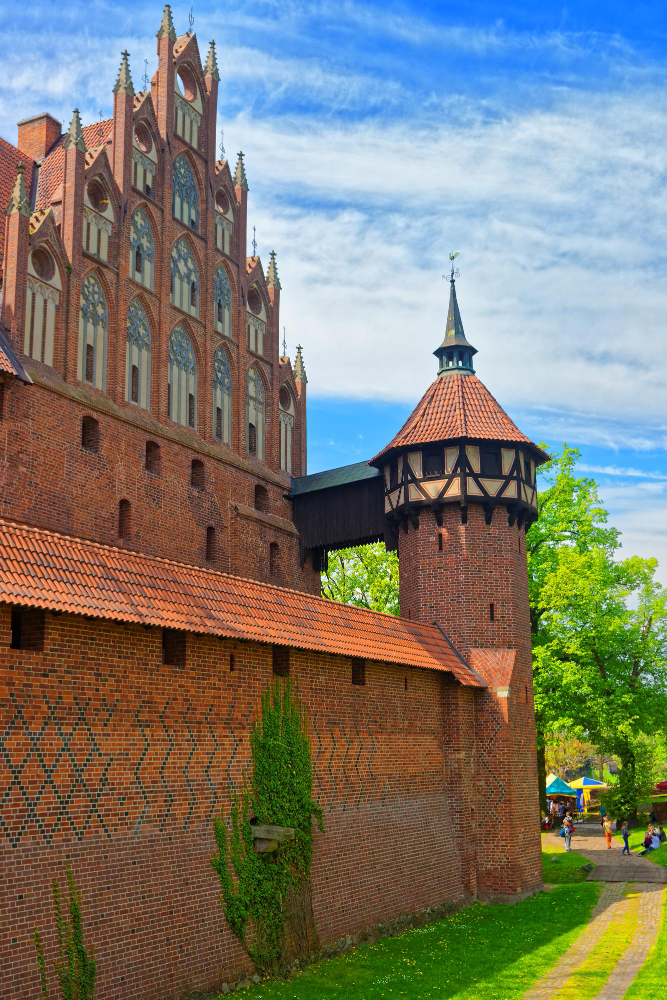
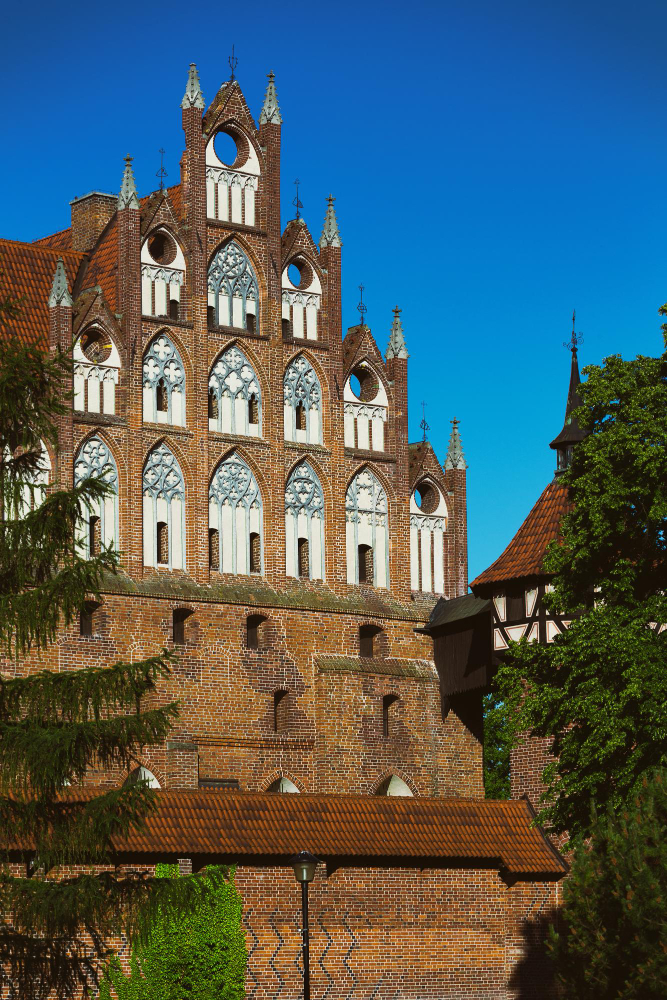
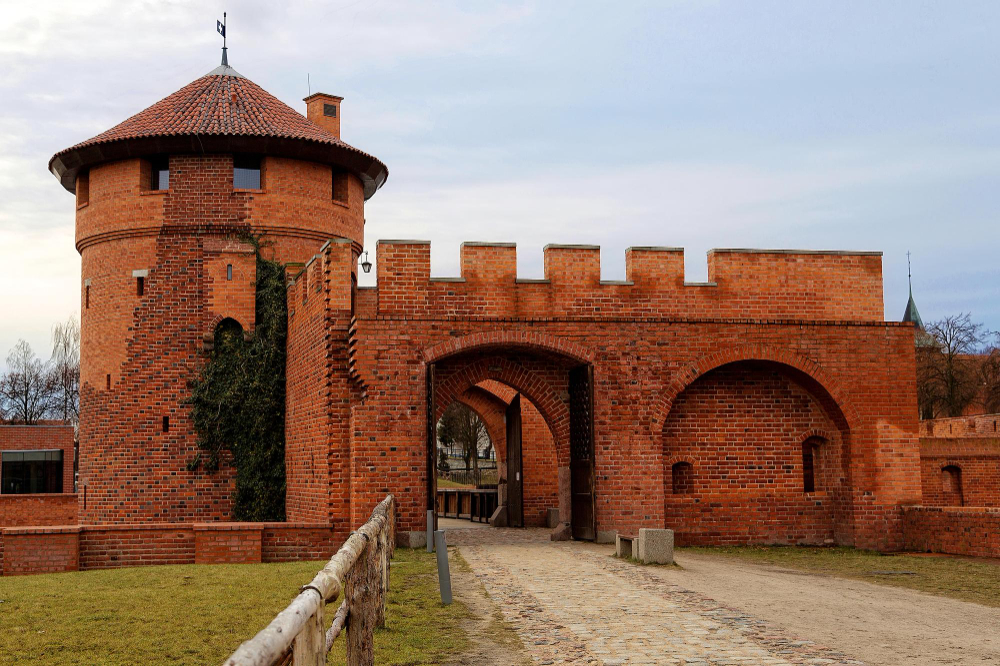
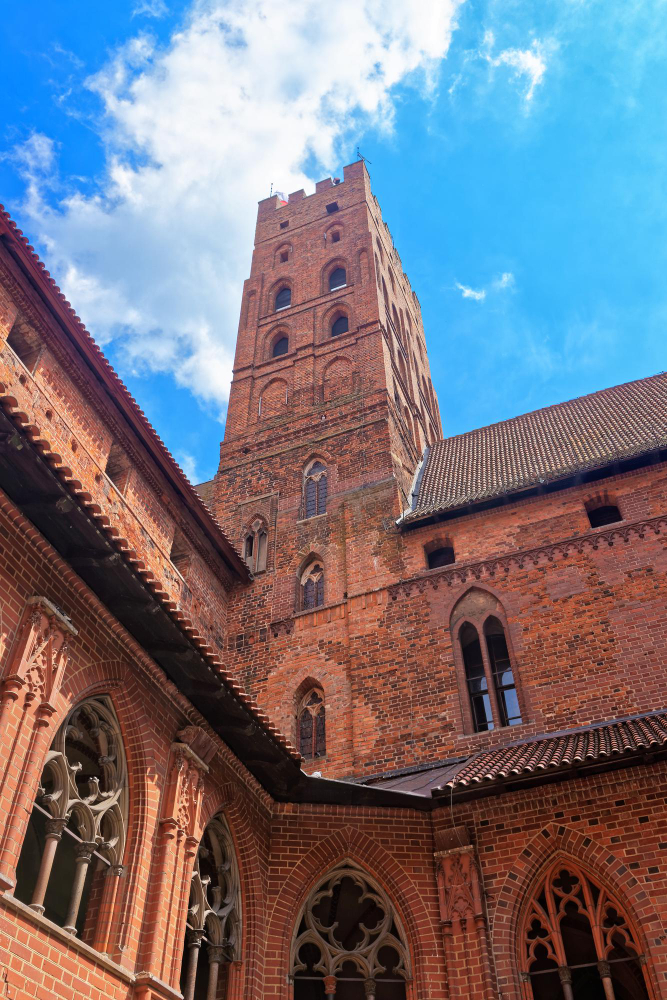
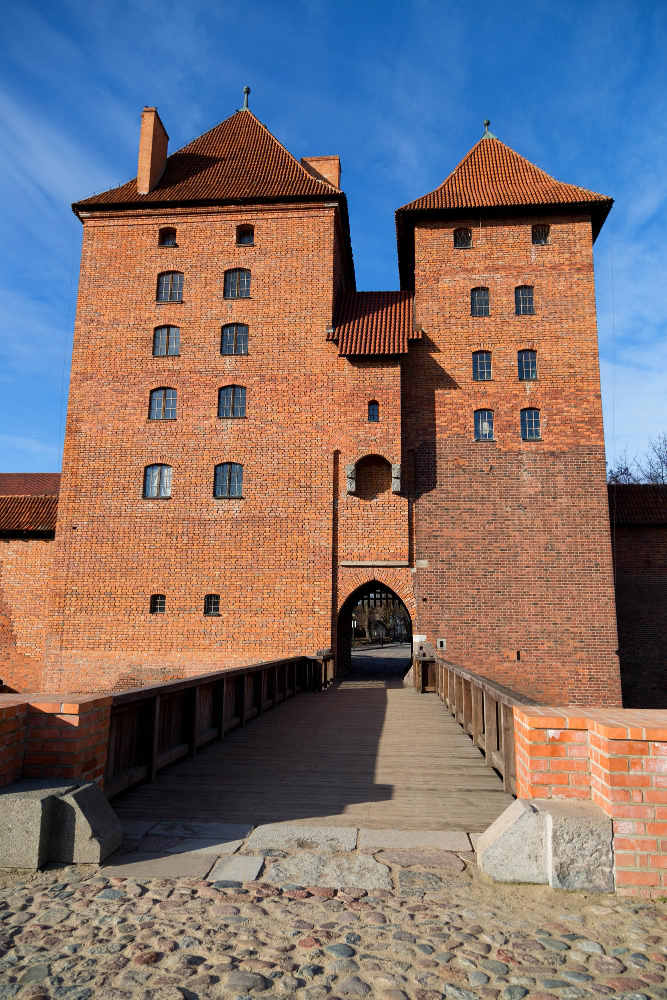
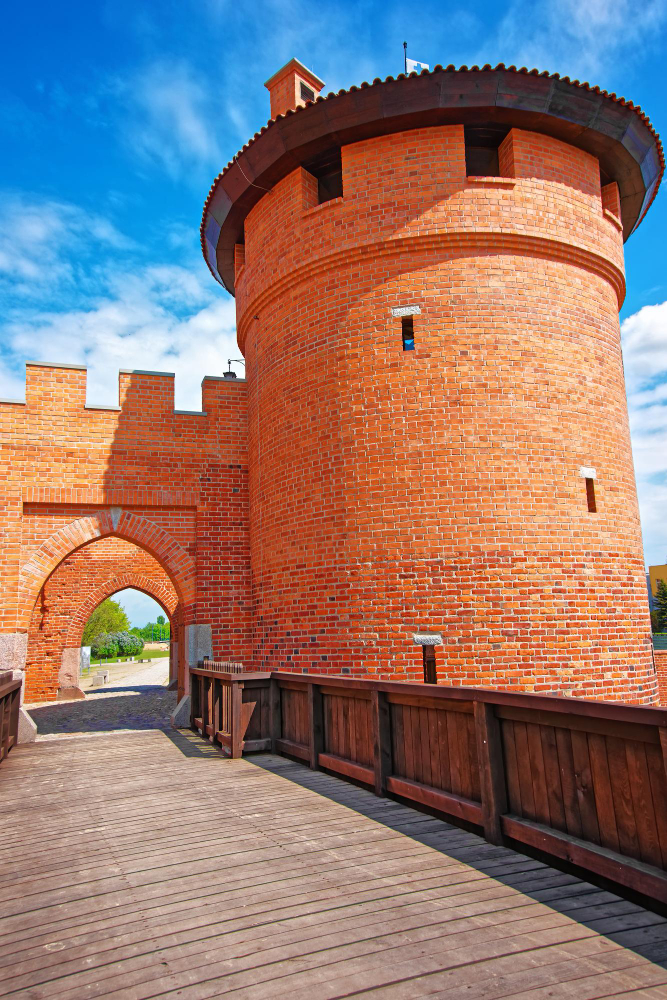
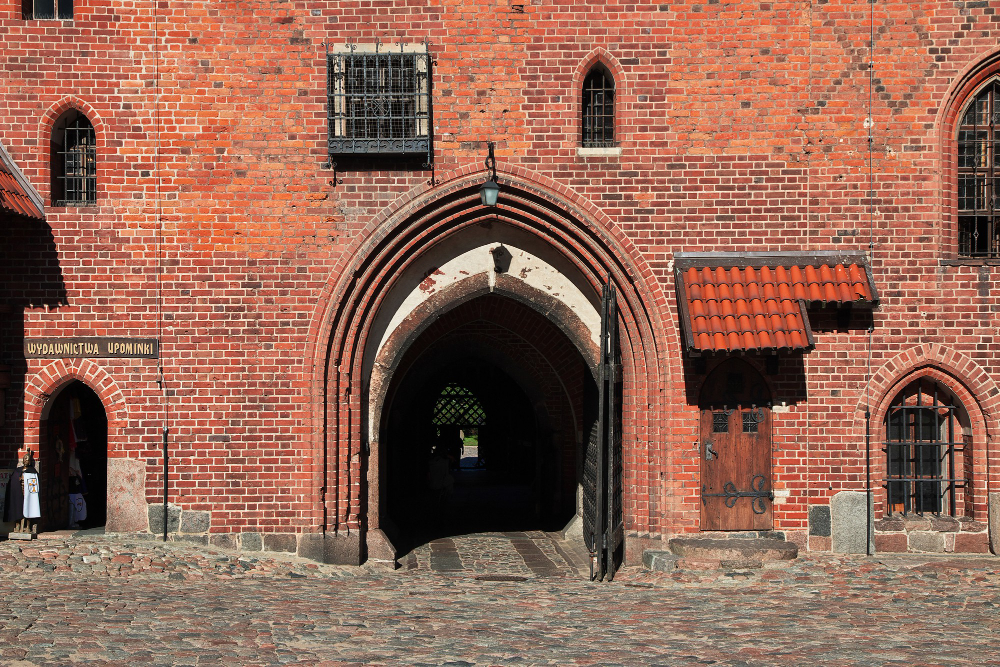
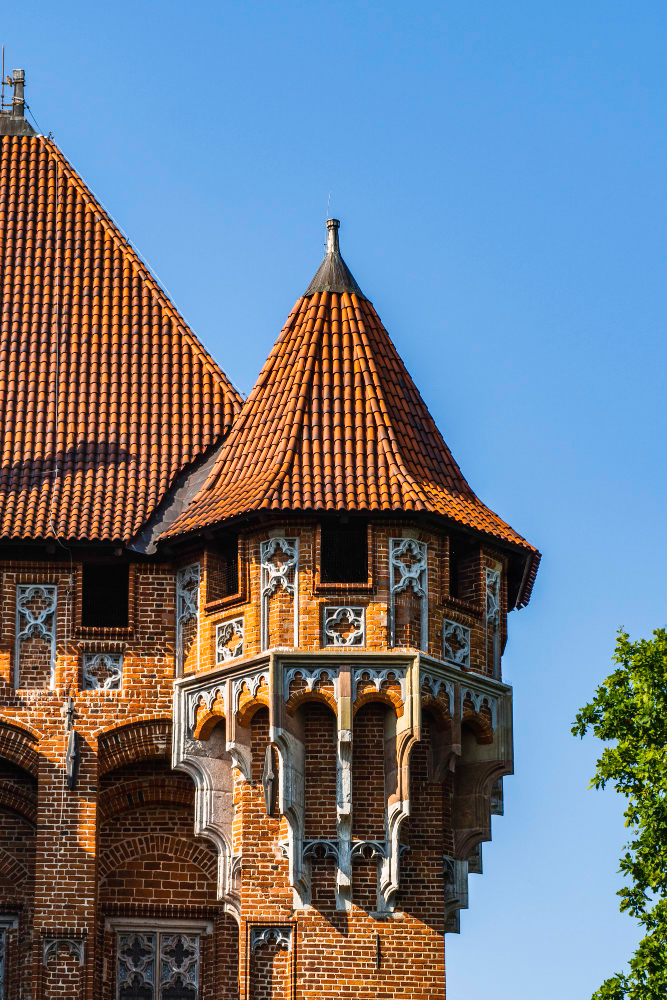
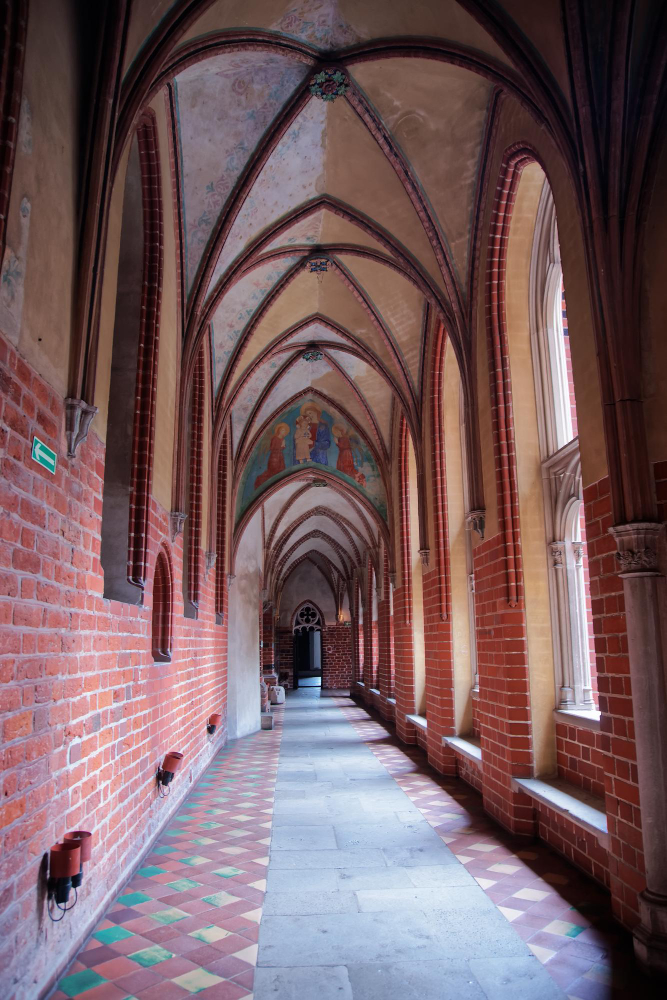
Architectural Masterpieces – Aside from the myths and legends, Malbork Castle also deserves recognition as an architectural marvel. Covering a total area of around 21 hectares, it is the largest castle complex in Europe and impresses with its immense scale. The brick walls, towers and Gothic ornamentation bear witness to the architectural craftsmanship of the late Middle Ages. A particular highlight of the castle is the Great Remter, a large dining hall with high vaulted ceilings and ornate decorations. Despite its functional architecture, great importance was also attached to aesthetic considerations. The Chapel of the Blessed Virgin Mary, after whom the castle is named, captivates visitors with its ornate stained-glass windows and spiritual aura. After Marienburg Castle was destroyed during the Second World War, it was lovingly restored and is now a UNESCO World Heritage Site – it ranks among Poland’s most significant landmarks.
Historical and cultural significance today – Today, Marienburg Castle is no longer merely a symbol of medieval power and military conflicts, but also a cultural centre. Every year, it attracts thousands of tourists from all over the world who wish to discover the region’s rich history and immerse themselves in the castle’s atmosphere. Guided tours and exhibitions offer visitors the chance to learn more about the history of the Teutonic Order, the castle’s architecture and the many legends surrounding this special place. A particular highlight are the annual jousting tournaments and medieval festivals, which take place against the backdrop of Marienburg Castle. They bring the life and battles of the Middle Ages back to life and attract families, history enthusiasts and lovers of historical re-enactments.
Marienburg Castle is far more than a fortress of stone and mortar. It is a place steeped in history, myths and magic, which transports its visitors to a bygone era. From the ghost of Heinrich von Plauen to the mysterious cannonball and countless ghost stories, the castle offers both insights into reality and scope for the imagination. At the same time, it is an impressive example of medieval architecture and an important landmark that bridges the gap between the past and the present. For anyone interested in history, architecture or simply the mysterious atmosphere of such a place, Malbork Castle is an absolute must-see. The stories surrounding this place are just as fascinating as the imposing walls themselves – and invite you to explore the secrets of the past.




Post Comment