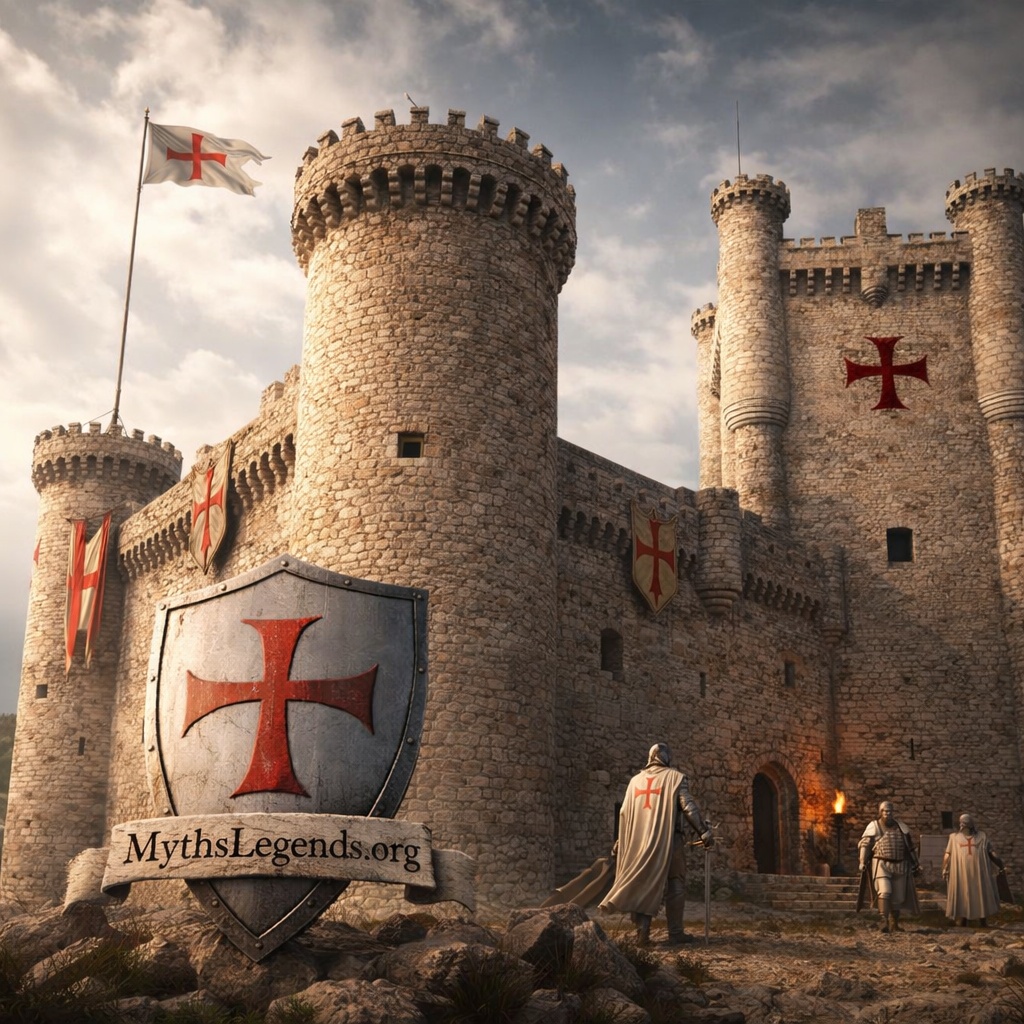
Castillo de Torija: A mystical link to the Knights Templar?
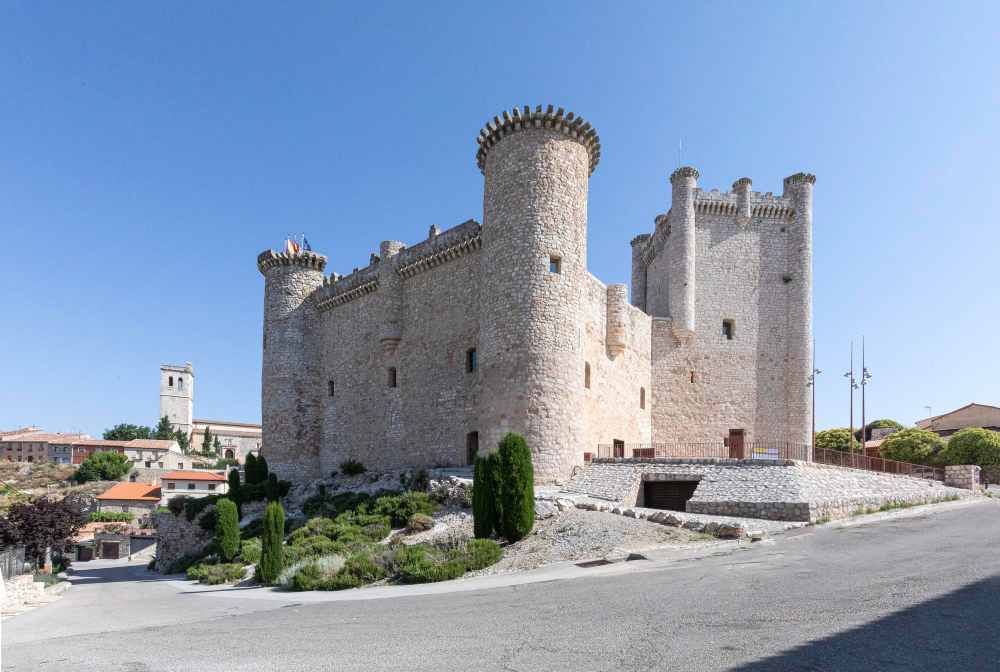
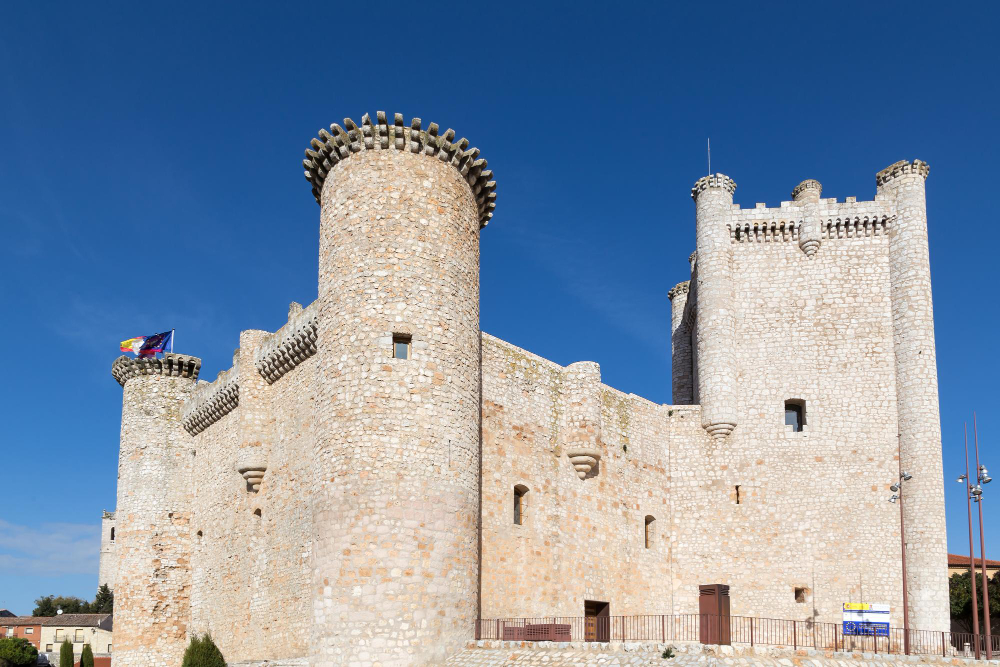
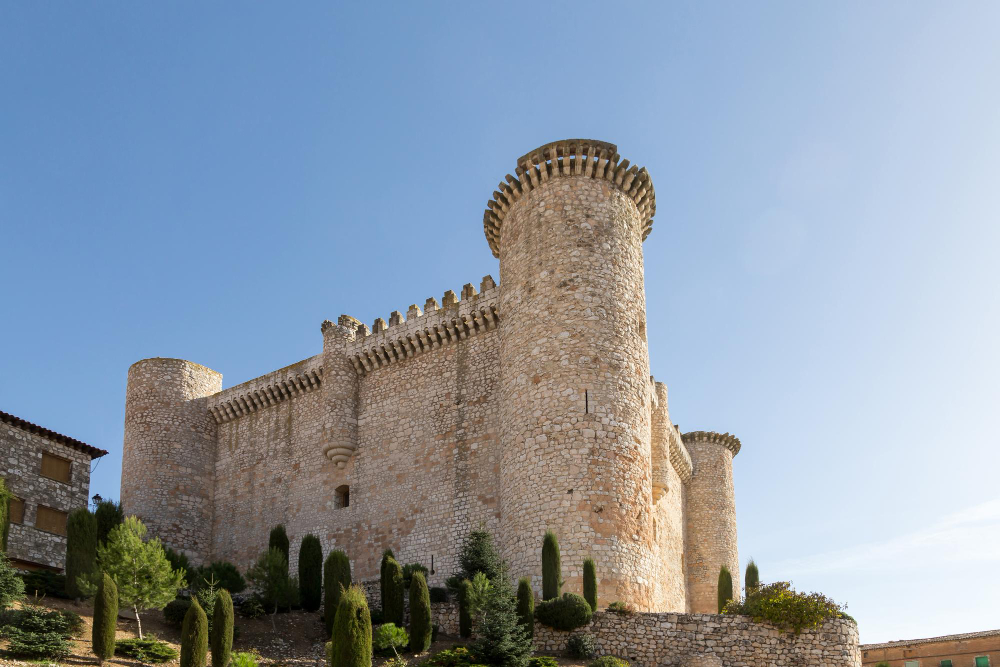
The history of ancient castles and fortresses is often interwoven with legends and myths that shroud their historical origins in a veil of fascination. A particularly fascinating example of this is the Castillo de Torija, a medieval castle in the province of Guadalajara in Spain. The fortress’s impressive architecture and strategic location undoubtedly make it a significant relic of the Middle Ages. What sets this castle apart from others, however, are the stories and speculations surrounding its possible builders: the Knights Templar.
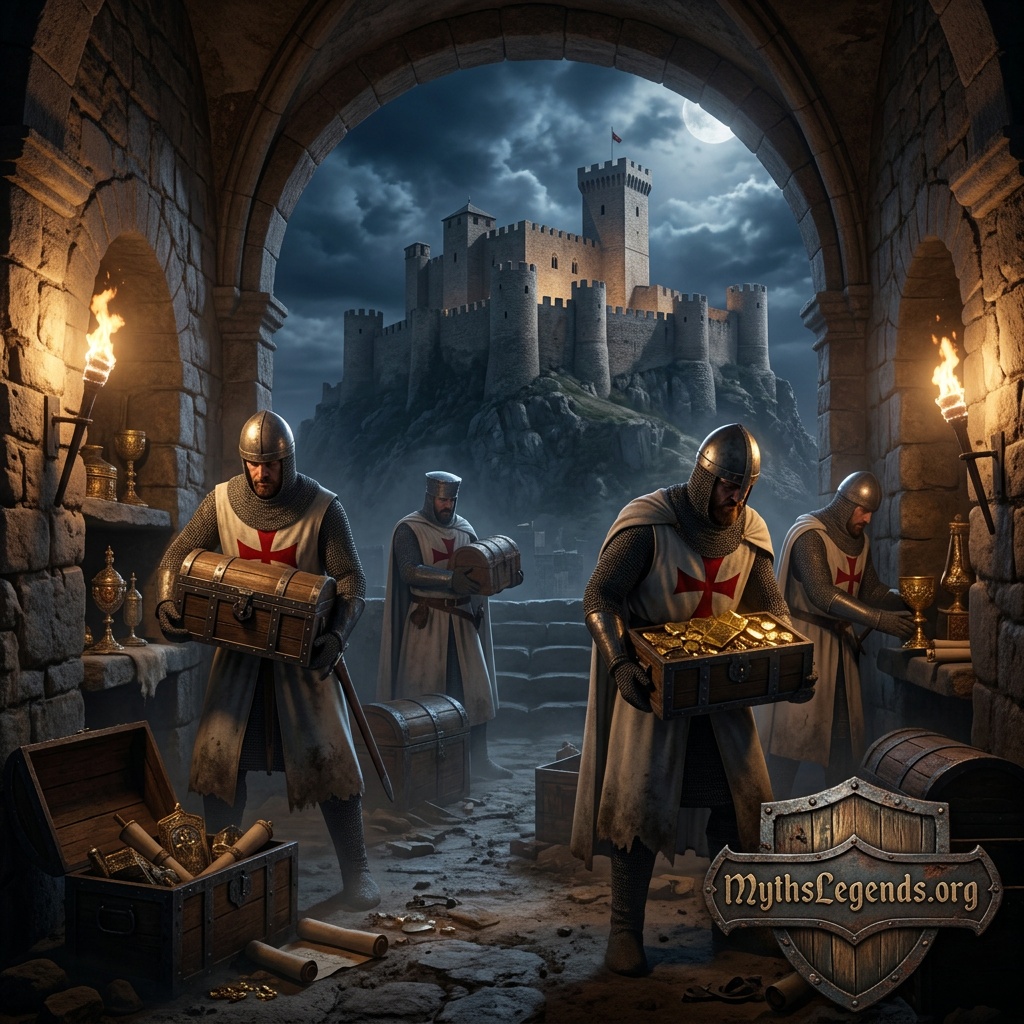
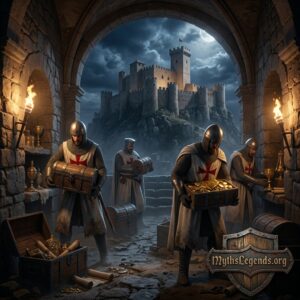
A mysterious order and its mission – The Knights Templar, whose official name was ‘The Poor Knights of Christ and of the Temple of Solomon’, were more than just a medieval military order. Founded in 1118, the Order played a key role in the Crusades and rapidly developed into one of the most influential organisations of its time. Its main tasks included protecting pilgrims on their journey to the Holy Land and constructing strategic defences. Castles served the Knights Templar both as military strongholds and as symbolic signs of their power and presence. The link between the Castillo de Torija and the Knights Templar is based on a widespread legend, according to which the mysterious order of knights is said to have built the castle in the 12th century. This assumption is based primarily on the similarity of the castle’s structure to other buildings of the Order, as well as on its location at a strategic point on the pilgrimage routes of the time. Although there is no direct written evidence or tradition to actually confirm this theory, the mere possibility of such a connection lends the Castillo de Torija a special mystical and historical depth.
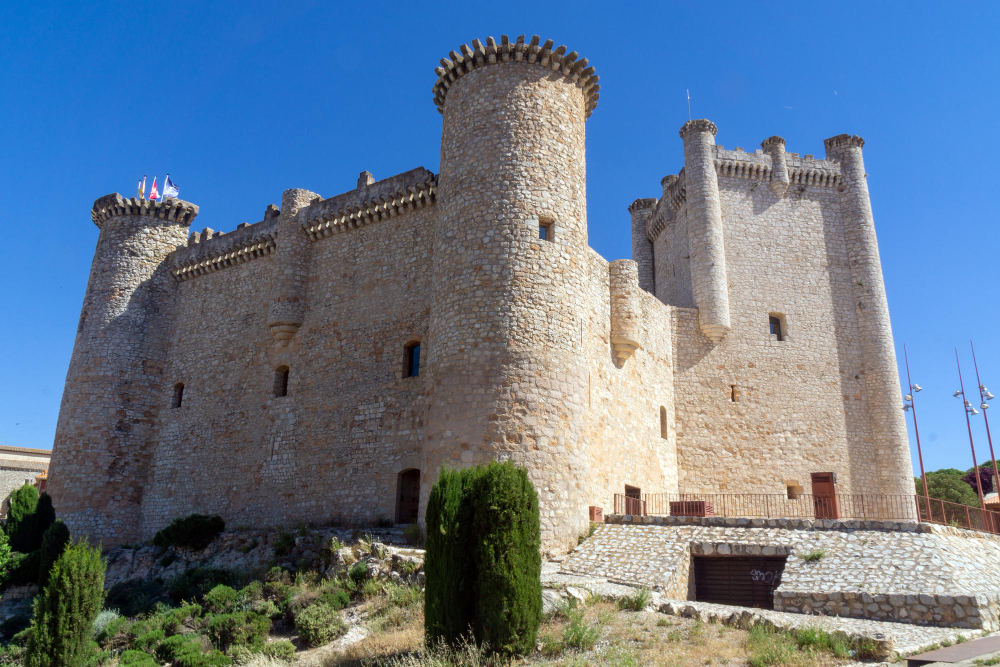
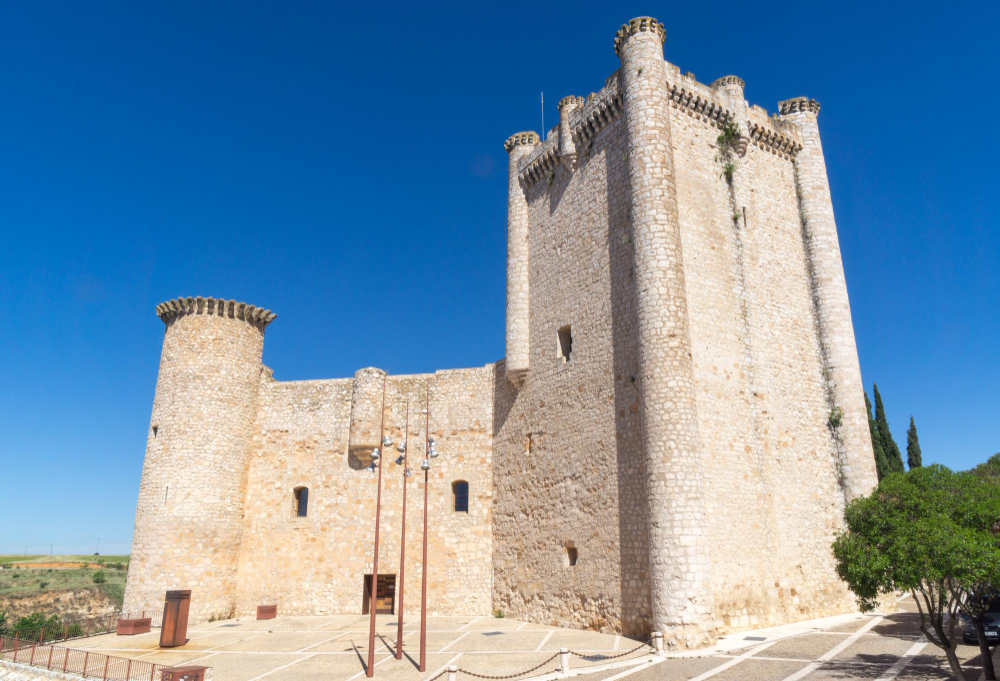
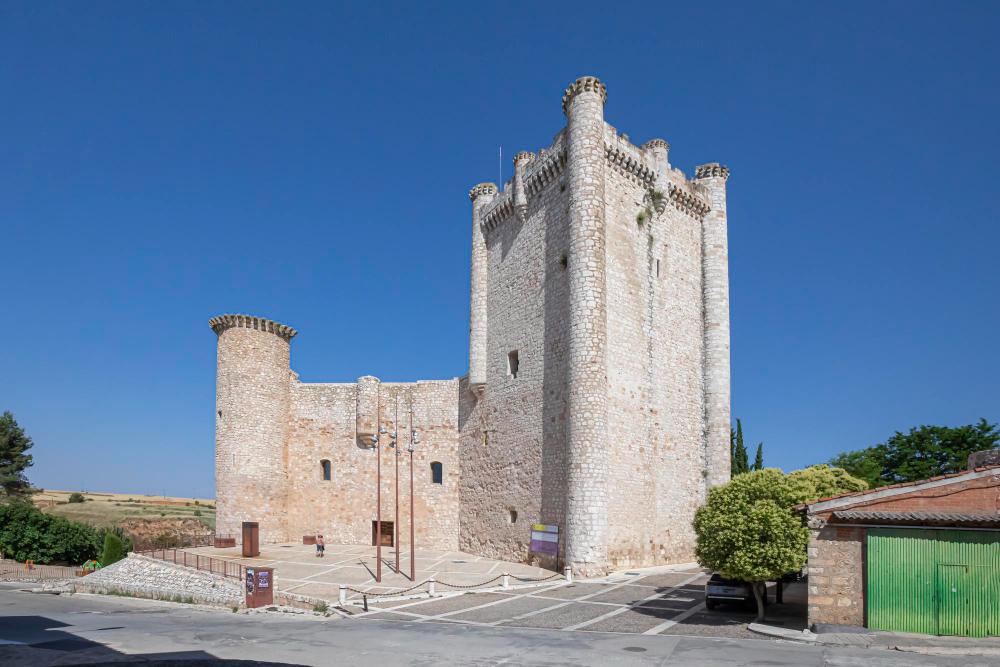
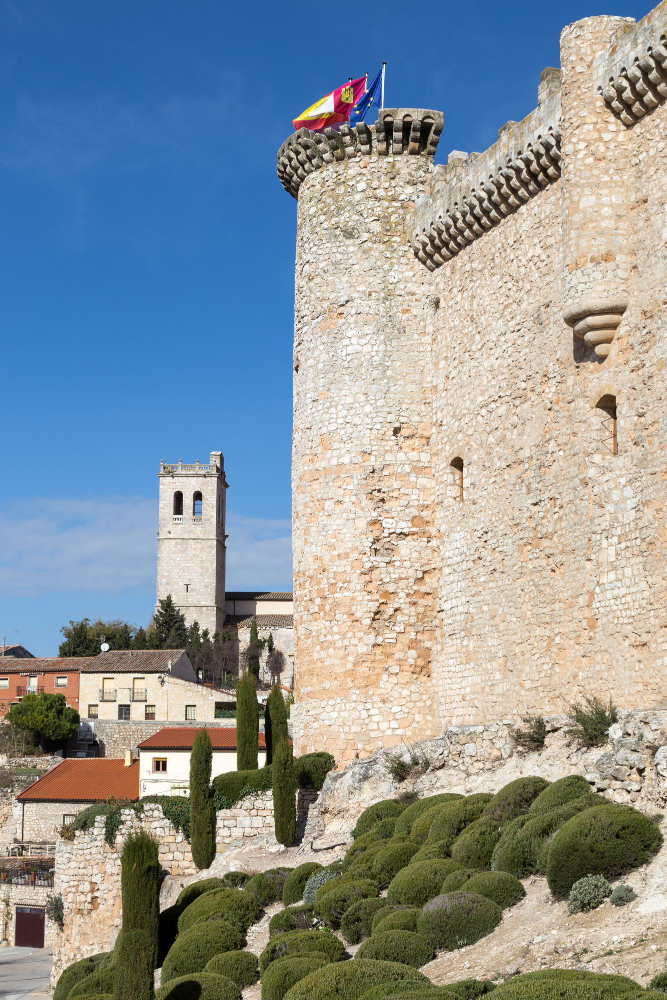
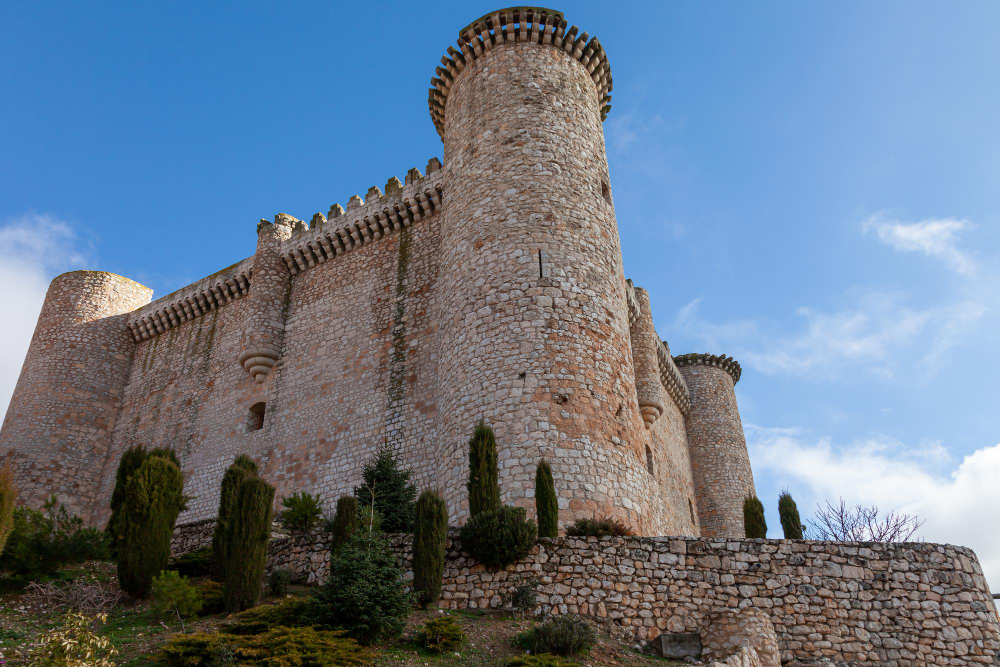
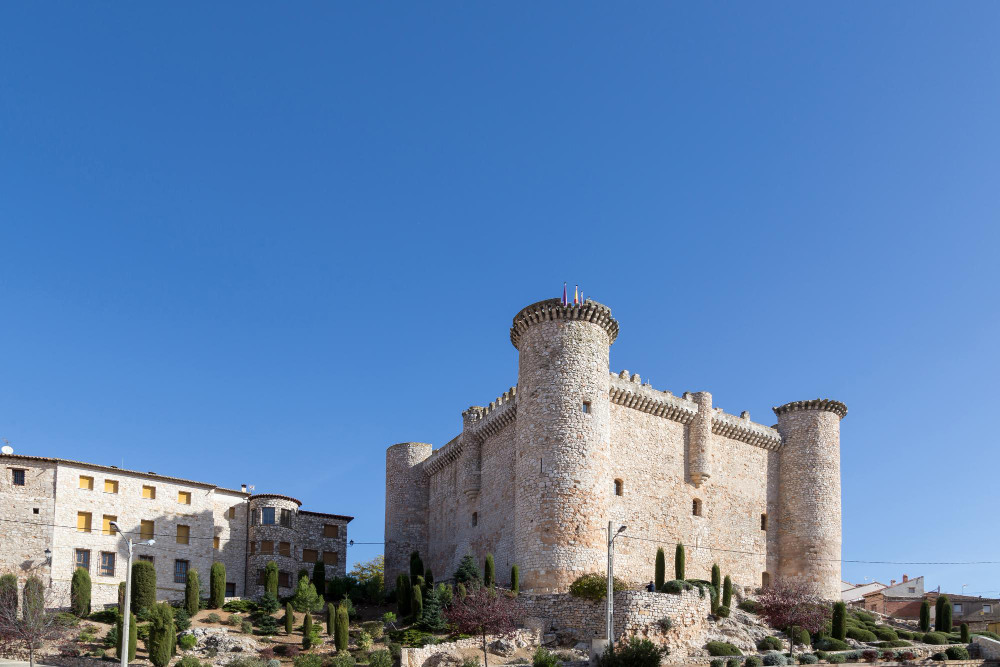
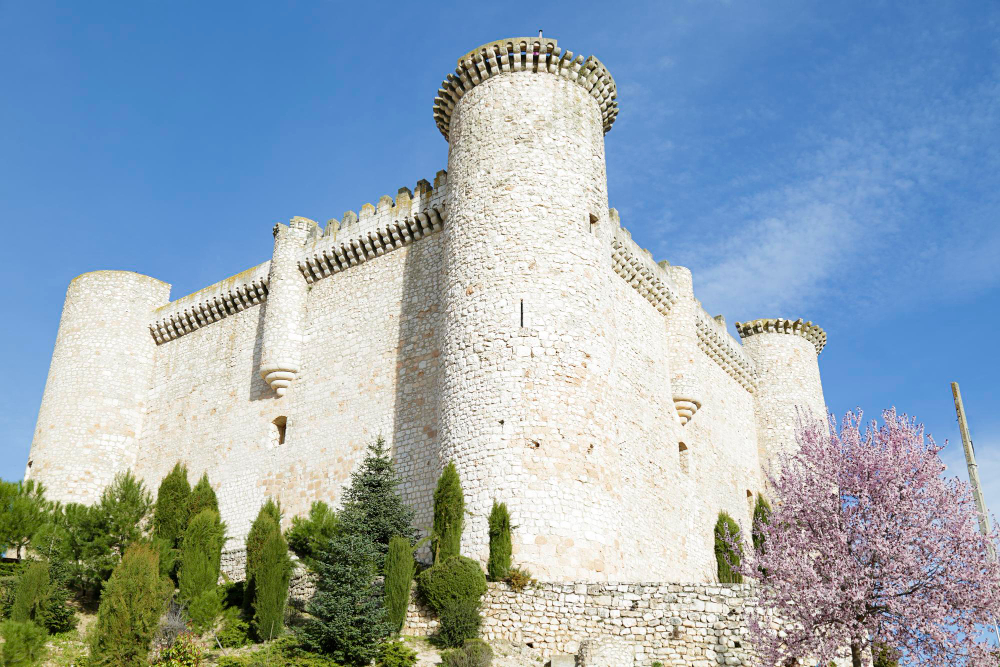
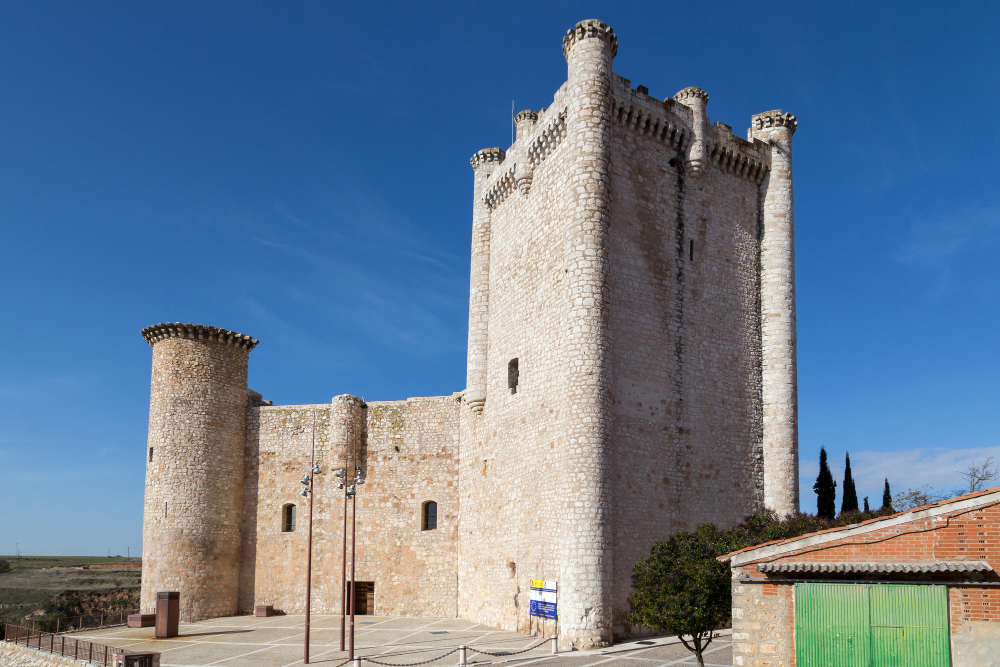
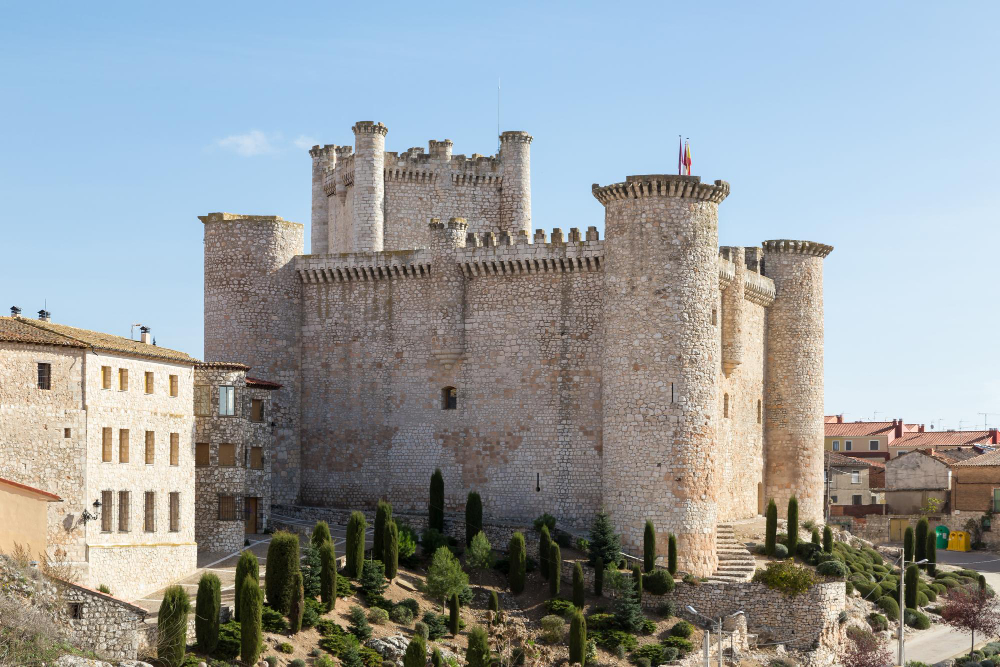
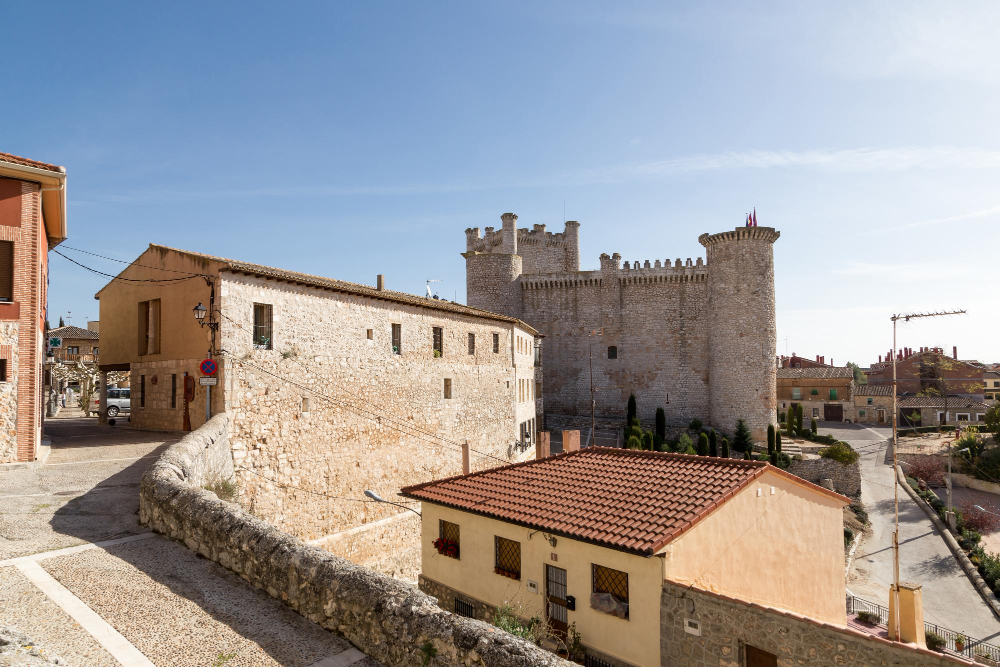
Strategic Location: A Clue to the Builders? – The castle’s geographical location sheds further light on this hypothesis. It stands on a hill offering a perfect view across the valley – a typical feature of many fortresses built by the Knights Templar. Such sites were deliberately chosen both to ensure protection from enemies and to control trade and pilgrimage routes. Torija Castle fulfils these conditions exactly, which further supports the theory regarding the Order’s involvement. Furthermore, the castle’s architecture displays certain features that correspond to other known structures erected by the Knights Templar. These include simple, robust walls and a clear, functional layout of the interior spaces, which were designed for military rather than ceremonial purposes.
Historical uncertainties and alternative theories – Despite all this evidence, the question remains as to whether the Knights Templar were in fact the builders. Some historians point out that there are no concrete records to support this claim. Others suggest that the castle may have been built by local nobles or kings who employed defence strategies similar to those of the Knights. This would also be plausible, as many medieval castles were designed according to a similar functional principle, regardless of who built them. Another factor that argues against the Knights Templar’s direct involvement is the timing of the construction. Although the castle is dated to the 12th century – a period when the Order was active – the exact chronology remains unclear. It is therefore conceivable that the castle was built under the influence of other powerful actors in the region, whose architectural style later simply coincided with that of the Knights Templar.
The Knights Templar’s influence on the region – Regardless of whether the Knights Templar were directly involved in the construction of the Castillo de Torija or not, it is clear that their influence on the region’s architecture and culture was enormous. Numerous buildings and traditions still bear the Order’s hallmark to this day. Their principles of defence and the protection of pilgrims were adopted and further developed in many regions. In Spain in particular, where the Reconquista forms an important part of history, the Order often played a decisive role in securing strategic points, which in turn increases the likelihood that their ideas also influenced the construction of the Castillo de Torija.
Mystical Aura and Tourist Significance – The legend of the Knights Templar contributes significantly to the fascination the castle holds for visitors today. As travellers pass through the imposing gates and gaze upon the mighty stone walls, they can easily imagine being transported back to the medieval world. The idea that a mysterious order of knights was once stationed here lends the structure a unique atmosphere that captivates history buffs and adventurers alike. Local guided tours and cultural events also frequently draw on the connection to the Knights Templar to keep the castle’s history alive. These mystical tales naturally also help to promote tourism in the region. Historical destinations such as the Castillo de Torija attract people from all over the world who wish to learn more about medieval architecture, traditional legends and the enigmatic history of the Knights Templar. This blend of history, myth and regional identity makes the castle an indispensable part of the cultural heritage.
A castle between myth and reality – The question of whether the Knights Templar built the Castillo de Torija will probably never be answered with absolute certainty. Yet it is precisely this uncertainty that makes the castle’s history so exciting and fascinating. It stands as a symbol of the intertwining of different eras, cultures and legends that have unfolded over the centuries. The Castillo de Torija is far more than just an architectural masterpiece. It is a place where the boundaries between history and myth become blurred, and a living testament to the medieval world with all its secrets and stories. Whether the Knights Templar once resided here or whether this is merely a legend – one thing is certain: the building’s mystical aura will continue to captivate generations of visitors for a long time to come.


Post Comment