
Don Juan of Seville: The Legend of an Irresistible Seducer
Few figures in literary history have exerted such a magnetic fascination as Don Juan. The character of the charming and unscrupulous seducer, whose origins are closely intertwined with the city of Seville, is still regarded today as a symbol of passion, freedom and moral ambivalence. But who was Don Juan really? And how did this mythical bon vivant manage to become the icon of an entire lifestyle? Join us on a journey through the legend, history and cultural significance of this fascinating figure.
The Birth of a Legend in Seville – Seville, the vibrant city in southern Spain, is regarded as the birthplace of the legend of Don Juan. Historic Seville, renowned for its magnificent architecture and lively culture, provided the ideal backdrop for the story of a man whose life was a balance of lust and recklessness. The very first literary portrayal of Don Juan can be found in El Burlador de Sevilla y convidado de piedra (The Seducer of Seville and the Stone Guest), a work by the Spanish playwright Tirso de Molina, written around 1630. In Tirso de Molina’s version, Don Juan is portrayed as an incorrigible seducer of women who knows no bounds. He is charming, handsome and a master at winning over women of all ages and social standing. Yet his actions are not without consequences: Don Juan incurs the wrath of those he betrays and increasingly succumbs to hubris, which ultimately leads to his downfall. The city of Seville, with its blend of sensuality and tradition, serves not only as a backdrop but almost becomes a character in its own right, shaping the atmosphere of the story.
The Plot: Seduction, Betrayal and Divine Punishment – The story begins with Don Juan’s affair with the young noblewoman Doña Isabella. Disguised and under a false identity, Don Juan seduces the naive woman and flees her house shortly afterwards. His ruthlessness knows no bounds, for a long series of further conquests soon follows, all characterised by deception and betrayal. Don Juan lives solely for the thrill of seduction and cares nothing for moral obligations or responsibility. His behaviour, however, meets with resistance, particularly when he kills Don Gonzalo, the father of one of his lovers. This act ultimately brings Don Juan into contact with the supernatural: in a fateful scene, he invites the statue of the murdered Don Gonzalo – the ‘Stone Guest’ – to dinner. To his horror, the statue comes to life and confronts Don Juan with his sins. The supernatural element of this scene, coupled with the sudden shift in the plot towards a moral and didactic tone, makes the story a unique work within Baroque drama. In the end, Don Juan has no chance of redemption. The Stone Guest symbolically leads him into purgatory – a drastic end for the man who has always evaded the challenges and consequences of his life. This dramatic turn of events lends the story a profound moral message that is still being discussed centuries after its creation.
Don Juan as an Archetype – What makes Don Juan so timeless and fascinating? It is the complexity of his character. On the one hand, he embodies the individual’s freedom to pursue his own desires without regard for social norms. On the other hand, he also represents the dark sides of this freedom: selfishness, ruthlessness and irresponsibility. It is precisely this ambivalence that makes him a captivating figure who has inspired artists and authors worldwide. Over the centuries, Don Juan has become the archetype of the seducer – a symbol of boundless passion and the insatiable longing for adventure and excess. Yet he remains a tragic hero whose lifestyle ultimately leads to self-destruction. This parallel between splendour and downfall in his character has helped to bring him to life in countless literary, musical and cinematic works.
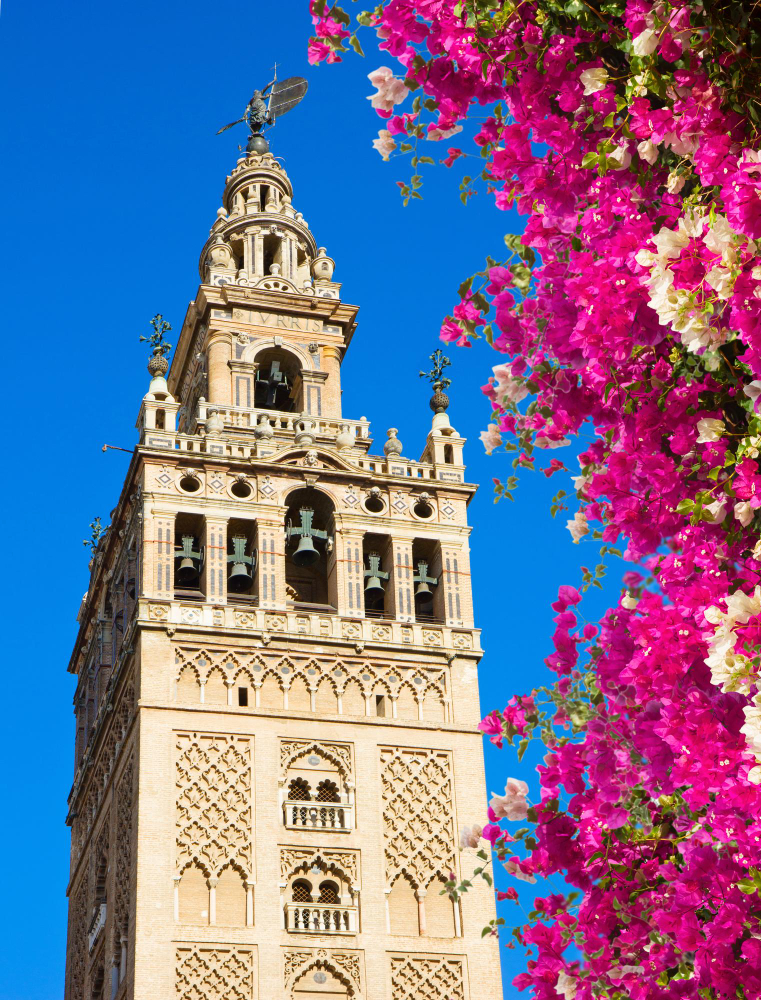
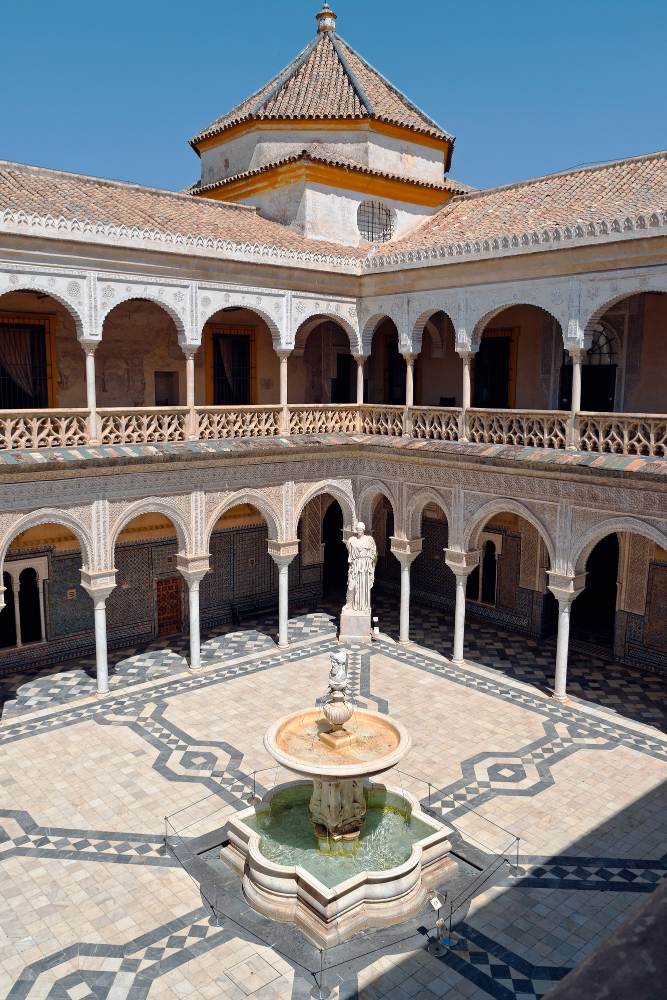
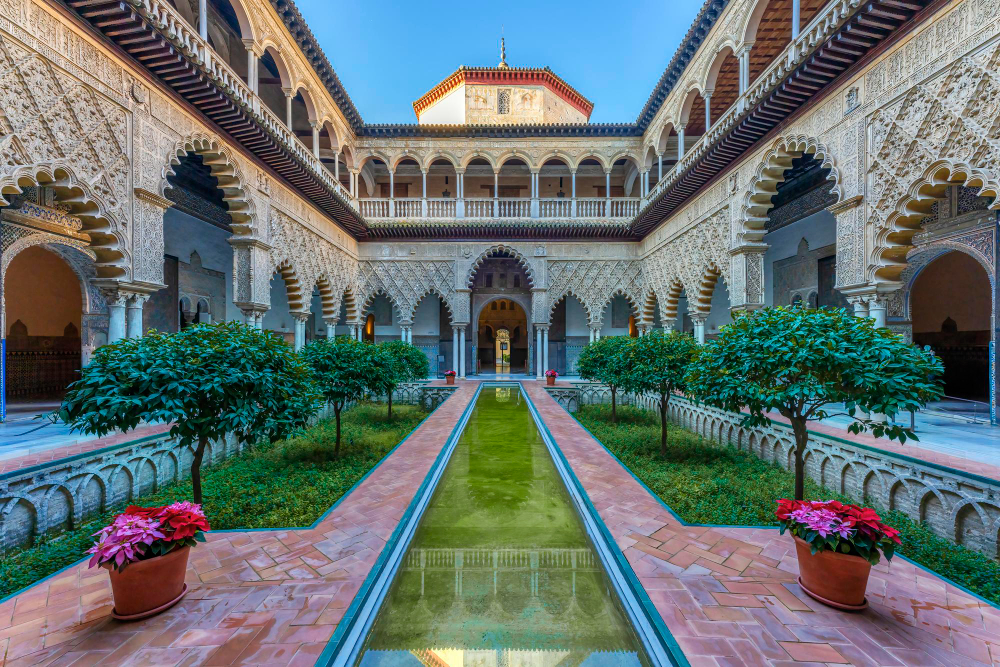
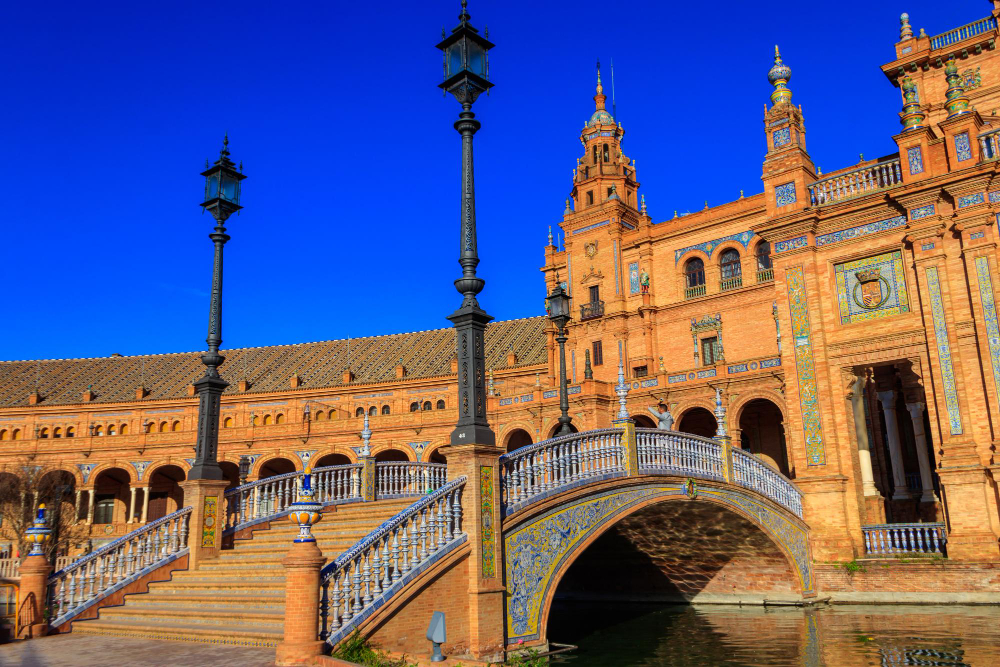
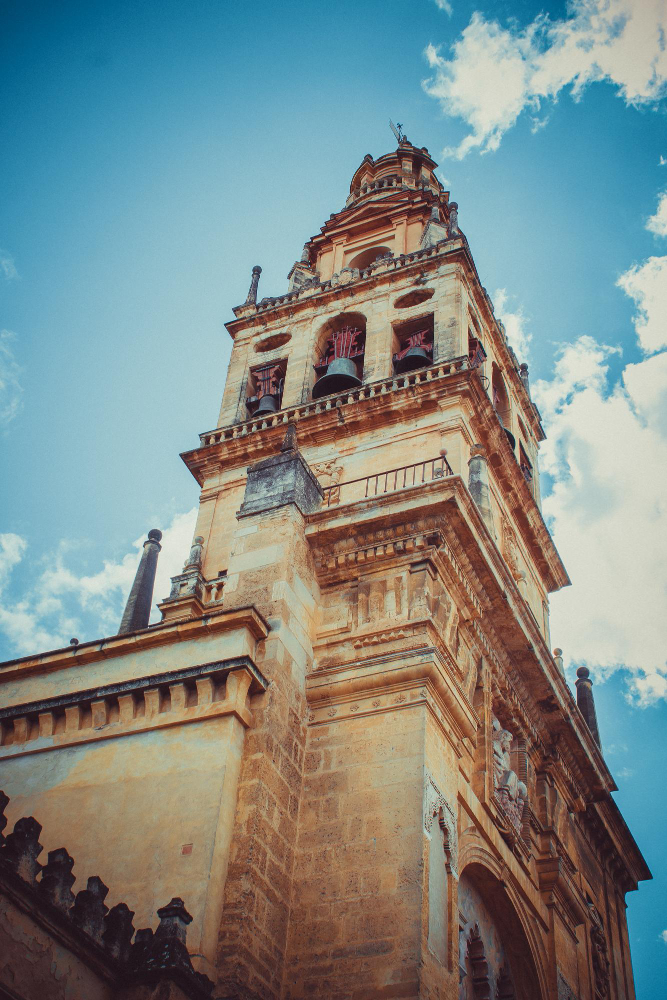
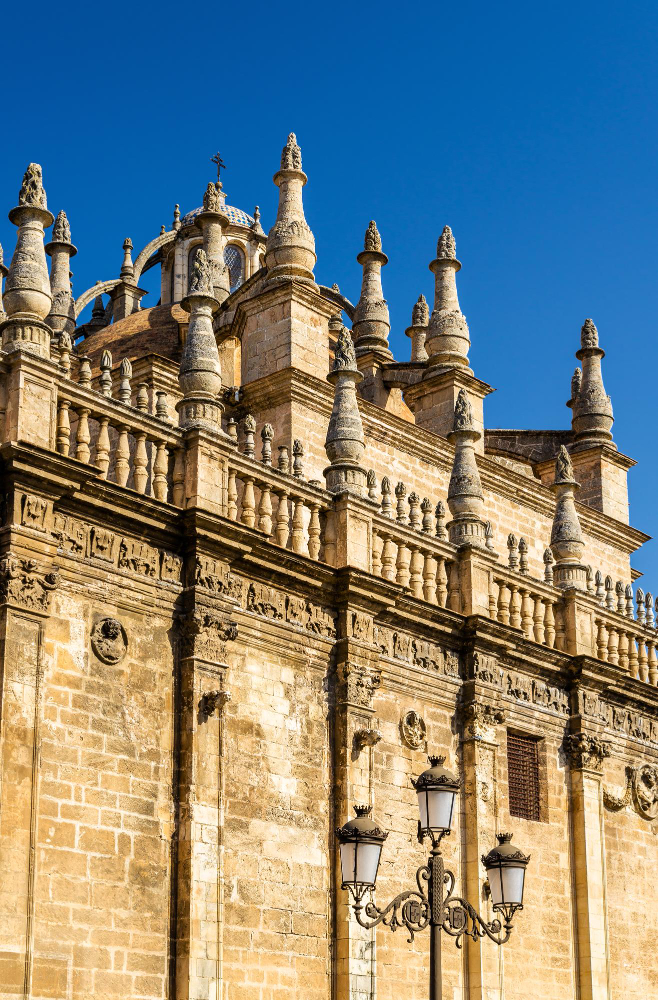
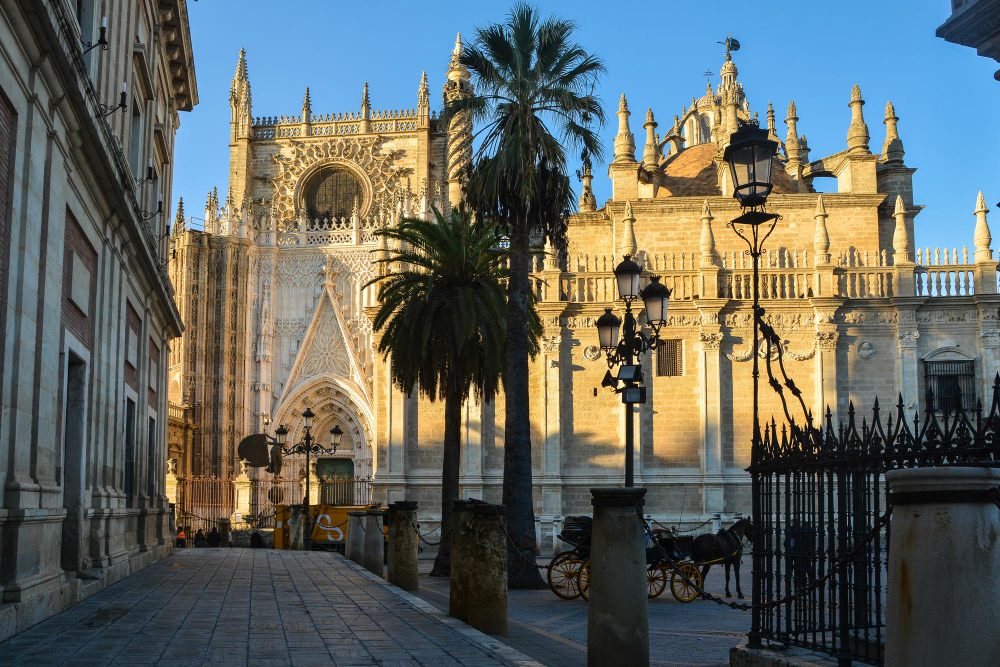
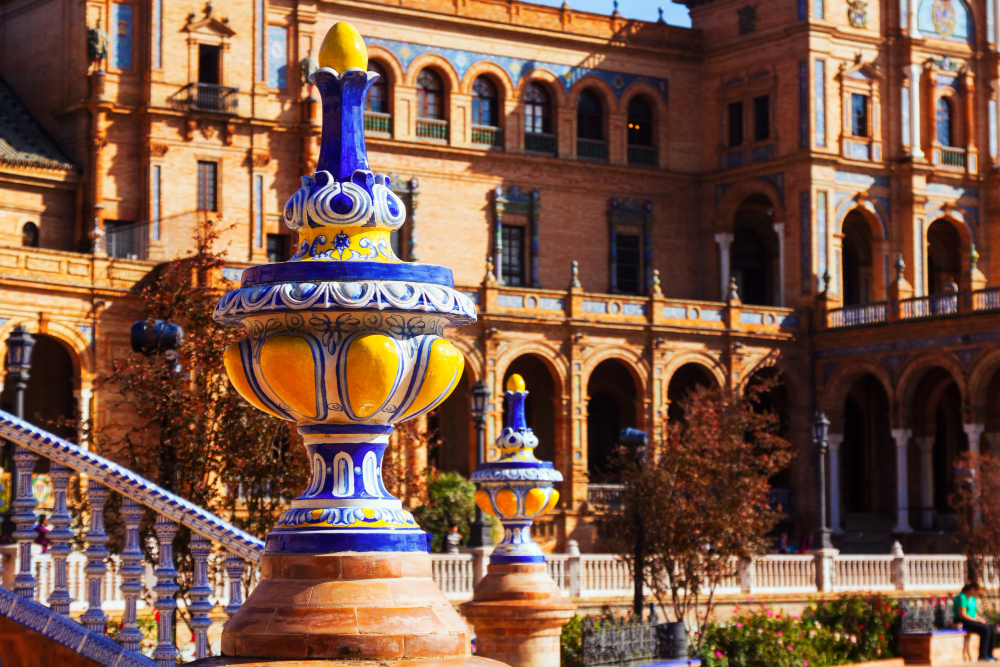
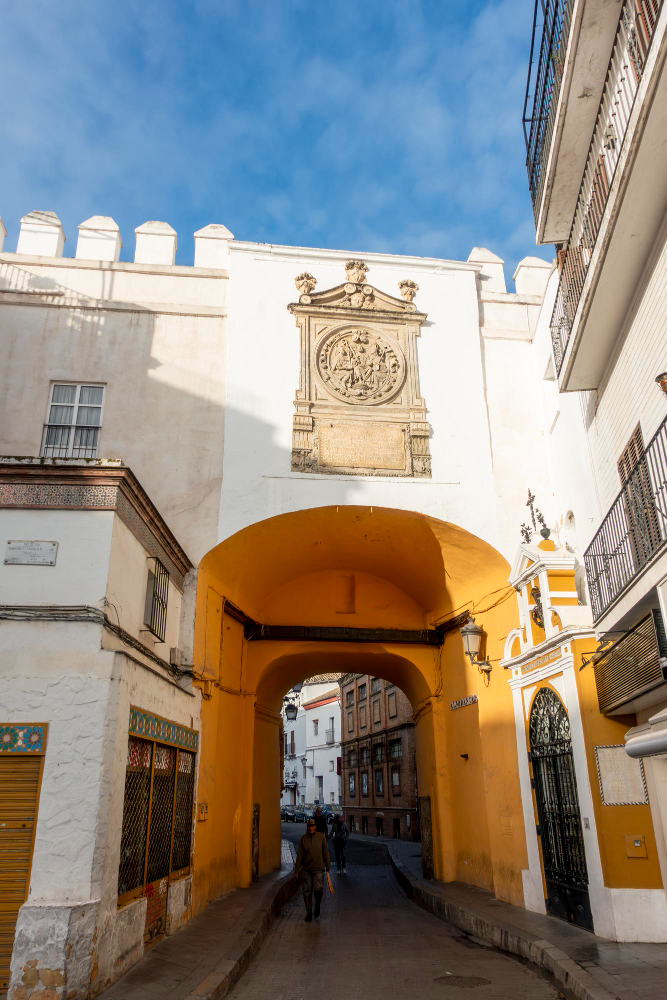
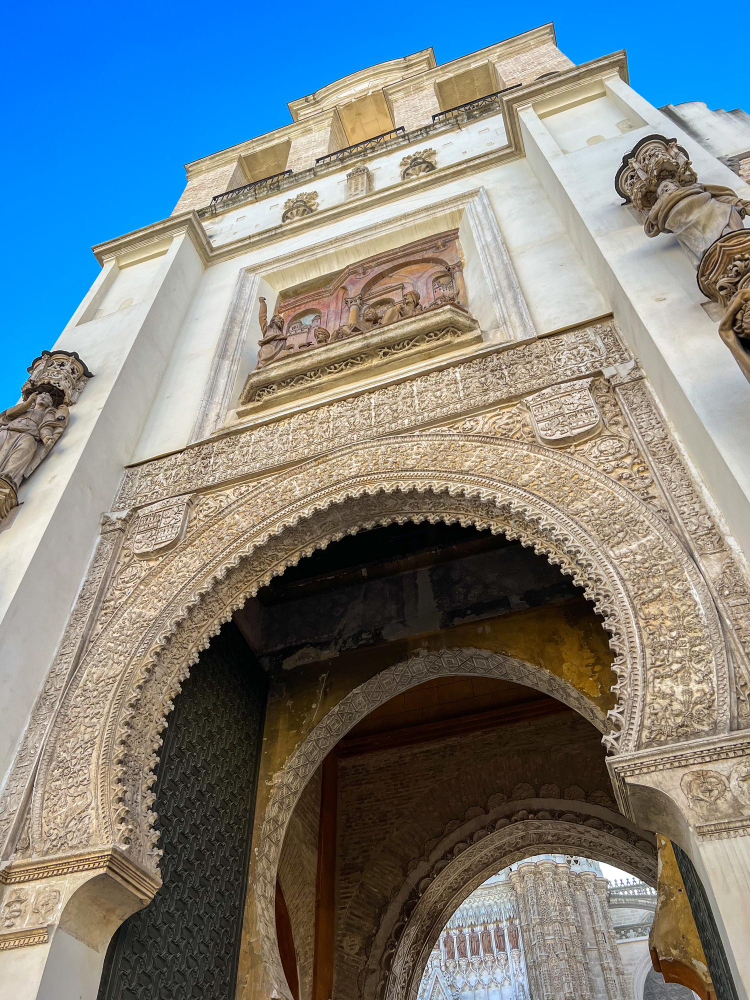
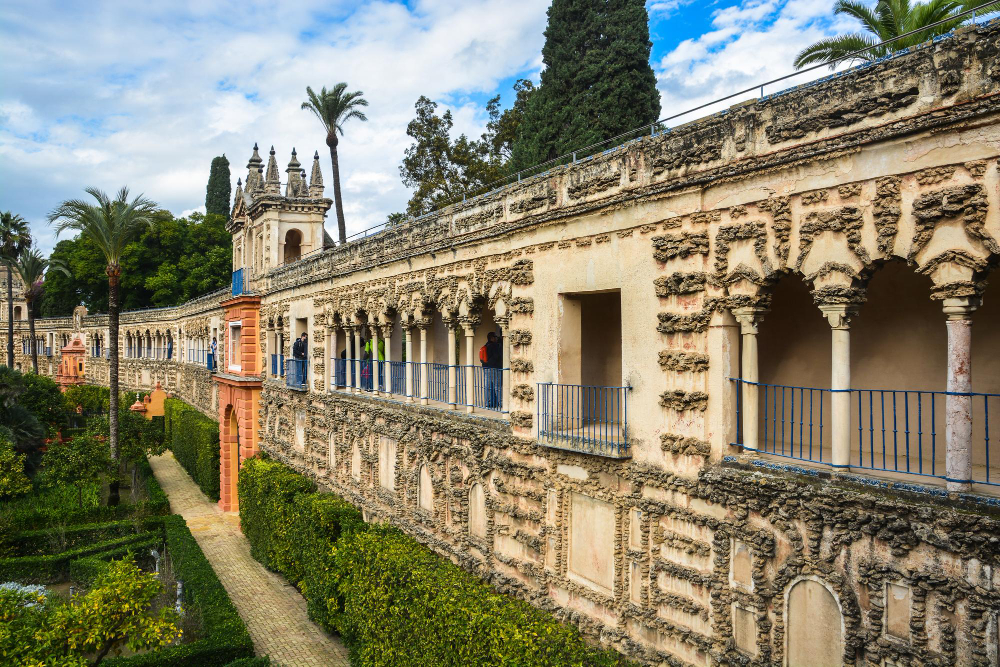
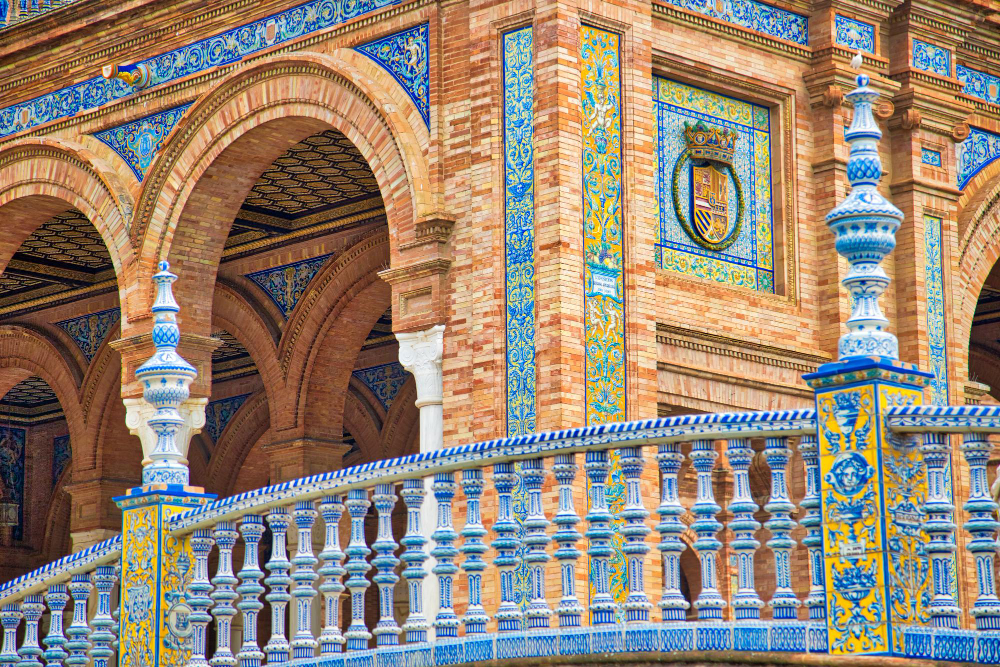
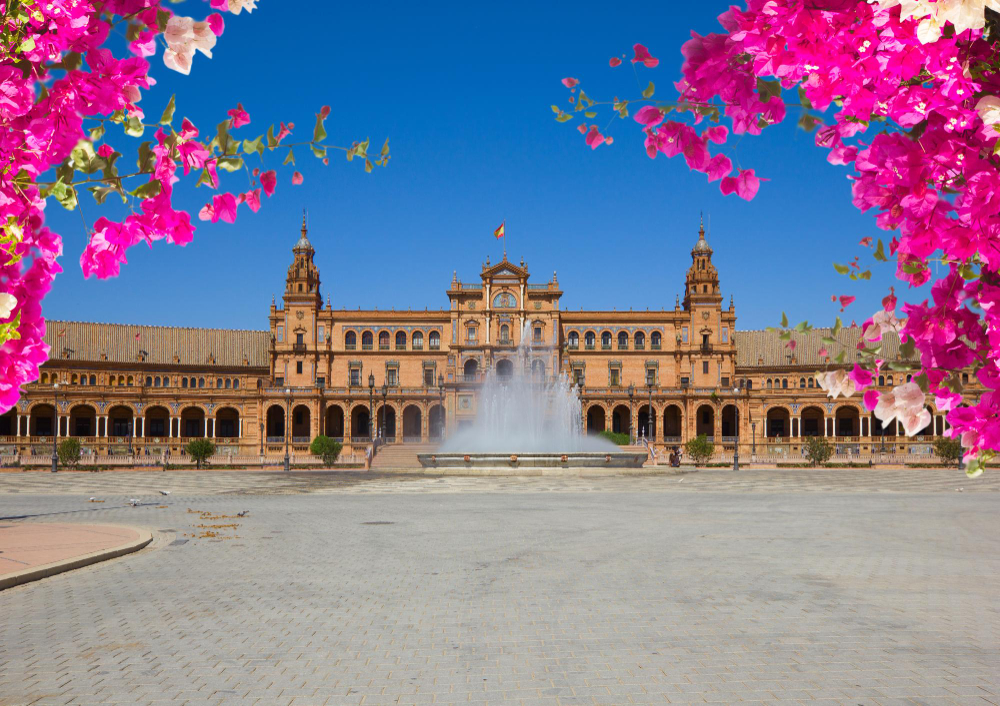
Seville: A city full of sensuality and secrets – It is no coincidence that Seville is the setting for Don Juan’s adventures. With its winding alleyways, magnificent palaces and romantic courtyards, the city provides the perfect backdrop for stories brimming with passion and intrigue. The sensuality of Andalusian culture – characterised by flamenco music, Moorish architecture and the warm southern climate – seems to be woven directly into Don Juan’s very DNA. Moreover, in the 17th century, Seville was one of the richest cities in Europe, a centre for trade, art and culture. The aristocratic circles depicted by Tirso de Molina in his play reflected the reality of the privileged classes, whose lives were characterised by splendour, pleasure and social tensions. Seville thus becomes not only a backdrop, but also a source of inspiration for a story that addresses universal themes.
From the stage to the screen: The evolution of Don Juan – Since his first appearance in Tirso de Molina’s drama, the character of Don Juan has undergone countless transformations. Renowned writers such as Molière, Lord Byron and José Zorrilla have further developed the myth in their works. Whilst some versions emphasise the moral lesson, others highlight the romantic aspect of his role. Over the course of the 20th century, Don Juan found his way into the world of film and popular culture. Actors such as Errol Flynn and Johnny Depp brought the character to life on the screen, lending him new nuances. The world of opera also took up the theme; Mozart’s Don Giovanni is still regarded today as one of the most famous musical adaptations in history. Interestingly, whilst each adaptation bears its own cultural imprint, the essence of Don Juan’s character remains unchanged: the duality of attraction and moral decay.
A Symbol of Timelessness – The legend of Don Juan is more than just a simple tale of seduction and punishment; it raises fundamental questions about freedom, ethics and human behaviour. The character challenges us to reflect on the boundaries of passion and responsibility, the consequences of our decisions and the power of fate. Although Don Juan was intended as a cautionary tale, his fascination remains undiminished. Today, he is regarded as both a hero and an anti-hero – a complex personality whose contradictions deeply move the viewer or reader. Seville, his hometown, remains a living monument to the legend that began here.
The Timeless Appeal of Don Juan – Why does Don Juan still fascinate us? Perhaps it is down to his ability to be both admired and despised at the same time. His story speaks to the eternal tension between human desire and moral obligation, between freedom and the consequences it entails. When we engage with Don Juan, we also recognise a part of ourselves – our dreams, our fears and our longing for a life beyond the norm. Thus, the legend of Don Juan of Seville remains not only a literary masterpiece, but also a mirror of our own humanity. And as long as there are people who dream of love, lust and freedom, the story of this fascinating seducer will live on.





















Post Comment