
The mystical guardians of the Ciudadela de Jaca: the deer in the moat
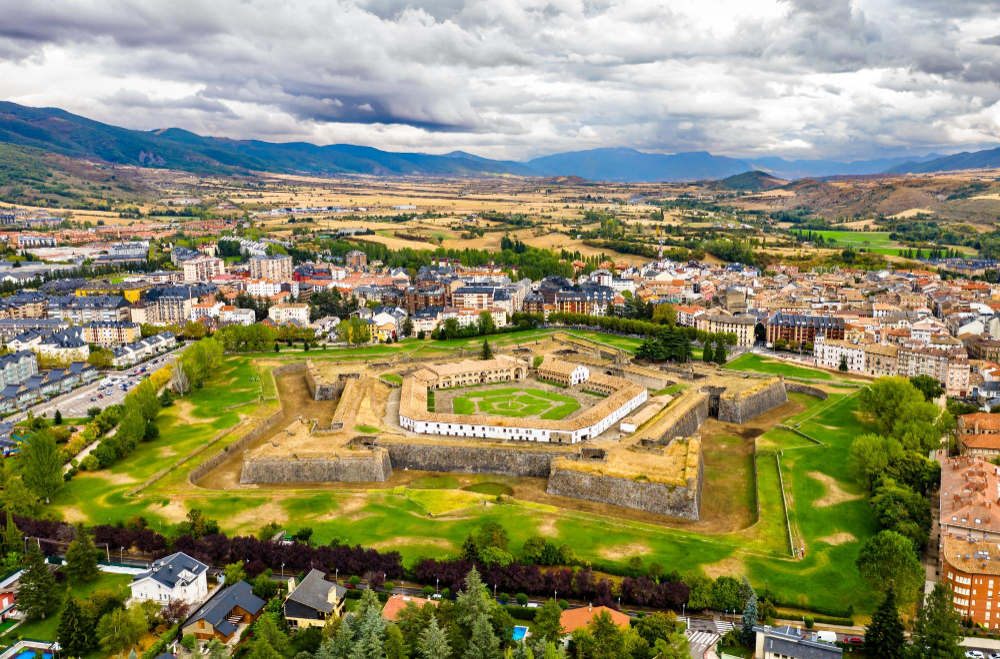
In the north of Spain, nestled amongst the imposing peaks of the Pyrenees, stands the Ciudadela de Jaca – an imposing star-shaped fortress that has watched over the border region of Aragon for centuries. Yet it is not its historic walls or its military past that attract visitors today. Rather, it is an unusual, living attraction that makes its home deep within the citadel’s dry moat: a colony of deer. It embodies a fascinating transformation of local culture and has become a symbol of peace and harmony. But how do these majestic animals fit into the image of a former military power? Let’s delve into the history of this surprising transformation.
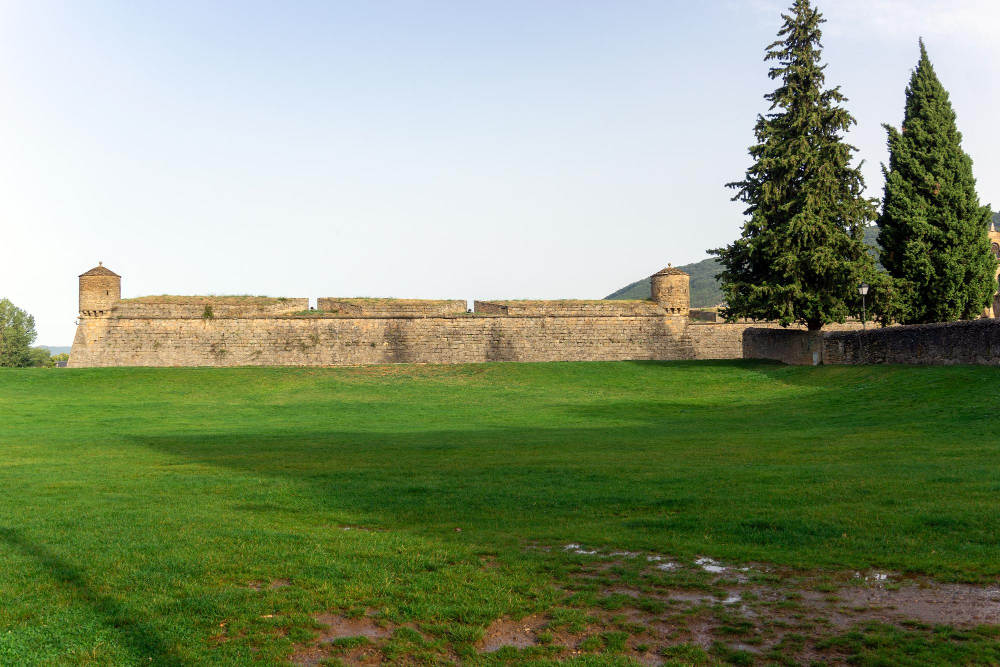
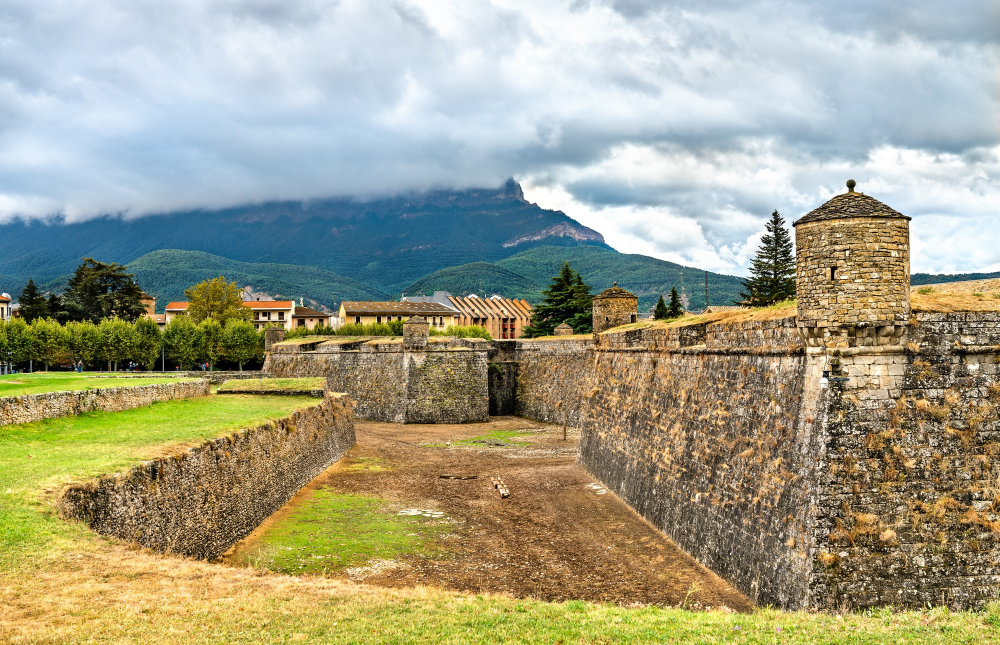
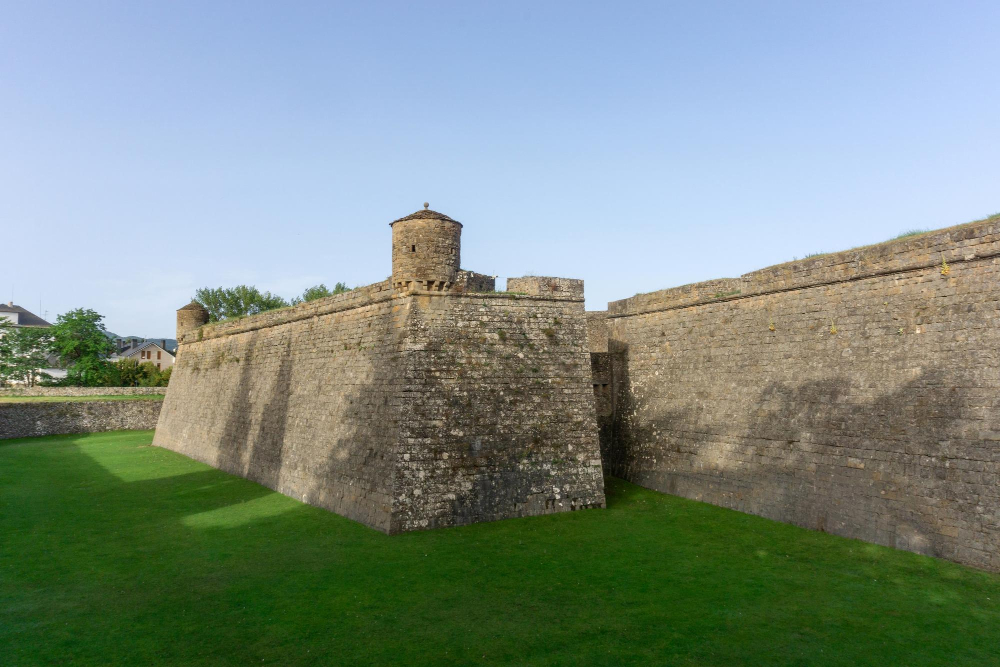
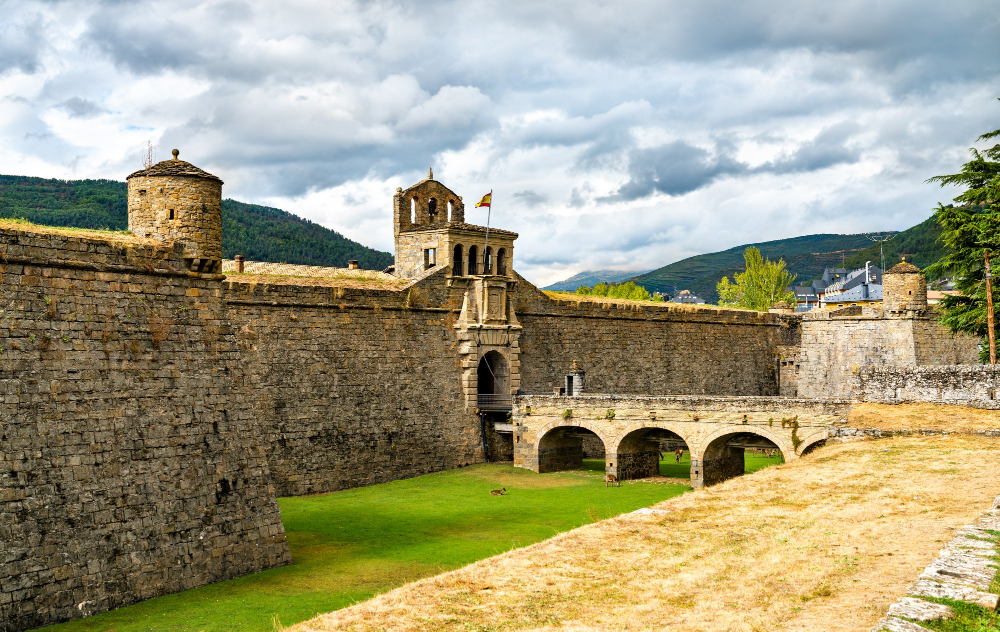
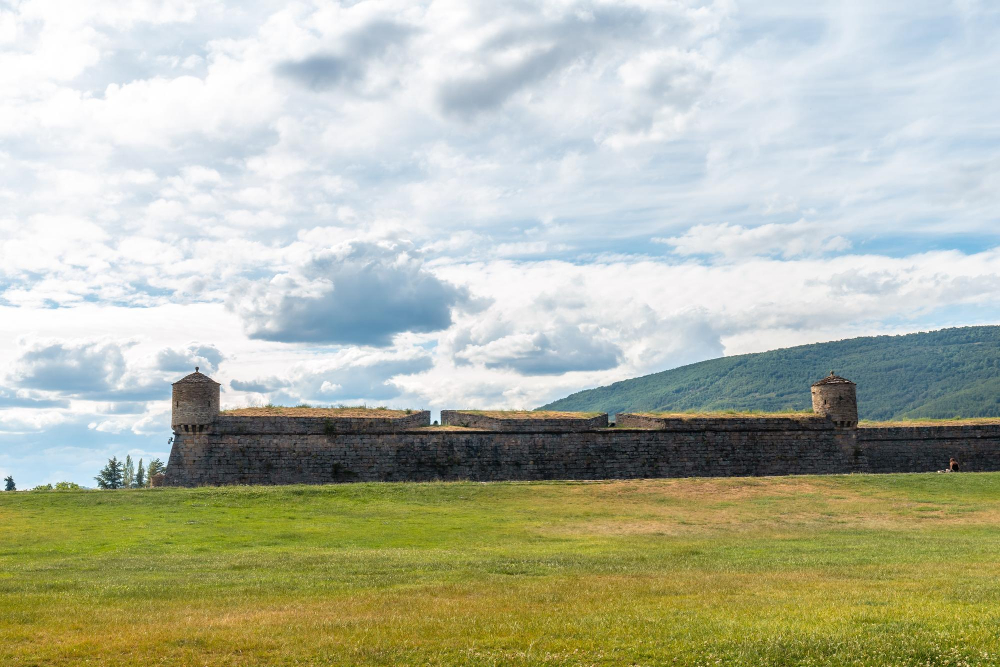
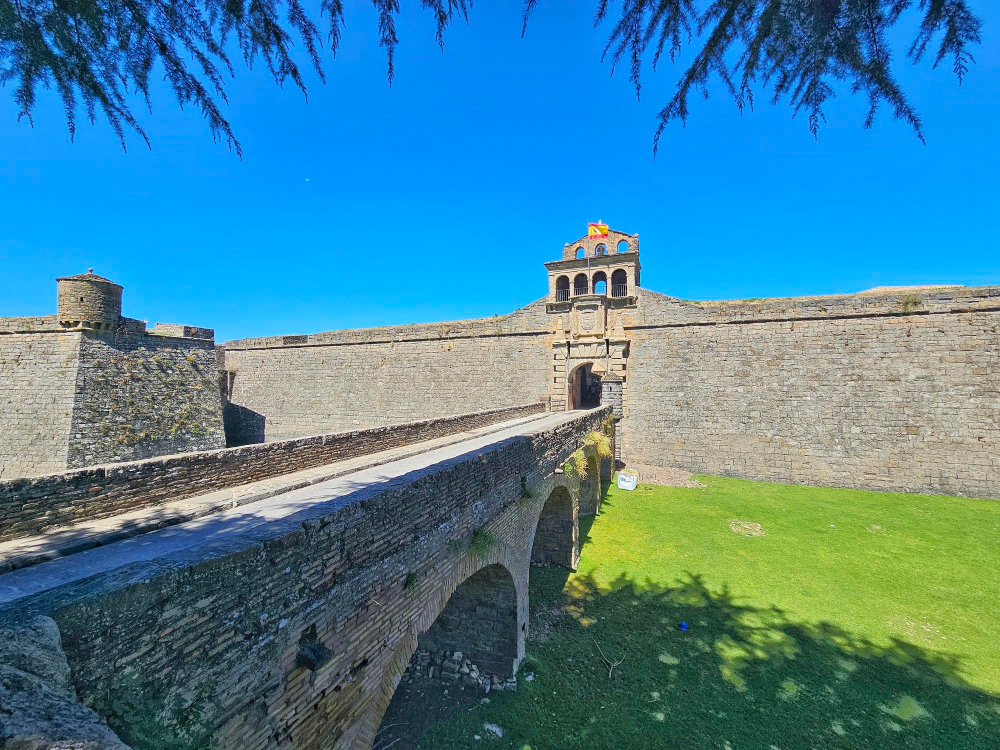
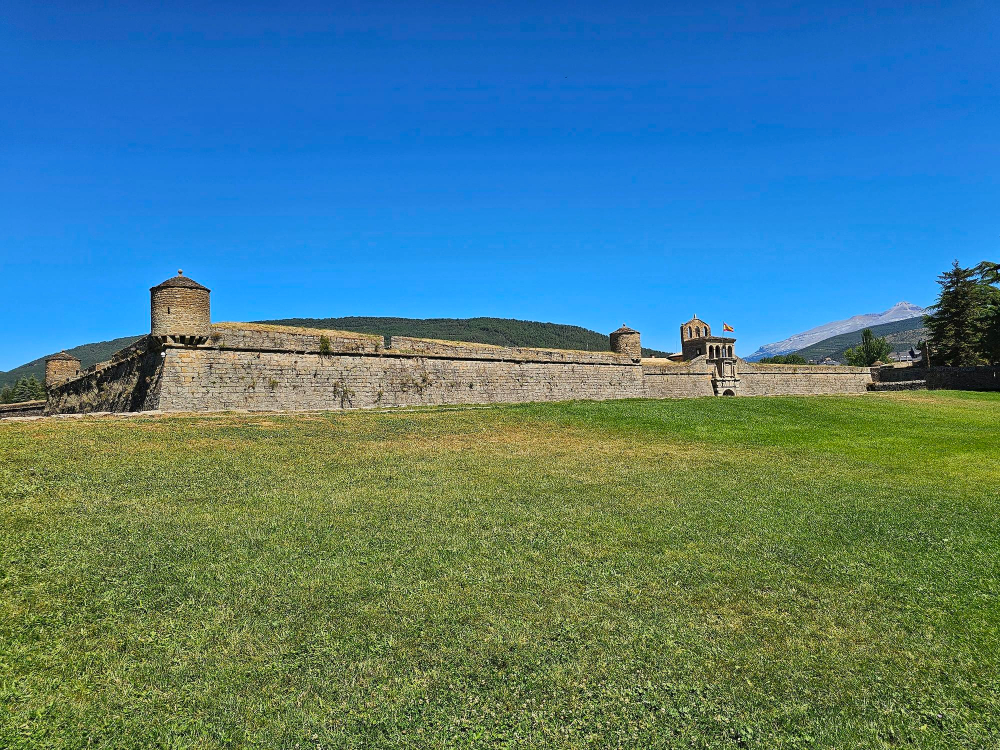
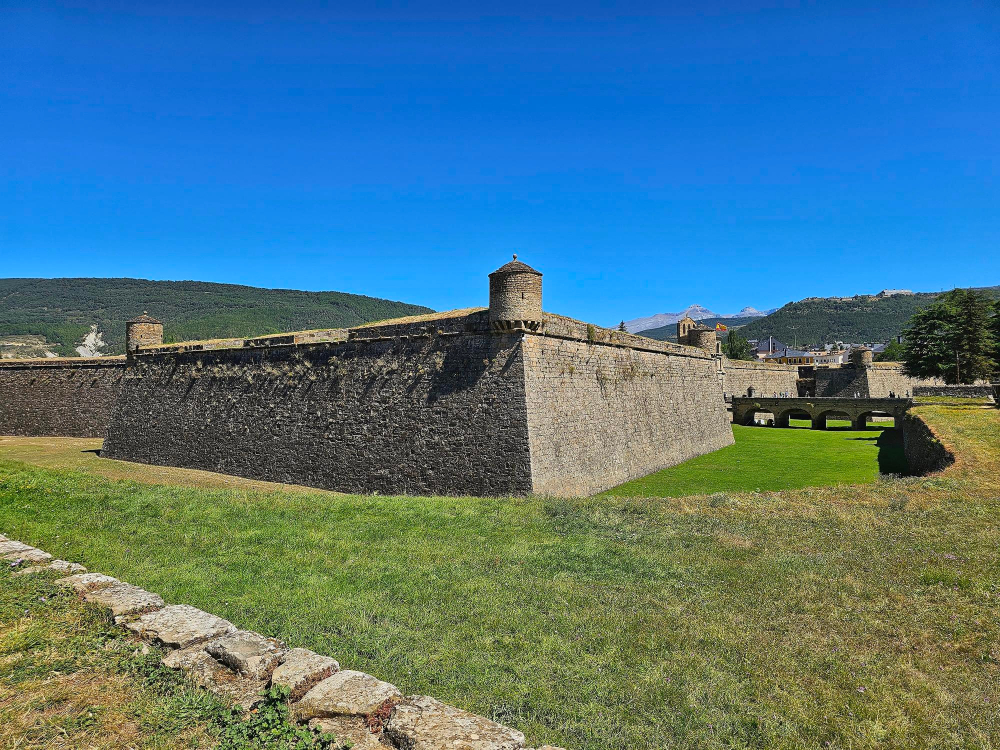
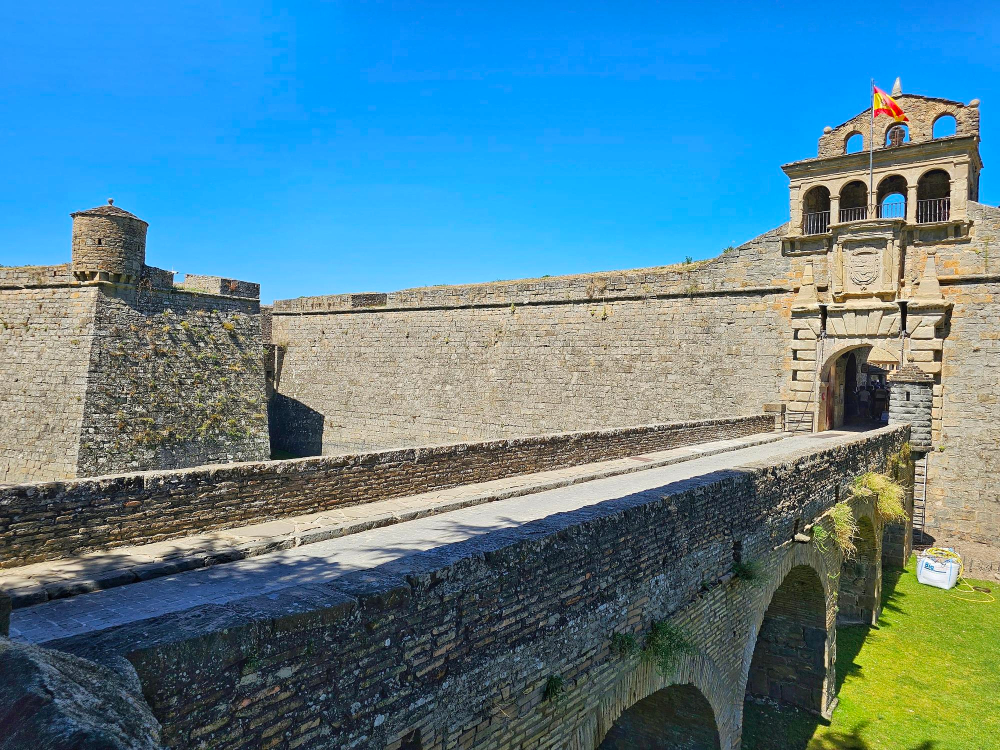
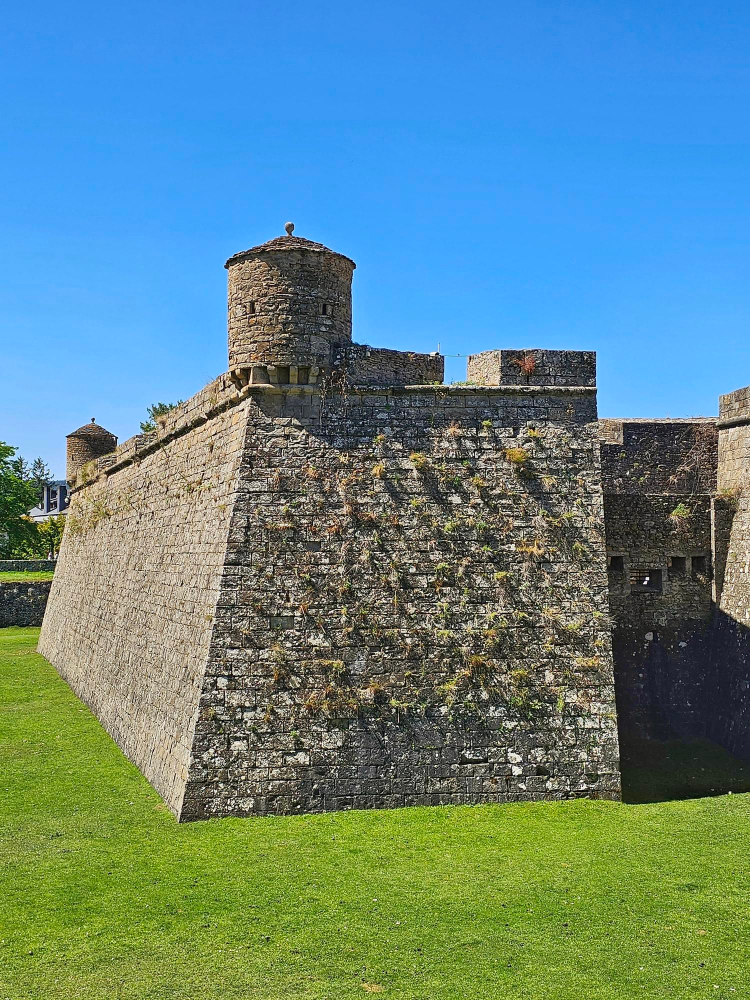
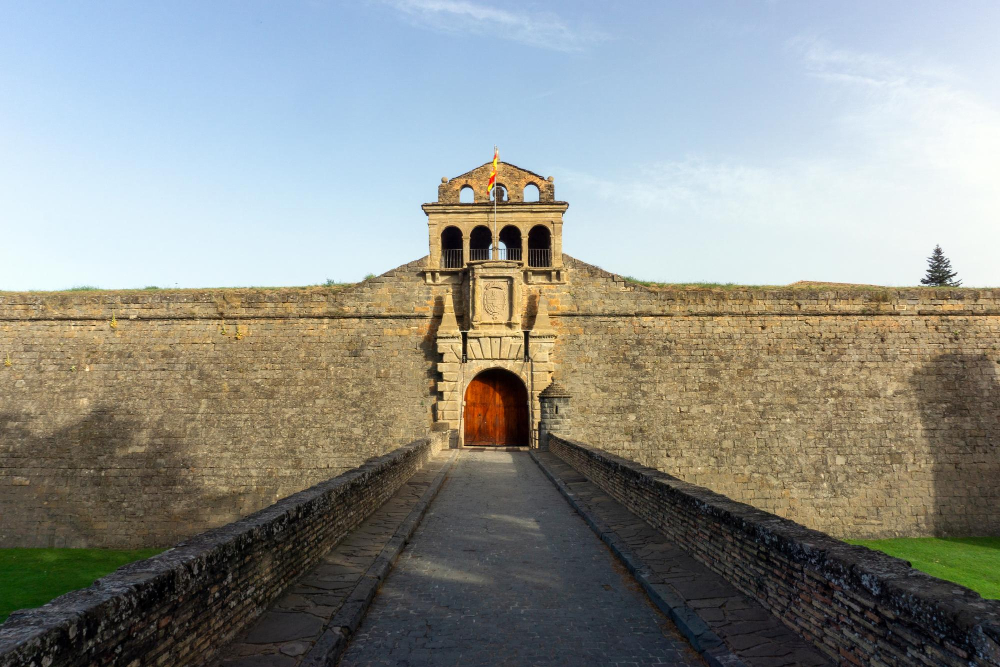
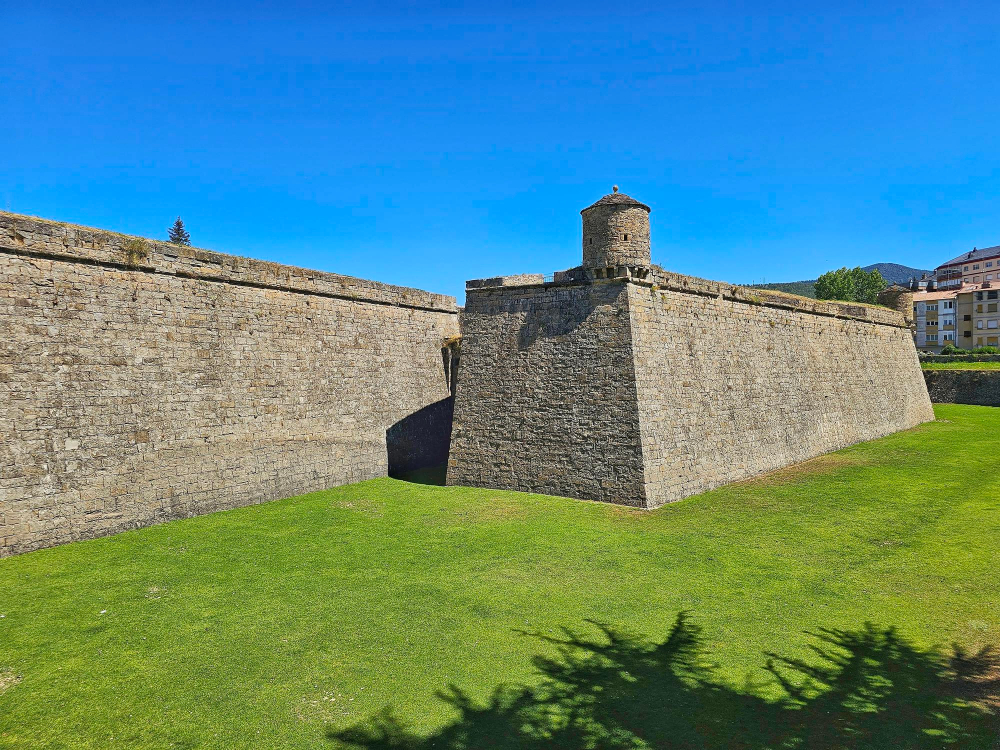
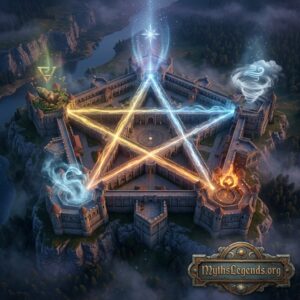
From war machine to cultural monument – The Ciudadela de Jaca was built in the 16th century under the reign of Philip II as a response to the threat posed by French troops. Its star-shaped layout, strategically complemented by five bastions, made it an advanced defensive structure for its time. Unlike many other fortifications of the era, the deep moat surrounding it was never filled with water. Instead, a dry moat was chosen to deter attackers without the need to maintain a water-filled moat. Over time, both the fortress and its military role lost their significance, particularly after the War of the Spanish Succession. In the 20th century, the citadel was finally repurposed as a cultural heritage site, but an unexpected element gave this transformation a very special touch: since 1974, the fortress’s moat has been home to a permanent colony of deer. These animals, once alien to this environment, are now so closely linked to the identity of the place that it is hard to imagine it without them.
The myth of the deer guardians – In recent decades, a small but charming legend has developed around the animals in the fortress moat. Many locals and visitors regard the deer as ‘the new guardians’ of the Ciudadela. What was once the preserve of soldiers – the defence and security of the fortress – now seems to have been symbolically taken over by the deer colony. This myth is often mentioned in guided tours and local tales, lending the citadel an aura of peace and a connection to nature. In fact, the deer could not form a greater contrast to the Citadel’s original functions. Whilst the fortress was once built for war and conflict, the animals today represent tranquillity, serenity and protection. In a sense, they embody the transformation of the Ciudadela de Jaca from a military power to a cultural symbol and a site of nature conservation.
The deer colony: habitat and care – The decision to introduce deer into the citadel’s moat originally stemmed from a proposal aimed at making the historic structure more attractive to visitors without damaging its structure. The semi-natural, semi-artificial space in the dry moat proved to be an ideal habitat for the animals, as it offered both protection from external dangers and sufficient space for movement and social interaction. Today, the deer live there under regularly monitored conditions, with their welfare being looked after by dedicated animal keepers. The herd consists of several male and female deer, and it is not uncommon for fawns to be born, which helps to maintain the population. Visitors can observe the animals from the edge of the moat, with special viewing platforms offering an unobstructed view. Children in particular are fascinated by the deer, making the site a popular destination for families.
A symbol of sustainability and nature conservation – However, the presence of the deer in the Ciudadela de Jaca goes far beyond their entertainment value. Today, they are a symbol of conservation efforts, sustainable tourism and the connection between culture and the environment. Local authorities have recognised that the citadel’s cultural heritage lies not only in the preservation of its architectural structures, but also in the integration of nature into the historic setting. Furthermore, the deer help to raise awareness of the importance of wildlife in urban or historic settings. Their presence draws attention to the protection of biodiversity and stimulates discussions about the relationship between humans and nature. Thus, the deer colony not only embodies the charm of the Ciudadela but also conveys a broader ecological message.
Tourist attraction and cultural significance – The deer have undoubtedly become an indispensable part of the tourist experience in Jaca. Every year, the Citadel attracts visitors from all over the world who come not only to admire its impressive architecture but also to enjoy the whimsical encounter with the animals. Many come expecting to experience the unique connection between history and nature – and are rarely disappointed. In addition to the deer colony, the fortress now also houses a military museum documenting its eventful past, as well as hosting regular cultural events and exhibitions. This blend of history, art and wildlife makes the Ciudadela a place that is both educational and entertaining. The deer lend the whole experience an extra dimension that cannot be found in this form in any other historic building.
A future full of myths and possibilities – Whilst the deer are now celebrated as a symbol of the peaceful coexistence of culture and nature, their future in the Ciudadela de Jaca remains a subject that is occasionally called into question. Some fear that rising visitor numbers or changes to the local infrastructure could disrupt the balance the animals have enjoyed for decades. Yet so far there is no cause for concern: the citadel’s management has taken numerous measures to protect the deer’s habitat whilst balancing it with the flow of visitors. The legend of the stag keepers is likely to live on, and the animals in the moat of the Ciudadela de Jaca remain a distinctive symbol of the peaceful transition from war to nature and culture. No wonder, then, that they are not only cherished by the locals but also admired by international travellers.
A unique blend of history and nature – The Ciudadela de Jaca and its deer colony are a fascinating example of how a historic building can evolve and take on new meanings. From a defensive structure to a cultural monument – and from soldiers to deer as guardians – the citadel’s transformation reflects not only the changing times but also a growing appreciation for the connection between humans and nature. This story shows us how our cultural heritage can be enriched by innovative ideas, whilst conveying an inspiring message: peace, symbolised by these gentle creatures, is perhaps the greatest victory a historic site can ever achieve.

Post Comment