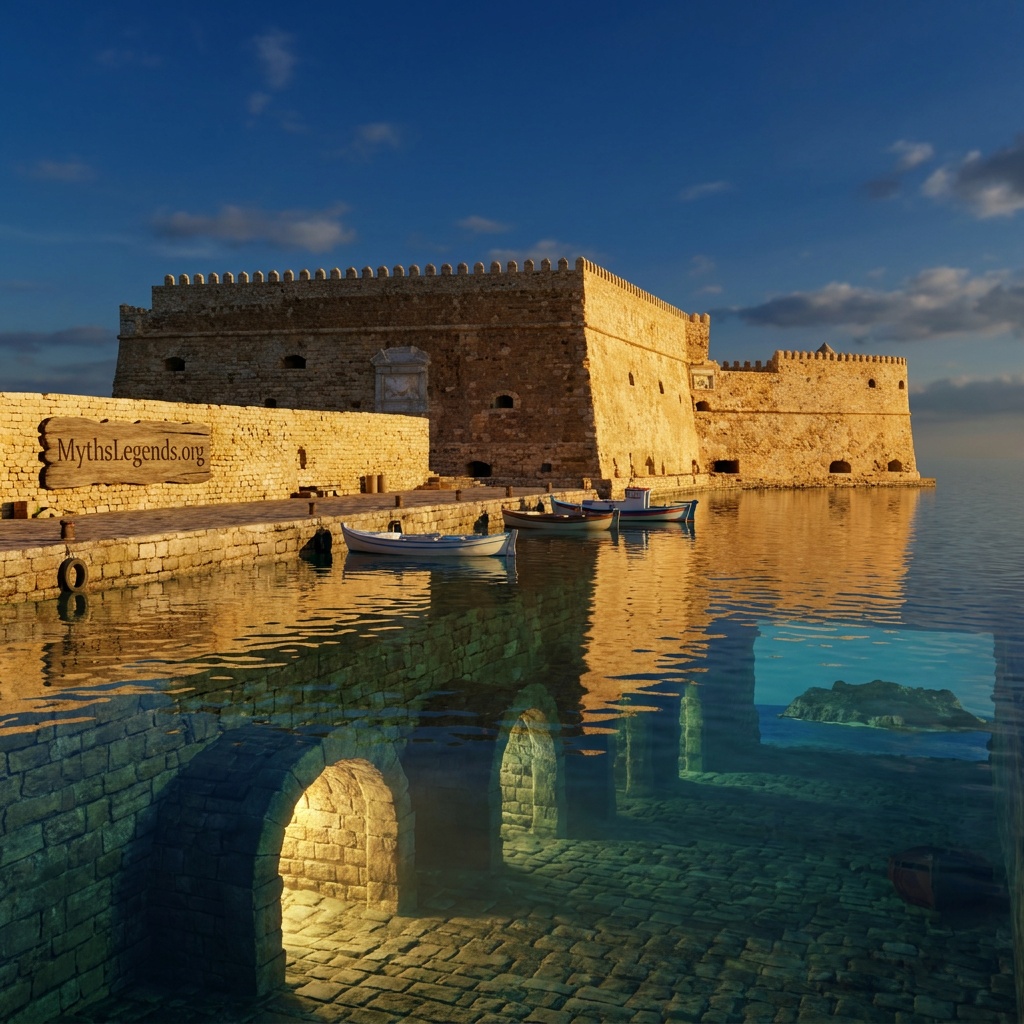
The Secrets of Koules: The Fortress of Myths and Legends
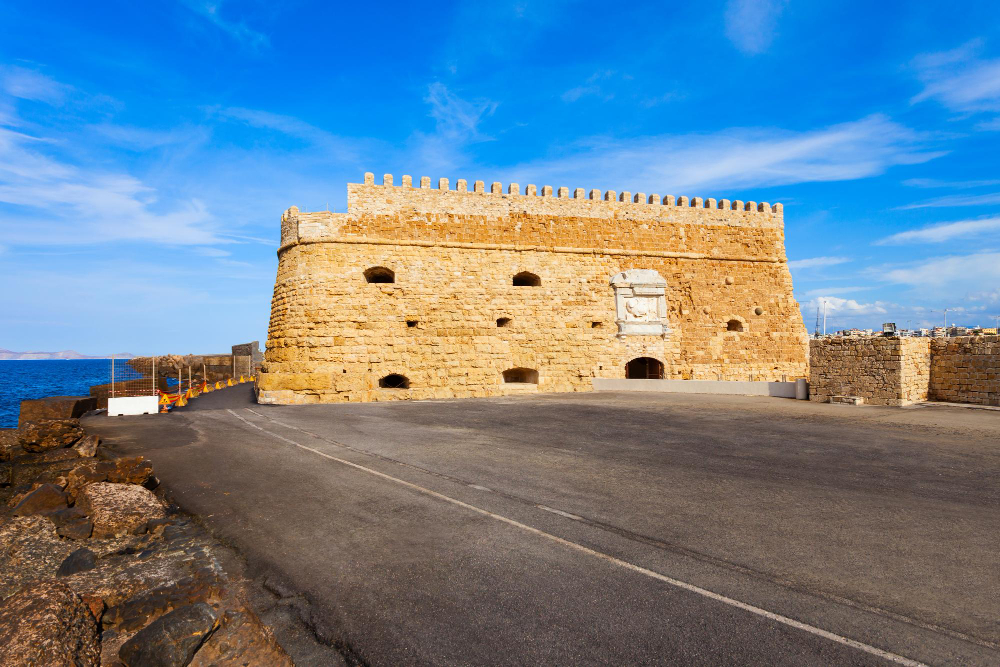
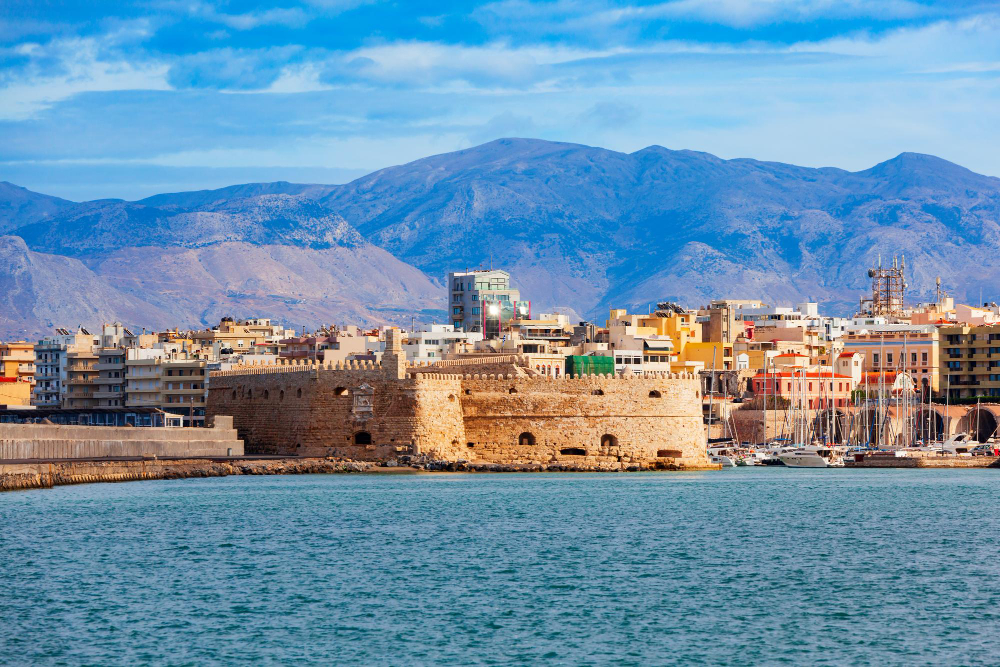
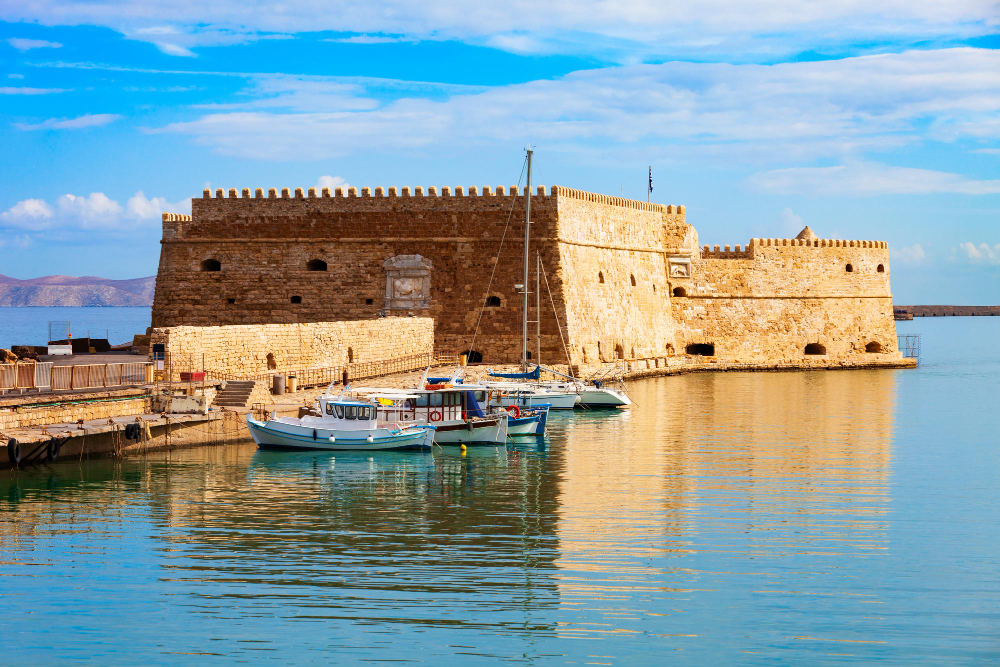
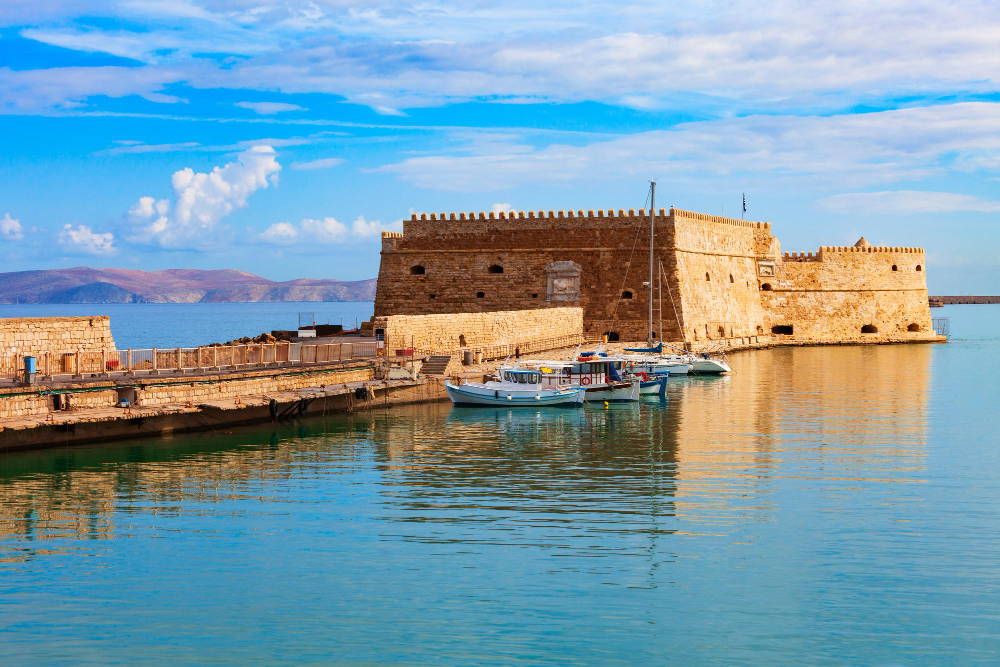
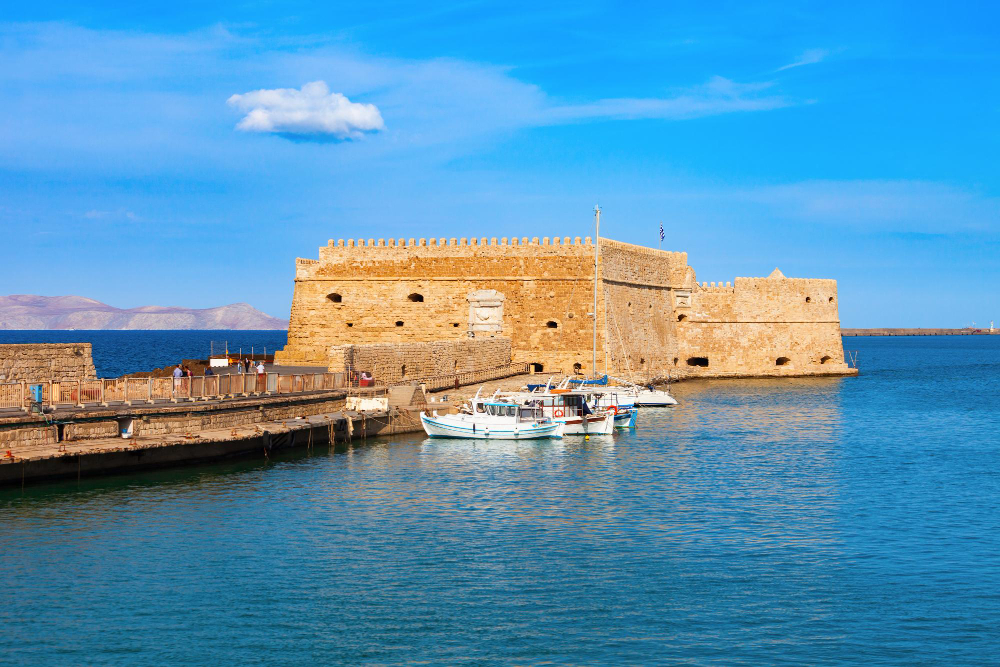
Koules, a majestic fortress at the entrance to the old harbor of Heraklion on Crete, has fascinated travelers, historians, and adventurers alike for centuries. Known as “Castello a Mare”—translated as “Fortress by the Sea”—it is not only an impressive structure with a rich history but also the setting for numerous myths and legends that shroud its stone walls like an invisible veil of mystery.
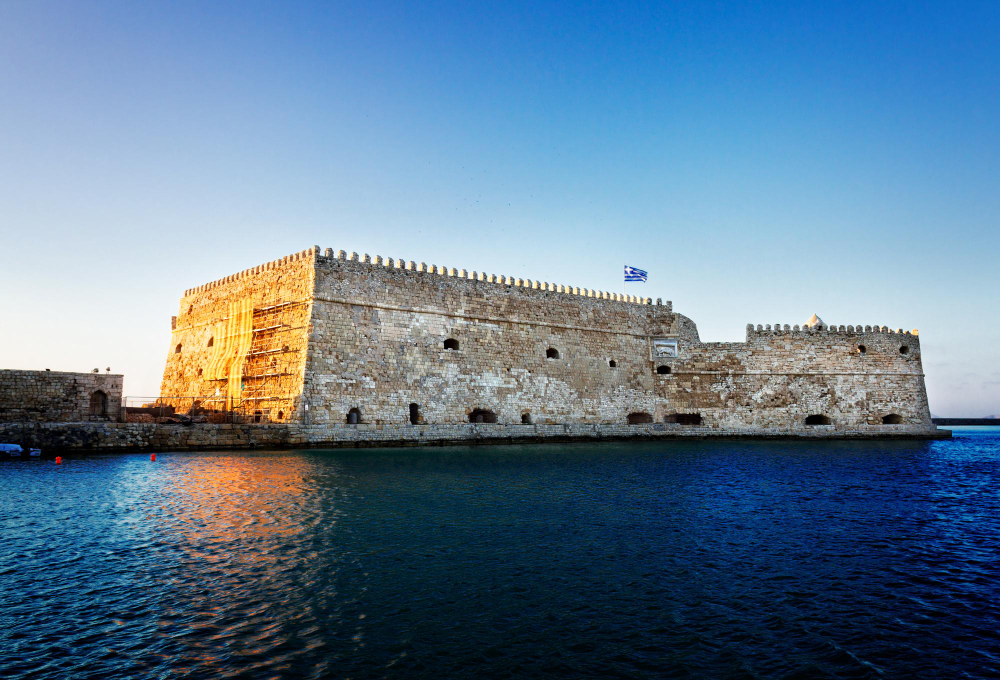
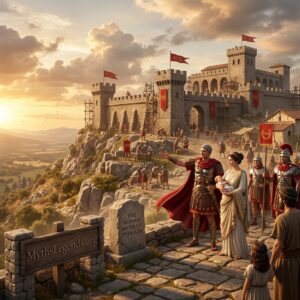
The Historical Significance of Koules – Originally built in the 16th century by the Venetians, Koules served as a defensive structure against pirates and enemy attackers who threatened the thriving commercial hub of Heraklion. This massive limestone fortress, with its thick walls, towers over the harbor and offers a spectacular view of the sparkling Mediterranean Sea. Its strategic location made it an indispensable part of Crete’s defensive fortifications and a symbol of Venetian power in the region. Inside the fortress are sturdy chambers that once served as storage for supplies and cannons. Many of these also functioned as prisons for captives, whose fates often ended tragically. Over the centuries, Koules has witnessed many chapters of history, from the Ottoman invasion to World War II, when Crete once again became the scene of fierce battles.
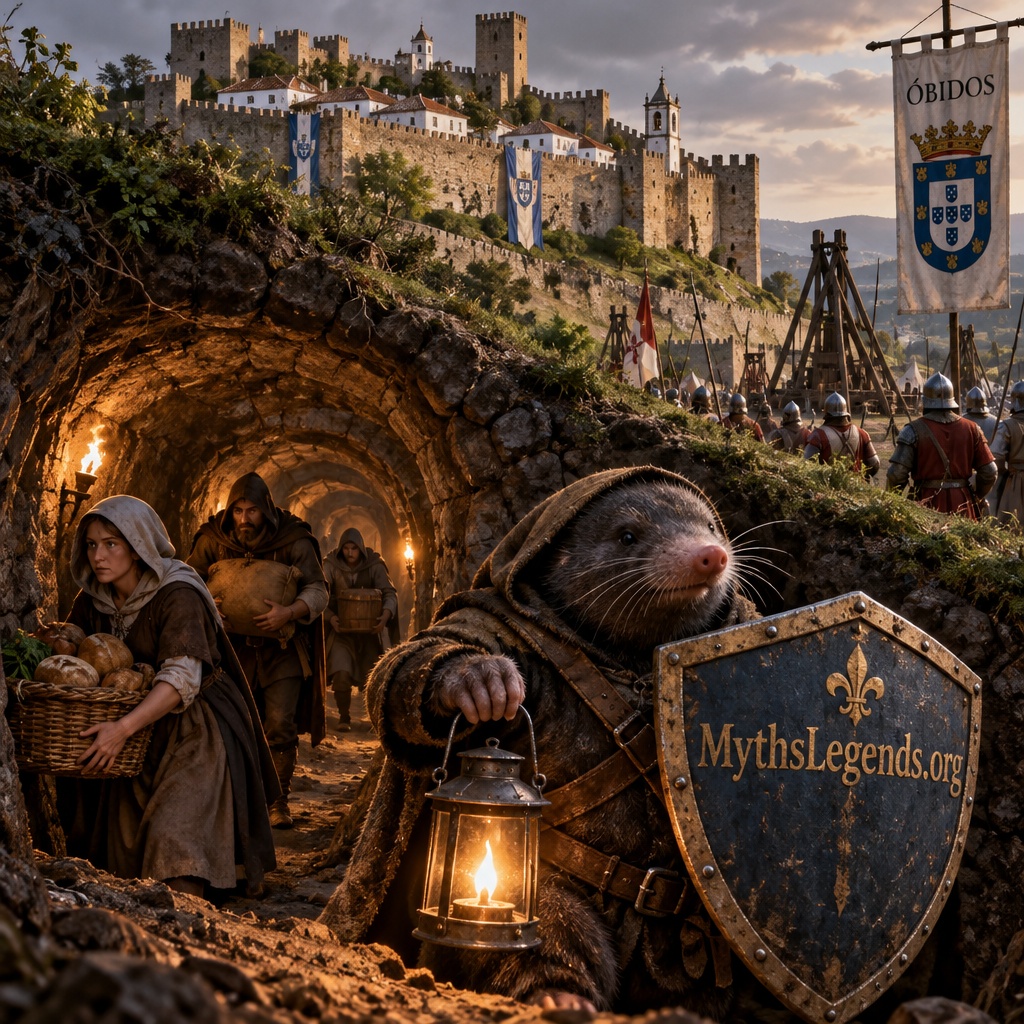
The Myth of the Hidden Tunnels – Beyond its tangible historical significance, however, it is the legends surrounding the fortress that continue to fascinate visitors to this day. One particularly well-known tale concerns a mysterious tunnel system that supposedly runs beneath Koules and leads to the nearby island of Dia. The island of Dia, located about five kilometers northeast of Heraklion, is itself a source of many mysteries. It seems like a silent observer forgotten by history. The idea that an underground passage connects these two places sparks the imagination of researchers and locals alike. Some claim the tunnels were once built by the Venetians to provide an escape route in case of an attack or to facilitate secret transport. Others suspect that the network existed even before Venetian rule and may have been constructed by the Minoans—that mysterious civilization that once ruled Crete and remains an enigma to this day. But is there any evidence for this legend? Archaeologists have so far found no conclusive evidence of a tunnel system connecting Koules with Dia. Nevertheless, isolated cave structures and underground chambers in the area leave room for speculation. It is possible that parts of the system have collapsed or been buried by seawater. For many, the existence of these tunnels remains a matter of faith, interwoven with the magic and mysticism of Crete.
The Phantom of Koules – Another legend often associated with the fortress tells of a phantom that haunts the walls of Koules. According to the story, it is the ghost of an Ottoman warlord who died in 1669 during the siege of Heraklion. The legend says that he now roams restlessly through the rooms of the fortress, seeking redemption. Many locals report hearing strange noises or seeing odd apparitions, especially on full moon nights. Although these stories have no scientific basis, they help maintain Koules’ mysterious atmosphere. Especially in the evening, when the sun slowly disappears behind the horizon and the fortress is bathed in golden light, it almost seems as though the ancient stones could actually speak and tell long-forgotten stories.
Culture and Memory – Aside from the myths surrounding Koules, the fortress remains an important cultural hub of the region. Today, it serves as a magnet for tourists from all over the world who wish to explore its impressive architecture and learn more about its eventful past. Additionally, cultural events are held here regularly, ranging from theater performances to art exhibitions, which underscore Koules’ significance as a living part of Cretan identity. Particularly fascinating is how history and mythology intertwine in Crete. For the locals, the fortress is far more than just a structure—it symbolizes resilience, love for one’s homeland, and an unshakable belief in the stories passed down through generations.
Science Meets Mythology – Although there is no evidence for the legends of Koules, archaeological investigations are regularly conducted to follow up on new leads. Researchers strive to fully unravel the fortress’s secrets and, where possible, supplement the myths with facts. The investigation of potential cavities beneath the fortress is just as fascinating as the search for artifacts from centuries past. Despite the influence of science, the legends remain an integral part of Koules’ identity. They are not just nice stories—they represent a deeply rooted cultural memory firmly anchored in the heart of the Cretan community.
Between Fact and Fiction – The Koules Fortress in Heraklion remains a fascinating place where history and myth flow seamlessly into one another. Whether it is the notion of secret escape tunnels leading to Dia Island or the stories of a restless spirit—the fortress continues to capture people’s imaginations. For visitors, Koules is far more than a historical monument. It is a gateway to a bygone era and a symbol of humanity’s eternal curiosity to discover the unknown. Perhaps one day we will learn the truth behind the legends—or perhaps they will remain just that: stories that invite us to seek our own interpretation of the truth. Until then, Koules stands proudly above the port of Heraklion, an elusive yet ever-present reminder of the many secrets that surround Crete. Who knows what other mysteries lie hidden in its shadow?

Post Comment