
Intrigue, Betrayal, and Legends: The Dark History of Castel Nuovo
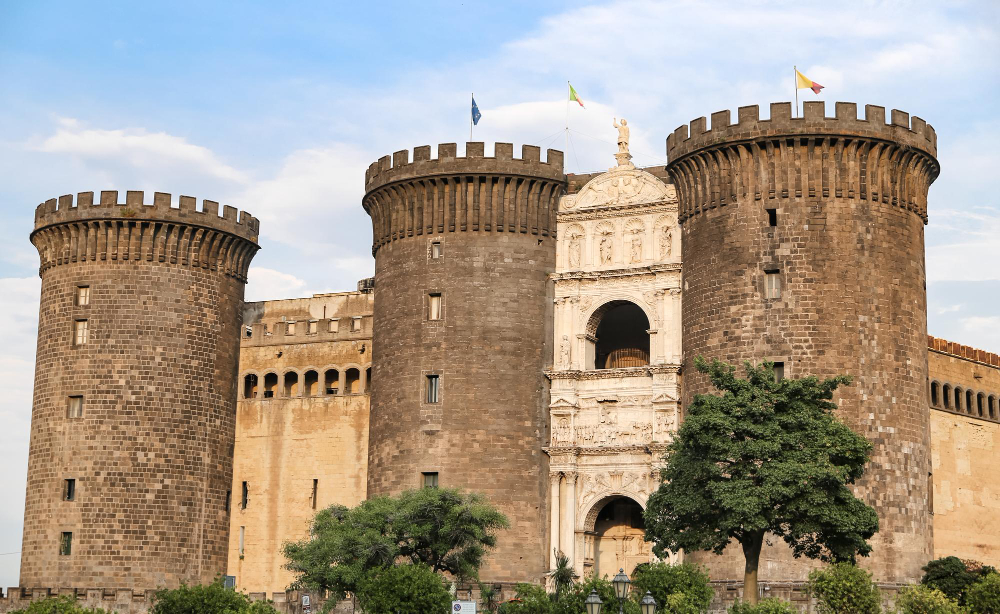
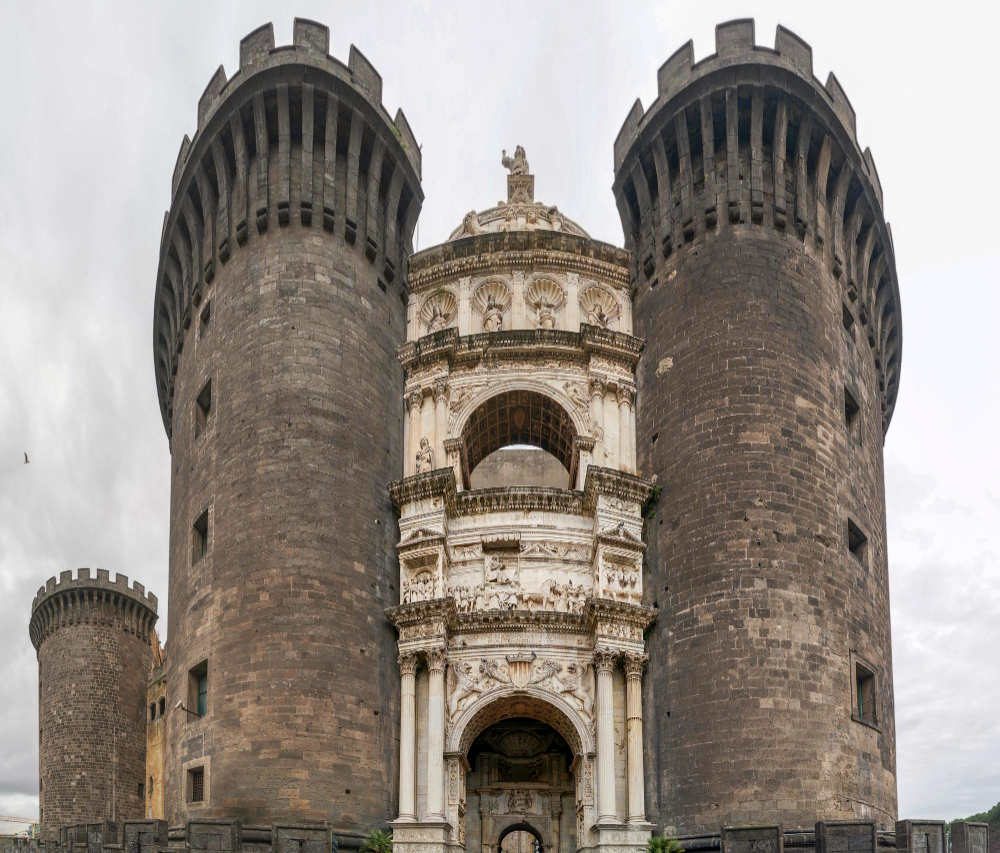
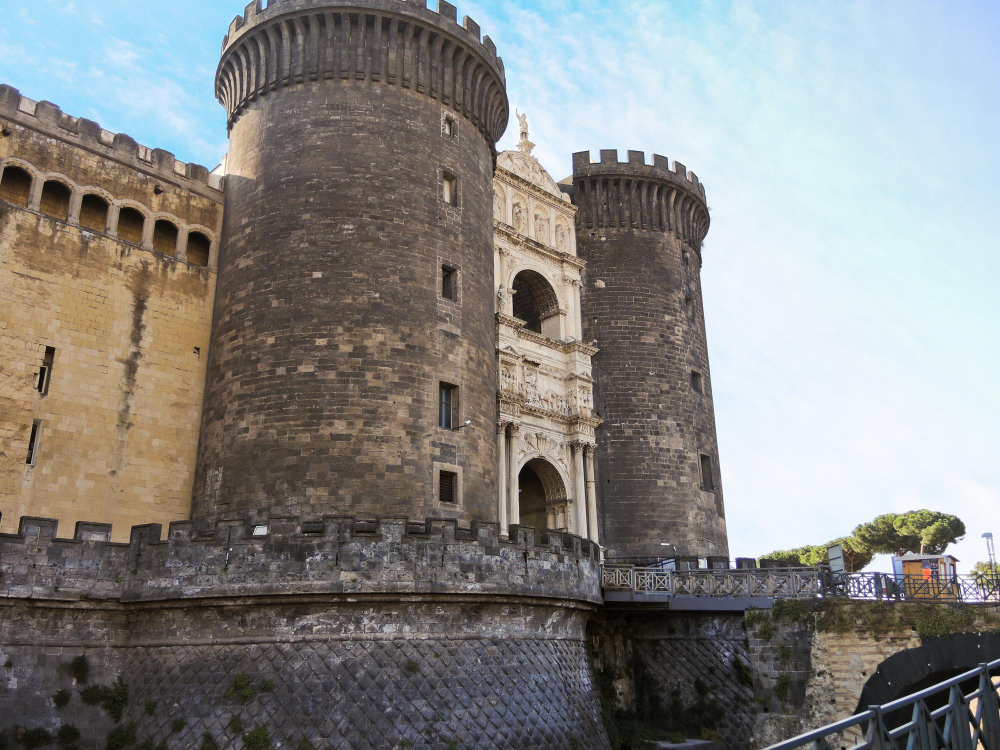
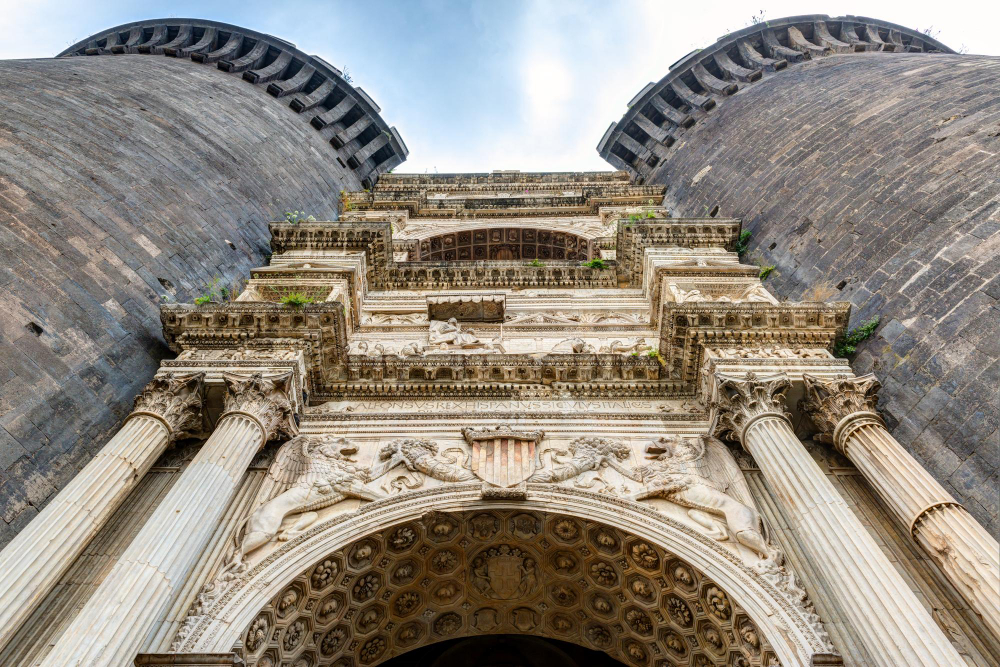
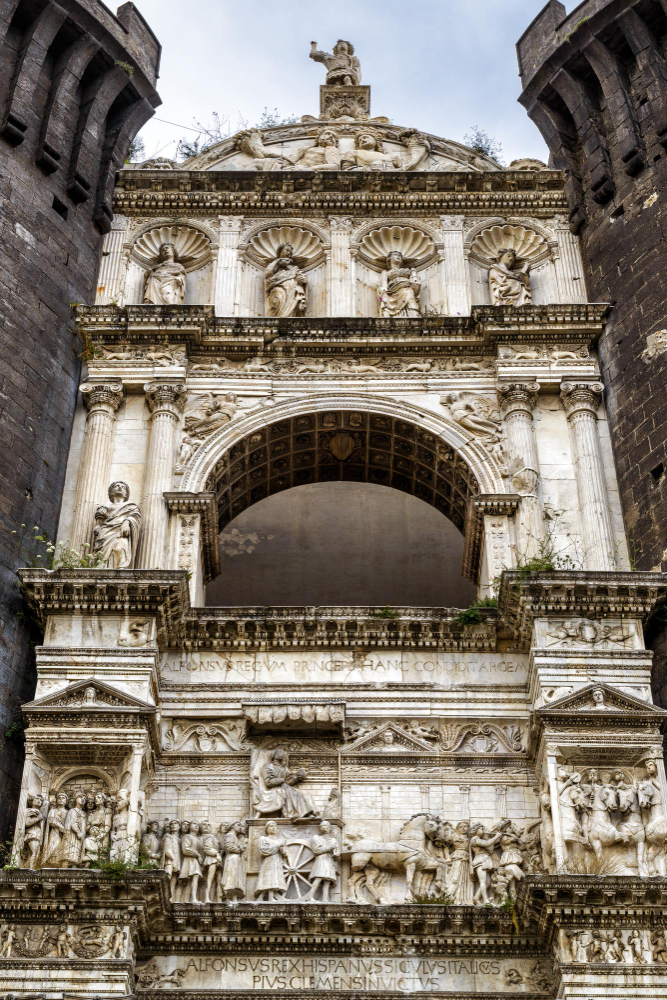
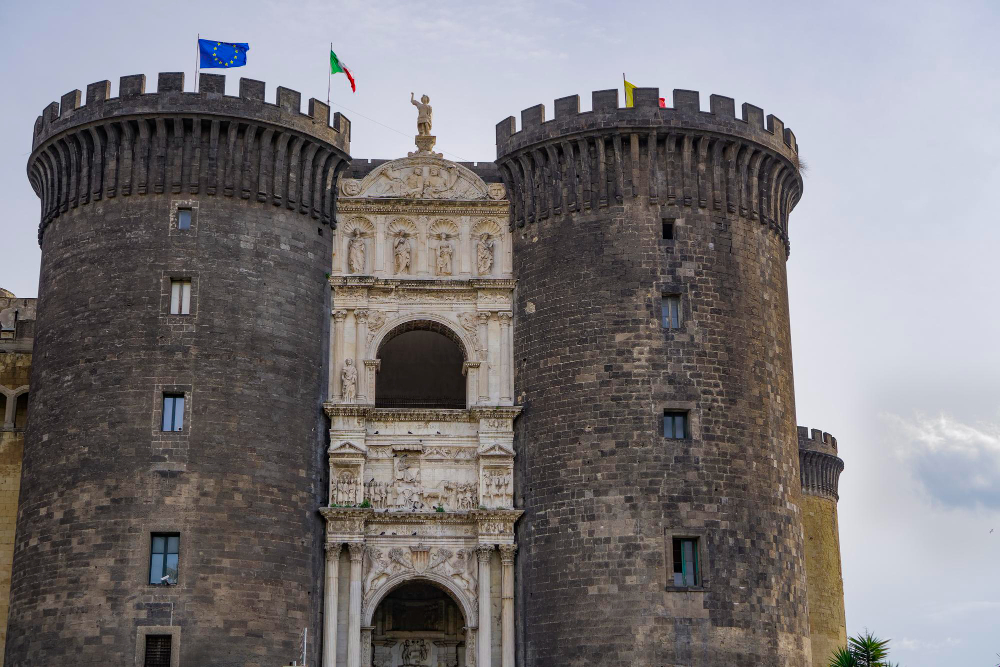
Castel Nuovo, also known as Maschio Angioino, rises majestically in the heart of Naples and is one of the city’s most impressive structures. Its mighty walls and imposing towers bear witness to a turbulent past filled with power struggles, betrayal, and mysterious legends. But beyond its architectural beauty, this castle harbors a history that is as fascinating as it is grim. In particular, the reign of Queen Joanna I and the infamous “Crocodile Pit” have contributed to Castel Nuovo remaining a place of myth to this day.
The Enigmatic Ruler and the Murder of Andrew of Hungary – Joanna I, who ruled the Kingdom of Naples from 1343 to 1381, was a woman who caused a stir in a patriarchal world. Her reign was marked by political intrigue, scandals, and violent conflicts. One of the darkest episodes of her reign was the dramatic death of her first husband, Andrew of Hungary, who was mysteriously murdered. The young king, brother of Louis I of Hungary, was intended to strengthen the alliance between Hungary and Naples through his marriage to Joanna. Yet this plan ended tragically. The circumstances of his death remain unclear to this day, although many historians suspect that Joanna herself played a key role. Andrew’s sudden death in 1345 sparked horror throughout Europe, particularly among Louis I, who subsequently laid siege to Naples. It is reported that Castel Nuovo was plundered during this war—an act of retaliation that transformed the royal fortress into a scene of bloody battles. This episode demonstrates that Castel Nuovo was not only a place of refuge but also a center of political power struggles. Despite the scandal, Joanna remained in power and remarried, yet her life continued to be overshadowed by intrigue. Her end was as tragic as her life: in 1382, she was captured by Charles III, a member of her own royal family, and ultimately murdered.
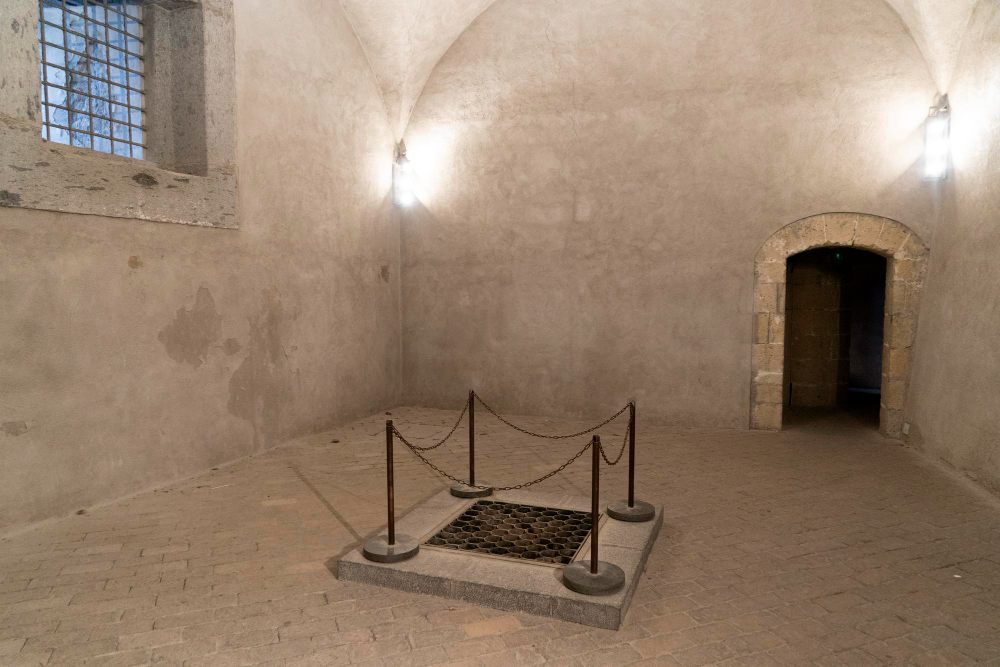
The Legend of the “Crocodile Pit” – In addition to the historical events that shaped Castel Nuovo, a particularly gruesome legend has captured the imagination of many: the story of the so-called “Crocodile Pit.” The myth holds that Joanna devised a cruel method in her castle to dispose of her lovers. Supposedly, she lured men into her chambers and, after they had served their purpose, had them fall through a hidden trapdoor into the cellar. There, the unfortunate men are said to have been devoured by a crocodile that was allegedly brought to Naples from Africa. As fascinating as this story sounds, there is no historical evidence to support these claims. Nevertheless, the legend persists and has become an integral part of the folklore surrounding Castel Nuovo. Tourists visiting the castle are often fascinated by this macabre tale and search for traces of the infamous pit, even though archaeologists have found nothing of the sort to this day. It is likely that the legend is symbolic in nature and aims to portray Joanna as a dangerous and powerful woman—an image with which women have often been confronted throughout history when they attempted to challenge social norms. Nevertheless, the story of the crocodile pit has helped to further fuel the myth surrounding Castel Nuovo and cement its reputation as a place shrouded in mystery.
Castel Nuovo Today: A Place of History and Legends – Today, Castel Nuovo is not only an important historical monument but also a popular tourist destination. Visitors can admire the magnificent halls, the Gothic chapel, and the impressive architecture that has withstood the test of time. In particular, the “Sala dei Baroni,” a large hall with ornate design, attracts many art and history enthusiasts. But the stories and legends surrounding the castle also play a significant role in its appeal. The past of Castel Nuovo—a blend of documented events and speculative tales—connects visitors to the fascinating and often turbulent history of Naples.
The Significance of Legends for Naples’ Identity – Naples is a city that captivates not only through its vibrant culture and culinary delights, but also through its rich history and diverse myths. Castel Nuovo symbolizes this blend of reality and fiction. The legends surrounding Joanna I and the crocodile pit are just a fraction of the stories that demonstrate how closely historical facts and popular beliefs are intertwined. Such stories give the city a unique identity and attract international attention. They serve as a window into the past and reflect both the power struggles of rulers and the creativity of the people who keep these legends alive. Castel Nuovo is thus not merely a stone structure, but a living symbol of power, betrayal, and an insatiable curiosity about the mystical.
The history of Castel Nuovo reflects the complexity of Naples—a place where historical facts and enigmatic legends weave together into a fascinating whole. Joanna I, her intrigues, and the legend of the “crocodile pit” are proof of how history is told by people and constantly reinterpreted. They encourage us to reflect on power, betrayal, and the role of myths in our culture. Today, centuries later, Castel Nuovo remains a magnet for anyone drawn to its historical significance and mysterious tales. Every visit is a journey into a bygone era—and an invitation to explore the boundaries between truth and fantasy.
















Post Comment