The Virgin of Kaunas: How a Woman Became the Savior of a City
Kaunas, Lithuania’s second-largest city, is not only a cultural hub with a rich history but also the setting for numerous legends that continue to capture the imagination of locals and visitors alike. One of these stories, “Kauno Mergelė”—the Virgin of Kaunas—tells of courage, deception, and a sacrifice that saved an entire city. But where do the origins of this legend lie, and how much truth is there in the tales that have been passed down through generations?
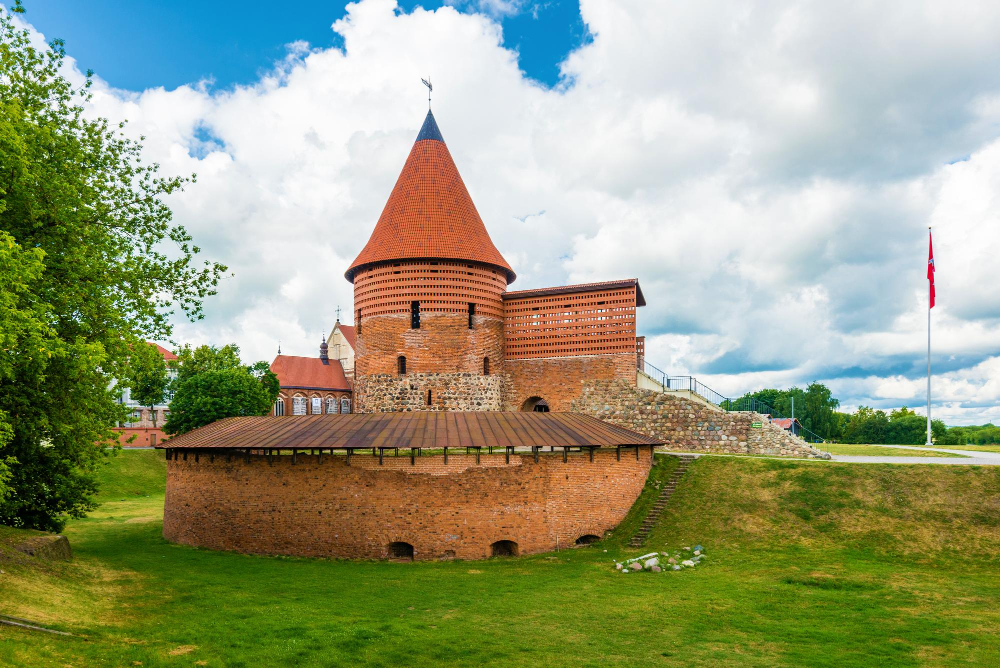
The Historical Background: Kaunas in the Shadow of Conflict – Before delving into the legend itself, it is worth taking a look at the historical circumstances that may have provided the fertile ground for this fascinating story. Kaunas is strategically located at the confluence of the Nemunas and Neris rivers and was an early sought-after site for trade and defense. However, this favorable location also made the city vulnerable to attacks by hostile powers. In the Middle Ages, Lithuania was frequently the target of military conflicts, particularly by the Crusaders. The Teutonic Knights, who sought to extend their power across much of the Baltic region, fought repeatedly against the Lithuanians in the 13th and 14th centuries, as the Lithuanians stubbornly refused to give up their faith and independence. It is unclear, however, whether the story of the “Kauno Mergelė” actually dates back to this period or whether it emerged later, when the city was already facing other challenges.
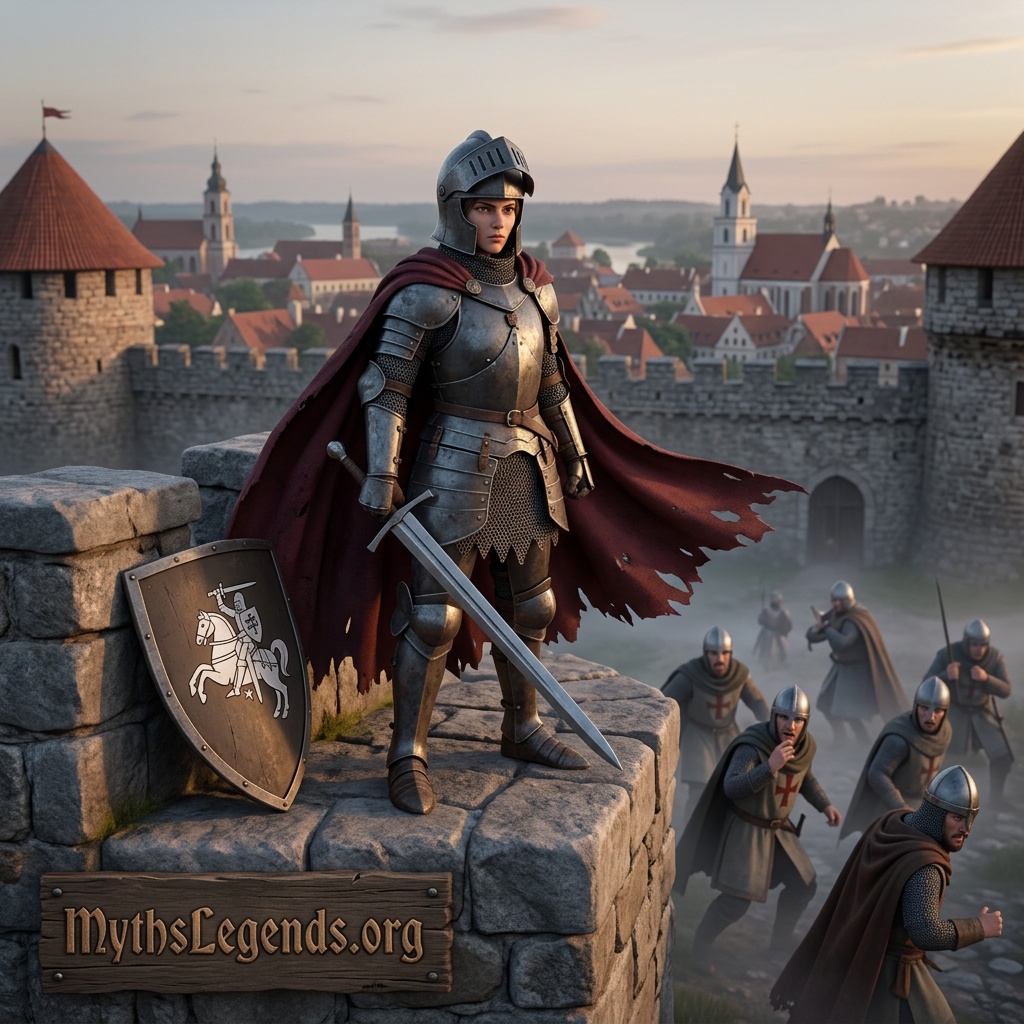
The Legend of the “Kauno Mergelė” – The core of the story is quickly told: A young woman named Živilė lived in a time of war, when Kaunas was threatened by an enemy army. The attackers planned to capture the city, plunder it, and enslave its inhabitants. As the townspeople’s hope faded and the siege was imminent, Živilė is said to have devised a bold plan to save Kaunas. According to legend, the young woman donned magnificent armor and sneaked into the enemy camp at night. There, she posed as a mighty warrior and deliberately spread rumors of an impending counteroffensive by the Lithuanian forces. Her appearance and demeanor were so convincing that the enemy soldiers became unsettled and decided to call off the attack. Kaunas thus escaped certain doom—thanks to the courage and cunning of a single woman.
The Search for the Truth: Historical and Cultural Aspects – But how credible is this story really? Historians are divided on this question. On the one hand, there are no direct written sources from that period confirming the existence of Živilė or the event described. On the other hand, oral traditions are traditionally very strong in Lithuania and often form an important part of national identity. Some experts suspect that the legend is symbolic in nature and is intended to represent the resilience of the Lithuanian people in the face of external threats. The figure of Živilė could serve as an archetype—an embodiment of courage, cunning, and patriotism. Such personified narratives are found in many cultures worldwide, such as Joan of Arc in France or Boudicca in England.
Why the “Kauno Mergelė” Captures Hearts – Regardless of whether the story is historically verifiable or not, it captivates through its universal themes and message. It shows how individuals can achieve great things through wisdom and courage, even in seemingly hopeless situations. Especially in times of uncertainty and change, the legend offers comfort and inspiration. It also reflects Kaunas’s closeness to nature and the deep connection Lithuanians have to their roots. Particularly striking is Živilė’s role as a strong female figure at the center of an otherwise male-dominated world of war. This lent the story additional significance in later times, as women’s rights and equality increasingly came into focus.
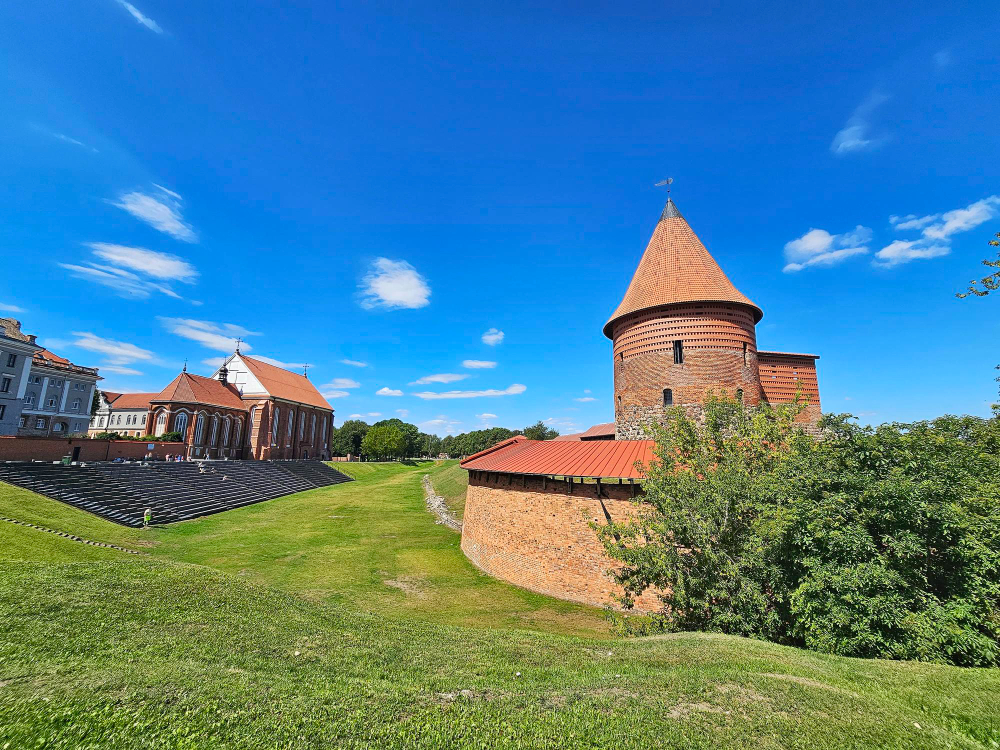
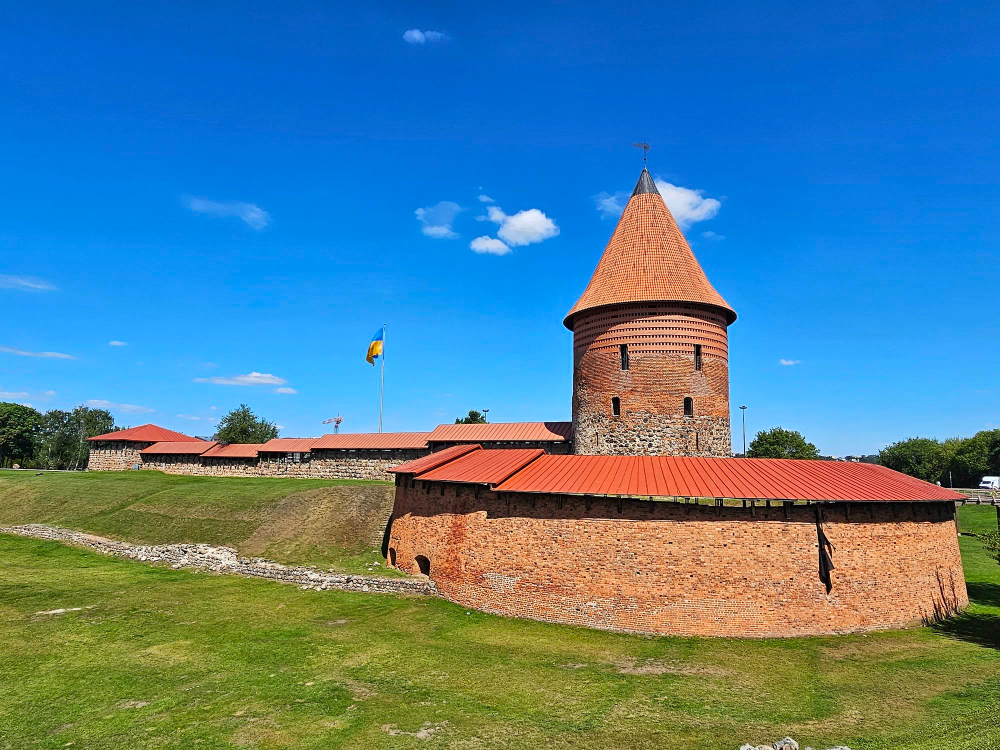
The Modern Reception of the Legend – The “Kauno Mergelė” remains an important part of local folklore to this day. In Kaunas, there are numerous sites, such as monuments or commemorative plaques, that serve to indirectly honor the legendary savior. Although Živilė is not directly part of official historical narratives, she continually finds her way into modern society through art and literature. In contemporary Lithuanian culture, the story frequently appears in plays, poems, and songs. Sometimes her role is expanded—she is portrayed as a kind of guardian spirit of the city, watching over Kaunas and guiding its inhabitants through difficult times. Such interpretations demonstrate how flexible myths are and how they can evolve over the centuries.
Parallels to Other Legends – “Kauno Mergelė” is part of a long tradition of stories that tell of the courage of young women. Mythologically speaking, she is reminiscent of other iconic figures such as Judith, who in the Old Testament deceives and kills the enemy Holofernes, or the Greek goddess Athena, who symbolizes cunning and wisdom. Such stories often serve two purposes: they are meant to strengthen the community while also demonstrating that courage and intelligence can have a profound impact regardless of gender. In Lithuania itself, there are similar tales of women who played a decisive role in protecting their homeland through their cleverness or self-sacrifice. These parallels suggest that such stories offer more than just entertainment; they convey values that are deeply rooted in society and unite people.
The Significance of “Kauno Mergelė” for Kaunas – Even though the legend cannot be conclusively proven historically, it has undoubtedly helped shape the identity of Kaunas. It is an example of how myth and reality are interwoven to create a sense of pride and community. “Kauno Mergelė” reminds residents that the city is not just a geographical location, but a symbol of resistance and hope. For tourists, the story offers a fascinating insight into the city’s cultural and historical dimensions. It encourages visitors to view Kaunas not merely as a collection of sights, but as a living place full of secrets waiting to be discovered.
A Legacy of Courage – Ultimately, “Kauno Mergelė” remains a story whose true details may never be fully clarified. Yet its message is universal and timeless: courage, wisdom, and self-sacrifice can overcome even the greatest obstacles. Whether a young woman named Živilė actually saved Kaunas is secondary—what matters is the impact this legend has on the people who tell and hear it.
For Kaunas, it remains a proud part of its cultural heritage, a symbol of individual strength and the fate of a people. And perhaps it is precisely the open question of its truth that makes “Kauno Mergelė” so special—a legend that can be reinterpreted time and again without ever losing its meaning.












Post Comment