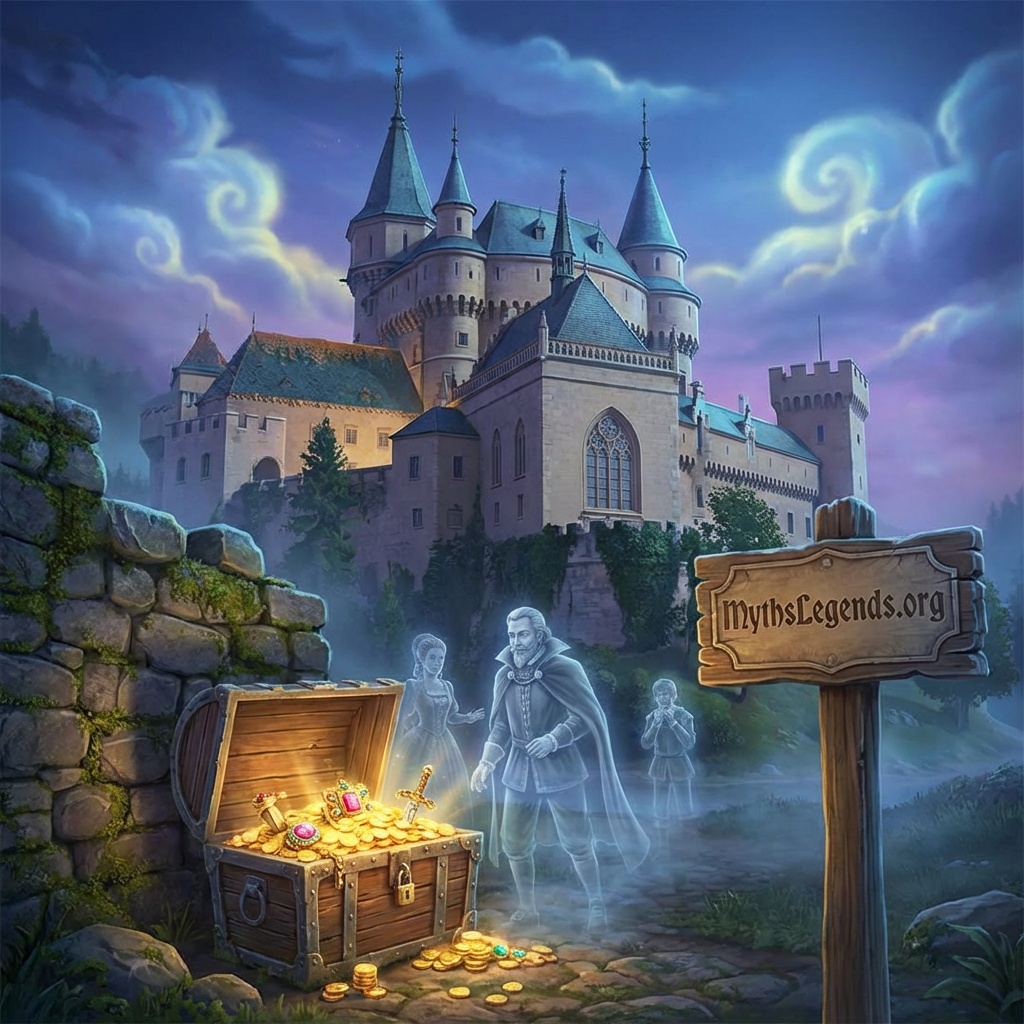
The secret of Bojnice Castle: the cursed treasure of the Thurzó family
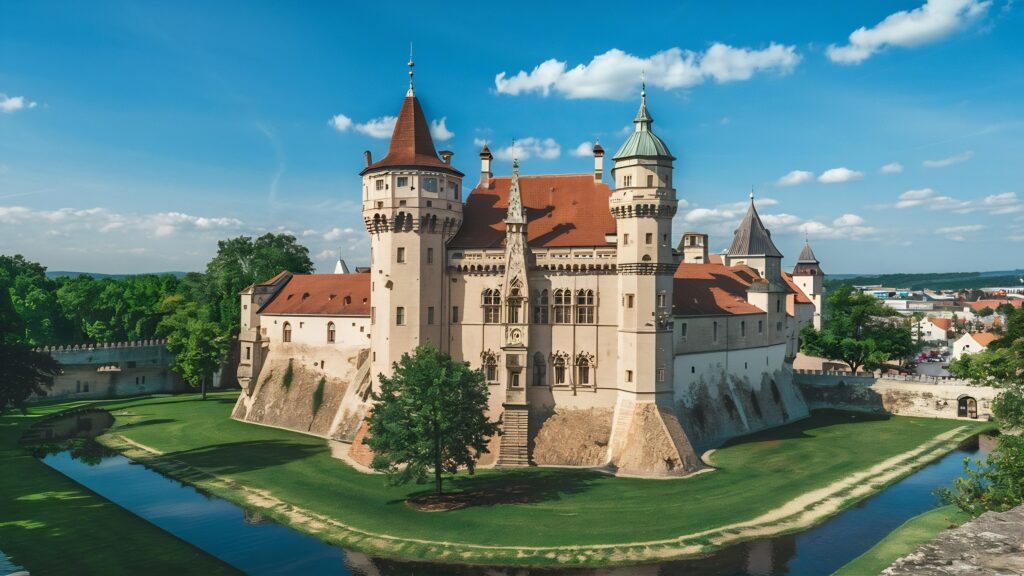
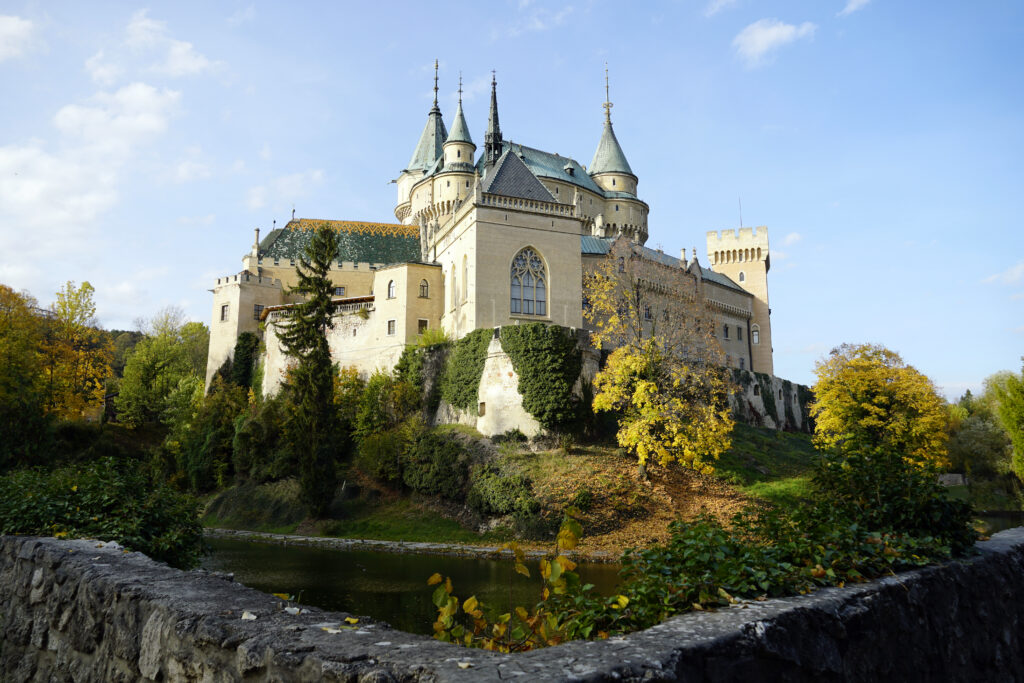
Bojnice Castle, a picturesque mansion in Slovakia, has always attracted visitors with its magnificent architecture and mysterious atmosphere. Particularly fascinating is the legend of a cursed treasure that was allegedly hidden by the Thurzó family. This story gives people goosebumps and stimulates their imagination.
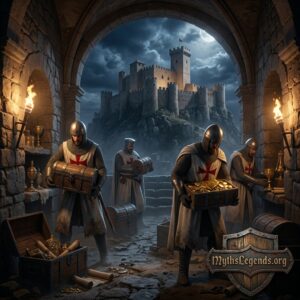
According to legend, the ancient walls conceal a treasure of inestimable value that the ambitious Count Nikolaus Thurzó hid during a dark period. It is said that he amassed this treasure through dishonest means and hid it deep within the castle walls for fear of discovery and punishment. In doing so, he is said to have cast a very powerful curse that haunts anyone who tries to take the treasure.
Many adventurers and treasure hunters have been lured by the immense power and wealth that are said to be hidden in Bojnice Castle. But legend warns that those who try to unravel the mystery of the treasure will be struck by an eerie curse. There are countless reports of failed attempts to find the treasure. Some ended in mysterious accidents, others in the sudden disappearance of the treasure hunters. This only added to the attraction and mystery surrounding Bojnice Castle.
A particularly eerie testimony to this legend is the story of two young men from the area who tried to find the treasure in the 1980s. They had heard of secret documents that supposedly contained information about the whereabouts of the treasure. Motivated by fame and fortune, they entered the castle at night. However, they were not seen again the next morning until their bodies were found weeks later in a remote part of the castle. The stories surrounding their mysterious deaths continue to fuel the myth of the cursed treasure to this day.
Historians and archaeologists are fascinated by the stories surrounding Bojnice Castle and have conducted numerous investigations to uncover the truth behind the myth. Some believe that the legend has its origins in the political intrigues and power struggles of the Thurzó family, who exerted a strong influence on the region during their time. Others believe that the stories about a cursed treasure are exaggerated or serve only to draw attention to the historical heritage.
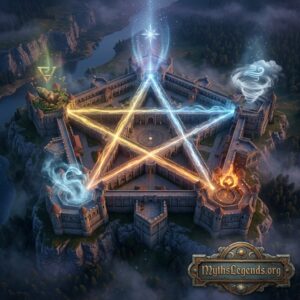
In addition to the cursed treasure, there are other mysteries surrounding Bojnice Castle. It is reported that the Thurzó family used mysterious alchemy and rituals to secure their power and increase their wealth.
In the 16th century, they are said to have been in contact with well-known alchemists and held secret meetings in the castle to discuss the transformation of lead into gold – a practice that was considered potentially diabolical at the time and only reinforced the family’s reputation.
The influence of the Thurzó family and the castle itself has also left its mark on literature. Works by Romantic and modern writers, including local authors, drew on the legends and mystical aura of the castle as a source of inspiration. Their stories blend historical facts and fictional elements into a fascinating tale of power, betrayal, and unfathomable secrets.
Today, Bojnice Castle remains a popular destination for tourists and history buffs. Guided tours of the imposing building offer valuable insights into the past and the legends surrounding the castle. But despite countless stories and detailed research, the question of the Thurzó family’s cursed treasure remains an unsolved mystery that continues to arouse the curiosity and amazement of visitors to this day.
In summary, Bojnice Castle is more than just an architectural masterpiece. The legends surrounding the cursed treasure of the Thurzó family continue to fuel the imagination and keep the myths surrounding the castle alive. Its mysterious aura and historical significance create an irresistible attraction that captivates both adventure seekers and culture enthusiasts. Even if the truth behind the cursed treasure may never fully come to light, the story remains an important part of Slovak folklore and a fascinating part of cultural heritage.


Post Comment